Agreement Trust Nominee Withdrawn
Description
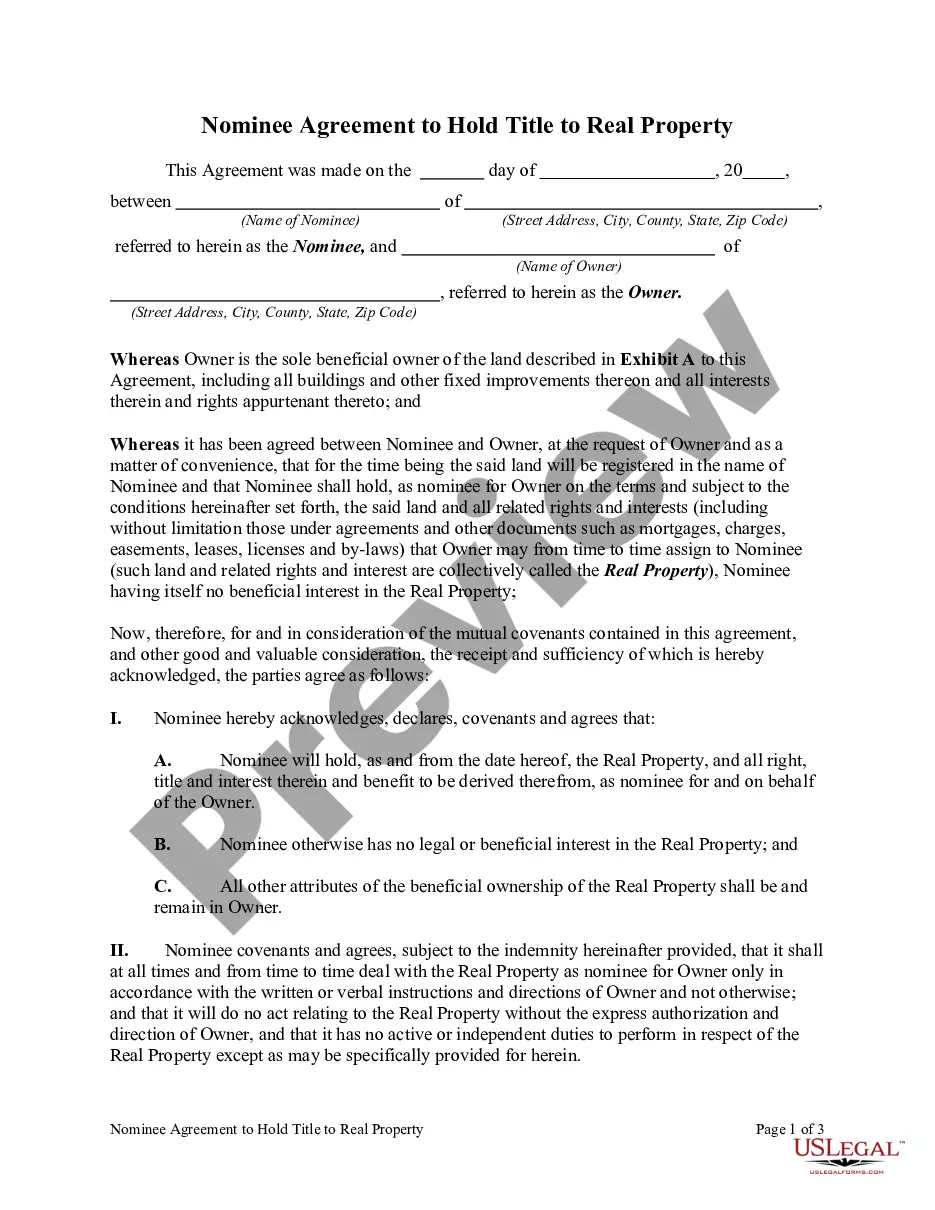
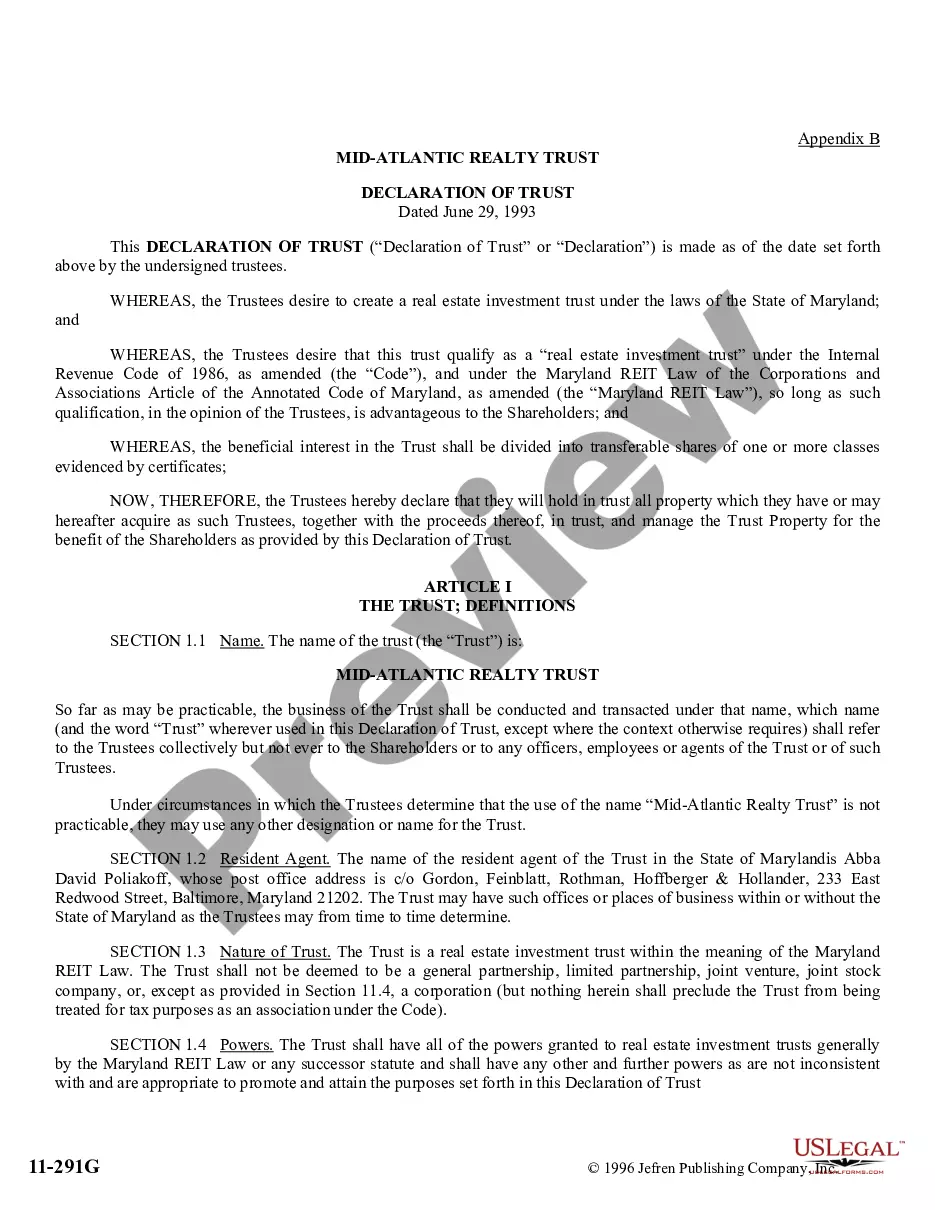
Get your form ready online
Our built-in tools help you complete, sign, share, and store your documents in one place.
Make edits, fill in missing information, and update formatting in US Legal Forms—just like you would in MS Word.
Download a copy, print it, send it by email, or mail it via USPS—whatever works best for your next step.
Sign and collect signatures with our SignNow integration. Send to multiple recipients, set reminders, and more. Go Premium to unlock E-Sign.
If this form requires notarization, complete it online through a secure video call—no need to meet a notary in person or wait for an appointment.
We protect your documents and personal data by following strict security and privacy standards.

Make edits, fill in missing information, and update formatting in US Legal Forms—just like you would in MS Word.

Download a copy, print it, send it by email, or mail it via USPS—whatever works best for your next step.

Sign and collect signatures with our SignNow integration. Send to multiple recipients, set reminders, and more. Go Premium to unlock E-Sign.

If this form requires notarization, complete it online through a secure video call—no need to meet a notary in person or wait for an appointment.

We protect your documents and personal data by following strict security and privacy standards.
Looking for another form?

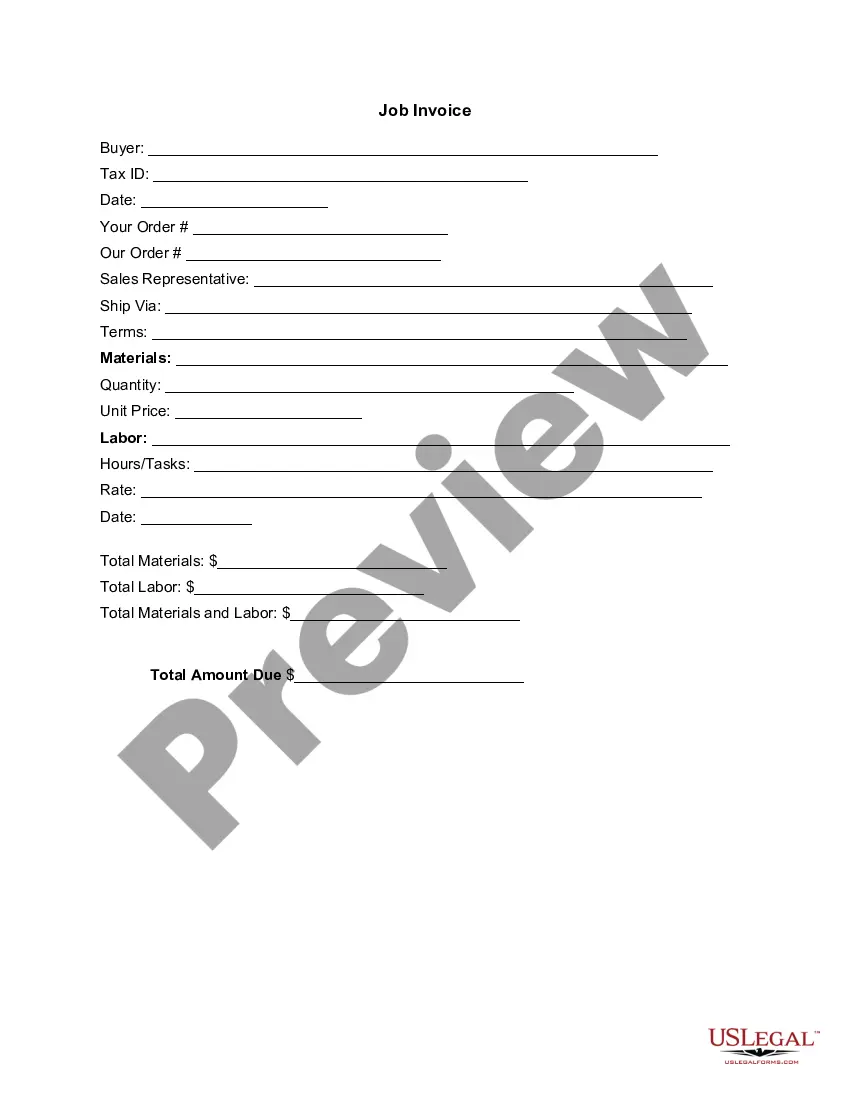


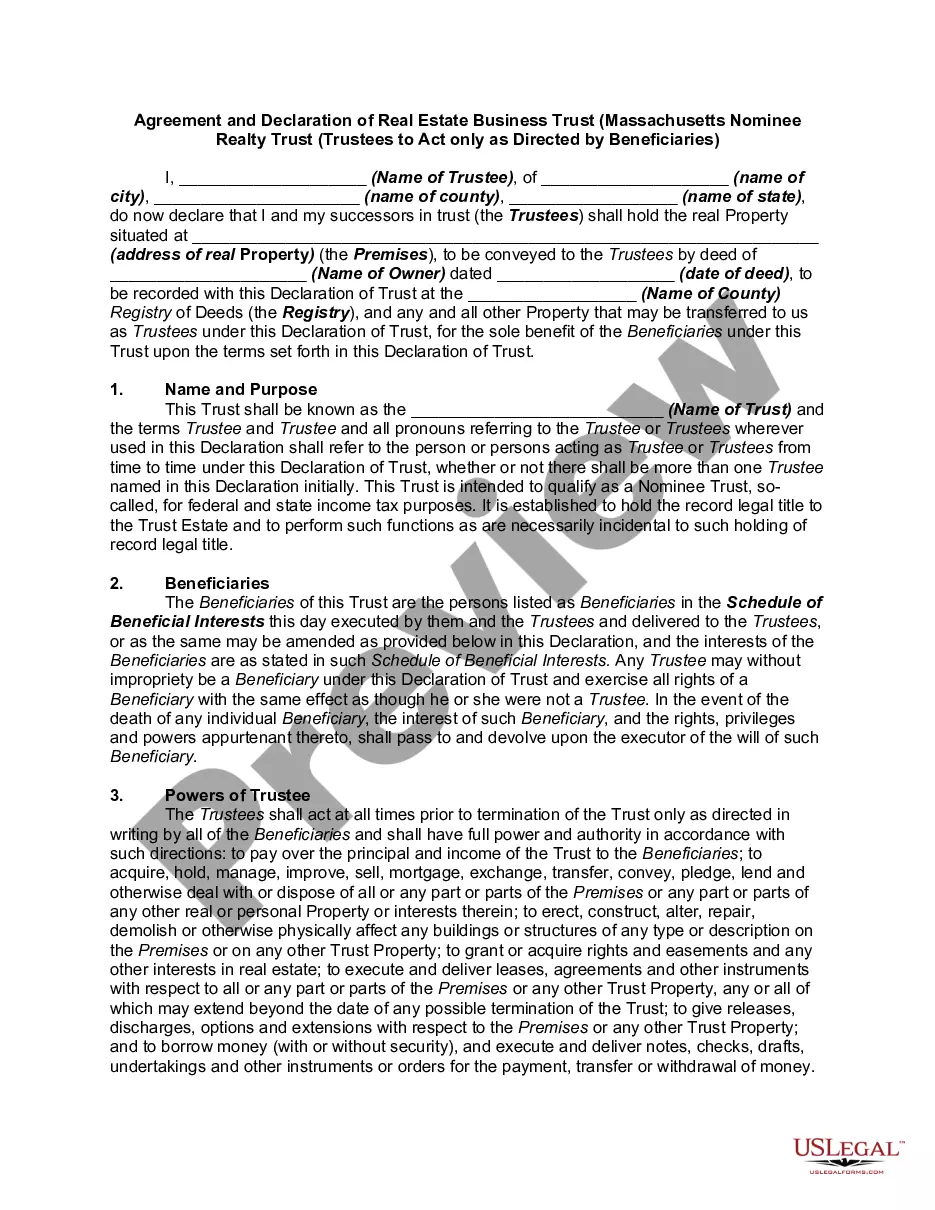
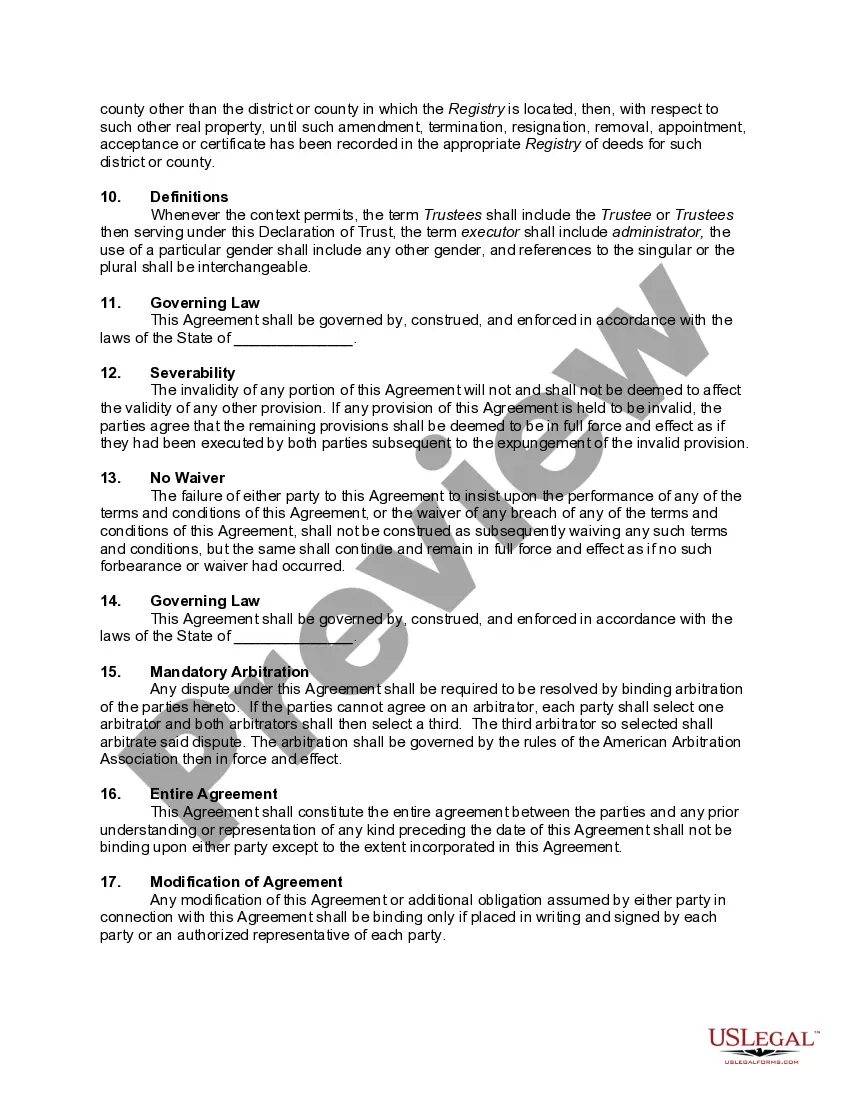
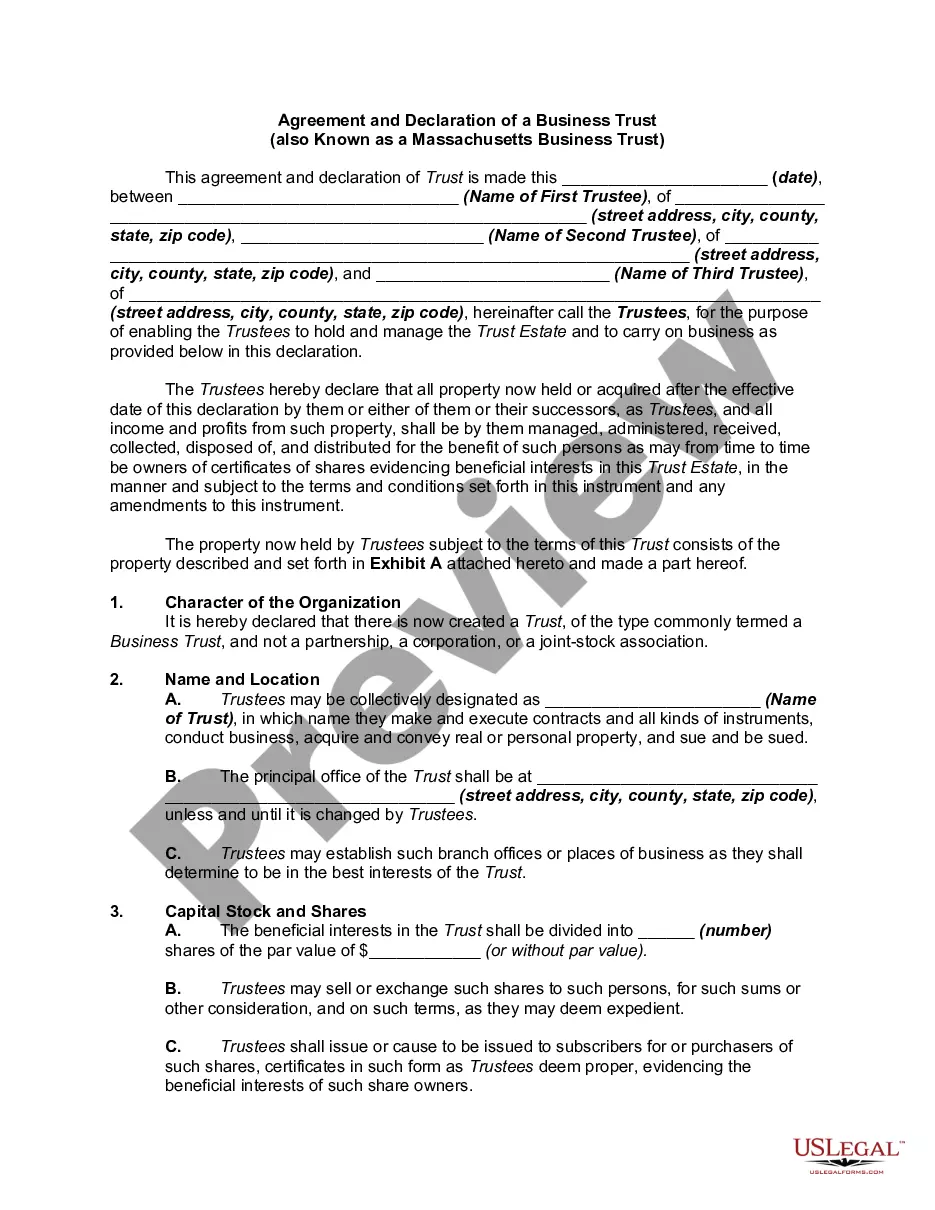
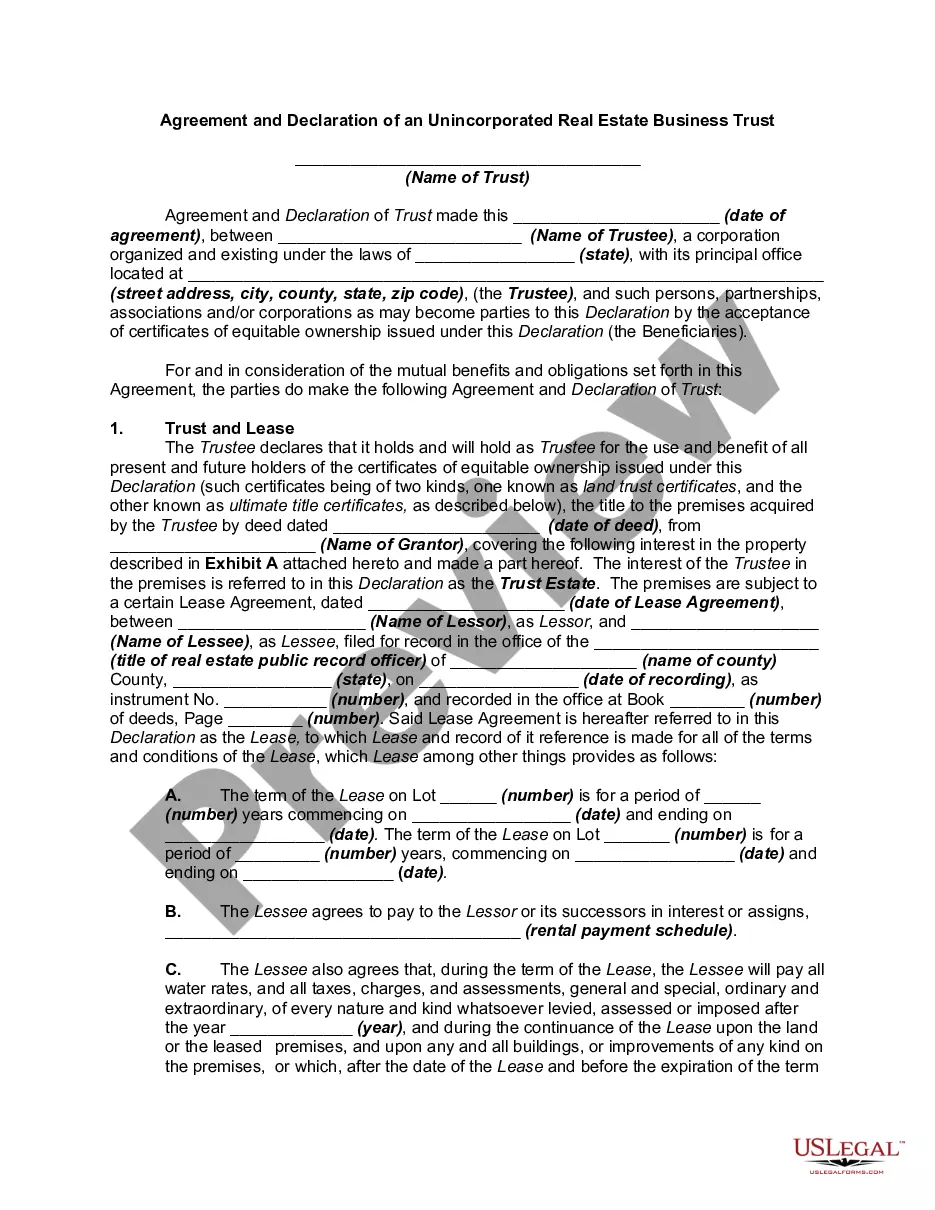
How to fill out Agreement And Declaration Of Real Estate Business Trust - Massachusetts Nominee Realty Trust - Trustees To Act Only As Directed By Beneficiaries?
Obtaining legal document examples that adhere to the federal and state regulations is essential, and the internet provides numerous choices to select from.
However, what’s the benefit of squandering time searching for the right Agreement Trust Nominee Withdrawn template online when the US Legal Forms digital library already compiles such forms in one location.
US Legal Forms is the largest online legal resource with over 85,000 customizable templates created by lawyers for any business or personal situation.
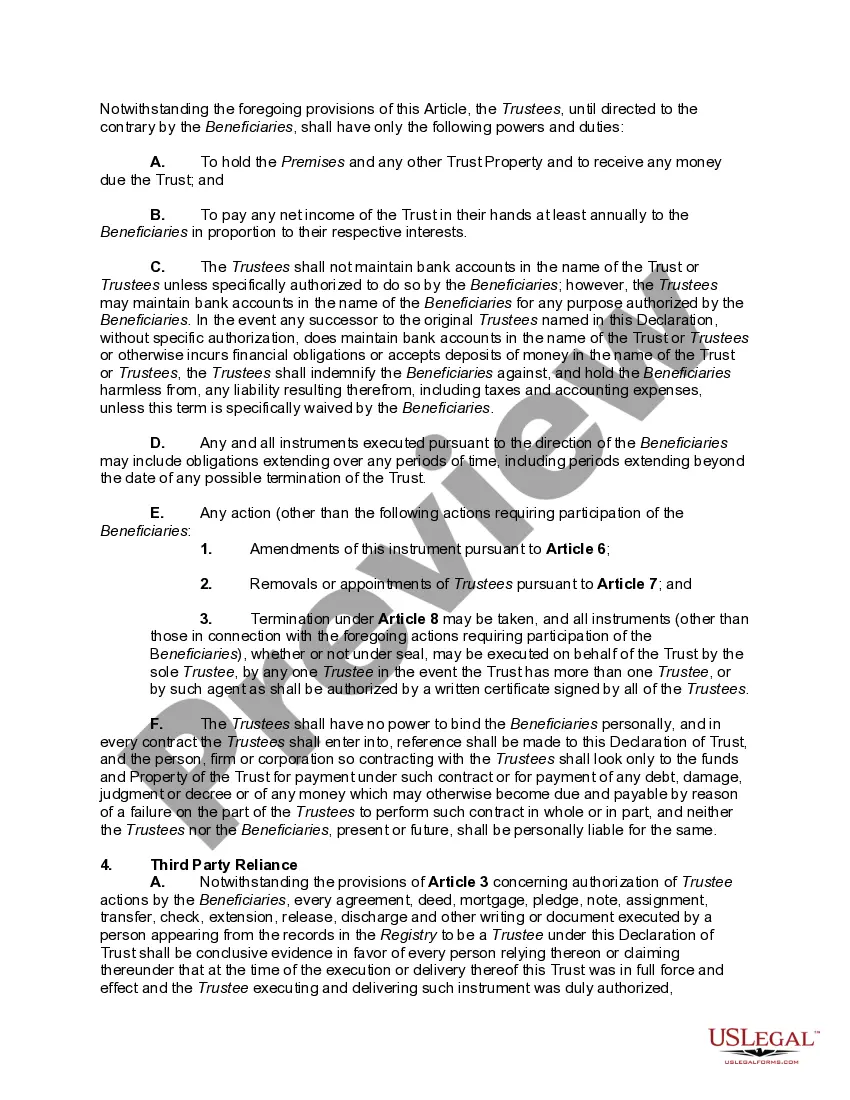
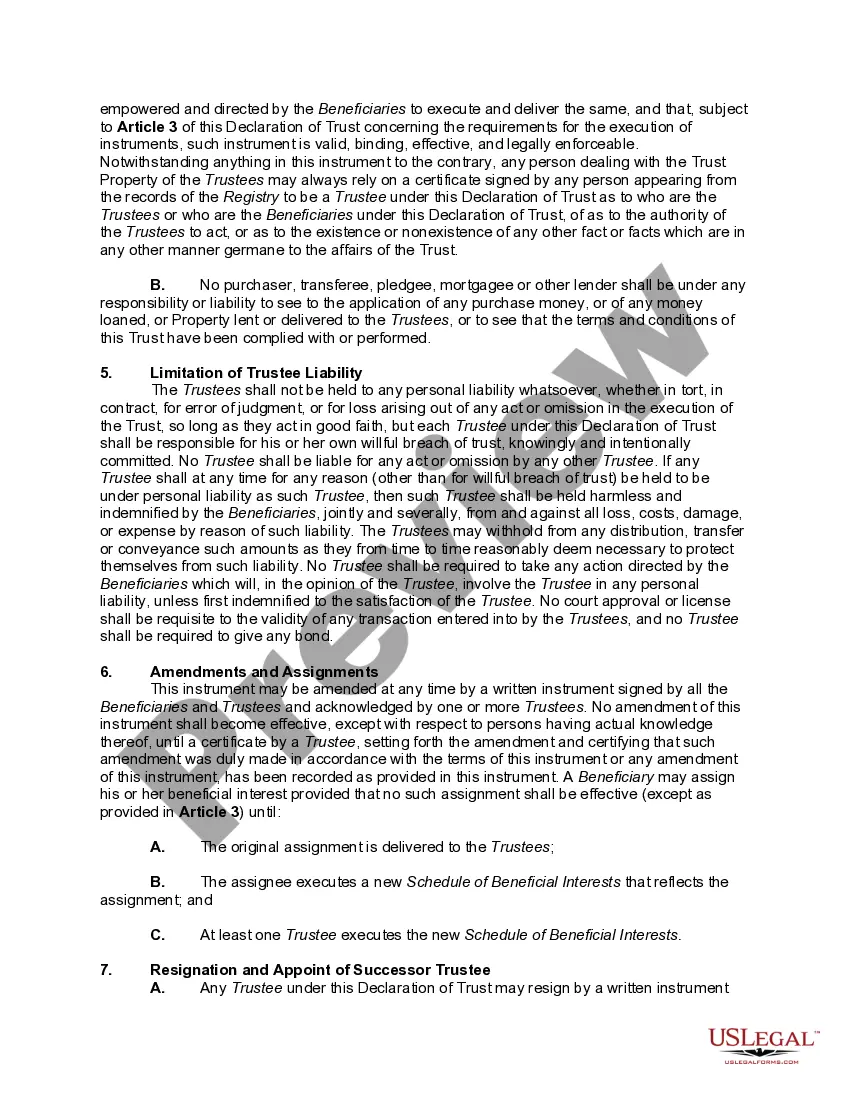
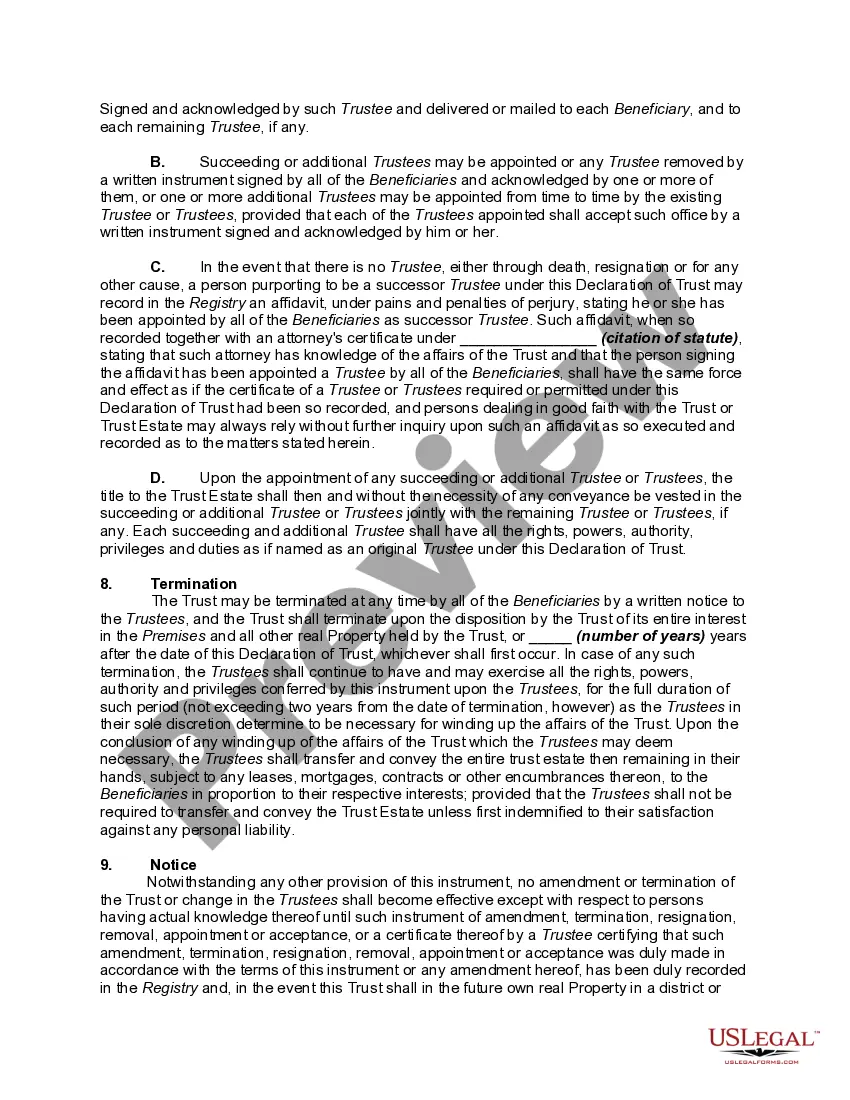
Review the template using the Preview feature or through the text outline to confirm it fulfills your needs.
- They are simple to navigate with all documents organized by state and intended use.
- Our specialists stay updated with legal modifications, so you can always trust your form is current and compliant when obtaining a Agreement Trust Nominee Withdrawn from our site.
- Acquiring a Agreement Trust Nominee Withdrawn is straightforward and fast for both existing and new users.
- If you already possess an account with an active subscription, Log In and store the document sample you need in your selected format.
- If you are new to our platform, follow the steps below.
Form popularity
FAQ
To revoke a trust, you need a written revocation document that states your intention clearly. This document should include details about the original trust and must be signed by you. Depending on state laws, you may also need witnesses or notarization. It's advisable to check with a legal expert or use US Legal Forms to make sure you meet all requirements for the agreement trust nominee withdrawn.
Ending a trust agreement involves formally revoking the trust. This is typically done through a written document stating your decision to end the trust. Once you create this document, ensure it is signed and shared with the trustee and any beneficiaries. For ease and accuracy, consider utilizing resources from US Legal Forms to guide you through the process.
In general, a trust can be taken back if it is revocable. This means you have the right to alter or terminate the trust at any point during your lifetime. To take back a trust, you will need to execute a revocation document that indicates your desire to end the trust. Remember, if you have named any nominee in the agreement, ensure they are informed of your decision.
Yes, a trust can be withdrawn, but this depends on the terms set forth in the trust agreement. If you are the trust creator and you want to withdraw the trust, you typically need to formally revoke it. It is crucial to follow the required legal steps to ensure that the agreement trust nominee withdrawn is processed correctly. Using a platform like US Legal Forms can simplify this process.
To revoke a trust agreement, you must create a written document that clearly states your intention to terminate the trust. This document should be signed and dated by you, the trust creator. Additionally, you may need to notify the trustee and any beneficiaries about the revocation. If the trust is complex, consider consulting a legal professional to ensure proper procedures are followed.
Living trusts, Totten trusts, and nominee trusts are the main types of revocable trusts. They can be revoked, amended, or terminated by the trust grantor, the person who creates the trust, any time before his or her death.
When trust beneficiaries receive distributions from the trust's principal balance, they don't have to pay taxes on this disbursement. The Internal Revenue Service (IRS) assumes this money was taxed before being placed into the trust. Gains on the trust are taxable as income to the beneficiary or the trust.
Trustees generally do not have the power to change the beneficiary of a trust. The right to add and remove beneficiaries is a power reserved for the grantor of the trust; when the grantor dies, their trust will usually become irrevocable. In other words, their trust will not be able to be modified in any way.
All of it is under the control of a dependable individual or entity (the trustee). The grantor determines what happens to the trust's assets and how they're to be distributed. The trustee carries out these directives. Again, this means you can't just withdraw from a trust fund.
A beneficiary can renounce their interest from the trust and, upon the consent of other beneficiaries, be allowed to exit. A trustee cannot remove a beneficiary from an irrevocable trust. A grantor can remove a beneficiary from a revocable trust by going back to the trust deed codes that allow for the same.