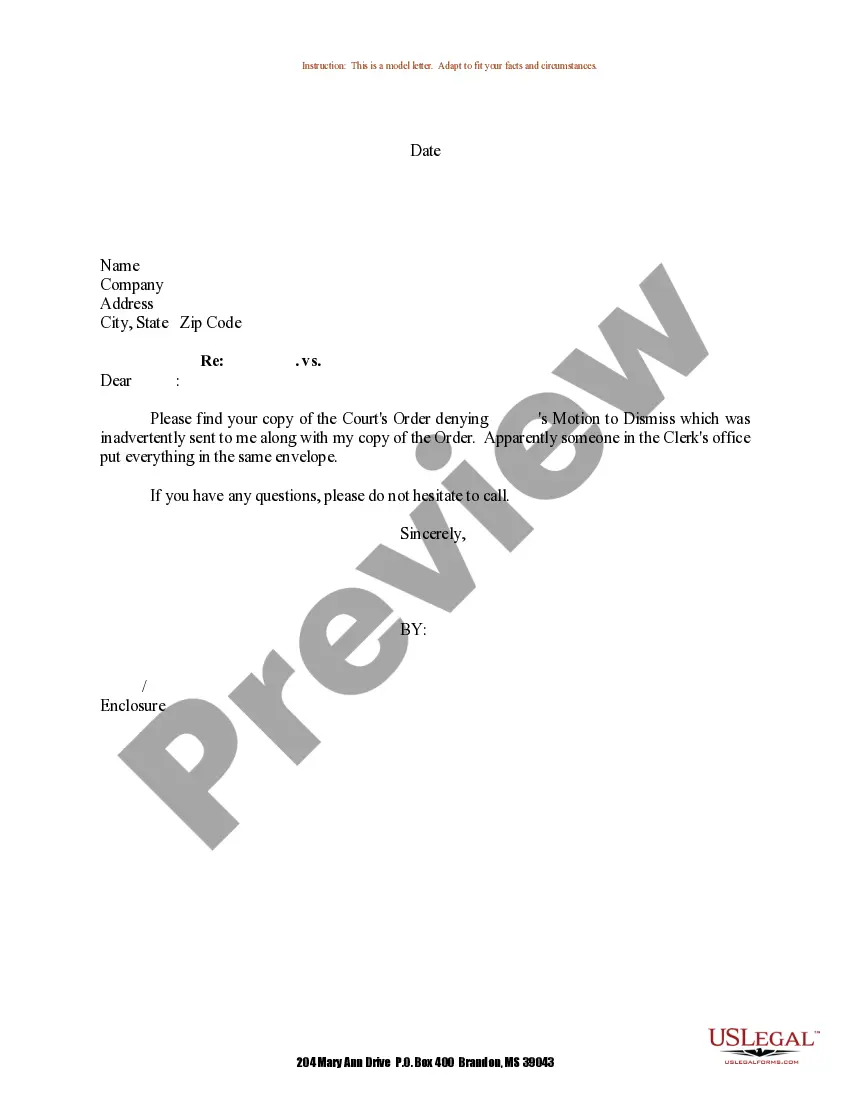
Court Ordered Entire Action Dismissed Without Prejudice
Description
Get your form ready online
Our built-in tools help you complete, sign, share, and store your documents in one place.
Make edits, fill in missing information, and update formatting in US Legal Forms—just like you would in MS Word.
Download a copy, print it, send it by email, or mail it via USPS—whatever works best for your next step.
Sign and collect signatures with our SignNow integration. Send to multiple recipients, set reminders, and more. Go Premium to unlock E-Sign.
If this form requires notarization, complete it online through a secure video call—no need to meet a notary in person or wait for an appointment.
We protect your documents and personal data by following strict security and privacy standards.

Make edits, fill in missing information, and update formatting in US Legal Forms—just like you would in MS Word.

Download a copy, print it, send it by email, or mail it via USPS—whatever works best for your next step.

Sign and collect signatures with our SignNow integration. Send to multiple recipients, set reminders, and more. Go Premium to unlock E-Sign.

If this form requires notarization, complete it online through a secure video call—no need to meet a notary in person or wait for an appointment.

We protect your documents and personal data by following strict security and privacy standards.
Looking for another form?
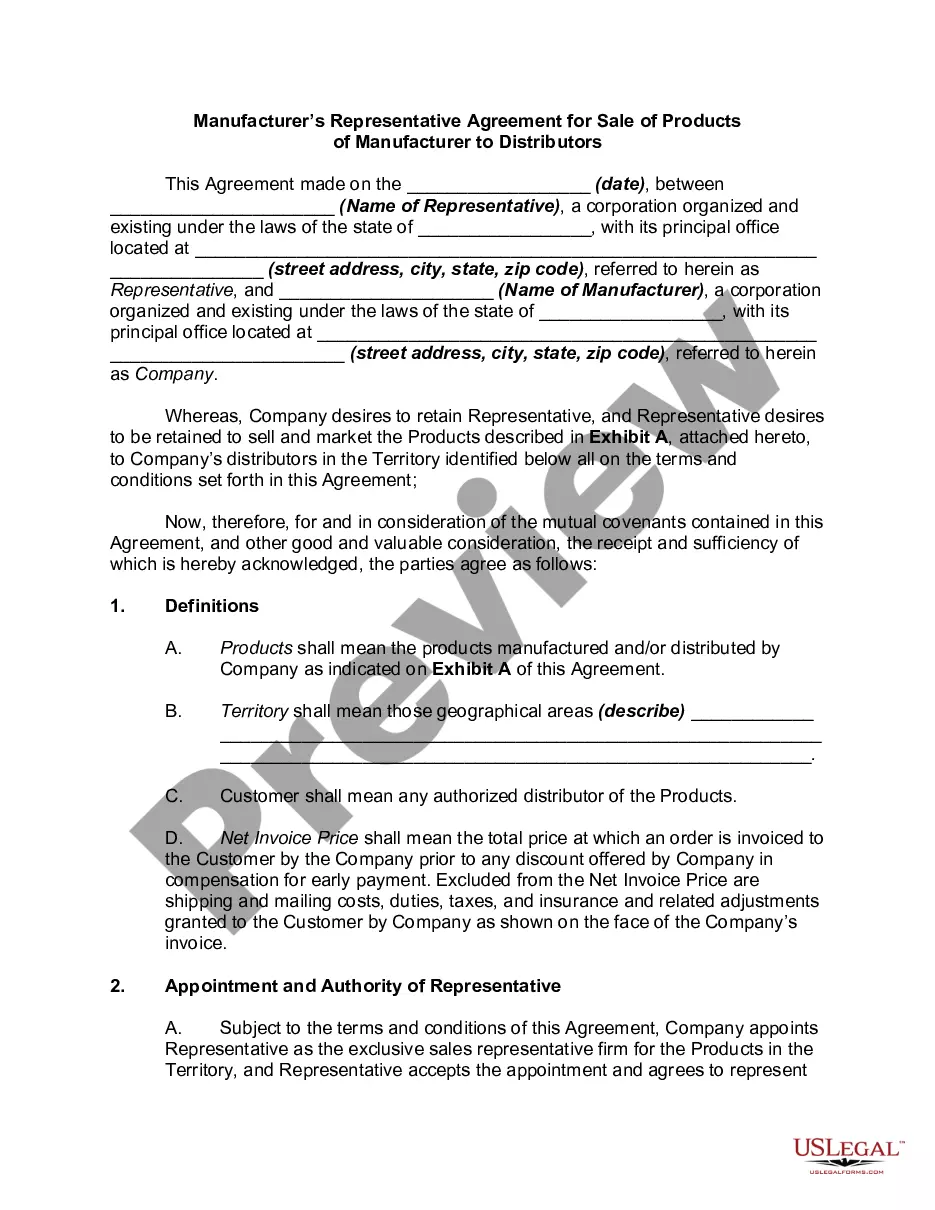
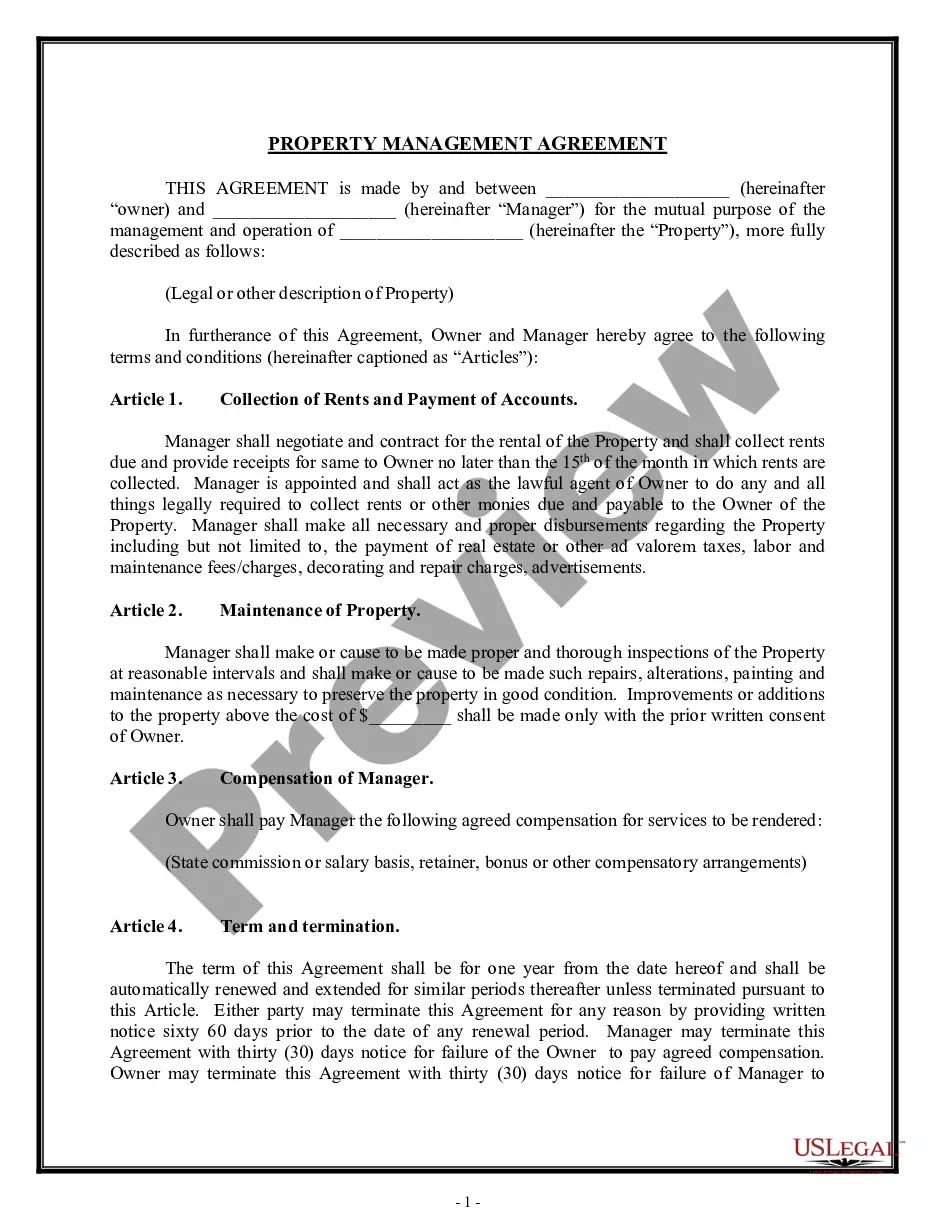
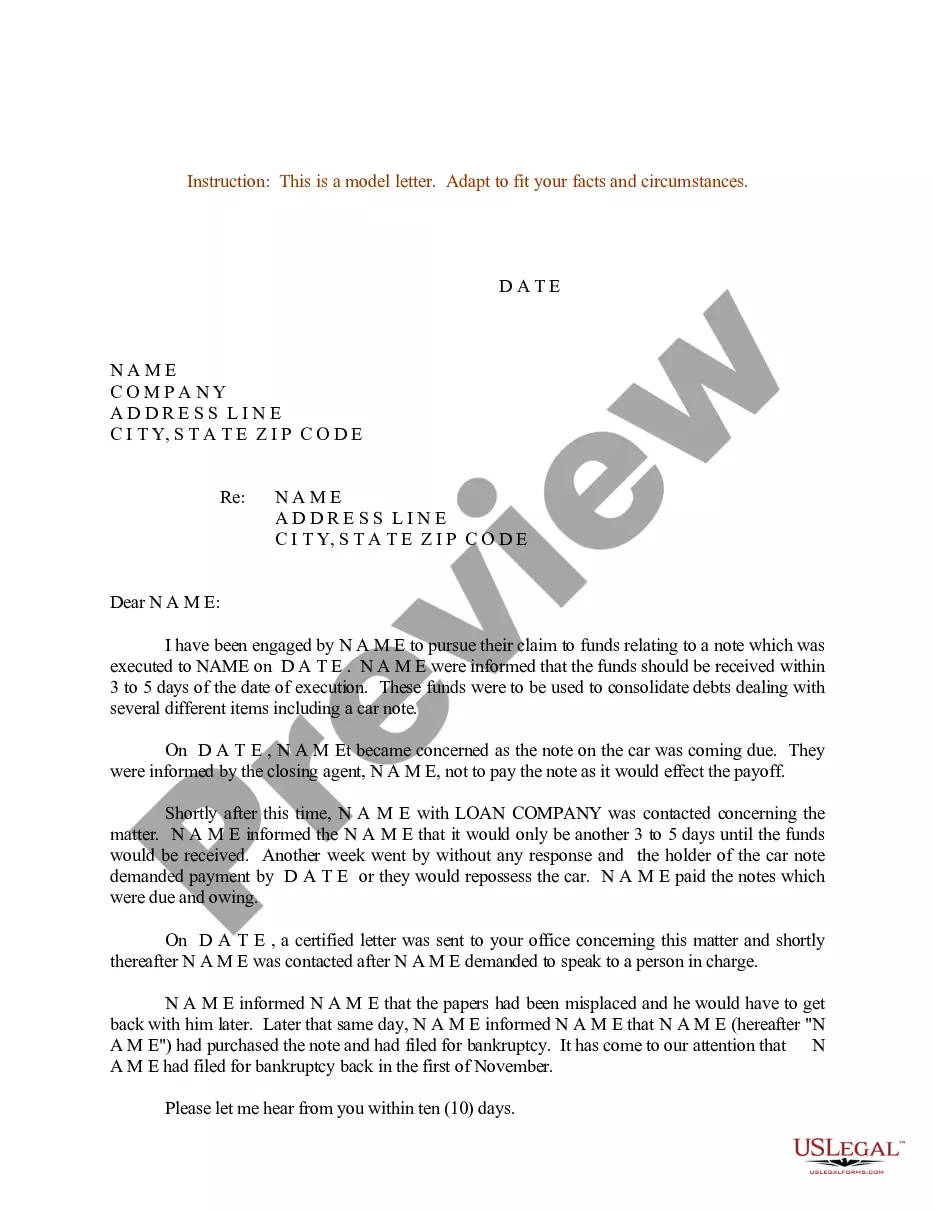
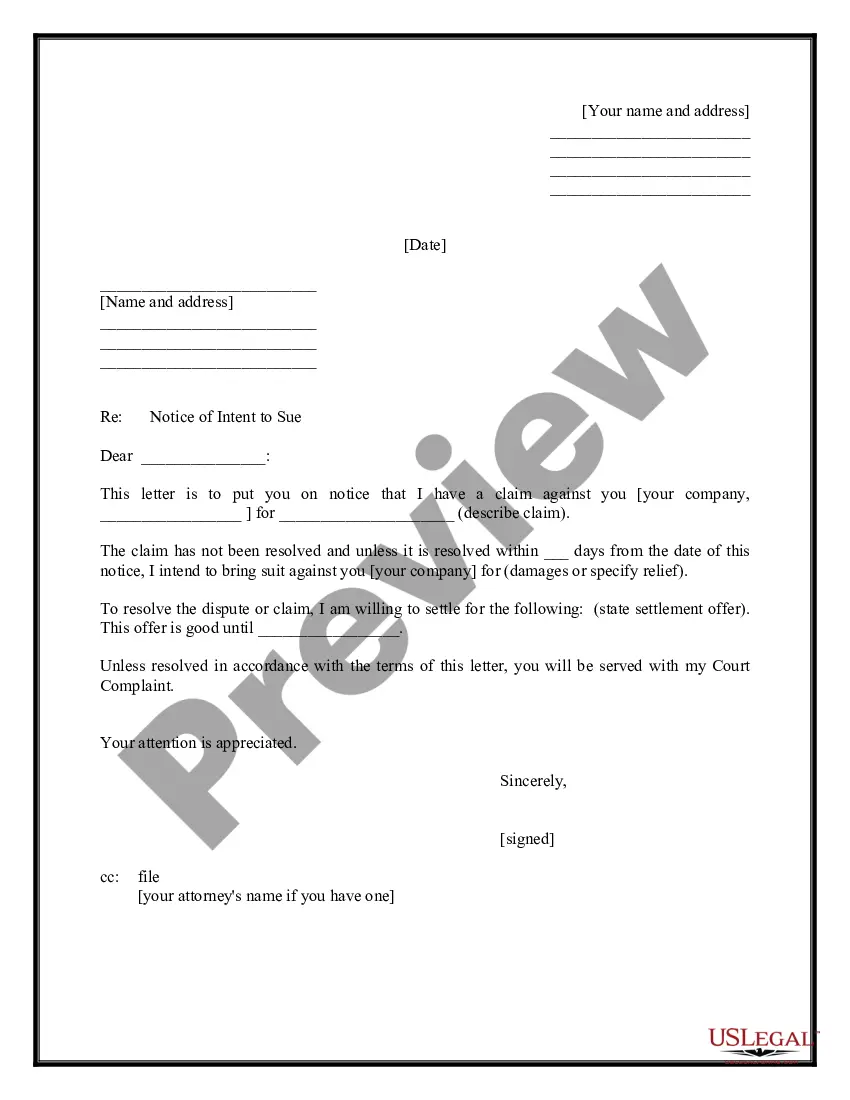
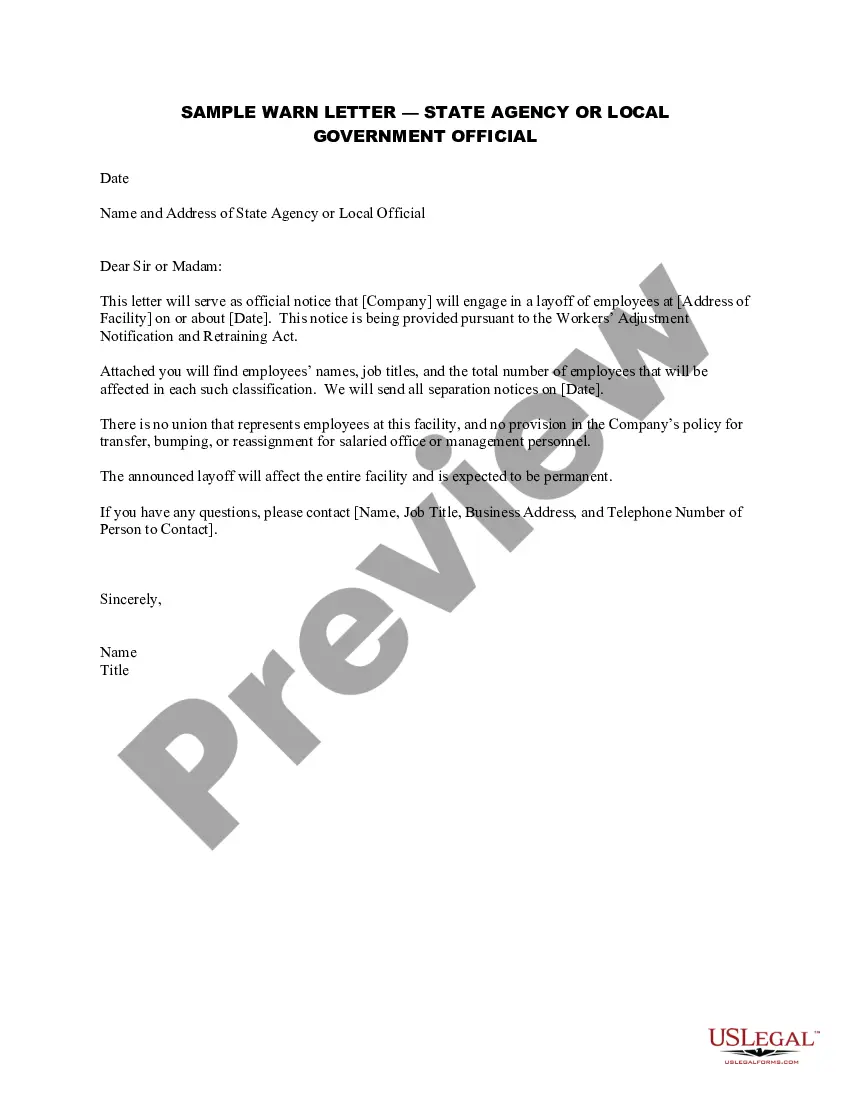
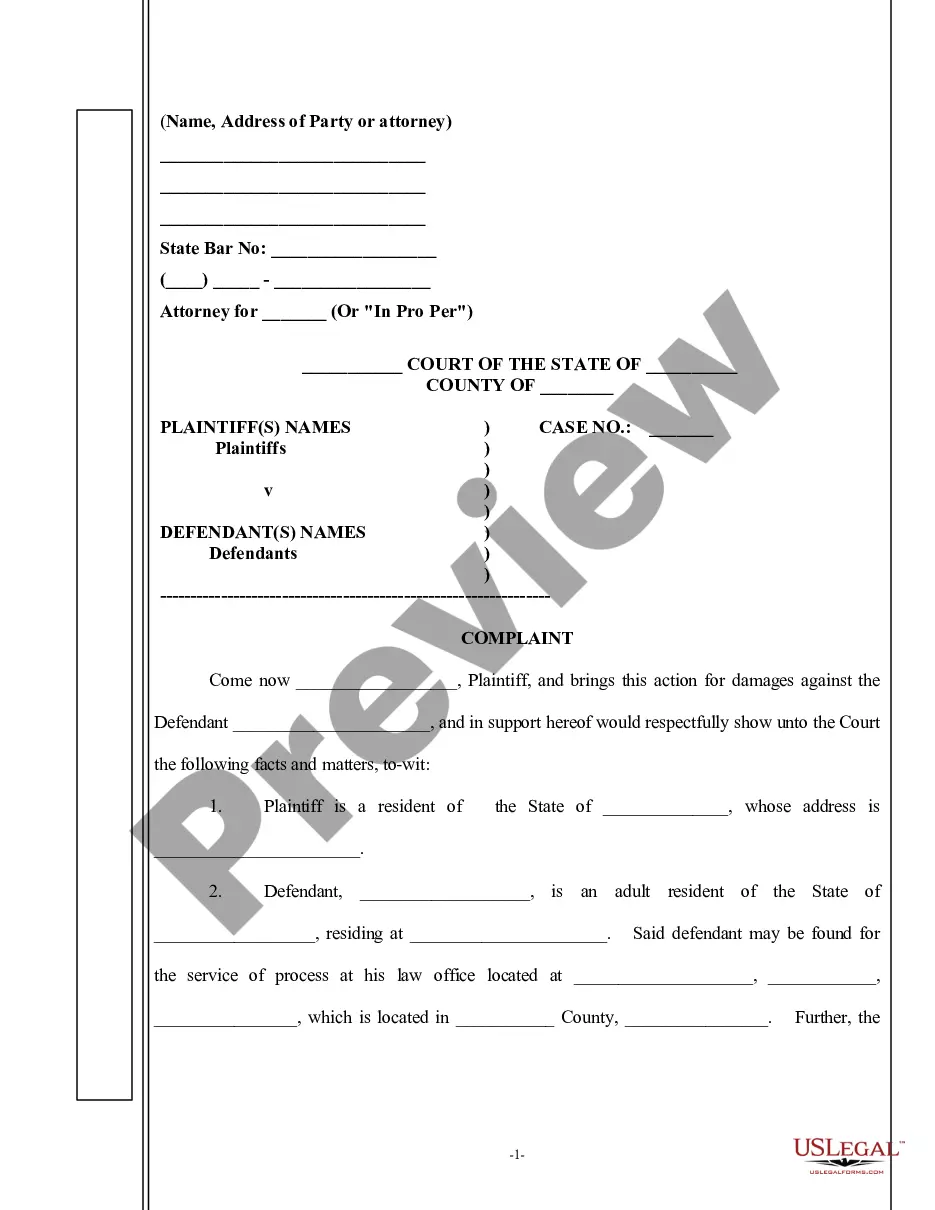
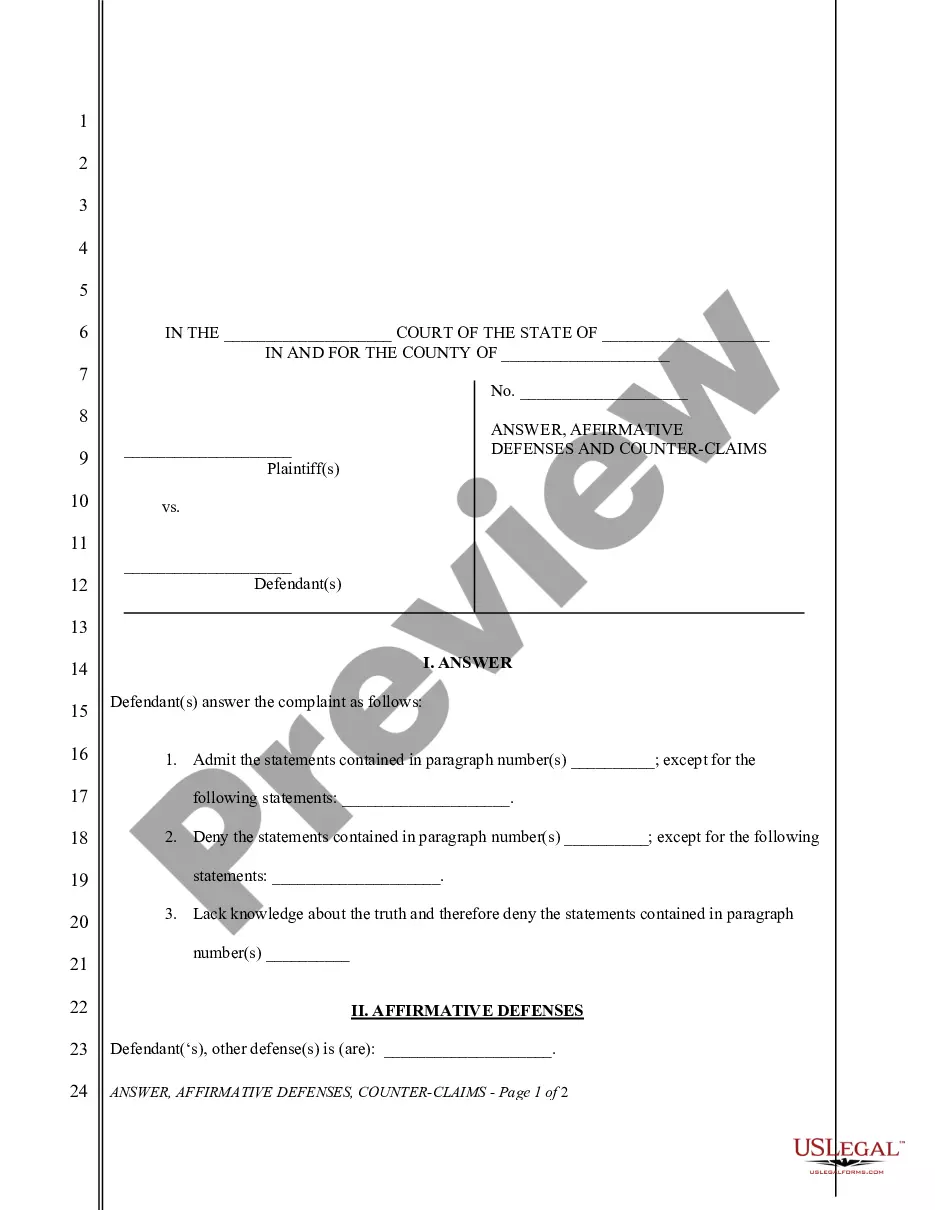
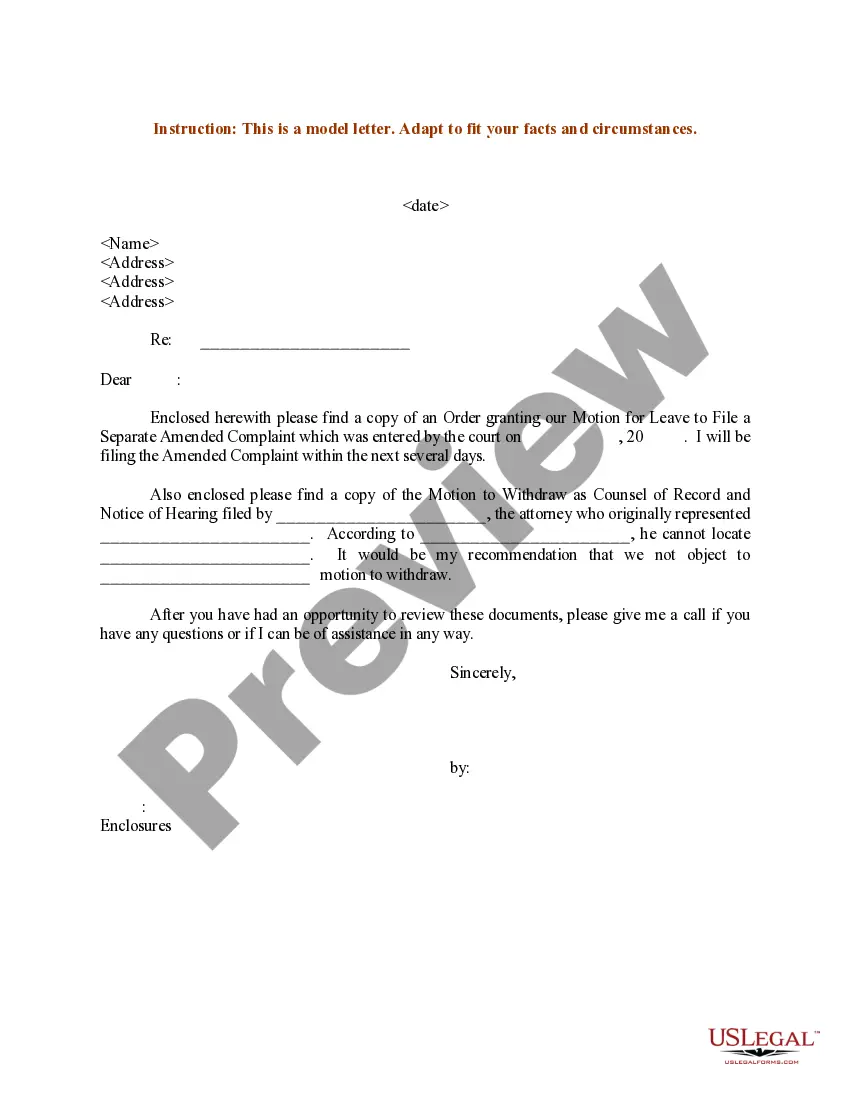
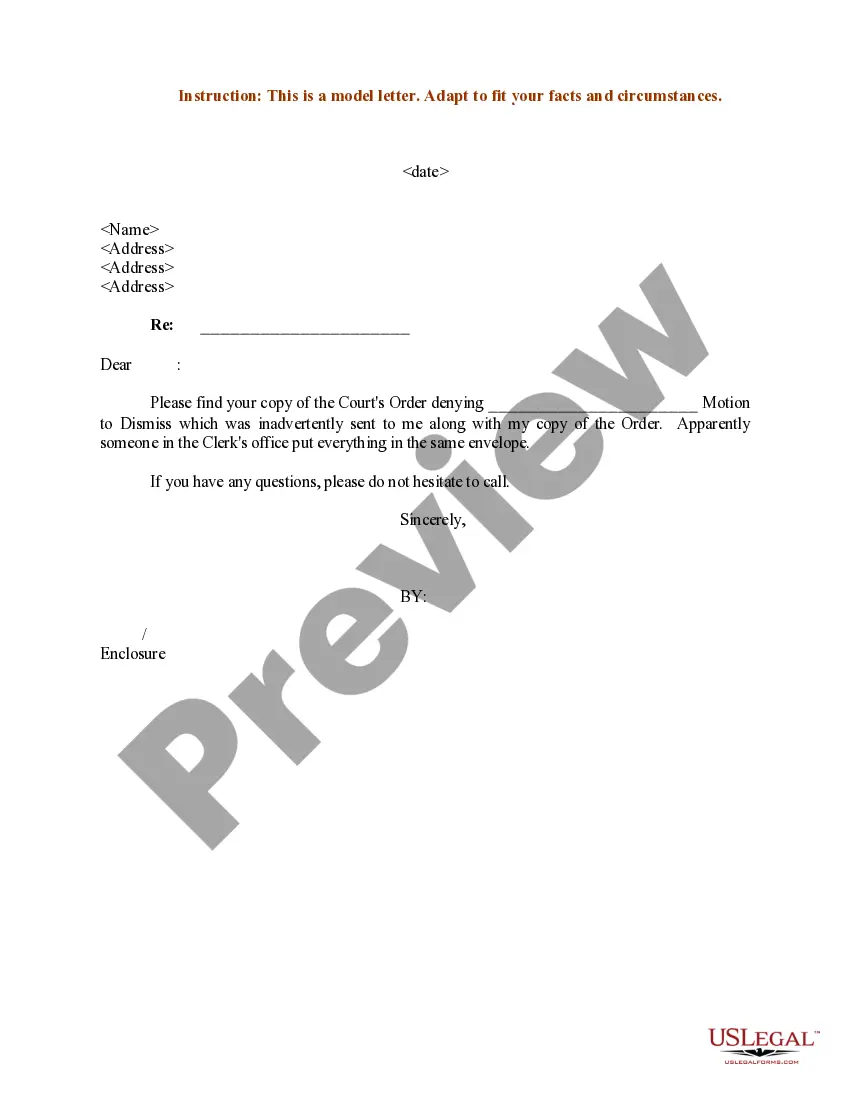
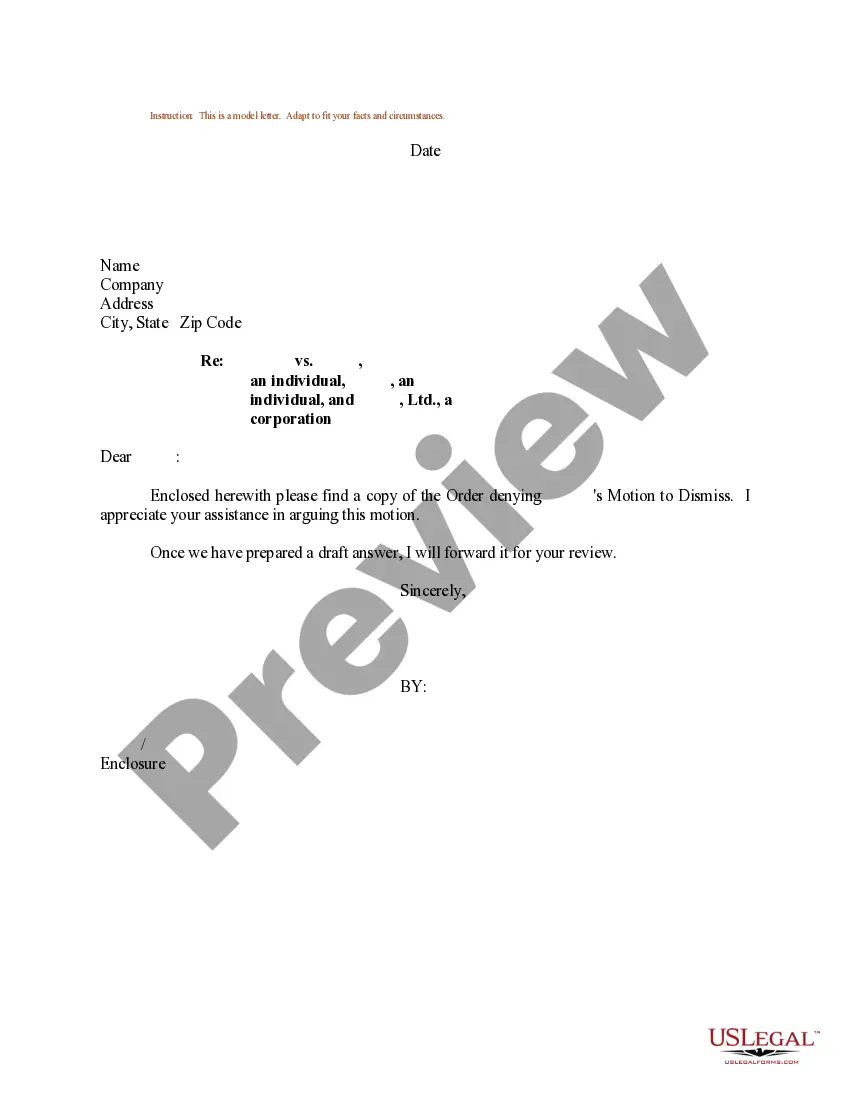
How to fill out Sample Letter For Court Order Denying Motion To Dismiss Case?
It’s widely known that you cannot instantly become a legal expert, nor can you swiftly compose a Court Ordered Entire Action Dismissed Without Prejudice without possessing a specialized background.
Assembling legal documents is a lengthy procedure that demands particular training and expertise. So why not entrust the development of the Court Ordered Entire Action Dismissed Without Prejudice to the experts.
With US Legal Forms, one of the most extensive legal template collections, you can discover everything from court documents to templates for internal corporate communications.
If you need a different form, restart your search.
Establish a free account and choose a subscription plan to acquire the form. Select Buy now. Once the payment is finalized, you can download the Court Ordered Entire Action Dismissed Without Prejudice, fill it out, print it, and send or mail it to the specified individuals or entities.
- We understand how crucial compliance and adherence to federal and state laws and regulations are.
- That’s why, on our platform, every template is location-specific and current.
- Here’s how to get started with our platform and obtain the form you require in just minutes.
- Locate the document you need using the search bar at the top of the page.
- Preview it (if this option is available) and review the supporting description to determine if Court Ordered Entire Action Dismissed Without Prejudice is what you seek.
Form popularity
FAQ
When a court dismisses an entire action with prejudice, it means the case is permanently closed, and the party cannot refile the same claim. This type of dismissal typically occurs after a court has fully considered the case and found it lacking in merit. Understanding these differences is crucial, and platforms like USLegalForms can assist you in navigating these legal terms and processes effectively.
A final order of dismissal without prejudice signifies that the court has officially closed the case but does not prevent the party from pursuing the same claim later. This type of dismissal is often used when a party needs more time to gather evidence or address procedural matters. It provides flexibility and allows for a fresh start if the party chooses to reinitiate the action.
When a court orders an entire action dismissed without prejudice, it allows the party to refile the case in the future. This means that the dismissal does not affect the merits of the case. Essentially, the court's decision provides an opportunity for the party to address any issues and bring the matter back to court later.
No, 'dismissed' and 'denied' are not the same in legal terms. A dismissal indicates that the case has been removed from the court's docket, while a denial suggests that a request or motion has been rejected. Knowing the difference is important for understanding your legal standing following a court ordered entire action dismissed without prejudice.
A dismissal without prejudice is not considered a final order, as it leaves the door open for future action. This means you have the option to reinitiate your case at a later date, should circumstances change. Understanding the distinction between a final order and a dismissal without prejudice is crucial for effective legal planning.
An order dismissing an action without prejudice signifies that the court permits the plaintiff to withdraw their case, allowing for the possibility of refiling in the future. This type of dismissal does not affect the merits of the case; rather, it provides a legal pathway to revisit the issue later. It's essential to recognize the implications of such an order and how it can influence your legal strategy moving forward.
Whether a dismissal without prejudice is beneficial depends on your situation. It allows you to take a step back, reassess your case, and make necessary improvements before potentially refiling. This flexibility can be advantageous, especially if new evidence or circumstances arise that strengthen your position.
A case may be dismissed without prejudice for various reasons, such as procedural errors, lack of evidence, or strategic considerations. This type of dismissal allows you to correct mistakes and refile when ready. Understanding the implications of a court ordered entire action dismissed without prejudice can help you navigate future legal steps more effectively.
A Rule 41 dismissal without prejudice allows a plaintiff to voluntarily dismiss their case without fear of facing legal repercussions in the future. This means that the plaintiff can refile the case later if they choose to do so. Essentially, it provides a fresh start, giving you the opportunity to address any issues that may have affected the initial filing.
No, a dismissal without prejudice is not a final order in the sense that it concludes all legal matters. Instead, it allows for future action should you choose to refile your case. This means you still retain your rights and options moving forward. Understanding the implications of such dismissals can be crucial, and tools from platforms like US Legal Forms can help you stay informed.