Custody Agreement Without Divorce
Description
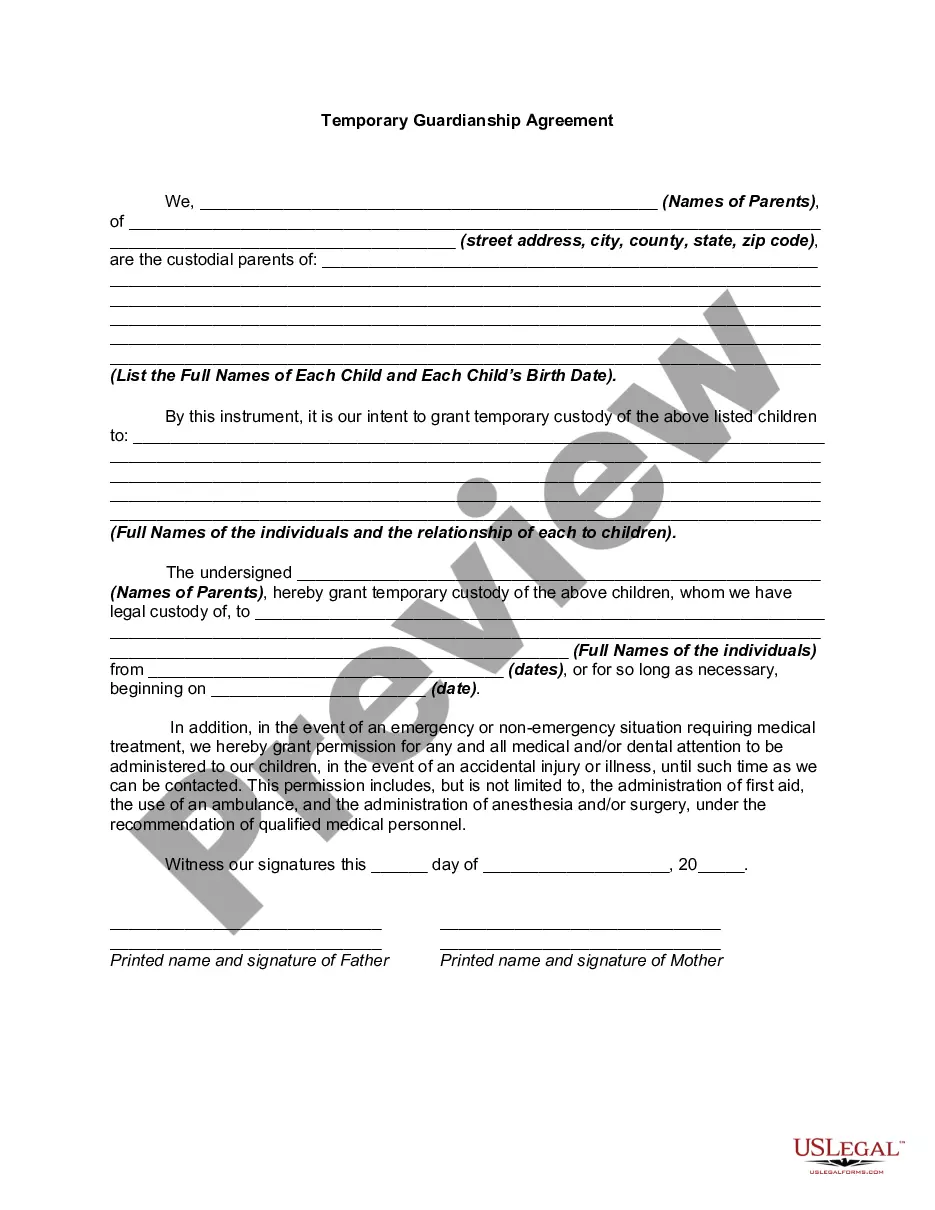
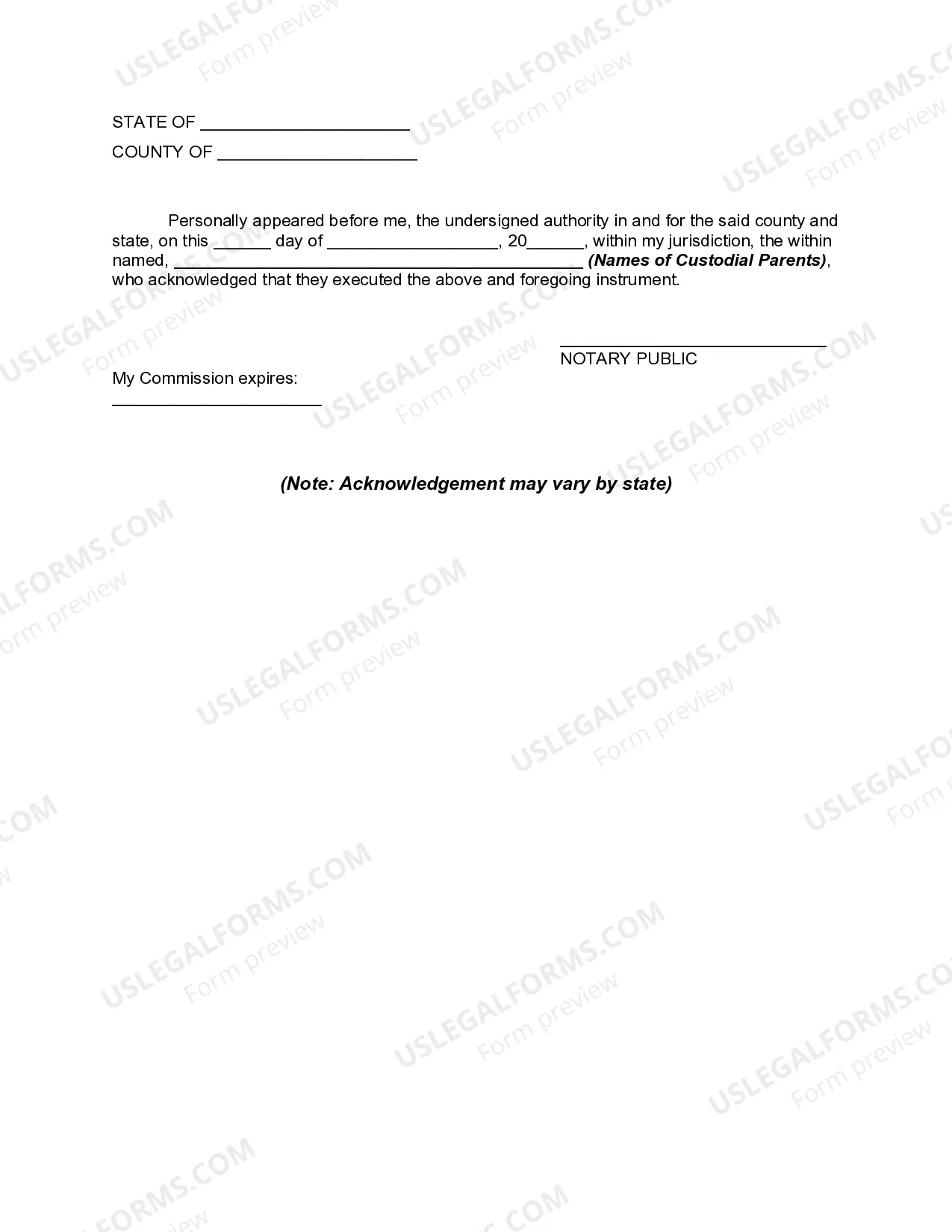
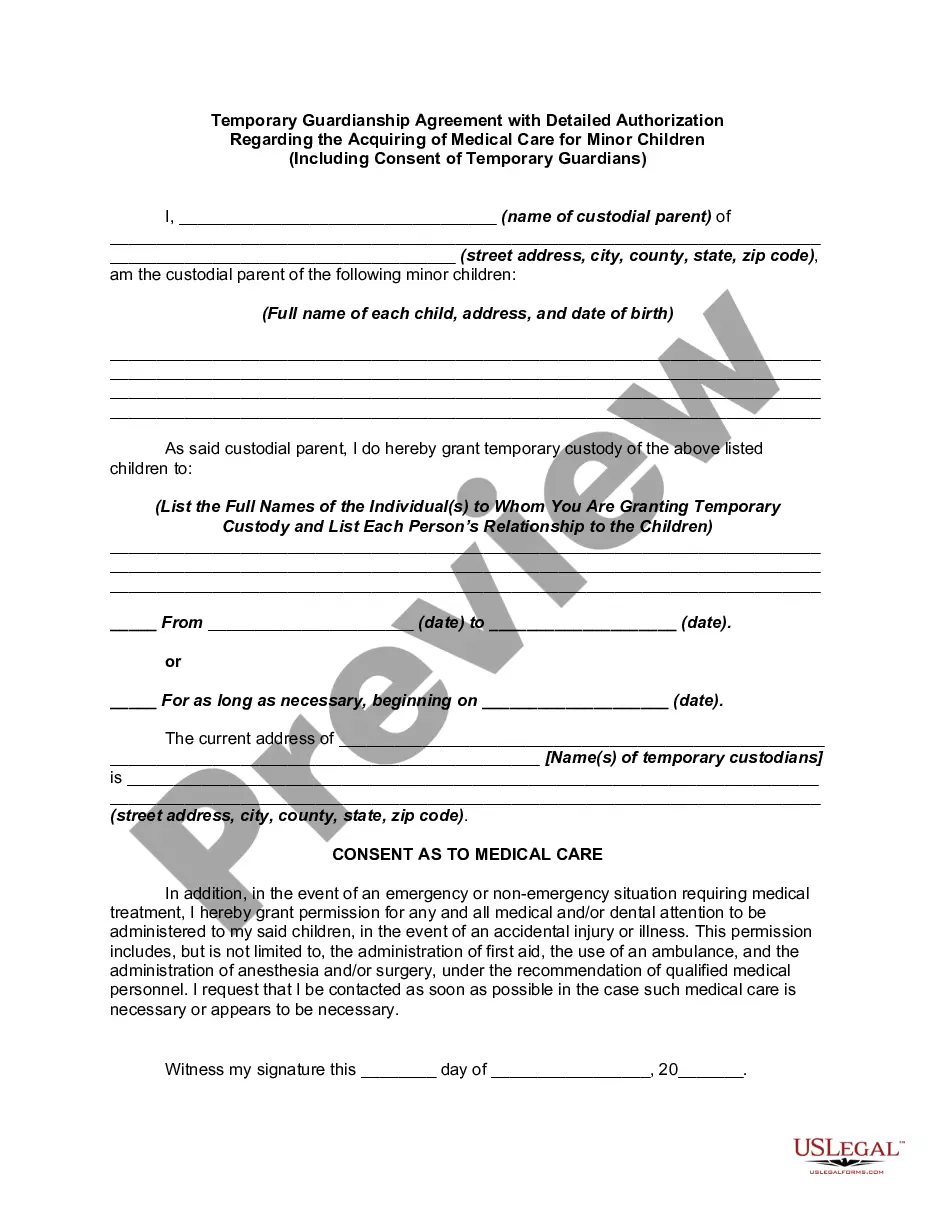
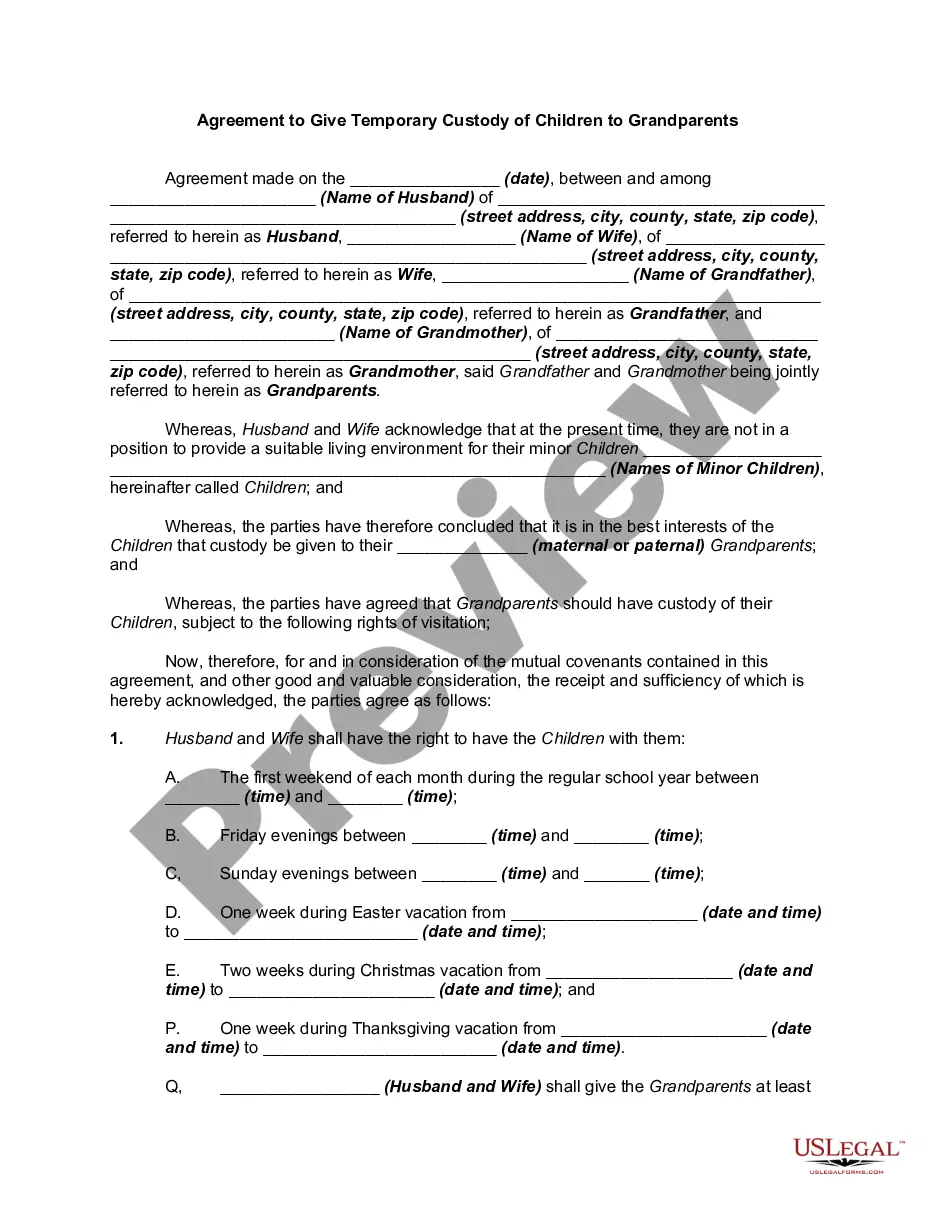
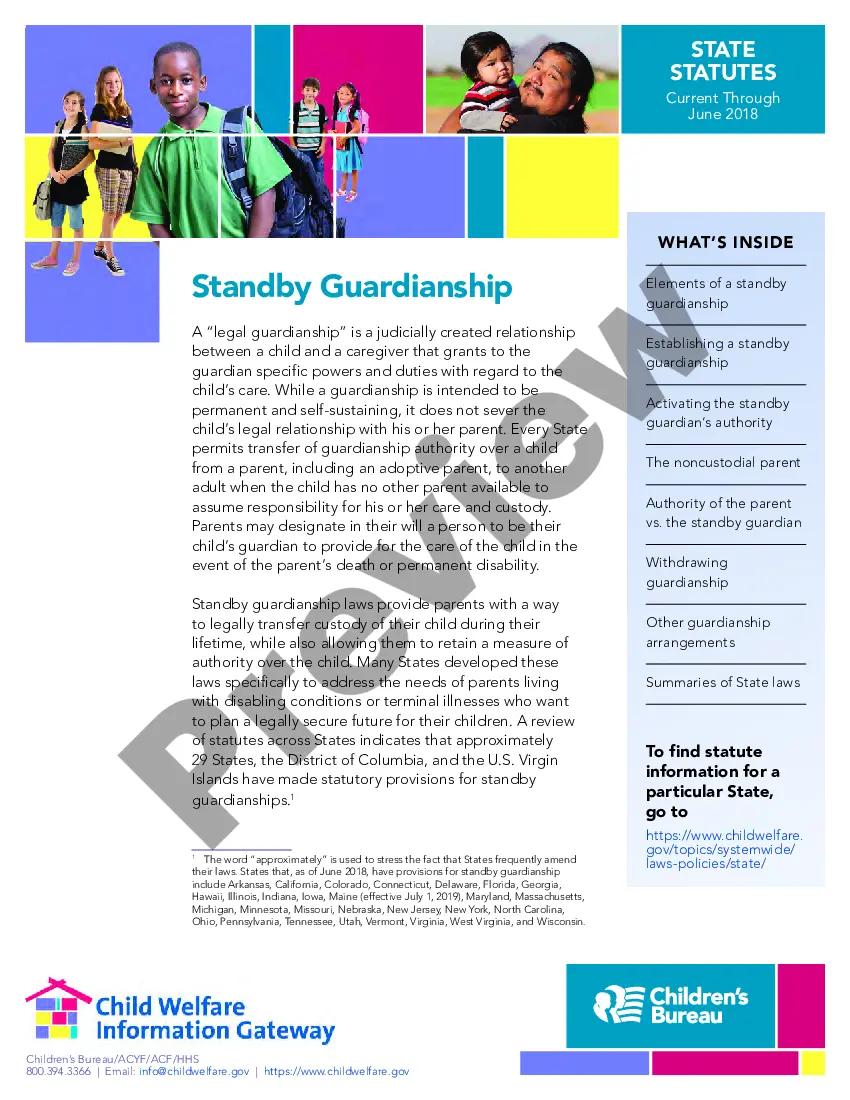
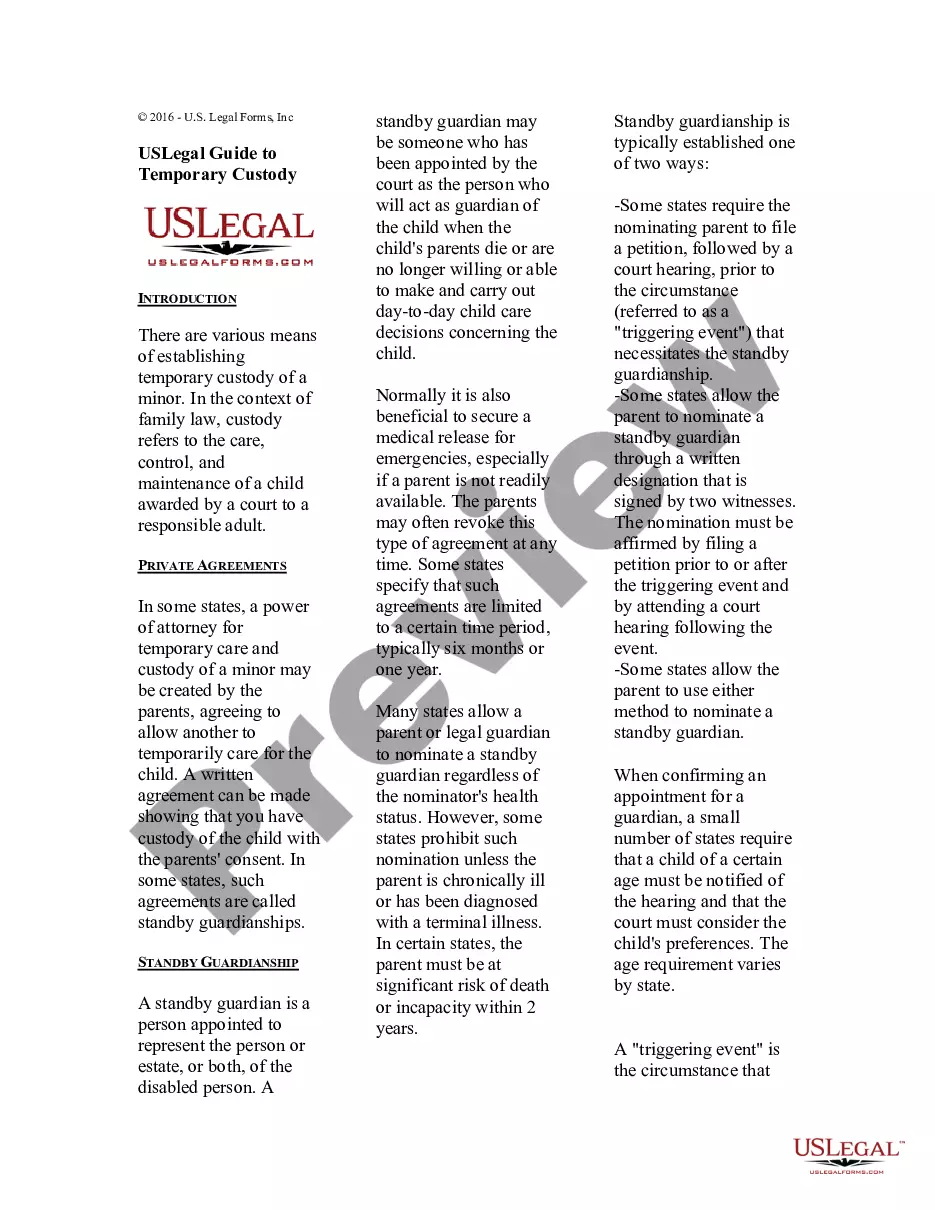
Get your form ready online
Our built-in tools help you complete, sign, share, and store your documents in one place.
Make edits, fill in missing information, and update formatting in US Legal Forms—just like you would in MS Word.
Download a copy, print it, send it by email, or mail it via USPS—whatever works best for your next step.
Sign and collect signatures with our SignNow integration. Send to multiple recipients, set reminders, and more. Go Premium to unlock E-Sign.
If this form requires notarization, complete it online through a secure video call—no need to meet a notary in person or wait for an appointment.
We protect your documents and personal data by following strict security and privacy standards.

Make edits, fill in missing information, and update formatting in US Legal Forms—just like you would in MS Word.

Download a copy, print it, send it by email, or mail it via USPS—whatever works best for your next step.

Sign and collect signatures with our SignNow integration. Send to multiple recipients, set reminders, and more. Go Premium to unlock E-Sign.

If this form requires notarization, complete it online through a secure video call—no need to meet a notary in person or wait for an appointment.

We protect your documents and personal data by following strict security and privacy standards.
Looking for another form?
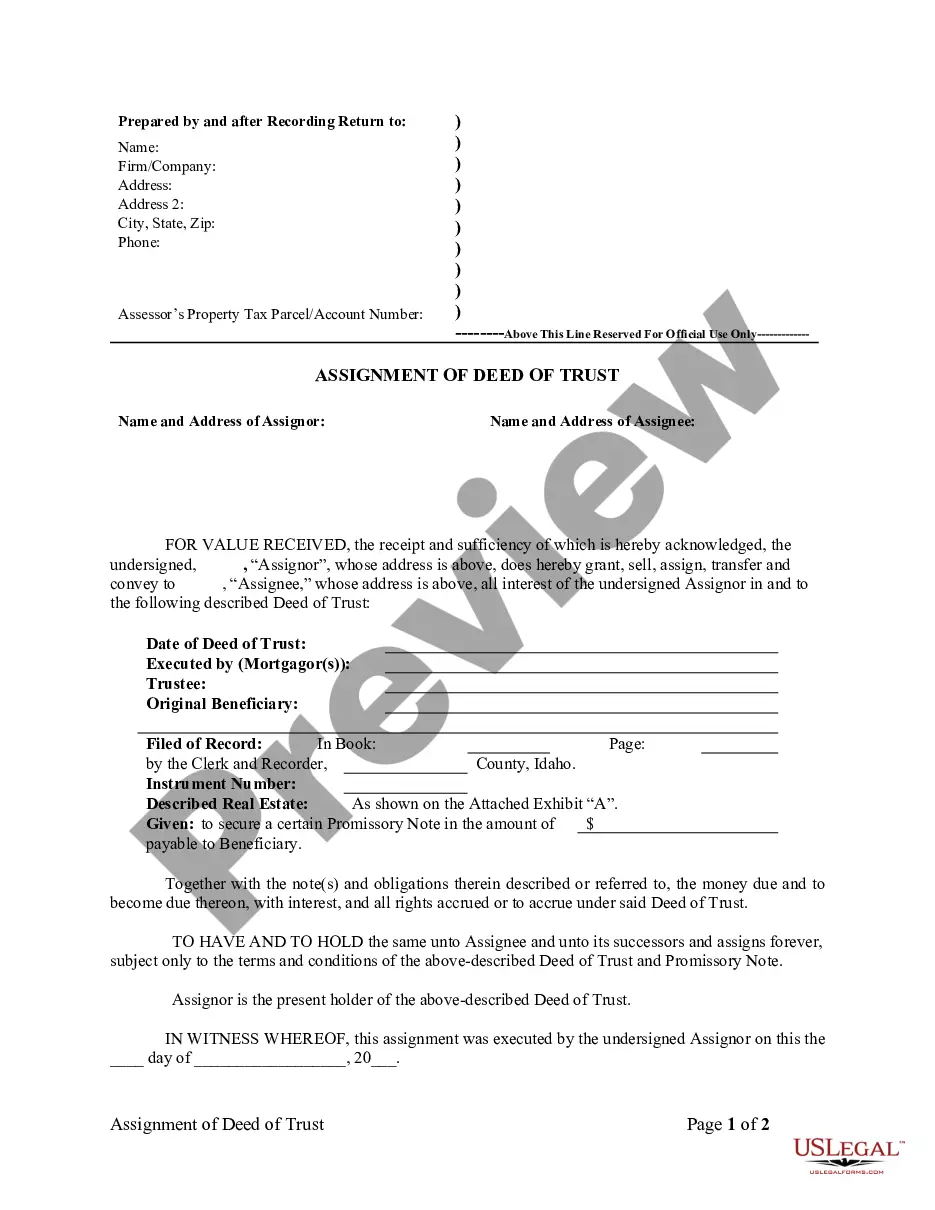
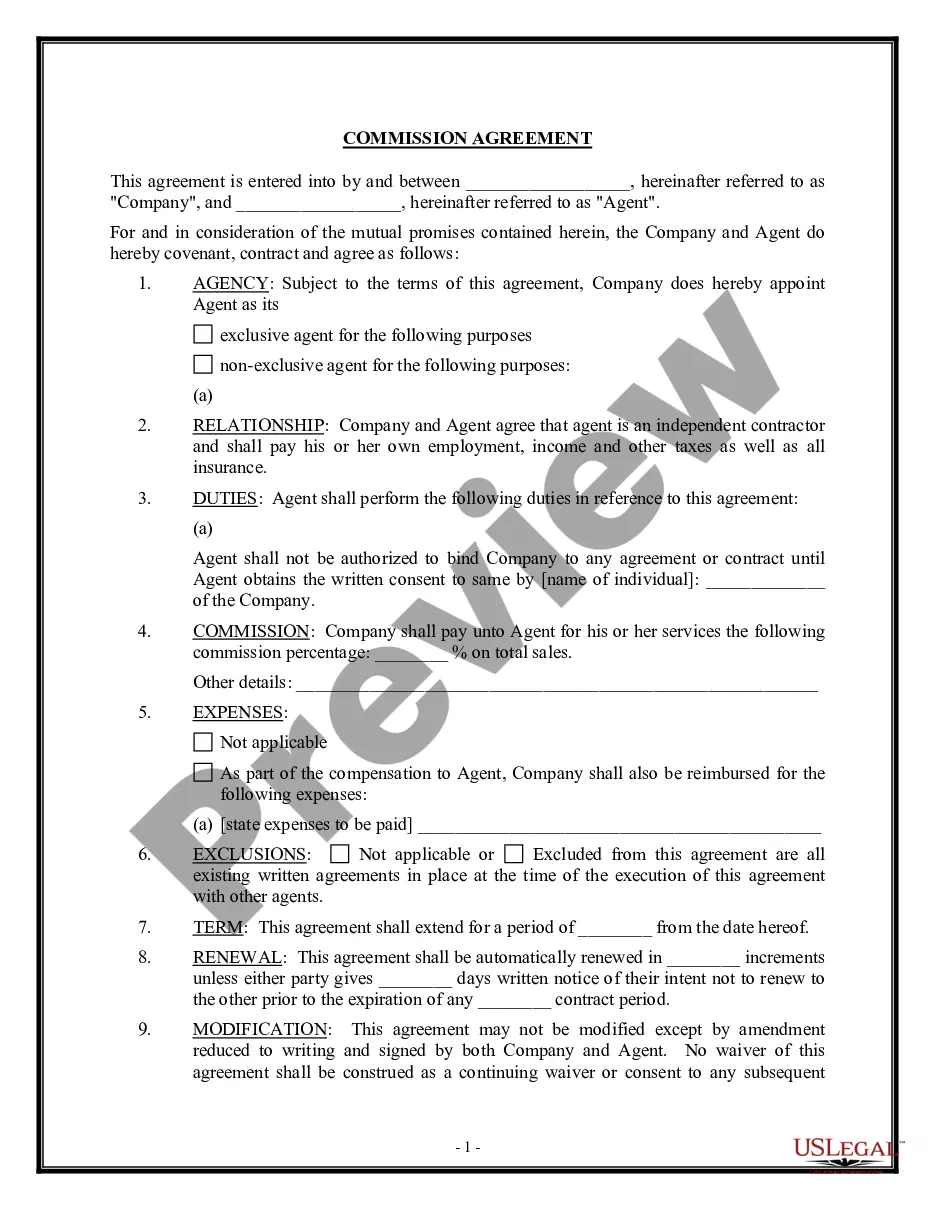







How to fill out Temporary Guardianship Agreement?
Creating legal documents from the ground up can frequently be daunting.
Certain situations may require extensive investigation and considerable expenses.
If you desire a more straightforward and economical solution for formulating Custody Agreement Without Divorce or any other documentation without unnecessary complications, US Legal Forms is consistently at your service.
Our digital library of over 85,000 current legal documents encompasses nearly every facet of your financial, legal, and personal affairs. With merely a few clicks, you can swiftly access templates that comply with state and county regulations, meticulously prepared by our legal experts.
US Legal Forms boasts an impeccable reputation and over 25 years of experience. Join us now and simplify your document execution process into something effortless and efficient!
- Utilize our platform whenever you require dependable and trustworthy services to easily find and download the Custody Agreement Without Divorce.
- If you are familiar with our site and have previously established an account, simply Log In to your account, select the template, and download it or re-download it anytime from the My documents section.
- Not a member yet? No worries. It takes minimal time to sign up and explore the library.
- Before rushing to download the Custody Agreement Without Divorce, keep these recommendations in mind.
- Examine the form preview and descriptions to confirm that you have selected the document you need.
Form popularity
FAQ
One of the biggest mistakes parents make in custody battles is failing to communicate effectively. Poor communication can lead to misunderstandings and resentment, which can negatively impact your case. Instead, boosting your efforts to draft a custody agreement without divorce can help outline responsibilities and facilitate a smoother relationship between parents.
You can file a petition for child custody in your county's Superior Court. If you are divorcing, the petition will be included in your divorce papers. You must then serve, or deliver, custody forms to the other party using a process server or sheriff's office. There are two types of child custody: physical and legal.
A similar but more structured form of mutual agreement is mediation, which is a type of alternative dispute resolution (ADR). This is another way to reach a child custody agreement out of court. Instead of just the parents discussing custody issues, a mediator (who is a neutral third party) helps negotiate.
In order to get a court order for child support, custody, or visitation, you will need to file a Suit Affecting the Parent-Child Relationship, or SAPCR ("sap sir").
Judges decide child custody based on ?the best interests of the child.? This decision can include many factors, such as the parents' living arrangements, each parent's ability to care for the child, the child's relationship with each parent, and any other factors affecting the welfare of the child.
As per the North Carolina child custody law for unmarried parents, the birth mother has post-natal custodial rights and can refuse visitation to the biological father until his right to custody is established. To challenge this, the father can file paternity action for child visitation or similar custody rights.