Estate And Trust Administration For Dummies
Description
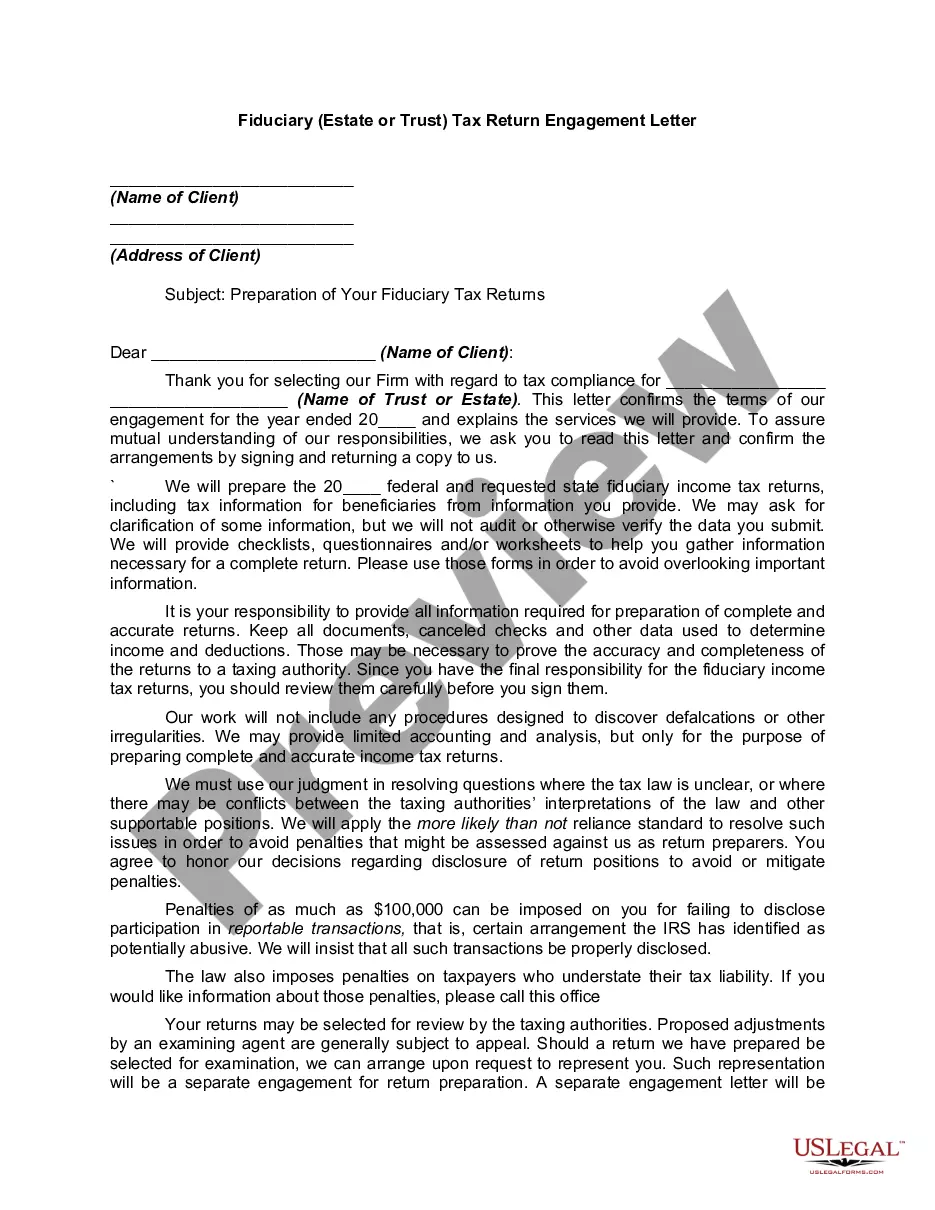
Get your form ready online
Our built-in tools help you complete, sign, share, and store your documents in one place.
Make edits, fill in missing information, and update formatting in US Legal Forms—just like you would in MS Word.
Download a copy, print it, send it by email, or mail it via USPS—whatever works best for your next step.
Sign and collect signatures with our SignNow integration. Send to multiple recipients, set reminders, and more. Go Premium to unlock E-Sign.
If this form requires notarization, complete it online through a secure video call—no need to meet a notary in person or wait for an appointment.
We protect your documents and personal data by following strict security and privacy standards.

Make edits, fill in missing information, and update formatting in US Legal Forms—just like you would in MS Word.

Download a copy, print it, send it by email, or mail it via USPS—whatever works best for your next step.

Sign and collect signatures with our SignNow integration. Send to multiple recipients, set reminders, and more. Go Premium to unlock E-Sign.

If this form requires notarization, complete it online through a secure video call—no need to meet a notary in person or wait for an appointment.

We protect your documents and personal data by following strict security and privacy standards.
Looking for another form?


How to fill out Fiduciary - Estate Or Trust - Tax Return Engagement Letter?
Obtaining legal templates that adhere to federal and state regulations is crucial, and the web provides numerous alternatives to choose from.
However, what is the purpose of spending time searching for the suitable Estate and Trust Administration For Dummies example online when the US Legal Forms digital library already compiles such templates in a single location.
US Legal Forms is the largest online legal repository with over 85,000 editable templates created by lawyers for various business and personal matters. They are easy to navigate as all documents are categorized by state and intended use.
If required, search for an additional sample using the search tool at the top of the page.
- Our experts stay updated with legislative changes, ensuring your form is current and compliant when you acquire an Estate and Trust Administration For Dummies from our site.
- Retrieving an Estate and Trust Administration For Dummies is quick and straightforward for both existing and new users.
- If you already possess an account with an active subscription, Log In and store the document sample you need in your desired format.
- If you are new to our site, follow the steps below.
- Review the template using the Preview feature or through the text description to confirm it satisfies your needs.
Form popularity
FAQ
Understanding the 3 Primary Classes of Trusts Revocable Trusts. A revocable trust can be altered?or even terminated?at any time during the trustor's (person establishing the trust) lifetime. ... Irrevocable Trusts. ... Testamentary Trusts.
The Trustee should be someone who can get along and have a good relationship with the beneficiaries of your trust. They should also possess good record-keeping abilities. In many cases, you may want to consider appointing co-trustees. A Trustee is required to abide by the terms of a trust.
An irrevocable trust offers your assets the most protection from creditors and lawsuits. Assets in an irrevocable trust aren't considered personal property. This means they're not included when the IRS values your estate to determine if taxes are owed.
There's a significant difference between being a beneficiary or trustee of a trust. If you're named as a beneficiary then you stand to benefit from the assets in the trust. On the other hand, if you're the trustee it's your job to manage those assets ing to the wishes of the trust creator.
That really depends on which benefits are most important to you. But, generally, the consensus among advisers and estate attorneys is that the trust laws of South Dakota and Nevada offer the best combination of tax benefits, asset protection, trust longevity and flexible decanting provisions. Why Do I Need a Trust?