Website User Terms And Conditions
Description
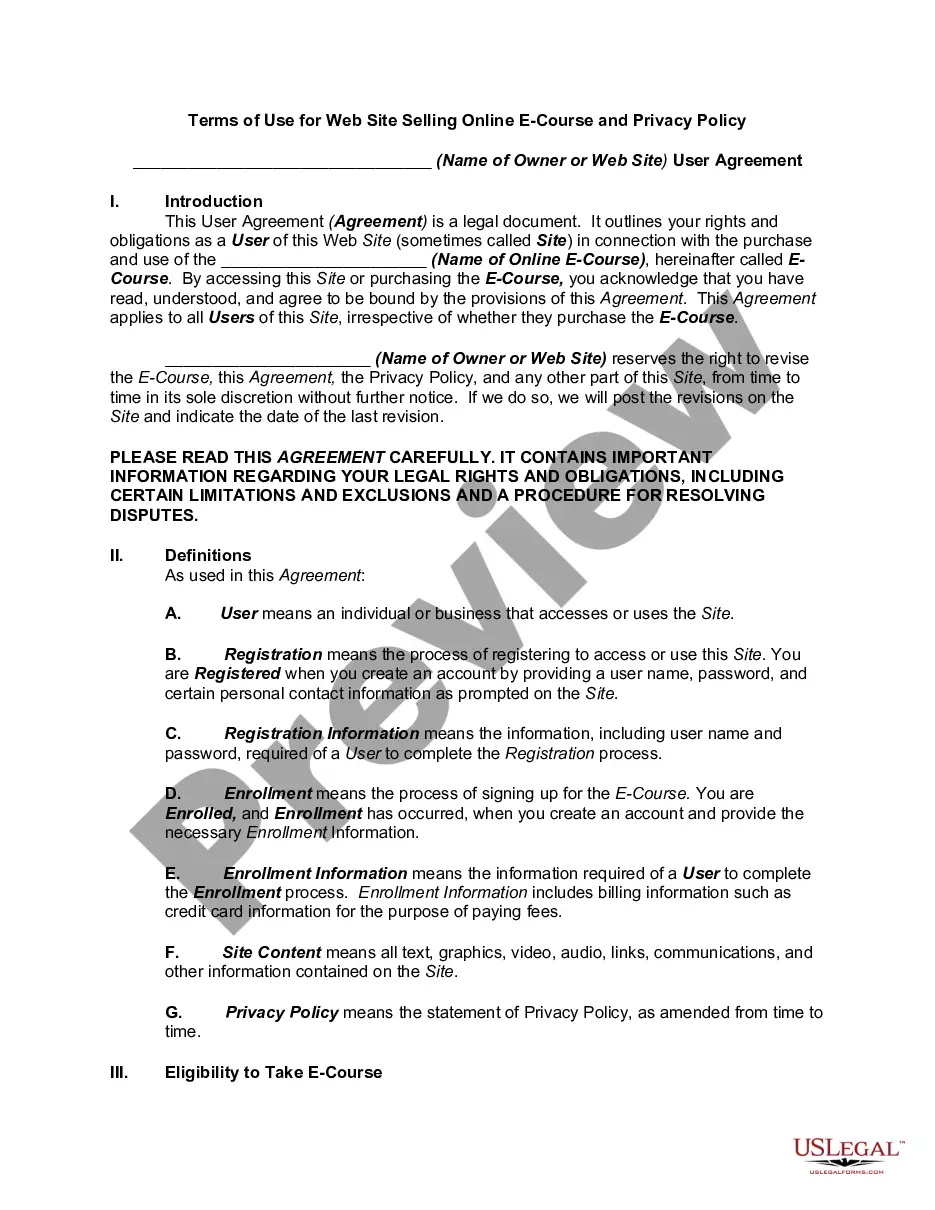
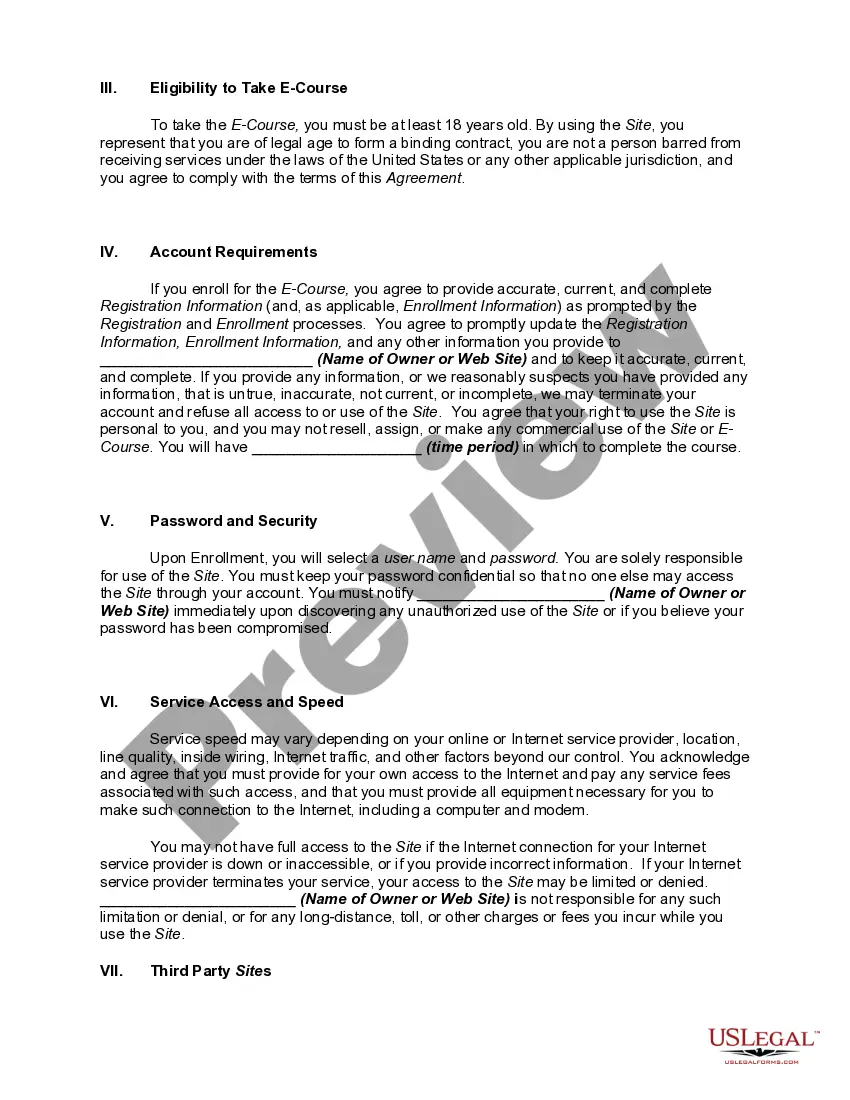
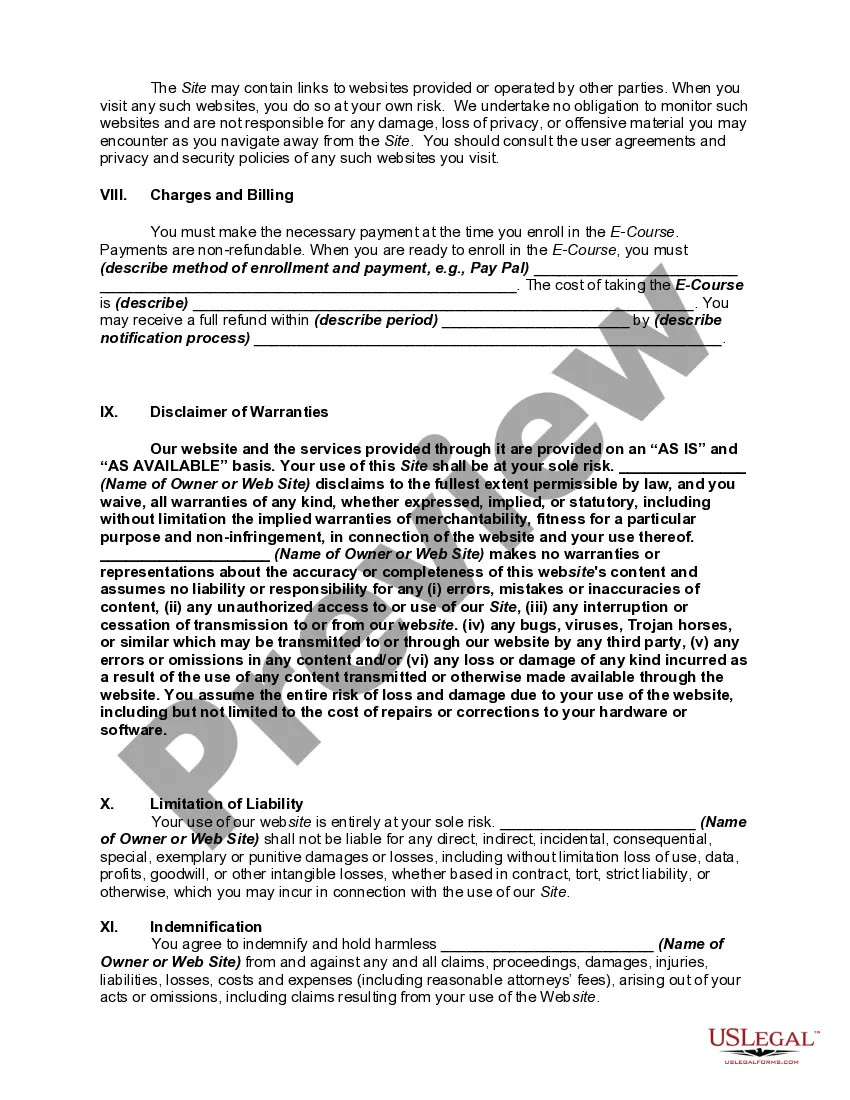
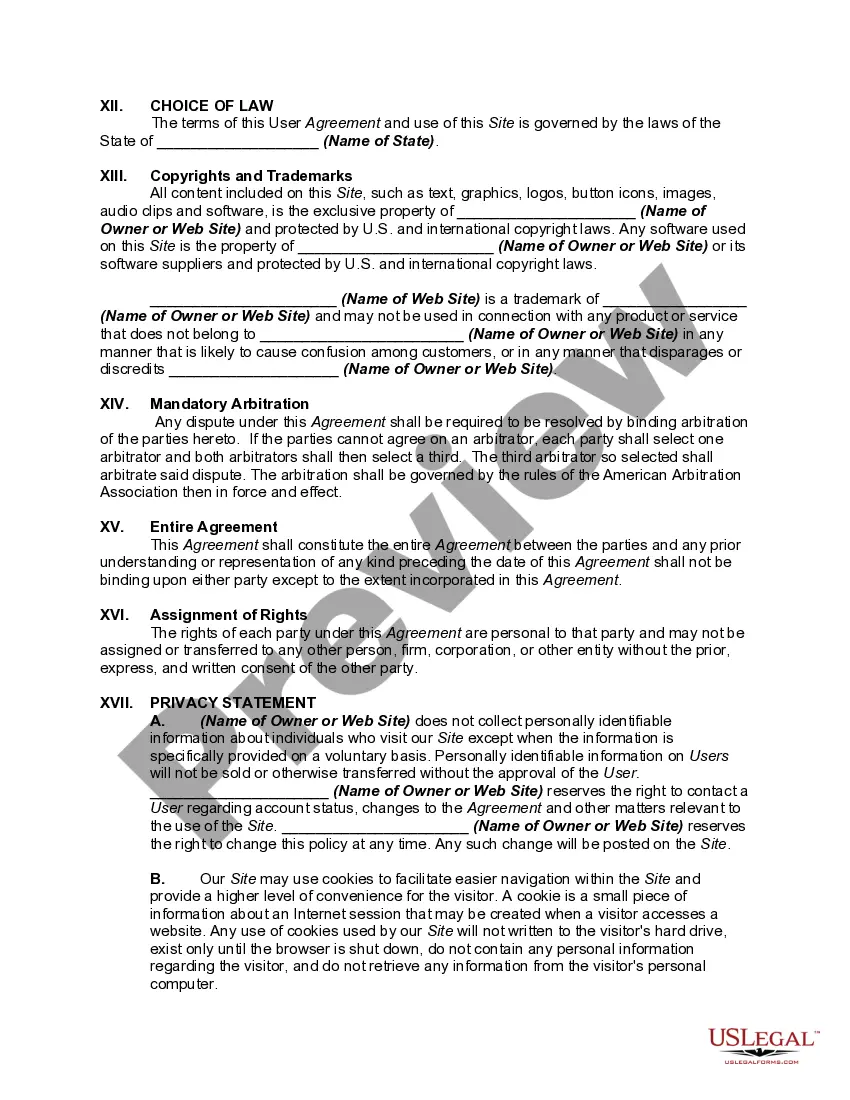
Get your form ready online
Our built-in tools help you complete, sign, share, and store your documents in one place.
Make edits, fill in missing information, and update formatting in US Legal Forms—just like you would in MS Word.
Download a copy, print it, send it by email, or mail it via USPS—whatever works best for your next step.
Sign and collect signatures with our SignNow integration. Send to multiple recipients, set reminders, and more. Go Premium to unlock E-Sign.
If this form requires notarization, complete it online through a secure video call—no need to meet a notary in person or wait for an appointment.
We protect your documents and personal data by following strict security and privacy standards.

Make edits, fill in missing information, and update formatting in US Legal Forms—just like you would in MS Word.

Download a copy, print it, send it by email, or mail it via USPS—whatever works best for your next step.

Sign and collect signatures with our SignNow integration. Send to multiple recipients, set reminders, and more. Go Premium to unlock E-Sign.

If this form requires notarization, complete it online through a secure video call—no need to meet a notary in person or wait for an appointment.

We protect your documents and personal data by following strict security and privacy standards.
Looking for another form?







How to fill out Website Subscription User Agreement - Terms Of Use For Website Selling Online E-Course Privacy Policy?
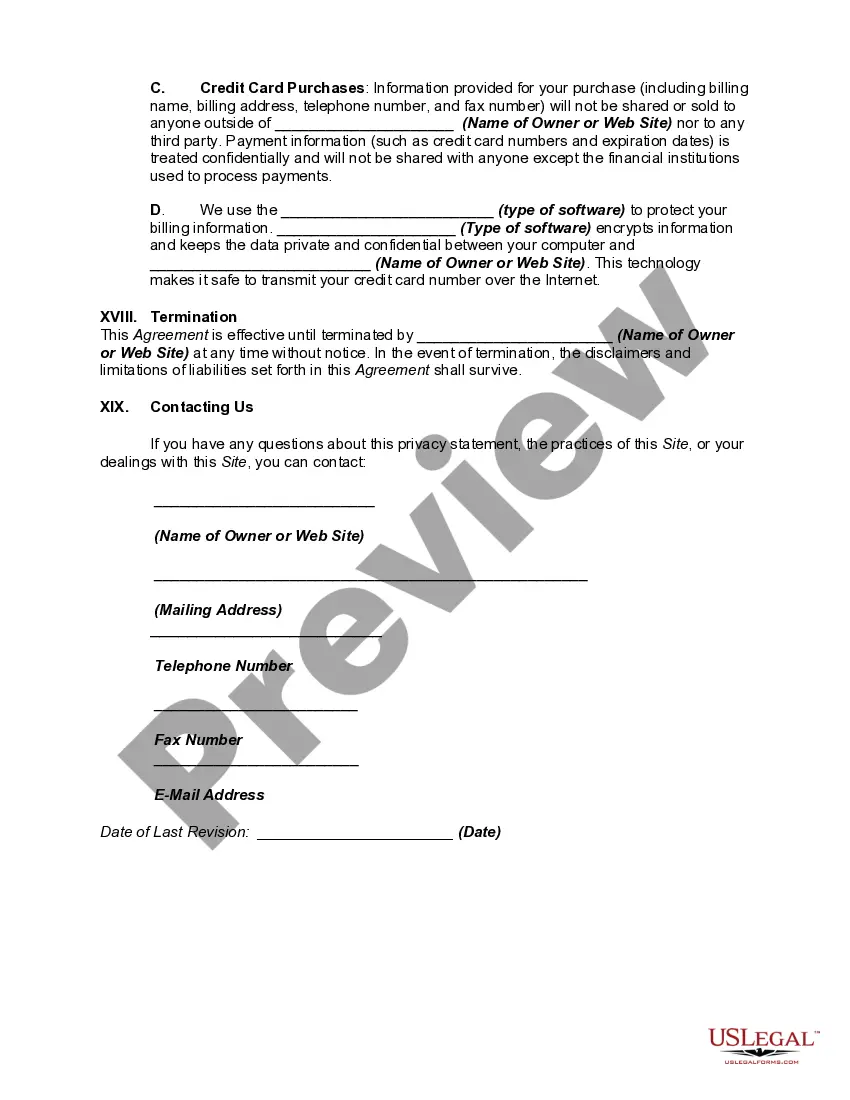
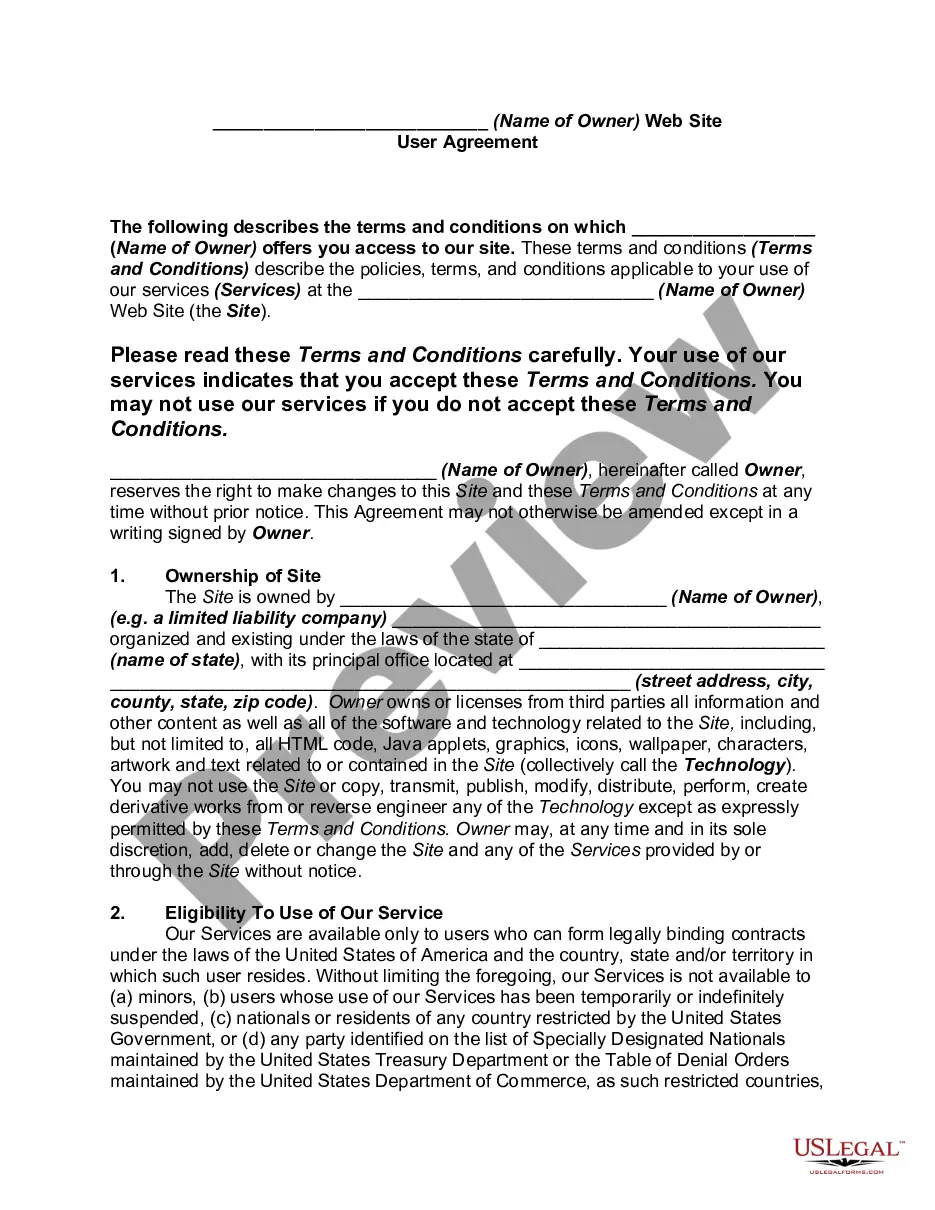
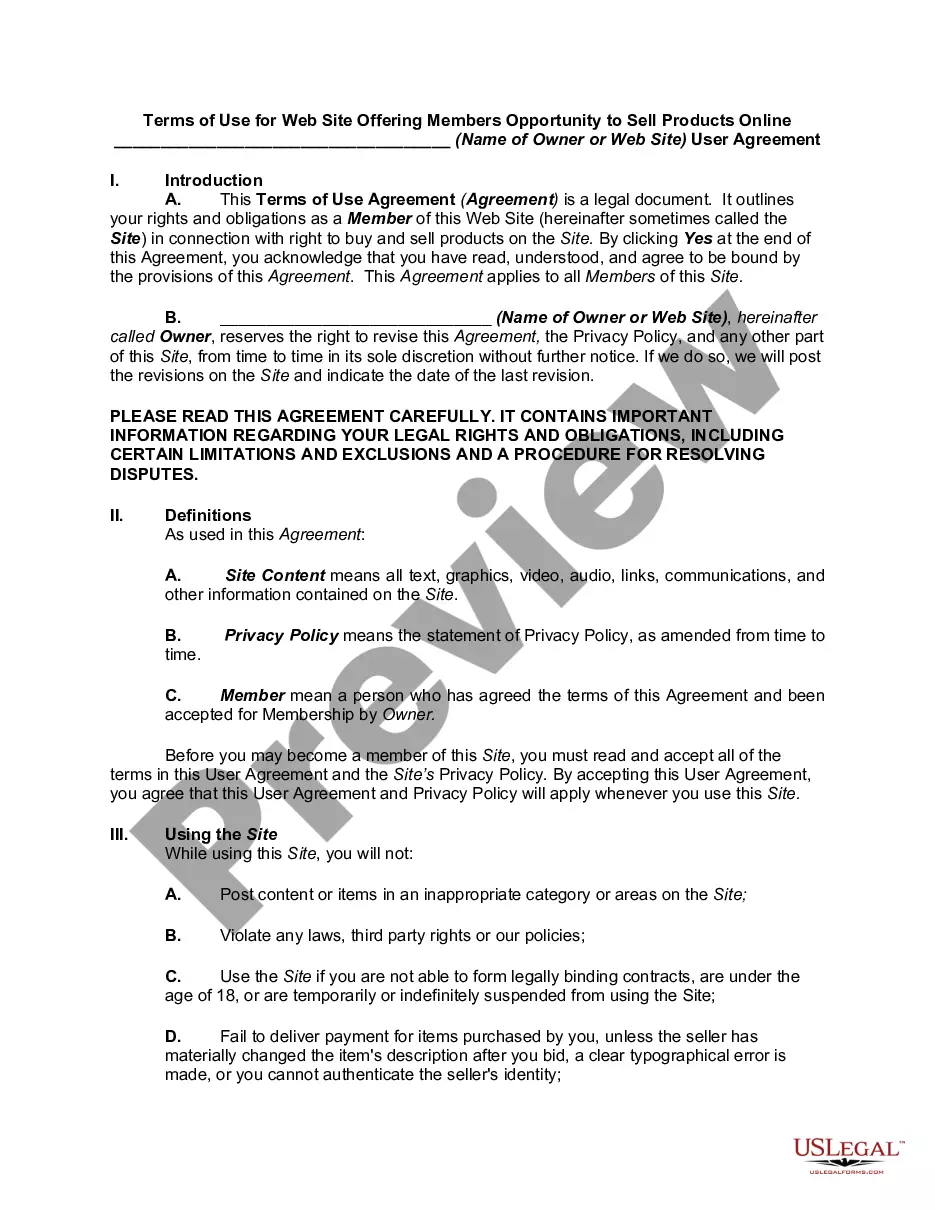
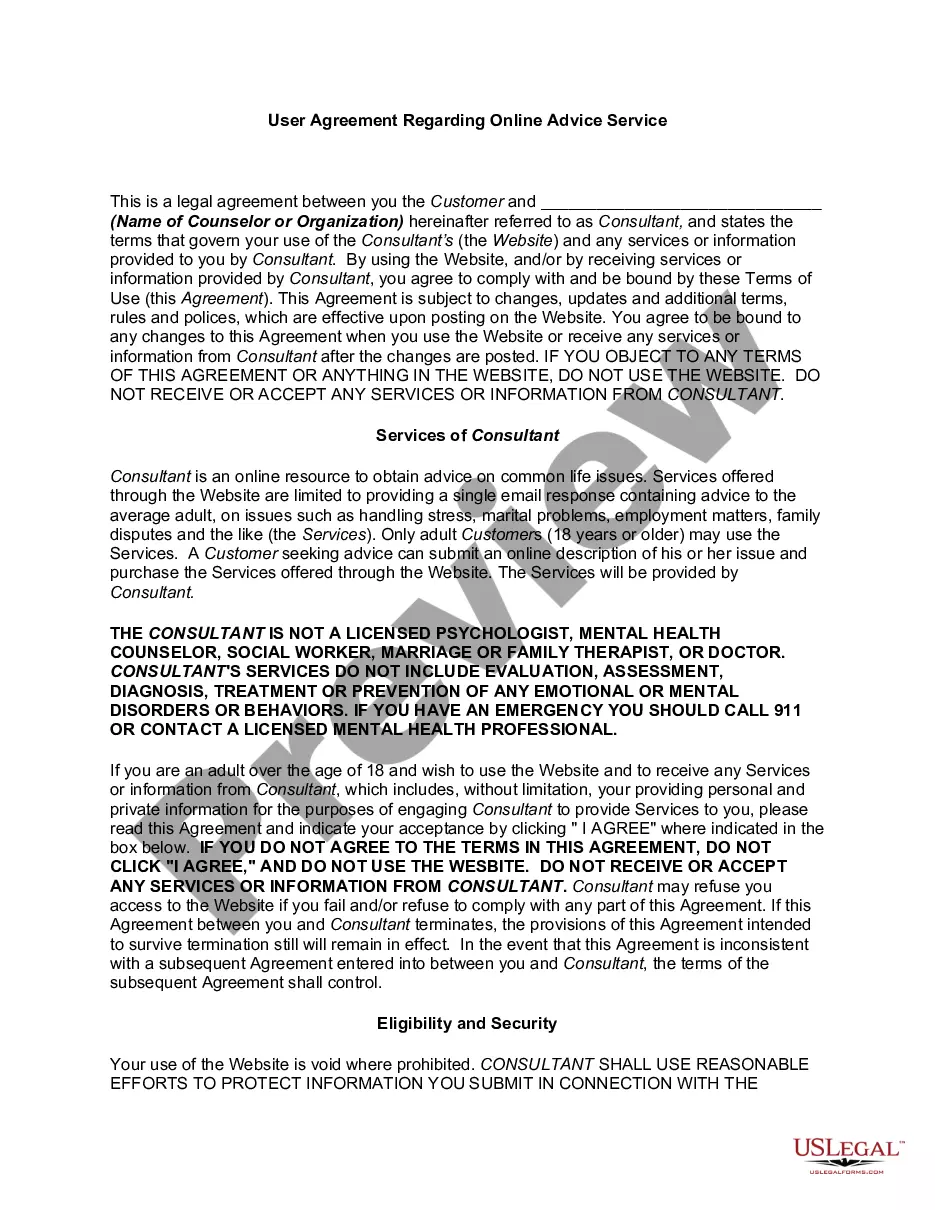
The Website User Terms And Conditions displayed on this page is a reusable legal framework created by qualified attorneys in accordance with federal and state laws.
For over 25 years, US Legal Forms has supplied individuals, companies, and legal experts with over 85,000 authentic, state-specific documents suitable for any business and personal needs. It’s the fastest, simplest, and most trustworthy way to acquire the forms you require, as the service ensures bank-level data protection and anti-malware safeguards.
Re-download your documents at any time. Access the My documents tab in your profile to retrieve any previously downloaded documents. Sign up for US Legal Forms to have verified legal templates for all life’s situations available at your convenience.
- Explore the document you require and examine it.
- Scan through the file you searched and preview it or review the form description to confirm it meets your requirements. If it doesn’t, utilize the search function to find the proper one. Click Buy Now once you have found the template you need.
- Select and Log In to your account. Choose the pricing structure that best fits your needs and create an account. Use PayPal or a credit card to make an immediate payment. If you already have an account, Log In and verify your subscription to proceed.
- Obtain the editable template. Choose the format you prefer for your Website User Terms And Conditions (PDF, Word, RTF) and download the sample to your device.
- Fill out and sign the document. Print the template to complete it by hand. Alternatively, use a versatile online PDF editor to swiftly and accurately fill in and sign your form with an eSignature.
Form popularity
FAQ
To phrase 'I agree to the terms and conditions', simply state it clearly in a checkbox format, usually accompanied by the full text of your terms. For example, you can write, 'I have read and agree to the Website User Terms and Conditions.' Make sure this text is easily visible and not buried within other content.
The summary should include all of the important details of the contract, such as what each party is responsible for, any deadlines that are relevant, and any special conditions that apply. It should be clear and concise, so that anyone who reads it will understand the key points.
Every T&C between a small business and its customers must include a description of the products and services. It can also include services that are not provided with a contract. Generally, the smaller your business, the more specific you want to make your service or product descriptions.
What are Website Terms and Conditions? Website Terms and Conditions outline the rules and regulations of a website. This important document is both a social and legal contract with a website's users.
Terms and conditions are aimed at protecting the business (you). They give business owners the opportunity to set their rules (within applicable law) of how their service or product may be used including, but not limited to, things like copyright conditions, age limits, and the governing law of the contract.
However, every Terms and Conditions agreement should have, at minimum, the following clauses: A brief introduction. The effective date. Jurisdiction/governing law. Link to your Privacy Policy. Contact information. Limitation of liability and disclaimer of warranties. Rules of conduct. User restrictions.