User Agreement And Privacy Policy
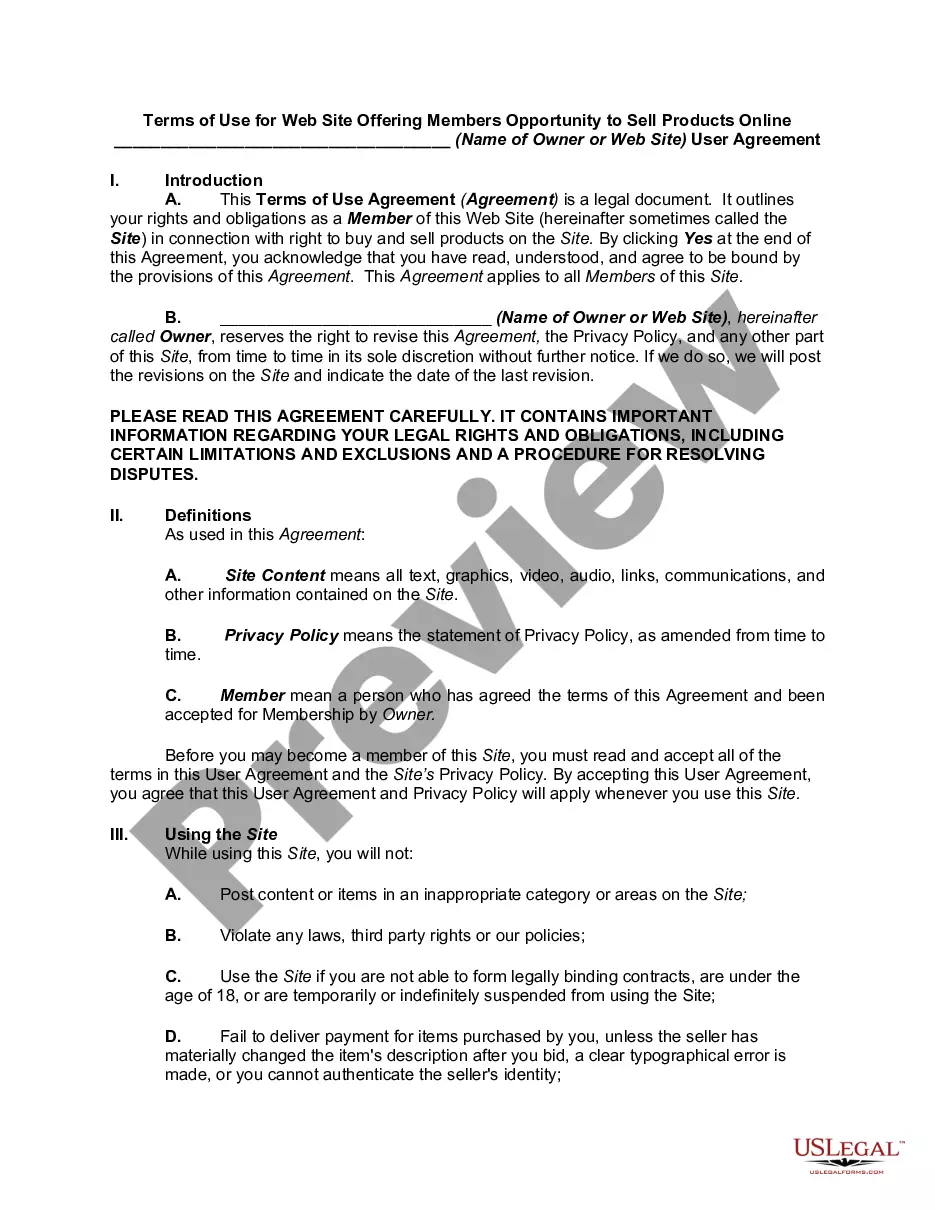
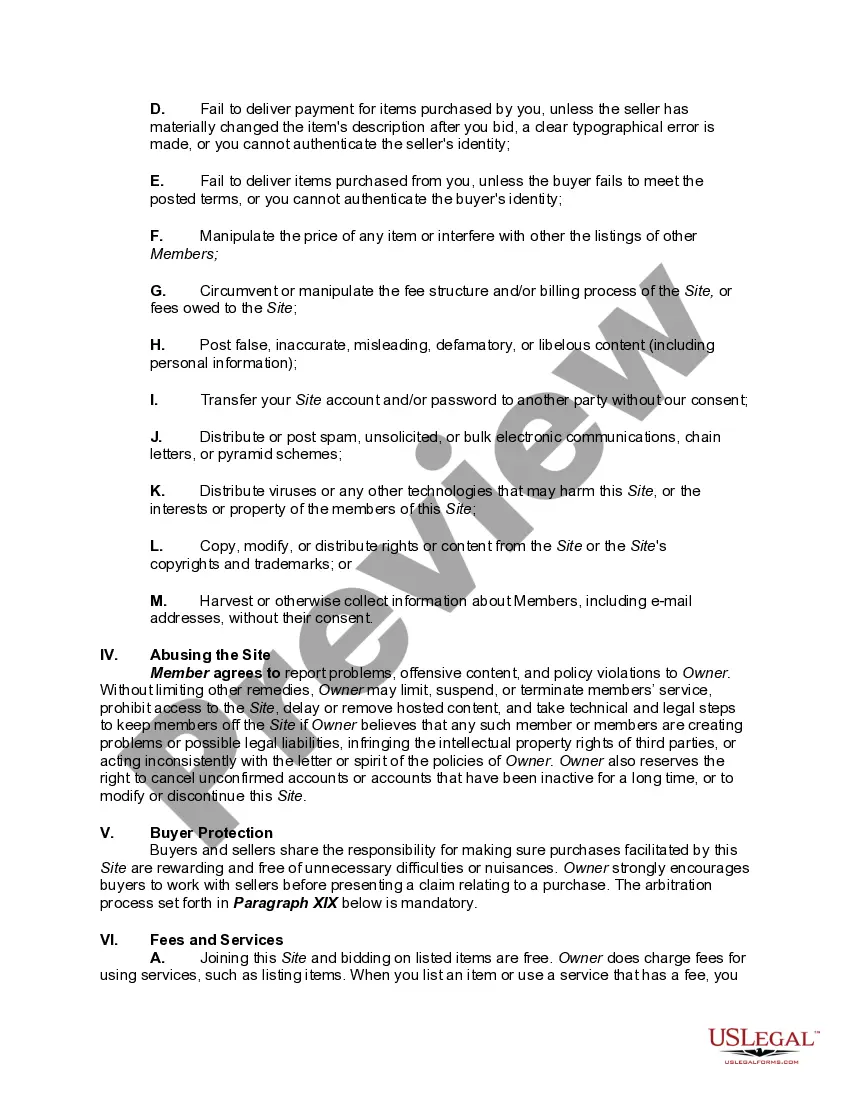
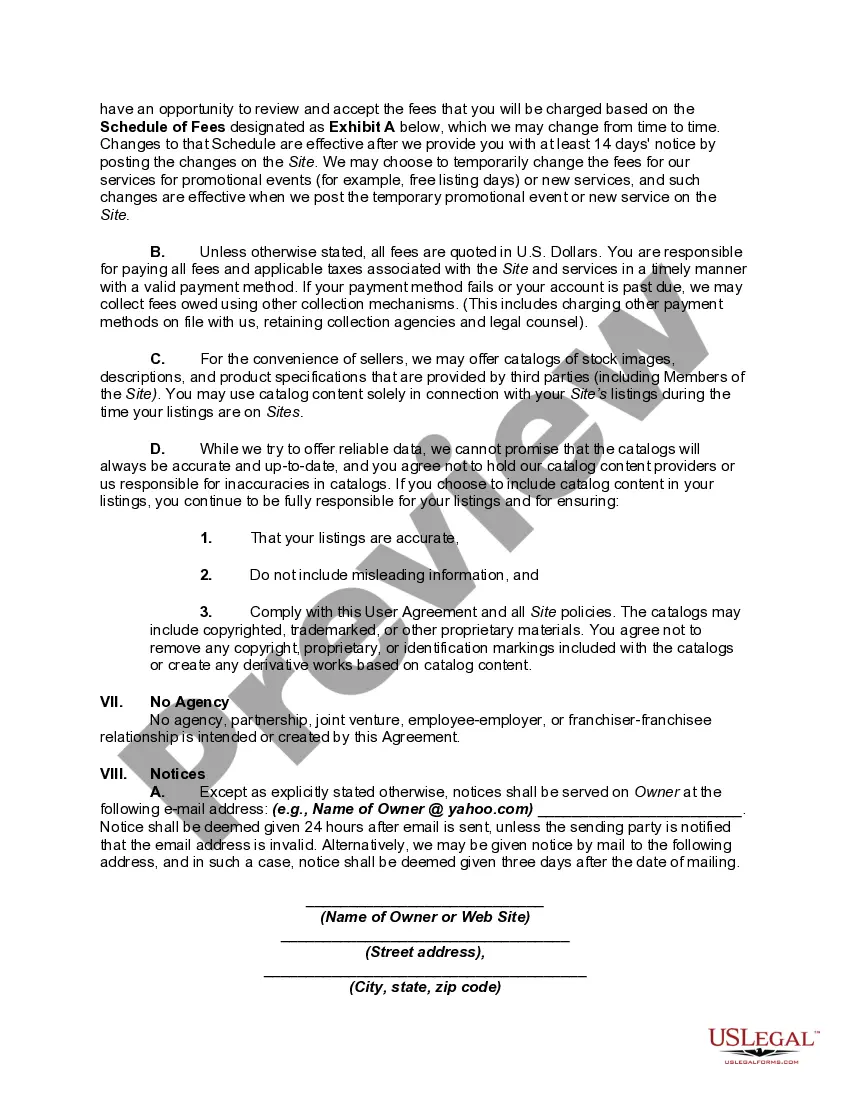
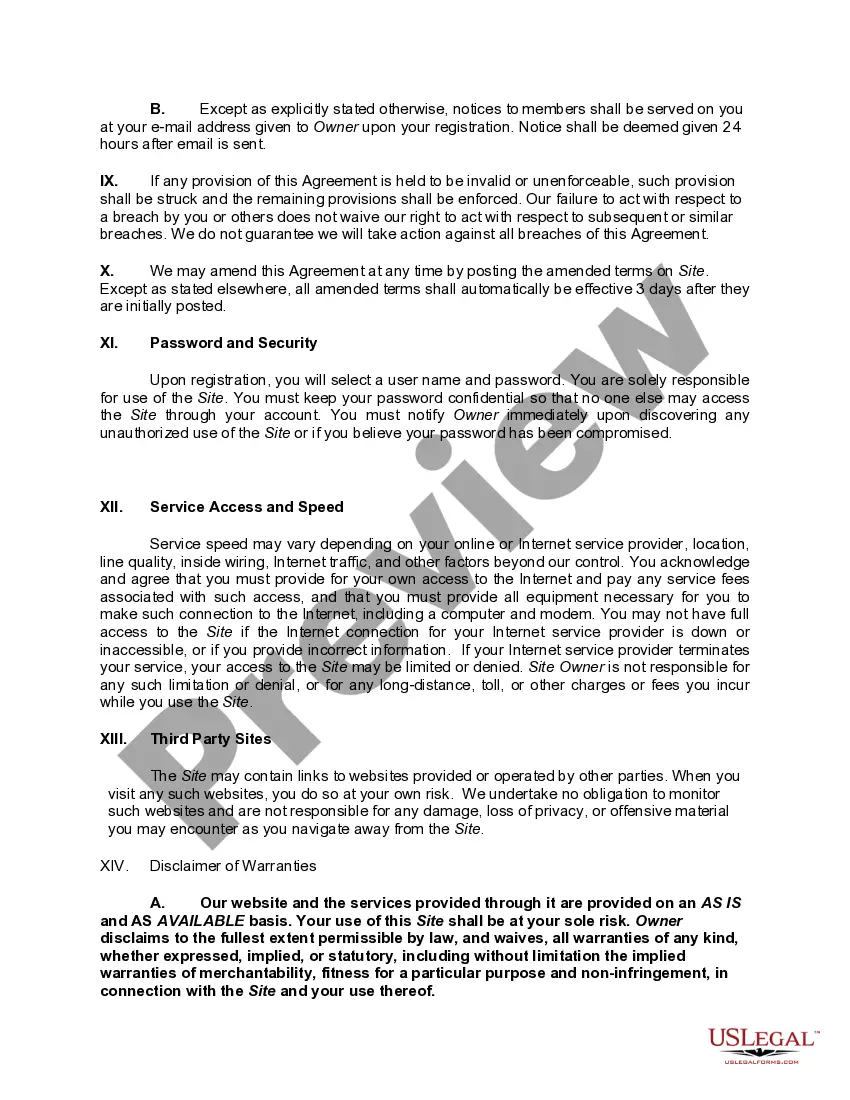
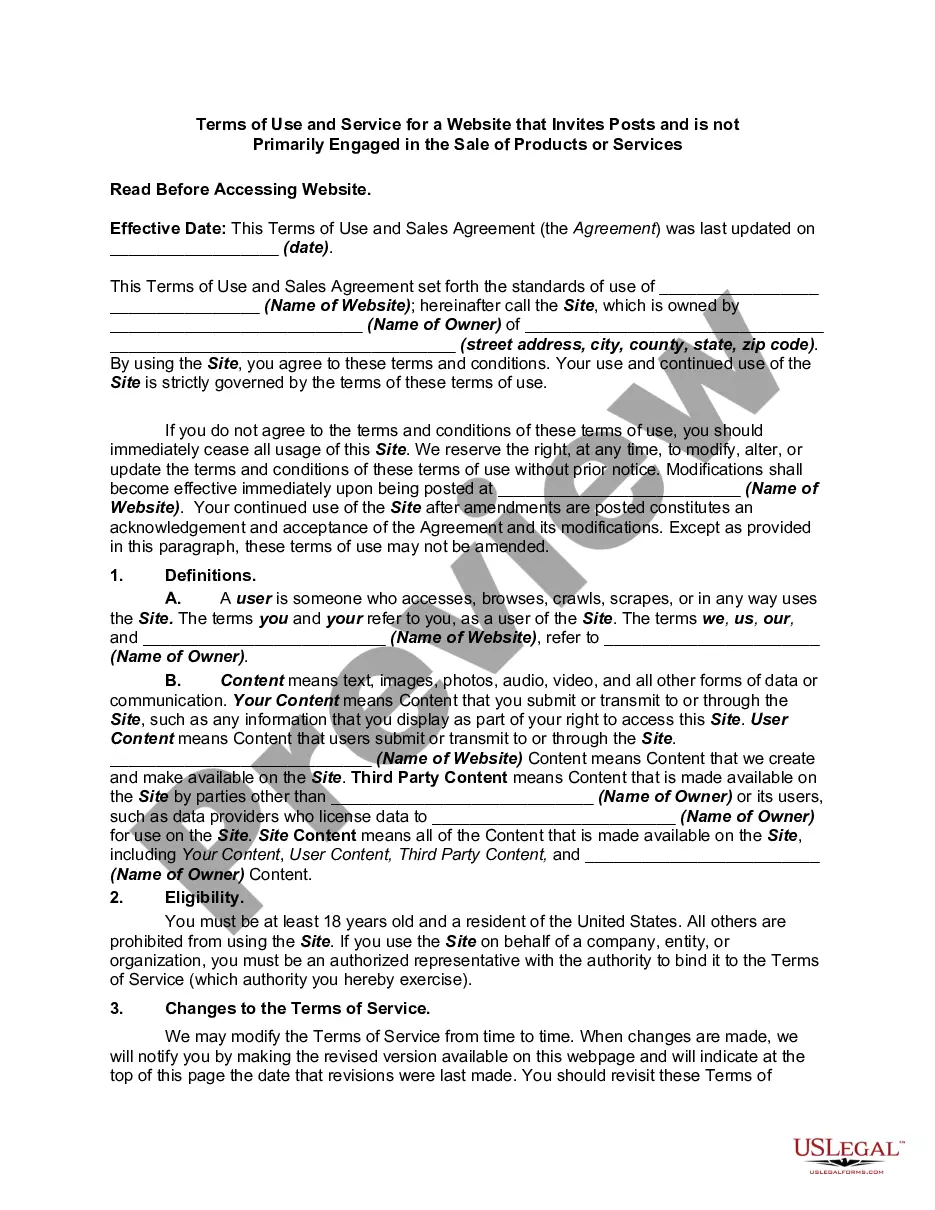
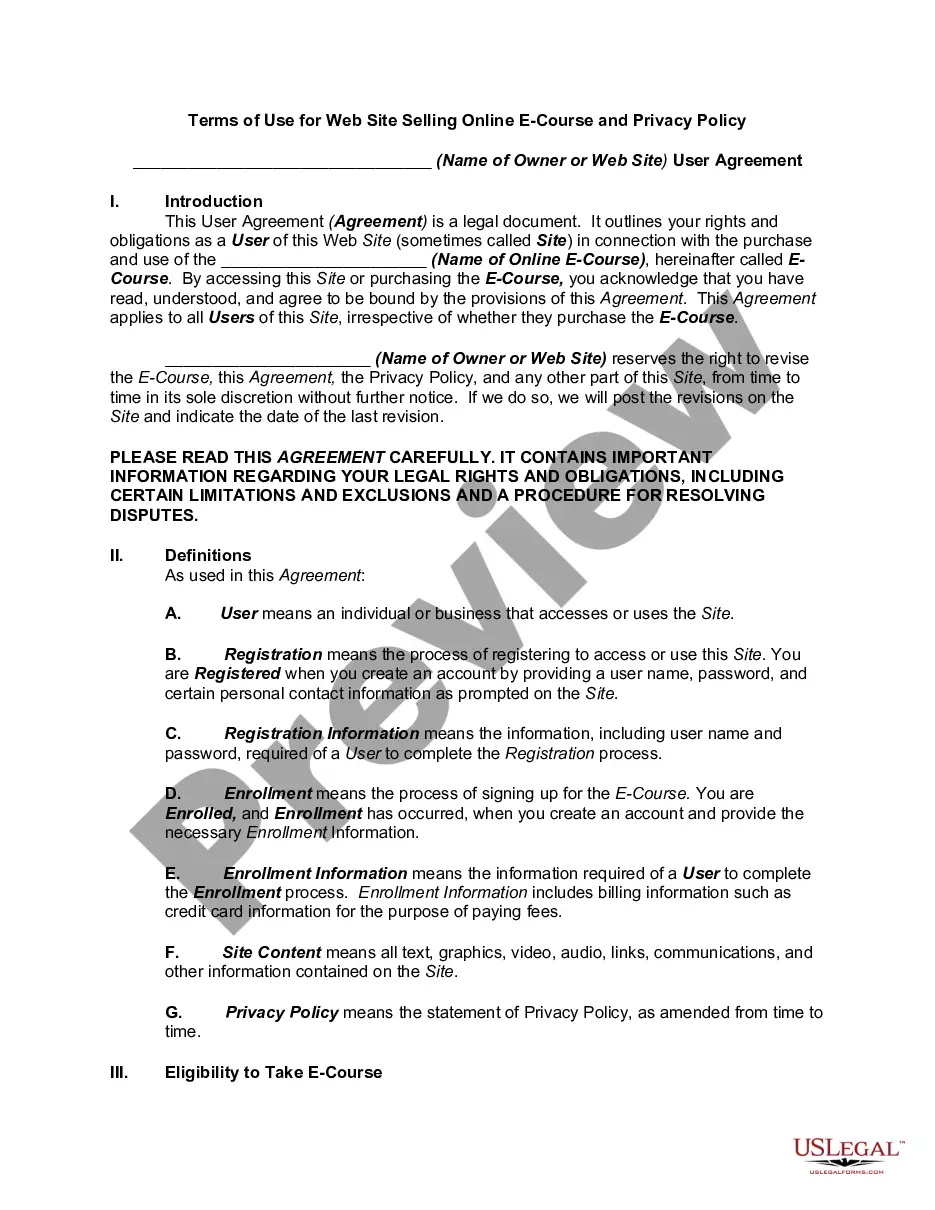
Description
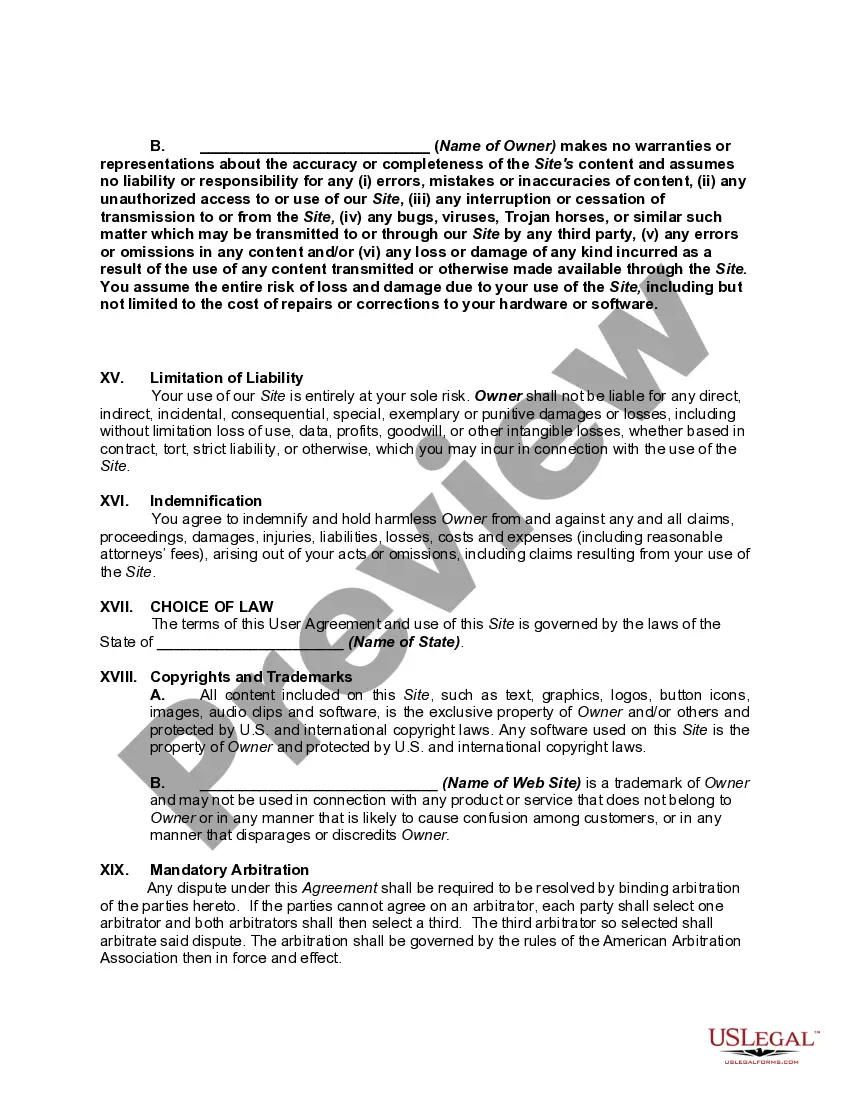
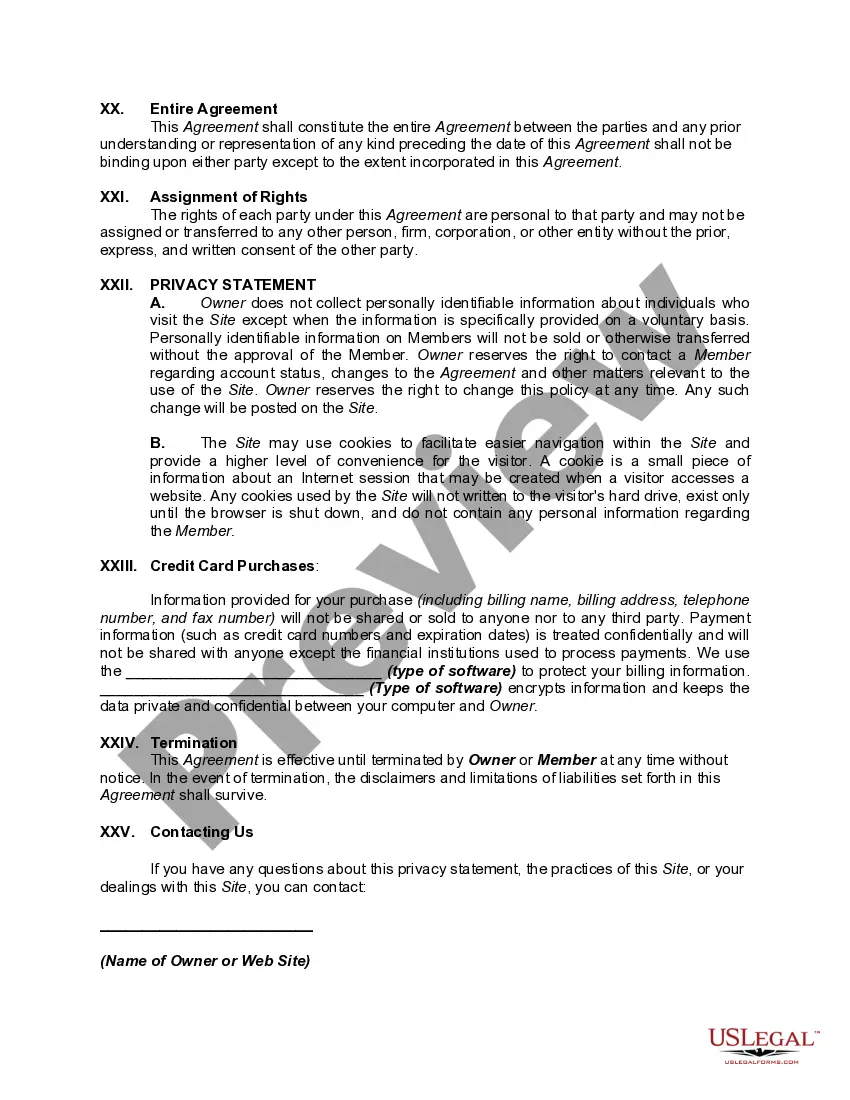
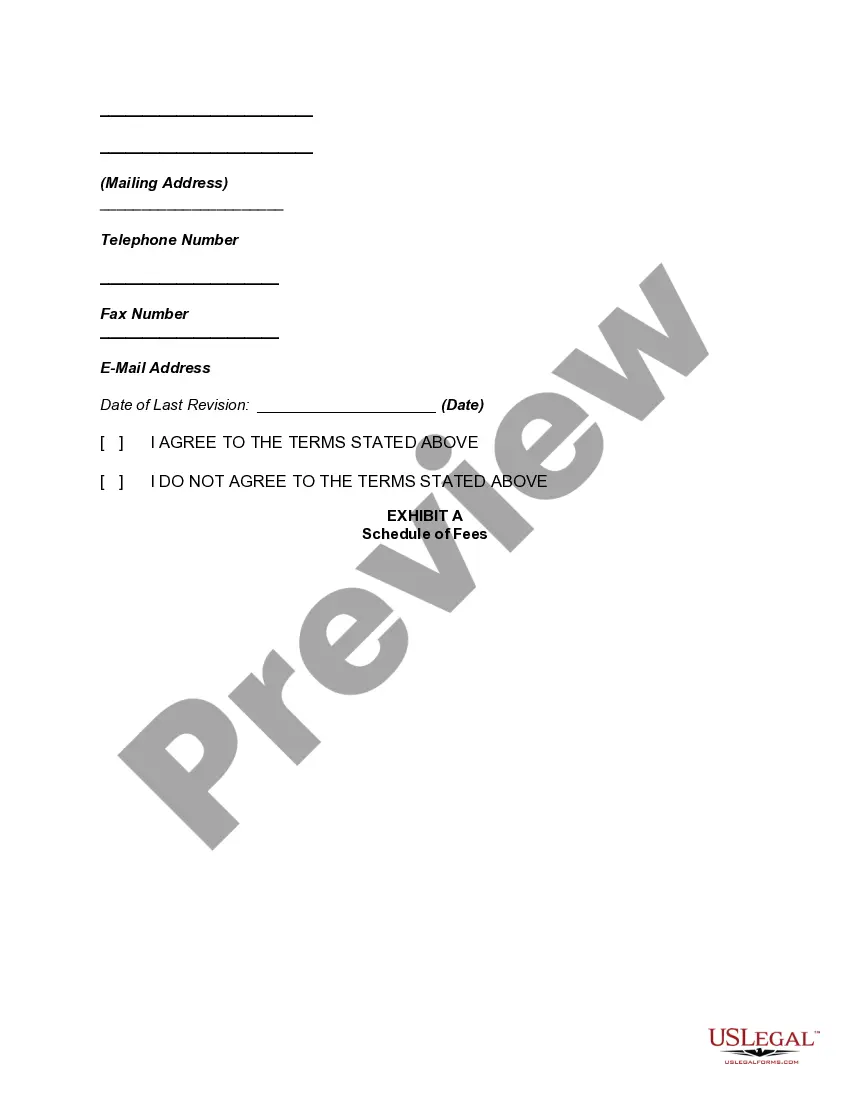
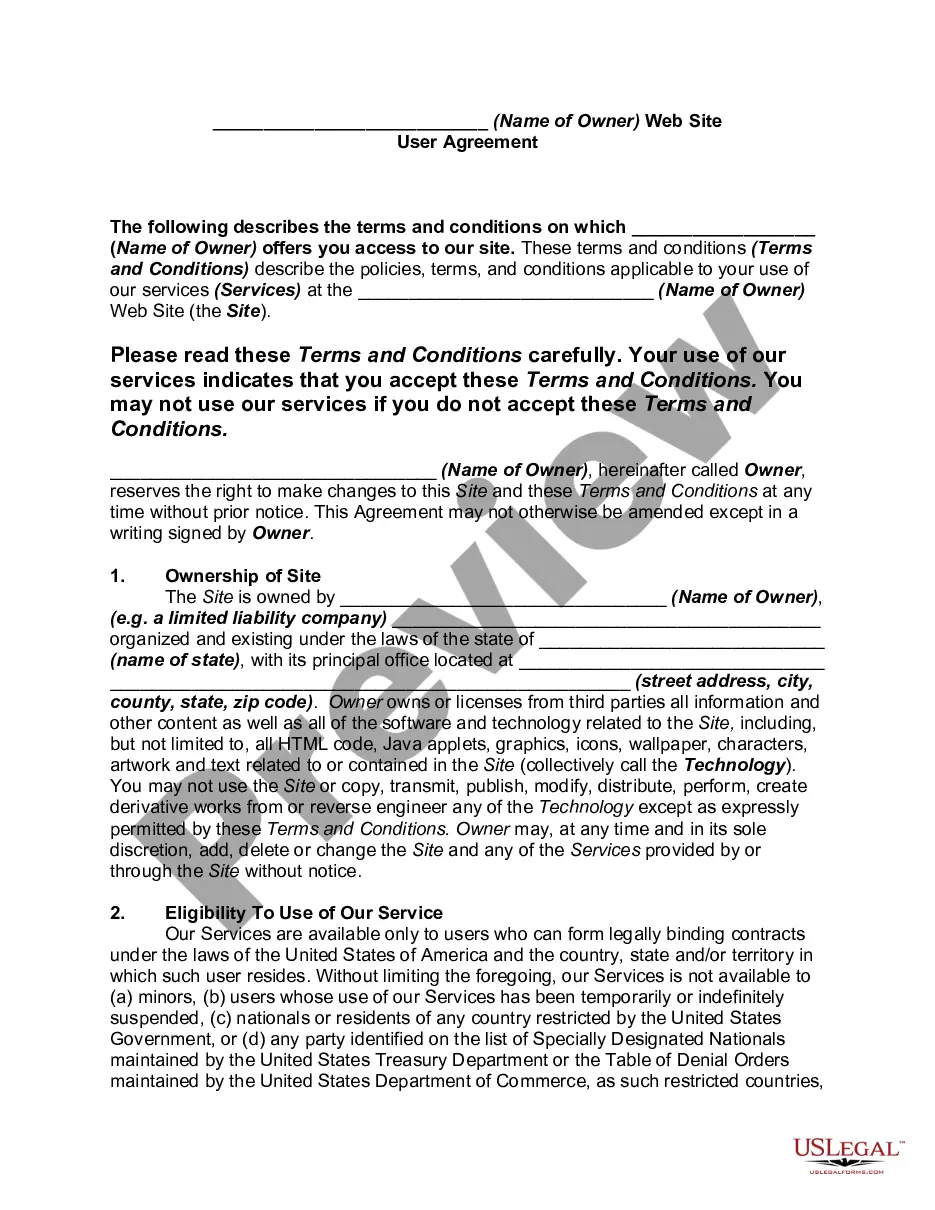
Get your form ready online
Our built-in tools help you complete, sign, share, and store your documents in one place.
Make edits, fill in missing information, and update formatting in US Legal Forms—just like you would in MS Word.
Download a copy, print it, send it by email, or mail it via USPS—whatever works best for your next step.
Sign and collect signatures with our SignNow integration. Send to multiple recipients, set reminders, and more. Go Premium to unlock E-Sign.
If this form requires notarization, complete it online through a secure video call—no need to meet a notary in person or wait for an appointment.
We protect your documents and personal data by following strict security and privacy standards.

Make edits, fill in missing information, and update formatting in US Legal Forms—just like you would in MS Word.

Download a copy, print it, send it by email, or mail it via USPS—whatever works best for your next step.

Sign and collect signatures with our SignNow integration. Send to multiple recipients, set reminders, and more. Go Premium to unlock E-Sign.

If this form requires notarization, complete it online through a secure video call—no need to meet a notary in person or wait for an appointment.

We protect your documents and personal data by following strict security and privacy standards.
Looking for another form?







How to fill out Website Subscription User Agreement - Terms Of Use For Website Offering Members Opportunity To Sell Products Online?
There’s no further reason to waste time searching for legal documents to comply with your local state regulations.
US Legal Forms has compiled all of them in one location and enhanced their availability.
Our site provides over 85k templates for any business and personal legal matters organized by state and area of application.
Utilize the search bar above to find another template if the current one does not suit your needs.
- All forms are expertly drafted and verified for accuracy, ensuring you receive an up-to-date User Agreement and Privacy Policy.
- If you are acquainted with our platform and already have an account, you must confirm your subscription is active before accessing any templates.
- Log In to your account, select the document, and click Download.
- You can also revisit all saved documents whenever needed by accessing the My documents section in your profile.
- If you have not previously used our platform, the process will require a few additional steps to complete.
- Here’s how new users can find the User Agreement and Privacy Policy in our catalog.
- Examine the page content thoroughly to ensure it contains the sample you require.
- Utilize the form description and preview options if available.
Form popularity
FAQ
These are the most basic elements that a privacy policy should include:Who is the site/app owner?What data is being collected?What is the Legal basis for the collection? (e.g consent, necessary for your service, legal obligation etc.)For which specific purposes are the data collected?More items...
Google's privacy policy Google is of course another great example of providing a transparent privacy policy for its users. Complying with one of the GDPR's most crucial policiesthe ability for a data subject to revoke consent of dataGoogle clearly depicts how and where a user can remove data.
There is no legal requirement that a lawyer be involved when writing your Privacy Policy. With the amount of resources, information and how-to guides available online today, you should be able to quite easily draft your own basic Privacy Policy. However, you may want to have a lawyer write your Privacy Policy.
Your privacy statement should be clear, direct, and easy to understand. Keep technical jargon and legal terminology to a minimum. If you decide to modify how you use personal information, you must inform your users. A company's privacy policy is only as strong as the staff that implements it.
