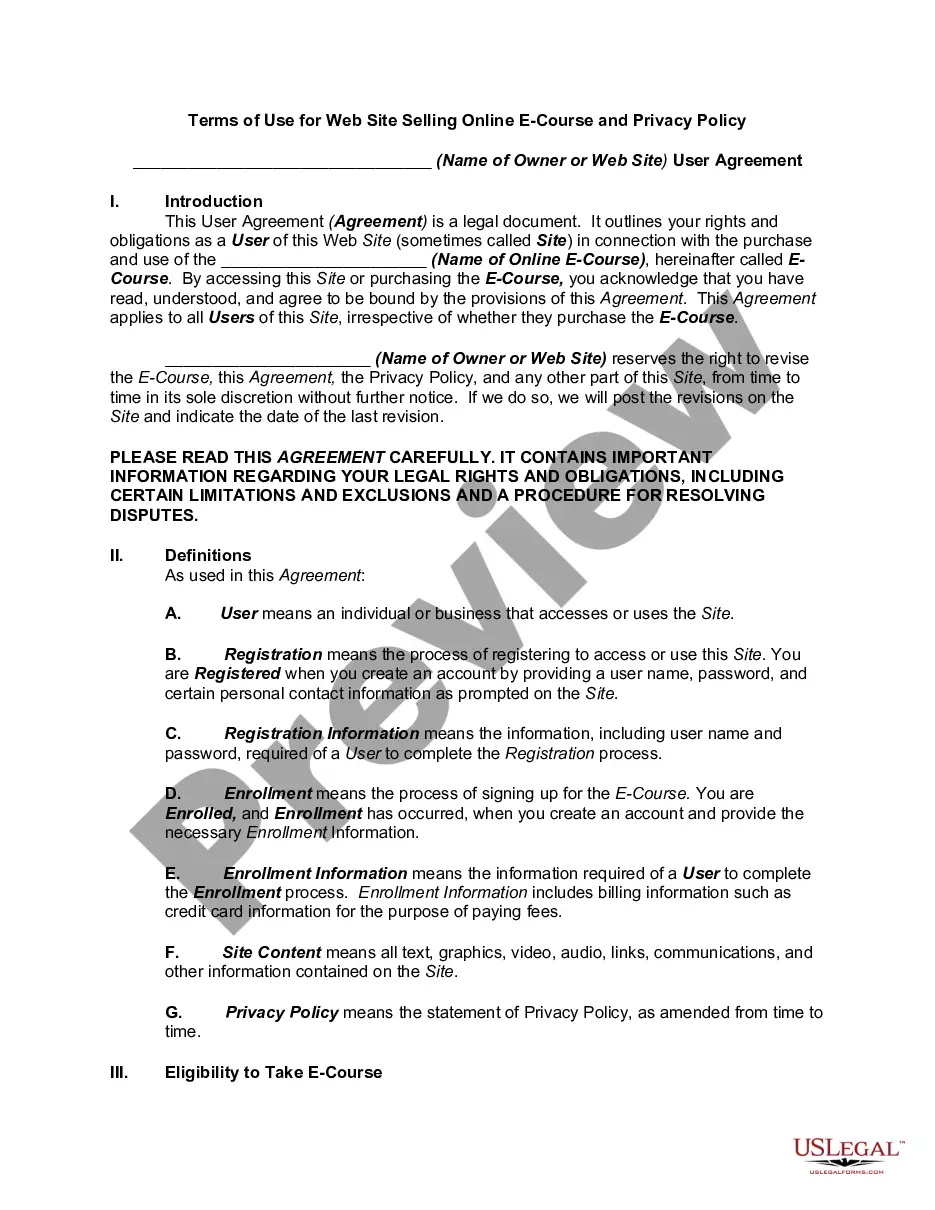
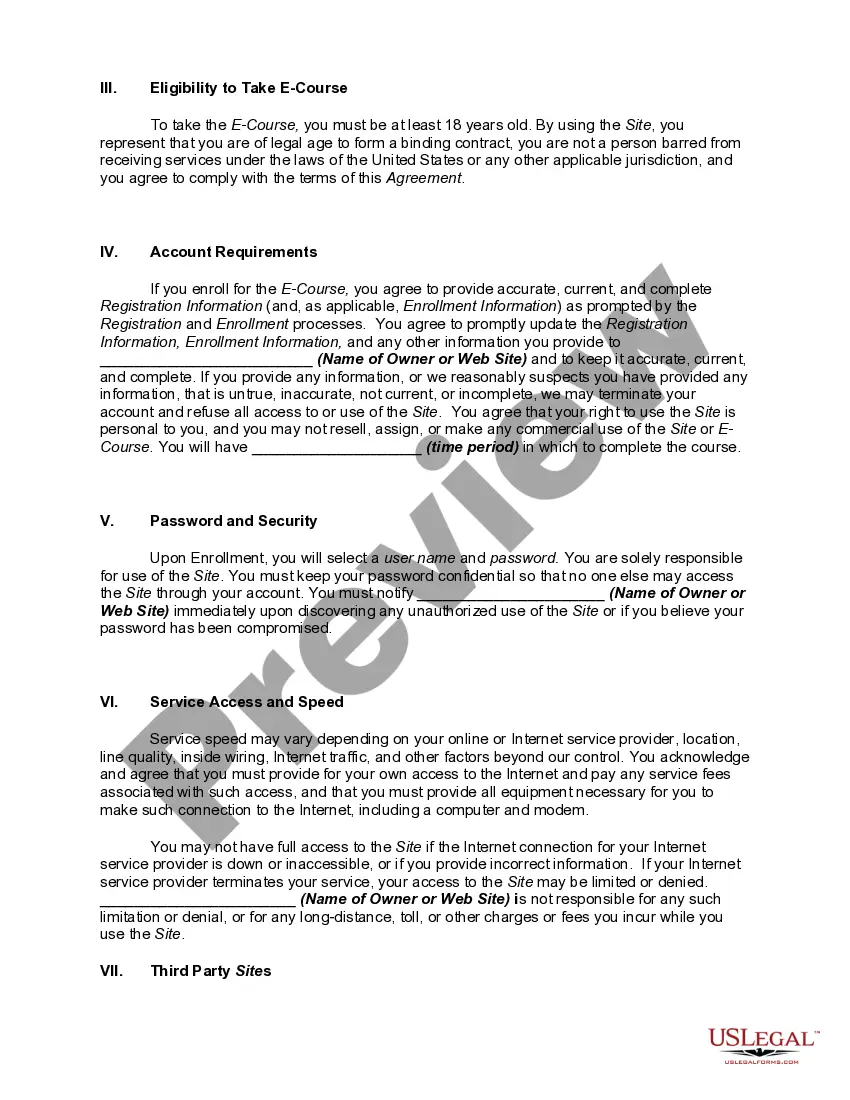
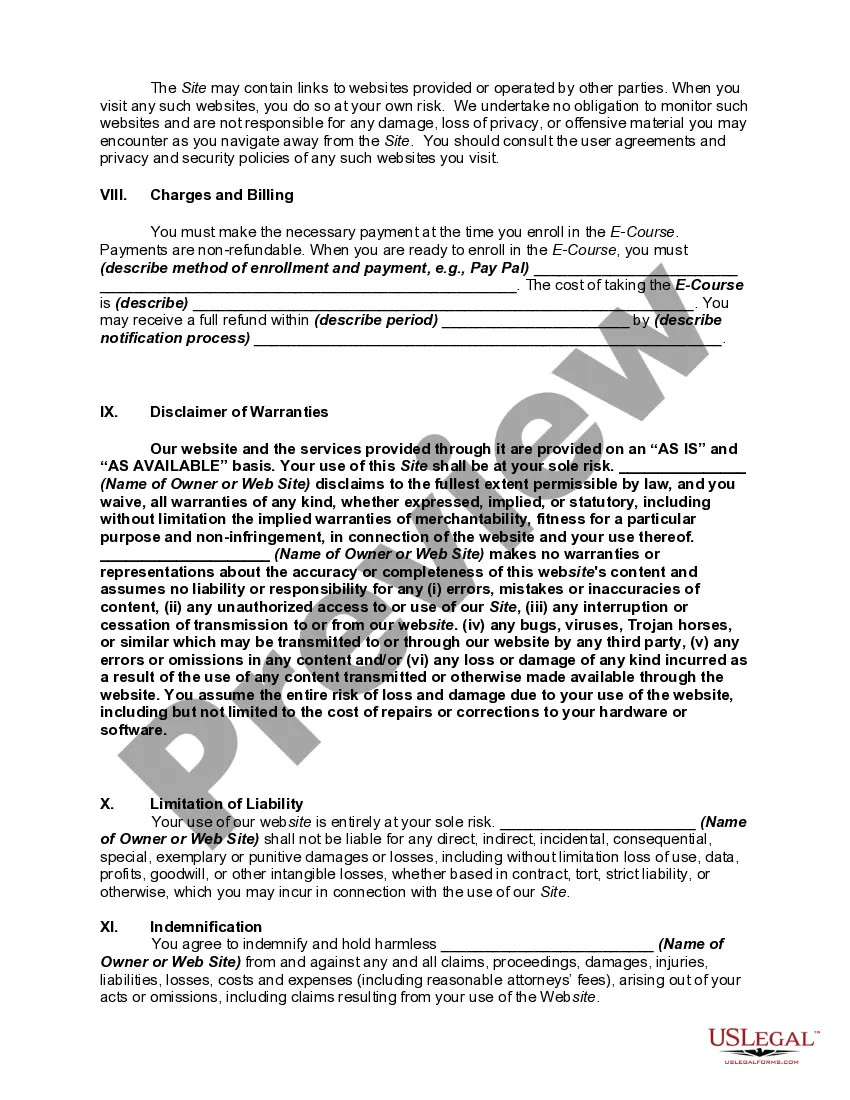
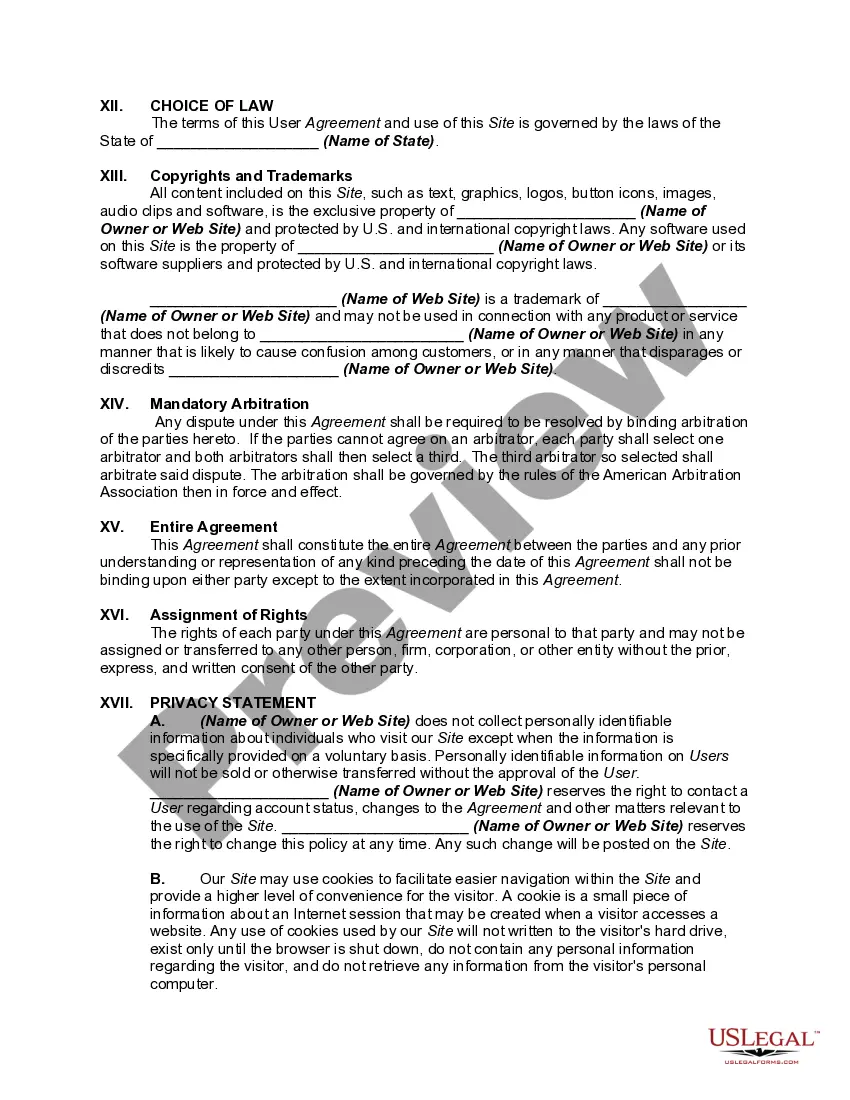
Website Terms Used With Dates
Description
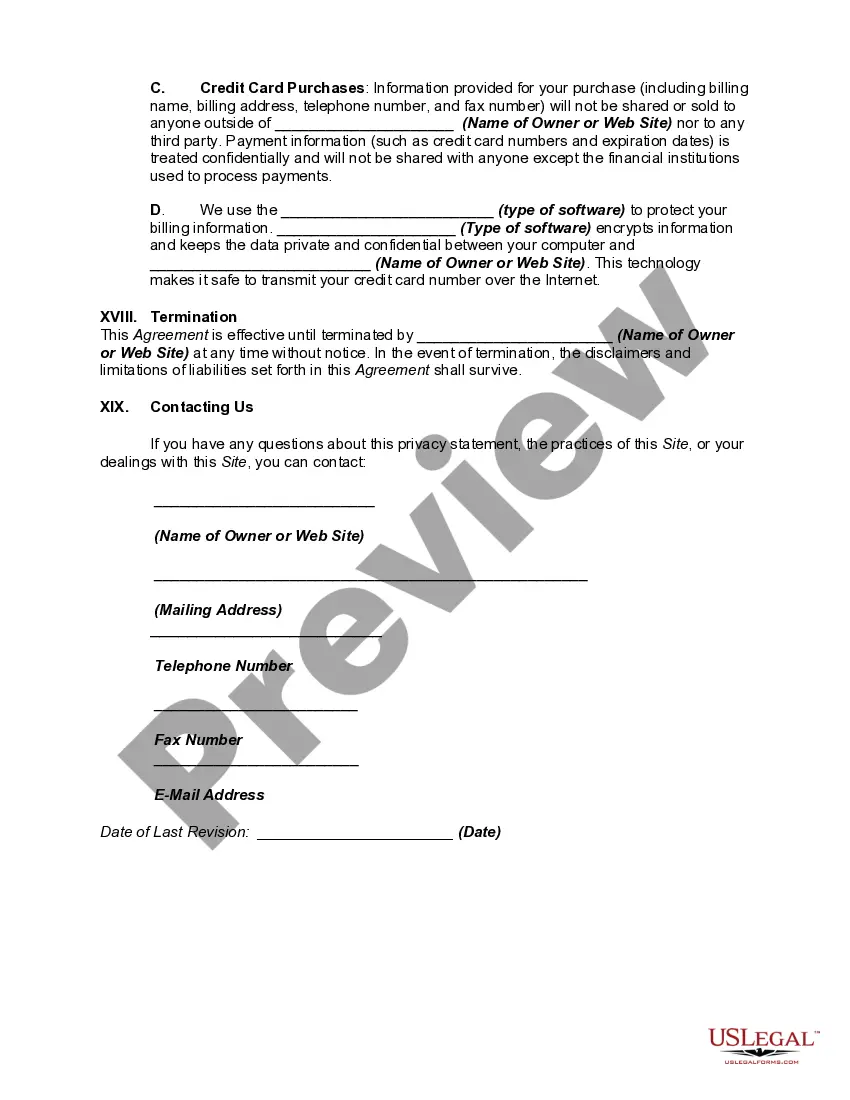
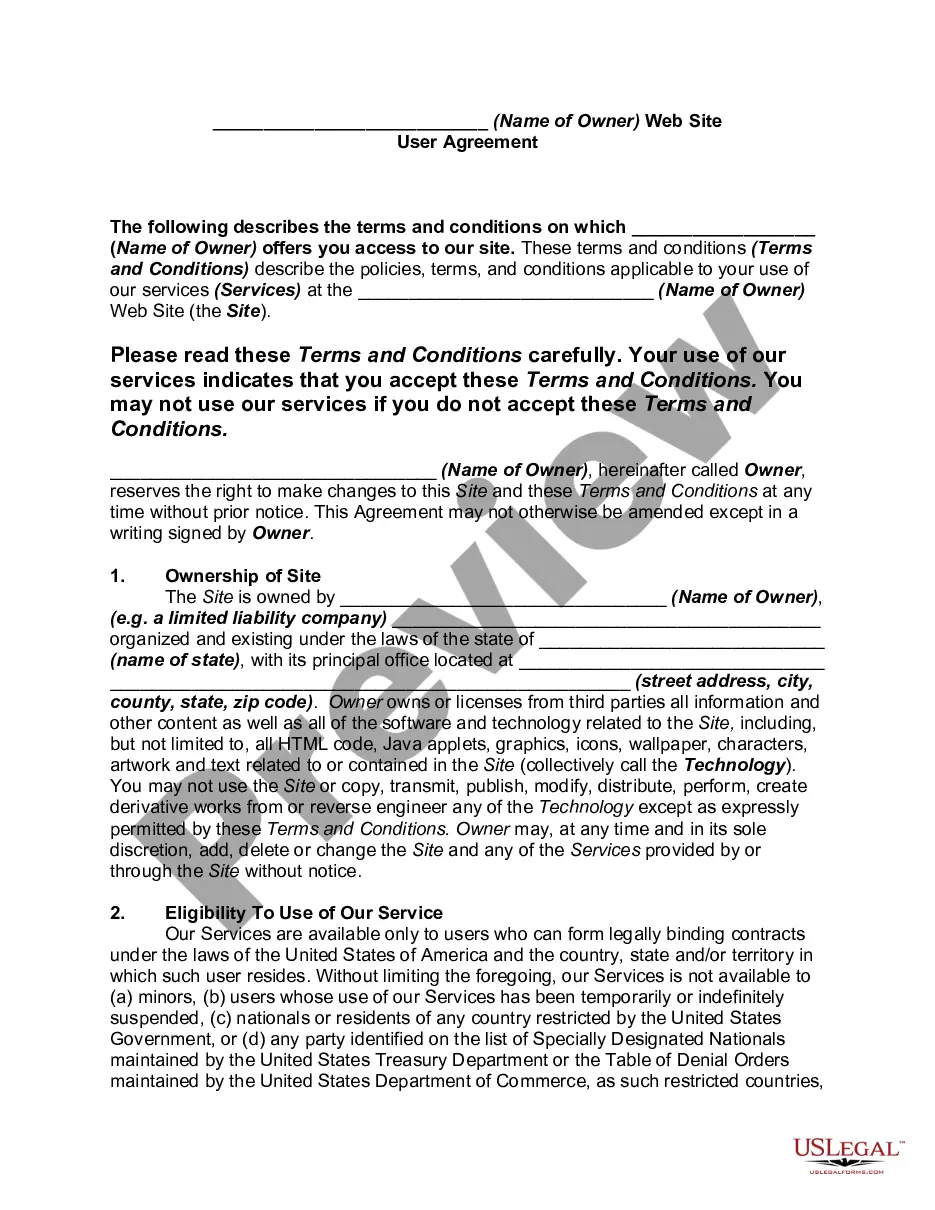
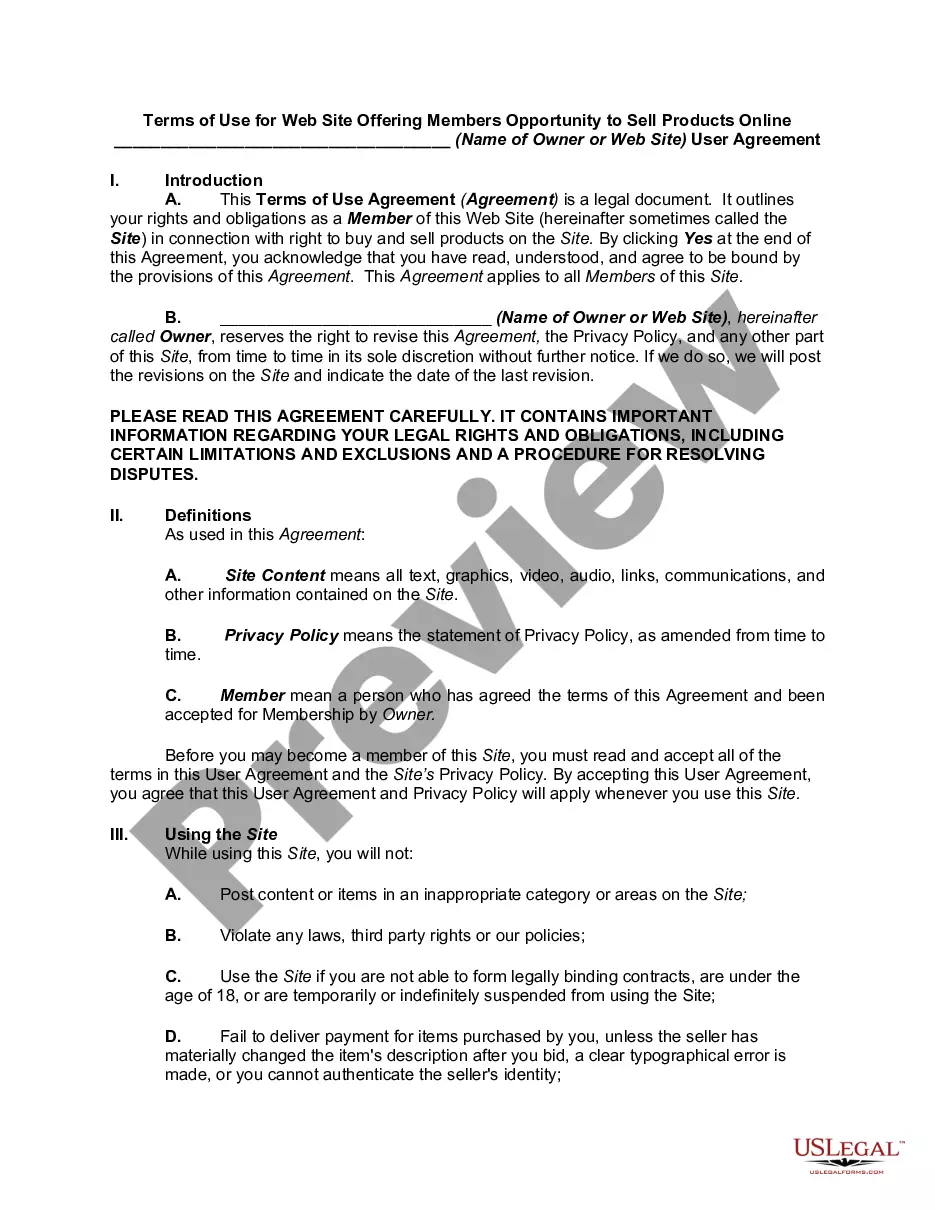
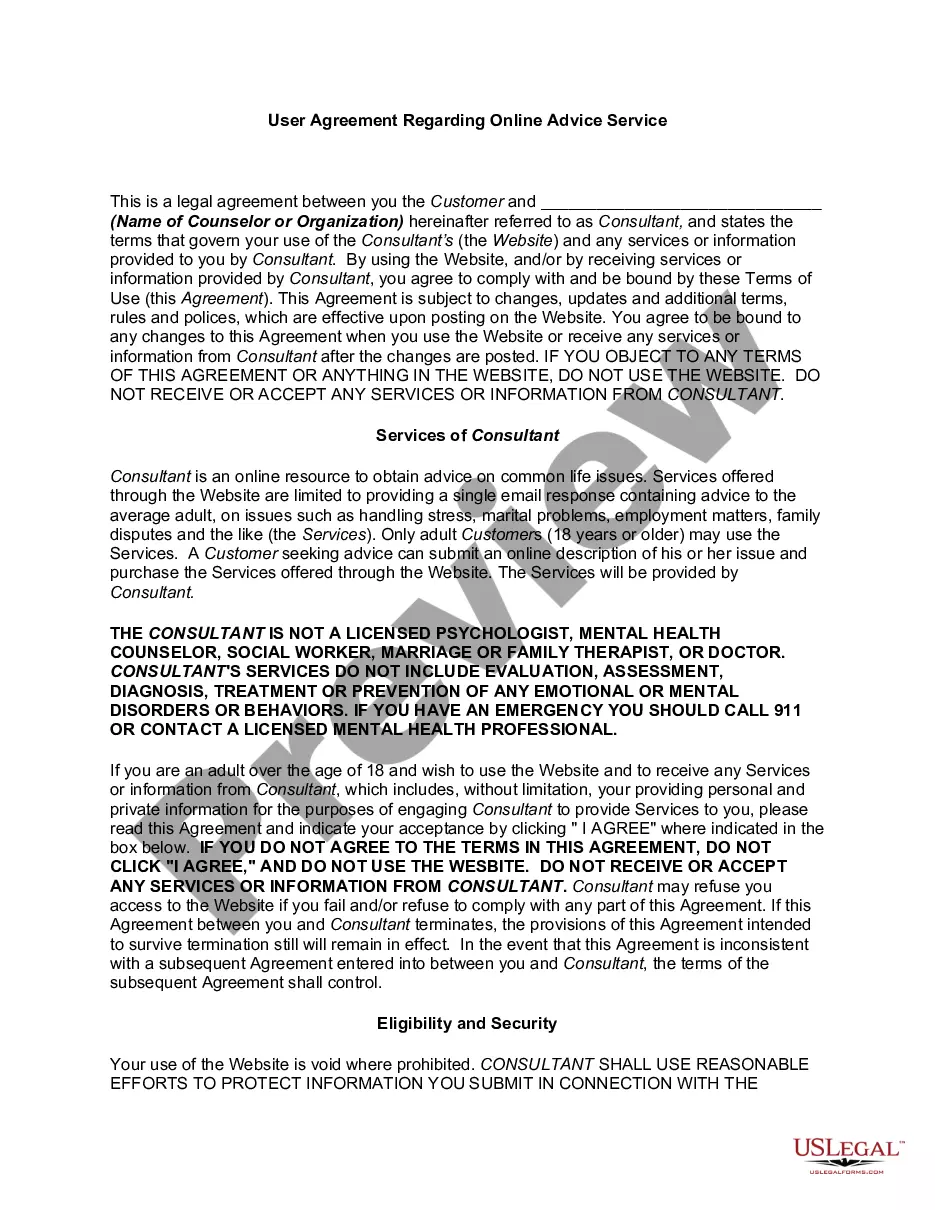
Get your form ready online
Our built-in tools help you complete, sign, share, and store your documents in one place.
Make edits, fill in missing information, and update formatting in US Legal Forms—just like you would in MS Word.
Download a copy, print it, send it by email, or mail it via USPS—whatever works best for your next step.
Sign and collect signatures with our SignNow integration. Send to multiple recipients, set reminders, and more. Go Premium to unlock E-Sign.
If this form requires notarization, complete it online through a secure video call—no need to meet a notary in person or wait for an appointment.
We protect your documents and personal data by following strict security and privacy standards.

Make edits, fill in missing information, and update formatting in US Legal Forms—just like you would in MS Word.

Download a copy, print it, send it by email, or mail it via USPS—whatever works best for your next step.

Sign and collect signatures with our SignNow integration. Send to multiple recipients, set reminders, and more. Go Premium to unlock E-Sign.

If this form requires notarization, complete it online through a secure video call—no need to meet a notary in person or wait for an appointment.

We protect your documents and personal data by following strict security and privacy standards.
Looking for another form?


How to fill out Website Subscription User Agreement - Terms Of Use For Website Selling Online E-Course Privacy Policy?
- Log in to your account if you're a returning user. Click the Download button for your desired form template and ensure your subscription is active. If it's not valid, renew your plan.
- For first-time users, begin by previewing the form in detail. Verify that it aligns with your requirements and complies with your local jurisdiction.
- If adjustments are needed, utilize the Search tab to locate the relevant template. Once you find what fits, proceed to the next step.
- Purchase the chosen document by selecting the Buy Now option and picking a suitable subscription plan. Remember, account registration is necessary for accessing the library.
- Complete your order by entering your payment information, either through credit card or PayPal.
- After your purchase, download the form to your device, allowing for easy completion and future access via the My Forms section in your profile.
With US Legal Forms, users gain access to a robust selection of over 85,000 legal forms and packages, far surpassing competitors. Plus, our platform offers the advantage of consulting with premium experts to ensure your documents are accurate and compliant.
Ready to simplify your legal documentation process? Start using US Legal Forms today and experience the convenience of a well-organized legal form library.
Form popularity
FAQ
To keep your website updated, regularly review and revise its content, including the terms and conditions. Monitor legal changes that may affect your website terms used with dates and ensure compliance. A fresh, updated website improves user experience and builds credibility.
To display terms and conditions on your website, create a dedicated page and link it in your footer. Ensure the content is clear and accessible, and consider adding a summary for quick understanding. Following best practices will enhance your website terms used with dates and improve user trust.
If a website has no date available, indicate this in your reference by using 'n.d.' for 'no date' in the citation. This practice informs your audience that although you are relying on this information, there was no official publication date provided. Clarity is key in website terms used with dates.
In APA format, use the publication date listed on the website or the date you accessed it if no date is available. Format the reference with the author, followed by the date in parentheses. Correctly referencing dates helps maintain the integrity of your website terms used with dates.
To find the date of a website for referencing, check the footer for a last updated date or a publication date. Additionally, you can use online tools like the Wayback Machine to see historical snapshots of the site. Accurate dating is essential for website terms used with dates.
When referencing a website, you should use the date you accessed the information, unless a publication date is explicitly listed. If a publication date exists, you can use that instead. This practice is critical for ensuring that you accurately represent the website terms used with dates.
To determine when a website was published, look for a publication date typically found at the top or bottom of the homepage or in the blog section. You can also use web archiving tools that display the dates when the content was originally published. This information is crucial for your website terms used with dates in citations.
Copying terms of use from another website is not advisable. Each site's terms are tailored to specific legal needs, and duplicating them can lead to legal issues. Instead, consider creating your own terms that reflect your website's specific practices. For personalized templates, check out USLegalForms.
The correct usage depends on regional preferences and specific guidelines, though 'mm/dd/yy' is widely recognized in the United States, while 'dd/mm/yy' is standard in many other places. Consistency is key when choosing which date format to use, especially in legal contexts and on websites. Therefore, website terms used with dates should clearly outline which format is being implemented to prevent any confusion.
The recommended date format for a website often follows the 'yyyy-mm-dd' standard, such as '2025-01-01,' because it sorts dates effectively in databases. However, other formats, such as 'dd mmm yyyy' or 'mm/dd/yyyy,' are also commonly seen, depending on the context and audience. Using consistent date formats is crucial in website terms used with dates to maintain clarity and avoid misinterpretations by users.