Beneficiary
Description
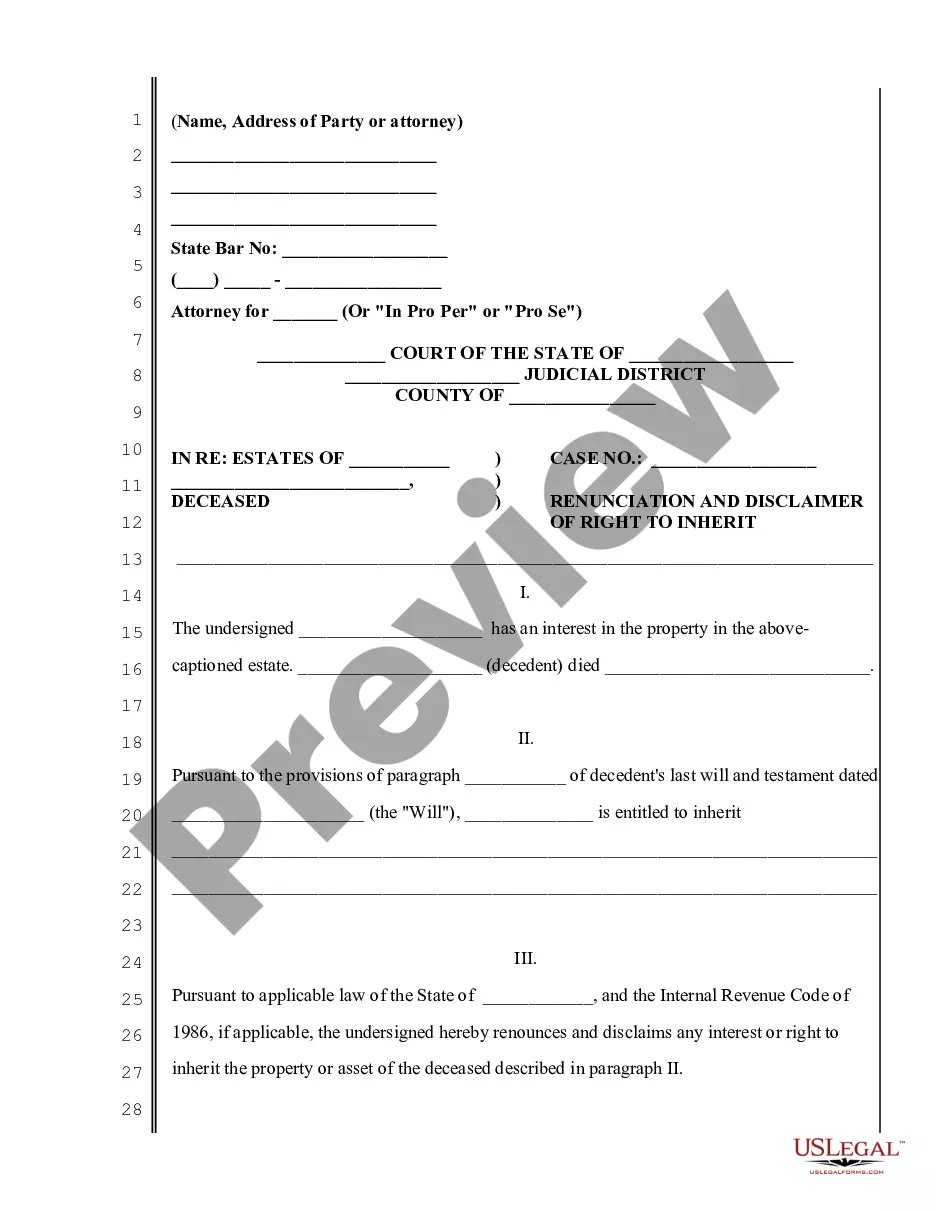
Get your form ready online
Our built-in tools help you complete, sign, share, and store your documents in one place.
Make edits, fill in missing information, and update formatting in US Legal Forms—just like you would in MS Word.
Download a copy, print it, send it by email, or mail it via USPS—whatever works best for your next step.
Sign and collect signatures with our SignNow integration. Send to multiple recipients, set reminders, and more. Go Premium to unlock E-Sign.
If this form requires notarization, complete it online through a secure video call—no need to meet a notary in person or wait for an appointment.
We protect your documents and personal data by following strict security and privacy standards.

Make edits, fill in missing information, and update formatting in US Legal Forms—just like you would in MS Word.

Download a copy, print it, send it by email, or mail it via USPS—whatever works best for your next step.

Sign and collect signatures with our SignNow integration. Send to multiple recipients, set reminders, and more. Go Premium to unlock E-Sign.

If this form requires notarization, complete it online through a secure video call—no need to meet a notary in person or wait for an appointment.

We protect your documents and personal data by following strict security and privacy standards.
Looking for another form?



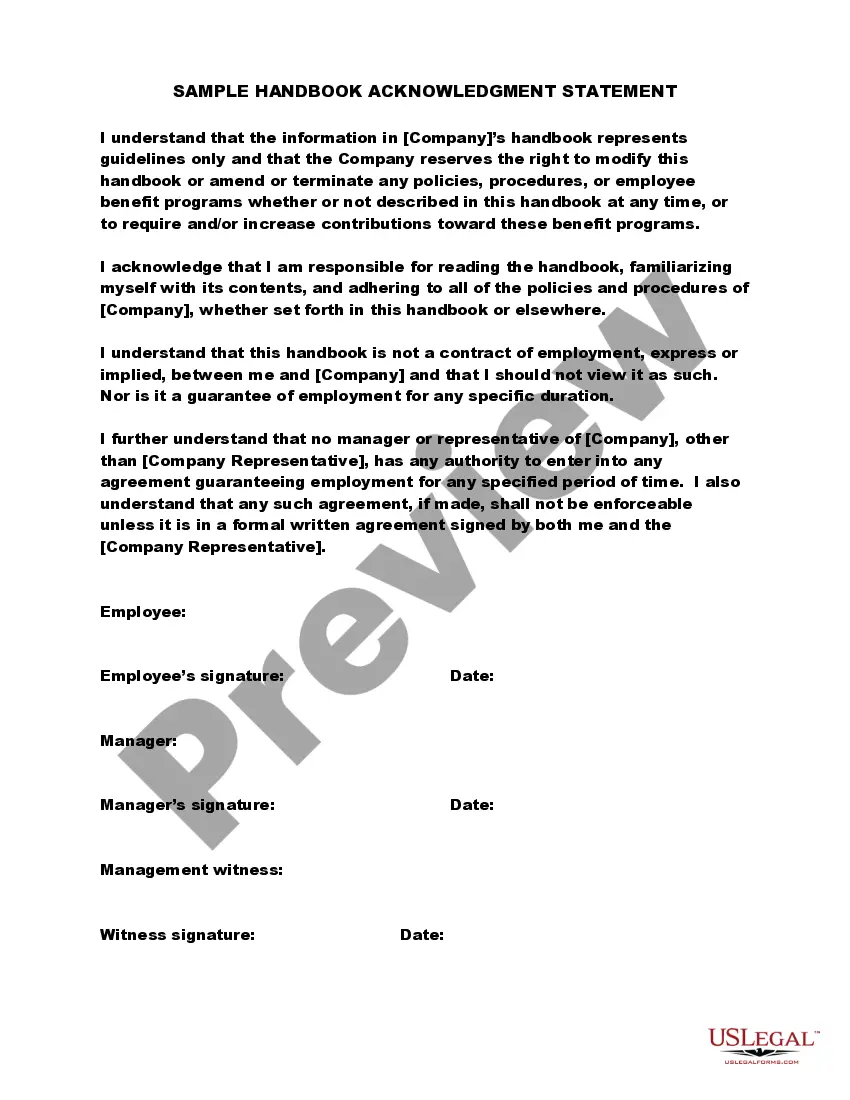


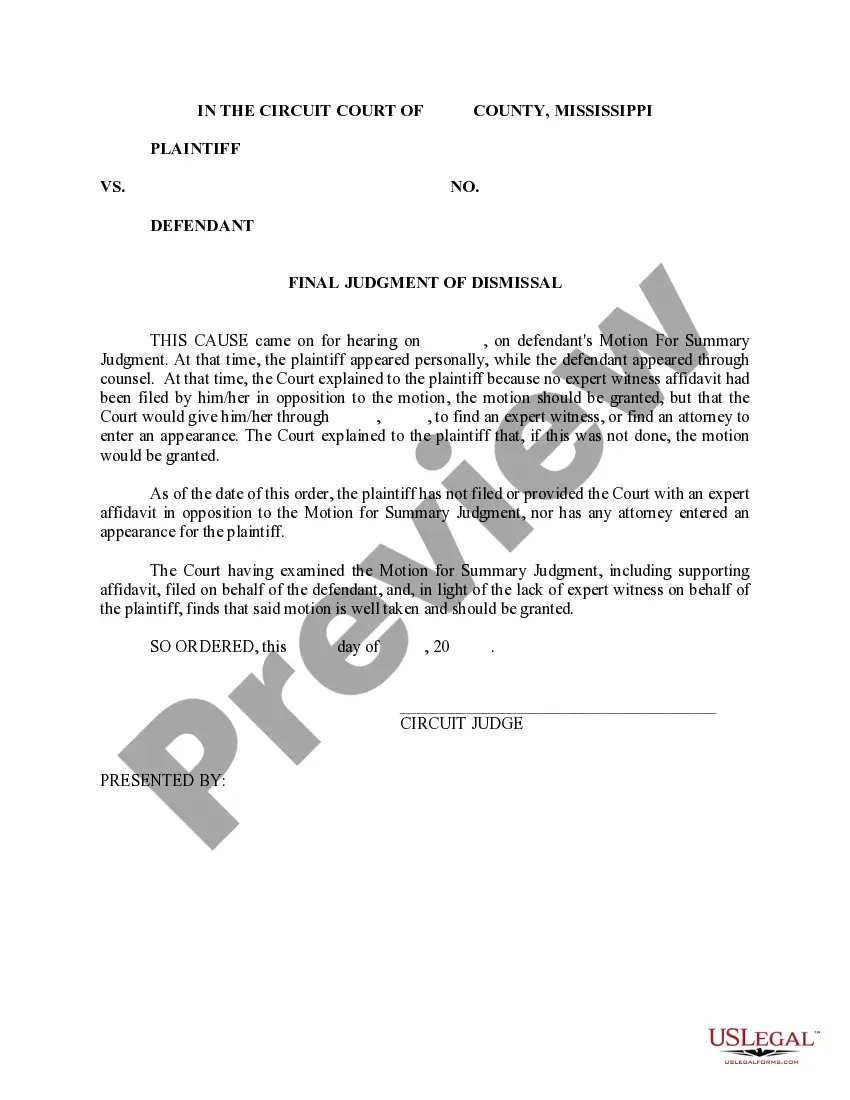


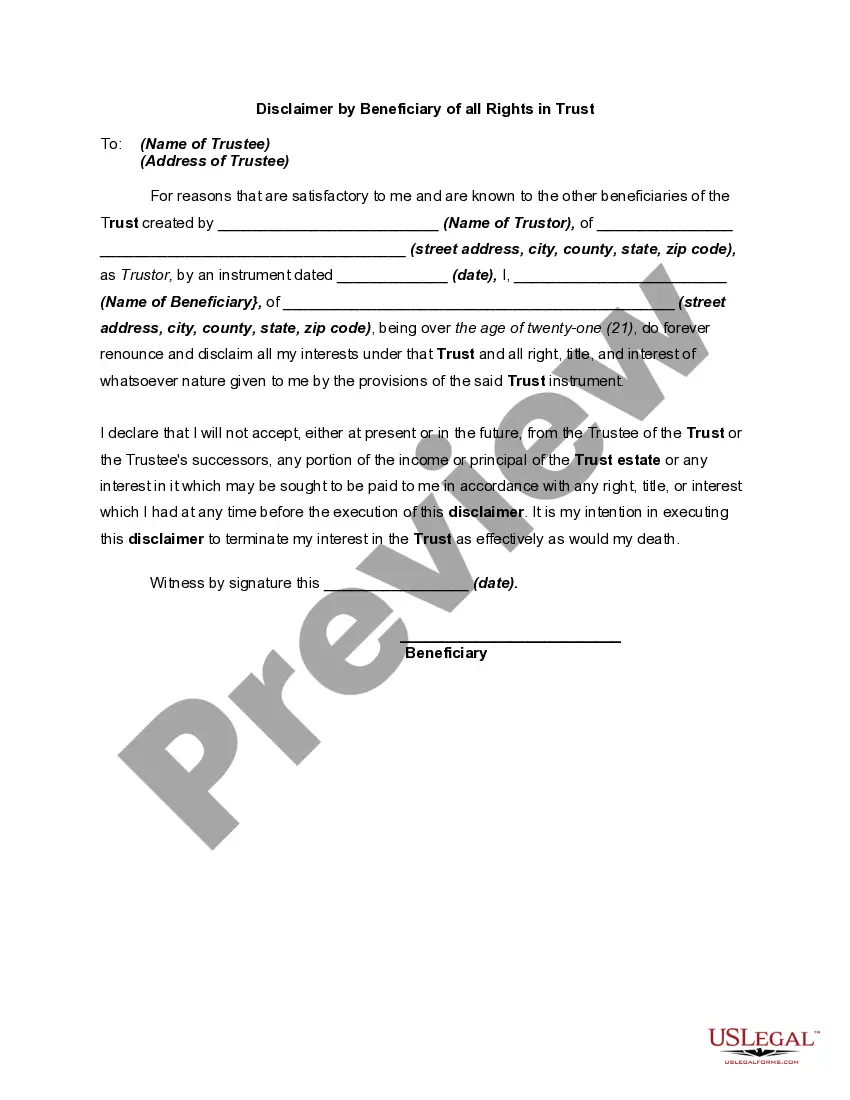
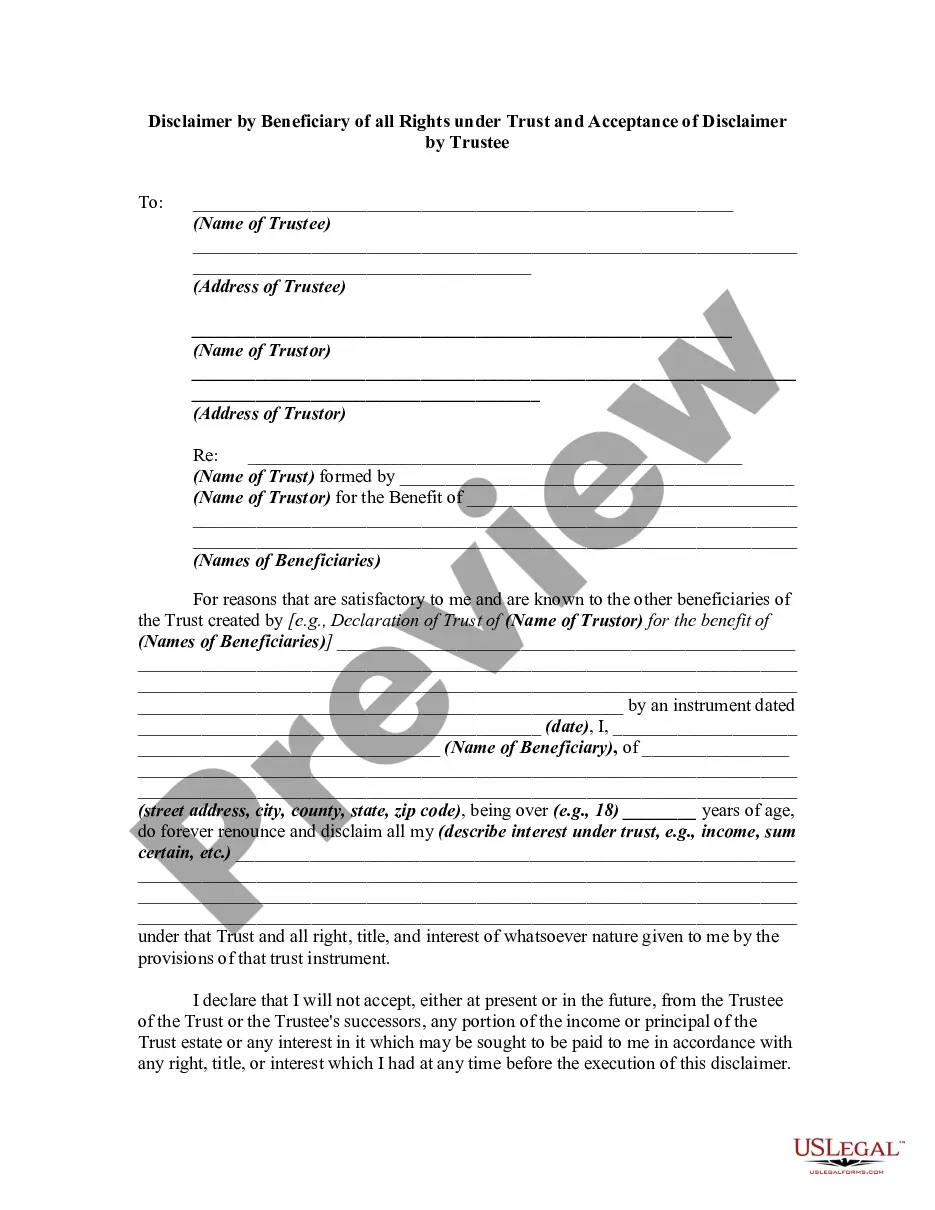
How to fill out Disclaimer By Beneficiary Of All Rights In Trust?
- If you're a returning user, log in to your account and download the necessary form template from the Download button, ensuring your subscription is active. If it's expired, renew it accordingly.
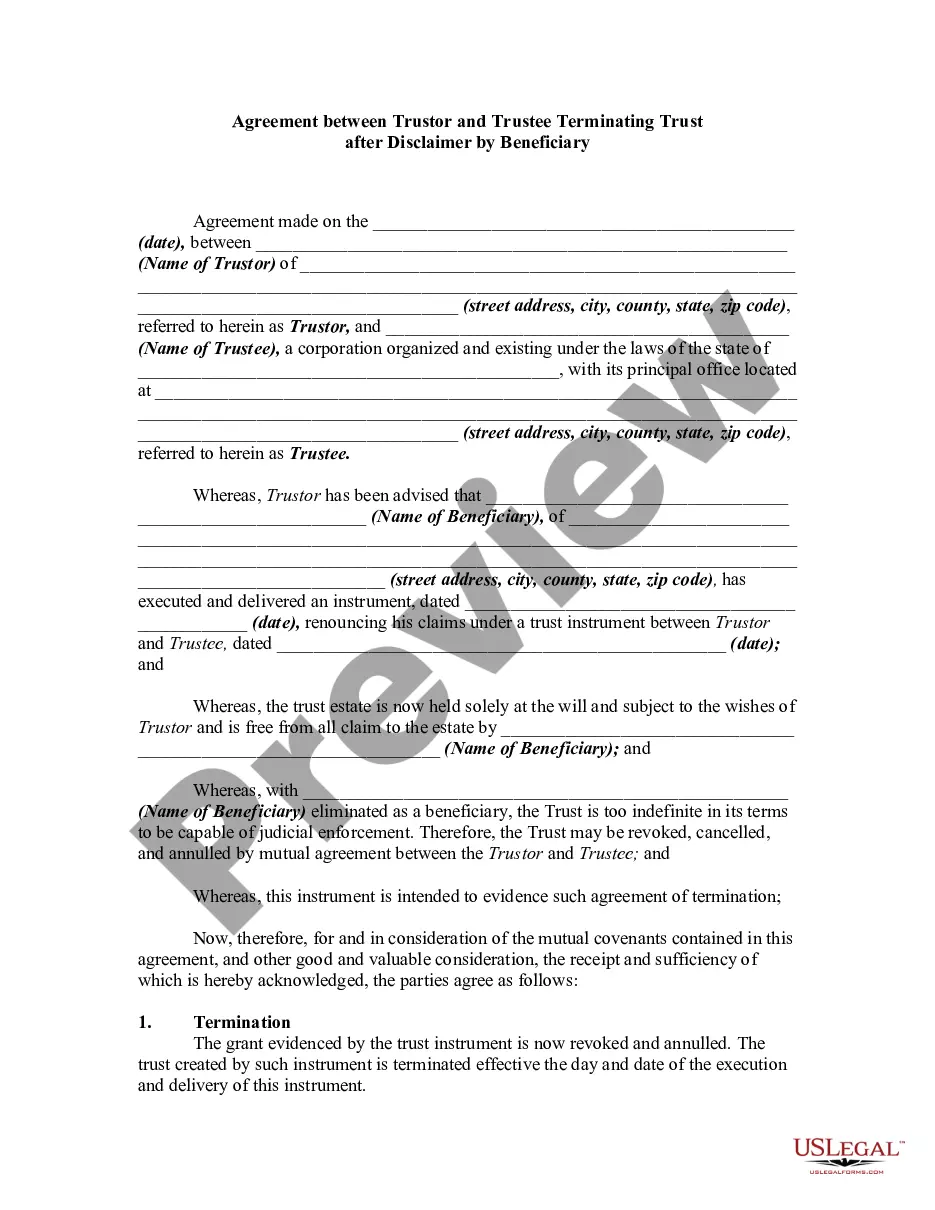
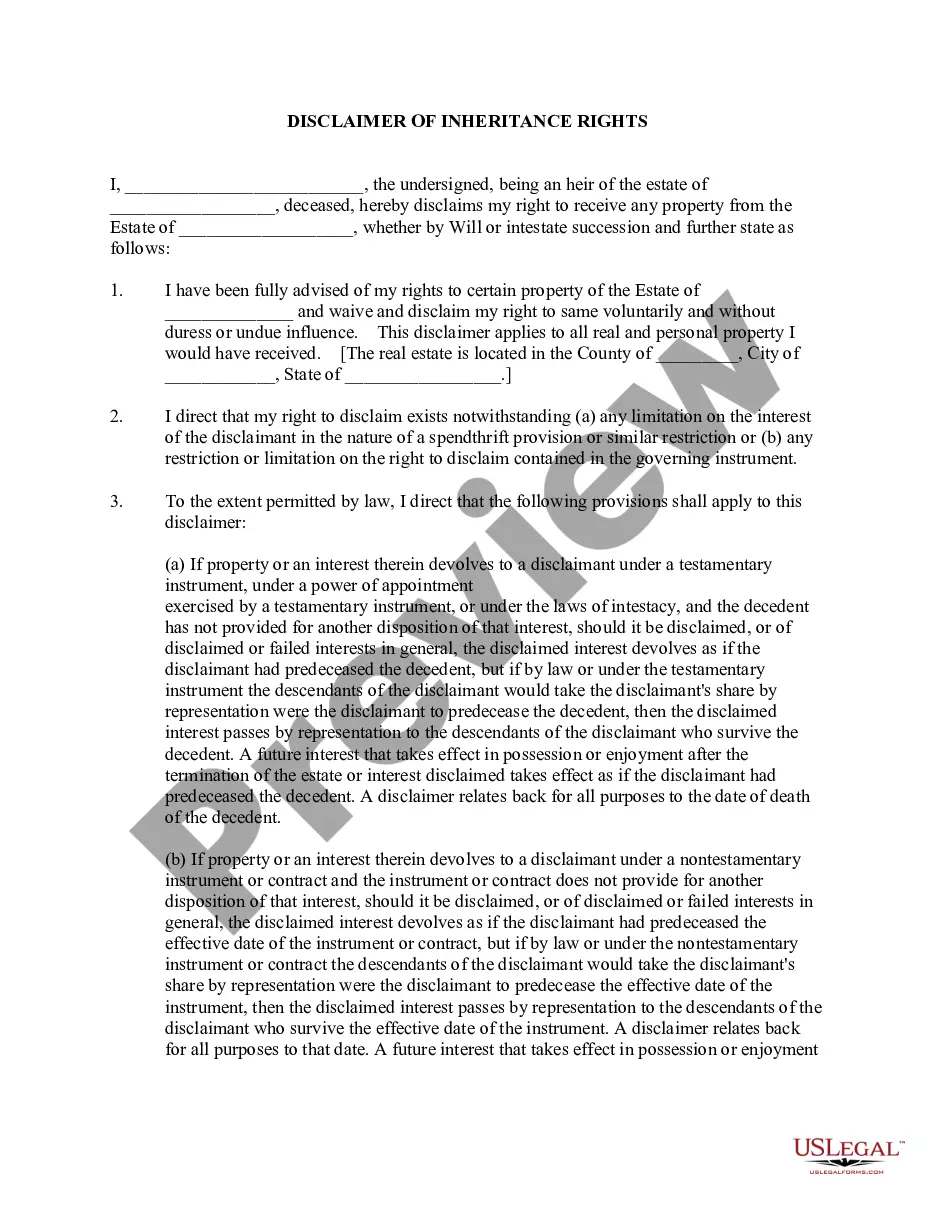
- For first-time users, start by exploring the Preview mode and reading the form description. This ensures you select the right document tailored to your jurisdiction's requirements.
- If the document isn't a perfect fit, utilize the Search tab to find alternative forms that align with your needs.
- Once you find the right document, click on the Buy Now button to select your preferred subscription plan. An account registration will grant you access to the full library.
- Complete your purchase by entering your credit card information or using your PayPal for payment.
- Finally, download the form and save it to your device. You can access it later through the My Forms section of your profile.
In conclusion, US Legal Forms empowers users with an extensive collection of legal documents, making it easy to find and manage beneficiary forms. The platform's user-friendly interface and support from legal experts ensure that you can confidently complete your forms.
Start your journey with US Legal Forms today and experience the convenience of having all your legal needs at your fingertips!
Form popularity
FAQ
No, life insurance companies do not automatically contact beneficiaries after a policyholder's death. It is the responsibility of the deceased’s family or their legal representative to notify the insurance provider. Make sure your loved ones know about any policies you hold and where to find the necessary documentation.
Choosing the best person as a beneficiary depends on your financial situation and personal relationships. Often, a spouse or child is the primary choice because of their financial dependence. However, it is essential to consider someone who you trust to use the benefit wisely.
An eligible beneficiary is typically a person or entity that can lawfully receive benefits from a life insurance policy. This includes immediate family members, such as spouses and children, but can also extend to trusts or charitable organizations. Always ensure that the beneficiary meets the required legal criteria to avoid complications.
To find out if someone has taken a life insurance policy on you, start by checking with family members or the deceased's financial advisors. You can also look for unclaimed property or insurance policies that may exist under your name. In some cases, U.S. Legal Forms offers services to assist you in navigating these inquiries.
Yes, life insurance benefits are designed to automatically transfer to the named beneficiaries upon the policyholder's death. This means that funds can be quickly accessed without court delays. To ensure this, keep your beneficiary information current and double-check your policy details.
You can claim anyone as your beneficiary, such as family members, friends, or even organizations. Just make sure that whoever you choose is aware that they are named and why. It is advisable to select someone you trust to manage the benefits responsibly.
Yes, life insurance typically goes directly to the beneficiaries listed in the policy. This process allows for a quick transfer of funds to your loved ones without passing through probate. However, it is important to ensure that your beneficiary designations are up-to-date to avoid any complications.
The type of beneficiary you should name depends on your personal situation and goals. You might choose individuals, such as family members, or organizations, like charities. Evaluating your financial landscape helps you decide which beneficiaries align with your values and intentions.
The beneficiary account type refers to the specific designation made on financial accounts, such as bank accounts or retirement plans, to determine who receives assets upon the account holder's death. Common types include payable-on-death (POD) accounts and transfer-on-death (TOD) accounts. Selecting the right type can simplify the inheritance process.
Choosing a beneficiary involves careful consideration of your loved ones and financial goals. You may prefer to name someone who will responsibly handle the assets you've left behind, like a spouse or a trusted friend. Additionally, reflecting on your family dynamics and future obligations can guide your decision.