Temporary Injunction Application Format
Description
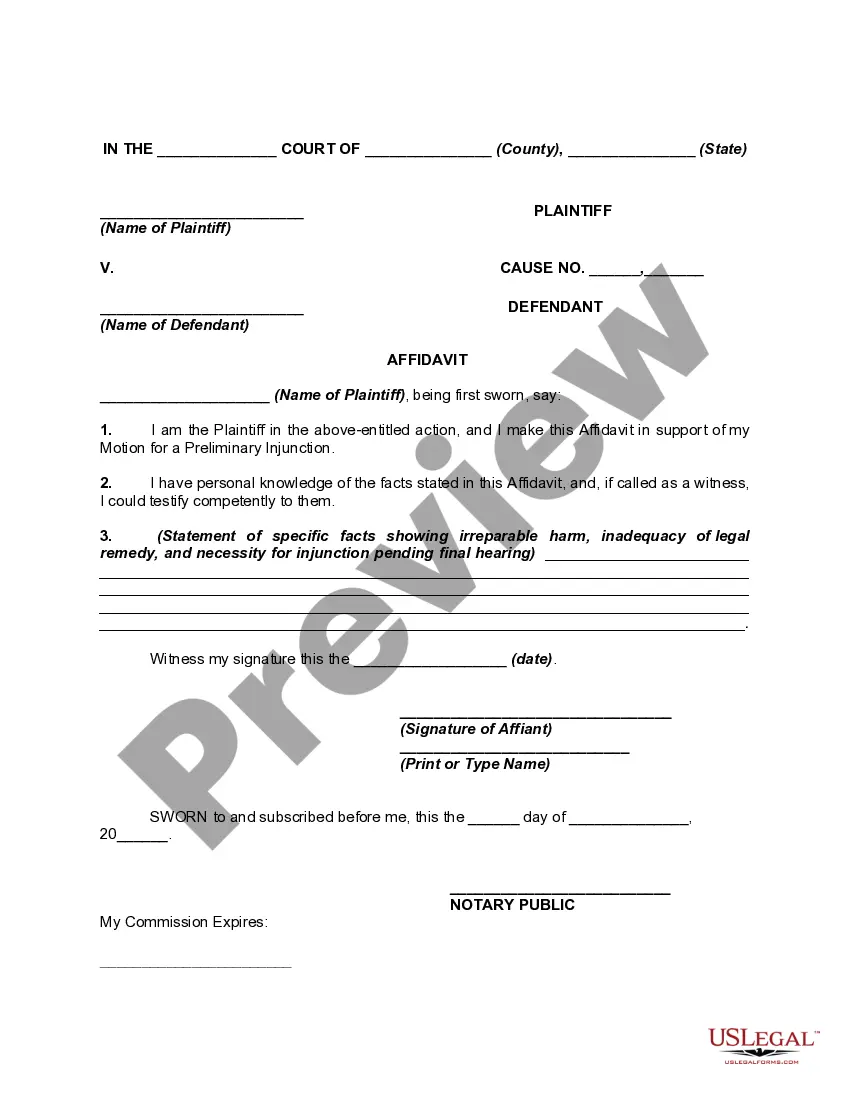

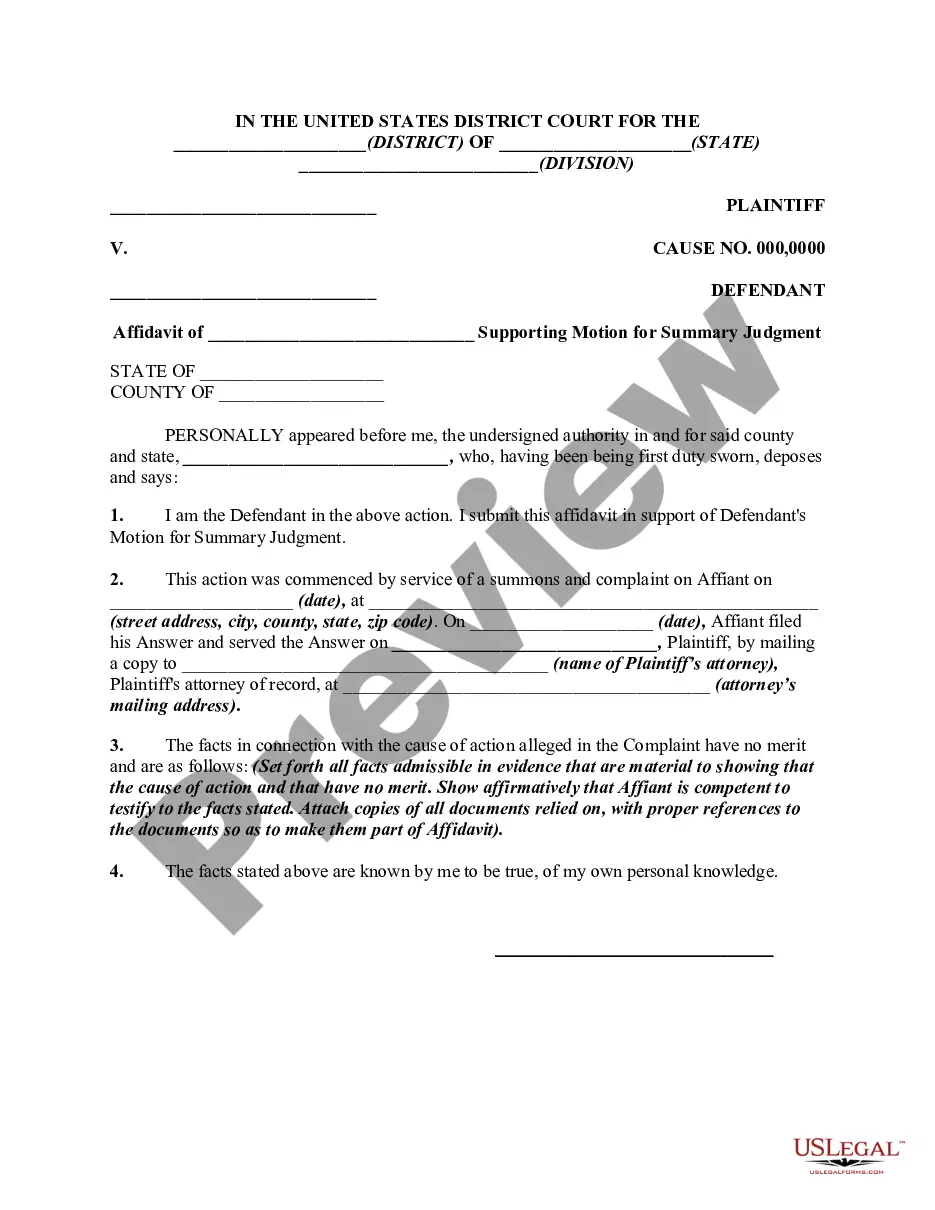
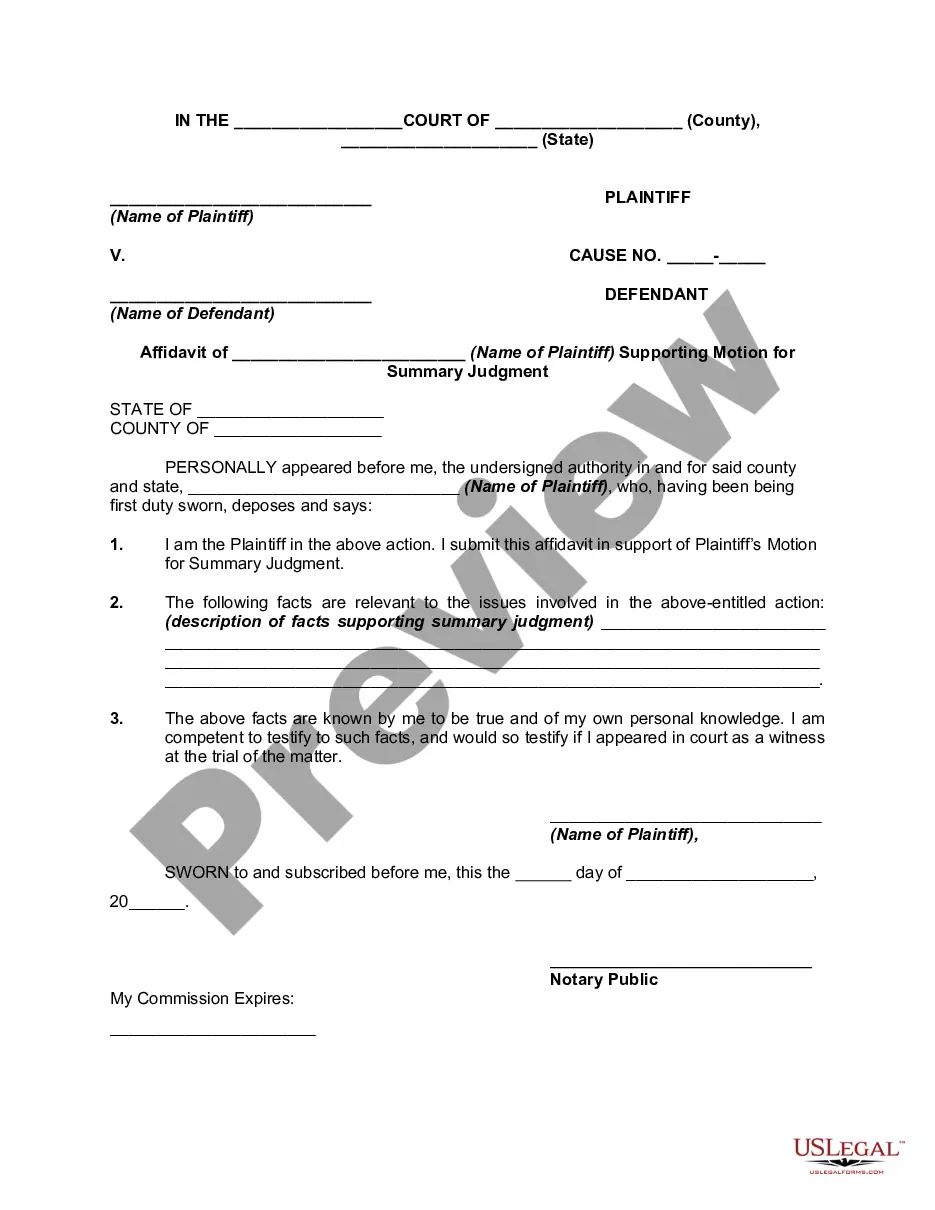
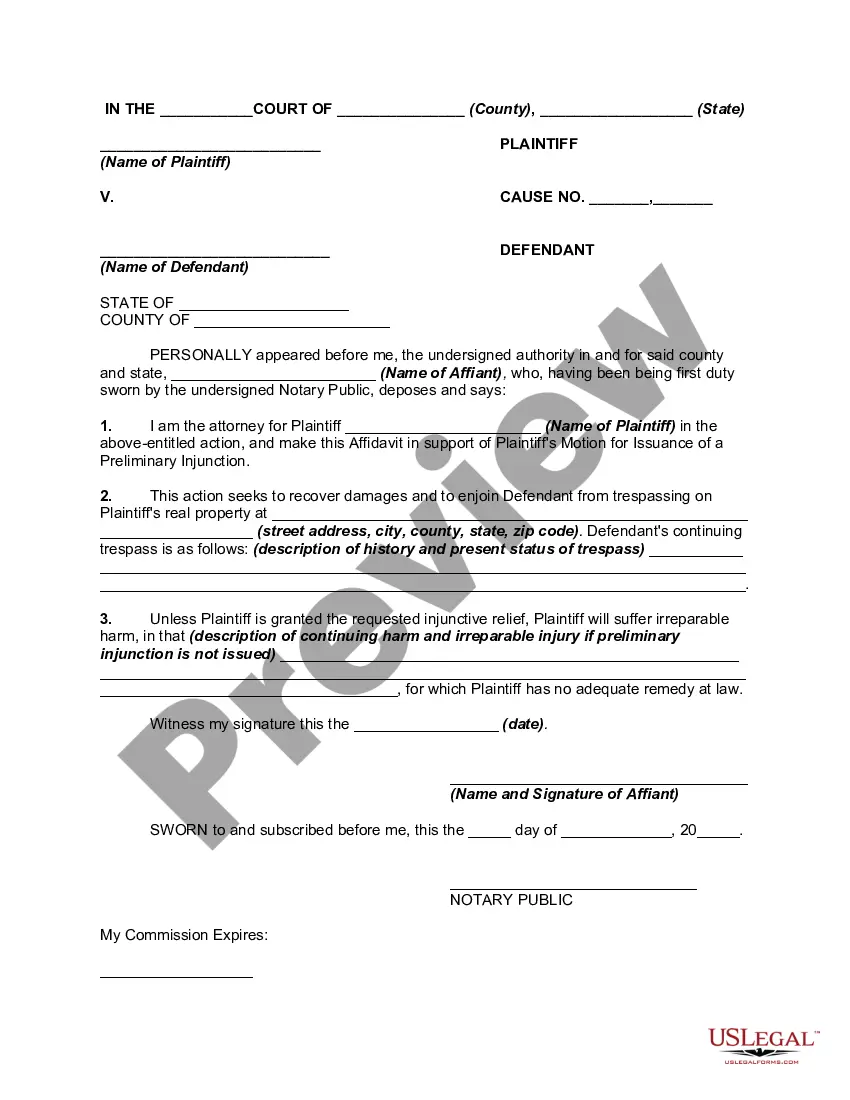
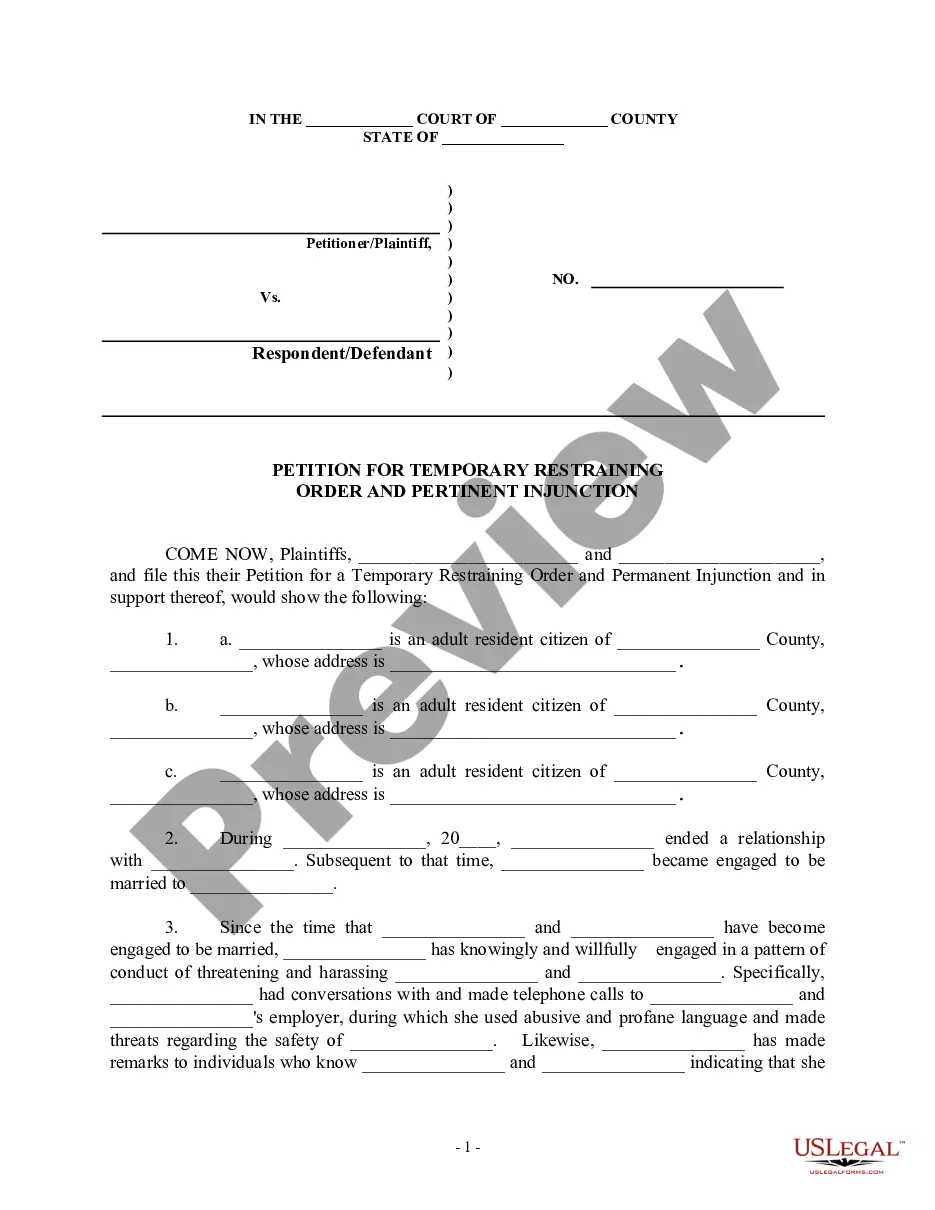
Get your form ready online
Our built-in tools help you complete, sign, share, and store your documents in one place.
Make edits, fill in missing information, and update formatting in US Legal Forms—just like you would in MS Word.
Download a copy, print it, send it by email, or mail it via USPS—whatever works best for your next step.
Sign and collect signatures with our SignNow integration. Send to multiple recipients, set reminders, and more. Go Premium to unlock E-Sign.
If this form requires notarization, complete it online through a secure video call—no need to meet a notary in person or wait for an appointment.
We protect your documents and personal data by following strict security and privacy standards.

Make edits, fill in missing information, and update formatting in US Legal Forms—just like you would in MS Word.

Download a copy, print it, send it by email, or mail it via USPS—whatever works best for your next step.

Sign and collect signatures with our SignNow integration. Send to multiple recipients, set reminders, and more. Go Premium to unlock E-Sign.

If this form requires notarization, complete it online through a secure video call—no need to meet a notary in person or wait for an appointment.

We protect your documents and personal data by following strict security and privacy standards.
Looking for another form?



How to fill out Affidavit In Support Of Motion For Preliminary Injunction?
Locating a reliable source to obtain the most up-to-date and suitable legal templates is part of the challenge of managing bureaucracy.
Selecting the correct legal paperwork requires precision and carefulness, which is why it is essential to obtain samples of Temporary Injunction Application Format exclusively from trustworthy providers, such as US Legal Forms. An incorrect template can squander your time and delay the issue you are dealing with. With US Legal Forms, you have minimal concerns.
Eliminate the complications associated with your legal paperwork. Discover the extensive US Legal Forms catalog where you can locate legal samples, assess their applicability to your situation, and download them immediately.
- Utilize the catalog navigation or search bar to locate your sample.
- Access the form’s details to verify if it aligns with the requirements of your state and locality.
- View the form preview, if available, to confirm it is the document you need.
- Return to the search and find the correct document if the Temporary Injunction Application Format does not meet your needs.
- If you are confident about the form’s appropriateness, download it.
- If you are a registered user, click Log in to verify and access your selected forms in My documents.
- If you do not yet have an account, click Buy now to obtain the template.
- Select the pricing plan that suits your requirements.
- Proceed to the signup to complete your purchase.
- Finalize your transaction by selecting a payment option (credit card or PayPal).
- Choose the document format for downloading the Temporary Injunction Application Format.
- After acquiring the form on your device, you may edit it using the editor or print it and complete it manually.
Form popularity
FAQ
It is well established that, to determine whether an injunction is ?just and proper,? courts apply the ?familiar set of four equitable factors: the movant's likelihood of success on the merits; the possibility of irreparable injury to the moving party; the extent to which the balance of hardships favors each party; and ...
State to the court that you would like a restraining order and what you would like the court to order. Be as specific as possible. Examples: ?I am asking the court to grant me a _____ month/year injunction.? ?I want no contact in person, at home, by phone, at work, by mail or through third parties.?
To be entitled to a temporary injunction, the applicant must plead a cause of action and show a probable right to recover on that cause of action and a probable, imminent, and irreparable injury in the interim. ?Imminent? means that the injury is relatively certain to occur rather than being remote and speculative.
The party seeking a preliminary injunctive relief must demonstrate: (1) irreparable injury in the absence of such an order; (2) that the threatened injury to the moving party outweighs the harm to the opposing party resulting from the order; (3) that the injunction is not adverse to public interest; and (4) that the ...
In determining whether to grant or deny a preliminary injunctive relief, the courts generally look to several of the factors including: (1) the plaintiff's likelihood of prevailing on the merits;(2) a showing of irreparable injury to plaintiff if relief is not granted; (3) the threatened injury to the movant is ...