Procedure For Injunction
Description
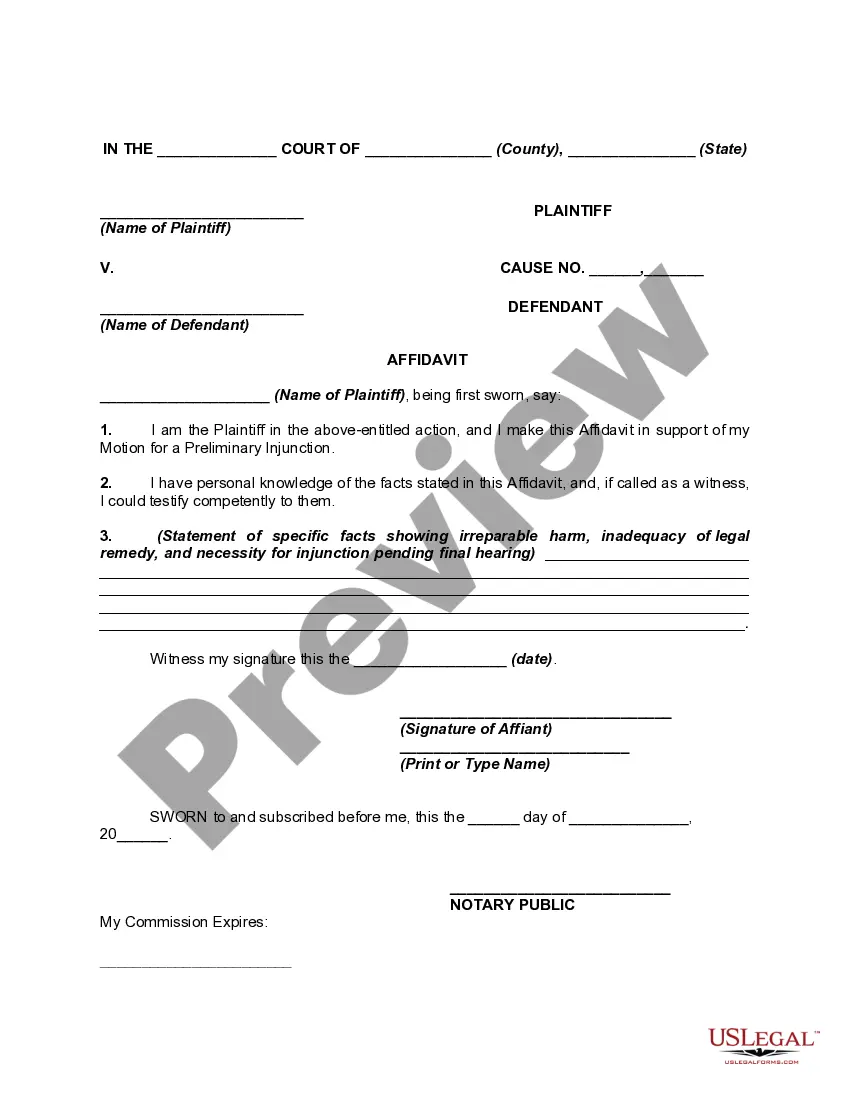

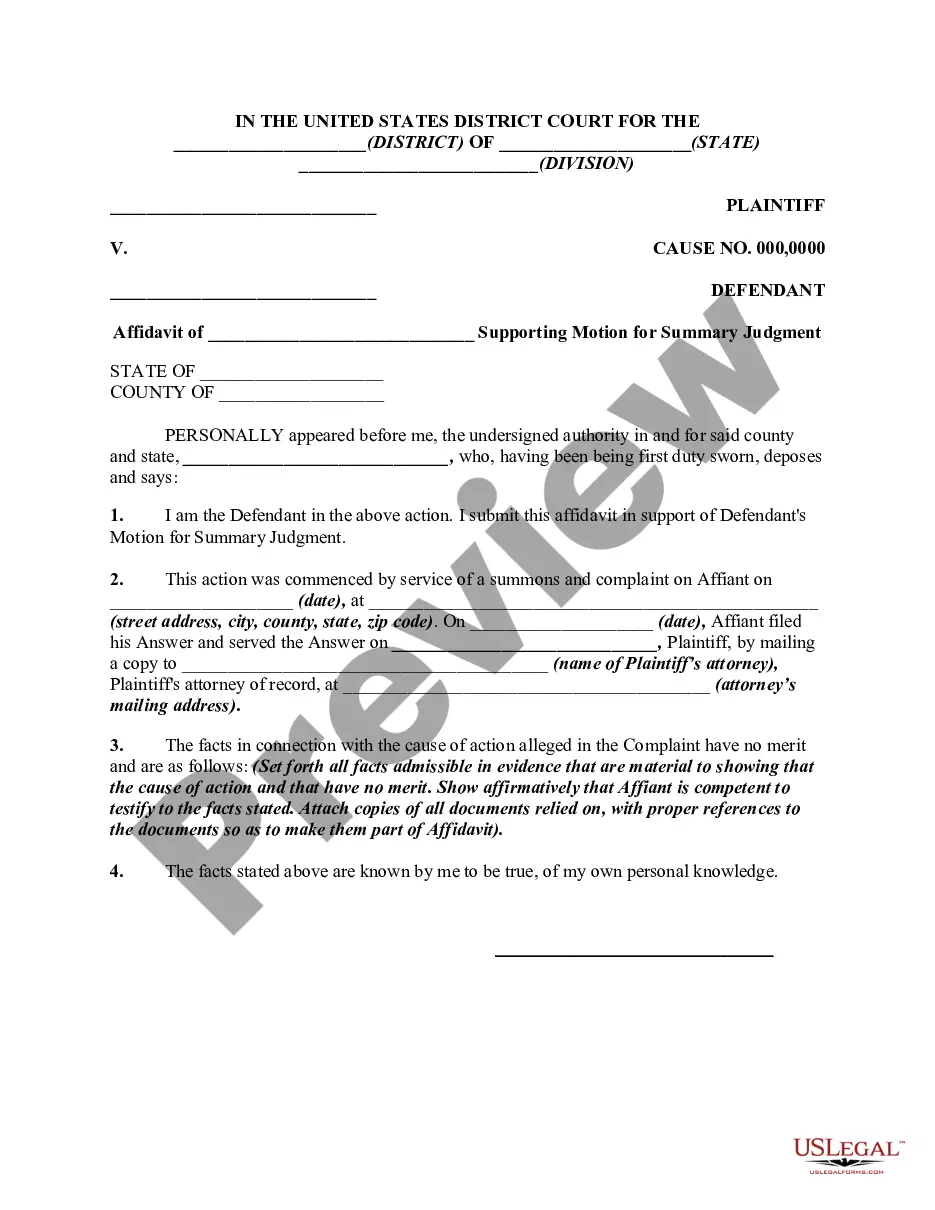
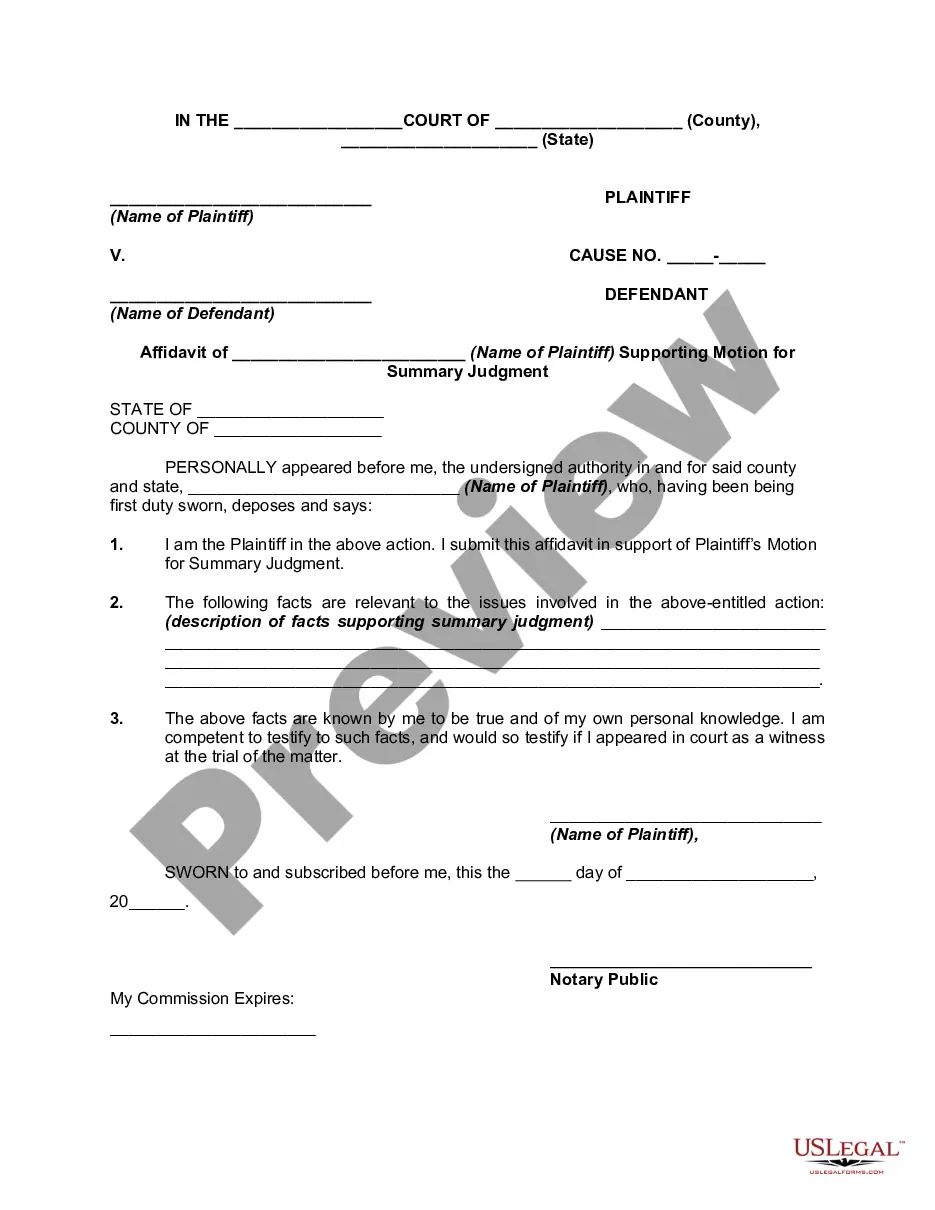
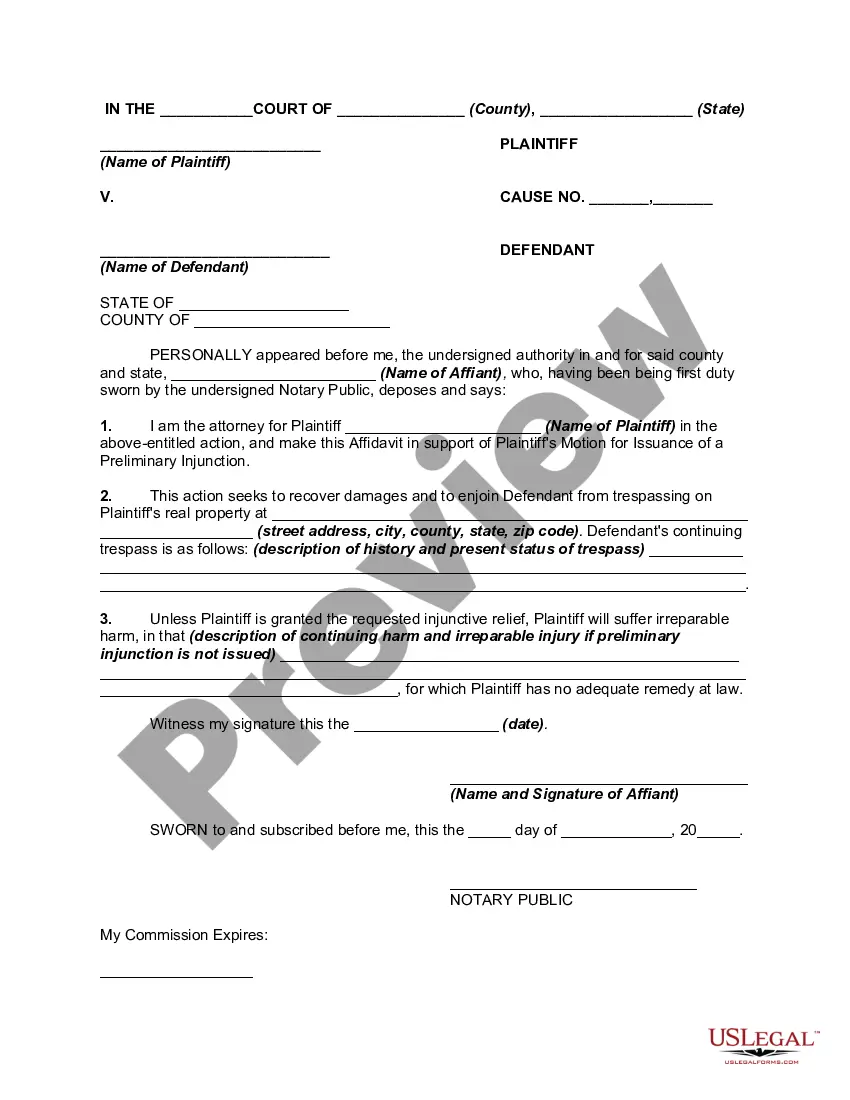
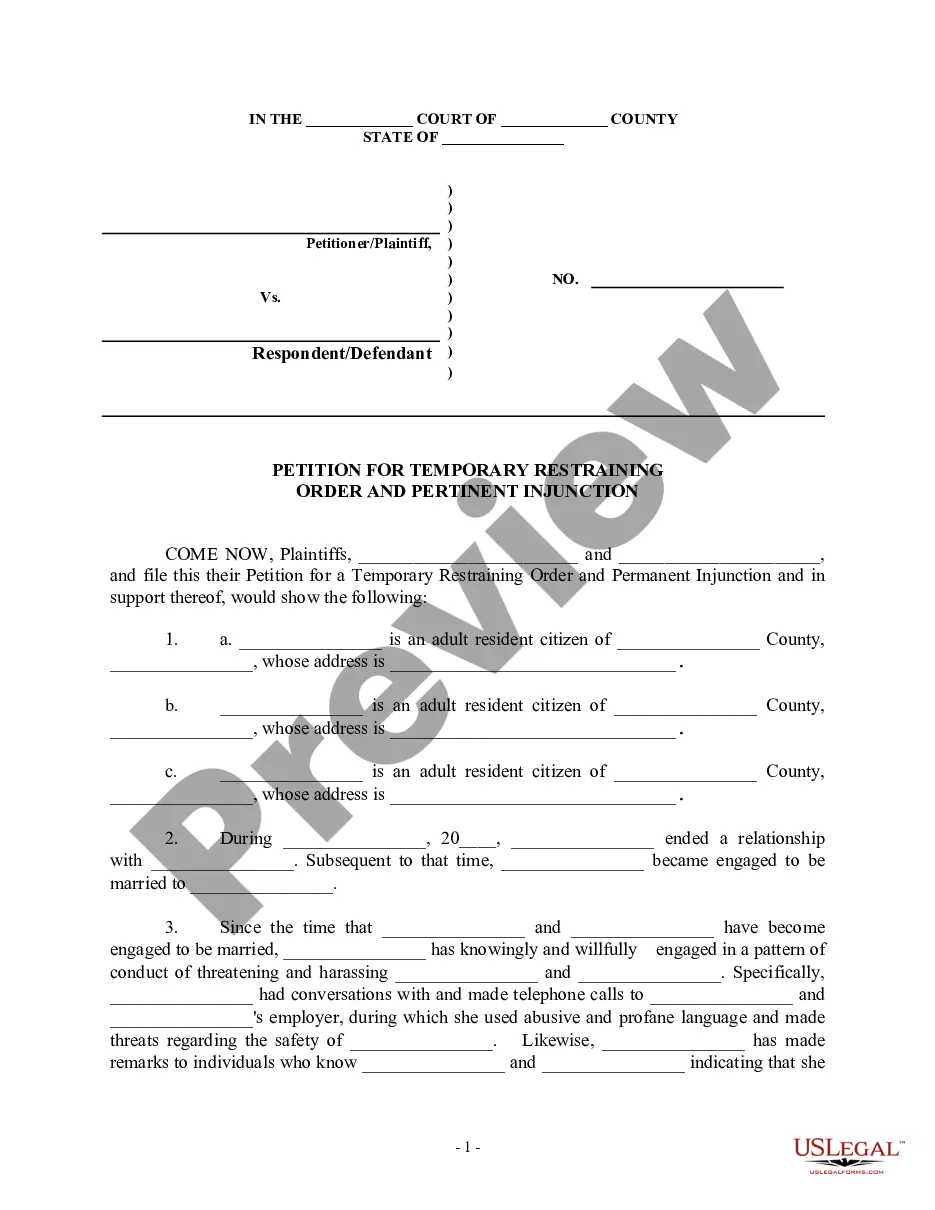
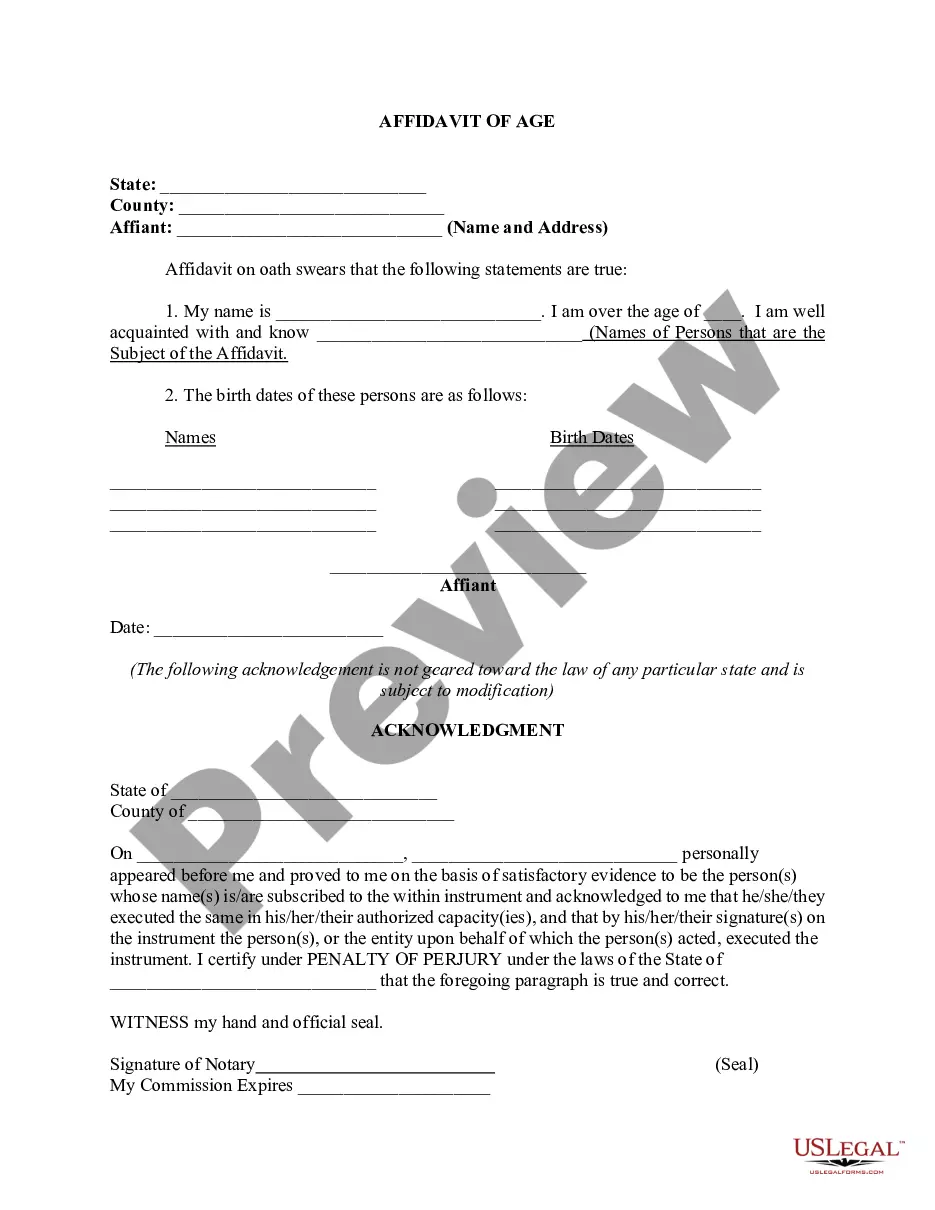
Get your form ready online
Our built-in tools help you complete, sign, share, and store your documents in one place.
Make edits, fill in missing information, and update formatting in US Legal Forms—just like you would in MS Word.
Download a copy, print it, send it by email, or mail it via USPS—whatever works best for your next step.
Sign and collect signatures with our SignNow integration. Send to multiple recipients, set reminders, and more. Go Premium to unlock E-Sign.
If this form requires notarization, complete it online through a secure video call—no need to meet a notary in person or wait for an appointment.
We protect your documents and personal data by following strict security and privacy standards.

Make edits, fill in missing information, and update formatting in US Legal Forms—just like you would in MS Word.

Download a copy, print it, send it by email, or mail it via USPS—whatever works best for your next step.

Sign and collect signatures with our SignNow integration. Send to multiple recipients, set reminders, and more. Go Premium to unlock E-Sign.

If this form requires notarization, complete it online through a secure video call—no need to meet a notary in person or wait for an appointment.

We protect your documents and personal data by following strict security and privacy standards.
Looking for another form?
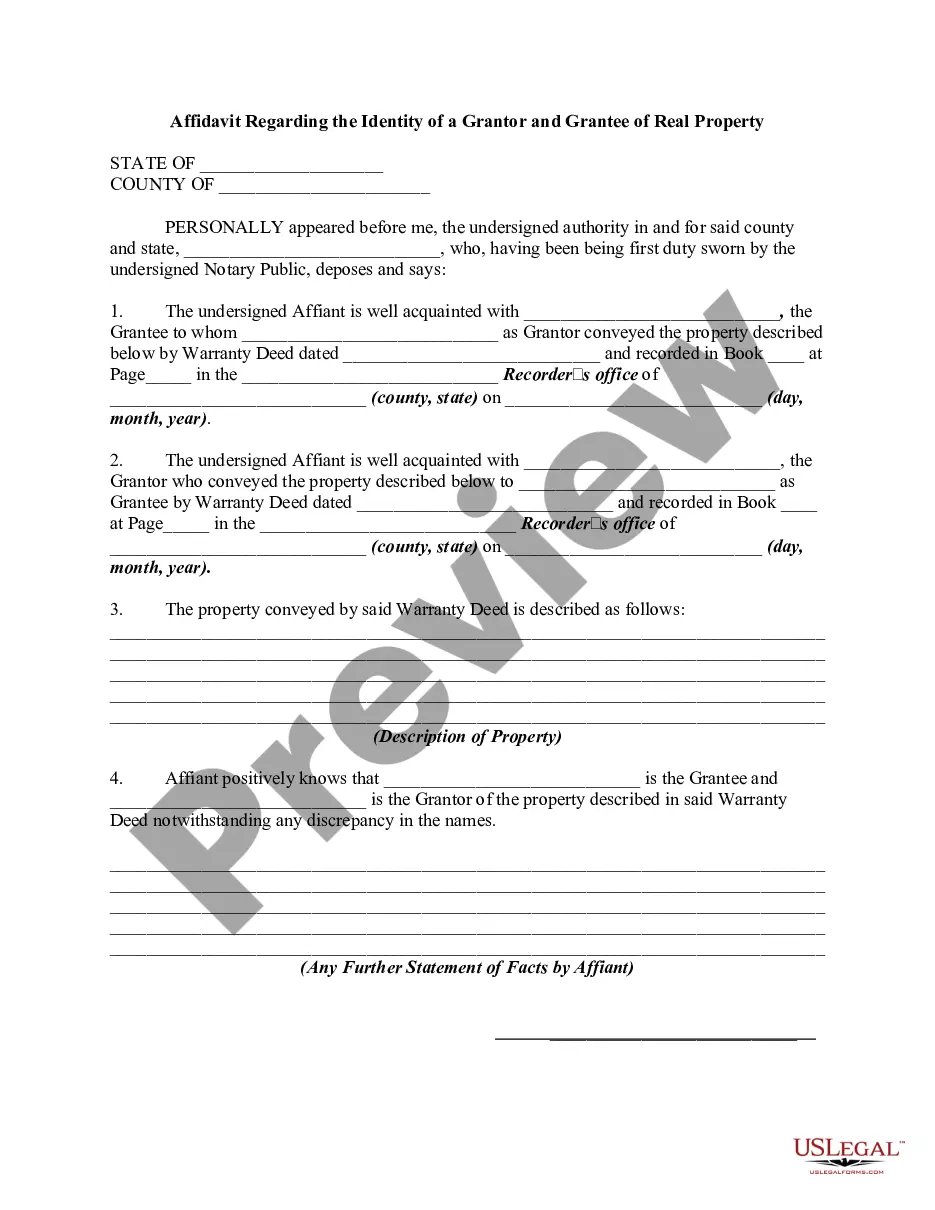
How to fill out Affidavit In Support Of Motion For Preliminary Injunction?
Whether for commercial objectives or personal affairs, everyone must deal with legal circumstances at some point in their life.
Filling out legal paperwork requires meticulous attention, starting with selecting the appropriate form template.
With an extensive US Legal Forms catalog available, you don't have to waste time scouring the internet for the correct template. Utilize the library’s straightforward navigation to find the appropriate form for any circumstance.
- Locate the template you require by utilizing the search bar or catalog navigation.
- Examine the form’s description to ensure it suits your situation, state, and county.
- Click on the form’s preview to review it.
- If it is the incorrect document, return to the search feature to find the Procedure For Injunction template you need.
- Obtain the file if it aligns with your requirements.
- If you already possess a US Legal Forms account, click Log in to access previously saved templates in My documents.
- In case you don’t have an account yet, you can acquire the form by clicking Buy now.
- Choose the appropriate pricing option.
- Complete the account registration form.
- Select your payment method: use a credit card or PayPal account.
- Choose the file format you desire and download the Procedure For Injunction.
- After it is downloaded, you are able to fill out the form using editing software or print it and complete it by hand.
Form popularity
FAQ
A restraining order and an injunction both aim to prevent certain actions, but they differ in nature and application. A restraining order typically addresses immediate threats, often in cases of harassment or violence, while an injunction is used for broader legal disputes. Understanding the procedure for injunction can help clarify how both tools function in legal contexts. For a clearer path through these legal waters, look to US Legal Forms for reliable resources and support.
When someone files an injunction, they are formally requesting the court to issue an order to prevent certain actions that may cause harm. This legal step signals the need for immediate relief and indicates that the requesting party believes their rights are being threatened. Understanding the procedure for injunction can be crucial in protecting your interests. If you need help with this process, US Legal Forms can provide valuable tools and information.
An order of injunction is a court-issued command that prevents an individual or entity from engaging in particular conduct. It is an essential tool for addressing urgent situations where immediate action is necessary to avoid irreparable harm. To grasp the procedure for injunction effectively, individuals should become familiar with relevant legal principles. For assistance, consider utilizing US Legal Forms, which provides comprehensive guidance.
An order of injunction is a legal directive issued by a court that requires a party to do or refrain from doing specific actions. This order aims to prevent harm or preserve the status quo while a case is being resolved. Understanding the procedure for injunction is vital for navigating legal disputes effectively. For those seeking clarity on this process, US Legal Forms offers helpful resources.
The four factors for a preliminary injunction are: the likelihood of success on the merits, the risk of irreparable harm, the balance of equities between the parties, and the public interest in the matter. Each factor must be evaluated thoroughly to persuade the court. By understanding these factors, you can effectively navigate the procedure for injunction. Resources like USLegalForms can assist you in crafting a compelling case.
The four elements of an injunction involve demonstrating: a likelihood of success on the merits, a likelihood of irreparable harm if the injunction is not granted, a favorable balance of harms, and adherence to the public interest. These elements serve as benchmarks that assess your case. Focusing on these components can streamline the procedure for injunction and clarify your argument to the court.
The evidence for an injunction typically includes documents, witness testimonies, and other relevant materials that substantiate your claims. You need to illustrate both your likelihood of success and potential harm if the injunction is not granted. Gathering comprehensive evidence is vital to support your application. Using legal resources like USLegalForms can help you organize and present this evidence effectively in your procedure for injunction.
The four-factor test for an injunction evaluates: the likelihood of success on the merits, the likelihood of irreparable harm, the balance of harms to both parties, and the public interest. Each factor plays a crucial role in determining whether the court will grant the injunction. It's important to prepare your case effectively using this test while following the procedure for injunction. A thorough approach can significantly enhance your chances of approval.
The standard of proof for a preliminary injunction requires the applicant to show a likelihood of success on the merits of the case. This means you must provide evidence indicating that you have a strong chance of winning if the case goes to trial. Additionally, you must demonstrate that you will suffer irreparable harm without the injunction. Understanding this standard is essential when considering the procedure for injunction.
Guidelines for an injunction often include demonstrating a likelihood of success on the merits of the case and showing that irreparable harm will occur without the injunction. The procedure for injunction mandates that the applicant prove that the benefits of granting the injunction outweigh any harm it may cause to the other party. It is crucial to follow these guidelines carefully to strengthen your case.