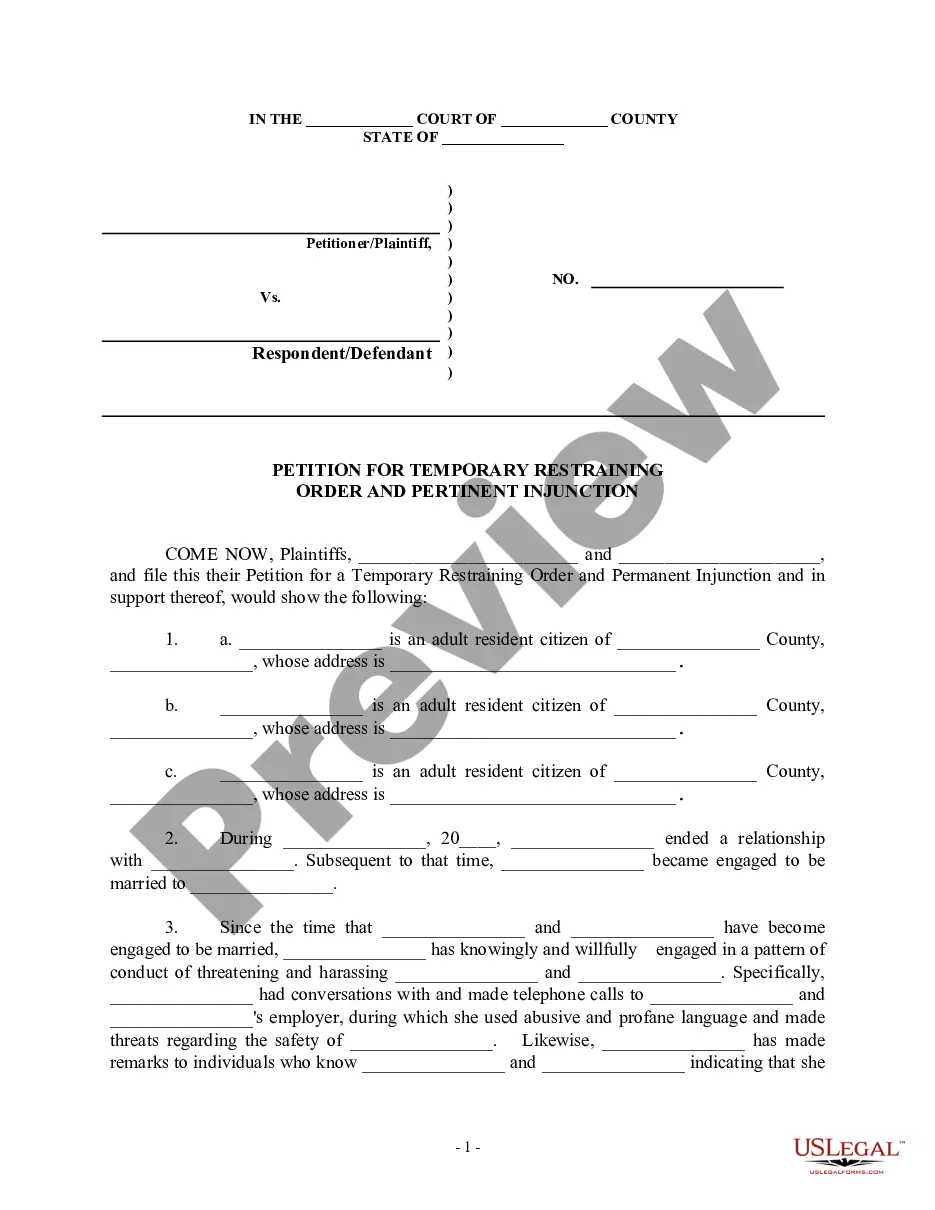
Preliminary Injunction Order To Show Cause
Description
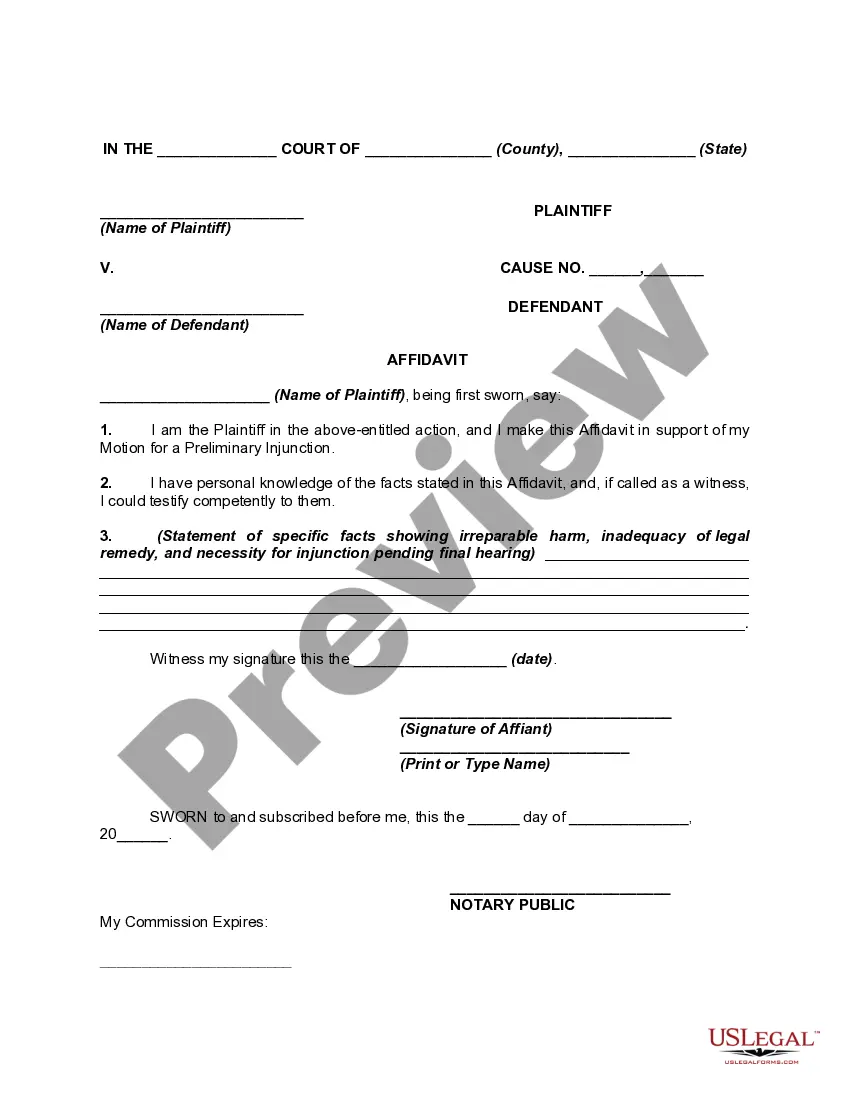

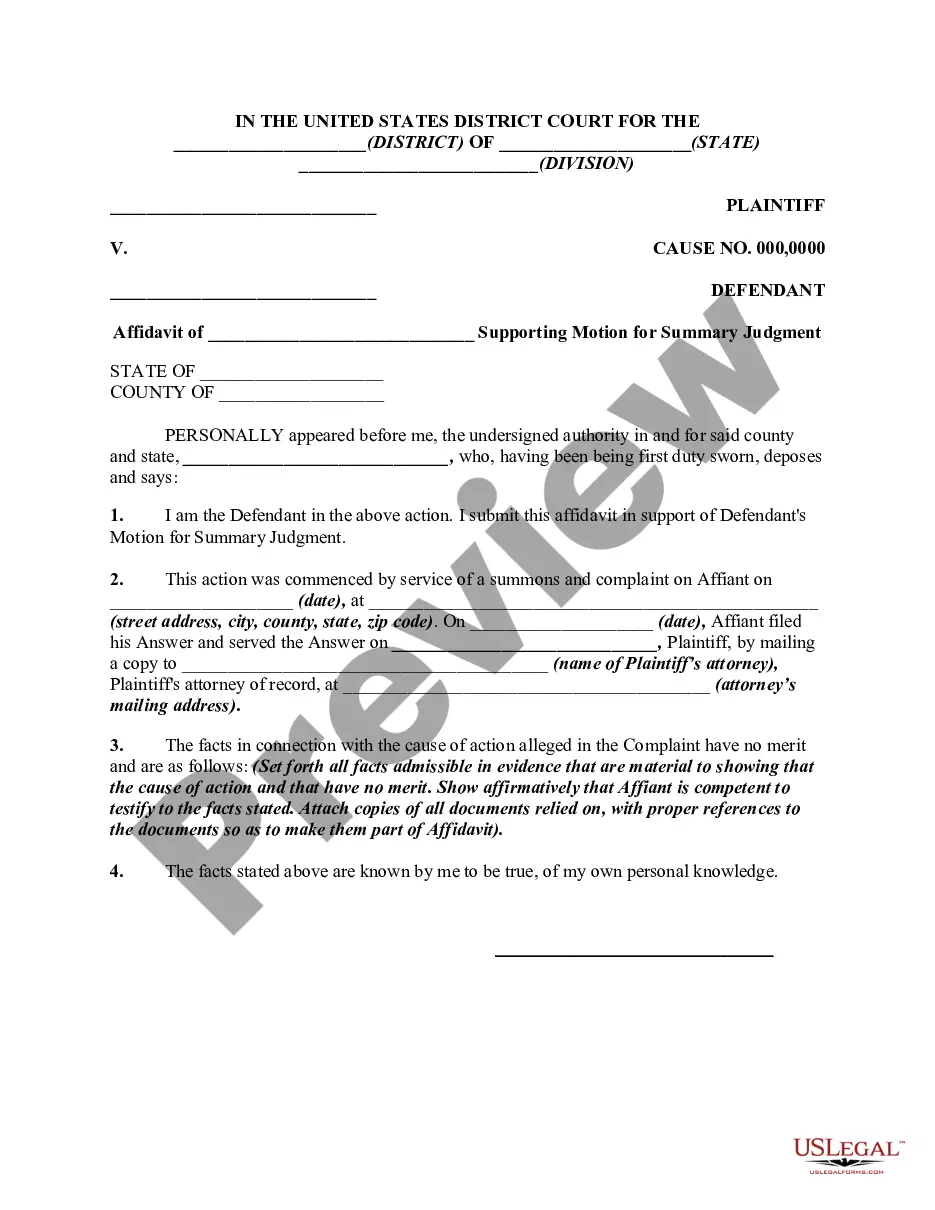
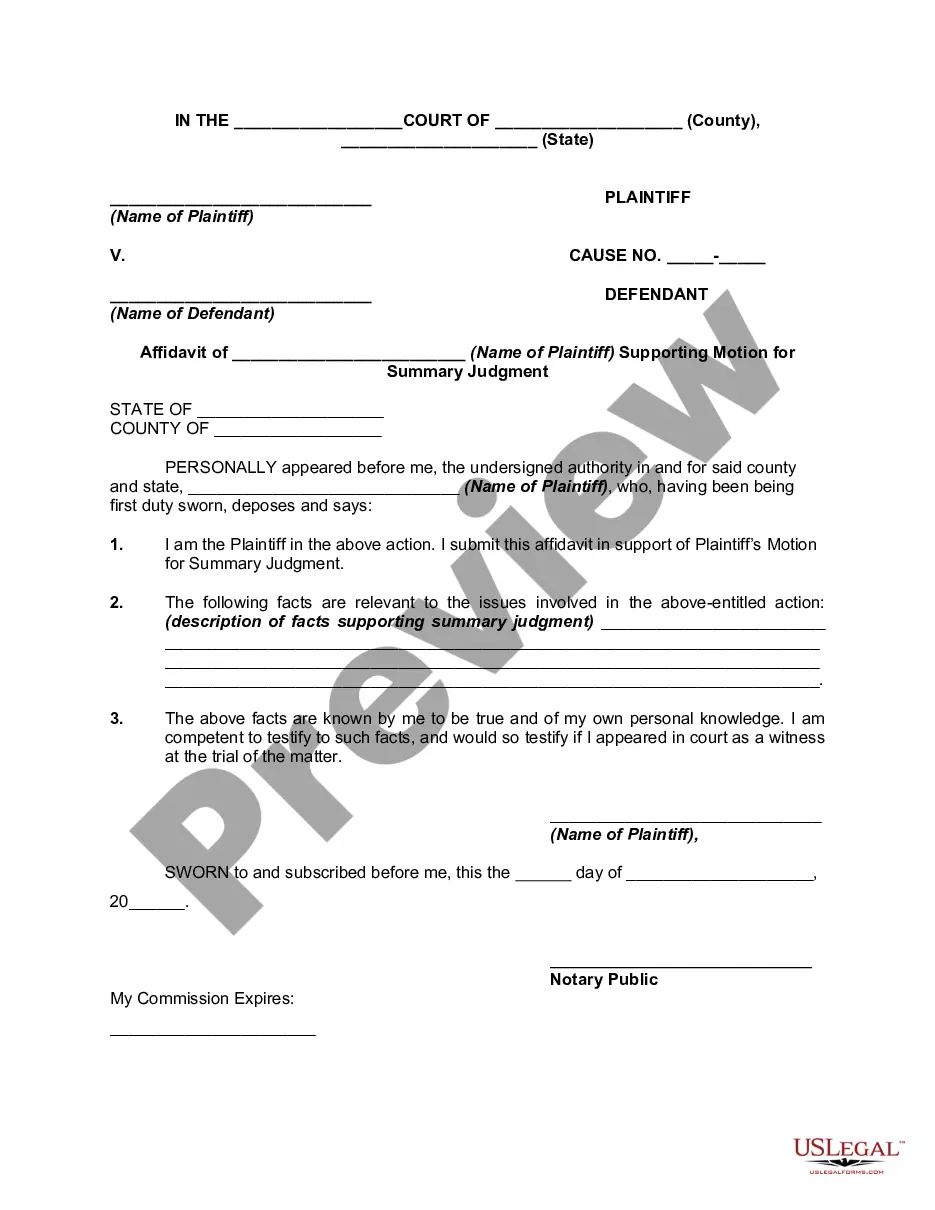
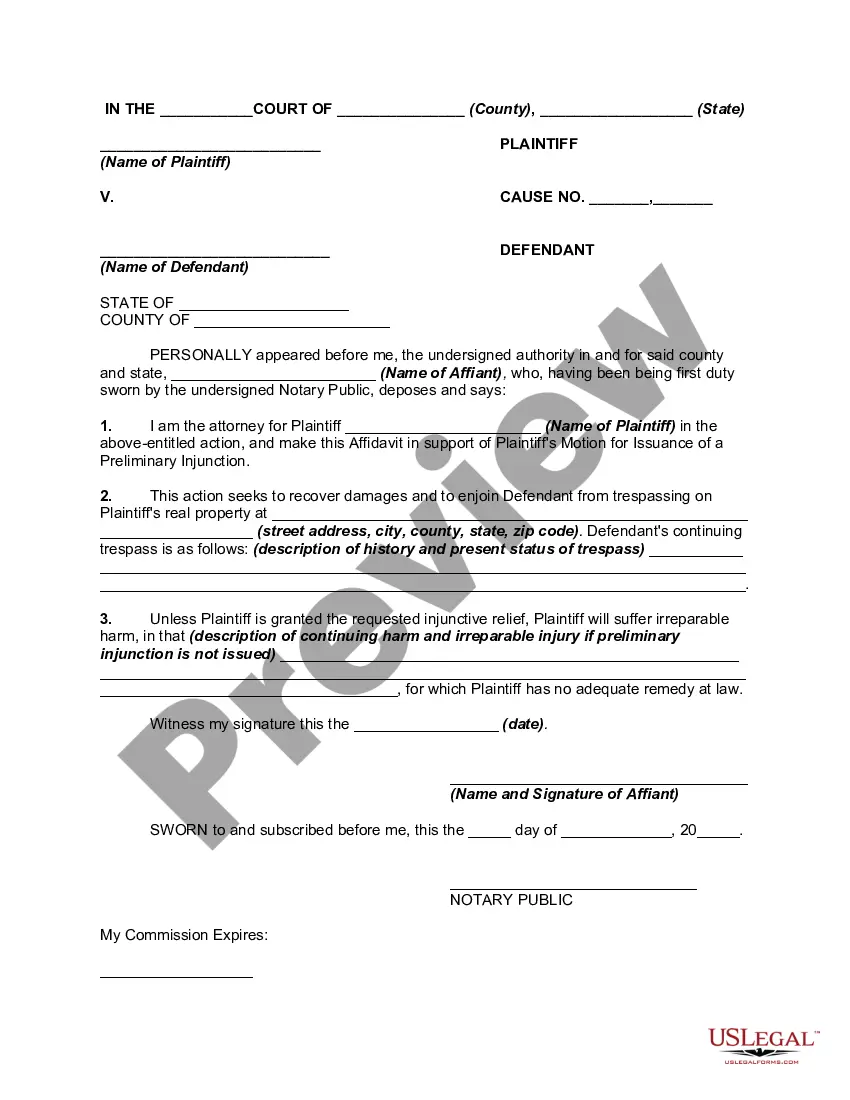
Get your form ready online
Our built-in tools help you complete, sign, share, and store your documents in one place.
Make edits, fill in missing information, and update formatting in US Legal Forms—just like you would in MS Word.
Download a copy, print it, send it by email, or mail it via USPS—whatever works best for your next step.
Sign and collect signatures with our SignNow integration. Send to multiple recipients, set reminders, and more. Go Premium to unlock E-Sign.
If this form requires notarization, complete it online through a secure video call—no need to meet a notary in person or wait for an appointment.
We protect your documents and personal data by following strict security and privacy standards.

Make edits, fill in missing information, and update formatting in US Legal Forms—just like you would in MS Word.

Download a copy, print it, send it by email, or mail it via USPS—whatever works best for your next step.

Sign and collect signatures with our SignNow integration. Send to multiple recipients, set reminders, and more. Go Premium to unlock E-Sign.

If this form requires notarization, complete it online through a secure video call—no need to meet a notary in person or wait for an appointment.

We protect your documents and personal data by following strict security and privacy standards.
Looking for another form?








How to fill out Affidavit In Support Of Motion For Preliminary Injunction?
It’s well known that you cannot become a legal expert overnight, nor can you swiftly learn to draft a Preliminary Injunction Order To Show Cause without having specialized knowledge.
Drafting legal documents is an extensive undertaking that demands specific training and expertise. So why not entrust the development of the Preliminary Injunction Order To Show Cause to the experts.
With US Legal Forms, one of the most extensive libraries of legal templates, you can locate anything from court filings to templates for workplace correspondence.
You can revisit your documents from the My documents tab at any time. If you are an existing customer, you can simply Log In and find and download the template from the same section.
Regardless of the reason for your forms—whether financial, legal, or personal—our platform has you covered. Experience US Legal Forms today!
- Locate the document you require by utilizing the search feature at the top of the page.
- View it (if this option is available) and examine the accompanying description to determine if the Preliminary Injunction Order To Show Cause is what you're looking for.
- Start your search anew if you require any additional form.
- Create a free account and choose a subscription plan to acquire the template.
- Click Buy now. Once the transaction is finalized, you can download the Preliminary Injunction Order To Show Cause, fill it out, print it, and send or mail it to the intended recipients or organizations.
Form popularity
FAQ
Yes, a show cause notice is considered serious and should not be ignored. It indicates that a court is seeking a prompt explanation concerning a potentially urgent legal matter. Depending on the circumstances, failing to respond appropriately could result in the issuance of a preliminary injunction order to show cause, which can have lasting legal consequences.
After a show cause order is issued, the next step typically involves a court hearing where both parties present their arguments. This is a critical moment as it may lead to the court issuing a preliminary injunction order to show cause if the evidence supports the need for immediate action. Proper representation and preparation contribute greatly to the outcome of this process.
A show cause order is a court directive that compels a party to explain why a specific action should not take place. This usually involves a request for a preliminary injunction order to show cause, wherein the court seeks to determine whether immediate action is necessary due to potential harm. Understanding this order is crucial for anyone involved in legal matters, as it initiates important court processes.
The grounds for a preliminary injunction order to show cause include establishing that the applicant will suffer irreparable harm without the injunction, showing a likelihood of success on the merits, and demonstrating that the injunction serves the public interest. These factors must be clearly outlined to convince the court. For users seeking clarity on these grounds, USLegalForms offers templates and guidance on presenting their case persuasively.
A party seeking an injunction must show: Substantial likelihood of success on the merits. Parties seeking the injunction need to show that they are likely to win their case. ... Irreparable harm. ... Balancing the equities. ... Public interest.
It is well established that, to determine whether an injunction is ?just and proper,? courts apply the ?familiar set of four equitable factors: the movant's likelihood of success on the merits; the possibility of irreparable injury to the moving party; the extent to which the balance of hardships favors each party; and ...
The party seeking a preliminary injunctive relief must demonstrate: (1) irreparable injury in the absence of such an order; (2) that the threatened injury to the moving party outweighs the harm to the opposing party resulting from the order; (3) that the injunction is not adverse to public interest; and (4) that the ...
State to the court that you would like a restraining order and what you would like the court to order. Be as specific as possible. Examples: ?I am asking the court to grant me a _____ month/year injunction.? ?I want no contact in person, at home, by phone, at work, by mail or through third parties.?
To get a preliminary injunction, a party must show that they will suffer irreparable harm unless the injunction is issued. Preliminary injunctions may only be issued after a hearing.