Criminal Charges With Theft
Description
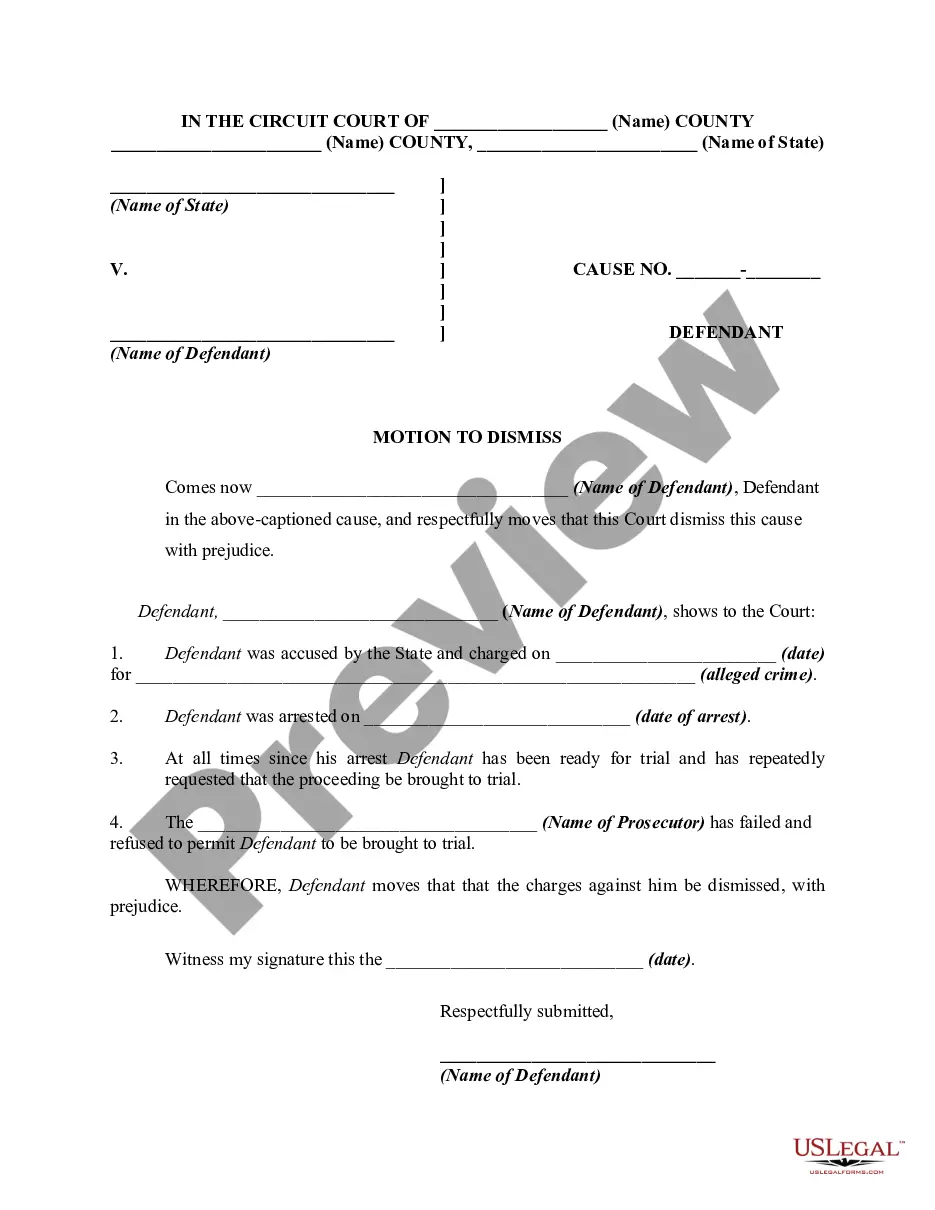


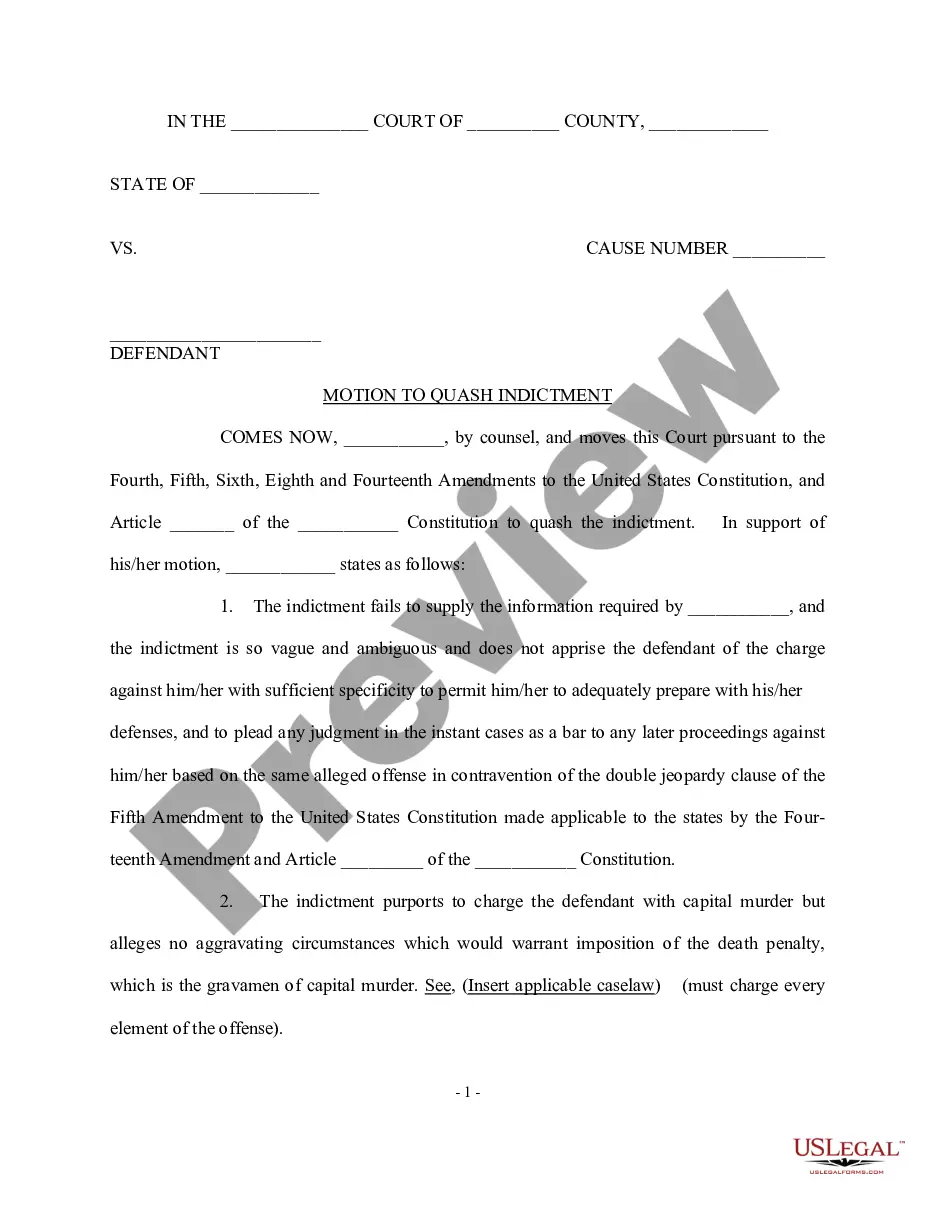
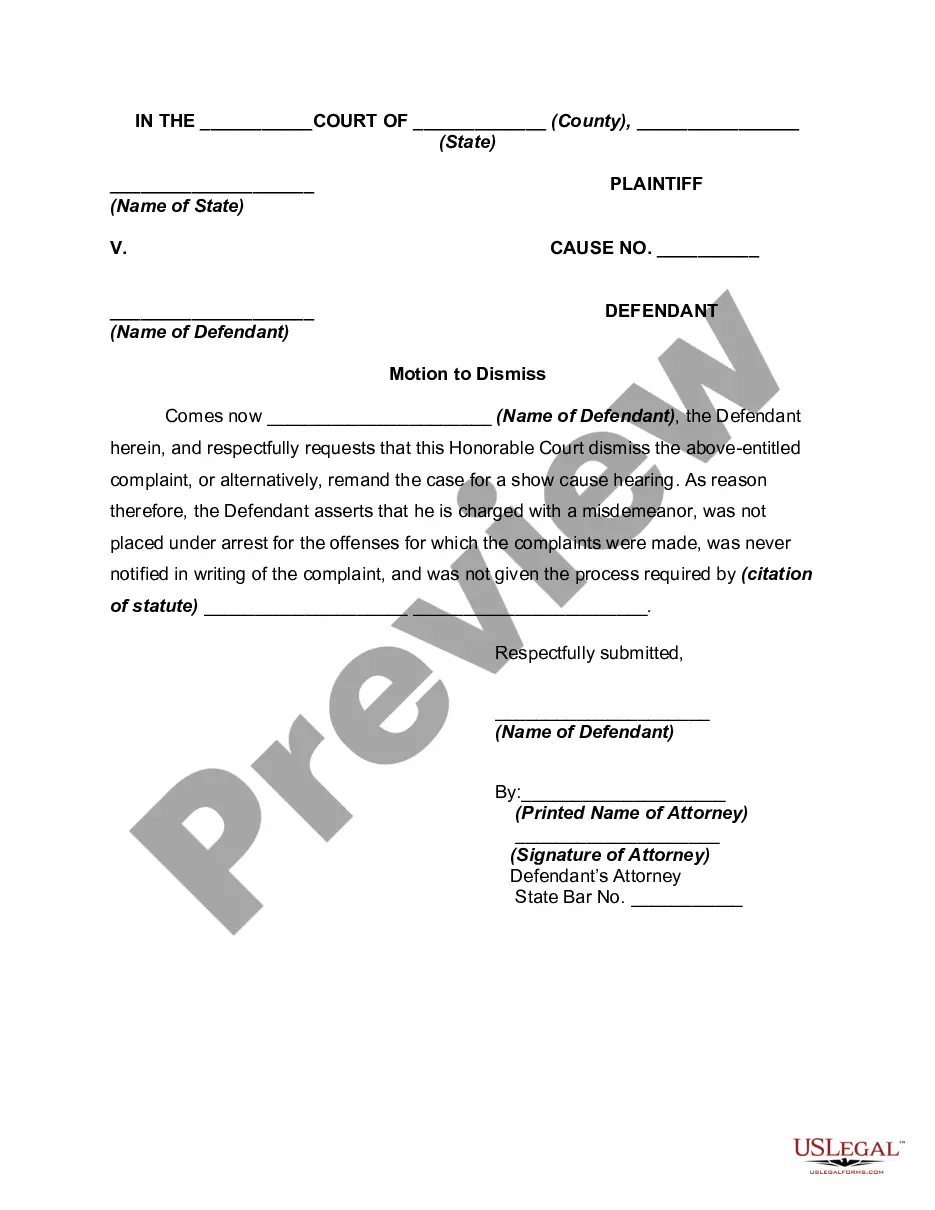
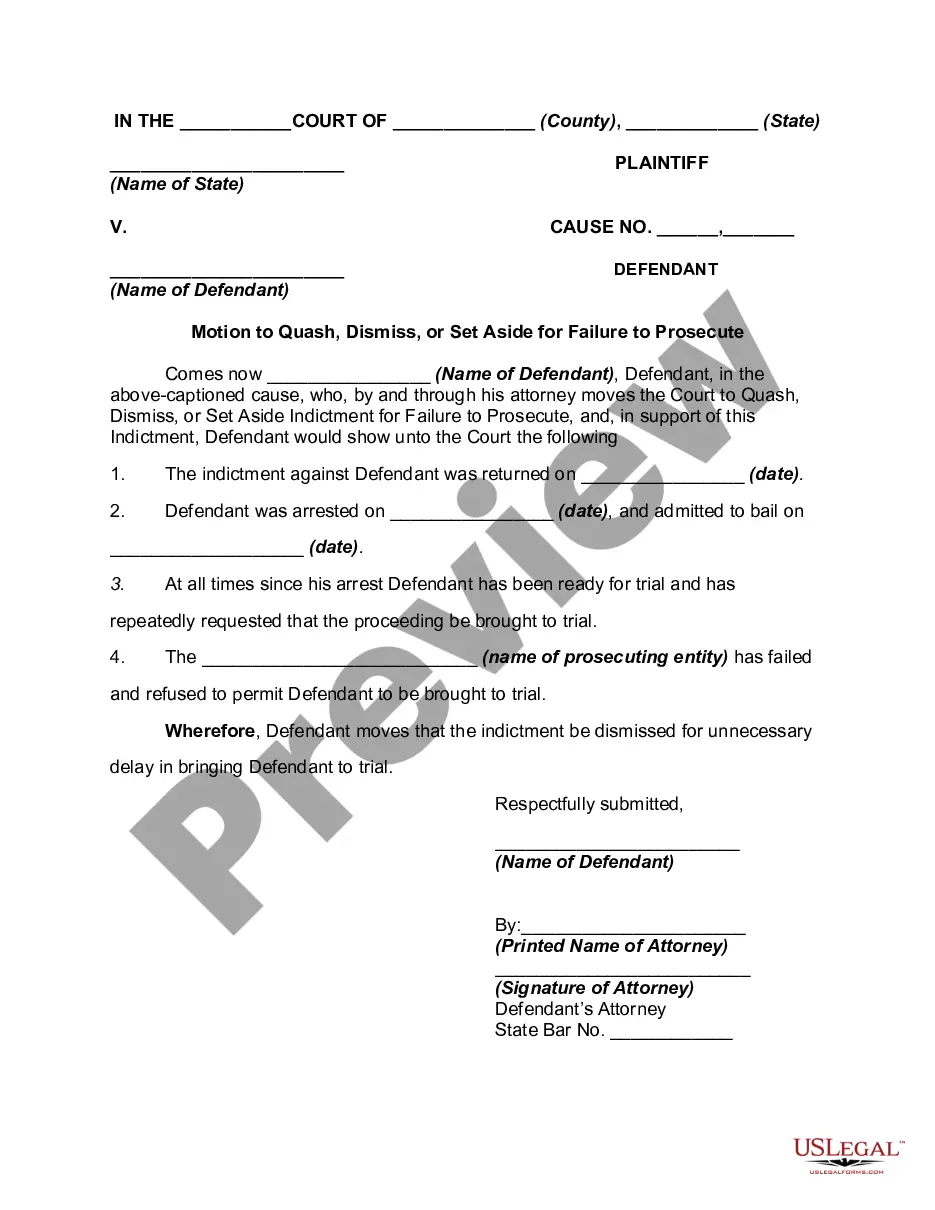
Get your form ready online
Our built-in tools help you complete, sign, share, and store your documents in one place.
Make edits, fill in missing information, and update formatting in US Legal Forms—just like you would in MS Word.
Download a copy, print it, send it by email, or mail it via USPS—whatever works best for your next step.
Sign and collect signatures with our SignNow integration. Send to multiple recipients, set reminders, and more. Go Premium to unlock E-Sign.
If this form requires notarization, complete it online through a secure video call—no need to meet a notary in person or wait for an appointment.
We protect your documents and personal data by following strict security and privacy standards.

Make edits, fill in missing information, and update formatting in US Legal Forms—just like you would in MS Word.

Download a copy, print it, send it by email, or mail it via USPS—whatever works best for your next step.

Sign and collect signatures with our SignNow integration. Send to multiple recipients, set reminders, and more. Go Premium to unlock E-Sign.

If this form requires notarization, complete it online through a secure video call—no need to meet a notary in person or wait for an appointment.

We protect your documents and personal data by following strict security and privacy standards.
Looking for another form?


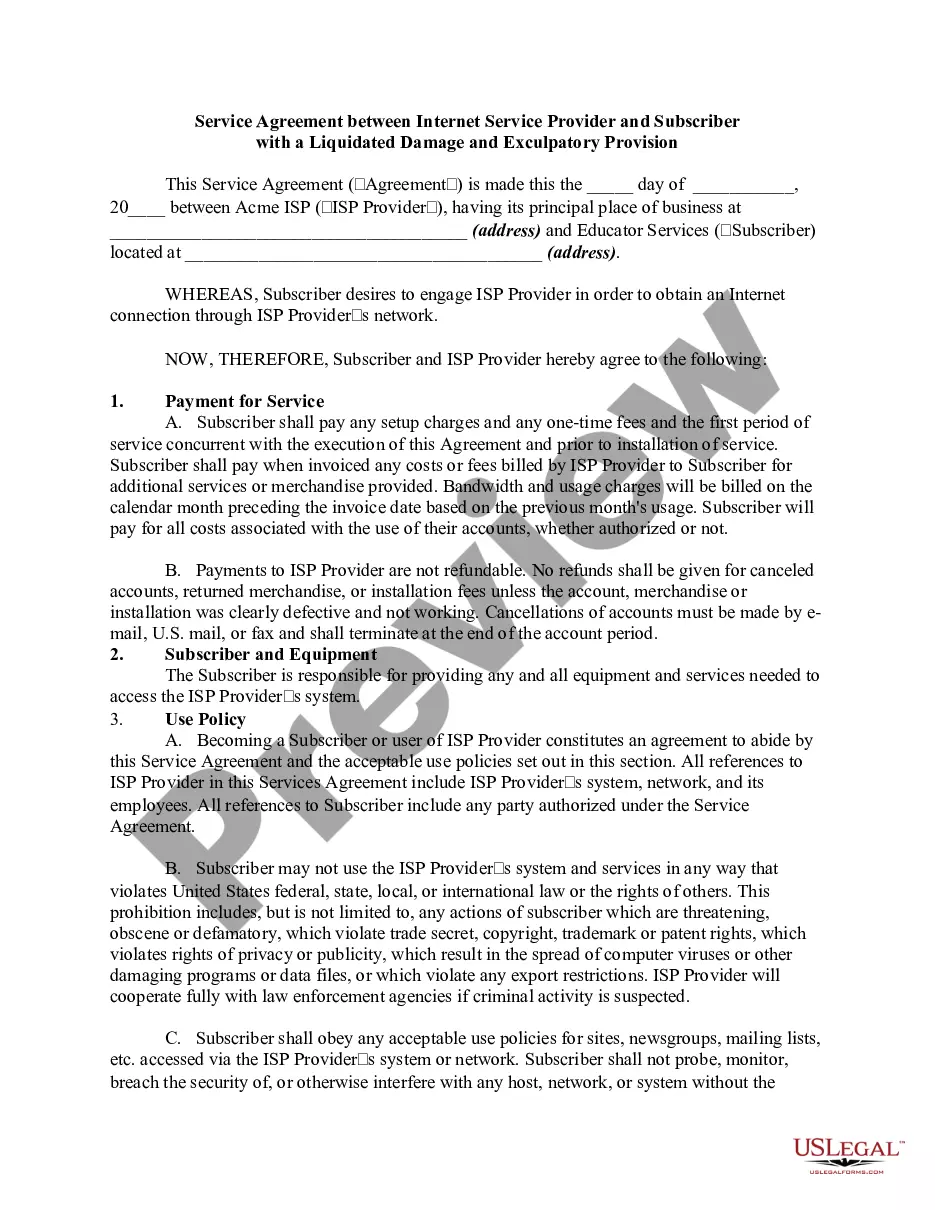

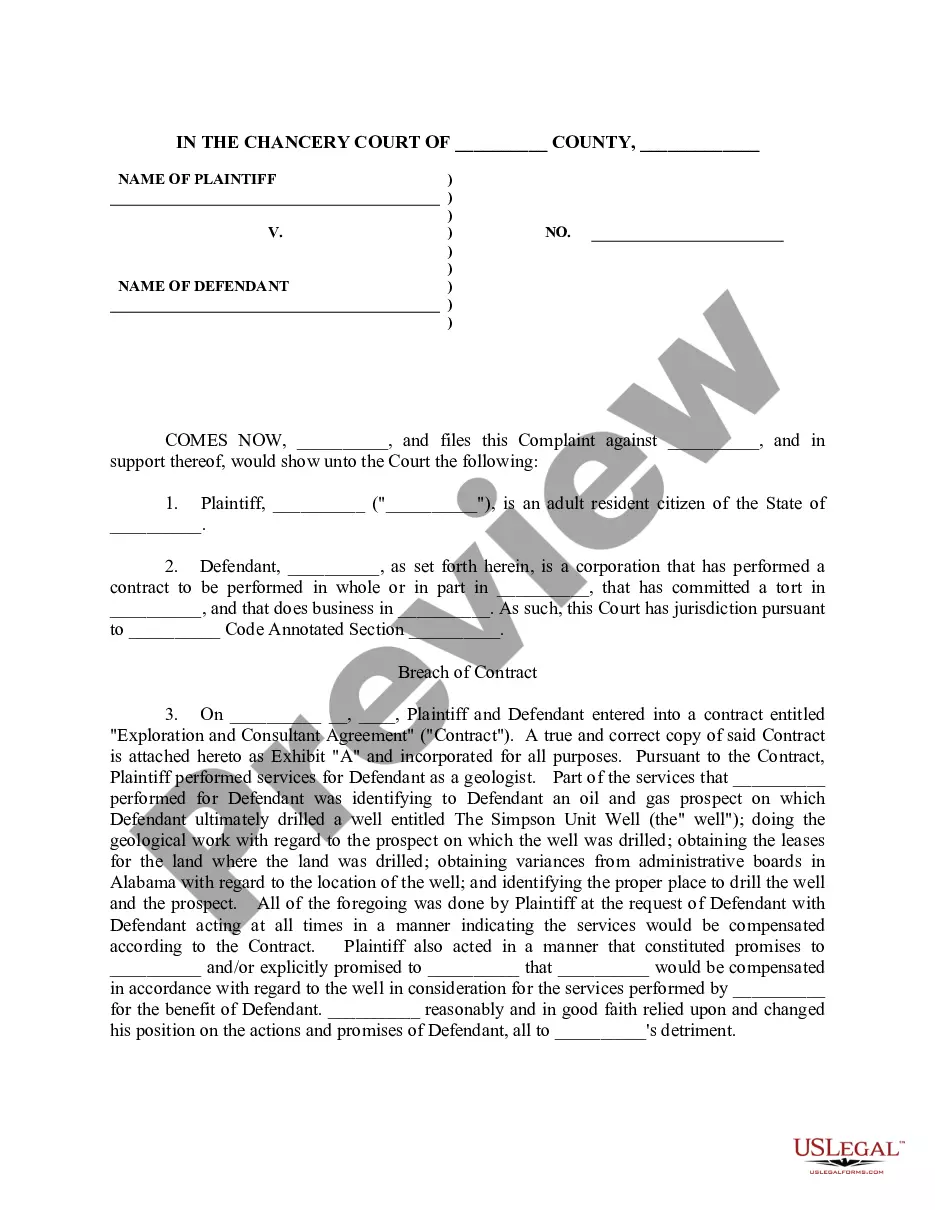
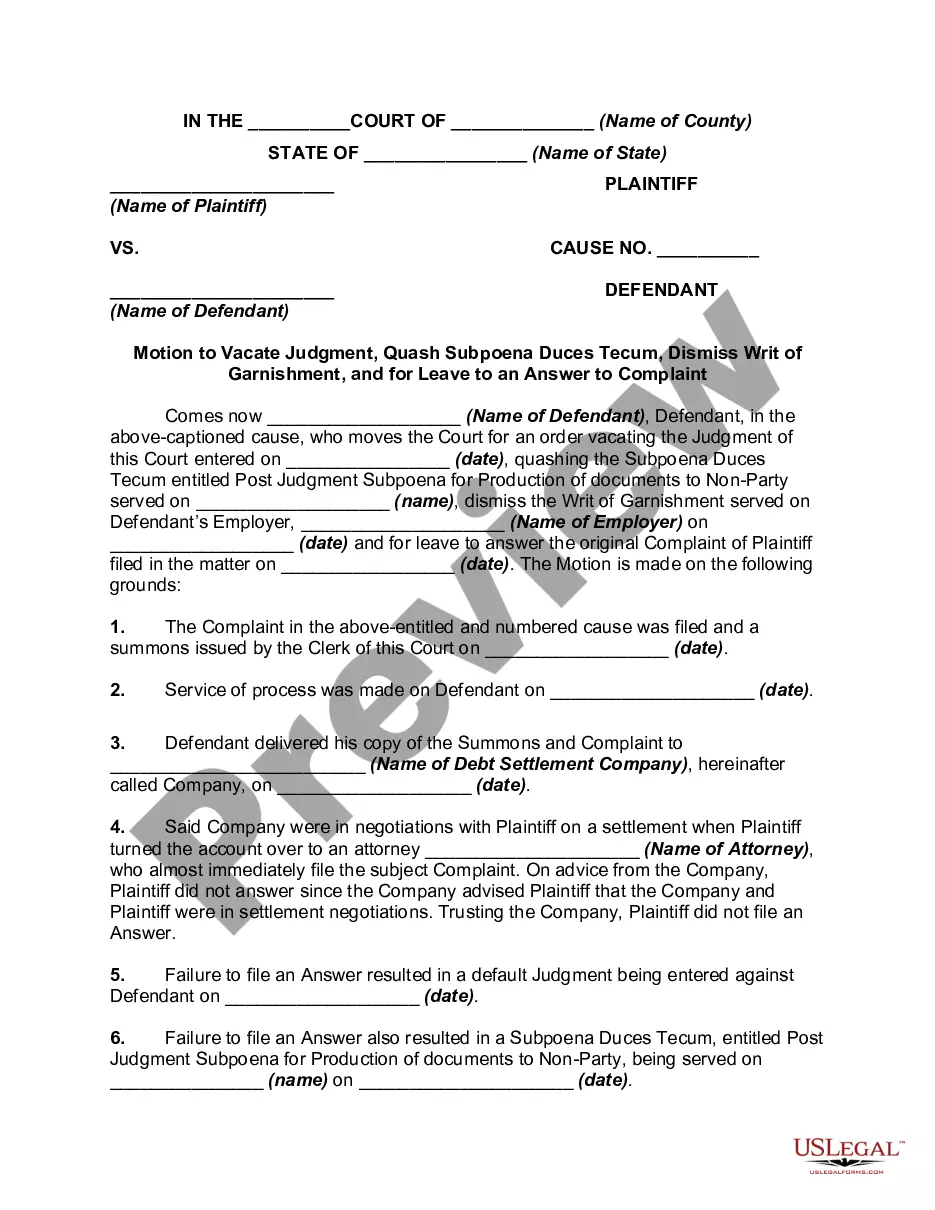

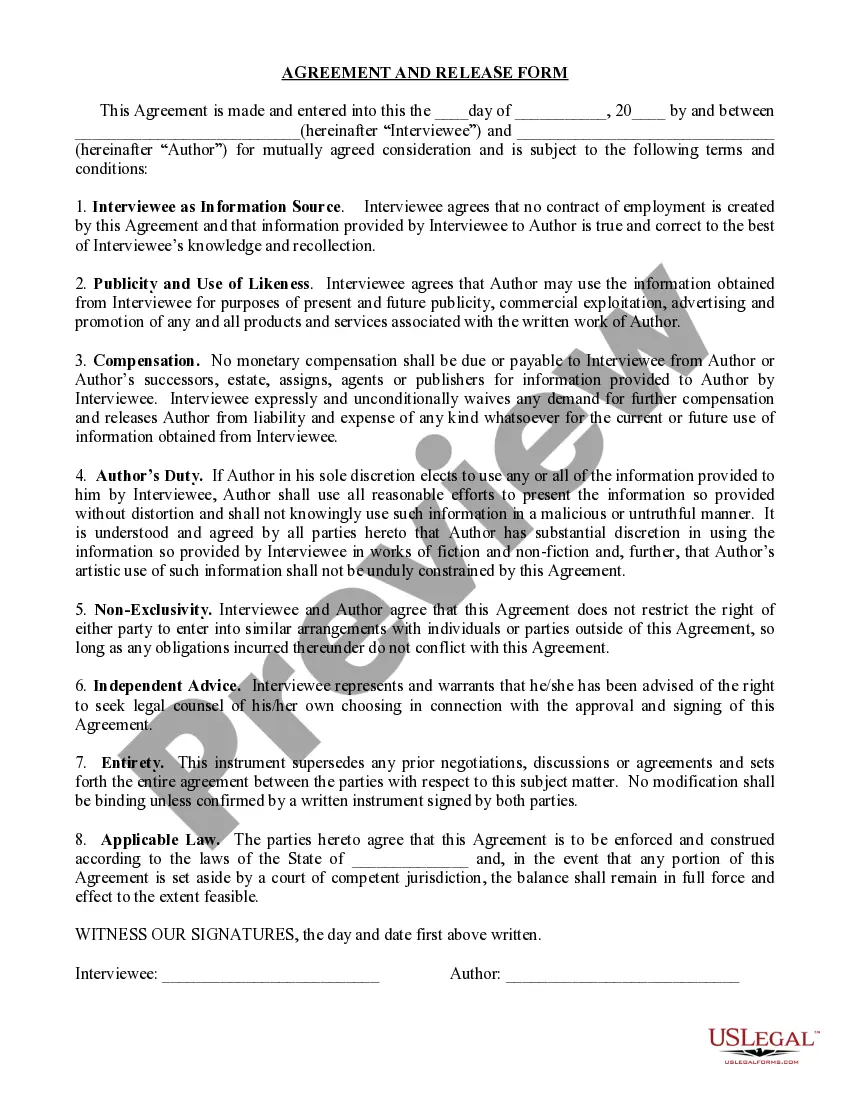
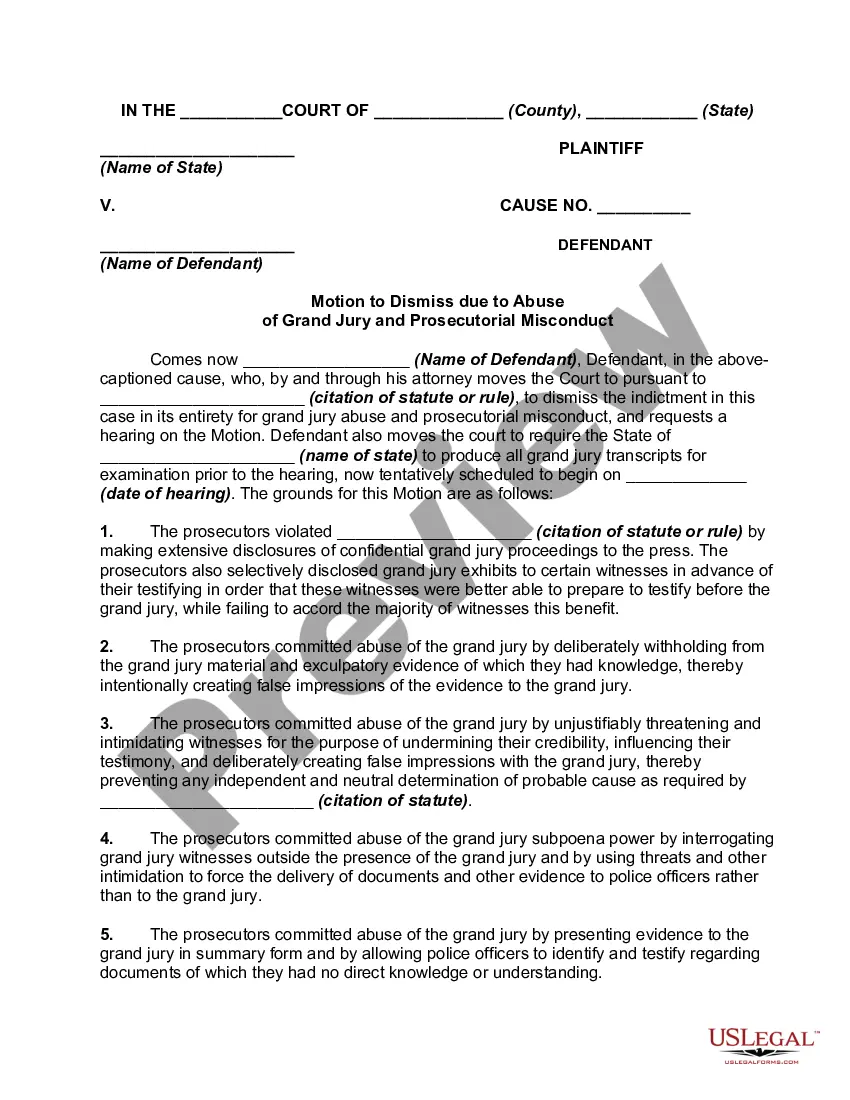
How to fill out Motion To Quash, Dismiss, Or Set Aside Criminal Charges For Failure To Prosecute?
- Log in to your US Legal Forms account if you're a returning user. Ensure your subscription is active or renew it as needed.
- For first-time users, begin by previewing form descriptions that match your needs. Confirm compliance with your local jurisdiction.
- If the initial form is unsuitable, utilize the Search feature to find an alternative that fits your requirements.
- Choose your desired document and proceed to purchase. Click the Buy Now button to select a suitable subscription plan and create an account if necessary.
- Complete your order by entering payment details via credit card or PayPal for your subscription.
- Download the completed form to your device and access it anytime through the My Forms section of your profile.
US Legal Forms empowers individuals and attorneys to swiftly execute legal documents with its extensive library of over 85,000 legal forms. This service stands out due to its robust collection and access to premium experts for guidance.
Take control of your legal needs today! Start the process with US Legal Forms and ensure your documents are both accurate and legally compliant.
Form popularity
FAQ
Yes, you can press charges on someone for stealing, as long as you have enough evidence to support your claim. The process involves reporting the theft to law enforcement and providing them with all relevant information and documentation. Criminal charges with theft can lead to serious consequences for the offender, including potential jail time. Consider consulting with a legal expert to ensure that your rights are protected throughout the process.
Proving theft requires clear evidence, which may include witnesses, video footage, or physical proof of the stolen items. Documenting the timeline and details surrounding the incident also strengthens your case. In cases involving criminal charges with theft, presenting strong evidence is crucial to support prosecution's claims. Always keep records of any correspondence related to the theft for comprehensive documentation.
When deciding whether to sue or press charges, consider the nature of the situation. Pressing criminal charges with theft involves law enforcement and could lead to criminal prosecution. On the other hand, suing generally seeks monetary compensation through civil court. Choose based on your goals; if public justice is your aim, pressing charges may be the right choice.
The law for theft in Minnesota specifies various forms of theft, such as shoplifting, swindling, and receiving stolen property. Each type has distinct criteria and consequences, which can influence the charges brought against an individual. Engaging with an experienced attorney can clarify how criminal charges with theft may affect your rights and future. Platforms like US Legal Forms can assist you in locating legal guidance pertinent to your case.
Building an effective defense for theft involves demonstrating your lack of intent to permanently deprive the owner of their property. Common defenses include proving the property was borrowed or returned, or that you had a reasonable belief you owned the item. If facing criminal charges with theft, it is crucial to work with a knowledgeable attorney who can tailor your defense strategy. Resources like US Legal Forms can help you find the right legal support and documentation.
Rule 609 in Minnesota addresses the admissibility of a person's prior convictions in court when determining their credibility as a witness. Specifically, it allows the introduction of felony convictions and certain misdemeanors. This rule can play a significant role in cases involving criminal charges with theft, as a defendant's prior convictions may impact the outcome of their current charges. If you face such situations, consulting with a legal professional can provide clarity.
In Minnesota, theft covers a range of offenses where an individual unlawfully takes someone else's property with the intent to permanently deprive the owner of it. The law defines several degrees of theft, depending on the value of the property taken, which can affect the severity of the criminal charges with theft. Penalties may include fines, restitution, and imprisonment. Understanding these laws can help you navigate potential legal issues associated with criminal charges with theft.
Deciding to sue involves assessing the strength of your case, potential legal costs, and whether the compensation outweighs the effort. It's vital to have clear evidence supporting your claim. Consulting a legal professional can provide guidance. If your situation includes criminal charges with theft, exploring your legal options further is always advised.
Pressing charges and suing are distinct actions. Pressing charges involves alerting law enforcement of a crime, which may lead to criminal prosecution. On the other hand, suing usually refers to filing a civil lawsuit to seek damages or compensation. If your situation involves theft, you may explore both criminal charges with theft and civil action to determine the best course of action.
Pressing charges can provide a sense of justice and hold the offender accountable. However, consider the emotional and financial commitment involved in the process. Weighing the potential benefits against the challenges is essential. If theft has resulted in significant loss to you, pursuing criminal charges with theft might be a worthwhile endeavor.