Criminal Charges For Theft
Description


Get your form ready online
Our built-in tools help you complete, sign, share, and store your documents in one place.
Make edits, fill in missing information, and update formatting in US Legal Forms—just like you would in MS Word.
Download a copy, print it, send it by email, or mail it via USPS—whatever works best for your next step.
Sign and collect signatures with our SignNow integration. Send to multiple recipients, set reminders, and more. Go Premium to unlock E-Sign.
If this form requires notarization, complete it online through a secure video call—no need to meet a notary in person or wait for an appointment.
We protect your documents and personal data by following strict security and privacy standards.

Make edits, fill in missing information, and update formatting in US Legal Forms—just like you would in MS Word.

Download a copy, print it, send it by email, or mail it via USPS—whatever works best for your next step.

Sign and collect signatures with our SignNow integration. Send to multiple recipients, set reminders, and more. Go Premium to unlock E-Sign.

If this form requires notarization, complete it online through a secure video call—no need to meet a notary in person or wait for an appointment.

We protect your documents and personal data by following strict security and privacy standards.
Looking for another form?






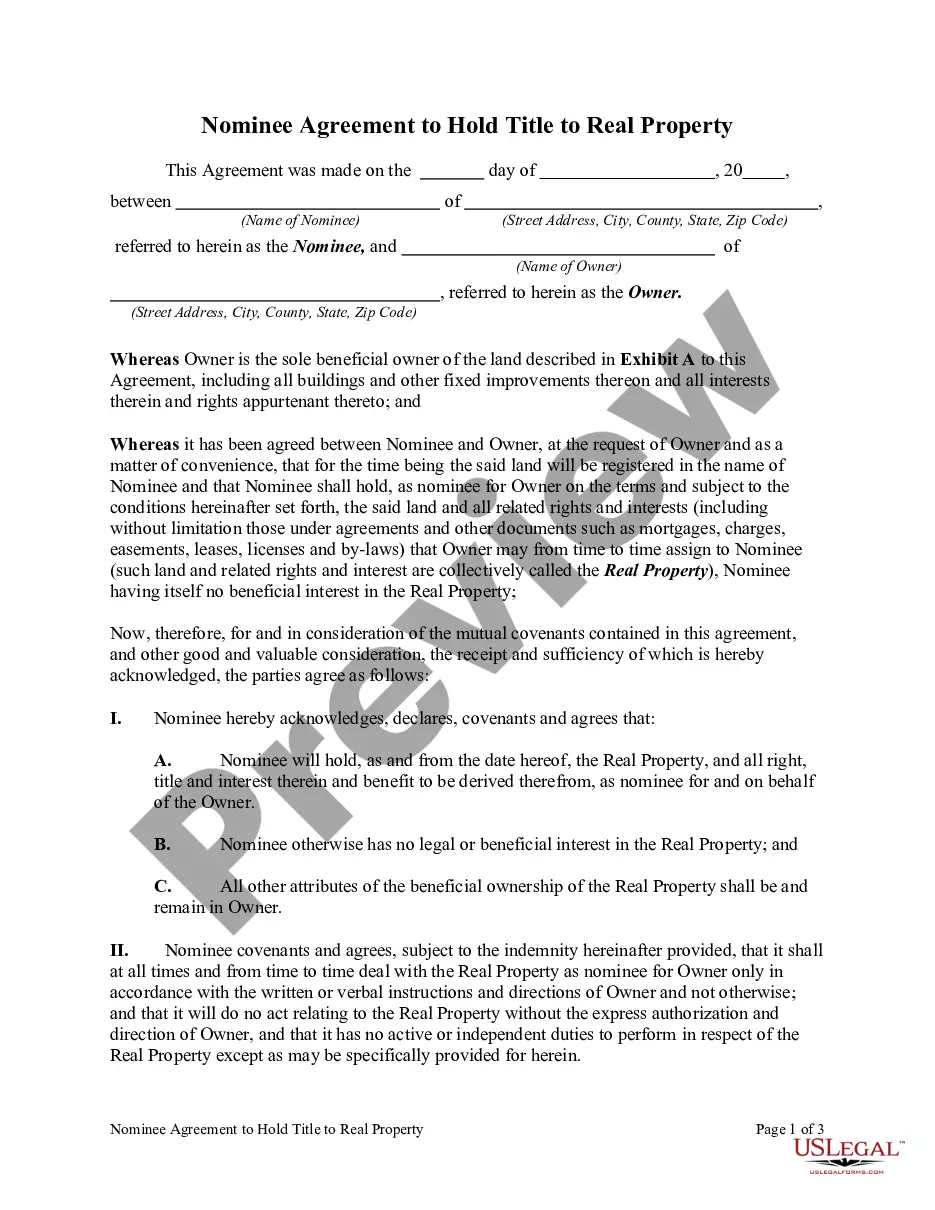
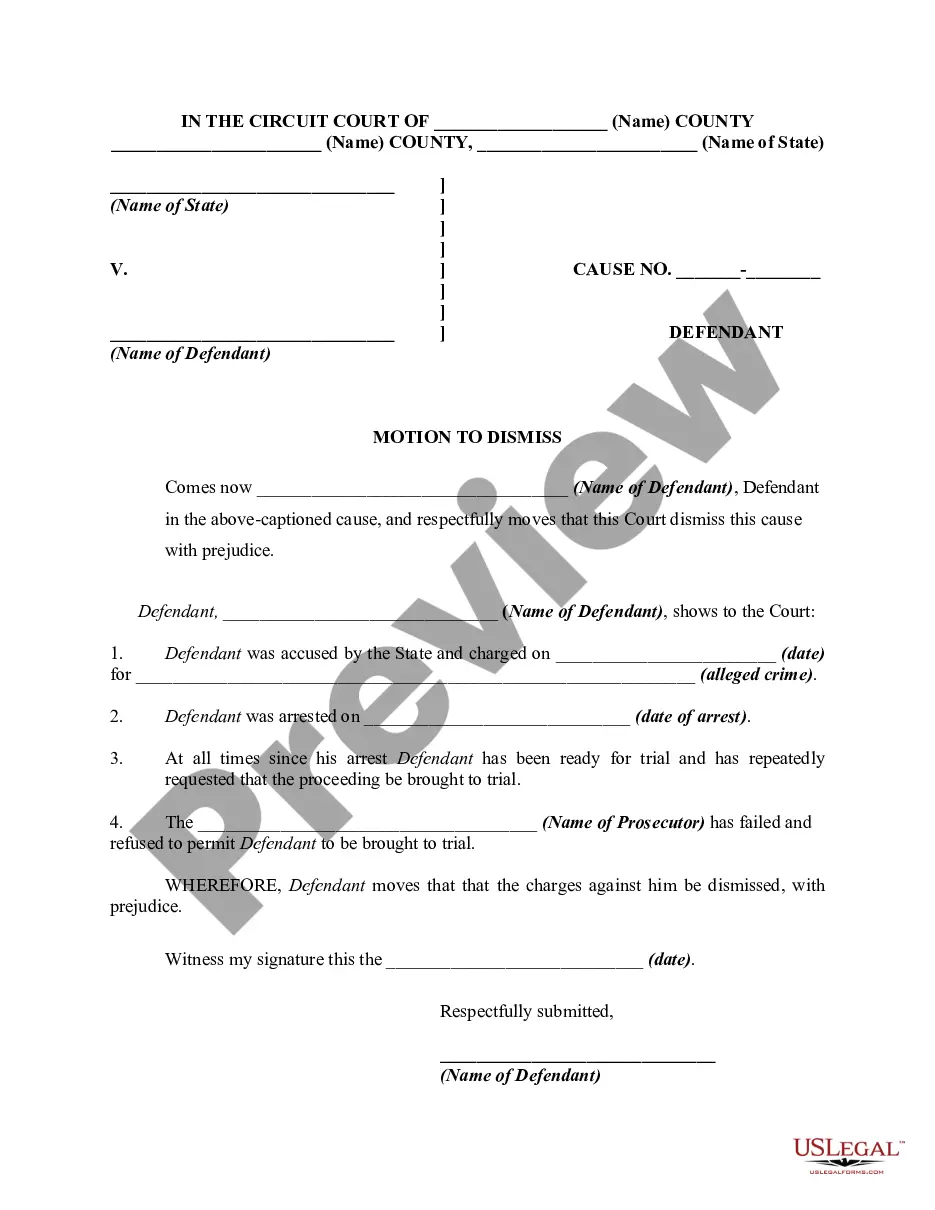
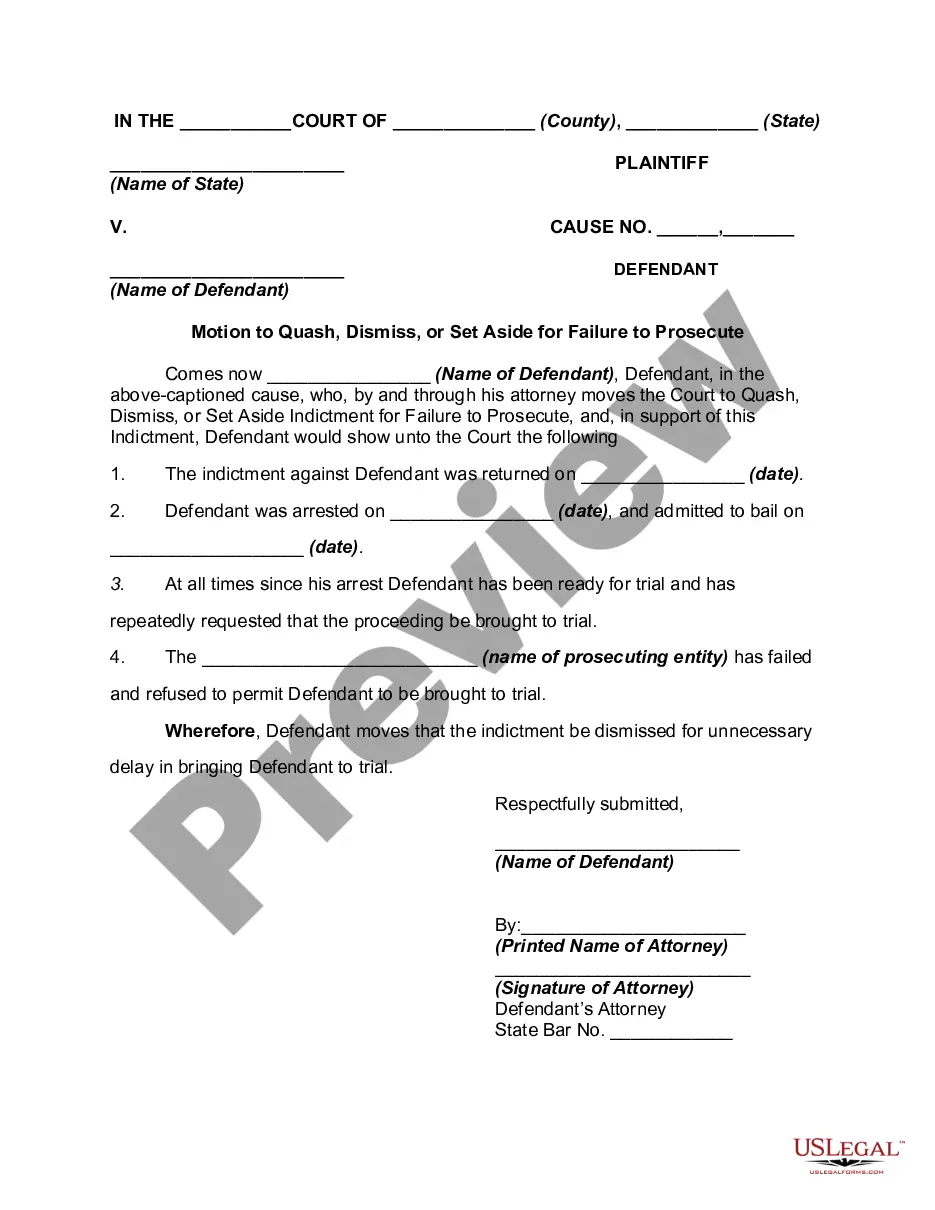
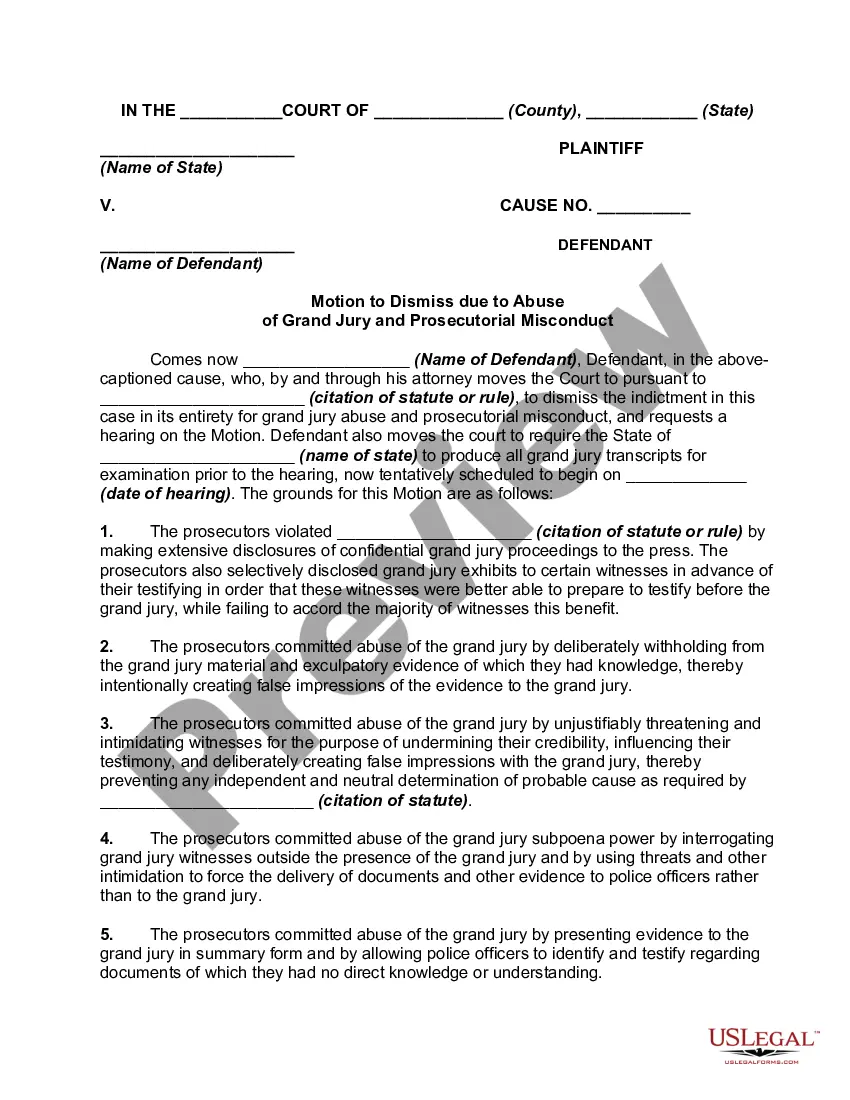
How to fill out Motion To Quash, Dismiss, Or Set Aside Criminal Charges For Failure To Prosecute?
- Log into your existing US Legal Forms account or create a new one if you are a first-time user.
- Search the extensive library for the specific document related to criminal charges for theft, ensuring it meets your local jurisdiction needs.
- Preview the chosen form to verify that it fits your requirements.
- Select the appropriate subscription plan and click the 'Buy Now' button to proceed.
- Complete your purchase using your credit card or PayPal account.
- Download your form directly and access it anytime via the 'My Forms' section in your profile.
By following these steps, you can efficiently obtain the legal forms necessary to navigate your situation. US Legal Forms not only offers a vast collection of documents but also provides expert assistance to ensure your forms are correct and legally sound.
Start your journey today and experience the benefits of having the right legal documents at your fingertips.
Form popularity
FAQ
In America, the punishment for theft can range from fines and restitution to imprisonment, depending on the severity of the offense. Misdemeanors might attract lighter penalties, while felonies can lead to substantial prison sentences and lasting criminal records. Criminal charges for theft not only affect your legal standing but can also impact various aspects of your personal and professional life. Our platform can provide vital information tailored to your circumstances, guiding you through the process.
The length of imprisonment for theft in the US varies widely based on the severity of the crime and state laws. Misdemeanor theft might result in a short jail time, while felony theft can lead to several years behind bars. Criminal charges for theft can significantly impact your life, so understanding the potential consequences is crucial. Engaging with the uslegalforms platform can help you find the right legal resources that clarify your situation.
In the United States, theft generally qualifies as a felony when the value of the stolen property exceeds a certain threshold, typically between $500 and $1,000, depending on the state. Criminal charges for theft can escalate significantly based on the value involved. It's essential to understand these thresholds in your state and how they affect potential penalties. To navigate these complexities, consulting a legal expert can provide clarity and ensure you are fully informed.
To secure a conviction for theft, the prosecution must prove their case beyond a reasonable doubt. This means that the evidence presented must convincingly demonstrate that the accused committed the crime. The amount of evidence necessary can vary but typically includes a combination of testimonies, documents, and other relevant materials. If you are involved in a case regarding criminal charges for theft, consider working with legal professionals to assess the evidence.
To accuse someone of stealing, you need to gather credible evidence that clearly shows the act of theft. This may include eyewitness accounts, security footage, or physical evidence of stolen property. The stronger your proof, the better your case will be if you choose to pursue criminal charges for theft. Always consult with legal experts to understand how to present your evidence effectively.
The burden of proof for identity theft lies with the prosecution. They must establish that the accused knowingly used someone else's identity to commit fraud or theft. This often involves presenting evidence such as documents, witness testimonies, and electronic data. If you face criminal charges for theft, understanding this burden can help you navigate your legal rights.
In Minnesota, theft is defined as taking someone else's property without permission, and it is subject to criminal charges for theft. The law distinguishes between different levels of theft, depending on the value of the property taken. For example, theft of items worth more than $1,000 may lead to felony charges, while lesser amounts could result in misdemeanors. Understanding these details can help you navigate the legal process more effectively.
To press charges on someone for stealing, you first need to report the incident to law enforcement. Provide them with all the details, including any evidence or witnesses you may have. After reviewing everything, law enforcement will determine whether to file criminal charges for theft against the accused. Always remember, it's essential to document everything related to the incident to strengthen your case.
Grand theft typically involves theft of property exceeding a particular monetary value, and this value varies by state law. In many jurisdictions, items valued over $1,000 can be classified as grand theft. Knowing your state's threshold is essential for understanding potential criminal charges for theft.
The minimum sentence for theft varies based on the jurisdiction and severity of the crime. For petty theft, sentences may include fines, community service, or short jail time. More severe cases can lead to harsher penalties; understanding your state's regulations regarding criminal charges for theft is vital.