Agreement Sub Tenant With The Law
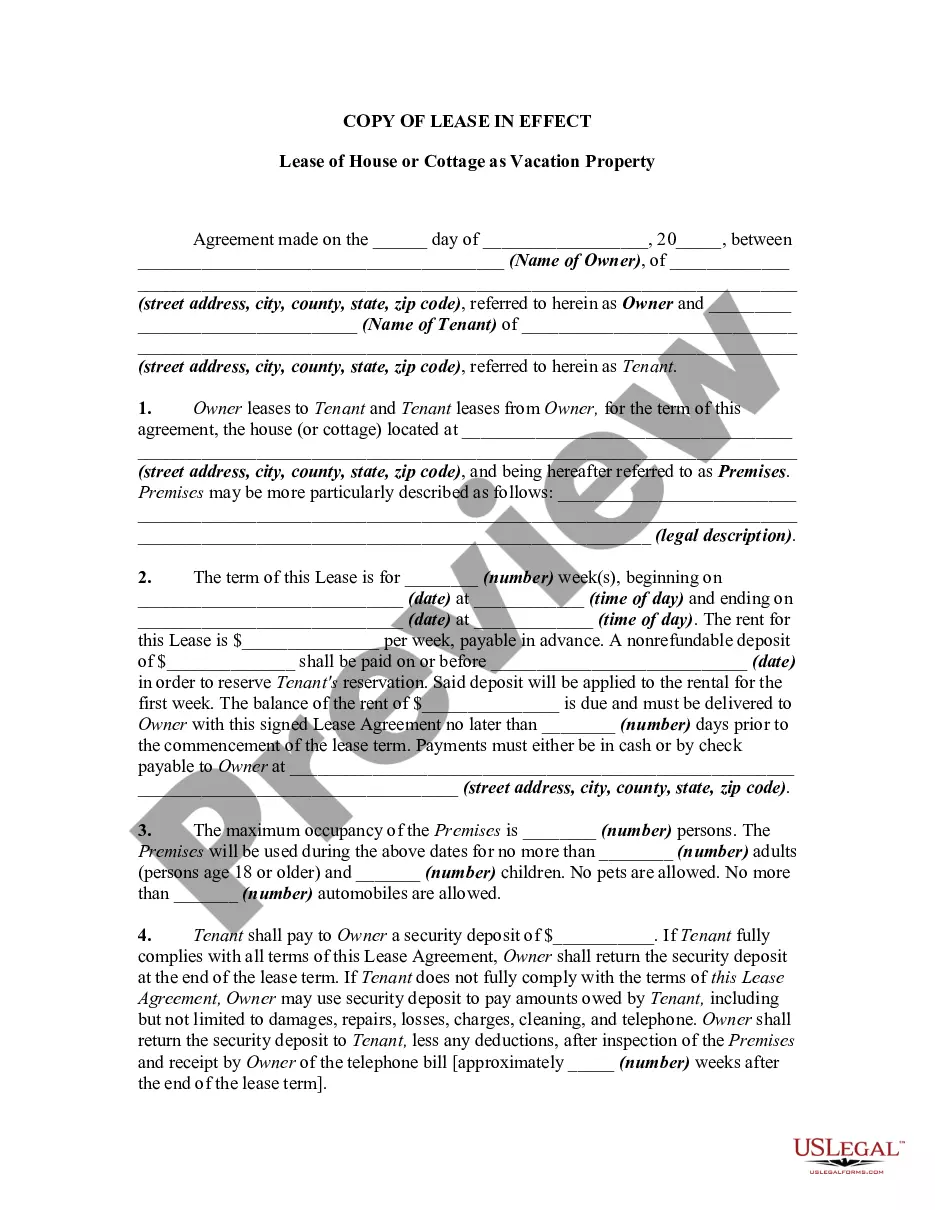
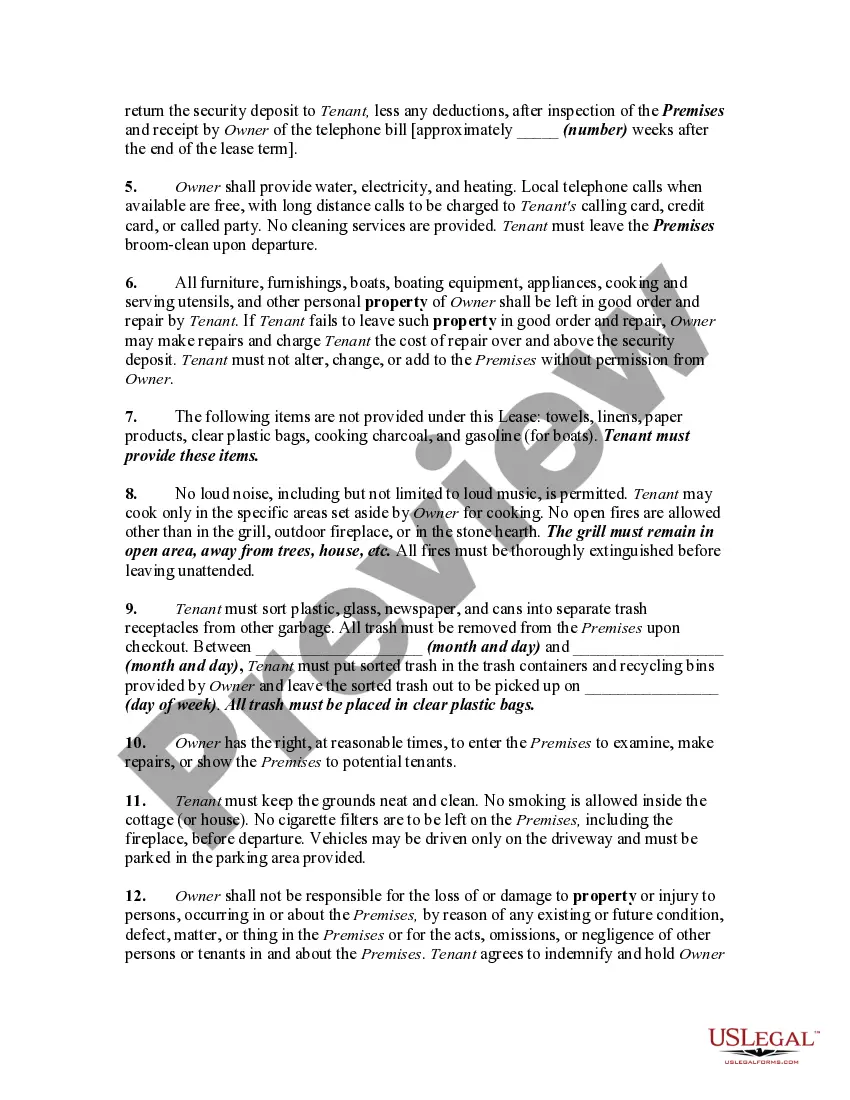
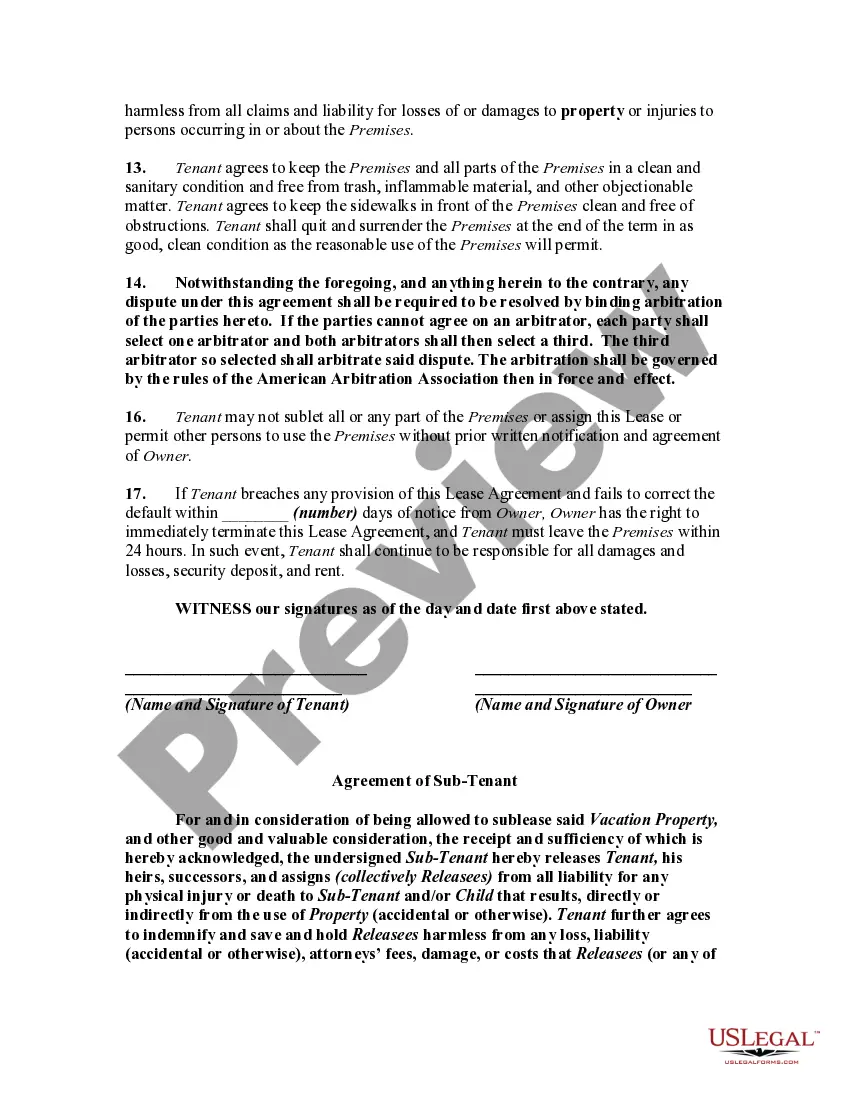
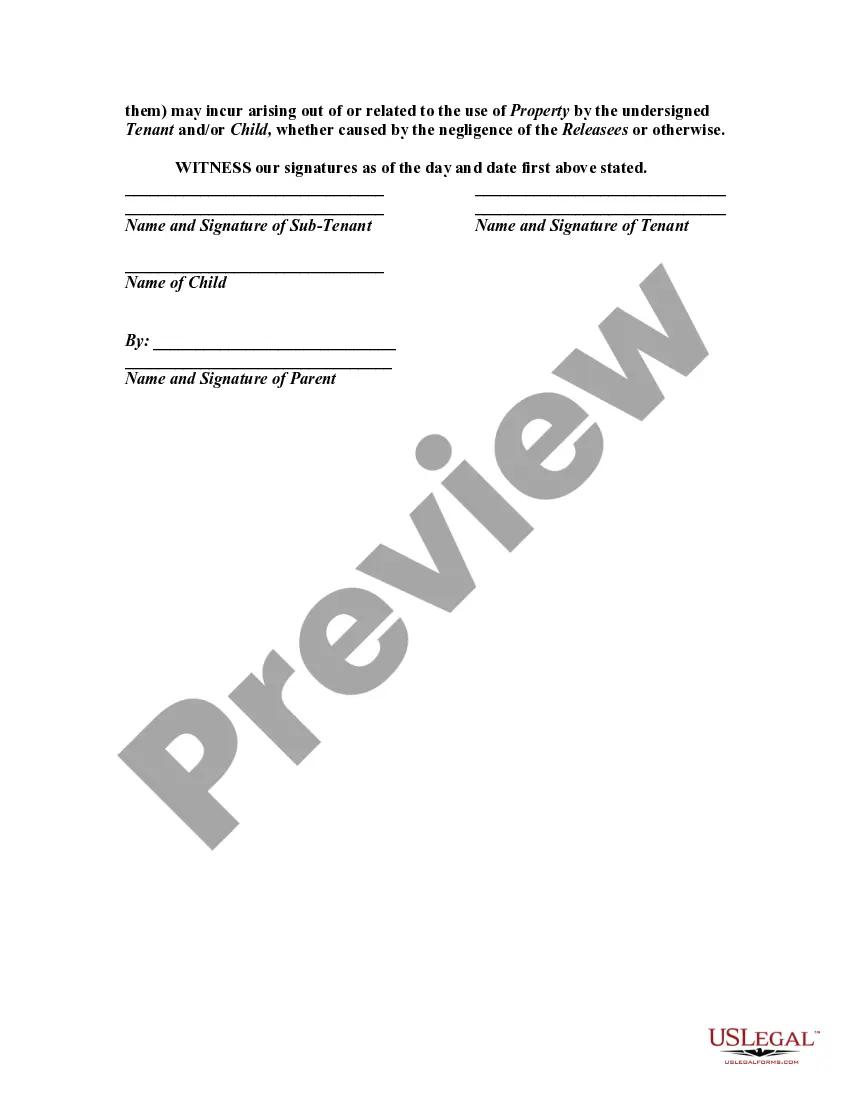
Description
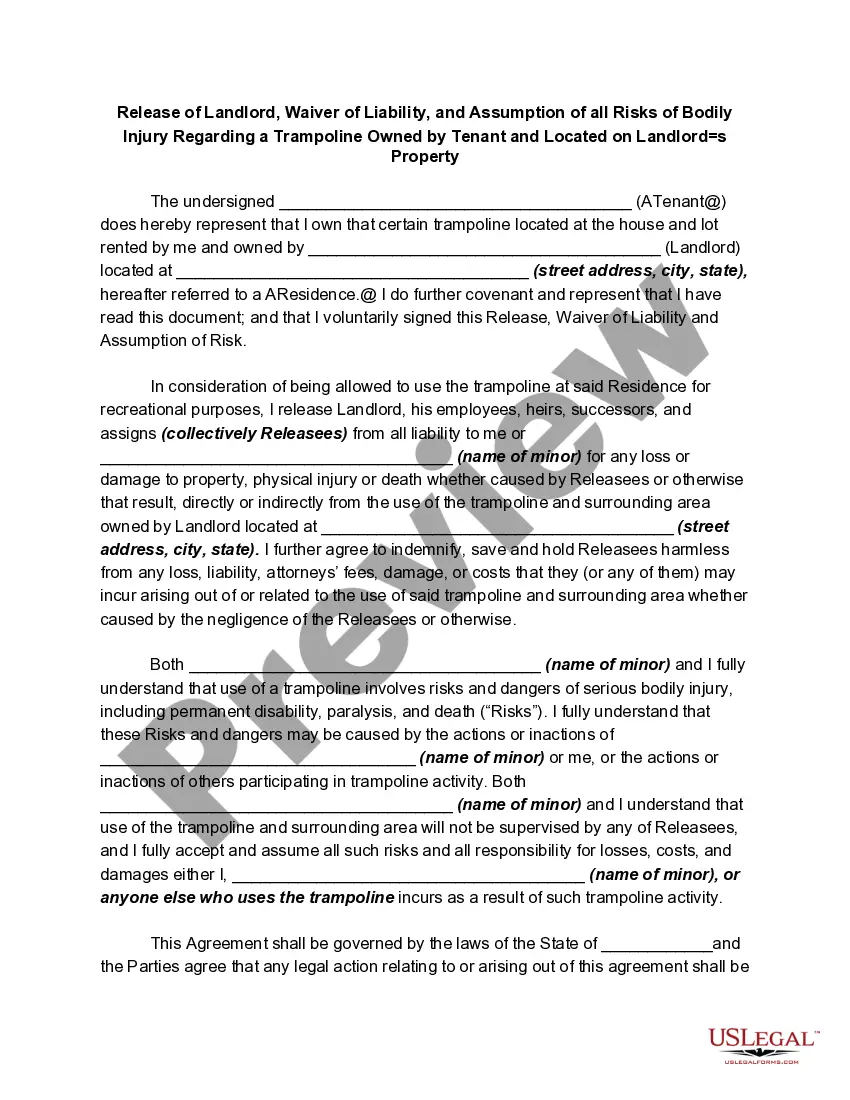
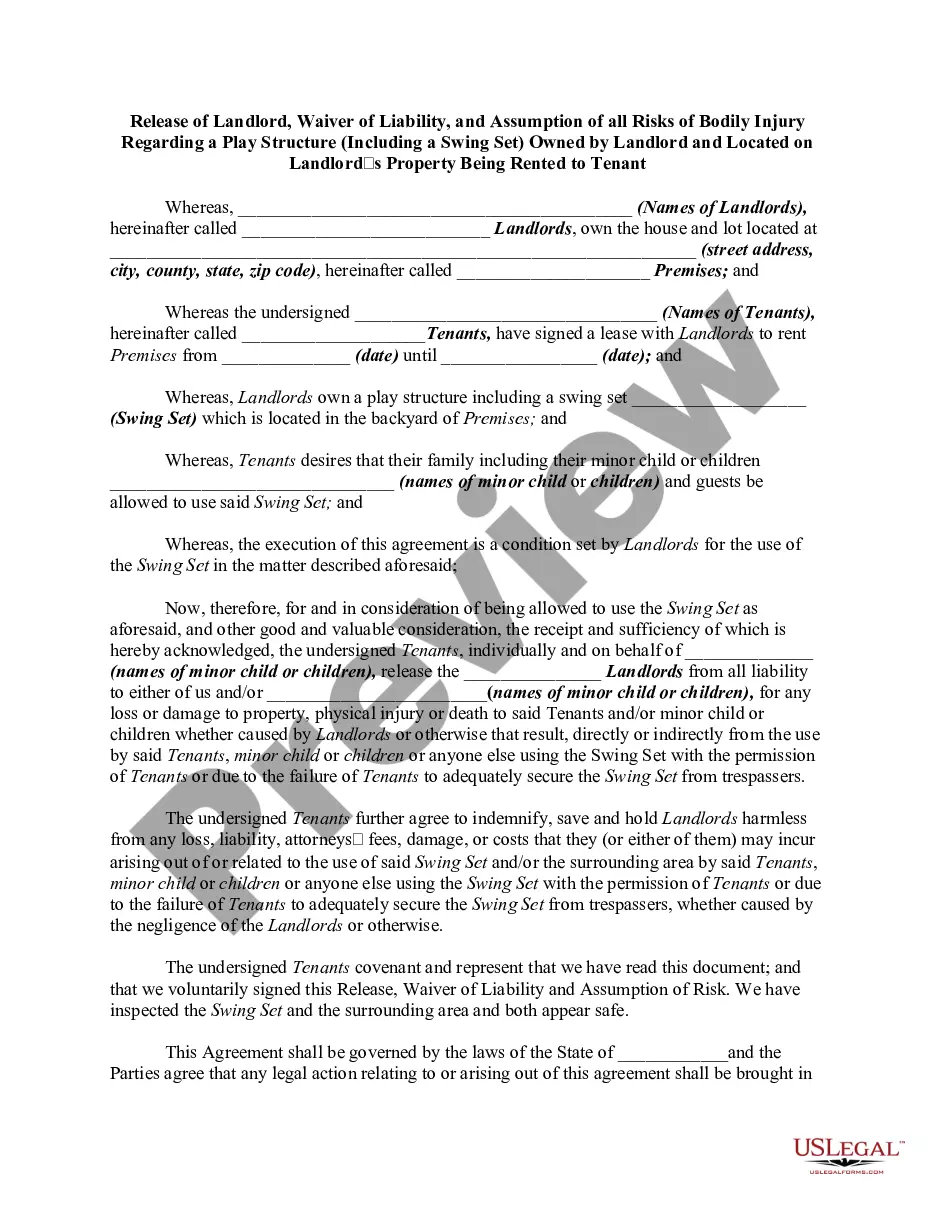
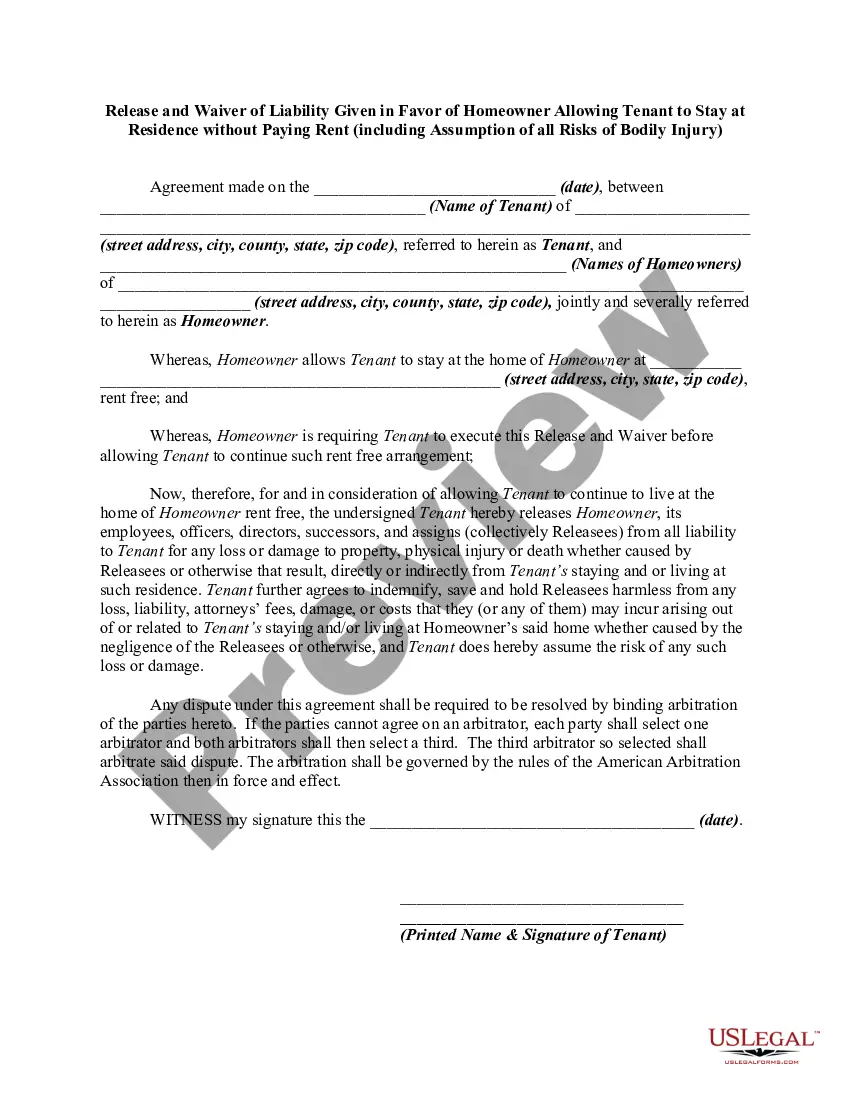
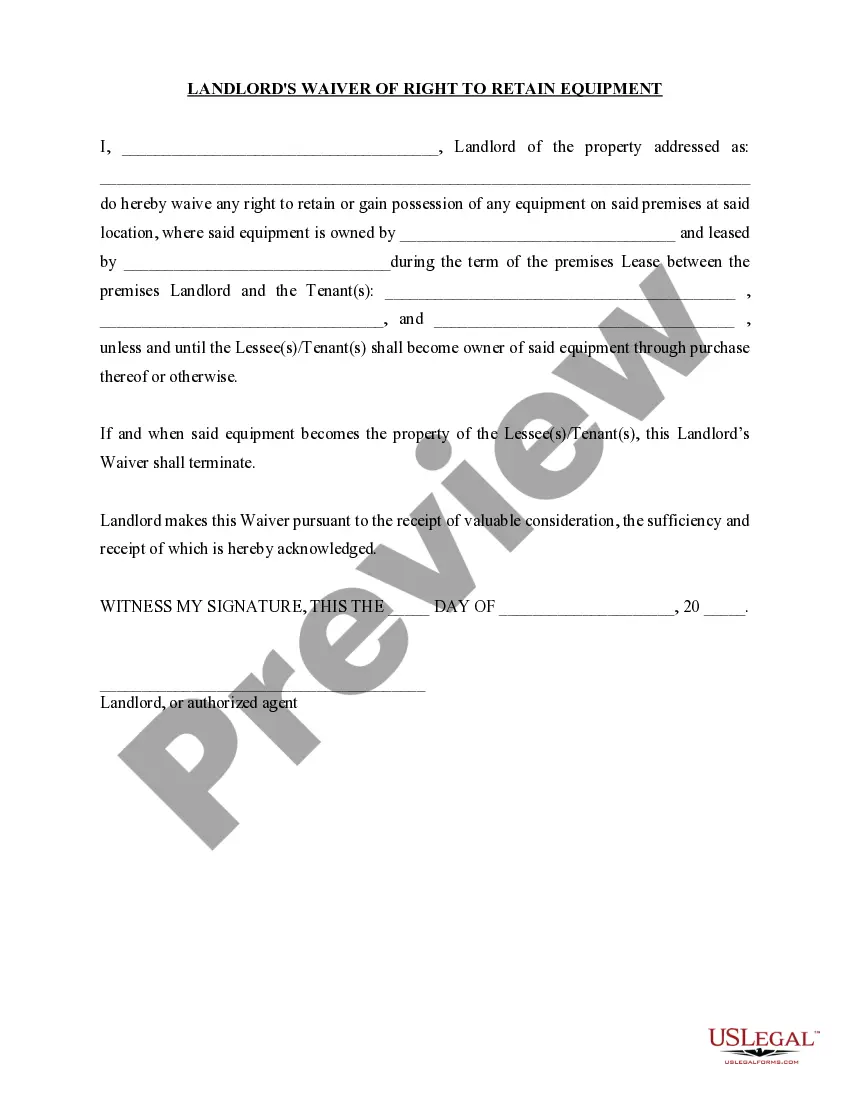
Get your form ready online
Our built-in tools help you complete, sign, share, and store your documents in one place.
Make edits, fill in missing information, and update formatting in US Legal Forms—just like you would in MS Word.
Download a copy, print it, send it by email, or mail it via USPS—whatever works best for your next step.
Sign and collect signatures with our SignNow integration. Send to multiple recipients, set reminders, and more. Go Premium to unlock E-Sign.
If this form requires notarization, complete it online through a secure video call—no need to meet a notary in person or wait for an appointment.
We protect your documents and personal data by following strict security and privacy standards.

Make edits, fill in missing information, and update formatting in US Legal Forms—just like you would in MS Word.

Download a copy, print it, send it by email, or mail it via USPS—whatever works best for your next step.

Sign and collect signatures with our SignNow integration. Send to multiple recipients, set reminders, and more. Go Premium to unlock E-Sign.

If this form requires notarization, complete it online through a secure video call—no need to meet a notary in person or wait for an appointment.

We protect your documents and personal data by following strict security and privacy standards.
Looking for another form?






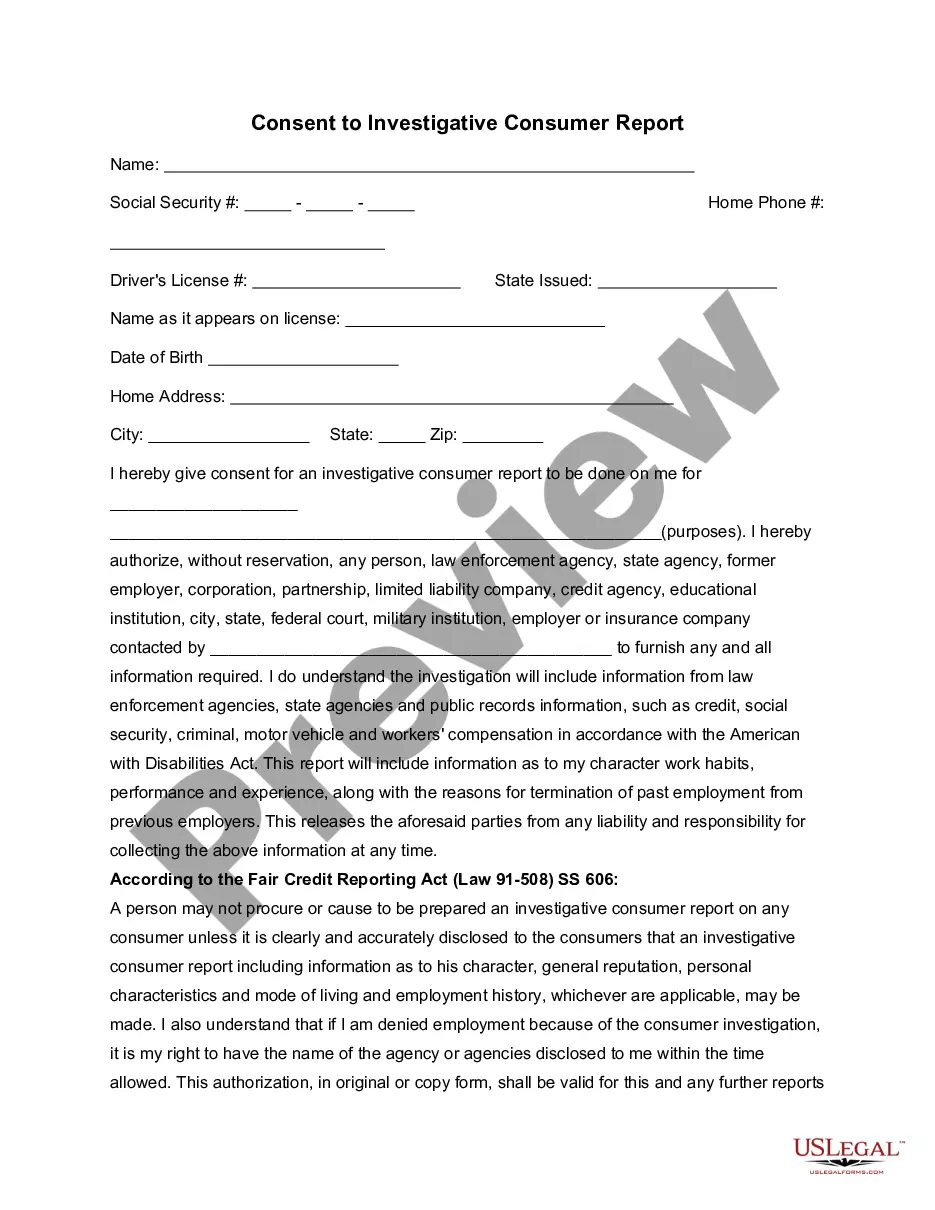

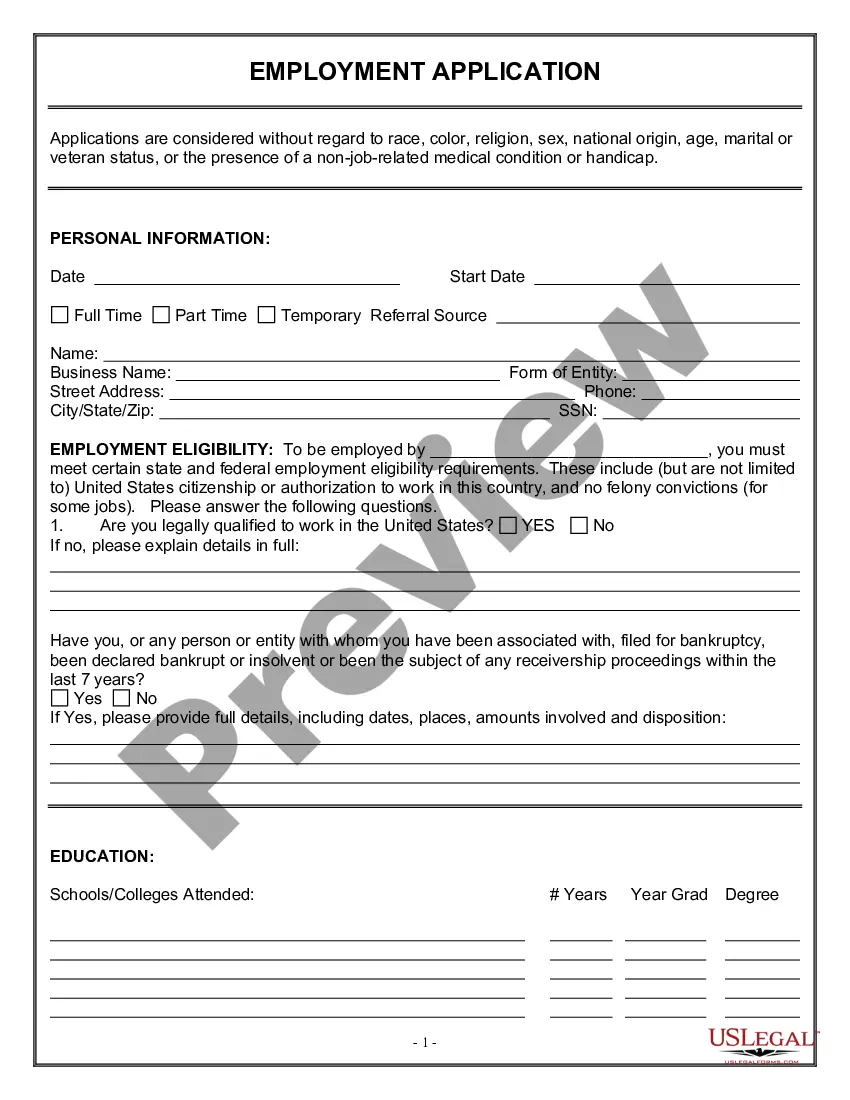

How to fill out Agreement Of Sub-Tenant And Waiver Of Liability In Favor Of Tenant?
- Start by logging into your US Legal Forms account. If this is your first time using the service, register for an account to gain access to the extensive library.
- In the library, search for 'agreement sub tenant' and review the templates available. Use the Preview mode to ensure you select a form that meets your needs.
- If necessary, refine your search using the Search tab to find a more suitable template.
- Once you find the right document, click the Buy Now button and choose your preferred subscription plan.
- Complete the payment process by entering your credit card information or selecting PayPal.
- After purchase, download the form to your device. You can also access it anytime from the My Forms section of your account.
By following these steps, you ensure that your agreement sub tenant aligns with the law, all while benefiting from US Legal Forms' robust collection and expert assistance.
Get started today and take the first step toward efficient, legally compliant documentation!
Form popularity
FAQ
While the terms sublease and sublet are often used interchangeably, they have subtle differences. A sublease typically involves a tenant renting out their leased space while still retaining some legal obligations to the landlord, while sublet may imply a more temporary arrangement. Understanding the 'Agreement sub tenant with the law' helps clarify these terms, ensuring you navigate your rights and responsibilities effectively.
In New York, subleasing is governed by specific laws that protect both the tenant and the landlord. The 'Agreement sub tenant with the law' states that tenants should seek written consent from their landlords before subletting. Additionally, the law outlines tenant rights, including the ability to provide a reasonable opportunity for landlords to evaluate potential subtenants. Familiarizing yourself with these laws ensures compliance and safeguards your interests.
Yes, a tenant can remove a subtenant if it aligns with the terms outlined in the lease agreement. It's essential to adhere to the 'Agreement sub tenant with the law' to ensure both parties respect the rules. Typically, tenants must provide proper notice, which may vary by lease agreement or local laws. Understanding these regulations can help avoid potential conflicts.
A sublease outlines specific responsibilities for both the original tenant and the subtenant. The agreement sub tenant with the law typically includes aspects like rent payments, maintenance duties, and adherence to the original lease terms. Both parties must understand their roles to ensure a smooth arrangement. Using resources from platforms like USLegalForms can help you create a comprehensive sublease agreement.
Subletting can lead to confusion regarding responsibilities. In an agreement sub tenant with the law, both the original tenant and subtenant share obligations, which can cause misunderstandings. Issues like rent payment failures or damages may arise, leaving the original tenant in a difficult position. It’s essential to draft a solid agreement to avoid these pitfalls.
Landlords generally dislike subletting due to concerns over property damage and tenant reliability. When a tenant enters an agreement sub tenant with the law, the landlord loses some control over who lives in their property. This lack of oversight can lead to unauthorized changes or issues that impact their investment. Therefore, clear communication about the subleasing process is vital.
Subleasing can complicate your living situation. If the agreement sub tenant with the law is not thorough, you risk liability for the subtenant's actions. Additionally, landlords often disapprove of subleases, leading to potential legal disputes. It's crucial to understand these risks before entering any sublease arrangement.
Subleasing can pose several challenges, such as maintaining the original lease's conditions and ensuring subtenant compliance. Additionally, the original tenant may remain liable for damages caused by the subtenant, which can create financial risks. Understanding these potential downsides is crucial when entering an agreement sub tenant with the law. It's advisable to weigh these factors against potential benefits before proceeding.
An example of a sublease clause might include a statement that details who is responsible for utilities and maintenance during the subleasing period. Another important clause could stipulate the rental payment schedule and the consequences of late payments. Such clauses not only clarify responsibilities but also pose essential protections for both you and the subtenant.
Before signing a sublease, carefully review all clauses in the agreement to ensure they align with your expectations. Consider the subtenant's background and their ability to meet rental obligations. Furthermore, confirm any specific conditions set by the property owner to avoid future conflicts. A keen understanding of these elements enhances your protection under an agreement sub tenant with the law.