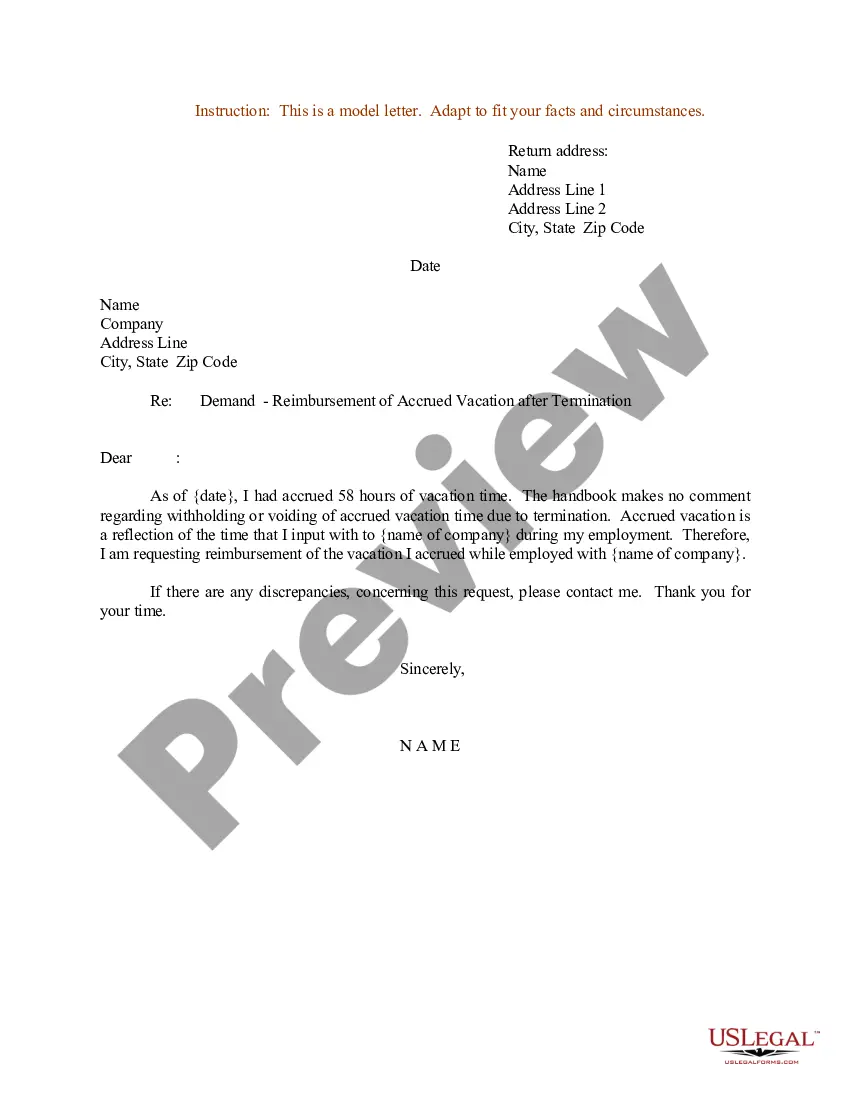
Accrued Vacation Paid Within 2.5 Months
Description
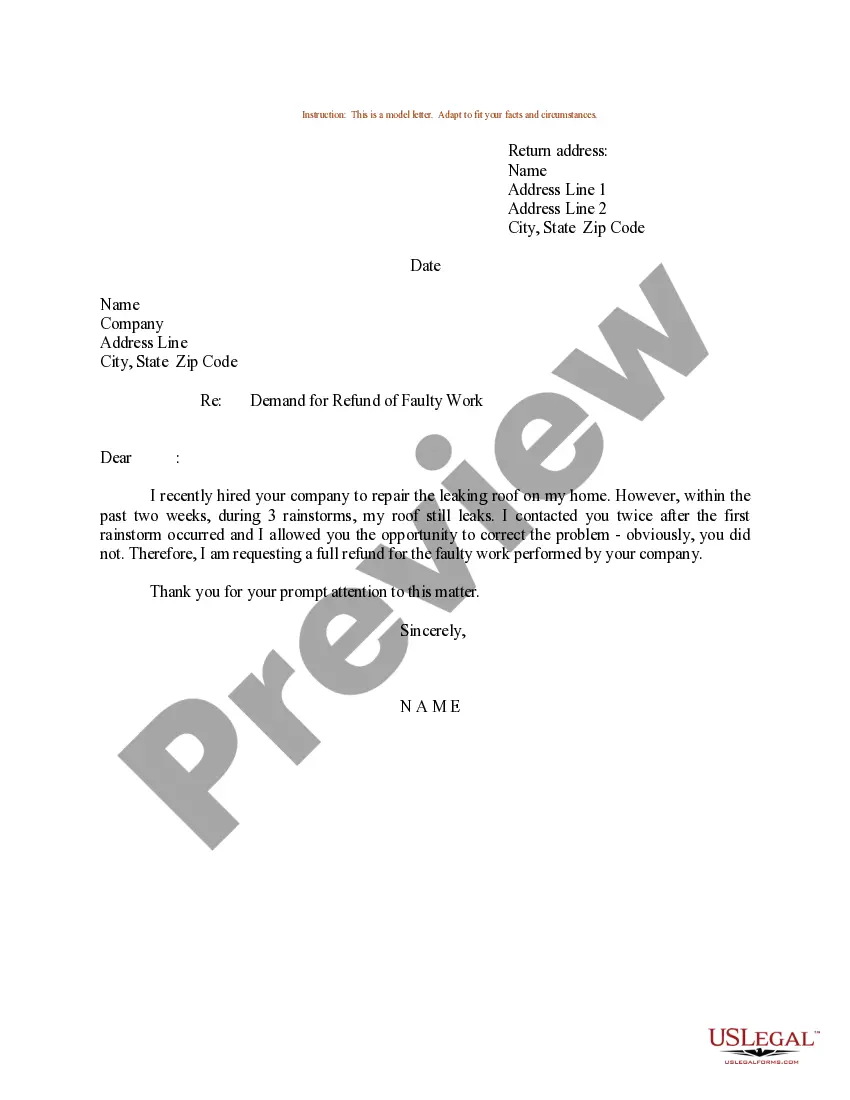
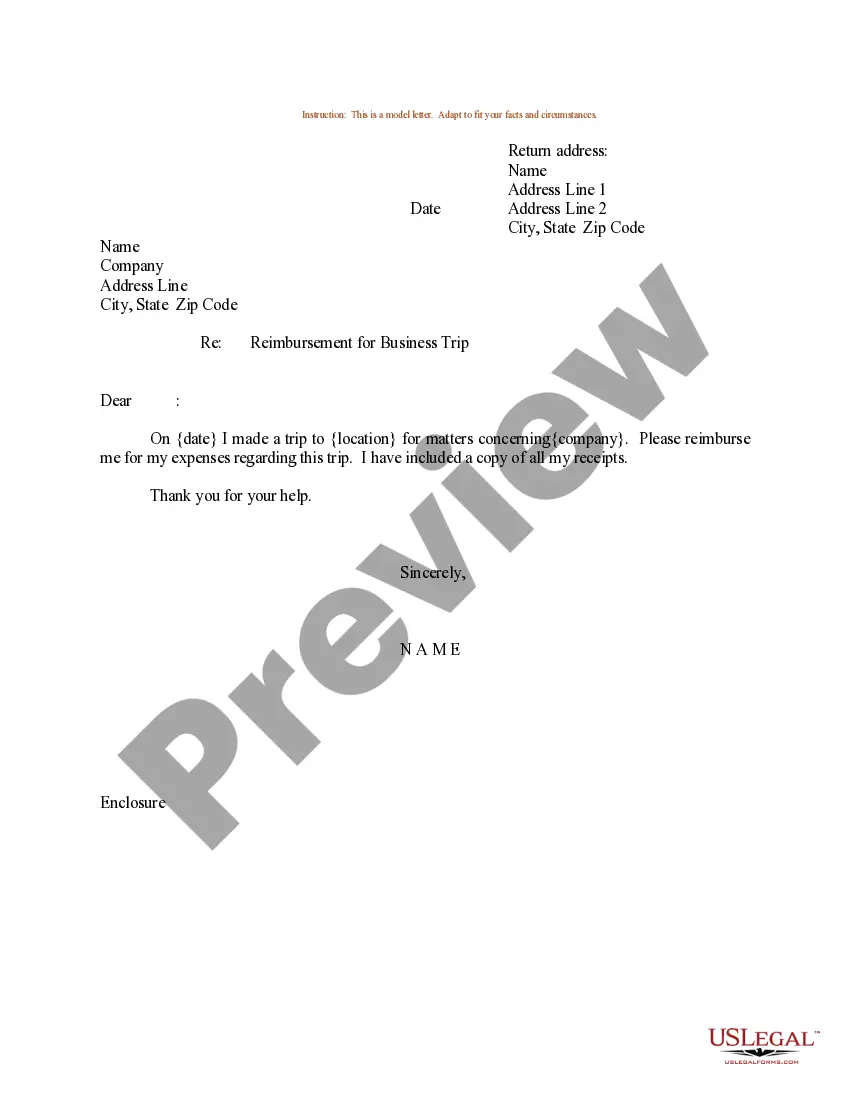
Get your form ready online
Our built-in tools help you complete, sign, share, and store your documents in one place.
Make edits, fill in missing information, and update formatting in US Legal Forms—just like you would in MS Word.
Download a copy, print it, send it by email, or mail it via USPS—whatever works best for your next step.
Sign and collect signatures with our SignNow integration. Send to multiple recipients, set reminders, and more. Go Premium to unlock E-Sign.
If this form requires notarization, complete it online through a secure video call—no need to meet a notary in person or wait for an appointment.
We protect your documents and personal data by following strict security and privacy standards.

Make edits, fill in missing information, and update formatting in US Legal Forms—just like you would in MS Word.

Download a copy, print it, send it by email, or mail it via USPS—whatever works best for your next step.

Sign and collect signatures with our SignNow integration. Send to multiple recipients, set reminders, and more. Go Premium to unlock E-Sign.

If this form requires notarization, complete it online through a secure video call—no need to meet a notary in person or wait for an appointment.

We protect your documents and personal data by following strict security and privacy standards.
Looking for another form?

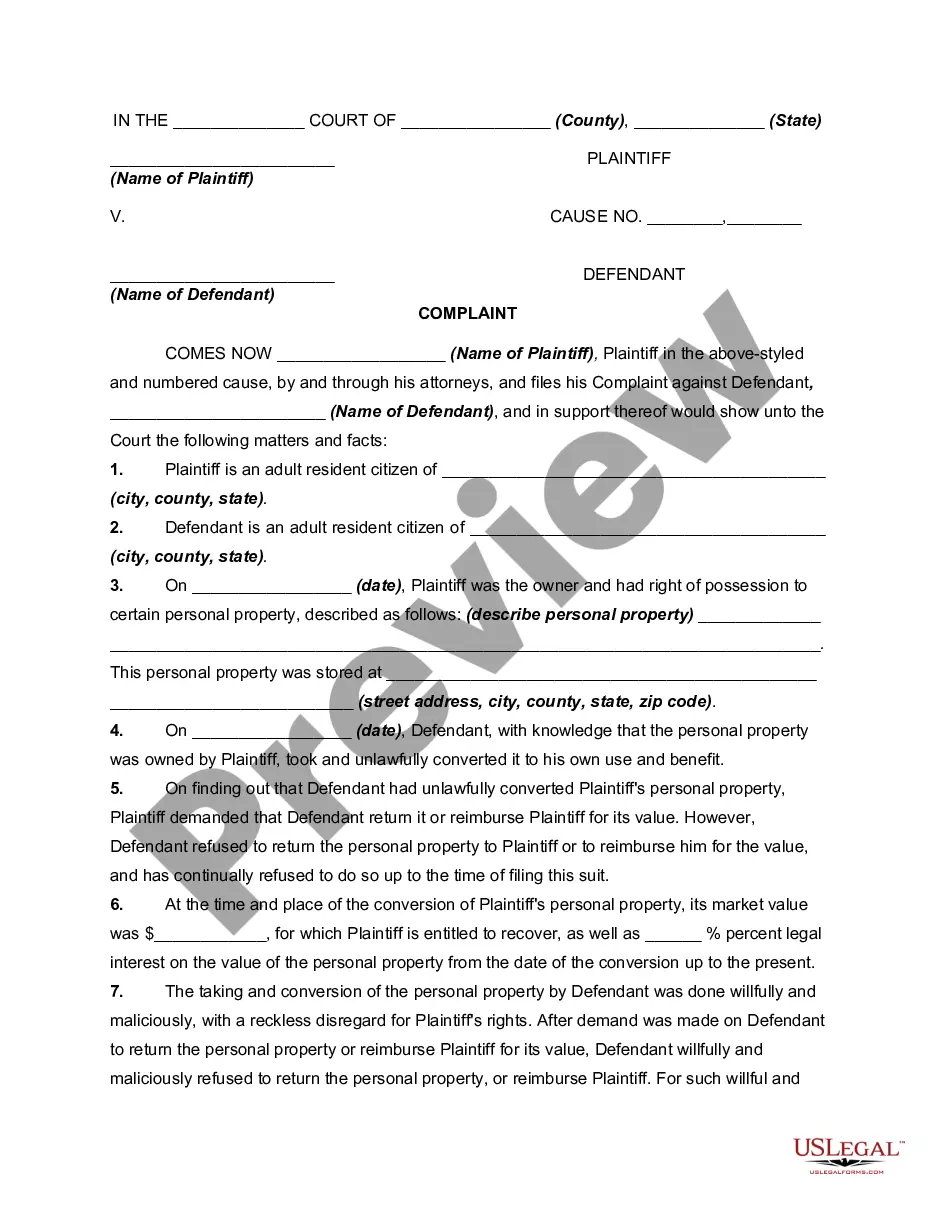
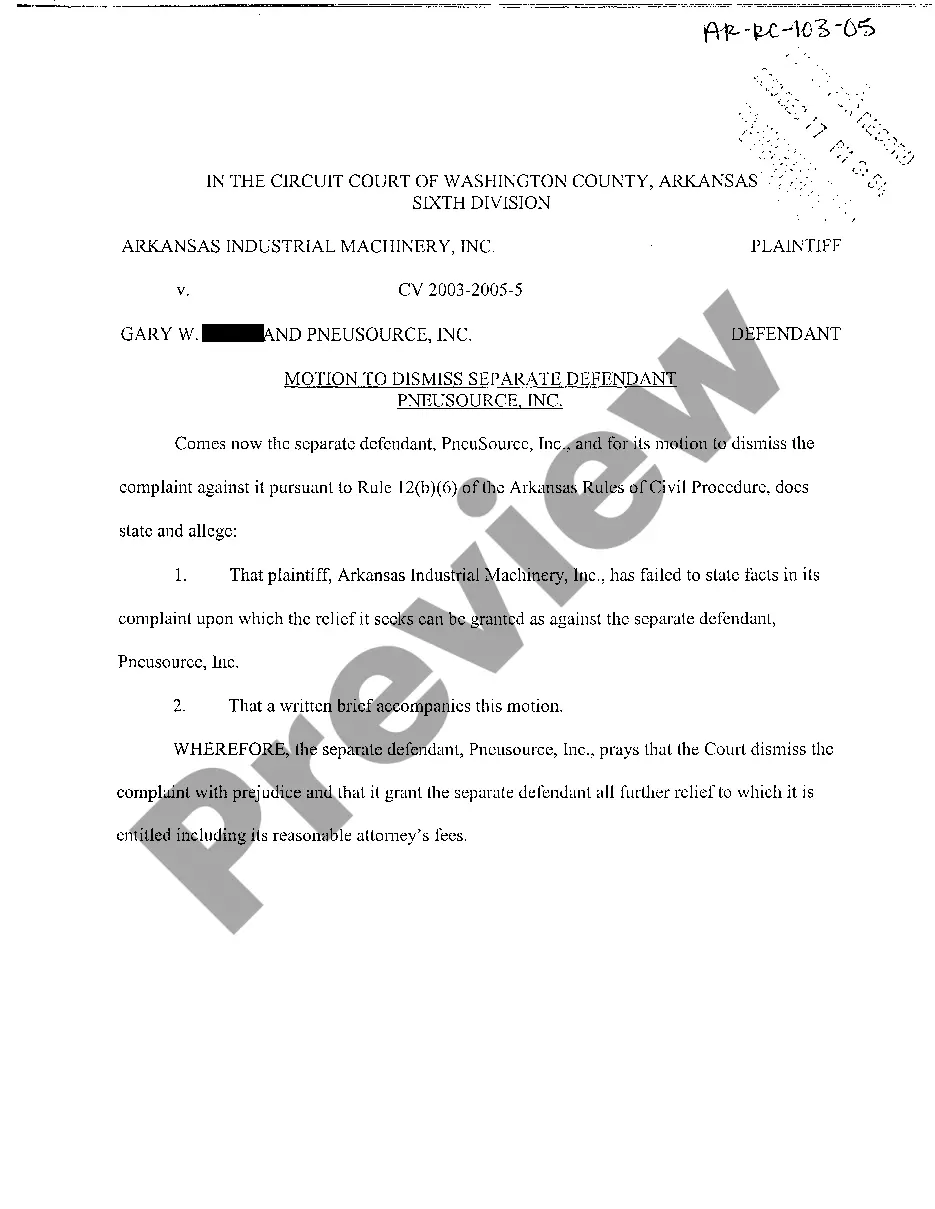
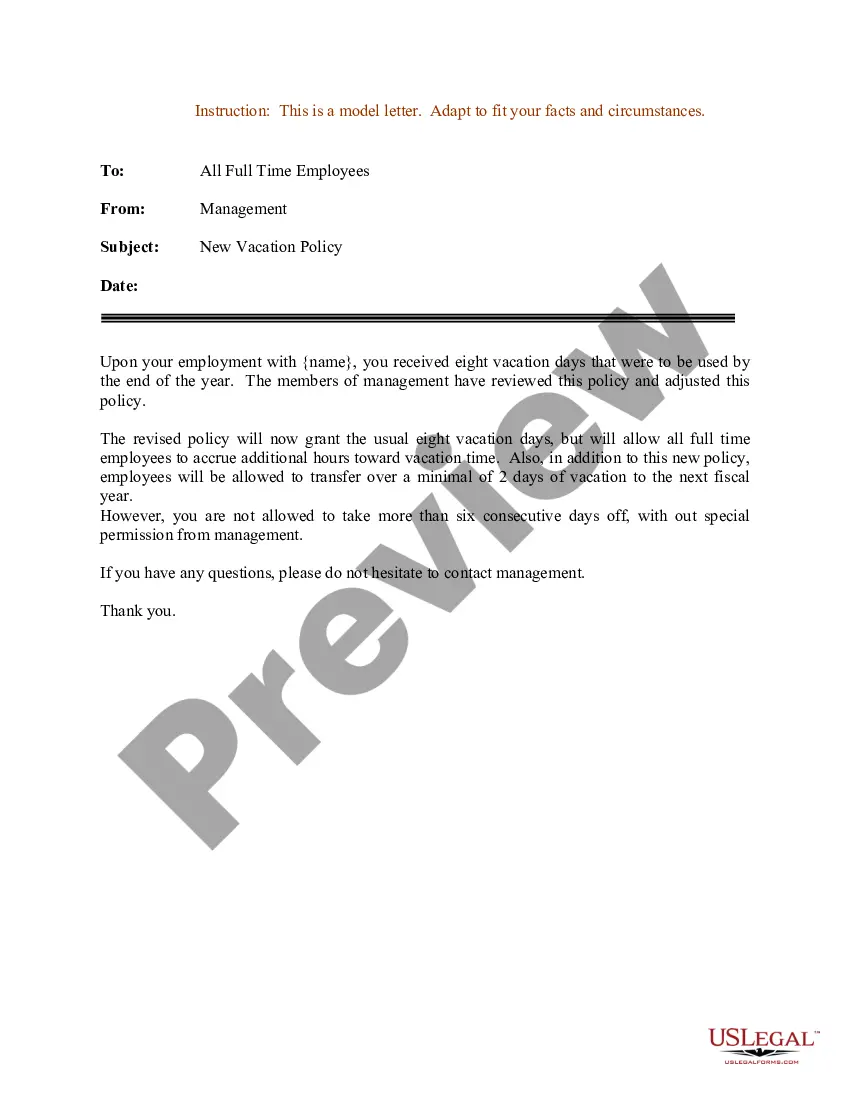
How to fill out Sample Letter For Demand - Reimbursement Of Accrued Vacation After Termination?
The Earned Leave Compensation Within 2.5 Months displayed on this page is a versatile legal template crafted by experienced attorneys following federal and local regulations.
For over 25 years, US Legal Forms has offered individuals, entities, and legal practitioners access to more than 85,000 validated, state-specific documents for any business and personal needs. It’s the fastest, easiest, and most reliable method to secure the paperwork you require, as the service ensures bank-level data protection and anti-malware security.
Register with US Legal Forms to have authenticated legal templates available for every life circumstance.
- Search for the document you require and examine it.
- Browse through the sample you found and preview it or review the form description to confirm it suits your needs. If it doesn't, use the search function to locate the correct one. Click Buy Now when you have identified the template you need.
- Choose and Log In to your subscription.
- Select the pricing plan that best fits you and create an account. Make a swift payment using PayPal or a credit card. If you already possess an account, Log In and verify your subscription to continue.
- Obtain the editable template.
- Select the format you desire for your Earned Leave Compensation Within 2.5 Months (PDF, DOCX, RTF) and save the document on your device.
- Complete and sign the document.
- Print the template for manual completion. Alternatively, use an online multifunctional PDF editor to easily and accurately fill out and sign your form with a legally-binding electronic signature.
- Redownload your documentation as needed.
- Utilize the same document again whenever necessary. Access the My documents tab in your profile to redownload any previously purchased forms.
Form popularity
FAQ
The 2.5 month rule for accruals generally refers to the timeframe in which employees can expect to access their accrued vacation time. This rule ensures that you have received a reasonable amount of earned time off, which typically amounts to a week of vacation after around 2.5 months of work. Knowing this can help you manage your work-life balance more effectively. If you find your company’s policies confusing, platforms like US Legal Forms can provide clarity.
In general, personal vacation expenses are not tax-deductible. However, if the vacation is related to business activities, certain costs may be deductible. Always consult with a tax professional to explore opportunities related to business travel and to ensure your accrued vacation policies align with IRS guidelines.
The 12-month rule governs how vacation hours can accumulate and be used within a calendar year. Under this rule, employees must use accrued vacation within a year or risk losing it. This emphasizes the importance of planning and scheduling time off, ensuring that employees enjoy their well-earned breaks while adhering to company policies.
To calculate vacation accrual per month, take the total annual vacation hours and divide it by twelve. For example, if you earn 120 hours of vacation a year, you accrue 10 hours each month. Understanding how vacation accrues monthly helps employees anticipate their available time off and aids in planning vacations without the worry of lost benefits.
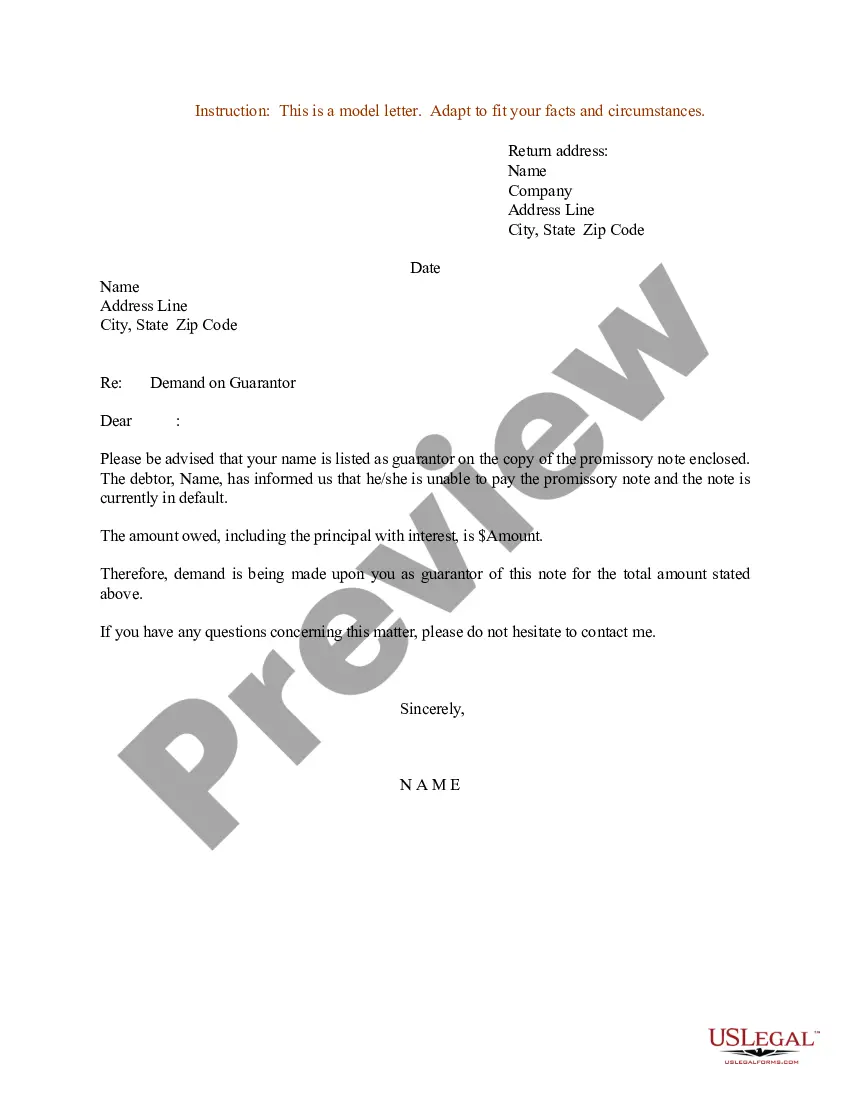
Types of Promissory Notes Simple Promissory Note. ... Student Loan Promissory Note. ... Real Estate Promissory Note. ... Personal Loan Promissory Notes. ... Car Promissory Note. ... Commercial Promissory note. ... Investment Promissory Note. ... Installment Payments.
A promissory note typically contains all the terms involved, such as the principal debt amount, interest rate, maturity date, payment schedule, the date and place of issuance, and the issuer's signature.
A promissory note could become invalid if: It isn't signed by both parties. The note violates laws. One party tries to change the terms of the agreement without notifying the other party.
Although it's a legal document, writing a promissory note doesn't have to be difficult. There are even websites online that offer fill-in-the-blank templates, like eForms or .
Promissory notes are quite simple and can be prepared by anyone. They do not need to be prepared by a lawyer or be notarized. It isn't even particularly significant whether a promissory note is handwritten or typed and printed.
A promissory note typically contains all the terms pertaining to the indebtedness, such as the principal amount, interest rate, maturity date, date and place of issuance, and issuer's signature.