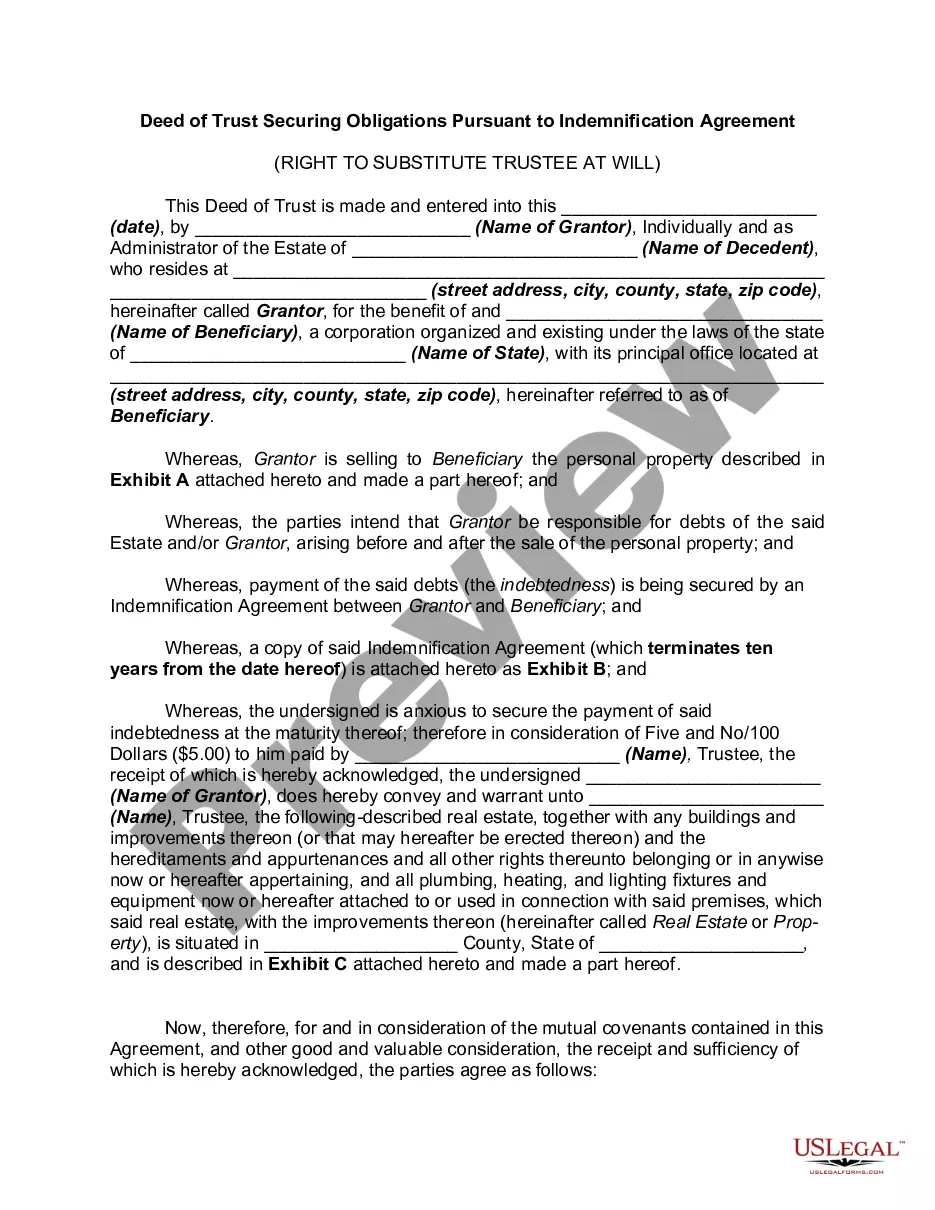
Deed Trust Agreement With Land Registry
Description
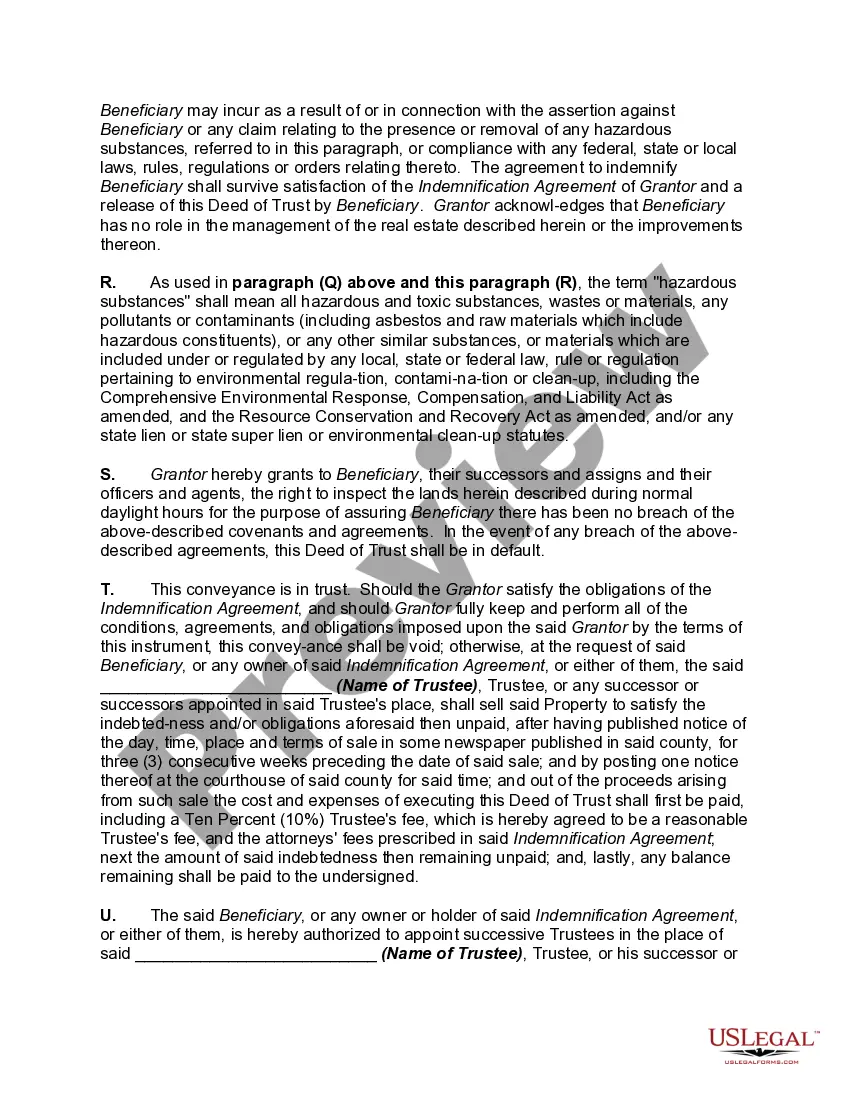
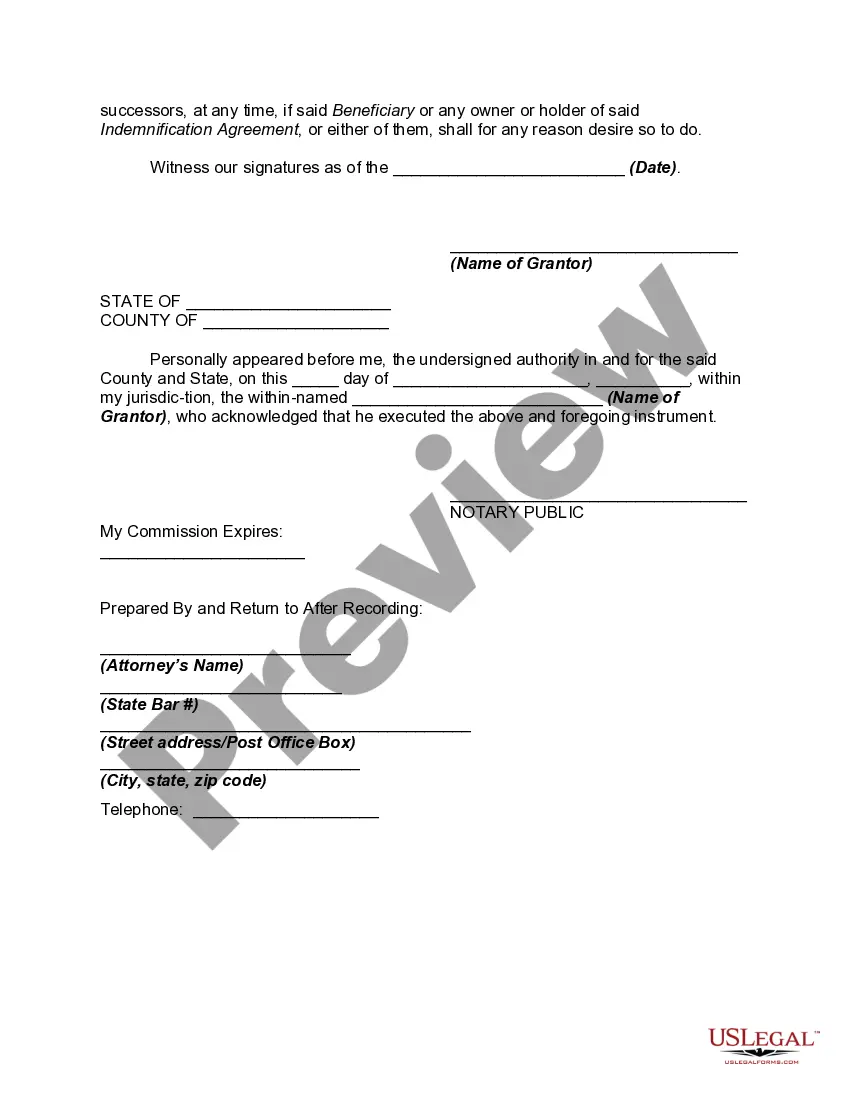
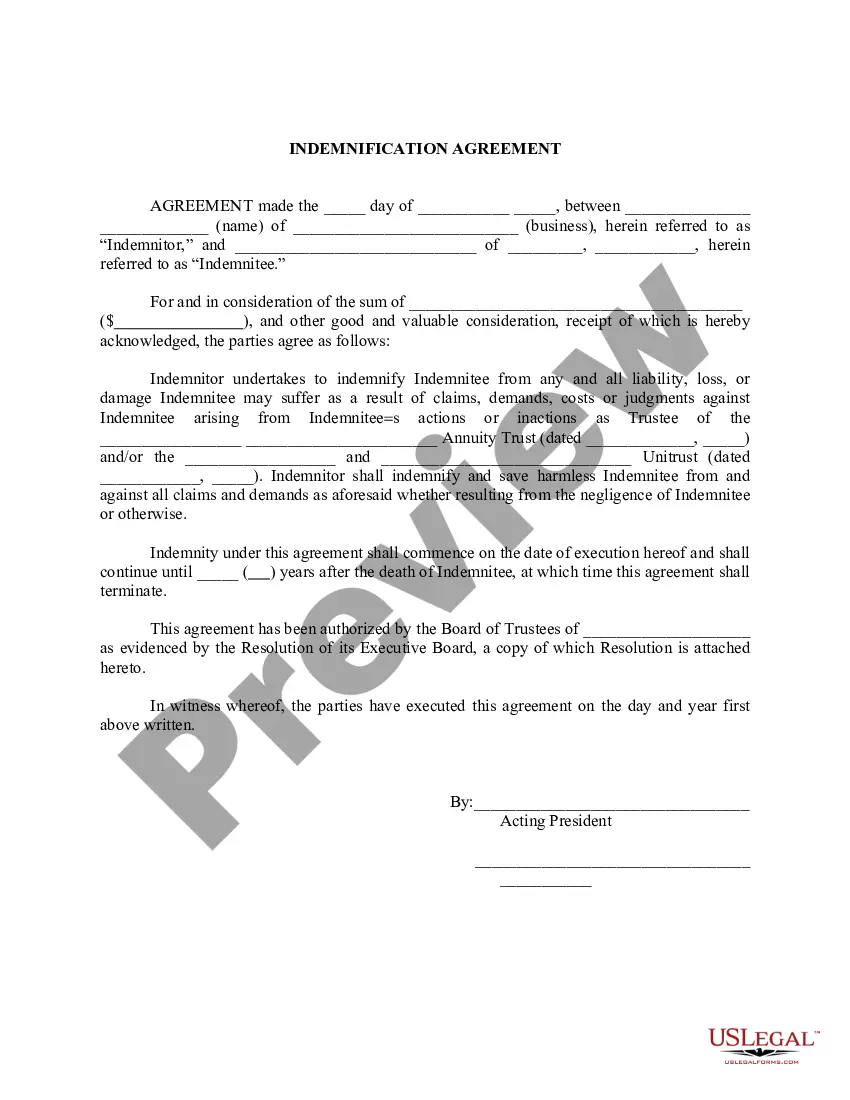
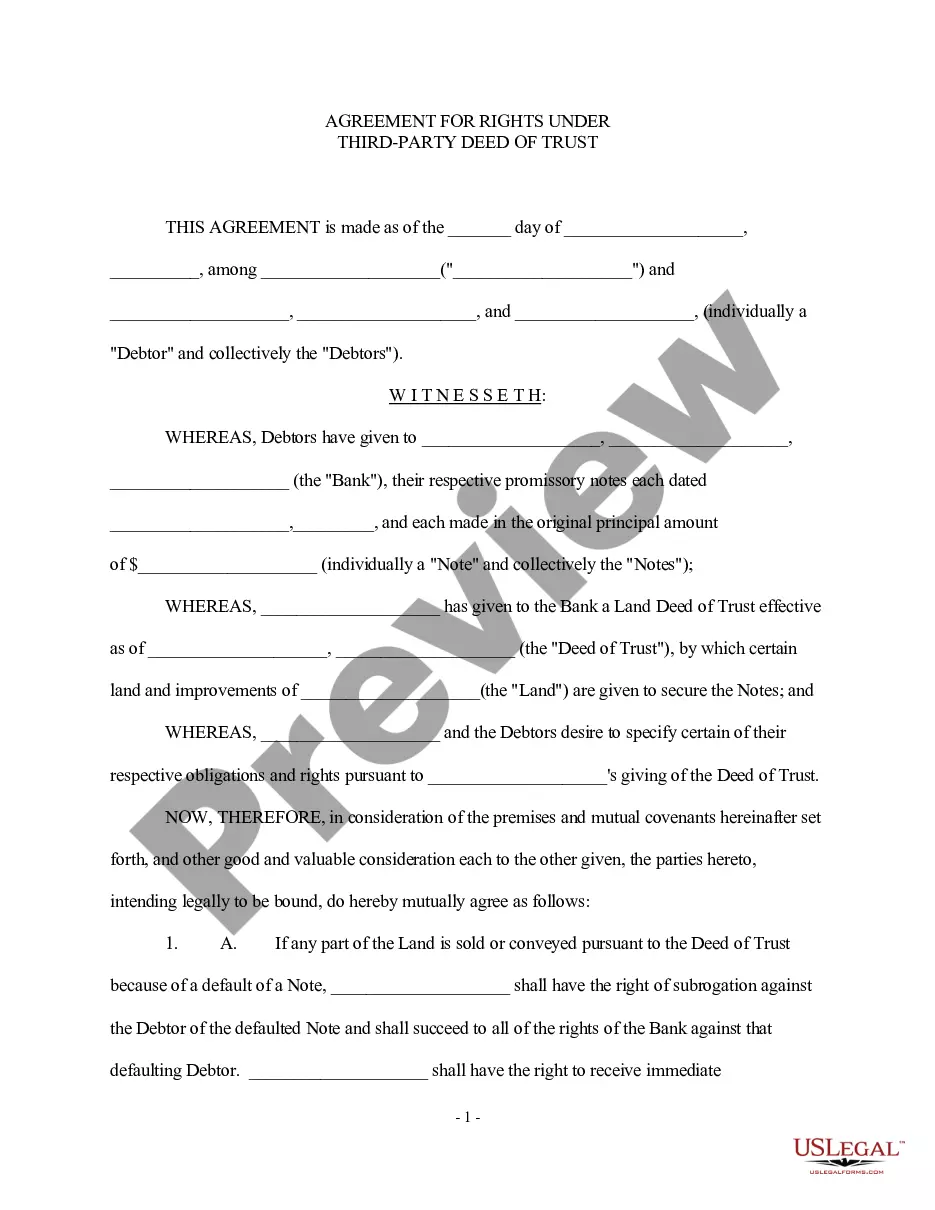
Get your form ready online
Our built-in tools help you complete, sign, share, and store your documents in one place.
Make edits, fill in missing information, and update formatting in US Legal Forms—just like you would in MS Word.
Download a copy, print it, send it by email, or mail it via USPS—whatever works best for your next step.
Sign and collect signatures with our SignNow integration. Send to multiple recipients, set reminders, and more. Go Premium to unlock E-Sign.
If this form requires notarization, complete it online through a secure video call—no need to meet a notary in person or wait for an appointment.
We protect your documents and personal data by following strict security and privacy standards.

Make edits, fill in missing information, and update formatting in US Legal Forms—just like you would in MS Word.

Download a copy, print it, send it by email, or mail it via USPS—whatever works best for your next step.

Sign and collect signatures with our SignNow integration. Send to multiple recipients, set reminders, and more. Go Premium to unlock E-Sign.

If this form requires notarization, complete it online through a secure video call—no need to meet a notary in person or wait for an appointment.

We protect your documents and personal data by following strict security and privacy standards.
Looking for another form?









How to fill out Deed Of Trust Securing Obligations Pursuant To Indemnification Agreement?
When it's necessary to file Deed Trust Agreement With Land Registry that adheres to your local state's laws and regulations, there can be countless alternatives to consider.
There's no need to review every form to ensure it meets all the legal requirements if you're a US Legal Forms subscriber.
It is a reliable service that can assist you in obtaining a reusable and current template on any subject.
Utilize the Preview mode and review the form description if it’s available.
- US Legal Forms constitutes the most extensive online library with a repository of over 85k ready-to-use documents for business and personal legal matters.
- All templates are validated to comply with each state's regulations.
- Therefore, when downloading Deed Trust Agreement With Land Registry from our platform, you can be confident that you possess a valid and current document.
- Obtaining the necessary template from our platform is remarkably straightforward.
- If you already possess an account, just Log In to the system, ensure your subscription is active, and save the selected file.
- In the future, you can access the My documents tab in your profile and retrieve the Deed Trust Agreement With Land Registry at any moment.
- If this is your initial experience with our website, please adhere to the guide provided below.
- Browse the recommended page and verify it aligns with your requirements.
Form popularity
FAQ
Because a deed of trust is not legally required to be registered anywhere (although it is possible to register it at the Land Registry), the underlying financing of the purchase can be kept private.
You must register your trust with HM Revenue and Customs ( HMRC ) if it becomes liable for any of the following: Capital Gains Tax. Income Tax.
A deed of trust addresses three parties: The trustor, or obliger, who is the borrower1. The trustee, who holds "bare or legal" title (usually a title company) The beneficiary, who is the lender2.
The difference between a deed and a deed of trust is the type of ownership interest each document conveys. A deed is a full ownership interest. A deed of trust is a security interest.
The inter-vivos trust must be registered with the Master in whose area of jurisdiction the greatest portion of the trust assets are situated. If more than one Master has jurisdiction over the trust assets, the Master in whose office the trust was first registered will continue to have jurisdiction.