Payment Creditors Debt Formula Example
Description
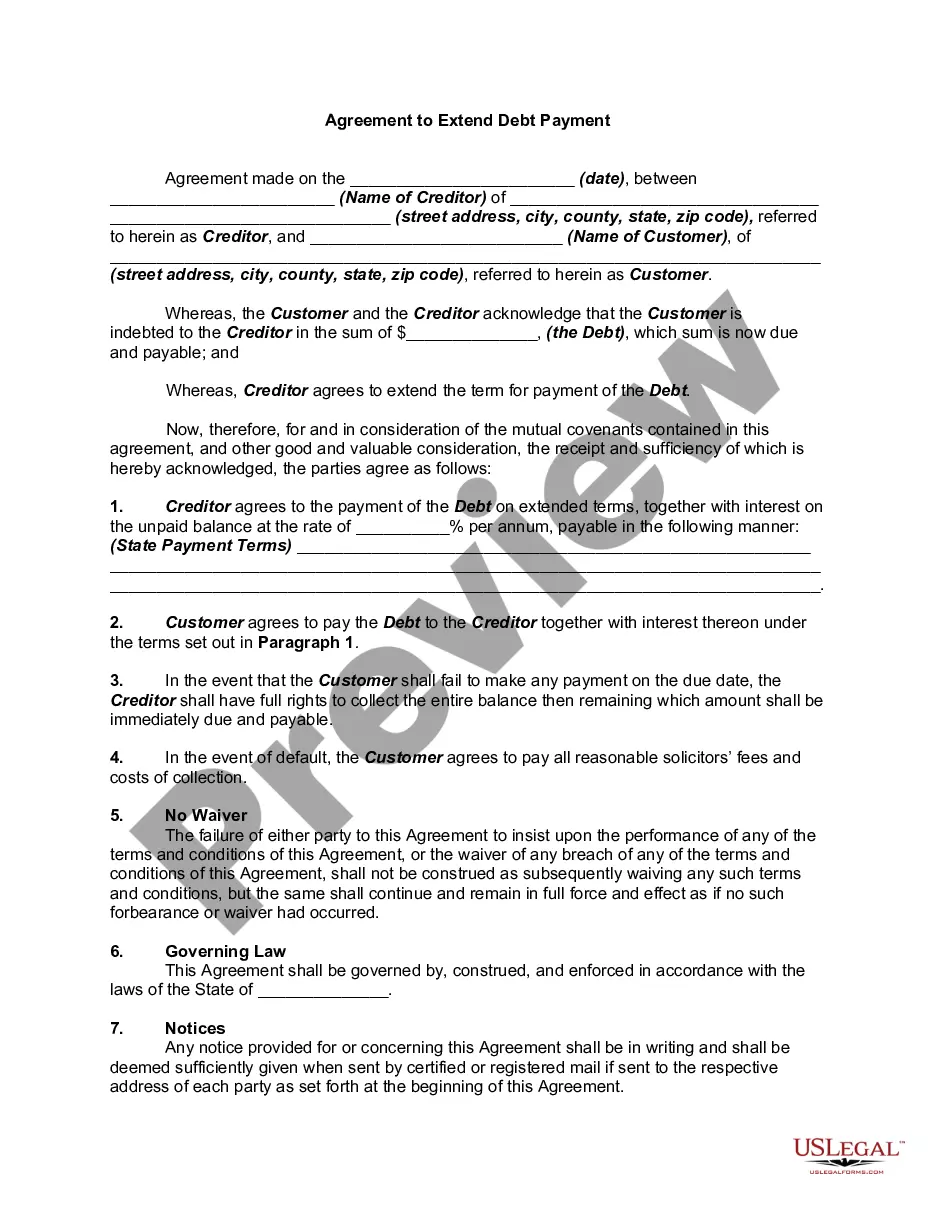
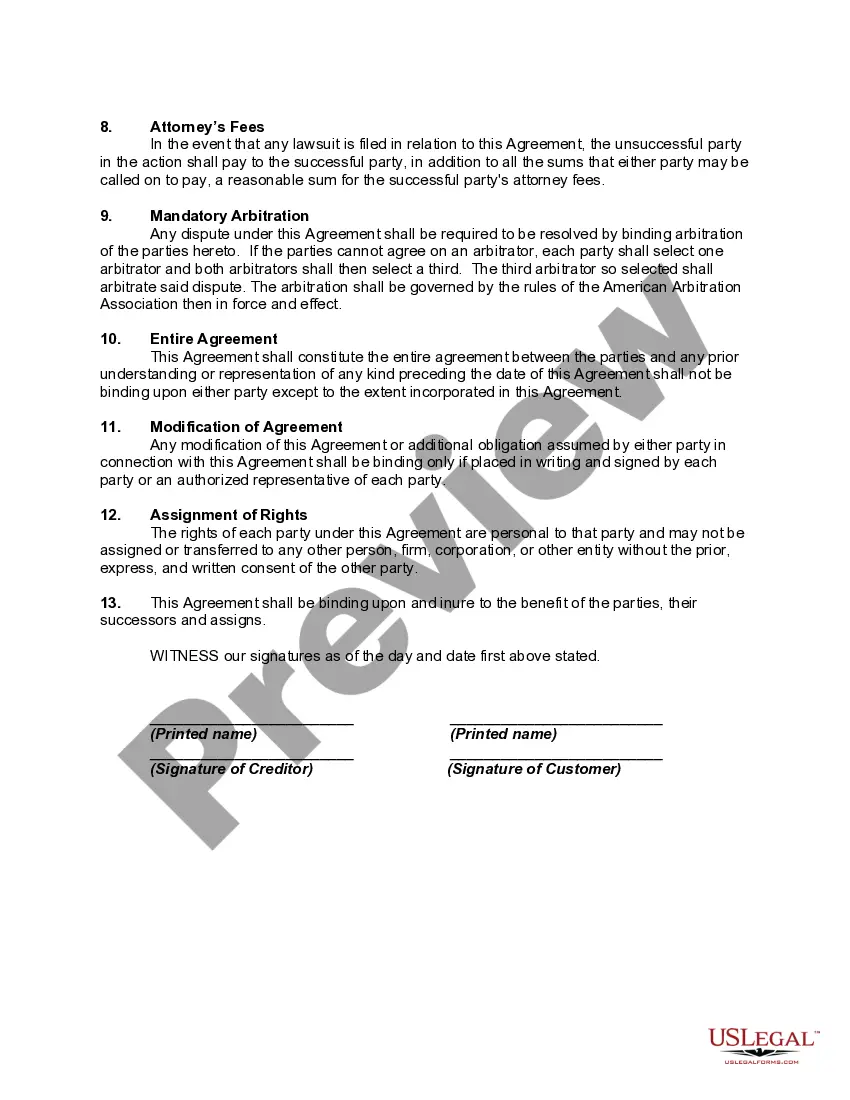
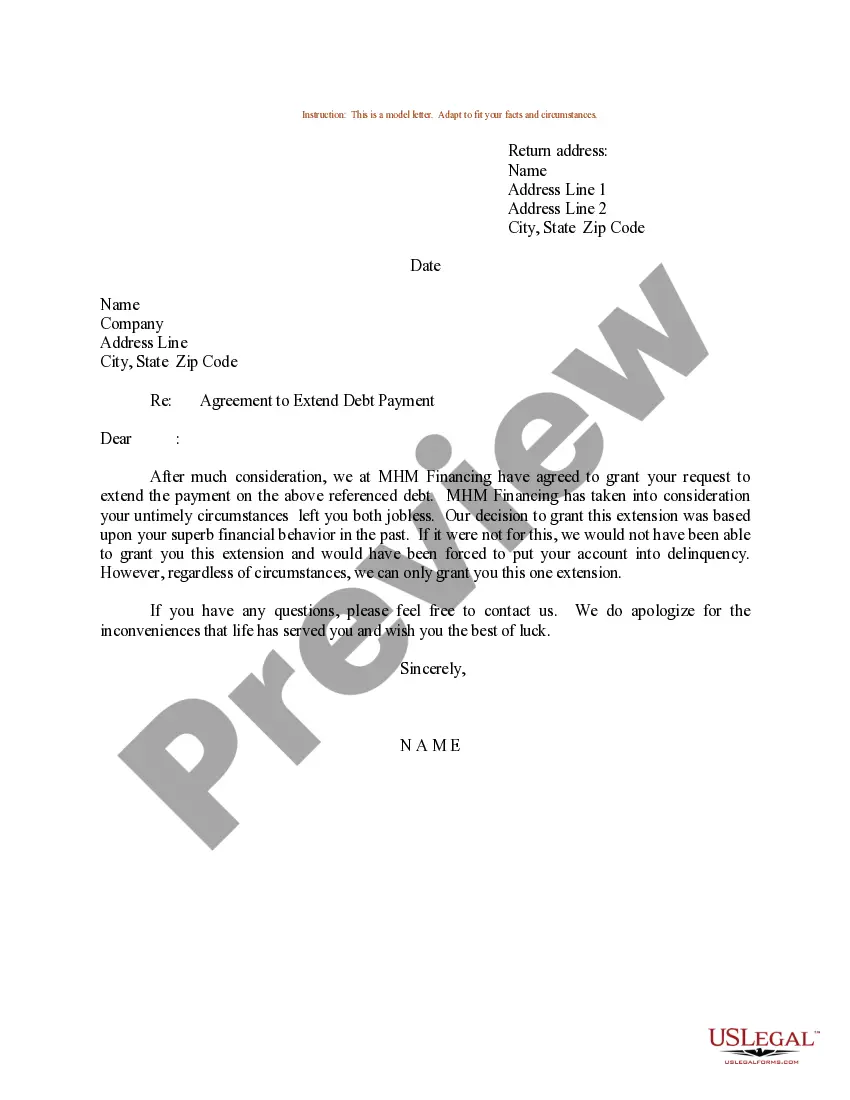
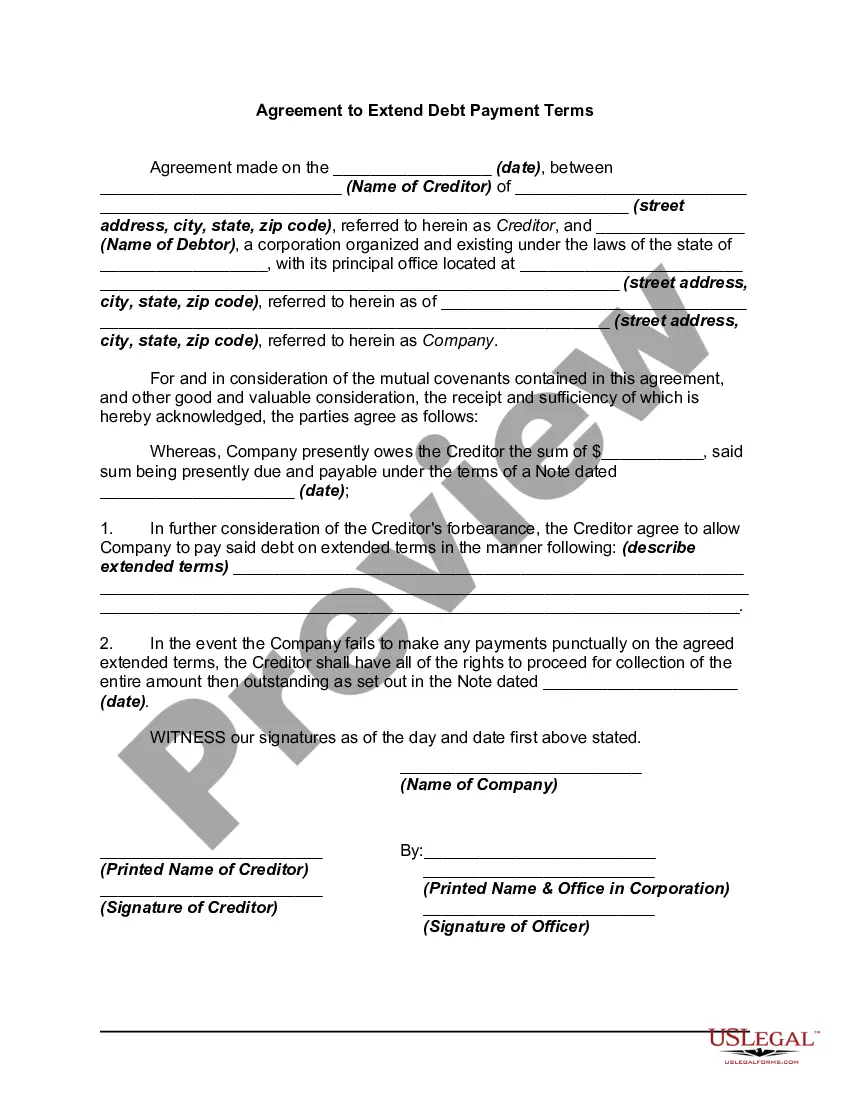

How to fill out Agreement To Extend Debt Payment?
Getting a go-to place to take the most current and appropriate legal samples is half the struggle of handling bureaucracy. Choosing the right legal papers demands precision and attention to detail, which is the reason it is important to take samples of Payment Creditors Debt Formula Example only from trustworthy sources, like US Legal Forms. An improper template will waste your time and delay the situation you are in. With US Legal Forms, you have little to be concerned about. You can access and see all the information regarding the document’s use and relevance for your circumstances and in your state or county.
Consider the listed steps to complete your Payment Creditors Debt Formula Example:
- Make use of the catalog navigation or search field to locate your sample.
- View the form’s information to check if it suits the requirements of your state and county.
- View the form preview, if available, to make sure the template is the one you are interested in.
- Return to the search and look for the appropriate template if the Payment Creditors Debt Formula Example does not match your requirements.
- If you are positive about the form’s relevance, download it.
- If you are an authorized user, click Log in to authenticate and gain access to your selected templates in My Forms.
- If you do not have an account yet, click Buy now to get the template.
- Pick the pricing plan that fits your needs.
- Go on to the registration to complete your purchase.
- Complete your purchase by choosing a payment method (bank card or PayPal).
- Pick the file format for downloading Payment Creditors Debt Formula Example.
- Once you have the form on your device, you may modify it using the editor or print it and complete it manually.
Remove the headache that accompanies your legal paperwork. Explore the comprehensive US Legal Forms collection where you can find legal samples, check their relevance to your circumstances, and download them immediately.
Form popularity
FAQ
Let's say you have 600,000$ in total assets and 150,000$ in liabilities. To calculate the debt ratio, divide the liability (150,000$ ) by the total assets (600,000$ ). This results in a debt ratio of 0.25 or 25 percent.
Add the company's short and long-term debt together to get the total debt. To find the net debt, add the amount of cash available in bank accounts and any cash equivalents that can be liquidated for cash. Then subtract the cash portion from the total debts.
To calculate net debt, we must first total all debt and total all cash and cash equivalents. Next, we subtract the total cash or liquid assets from the total debt amount. Total debt would be calculated by adding the debt amounts or $100,000 + $50,000 + $200,000 = $350,000.
You collect all your long-term debts and add their balances together. You then collect all your short-term debts and add them together too. Finally, you add together the total long-term and short-term debts to get your total debt. So, the total debt formula is: Long-term debts + short-term debts.
To calculate net debt, we must first total all debt and total all cash and cash equivalents. Next, we subtract the total cash or liquid assets from the total debt amount.