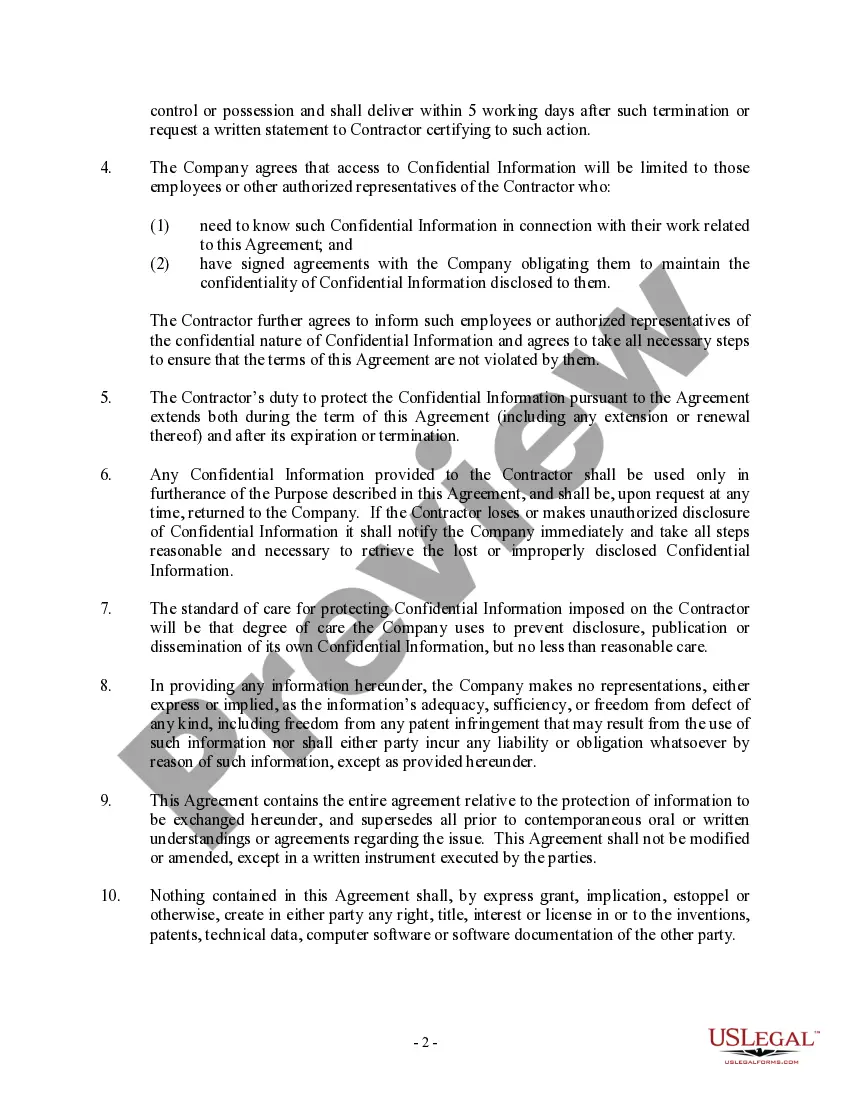
Intellectual Property Agreement For Employees
Description
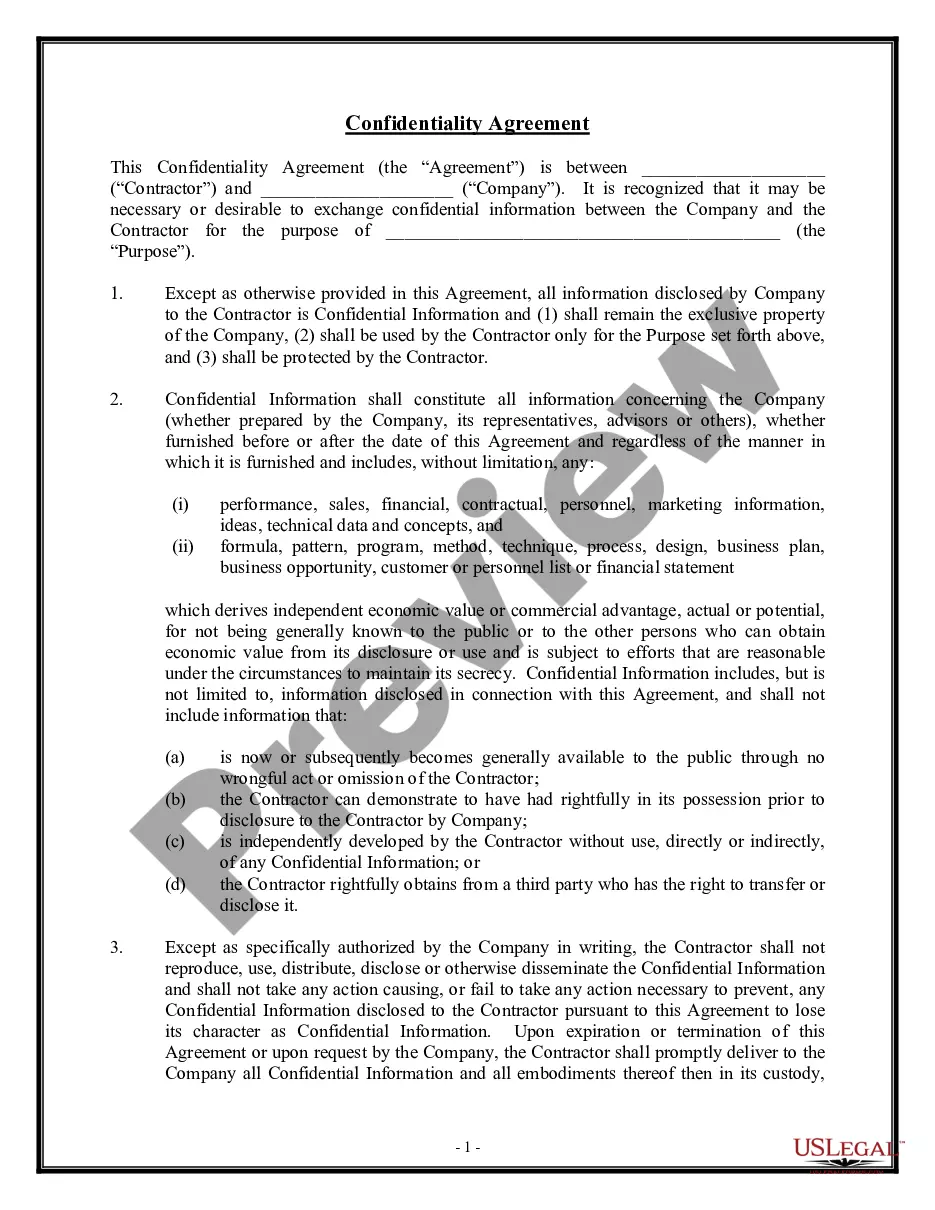
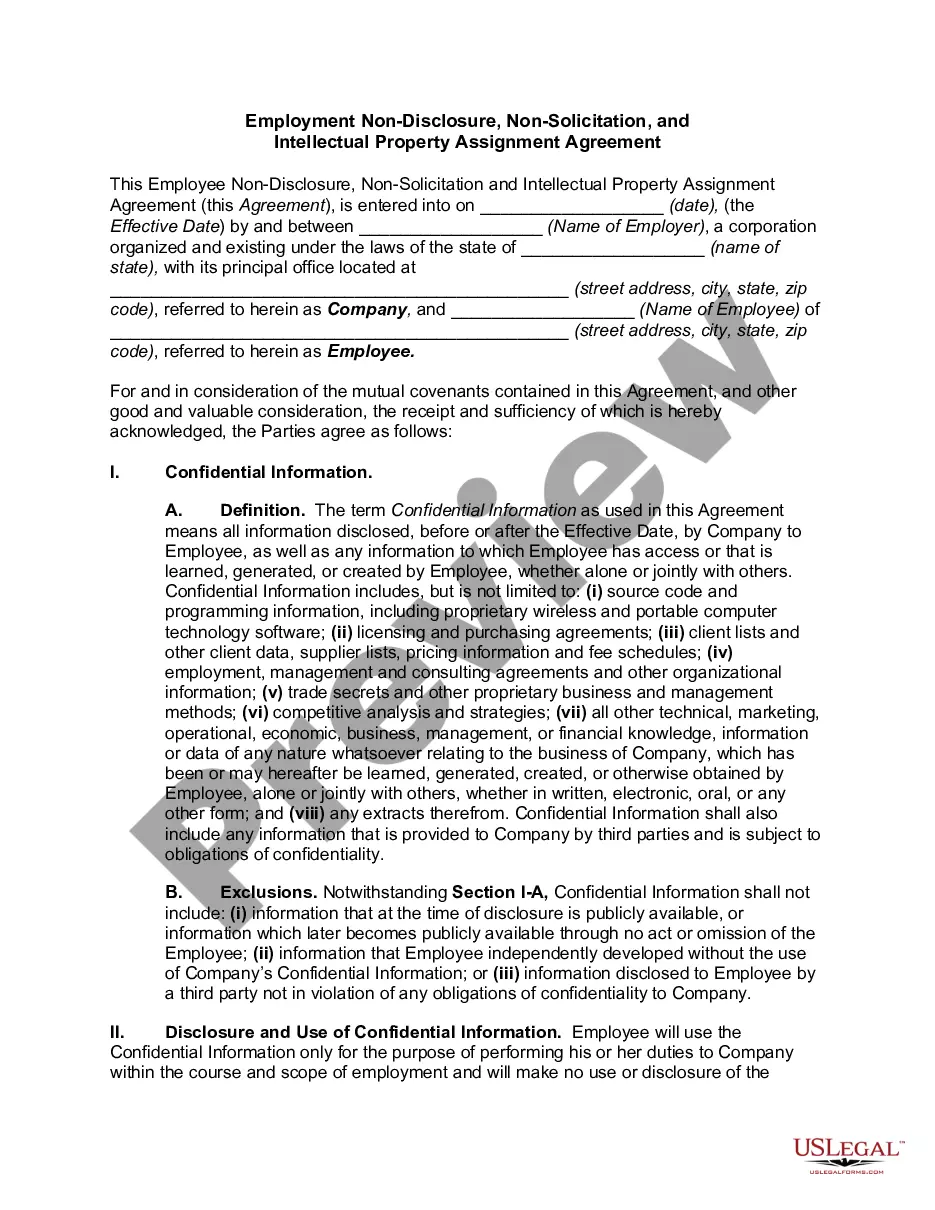
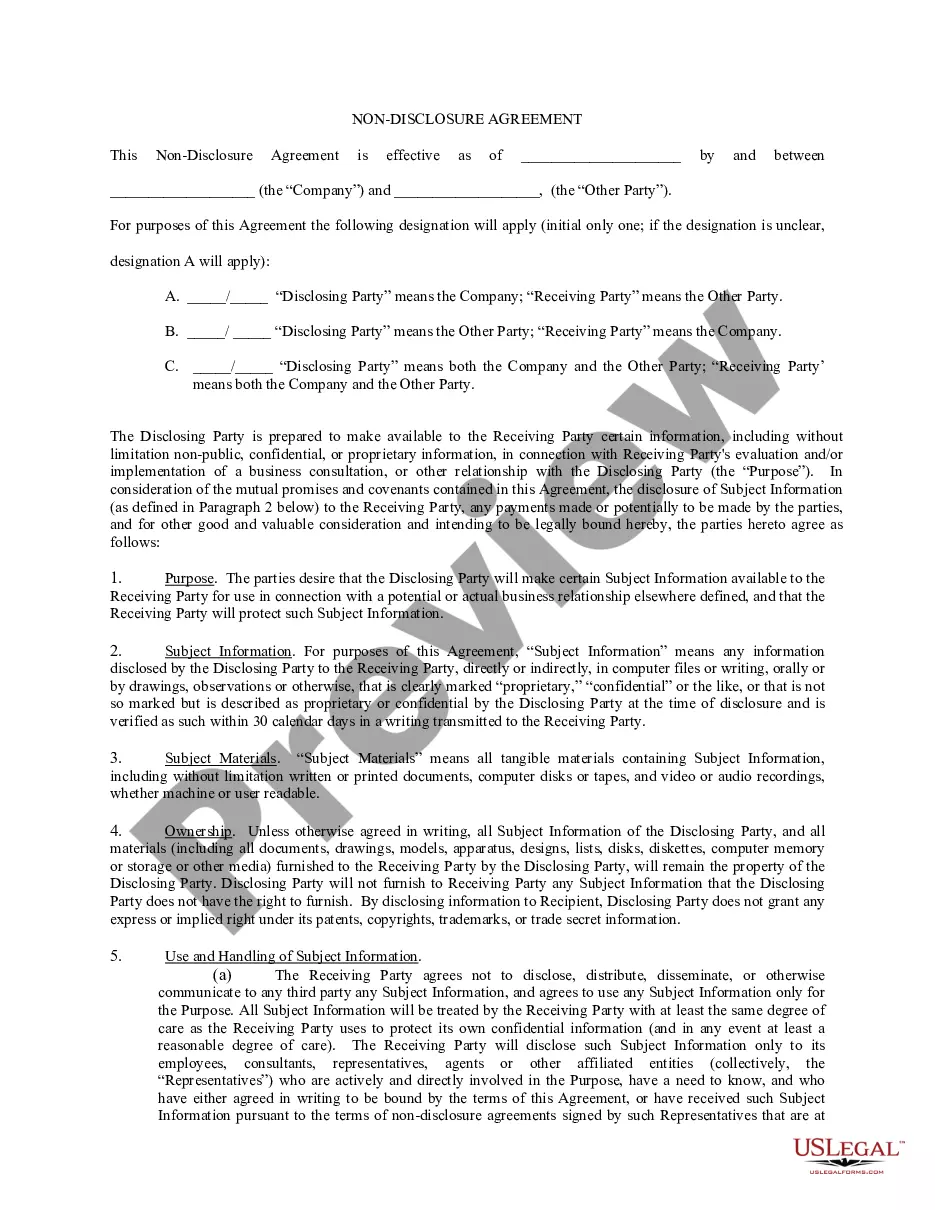
Get your form ready online
Our built-in tools help you complete, sign, share, and store your documents in one place.
Make edits, fill in missing information, and update formatting in US Legal Forms—just like you would in MS Word.
Download a copy, print it, send it by email, or mail it via USPS—whatever works best for your next step.
Sign and collect signatures with our SignNow integration. Send to multiple recipients, set reminders, and more. Go Premium to unlock E-Sign.
If this form requires notarization, complete it online through a secure video call—no need to meet a notary in person or wait for an appointment.
We protect your documents and personal data by following strict security and privacy standards.

Make edits, fill in missing information, and update formatting in US Legal Forms—just like you would in MS Word.

Download a copy, print it, send it by email, or mail it via USPS—whatever works best for your next step.

Sign and collect signatures with our SignNow integration. Send to multiple recipients, set reminders, and more. Go Premium to unlock E-Sign.

If this form requires notarization, complete it online through a secure video call—no need to meet a notary in person or wait for an appointment.

We protect your documents and personal data by following strict security and privacy standards.
Looking for another form?









How to fill out Non-Disclosure Agreement For Intellectual Property?
Which is the most reliable platform to obtain the Intellectual Property Agreement For Employees and other updated versions of legal documents.
US Legal Forms is the solution! It boasts the largest assortment of legal forms for any situation.
If you don’t already possess an account with us, follow these steps to create one.
- Every template is meticulously drafted and confirmed for adherence to federal and local laws.
- They are organized by field and jurisdiction, making it straightforward to find the one you require.
- Experienced users of the website simply need to Log In, verify their subscription status, and click the Download button next to the Intellectual Property Agreement For Employees to receive it.
- Once saved, the template is accessible for further use in the My documents section of your account.
Form popularity
FAQ
Here are five different ways to protect your intellectual property.Register copyrights, trademarks, and patents.Register business, product or domain names.Create confidentiality, non-disclosure or licensing contracts for employees and partners.Implement security measures.Avoid joint ownership.
An IP assignment agreement is an agreement that designates the ownership of intellectual property. Companies often use IP assignment agreements to secure their inventions and developments but also to transfer ownership of intellectual property as needed.
As a general rule, an employer will own the intellectual property created by its employees in the course of their employment. However, intellectual property that is created by an employee, other than in the course of employment, is owned by the employee, not the employer.
Employment relationships, intellectual property and ownership of newly developed ideas may feel like a gray area, but there are some very clear laws defining it all. Typically, employers are entitled to all intellectual property created at/for their business, unless there exists a contract stating otherwise.
Under an intellectual property licensing agreement (also known as an intellectual property license or an intellectual property license agreement), you retain ownership of your patent, copyright, or trademark, but you give another party permission to use some or all of your intellectual property rights for a specific