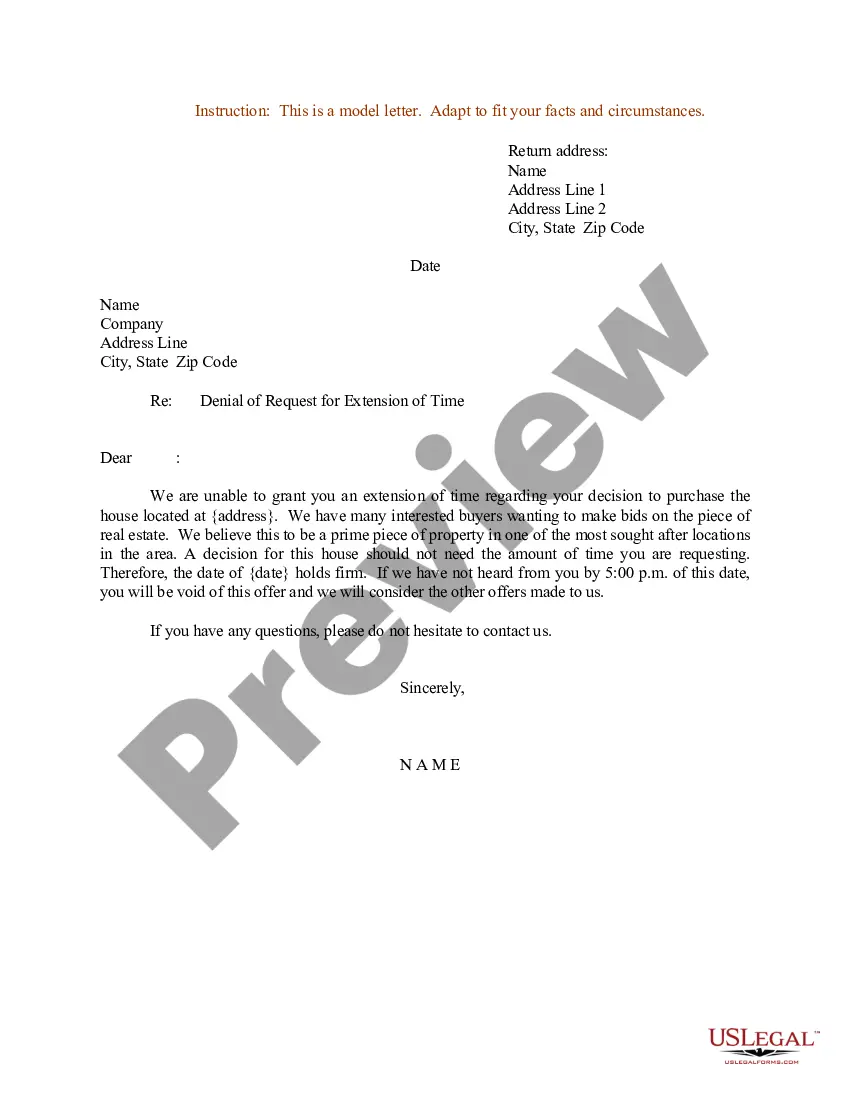
Sample Letter Of Denial Of Proposal
Description
Get your form ready online
Our built-in tools help you complete, sign, share, and store your documents in one place.
Make edits, fill in missing information, and update formatting in US Legal Forms—just like you would in MS Word.
Download a copy, print it, send it by email, or mail it via USPS—whatever works best for your next step.
Sign and collect signatures with our SignNow integration. Send to multiple recipients, set reminders, and more. Go Premium to unlock E-Sign.
If this form requires notarization, complete it online through a secure video call—no need to meet a notary in person or wait for an appointment.
We protect your documents and personal data by following strict security and privacy standards.

Make edits, fill in missing information, and update formatting in US Legal Forms—just like you would in MS Word.

Download a copy, print it, send it by email, or mail it via USPS—whatever works best for your next step.

Sign and collect signatures with our SignNow integration. Send to multiple recipients, set reminders, and more. Go Premium to unlock E-Sign.

If this form requires notarization, complete it online through a secure video call—no need to meet a notary in person or wait for an appointment.

We protect your documents and personal data by following strict security and privacy standards.
Looking for another form?
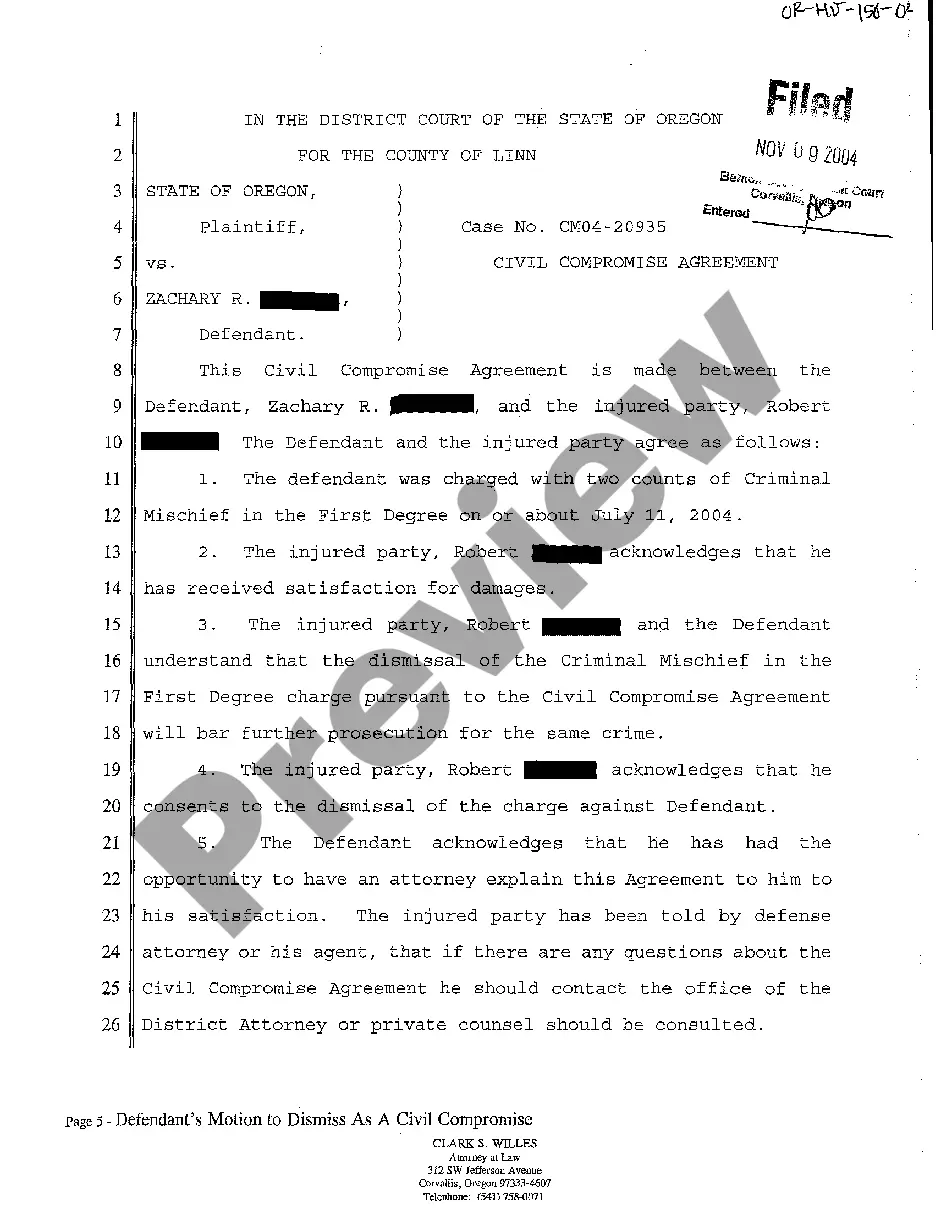
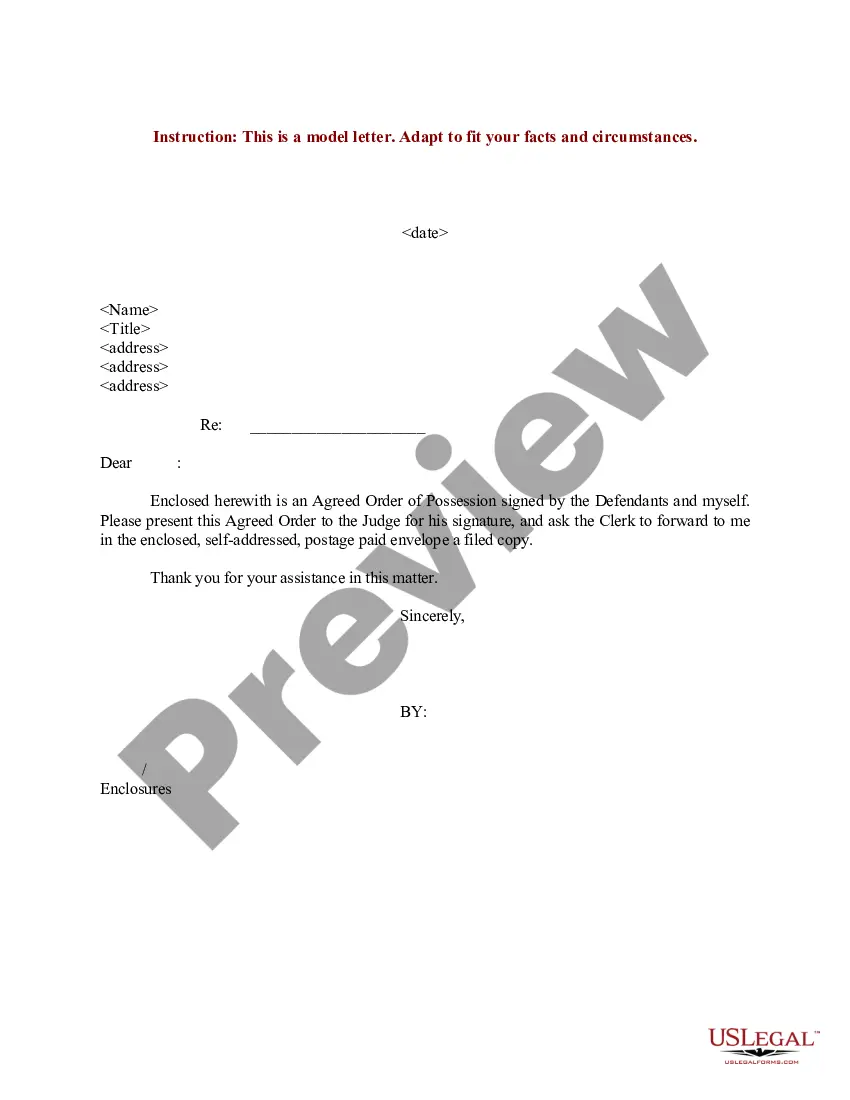
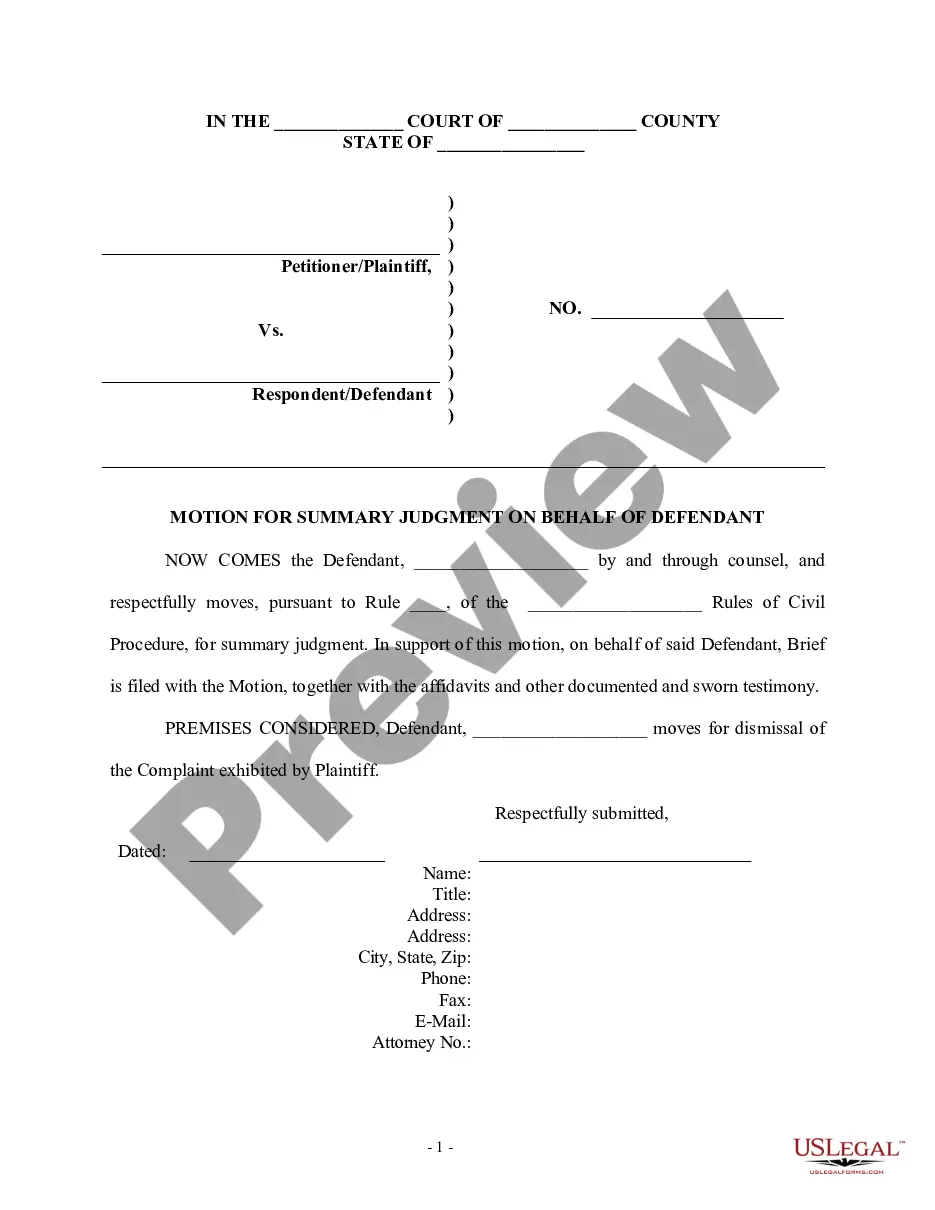
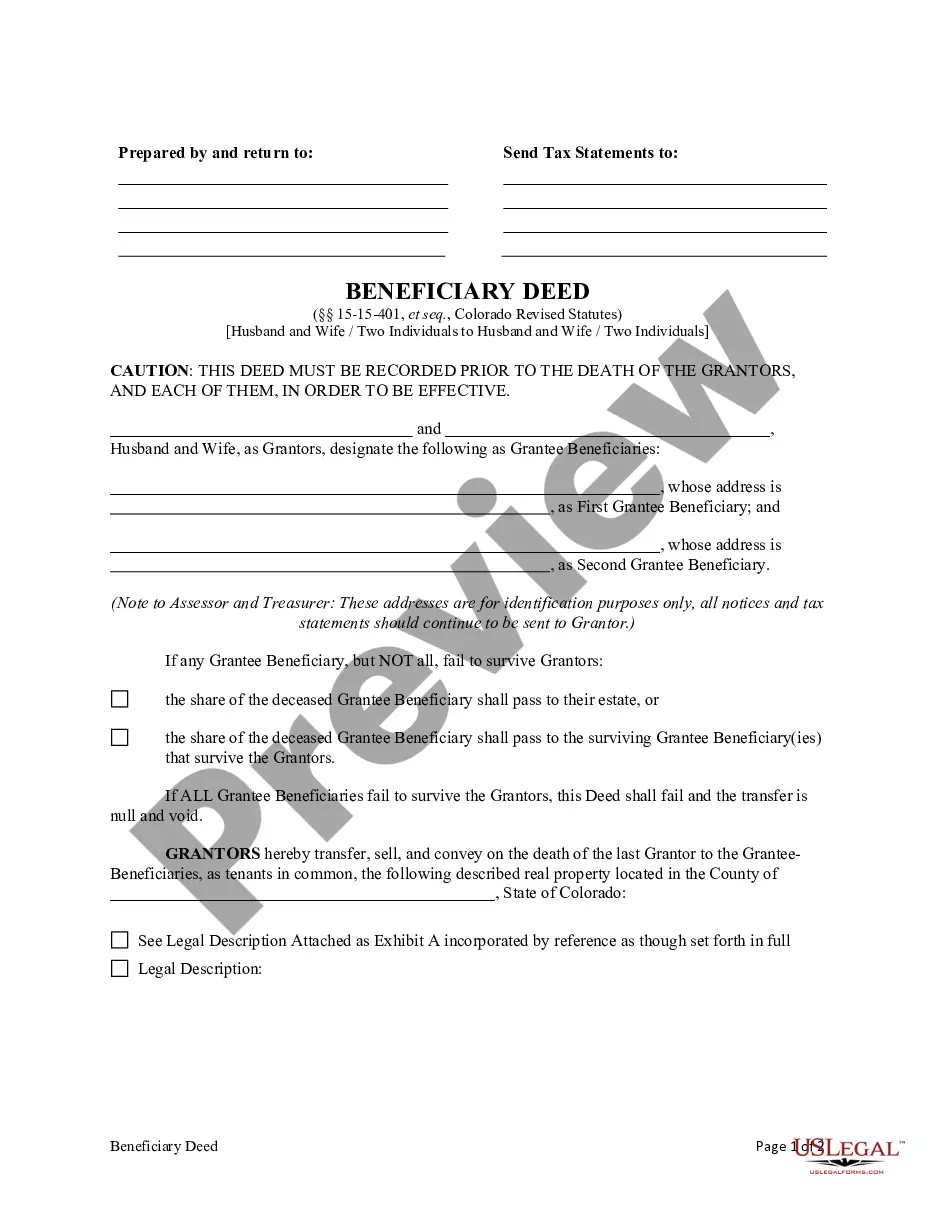
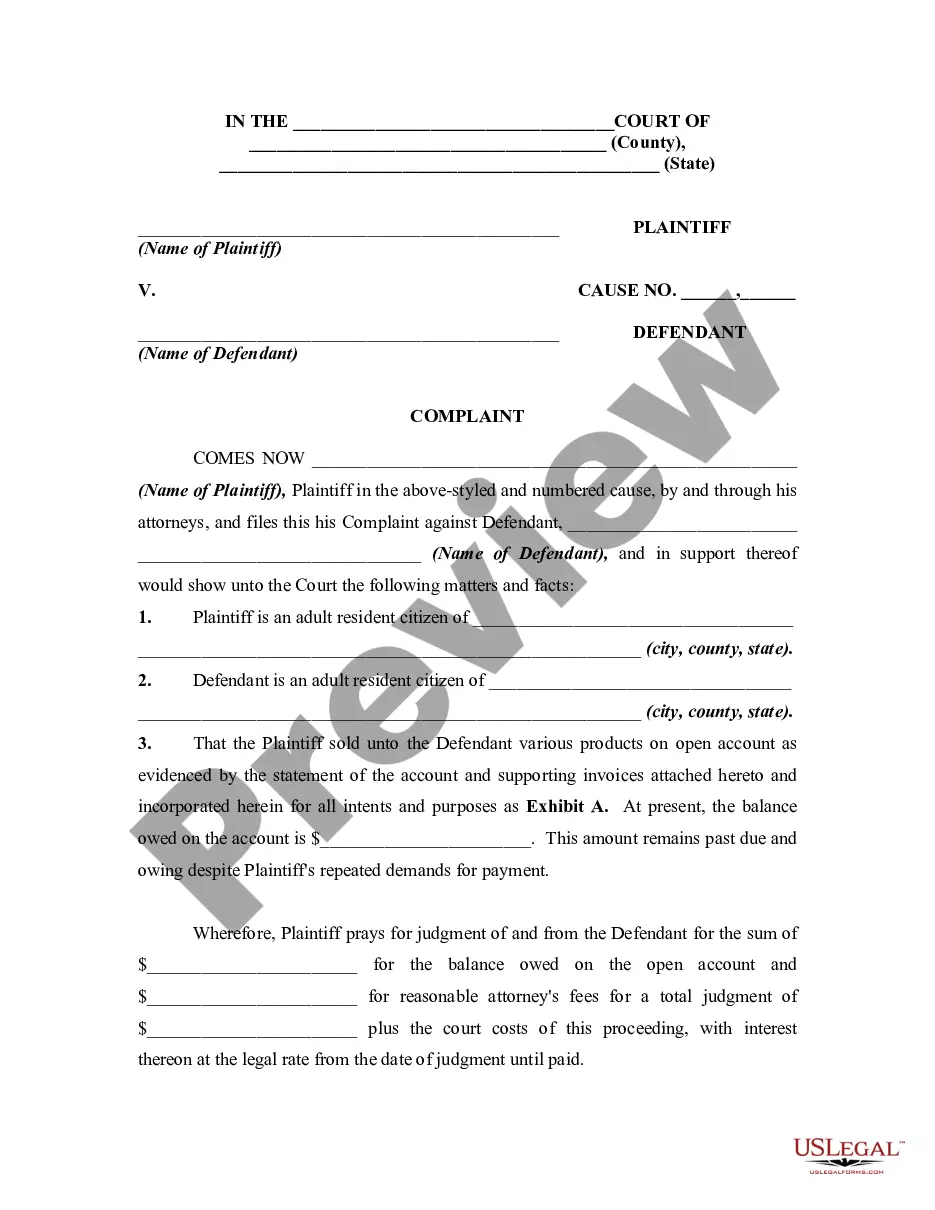
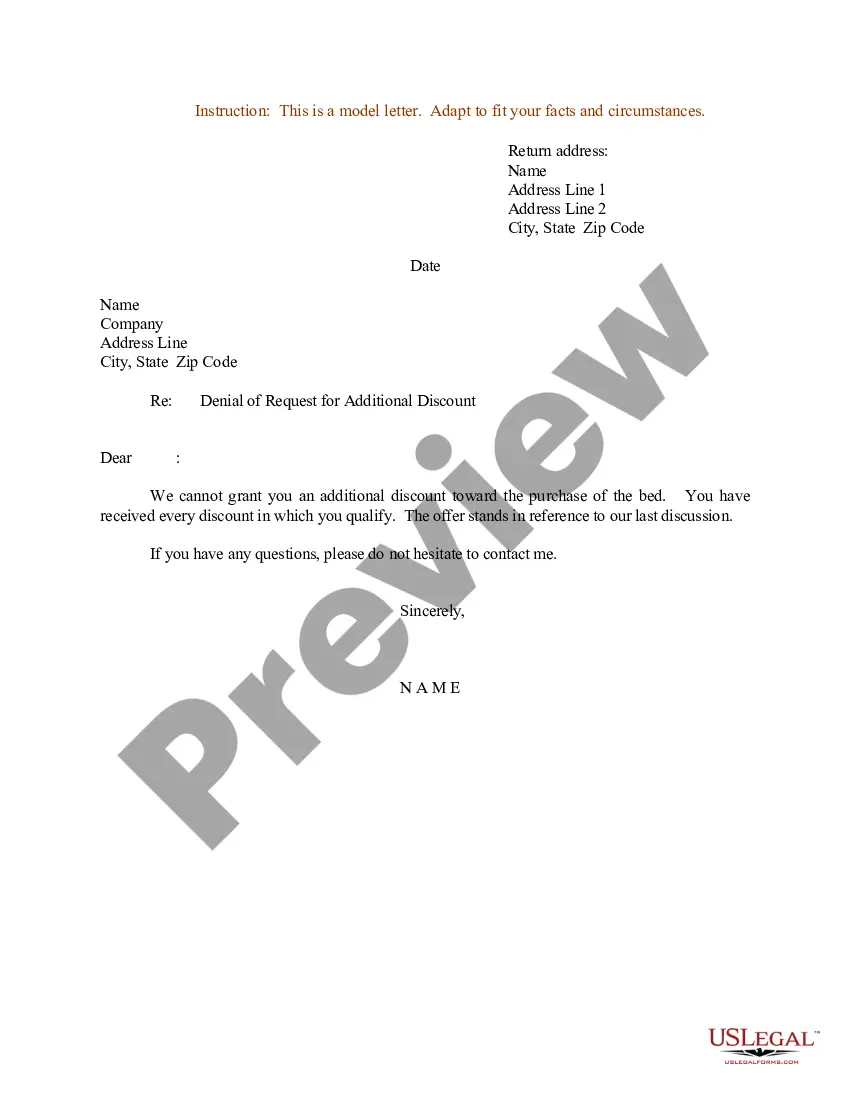
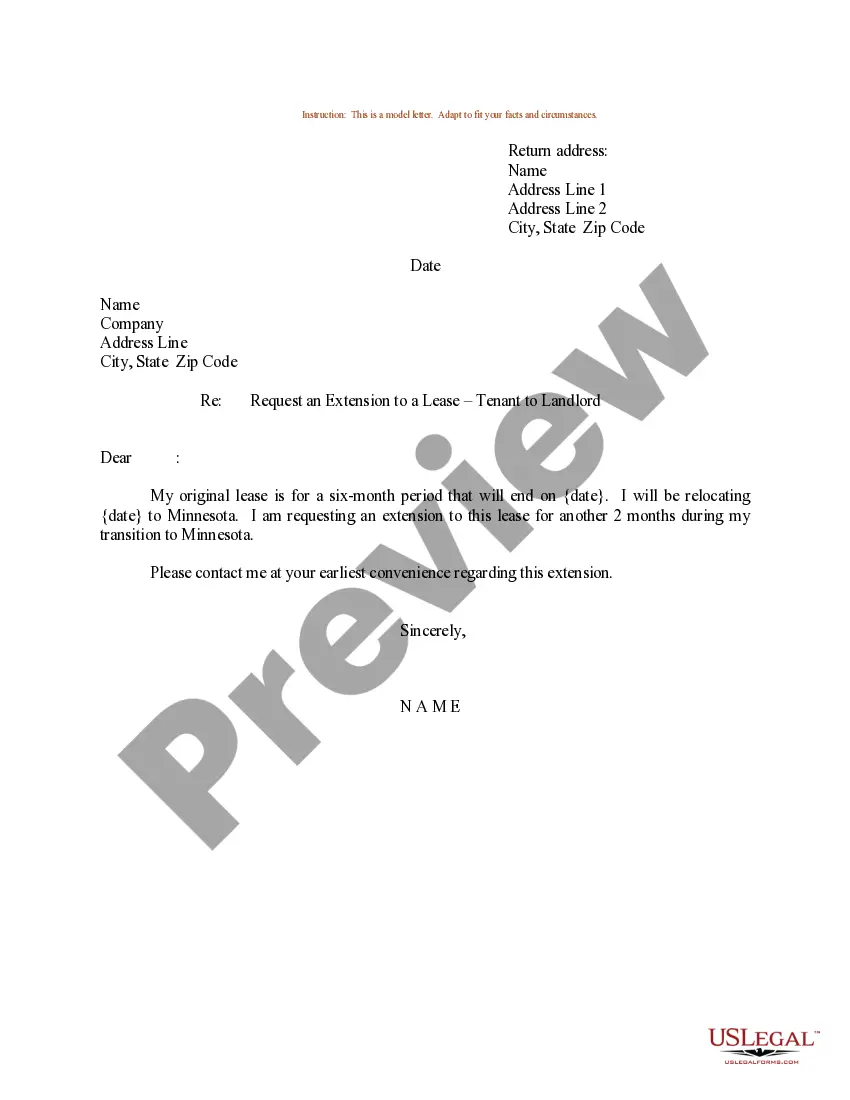
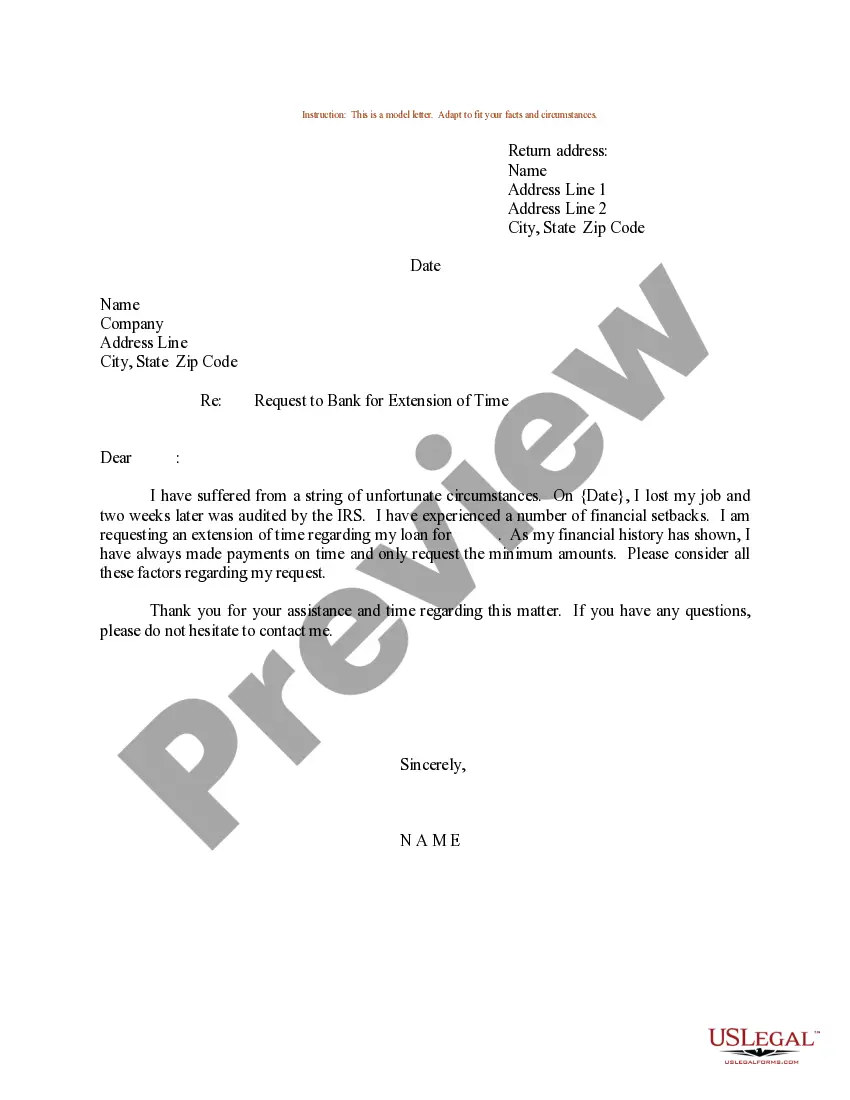
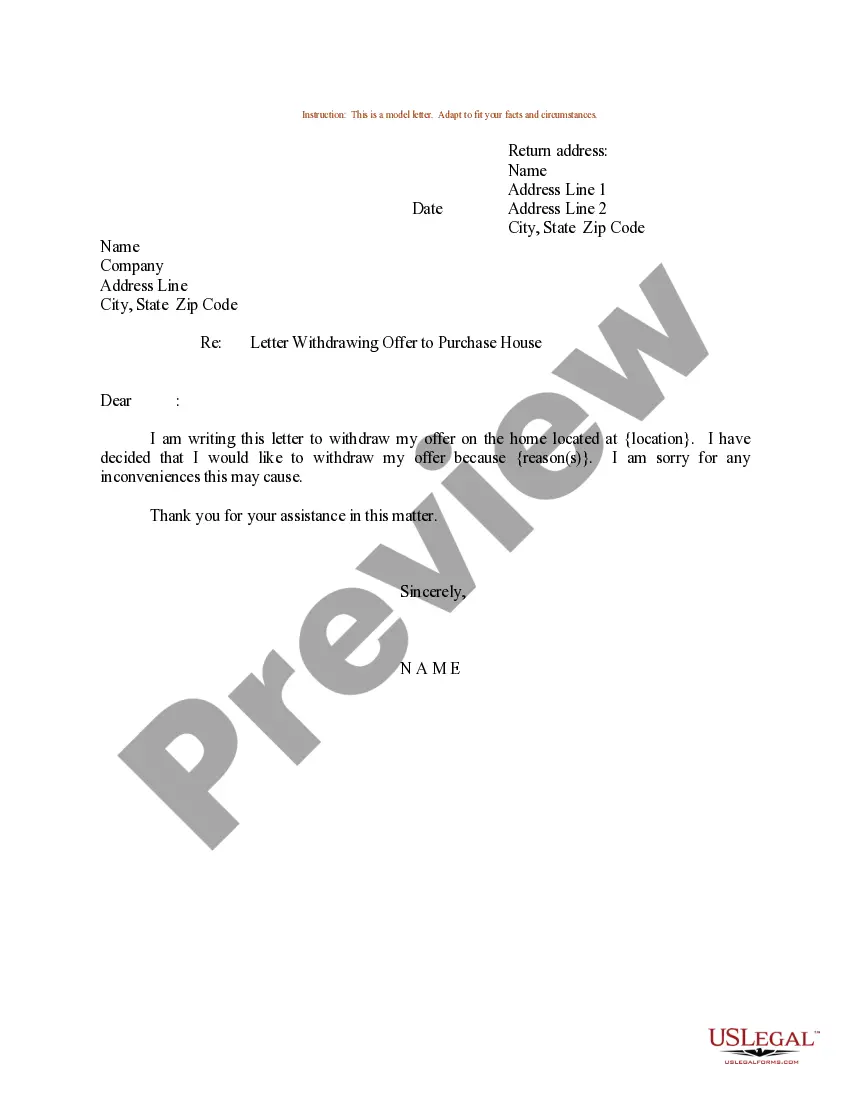
How to fill out Sample Letter For Denial Of Request For Time Extension - Purchase Of Home?
The Example Letter of Rejection of Proposal that you observe on this site is a reusable legal framework created by expert attorneys in accordance with federal and local regulations.
For over 25 years, US Legal Forms has offered individuals, companies, and legal experts more than 85,000 validated, state-specific forms for any commercial and personal situation. It’s the fastest, easiest, and most reliable method to acquire the documentation you require, as the service ensures top-notch data security and anti-malware safeguards.
Register for US Legal Forms to have authentic legal templates for all of life’s circumstances accessible.
- Search for the document you require and examine it.
- Browse through the example you inquired about and view it or review the form description to confirm it meets your requirements. If it doesn’t, use the search bar to locate the appropriate one. Click Buy Now once you have found the template you need.
- Select a subscription and Log In.
- Choose the pricing plan that fits your needs and set up an account. Use PayPal or a credit card for prompt payment. If you already possess an account, Log In and verify your subscription to proceed.
- Obtain the editable template.
- Pick the format you want for your Example Letter of Rejection of Proposal (PDF, Word, RTF) and save the sample to your device.
- Complete and sign the documents.
- Print the template to fill it out manually. Alternatively, employ an online multifunctional PDF editor to effectively and accurately complete and sign your form with a legally binding electronic signature.
- Redownload your documentation if needed.
- Utilize the same document again anytime required. Access the My documents tab in your profile to reacquire any previously bought forms.
Form popularity
FAQ
The best way to reject a proposal is to communicate your decision honestly and politely. Start with expressing gratitude for the proposal, then clearly state your decision to reject it. Providing a brief rationale can help the other party understand your choice. Utilizing a sample letter of denial of proposal can streamline this process, ensuring you communicate your message professionally and tactfully.
Writing a denial letter involves clearly stating your decision and providing a brief reason behind it. Start with a professional greeting, followed by a direct expression of denial. Ensure you maintain a polite tone, as this helps preserve relationships. A sample letter of denial of proposal can serve as a useful guide for structuring your denial effectively.
To write a rejection letter sample, begin with a clear and respectful opening. State your decision to deny the proposal, and briefly explain the reason for your decision. It’s helpful to express appreciation for the effort made in the proposal to maintain a positive tone. By using a well-crafted sample letter of denial of proposal, you can ensure your message is both professional and considerate.
To reject a proposal without hurting feelings, approach the conversation with empathy and respect. Begin by acknowledging the effort and passion put into the proposal, then gently communicate your decision. Offer constructive feedback if possible, and express hope for future collaboration. This method shows sensitivity to their feelings while ensuring clarity in your stance.
A polite rejection of a proposal can be conveyed through a sample letter that begins with a courteous greeting. Clearly express your gratitude for the submitted proposal, followed by a direct statement of denial. Provide a brief explanation for your decision, and invite future submissions if you wish. A well-crafted sample letter of denial of proposal can be very effective in maintaining professional relationships.
To reject someone nicely, prioritize kindness and clarity. Start by expressing appreciation for their interest or effort. Clearly communicate your decision without over-explaining, and offer encouragement or compliments where appropriate. This thoughtful approach softens the impact of your rejection and demonstrates respect for their feelings.
In response to a rejection letter, thank the sender for their consideration. Acknowledge their decision and ask for feedback if appropriate, as this can help improve future proposals. Additionally, express your desire to collaborate in the future, leaving the door open for future opportunities. By remaining professional and gracious, you maintain a positive relationship.
When politely rejecting a proposal, begin by acknowledging the effort put into it. Use a respectful tone, clearly state your decision, and provide reasons for your rejection. You can offer encouragement for future proposals and express gratitude for the opportunity to review the submission. This approach helps maintain goodwill between you and the proposer.
To write a professional denial letter, start with a clear and concise greeting. Clearly state the purpose of your letter, addressing the proposal directly. Express appreciation for the proposal and mention any specific reasons for the denial. You may also include an invitation for future submissions if applicable, making sure to end on a positive note.
When drafting a formal refusal letter, ensure you begin with a formal greeting and state your intent clearly. Be polite and express gratitude for the opportunity or proposal presented. It’s effective to cite any specific reasons for your decision, without going into detail, to keep the tone respectful. Using a sample letter of denial of proposal can provide you with a reliable format and language to enhance your communication.