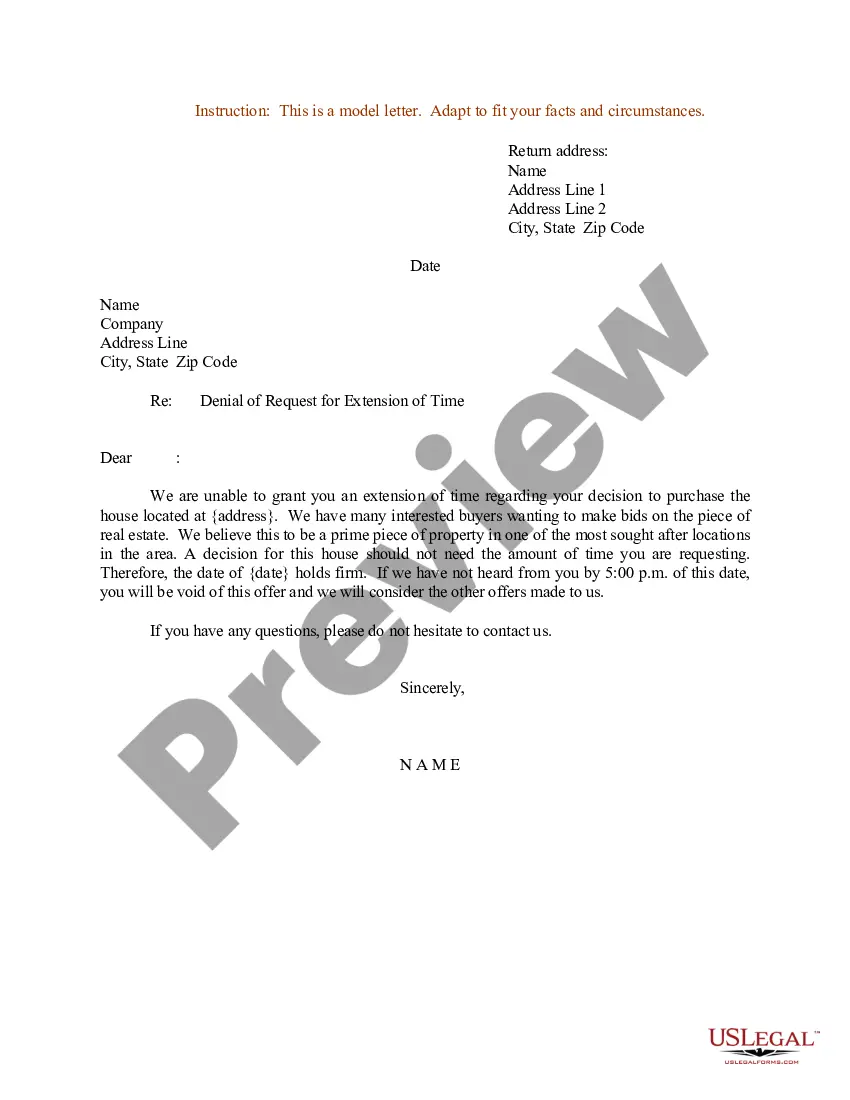
Sample Letter For Denial Of Benefits
Description
Get your form ready online
Our built-in tools help you complete, sign, share, and store your documents in one place.
Make edits, fill in missing information, and update formatting in US Legal Forms—just like you would in MS Word.
Download a copy, print it, send it by email, or mail it via USPS—whatever works best for your next step.
Sign and collect signatures with our SignNow integration. Send to multiple recipients, set reminders, and more. Go Premium to unlock E-Sign.
If this form requires notarization, complete it online through a secure video call—no need to meet a notary in person or wait for an appointment.
We protect your documents and personal data by following strict security and privacy standards.

Make edits, fill in missing information, and update formatting in US Legal Forms—just like you would in MS Word.

Download a copy, print it, send it by email, or mail it via USPS—whatever works best for your next step.

Sign and collect signatures with our SignNow integration. Send to multiple recipients, set reminders, and more. Go Premium to unlock E-Sign.

If this form requires notarization, complete it online through a secure video call—no need to meet a notary in person or wait for an appointment.

We protect your documents and personal data by following strict security and privacy standards.
Looking for another form?

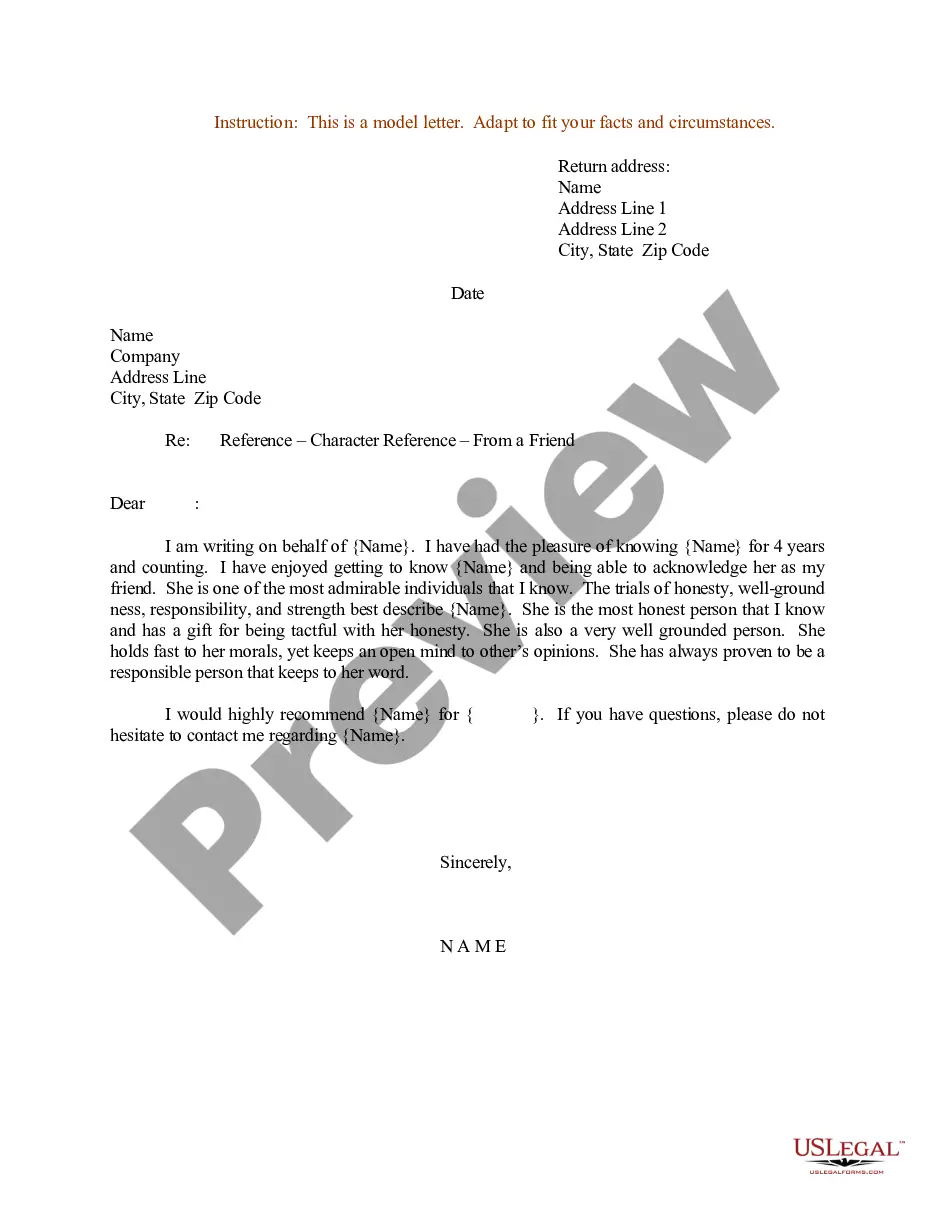
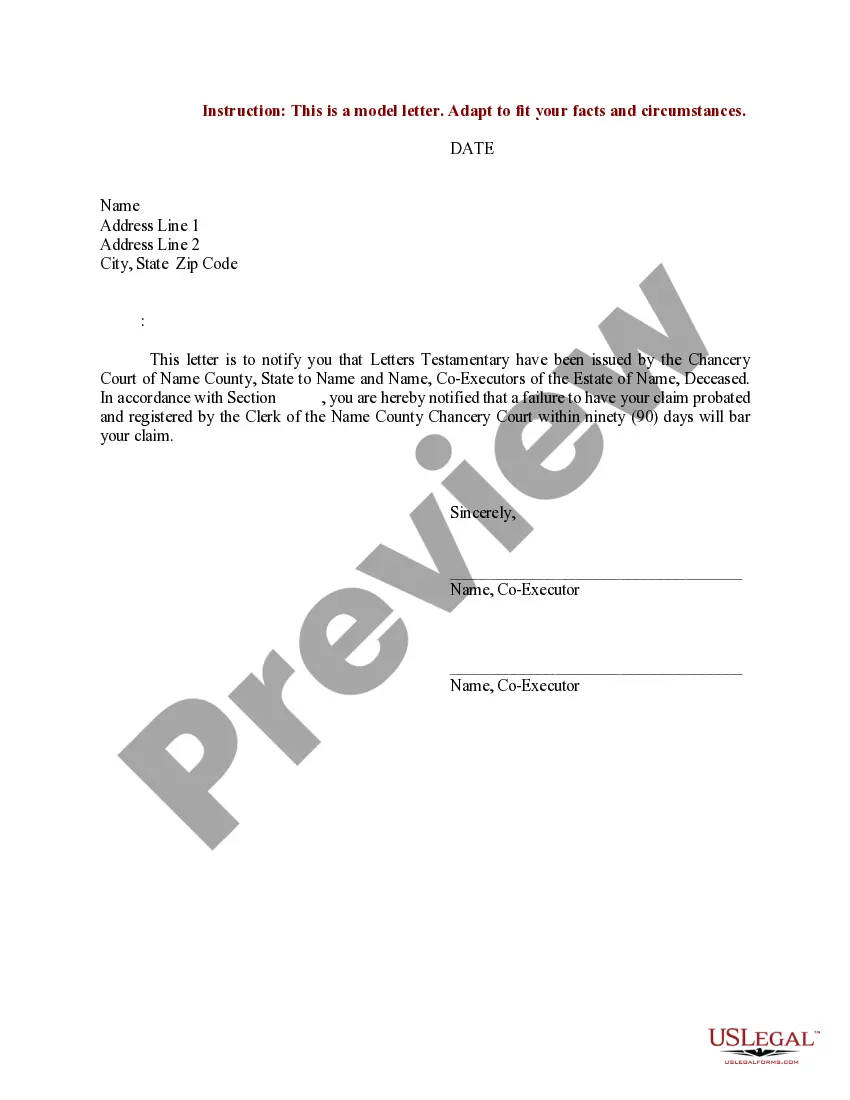
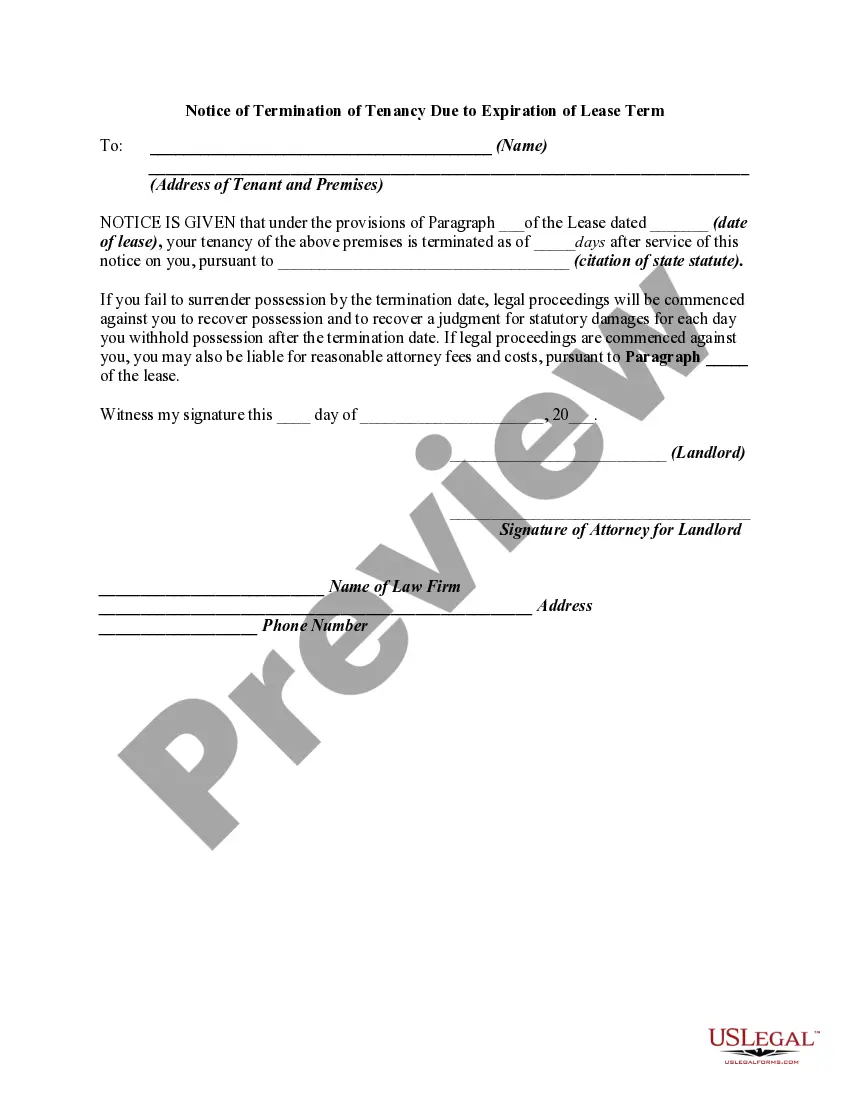

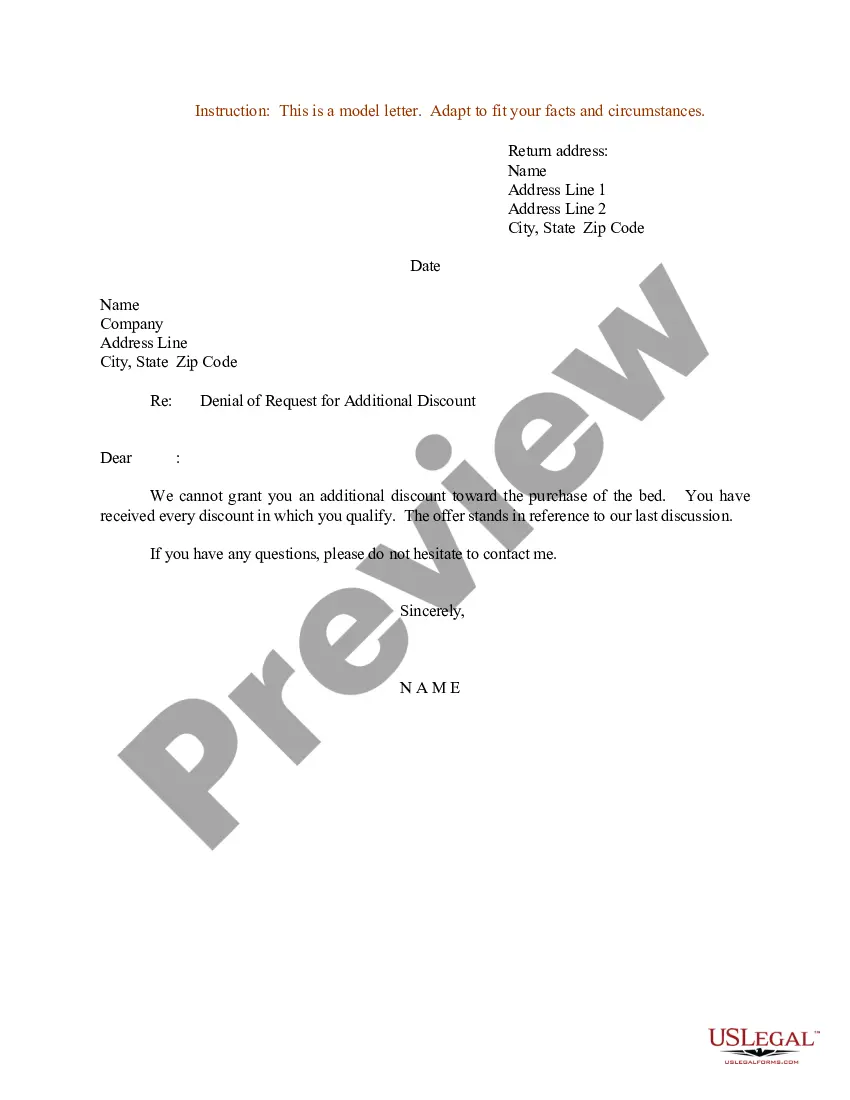
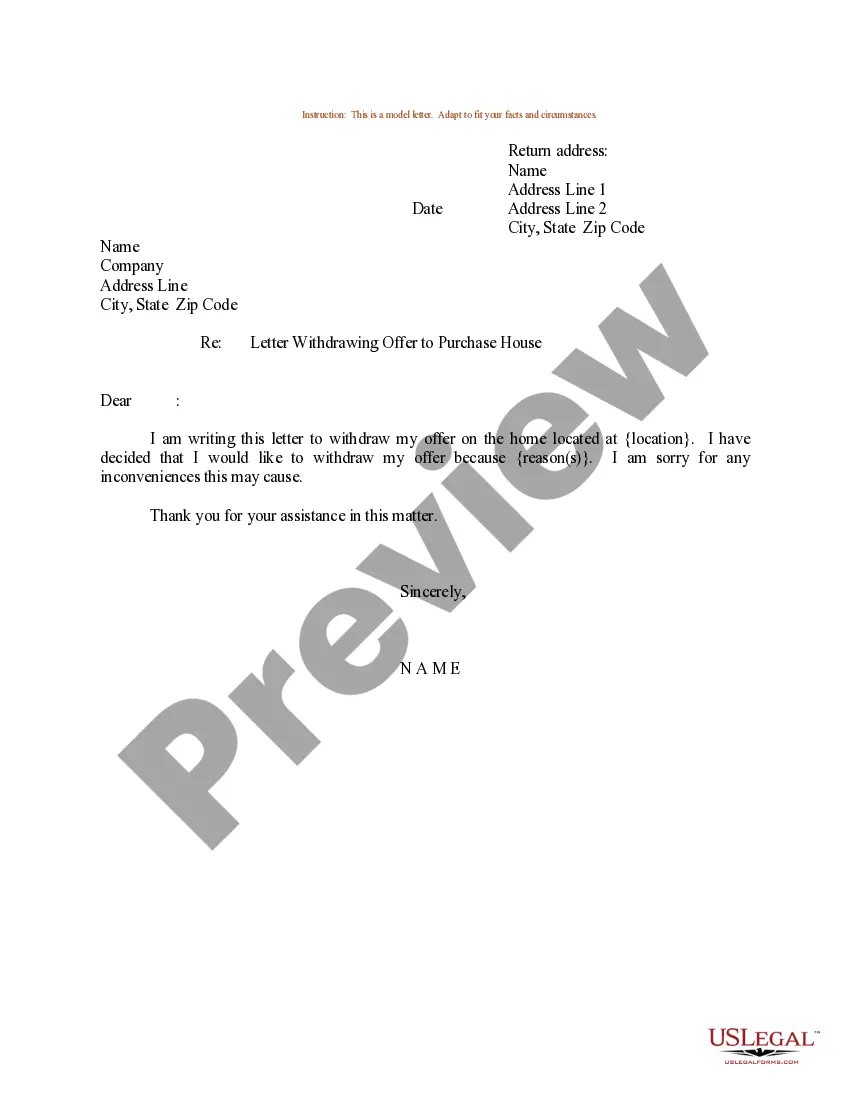
How to fill out Sample Letter For Denial Of Request For Time Extension - Purchase Of Home?
Creating legal documents from the ground up can occasionally be daunting.
Certain situations may require extensive research and substantial financial resources.
If you're looking for a more straightforward and cost-effective method of generating a Sample Letter For Denial Of Benefits or other documents without unnecessary obstacles, US Legal Forms is always accessible.
Our online repository of over 85,000 current legal documents addresses nearly every facet of your financial, legal, and personal affairs.
However, before you jump directly to downloading the Sample Letter For Denial Of Benefits, consider these suggestions: Check the form preview and details to confirm you're looking at the correct document. Verify that the form you choose complies with the regulations and laws of your region. Select the most suitable subscription plan to purchase the Sample Letter For Denial Of Benefits. Download the document, then fill it out, sign it, and print it. US Legal Forms has a strong reputation and over 25 years of expertise. Join us today and make form filling a hassle-free and efficient process!
- With just a few clicks, you can promptly access compliant templates curated by our legal specialists.
- Utilize our platform whenever you require dependable services to effortlessly find and download the Sample Letter For Denial Of Benefits.
- If you're familiar with our site and have previously created an account, simply Log In, locate the template, and download it or re-download it later from the My documents section.
- Haven't created an account yet? No worries. Setting it up and navigating the library is quick and easy.
Form popularity
FAQ
Writing an effective insurance appeal letter requires clarity and organization. Begin by stating your intent to appeal and summarizing the denial's reasons. Incorporate evidence and any additional information that supports your case, using a sample letter for denial of benefits as a guideline to ensure your appeal is compelling and professional.
To successfully appeal an insurance denial letter, start by carefully reviewing the denial reasons. Gather supporting documents and evidence that contradict the insurer's claim. Using a sample letter for denial of benefits can help structure your appeal effectively, making it easier for the insurer to reassess your case.
Writing a letter denying a claim involves clearly stating the reasons for the denial while remaining professional. This letter should also incorporate any relevant policy references to support your decision, ensuring the recipient understands the grounds for denial. For assistance, you can refer to a sample letter for denial of benefits to guide your wording and format.
The odds of winning an insurance appeal can vary significantly based on the circumstances of each case. Statistically, many appeals succeed, especially when the appeal is well-documented and follows proper procedures. A well-crafted sample letter for denial of benefits can greatly improve your chances by clearly presenting your argument and any supporting evidence.
A common reason for an appeal is when a claim denial is based on incomplete information. You might argue that the denial ignored important medical records or overlooked key factors related to your eligibility. Referring to a sample letter for denial of benefits can help illustrate your reasoning and present your case effectively. Always ensure you provide concrete evidence and a clear narrative that supports your appeal.
Writing an appeal letter for assistance begins with outlining the reasons for your request clearly. Explain your situation and why you believe the denial was incorrect. You can reference a sample letter for denial of benefits to help format your letter appropriately. Additionally, include any supporting documentation that can reinforce your case and provide context for your appeal.
To write a successful insurance appeal letter, start by clearly stating your purpose at the beginning of the letter. Include your claim number and relevant details to help the reviewer understand your situation. Utilize a sample letter for denial of benefits as a guide, which can help you structure your letter effectively. Finally, be sure to express your points logically and respectfully to maximize the chances of a favorable review.
To write a denial claim letter, clearly state that you are denying the claim at the beginning. Include all pertinent information regarding the claim, and provide a thorough rationale for the denial. A reference to a sample letter for denial of benefits can help you effectively convey your message while maintaining professionalism. End on a note that encourages the recipient to reach out for further clarification if needed.
Writing a powerful appeal letter requires clarity and conviction. Begin with a strong opening statement that outlines your intent. Provide supporting evidence and make your case compellingly, using a sample letter for denial of benefits as a structural reference. Make sure to conclude with a request for further consideration, encouraging a favorable review of your appeal.
To write an effective appeal letter for benefits, begin by outlining the details of the benefits in question. Use clear language to present your case, referencing any relevant documentation or reasons for the appeal. A sample letter for denial of benefits can assist you in structuring your letter properly and ensuring you include compelling arguments to support your case.