Trust Forever
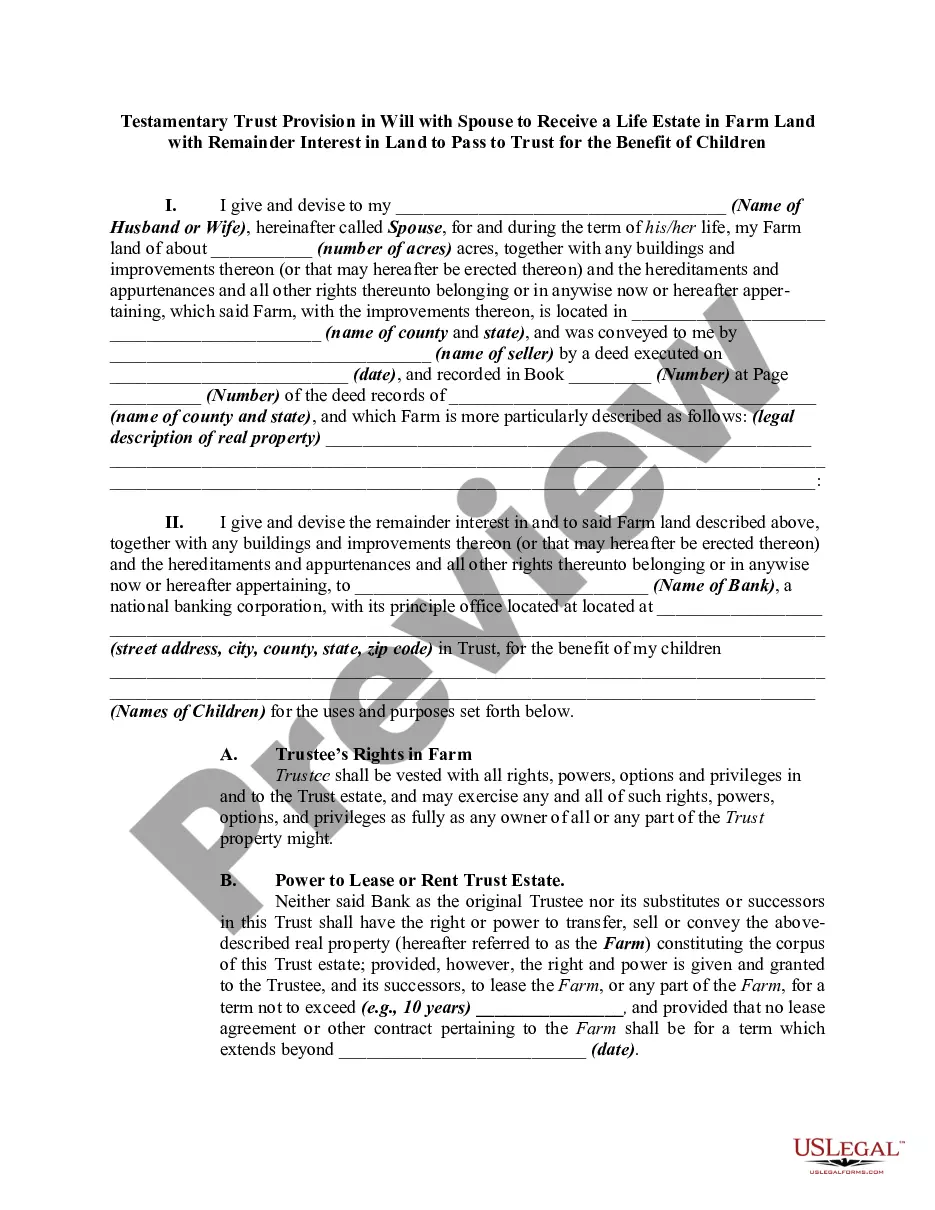
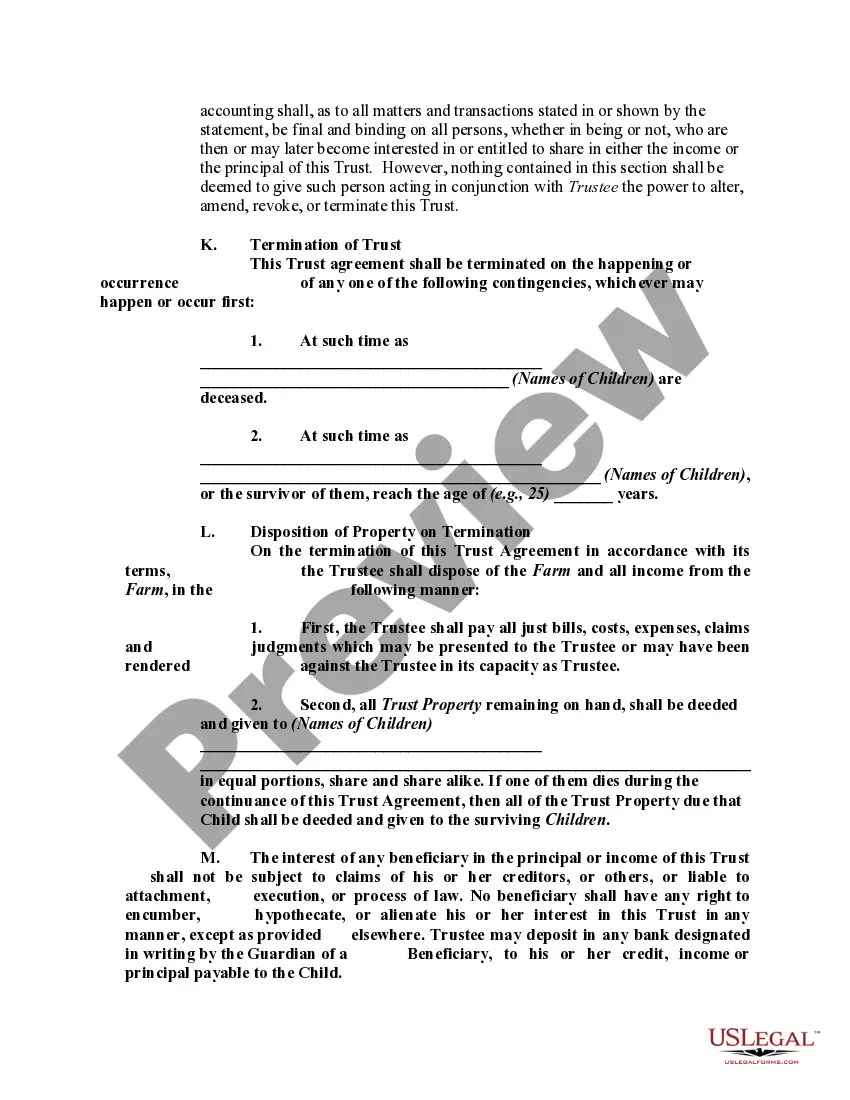
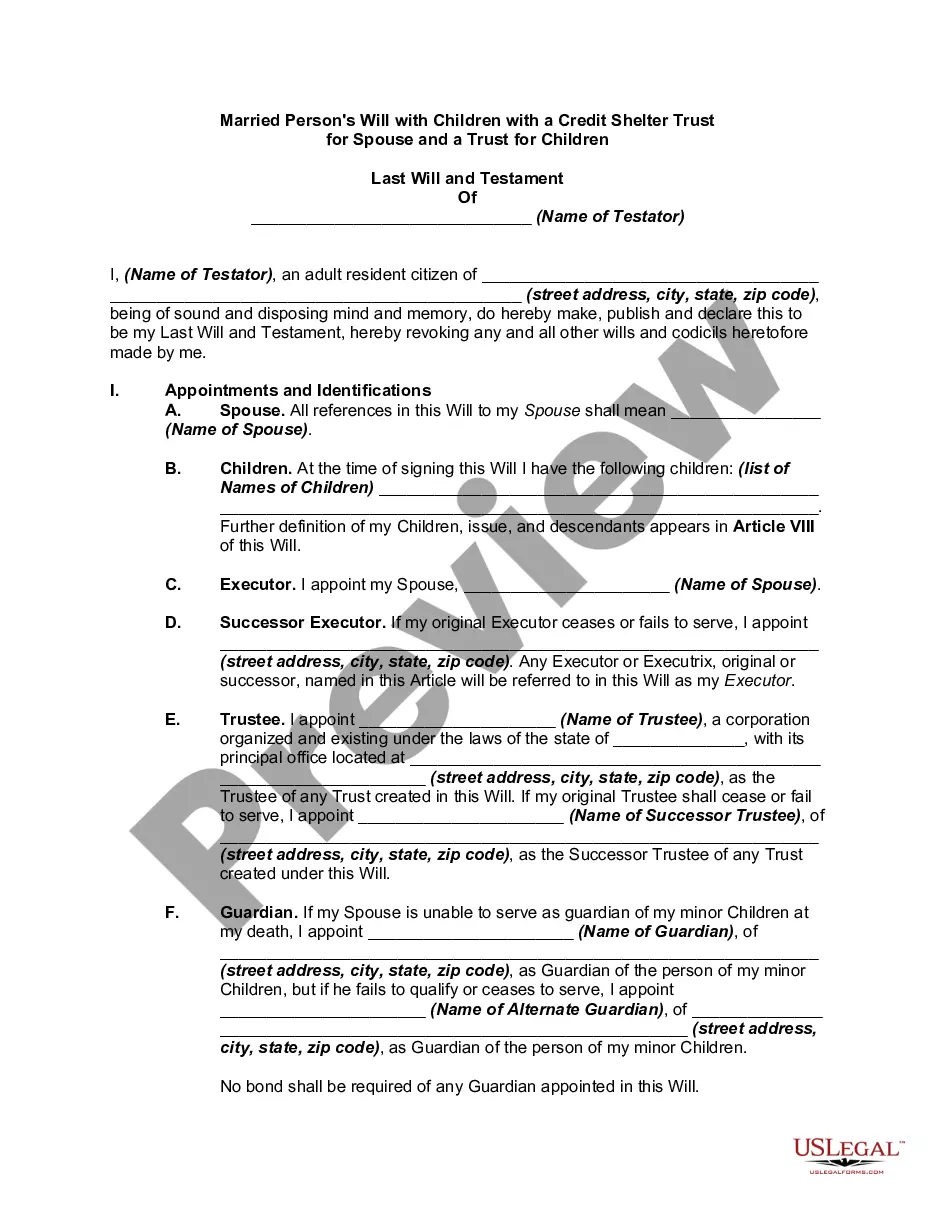
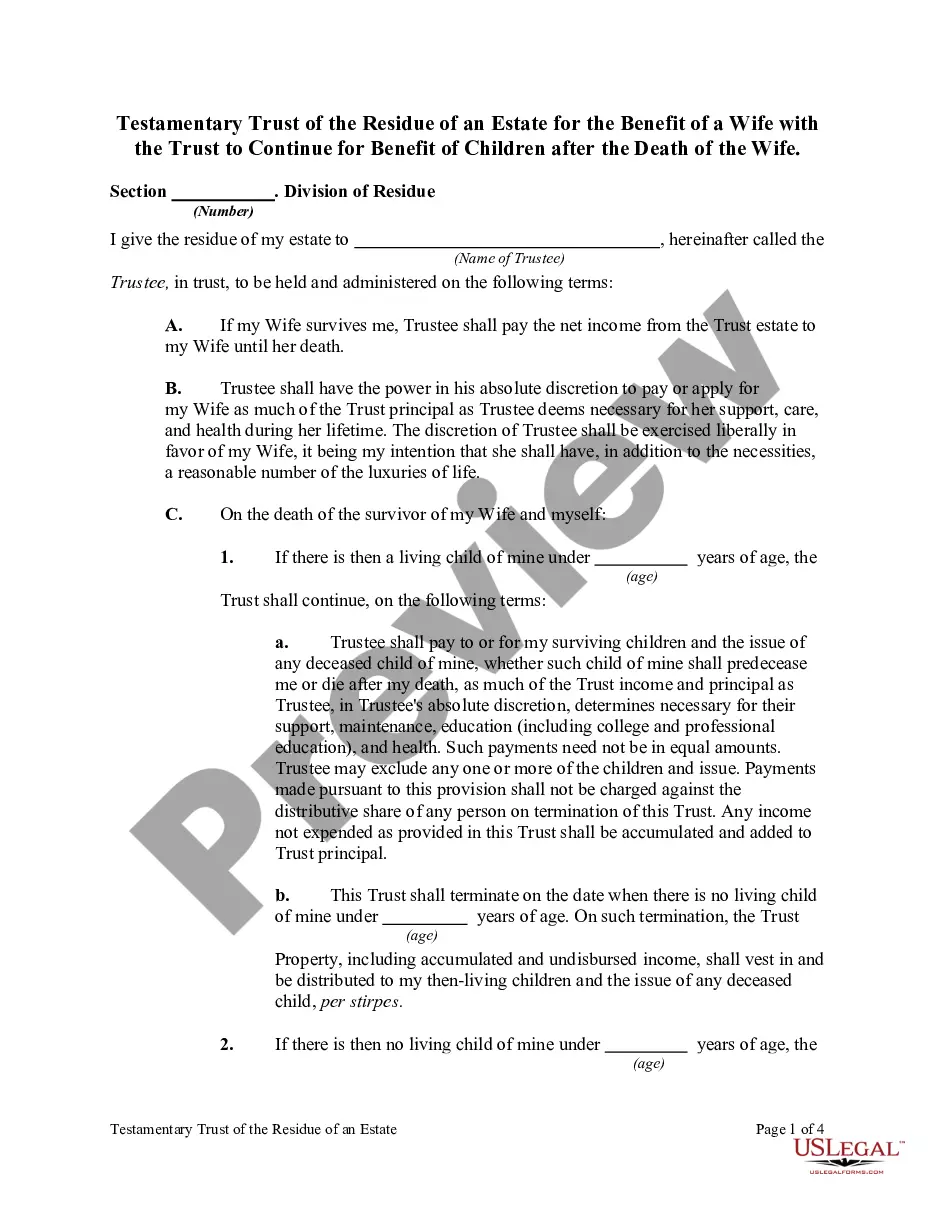
Description

Get your form ready online
Our built-in tools help you complete, sign, share, and store your documents in one place.
Make edits, fill in missing information, and update formatting in US Legal Forms—just like you would in MS Word.
Download a copy, print it, send it by email, or mail it via USPS—whatever works best for your next step.
Sign and collect signatures with our SignNow integration. Send to multiple recipients, set reminders, and more. Go Premium to unlock E-Sign.
If this form requires notarization, complete it online through a secure video call—no need to meet a notary in person or wait for an appointment.
We protect your documents and personal data by following strict security and privacy standards.

Make edits, fill in missing information, and update formatting in US Legal Forms—just like you would in MS Word.

Download a copy, print it, send it by email, or mail it via USPS—whatever works best for your next step.

Sign and collect signatures with our SignNow integration. Send to multiple recipients, set reminders, and more. Go Premium to unlock E-Sign.

If this form requires notarization, complete it online through a secure video call—no need to meet a notary in person or wait for an appointment.

We protect your documents and personal data by following strict security and privacy standards.
Looking for another form?
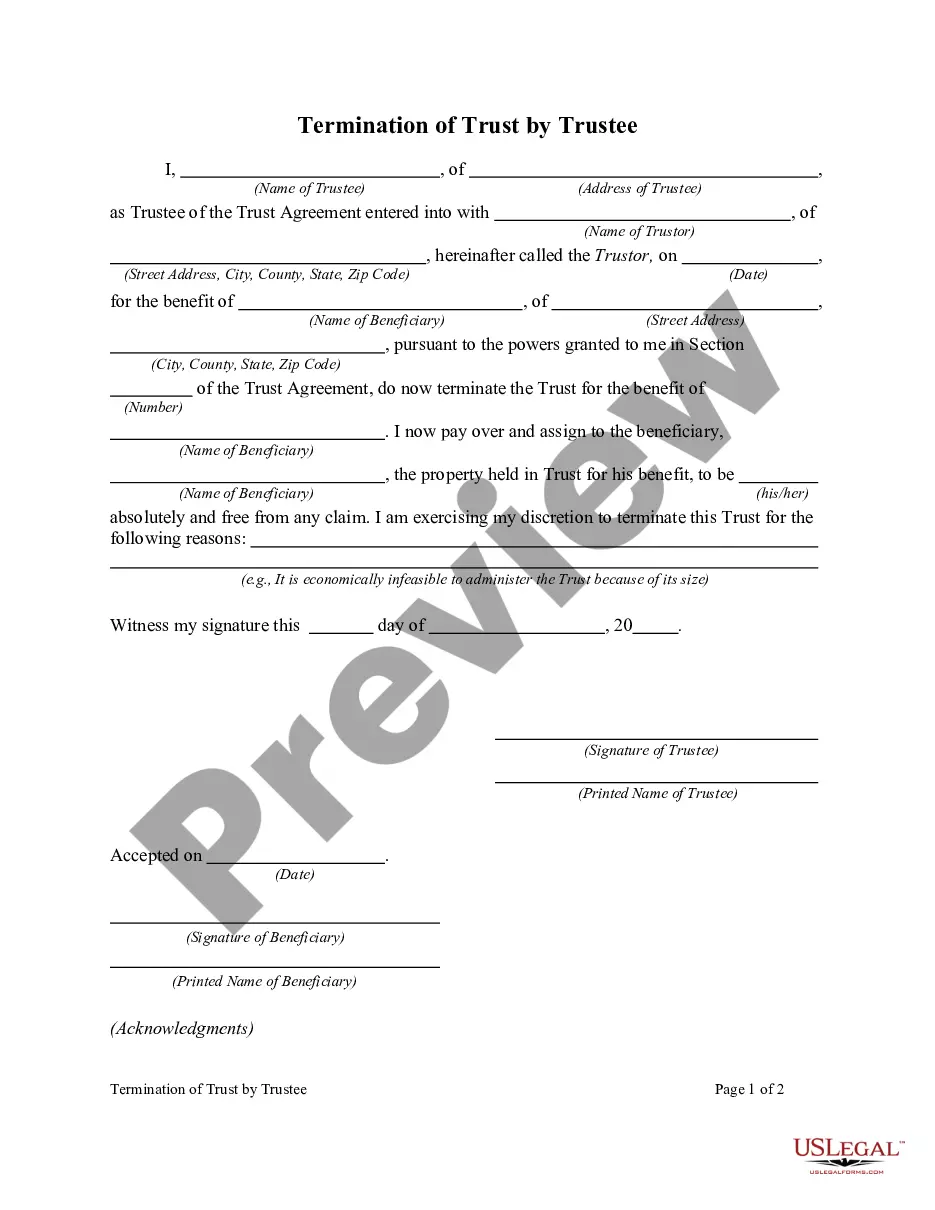


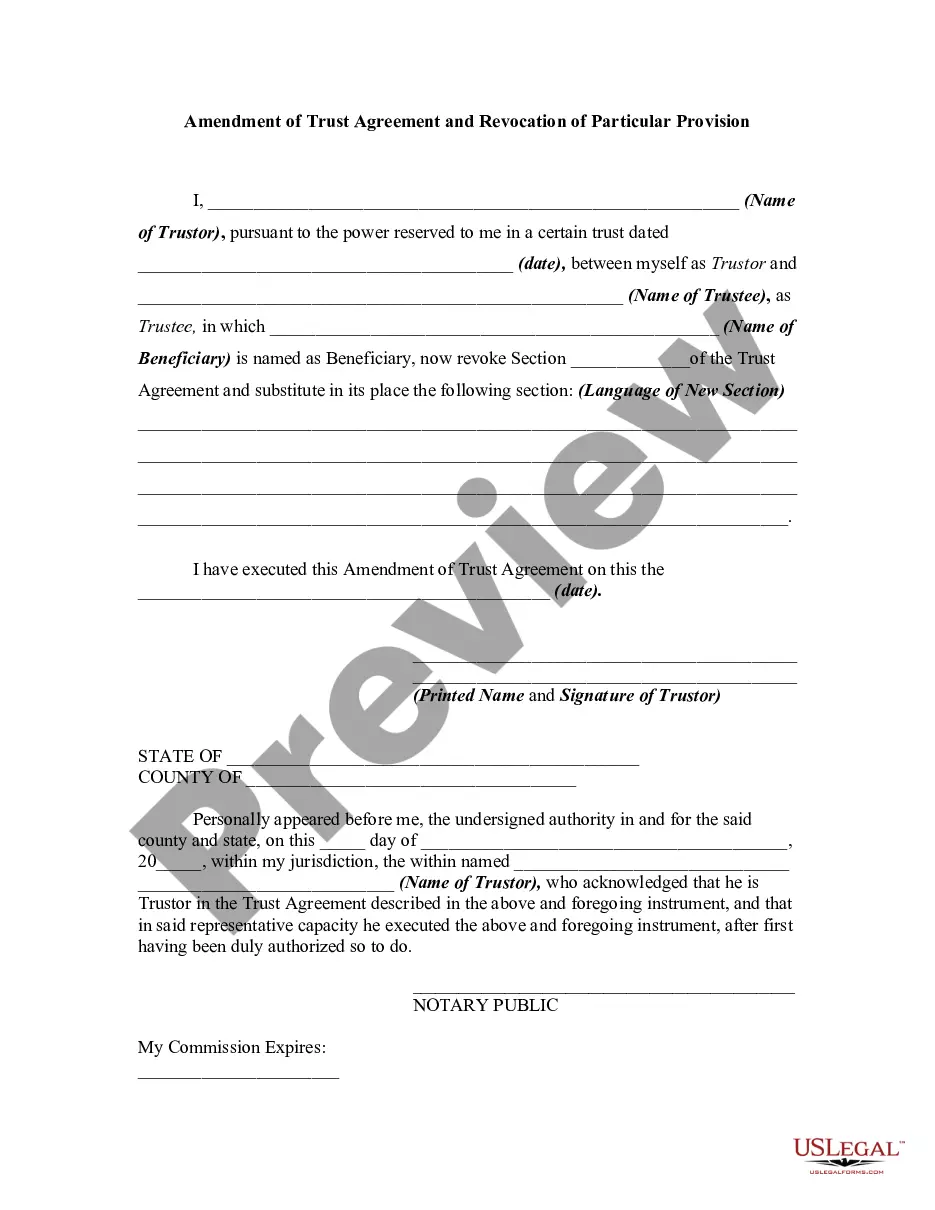
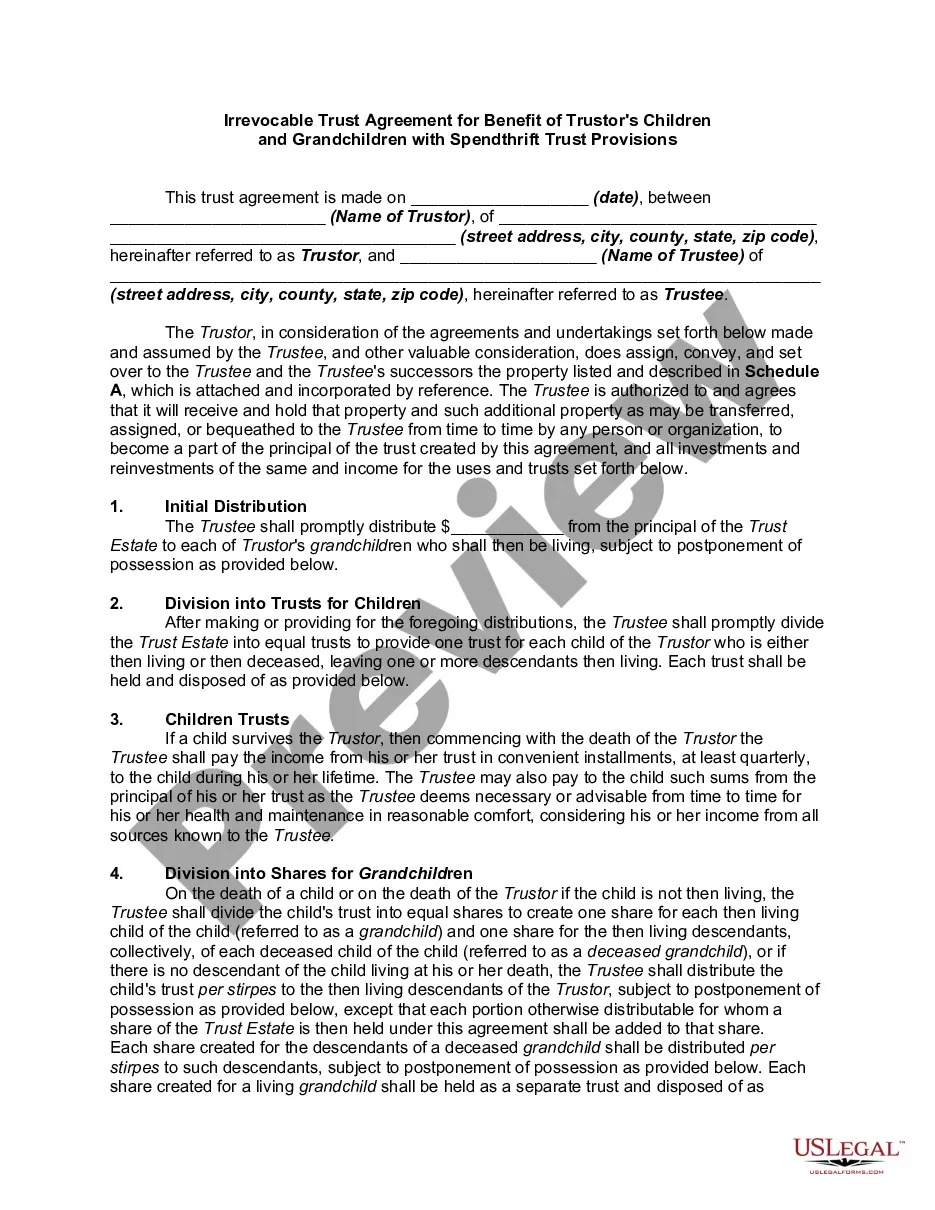


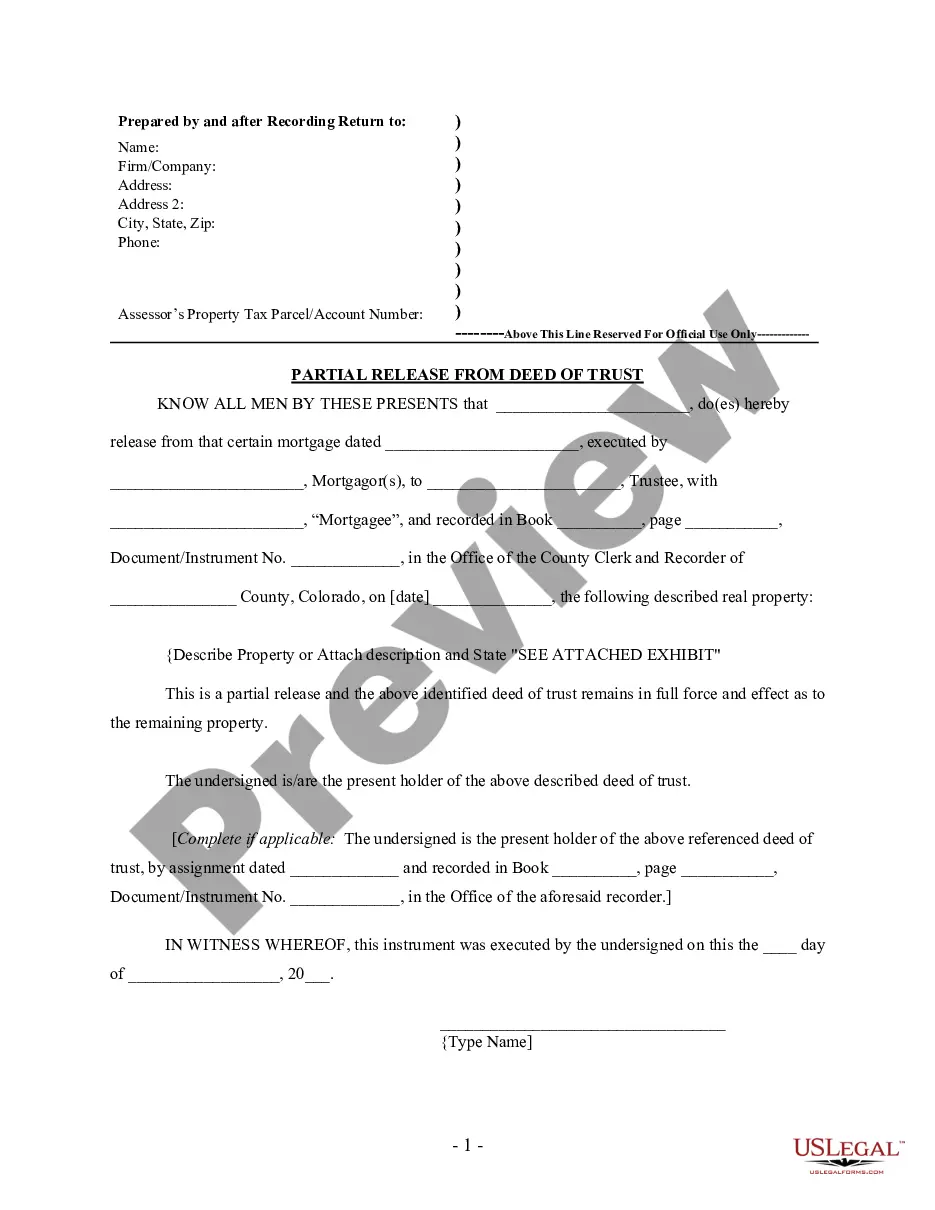

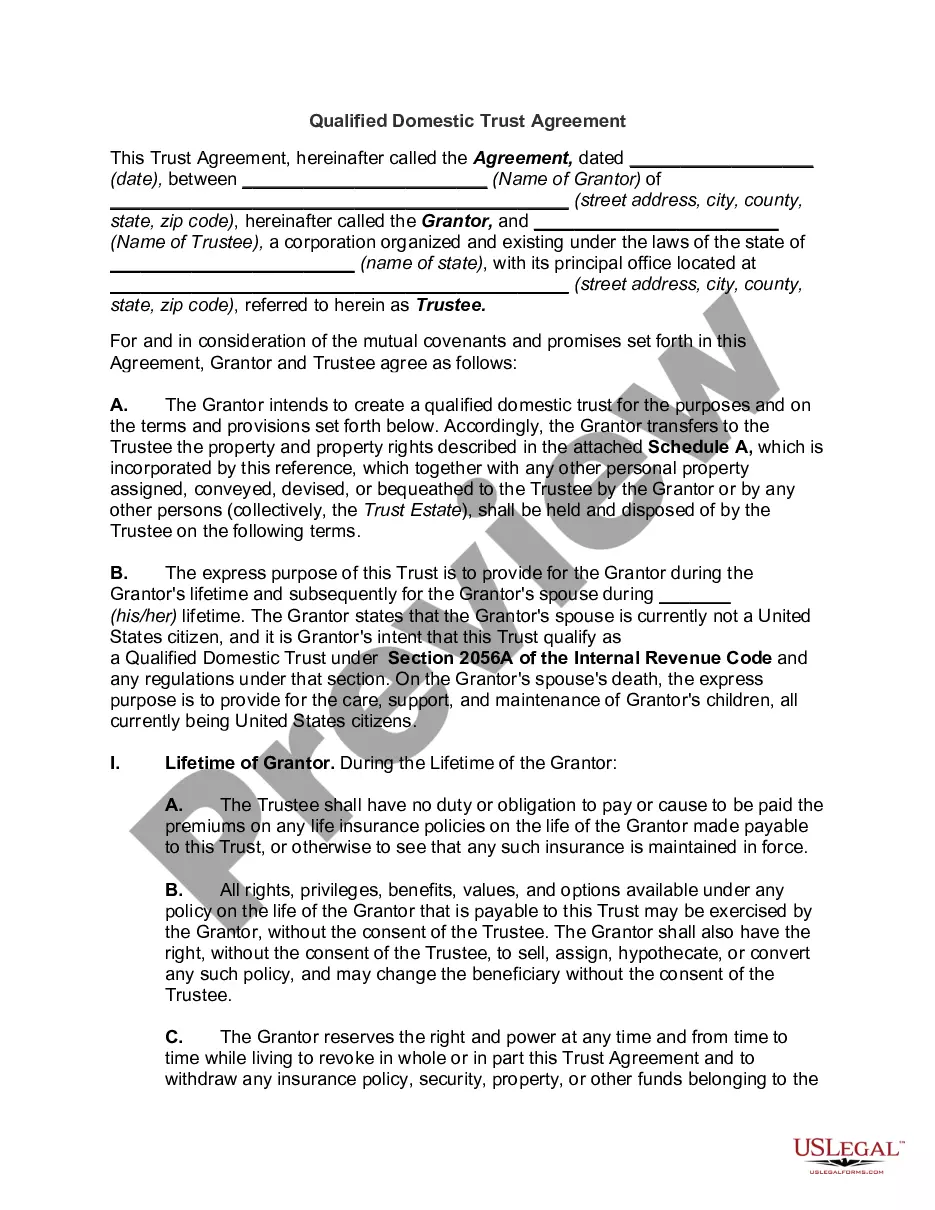
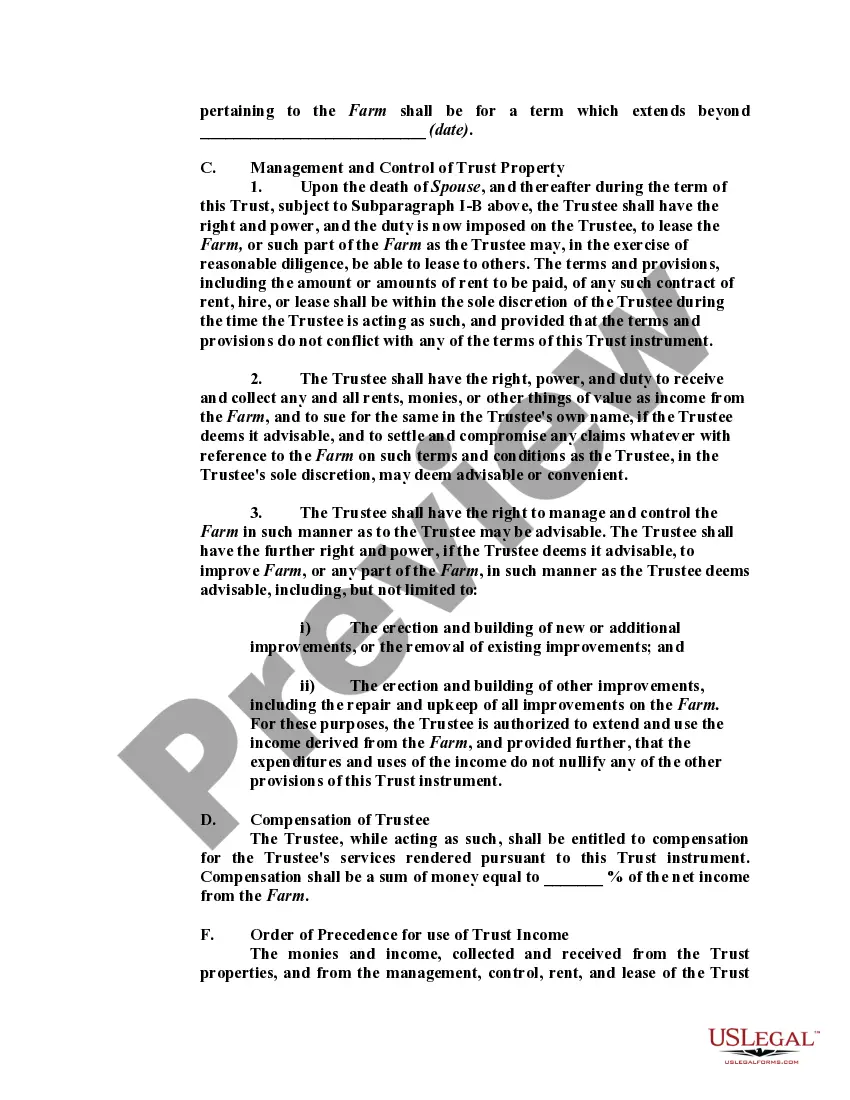
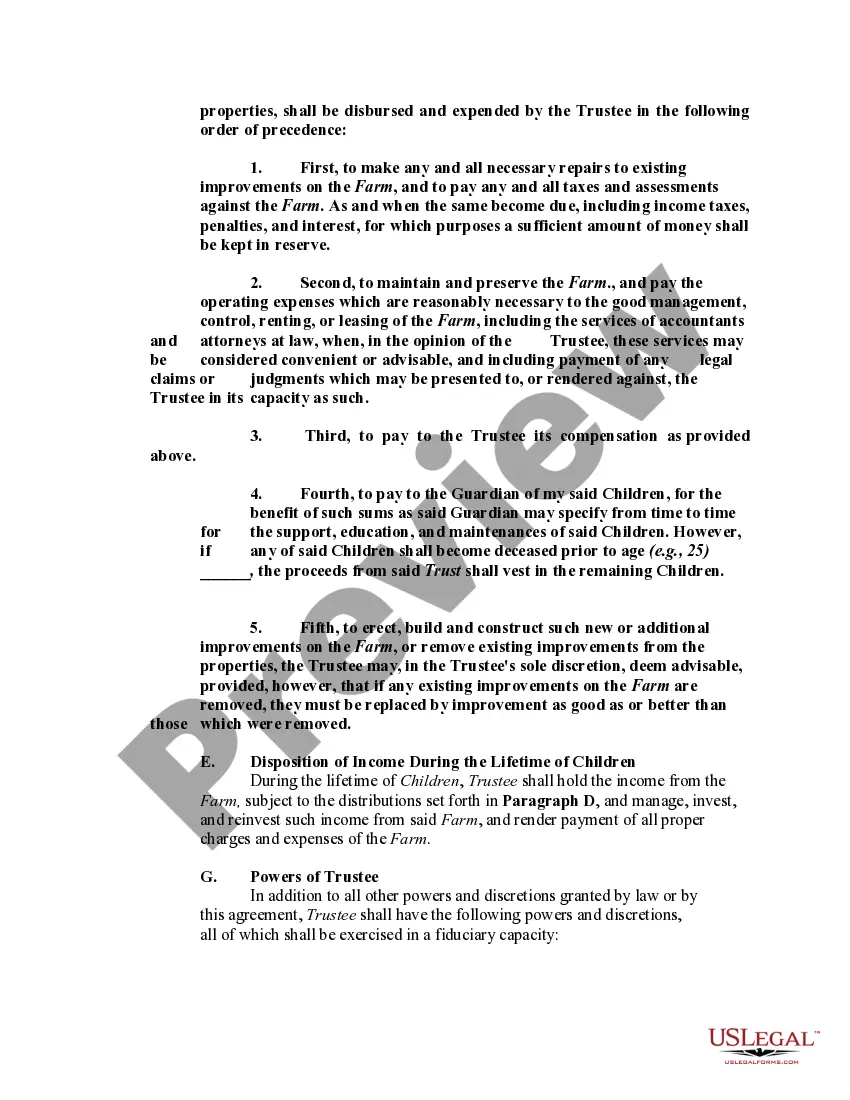
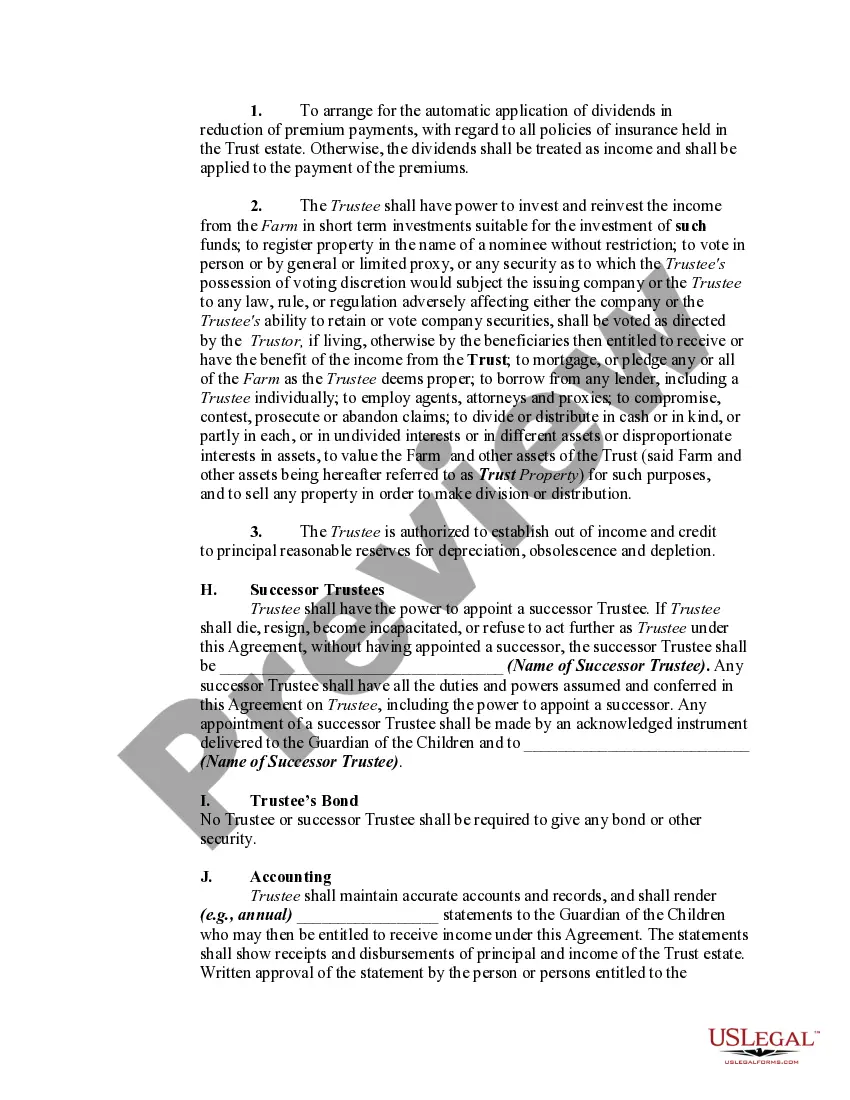
How to fill out Testamentary Trust Provision In Will With Spouse To Receive A Life Estate In Farm Land With Remainder Interest In Land To Pass To Trust For The Benefit Of Children?
- If you have previously used US Legal Forms, log into your account and find the form you need to download by clicking the Download button. Ensure your subscription is active; if not, renew according to your plan.
- For first-time users, start by reviewing the Preview mode and form descriptions. Confirm that the selected form aligns with your needs and complies with local jurisdiction requirements.
- If you find discrepancies, use the Search feature to locate the correct template that suits your needs.
- To purchase the selected document, click on the Buy Now button and choose your preferred subscription plan. You will need to create an account to access the full library.
- Complete your purchase by entering your payment details through credit card or PayPal.
- Finally, download your chosen form and save it on your device. You can also access it anytime through the My Forms section of your profile.
US Legal Forms not only provides an extensive collection of documents but also allows users to connect with premium experts for guidance with form completion, ensuring that your documents are accurate and legally sound.
Empower yourself with the tools you need to handle legal transactions effectively. Explore US Legal Forms today and experience the difference for yourself!
Form popularity
FAQ
To earn someone’s trust forever, prioritize honesty and consistency in your actions. Openly communicate your intentions and be accountable for your promises. Creating a safe environment for her feelings is crucial. By fostering transparency and sincerity in your relationship, you can build lasting trust.
While losing trust can feel permanent, it's often possible to rebuild over time. It depends on the willingness of both individuals to communicate and understand each other's perspectives. Utilizing resources available through platforms like US Legal Forms can guide you in addressing trust issues effectively. With effort and understanding, trust does not have to be lost forever.
Rebuilding trust after it has been broken is challenging but not impossible. It requires time, openness, and commitment from both parties. By discussing your feelings and setting boundaries, you can create a healthier relationship dynamic. With the right tools and support, you can trust forever again.
Many people struggle with trust due to past experiences that shape their views. It can stem from betrayal, disappointment, or even fear of vulnerability. Recognizing these patterns is the first step. Engaging with resources, like those available on US Legal Forms, can help you navigate your feelings and build a foundation of trust forever.
The National Trust Forever for Everyone is an initiative aimed at making heritage sites accessible to all. This program focuses on preserving cultural heritage while ensuring that everyone has the opportunity to engage with it. They promote the concept of preserving public spaces and making them available for future generations. By aligning this initiative with the idea of a trust forever, we see the importance of safeguarding legacies for communal benefit.
The rule against perpetuities is the common legal principle that typically restricts a trust from lasting indefinitely. This rule often requires that trusts must end within a certain time frame to prevent them from tying up property for too long. However, recent developments in some states allow for exceptions, letting individuals establish trusts that can persist indefinitely. Consulting with a knowledgeable service like USLegalForms can clarify your options regarding trusts.
The rule of perpetuity generally dictates how long a trust can last. In many states, this rule limits the duration of a trust to a specific number of years, often around 21 years after the death of the last named beneficiary. However, some jurisdictions have adapted their laws to allow for perpetual trusts, enabling you to create a trust forever. Understanding these laws helps ensure your trust serves its intended purpose.
A forever trust, often referred to as a perpetual trust, is designed to last indefinitely. This type of trust allows you to allocate assets to beneficiaries for their lifetime or even beyond, ensuring the continued support of future generations. By creating a forever trust, you exercise control over how and when your assets are distributed. It is a great way to preserve your legacy and provide for your family's future.
An irrevocable trust can last forever, depending on the legal framework governing it. These trusts cannot be changed or revoked once established, making them a solid choice for long-term asset protection. As they provide enduring benefits to your beneficiaries, an irrevocable trust allows you to maintain your family’s financial security for years to come. Planning your estate with a trust forever ensures your wishes are honored.
Yes, a trust can go on forever, but specific rules apply. Generally, a trust may last indefinitely as long as it complies with state laws regarding perpetual trusts. For instance, in many jurisdictions, certain trusts are designed to stay in effect for generations, ensuring that the assets benefit your heirs over time. By setting up a trust forever, you ensure lasting control over your estate.