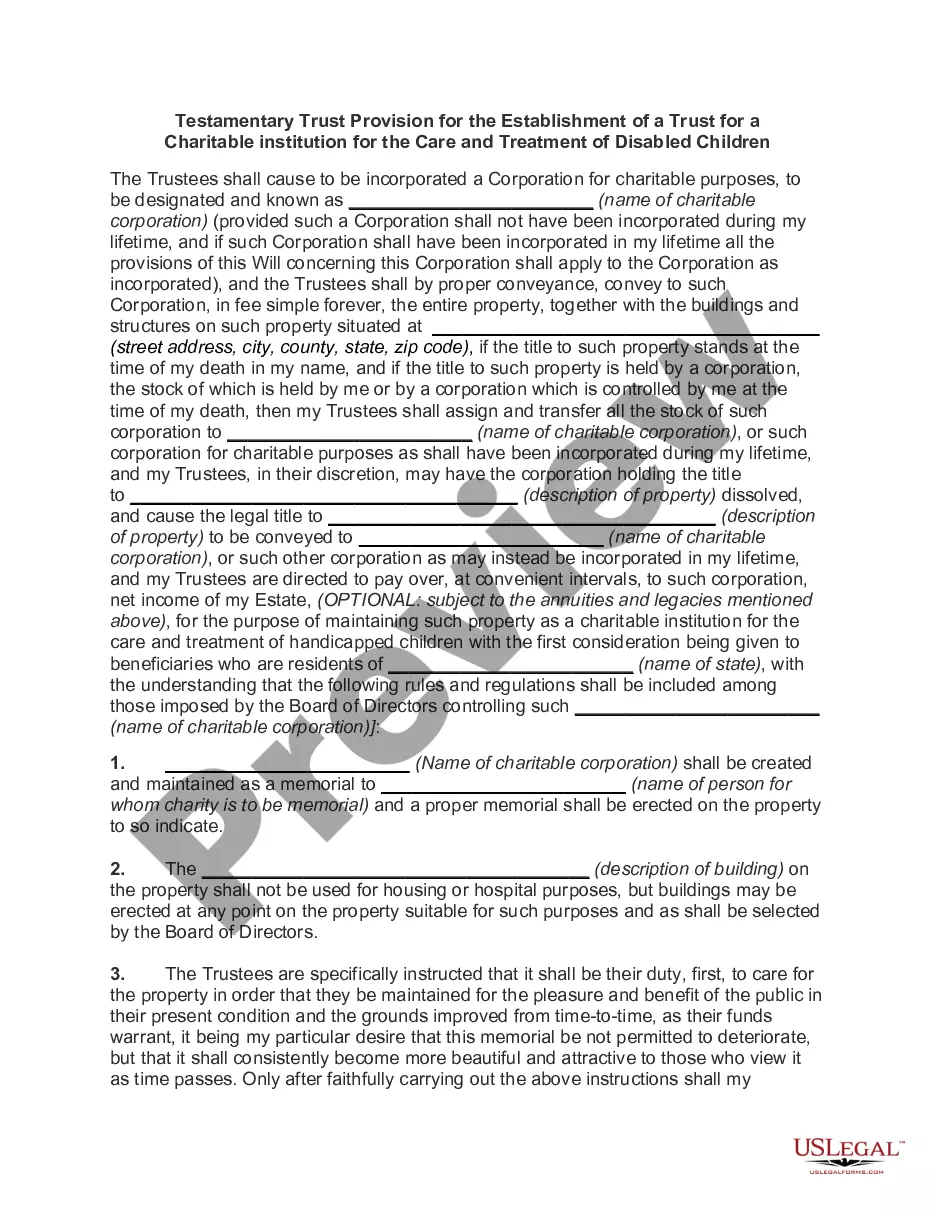
Testamentary Trust Provision For Trust
Description
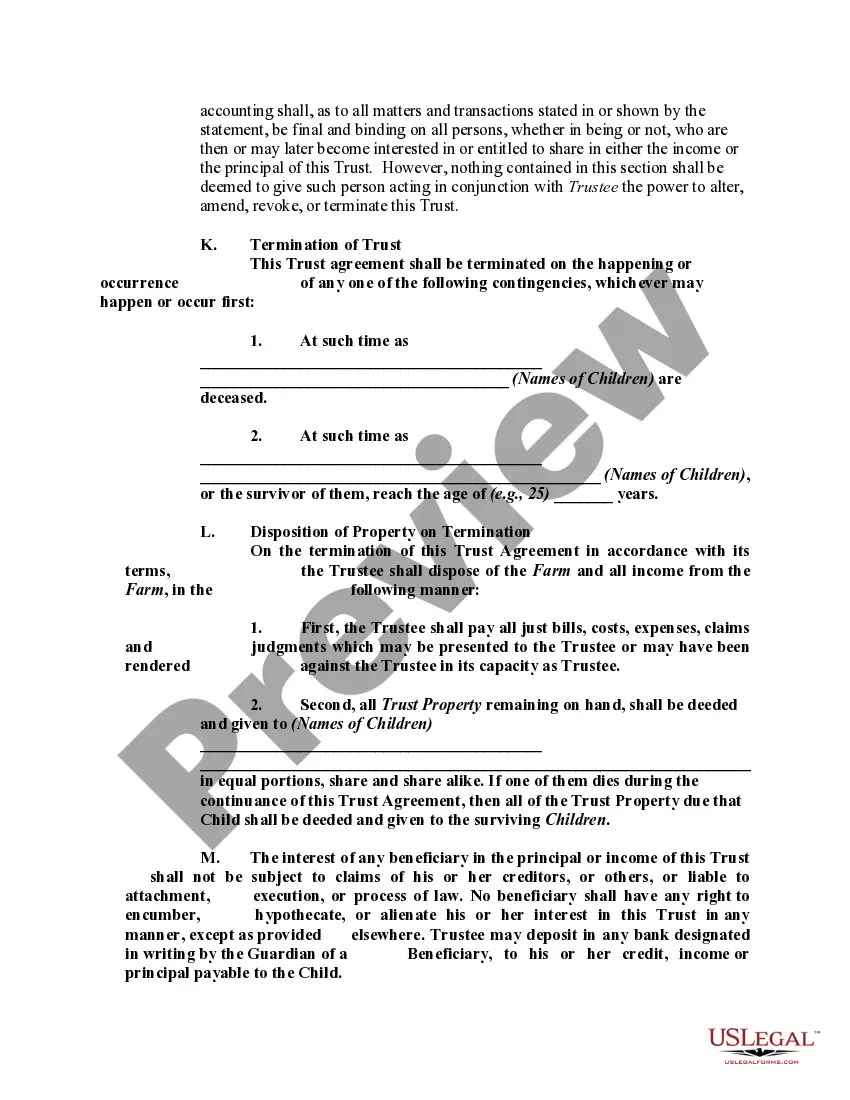
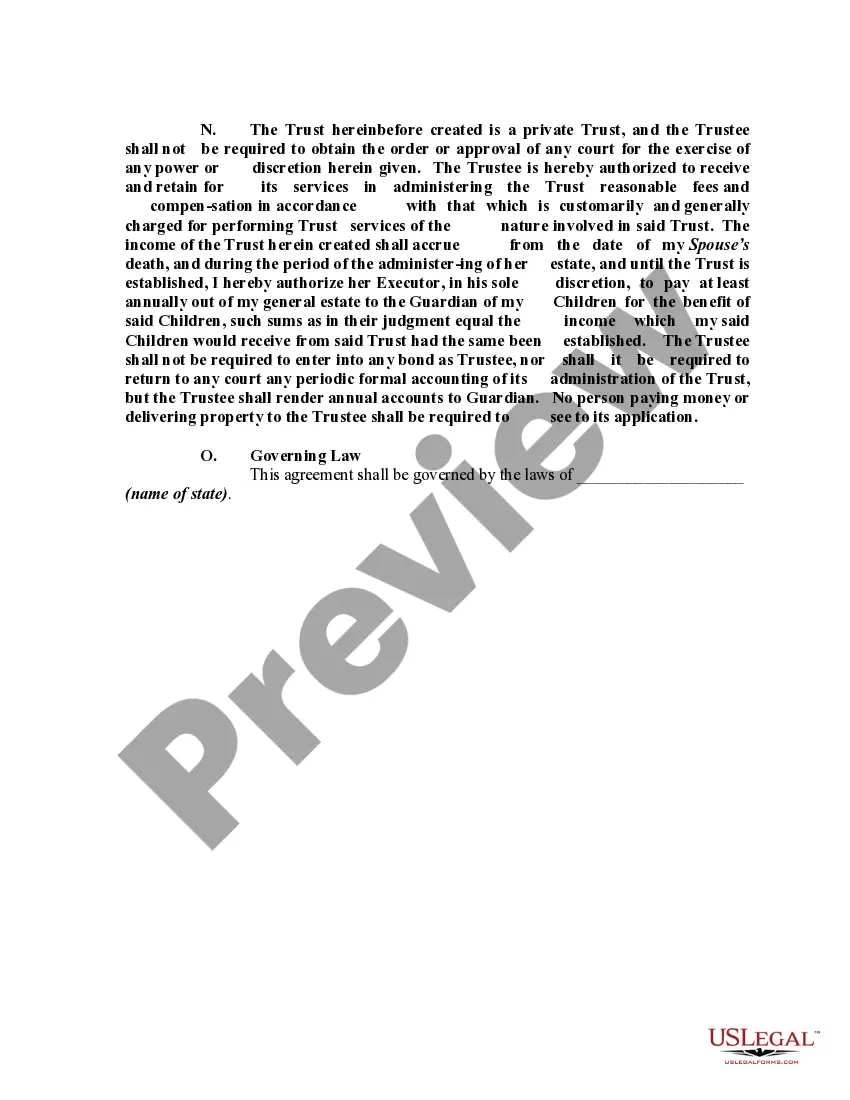
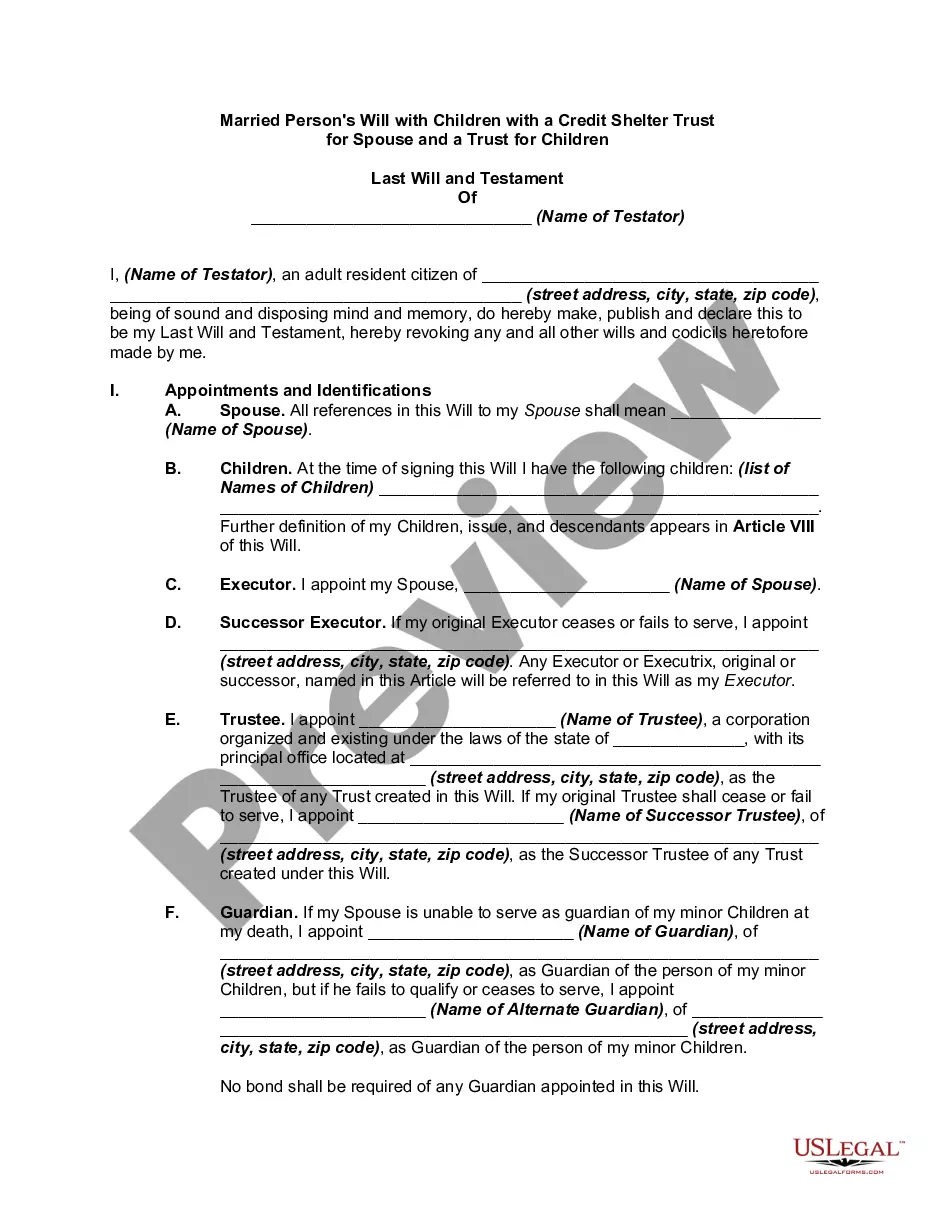
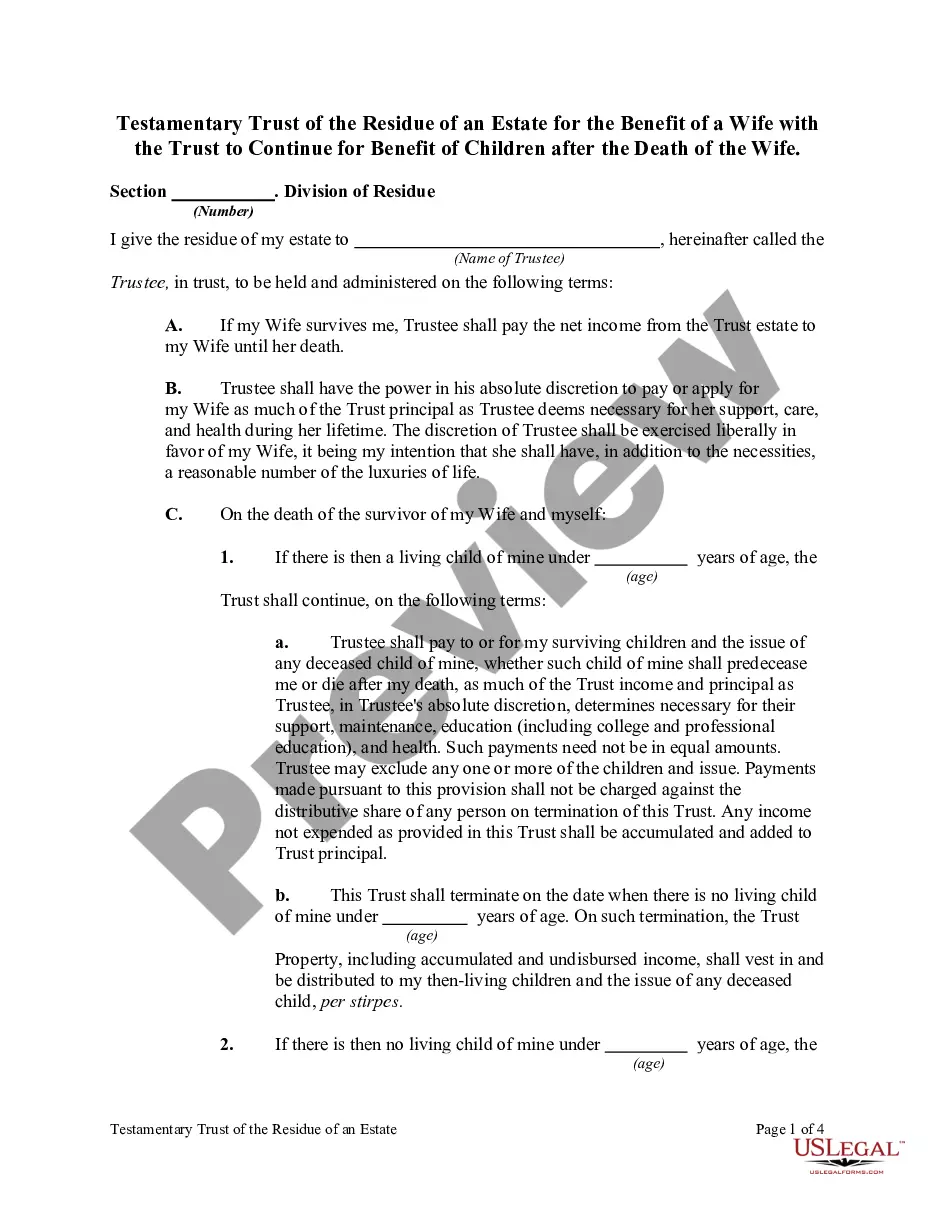

Get your form ready online
Our built-in tools help you complete, sign, share, and store your documents in one place.
Make edits, fill in missing information, and update formatting in US Legal Forms—just like you would in MS Word.
Download a copy, print it, send it by email, or mail it via USPS—whatever works best for your next step.
Sign and collect signatures with our SignNow integration. Send to multiple recipients, set reminders, and more. Go Premium to unlock E-Sign.
If this form requires notarization, complete it online through a secure video call—no need to meet a notary in person or wait for an appointment.
We protect your documents and personal data by following strict security and privacy standards.

Make edits, fill in missing information, and update formatting in US Legal Forms—just like you would in MS Word.

Download a copy, print it, send it by email, or mail it via USPS—whatever works best for your next step.

Sign and collect signatures with our SignNow integration. Send to multiple recipients, set reminders, and more. Go Premium to unlock E-Sign.

If this form requires notarization, complete it online through a secure video call—no need to meet a notary in person or wait for an appointment.

We protect your documents and personal data by following strict security and privacy standards.
Looking for another form?





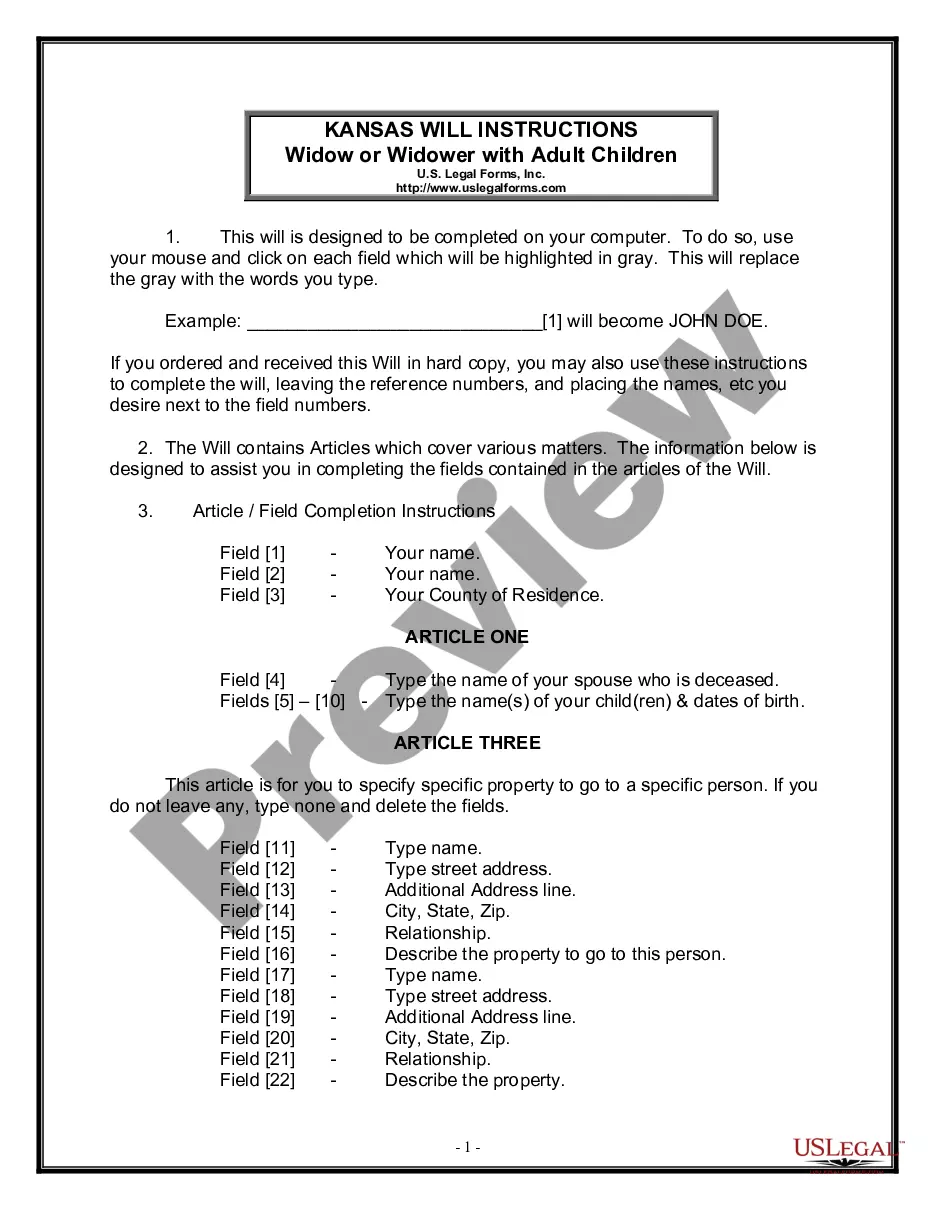

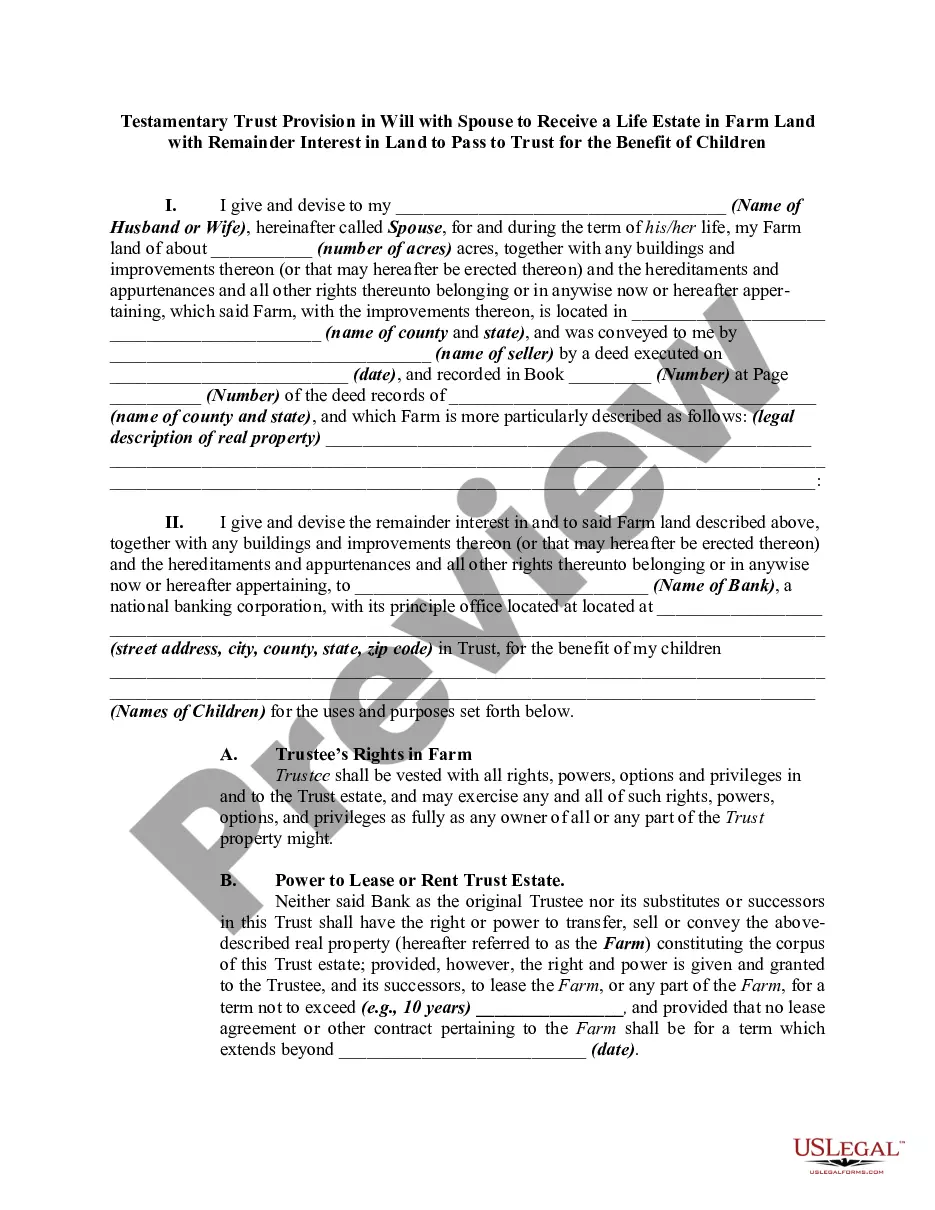
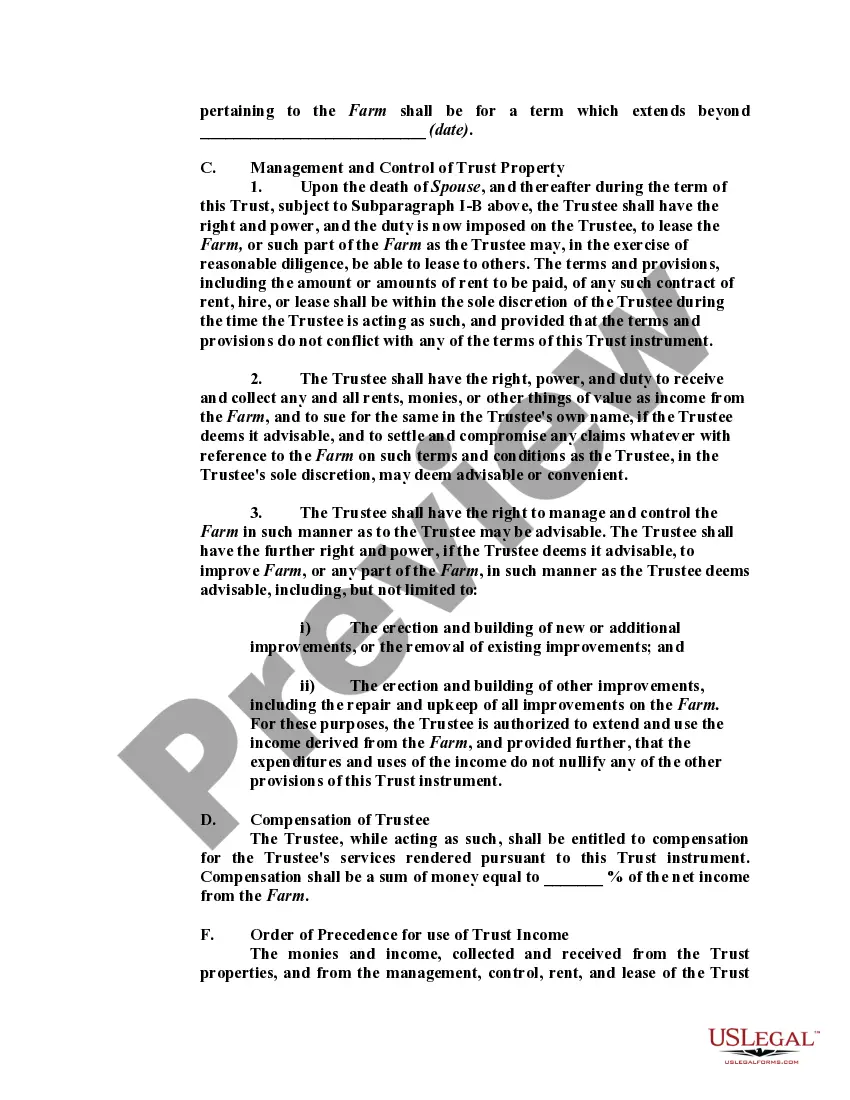
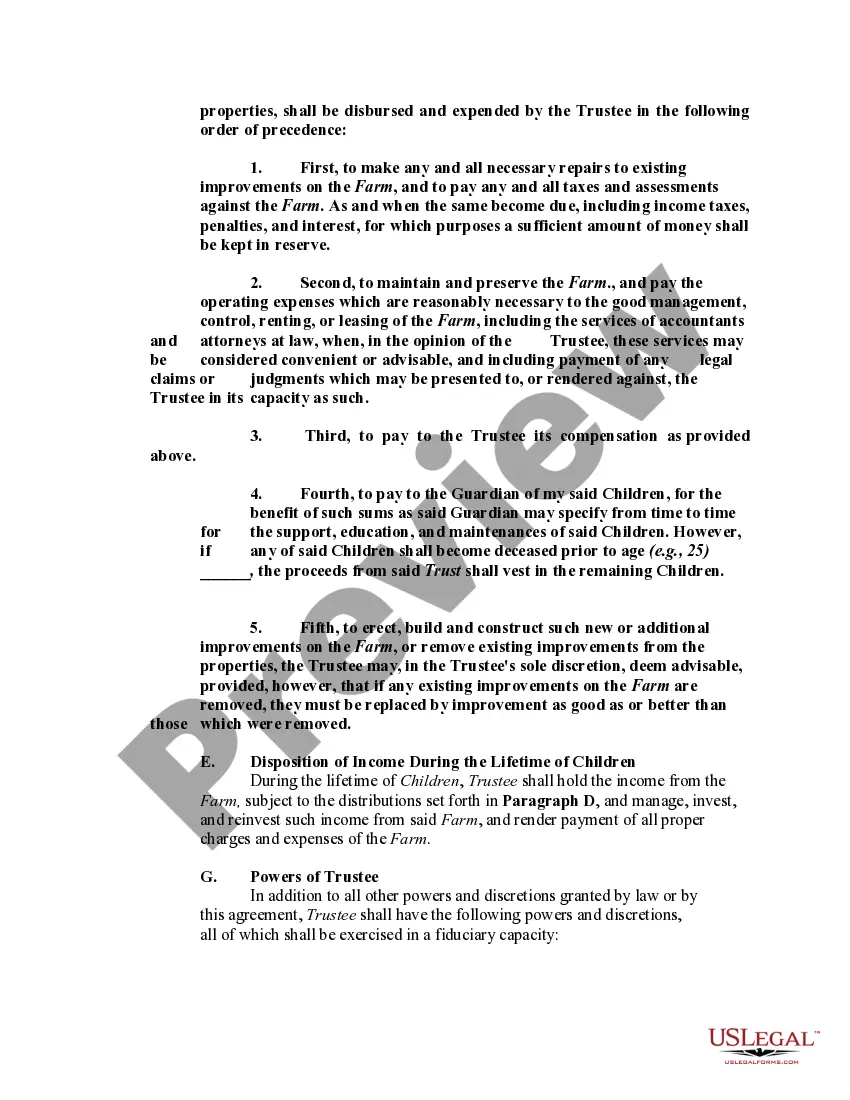
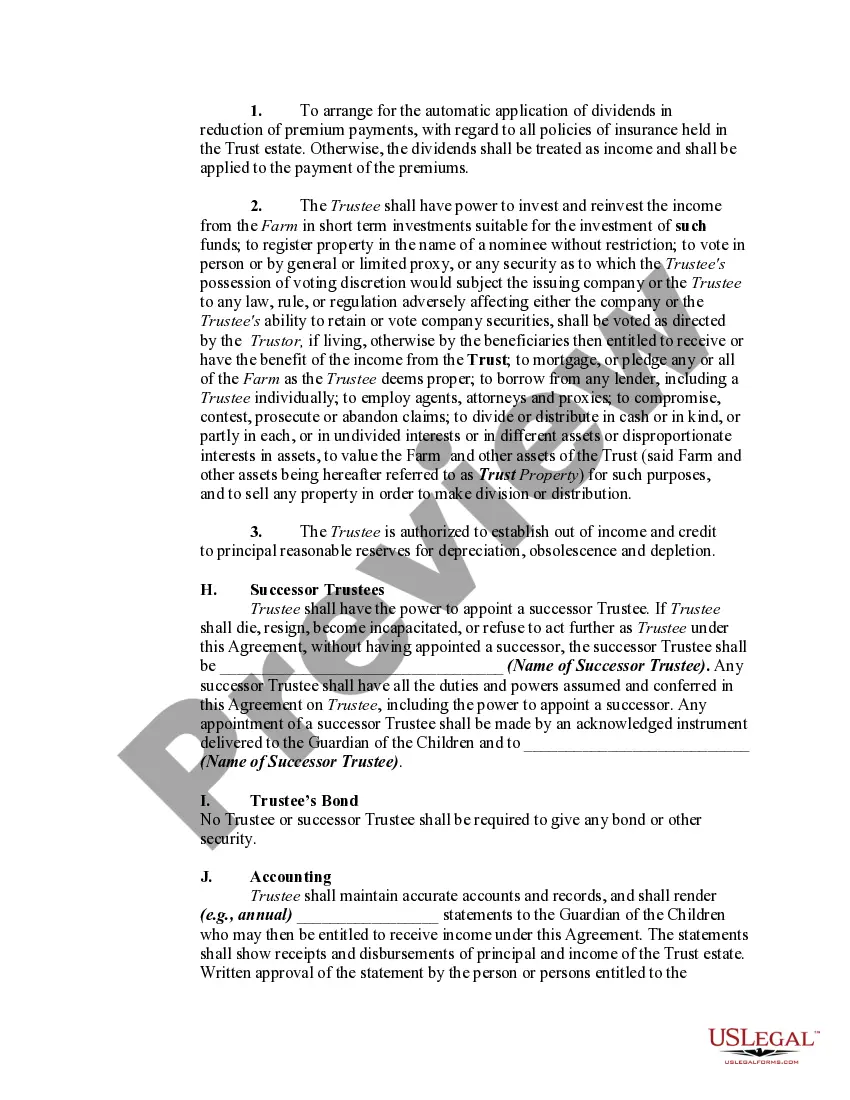
How to fill out Testamentary Trust Provision In Will With Spouse To Receive A Life Estate In Farm Land With Remainder Interest In Land To Pass To Trust For The Benefit Of Children?
- Log in to your US Legal Forms account if you're a returning user to access and download your form template.
- For new users, start by previewing the form description to confirm it's the correct document for your needs based on local jurisdiction.
- Use the Search feature to explore additional templates if the initial choice doesn't meet your requirements.
- Purchase the document by selecting the preferred subscription plan and creating an account for full access.
- Complete your purchase by entering your payment details, either through credit card or PayPal.
- Download the form and save it on your device for easy access, or find it in the My Forms section of your profile later.
In conclusion, utilizing US Legal Forms ensures you have the necessary tools to establish a testamentary trust provision effectively. With a vast library of over 85,000 templates and expert assistance at your fingertips, creating legally sound documents has never been easier.
Start your journey towards successful estate planning today by visiting US Legal Forms.
Form popularity
FAQ
To write a testamentary trust, start by including a specific provision in your will that establishes the trust's terms. Detail the trustee's powers, the intended beneficiaries, and any conditions for asset distribution like age or milestones. Using a service like USLegalForms can simplify the process, ensuring your testamentary trust provision for trust is clear and legally sound.
The structure of a testamentary trust typically includes the trust's purpose, the trustee's powers and duties, the beneficiaries, and the assets held in the trust. This clear framework is essential for ensuring that the testamentary trust provision for trust operates smoothly and effectively after your passing. Additionally, outlining how and when distributions will occur can prevent confusion among beneficiaries.
Yes, a testamentary trust does result in a trust document, although it is created through a will rather than a standalone agreement. This document outlines the terms of the trust, including the trustee's responsibilities and how the assets should be managed. Therefore, it is crucial to include a testamentary trust provision for trust to ensure all legal and personal wishes are honored.
A classic example of a testamentary trust is one set up to care for minor children after a parent's death. The testamentary trust provision for trust might stipulate that the assets will be managed by a designated trustee until the children reach adulthood, ensuring proper management and financial support during their formative years.
An example of a testamentary trust provision in a will might state, 'Upon my death, I direct that my estate be held in trust for the benefit of my children until they reach the age of 25.' This clear clause establishes a testamentary trust provision for trust, allowing for controlled distribution of assets to beneficiaries while protecting their interests.
To write a testamentary, you begin by drafting a will that clearly outlines your wishes regarding the distribution of your assets after your passing. It is essential to include a testamentary trust provision for trust, specifying how and when your beneficiaries will receive their inheritance, often through a trustee. The document should be signed and witnessed according to your state's legal requirements to ensure its validity.
While creating a do-it-yourself testamentary trust is possible, it is often challenging without legal expertise. Drafting your will and trust provision requires careful attention to detail to ensure that your wishes are fulfilled. Consider utilizing uslegalforms to access resources and templates that can help you navigate the complexities of testamentary trust provision for trust.
A common mistake parents make is failing to clearly communicate their intentions and provisions to their children. This lack of transparency can lead to confusion and disputes among beneficiaries. Properly outlining the testamentary trust provision for trust can help mitigate these risks and foster understanding.
Consider setting up a testamentary trust when you have minor children or beneficiaries who may need financial guidance. It is also a viable option if you want to control the distribution of your estate after your passing. Assess your family's situation to determine if a testamentary trust provision for trust is suitable for your needs.
One disadvantage of a testamentary trust is that it only becomes active after the testator's death, which can delay benefits for the beneficiaries. Additionally, the probate process may complicate matters further and incur higher costs. Evaluating these disadvantages allows you to weigh them against the advantages of the testamentary trust provision for trust.