Testamentary Trust Provision
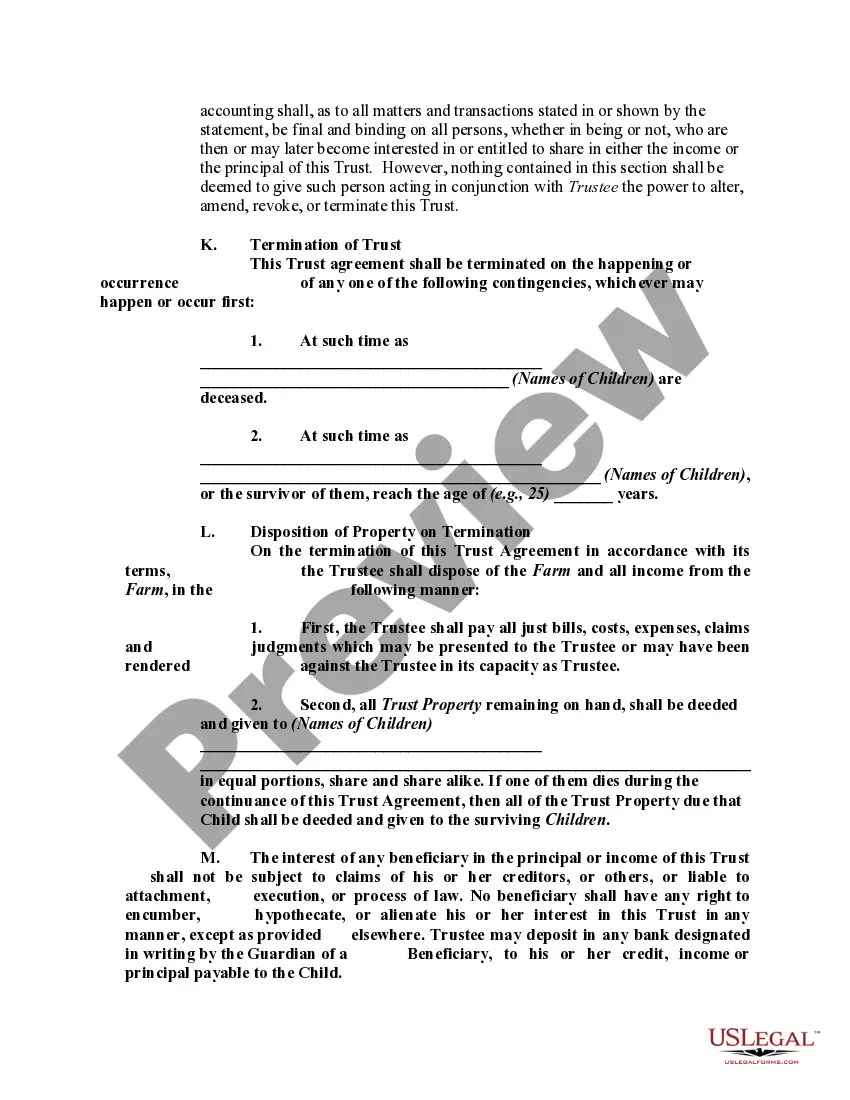
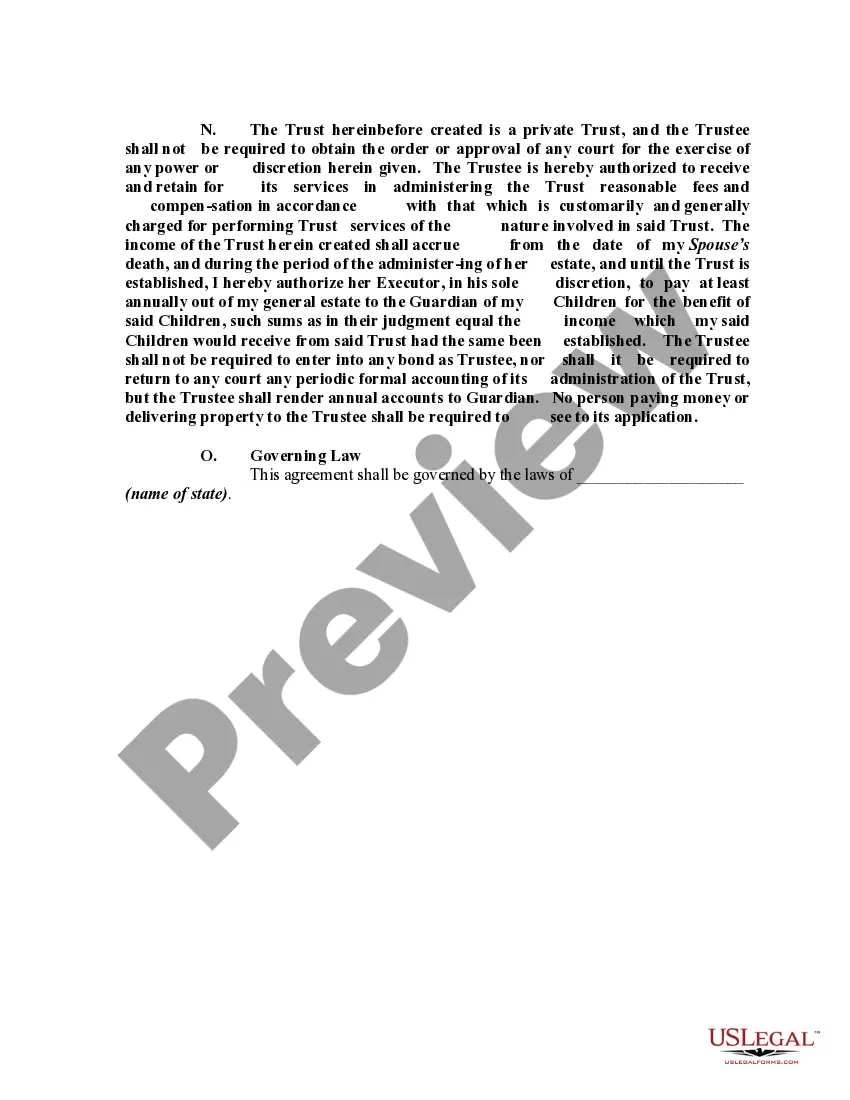
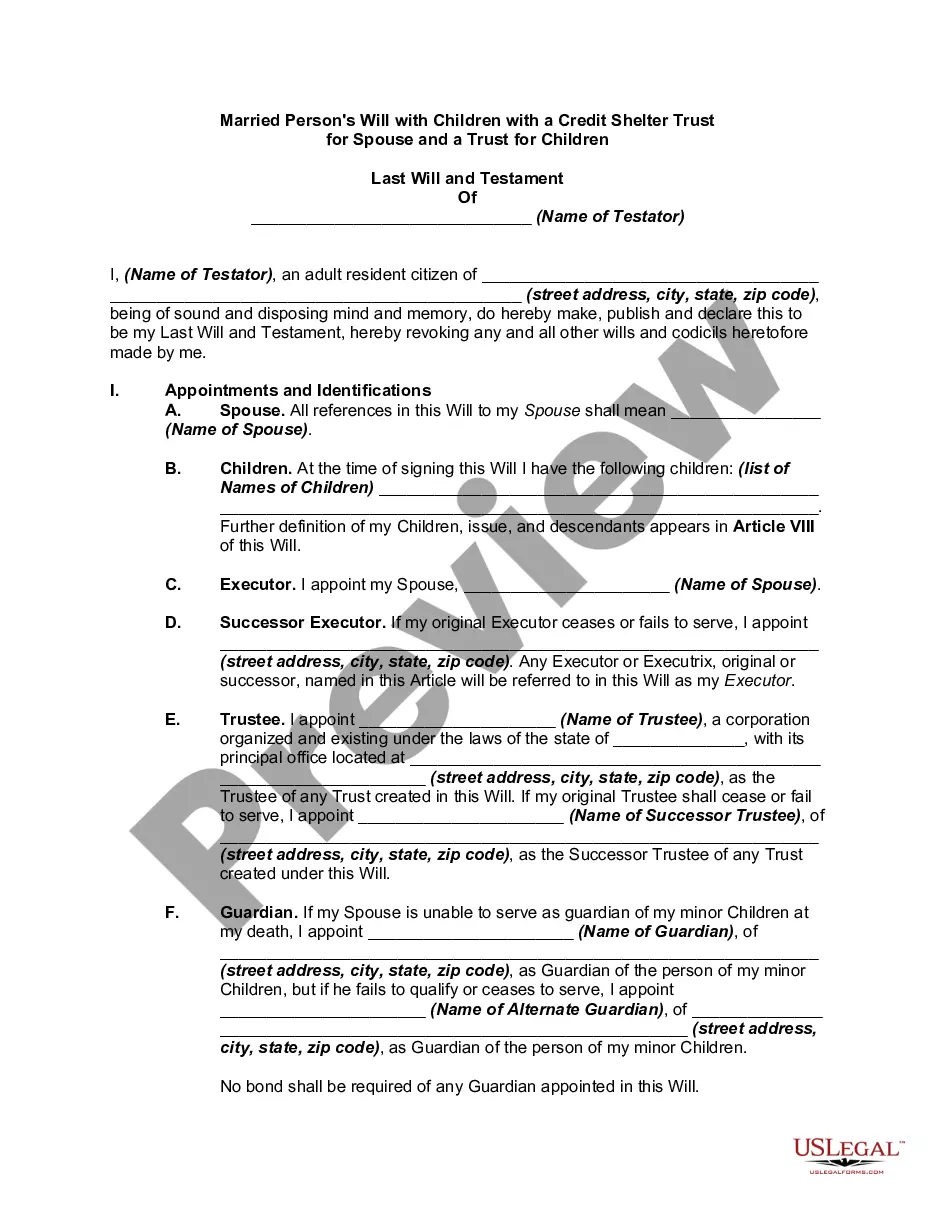
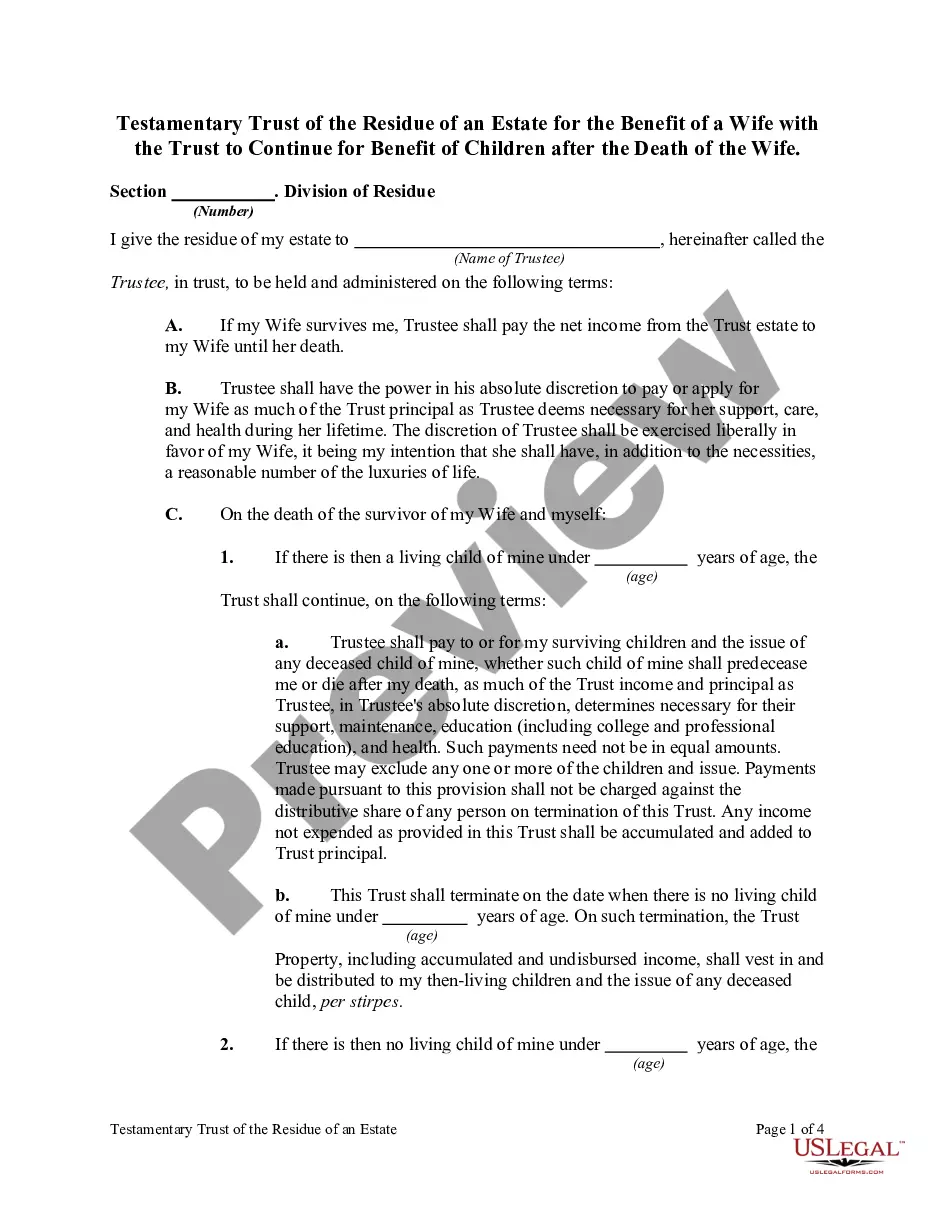
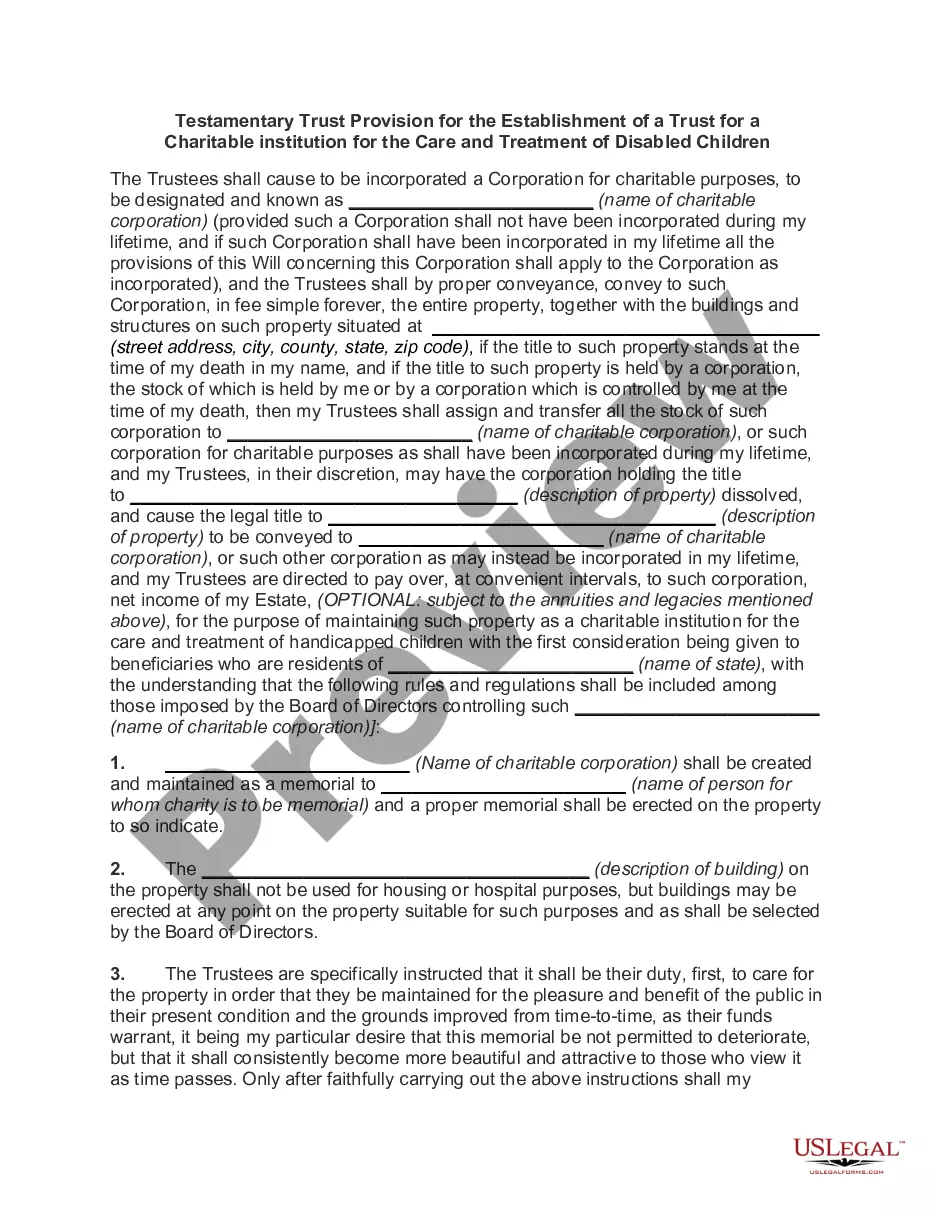
Description
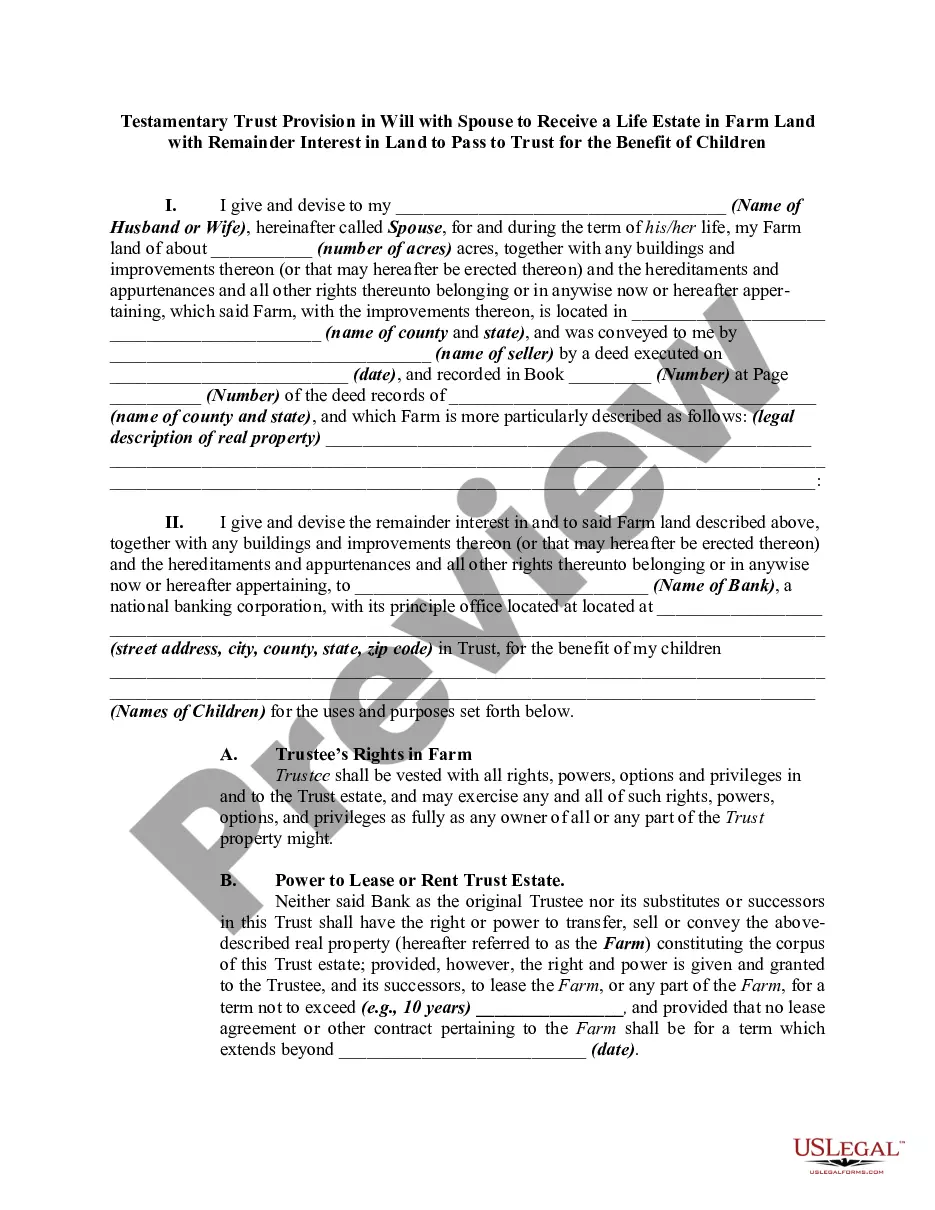
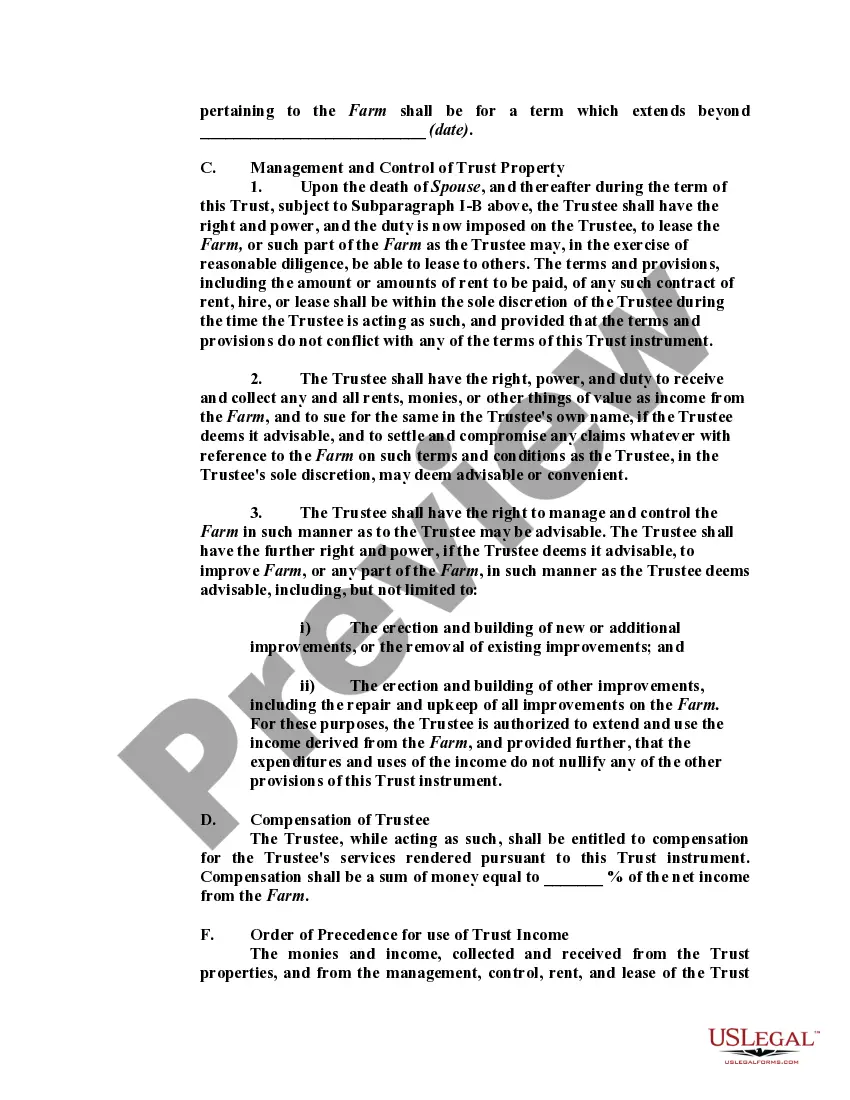
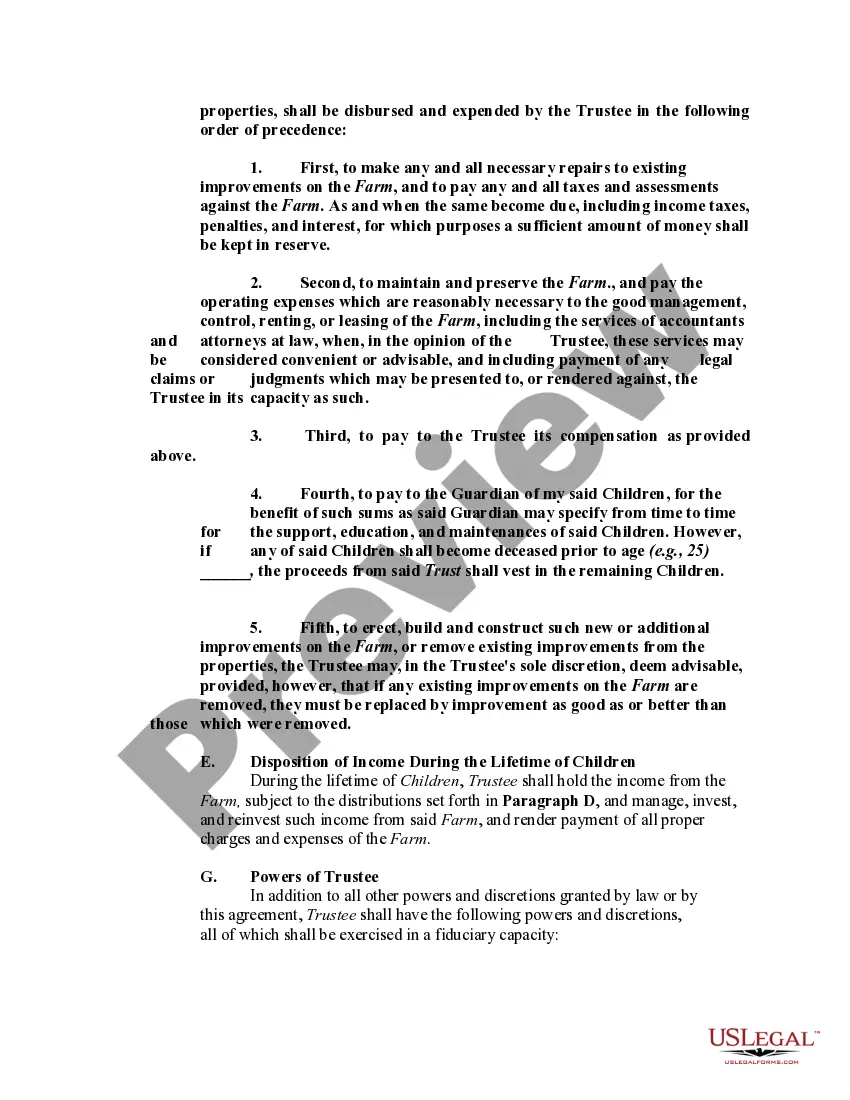
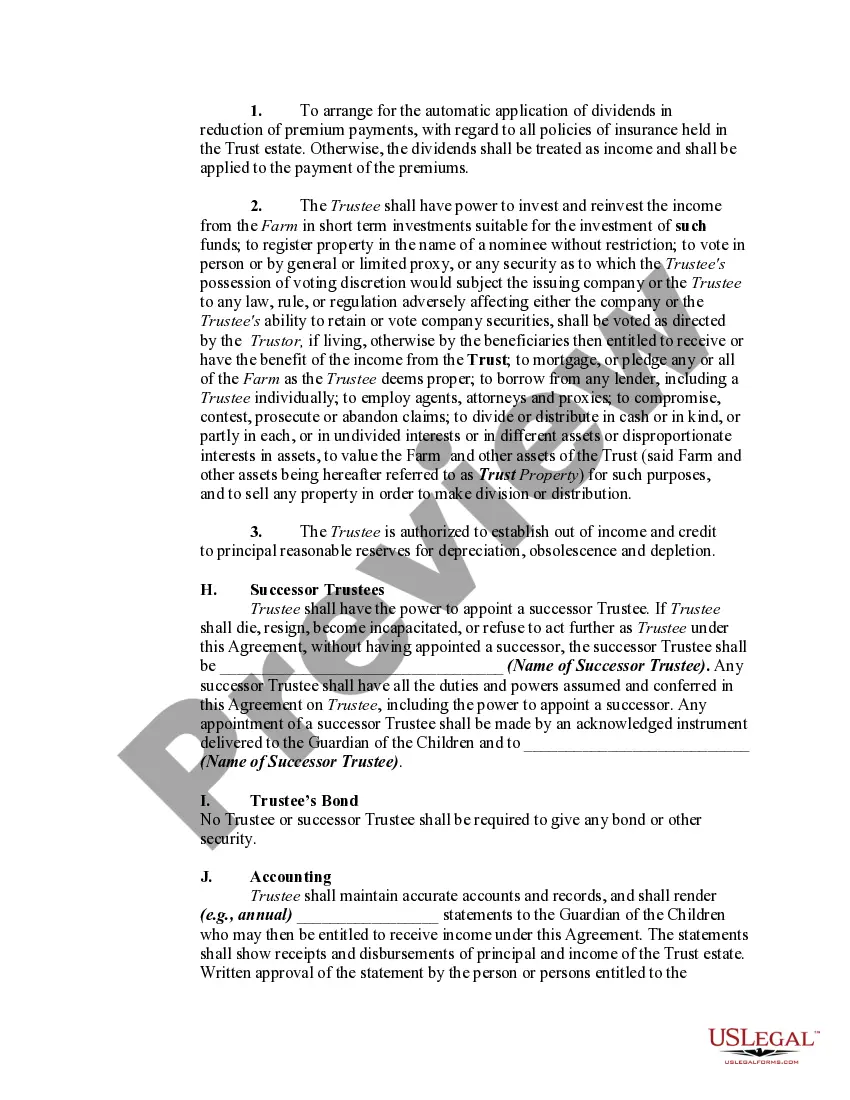

Get your form ready online
Our built-in tools help you complete, sign, share, and store your documents in one place.
Make edits, fill in missing information, and update formatting in US Legal Forms—just like you would in MS Word.
Download a copy, print it, send it by email, or mail it via USPS—whatever works best for your next step.
Sign and collect signatures with our SignNow integration. Send to multiple recipients, set reminders, and more. Go Premium to unlock E-Sign.
If this form requires notarization, complete it online through a secure video call—no need to meet a notary in person or wait for an appointment.
We protect your documents and personal data by following strict security and privacy standards.

Make edits, fill in missing information, and update formatting in US Legal Forms—just like you would in MS Word.

Download a copy, print it, send it by email, or mail it via USPS—whatever works best for your next step.

Sign and collect signatures with our SignNow integration. Send to multiple recipients, set reminders, and more. Go Premium to unlock E-Sign.

If this form requires notarization, complete it online through a secure video call—no need to meet a notary in person or wait for an appointment.

We protect your documents and personal data by following strict security and privacy standards.
Looking for another form?







How to fill out Testamentary Trust Provision In Will With Spouse To Receive A Life Estate In Farm Land With Remainder Interest In Land To Pass To Trust For The Benefit Of Children?
- Log in to your US Legal Forms account if you are an existing user. Ensure your subscription is active to access necessary documents.
- If this is your first time, browse the available forms. Use the Preview mode to see descriptions and confirm you choose the right testamentary trust provision.
- If you find any discrepancies, utilize the Search tab to locate the appropriate template that suits your needs.
- Select the form and click on the Buy Now button. Choose your preferred subscription plan to access the library's resources.
- Provide payment information to complete your purchase, using either a credit card or PayPal.
- Download your completed form and save it. You can access it anytime in the My Forms section of your account.
In conclusion, US Legal Forms simplifies the legal document process by providing a user-friendly platform packed with resources. With precise templates and expert assistance, you can ensure your testamentary trust provision meets legal requirements effortlessly.
Get started today and experience the benefits of a comprehensive legal library tailored to your needs!
Form popularity
FAQ
The primary difference between a testamentary trust and a normal trust lies in their creation timing. A testamentary trust provision is established upon your death through your will, while a normal trust, or living trust, is created during your lifetime. Each type serves different purposes in estate planning, catering to specific needs and goals.
One notable disadvantage of a testamentary trust provision is that it does not take effect until after your death, which may delay asset distribution. This can be especially challenging for beneficiaries needing immediate access to funds. Additionally, the trust may incur probate costs and legal fees, reducing the estate's overall value for heirs.
In a testamentary trust provision, various assets can be placed, including real estate, bank accounts, investments, and personal property. Typically, these assets are outlined in your will or other estate planning documents. It's important to have a clear inventory to ensure all desired assets are included for effective management after your passing.
Writing a testamentary trust requires careful planning and clarity. Start by outlining your wishes in a will, specifying the assets to be included in the testamentary trust provision and the desired beneficiaries. It is also essential to appoint a reliable trustee who will manage the trust according to your instructions. For a smooth process, consider using platforms like US Legal Forms, which provide templates and legal guidance for creating an effective testamentary trust.
A testamentary trust can face several disadvantages. First, the trust only comes into effect after the death of the person creating it, leading to delays in asset distribution. Additionally, probate is necessary, which can be a lengthy and costly process that may reduce the estate’s value. Furthermore, any changes made to the trust may not be in effect until after the creator passes, limiting flexibility.
To establish a testamentary trust, you must include a trust provision in your will that outlines the terms and conditions for managing the trust. This includes naming a trustee responsible for overseeing the assets and specifying how and when the beneficiaries will receive their distributions. For assistance with this process, consider using uslegalforms, which offers helpful resources and templates to create a valid testamentary trust.
A testamentary trust provision in a will establishes a trust that comes into effect upon the testator's death. It allows for the distribution and management of assets under specific terms to provide for beneficiaries. This provision is especially useful for ensuring that minors or individuals with special needs are cared for according to the wishes of the deceased.
To obtain letters of testamentary, you must first file the deceased's will with the probate court in your jurisdiction. Once the court verifies the will, you can request the letters, which grant you the authority to manage the estate. Utilizing resources like uslegalforms can simplify this process, providing guidance and necessary forms to expedite your application.
Testamentary provisions are specific instructions in a will that detail how a person's estate should be distributed upon their death. These provisions can include the establishment of trusts, such as a testamentary trust provision, to manage assets for beneficiaries. Properly drafted testamentary provisions ensure the deceased's wishes are honored and help minimize disputes.
An example of a testamentary trust provision in a will is a clause that creates a trust for minor children. The provision might state that funds should be held in trust until the children turn 18, at which point they receive the assets outright. This setup protects the children’s inheritance and ensures responsible distribution over time.