Testament Synonym
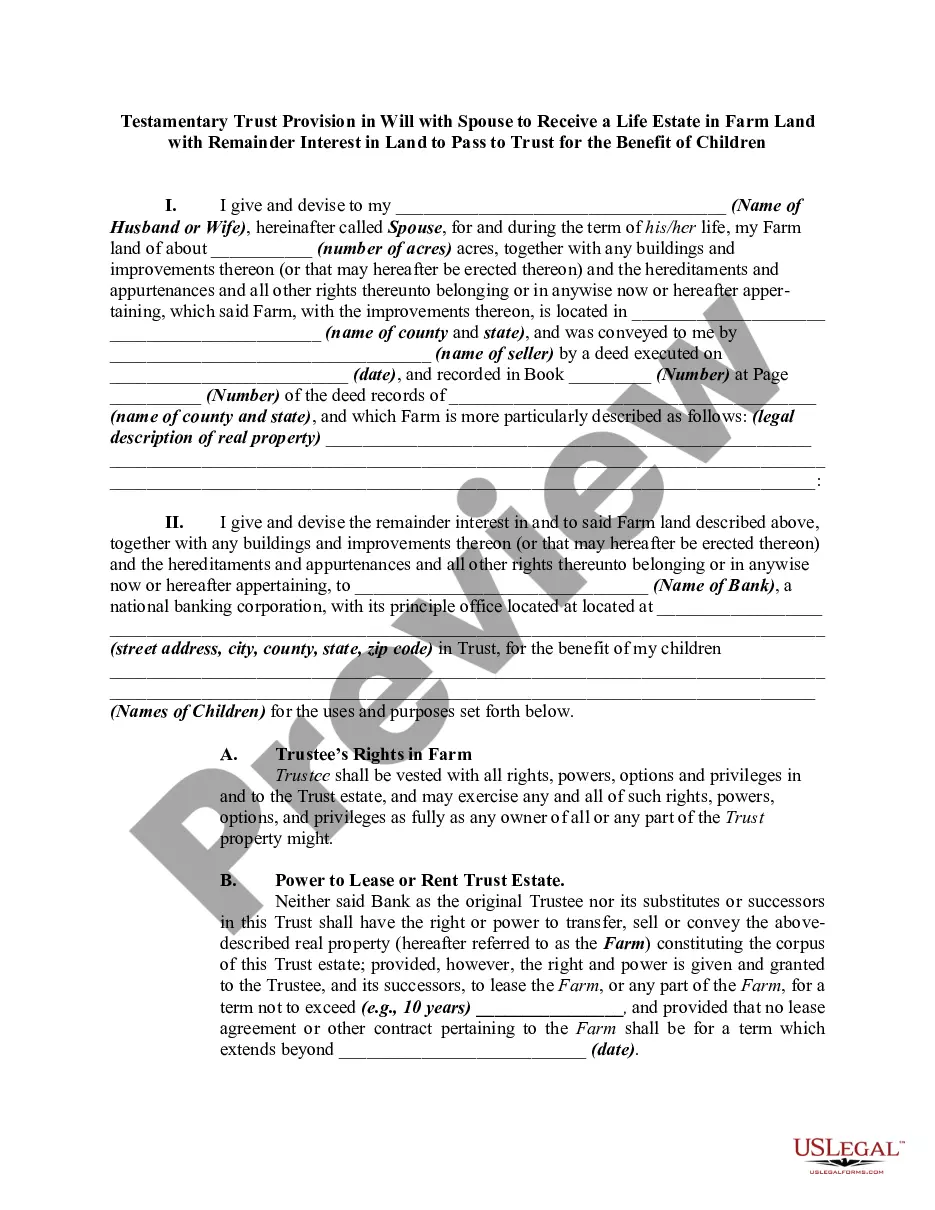
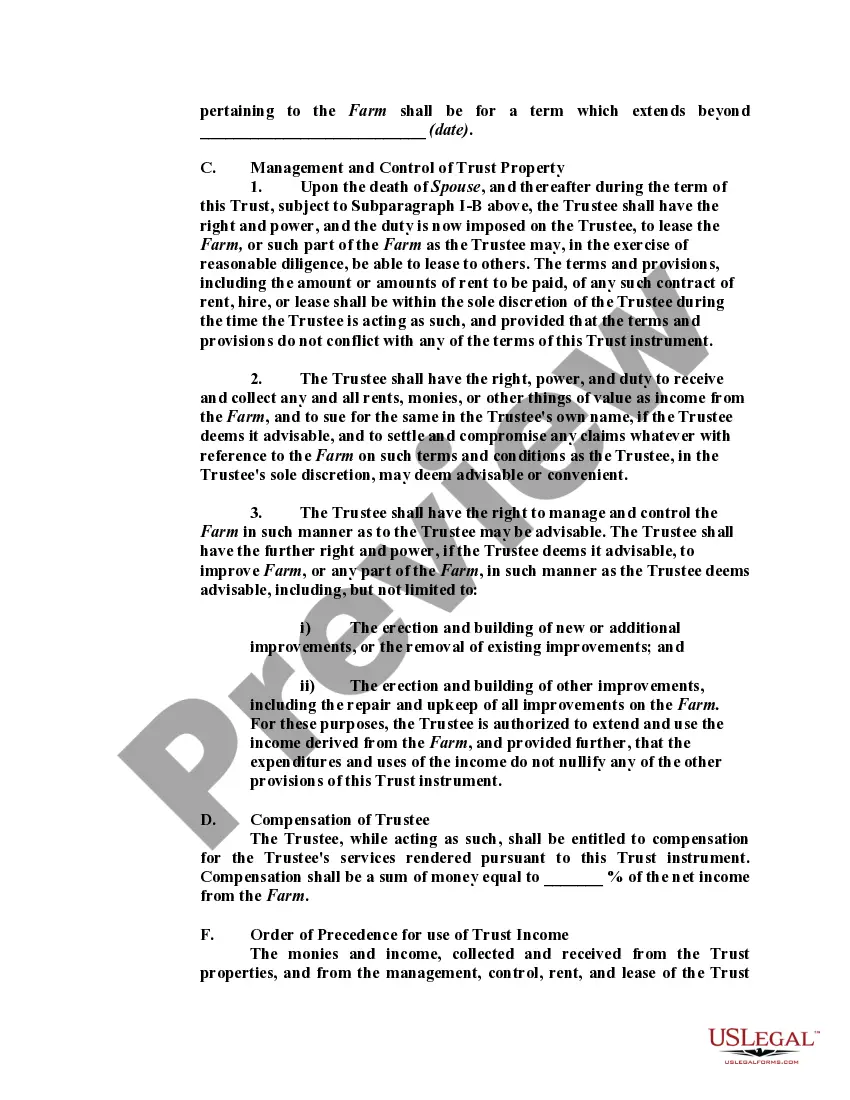
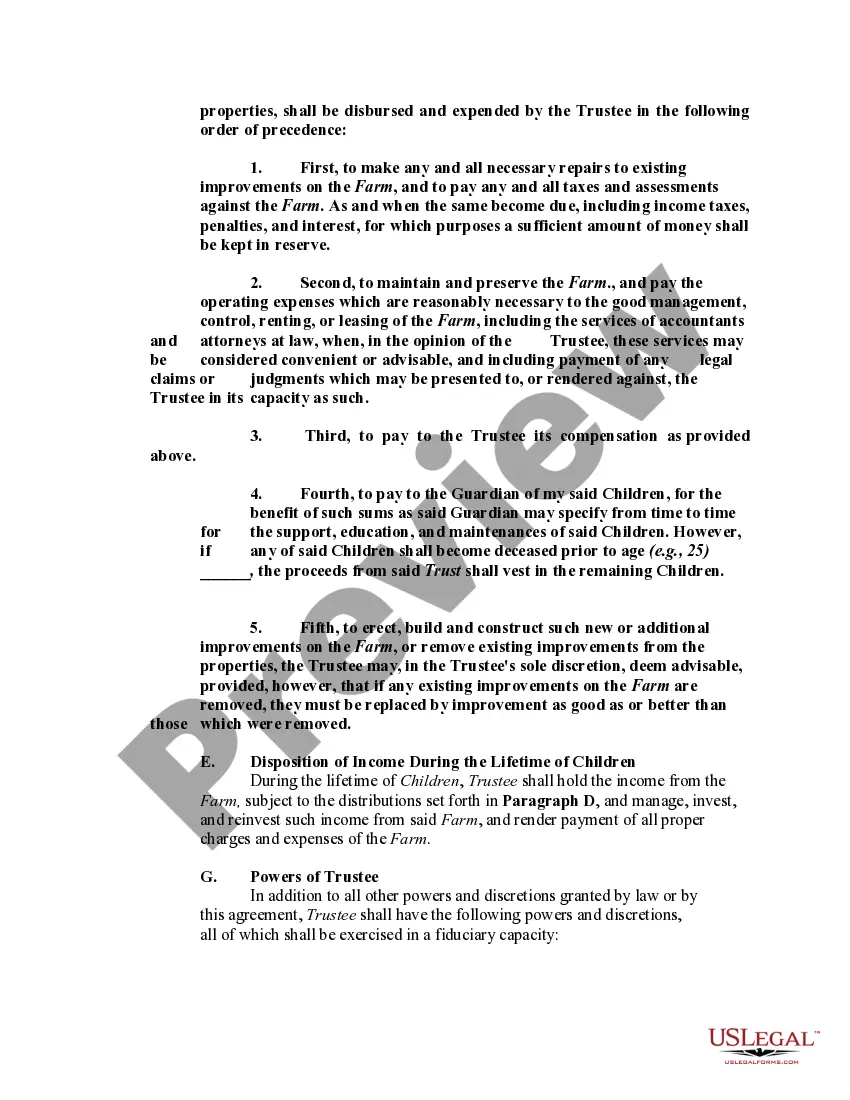
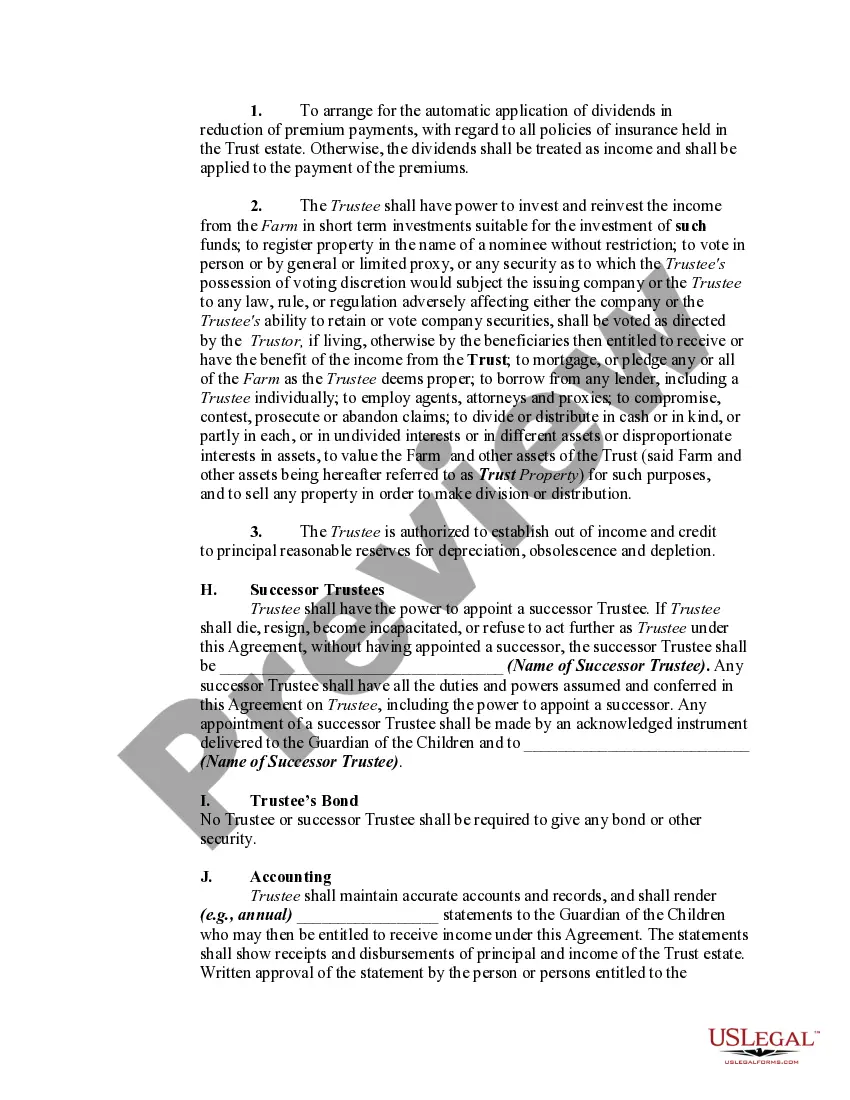
Description

Get your form ready online
Our built-in tools help you complete, sign, share, and store your documents in one place.
Make edits, fill in missing information, and update formatting in US Legal Forms—just like you would in MS Word.
Download a copy, print it, send it by email, or mail it via USPS—whatever works best for your next step.
Sign and collect signatures with our SignNow integration. Send to multiple recipients, set reminders, and more. Go Premium to unlock E-Sign.
If this form requires notarization, complete it online through a secure video call—no need to meet a notary in person or wait for an appointment.
We protect your documents and personal data by following strict security and privacy standards.

Make edits, fill in missing information, and update formatting in US Legal Forms—just like you would in MS Word.

Download a copy, print it, send it by email, or mail it via USPS—whatever works best for your next step.

Sign and collect signatures with our SignNow integration. Send to multiple recipients, set reminders, and more. Go Premium to unlock E-Sign.

If this form requires notarization, complete it online through a secure video call—no need to meet a notary in person or wait for an appointment.

We protect your documents and personal data by following strict security and privacy standards.
Looking for another form?


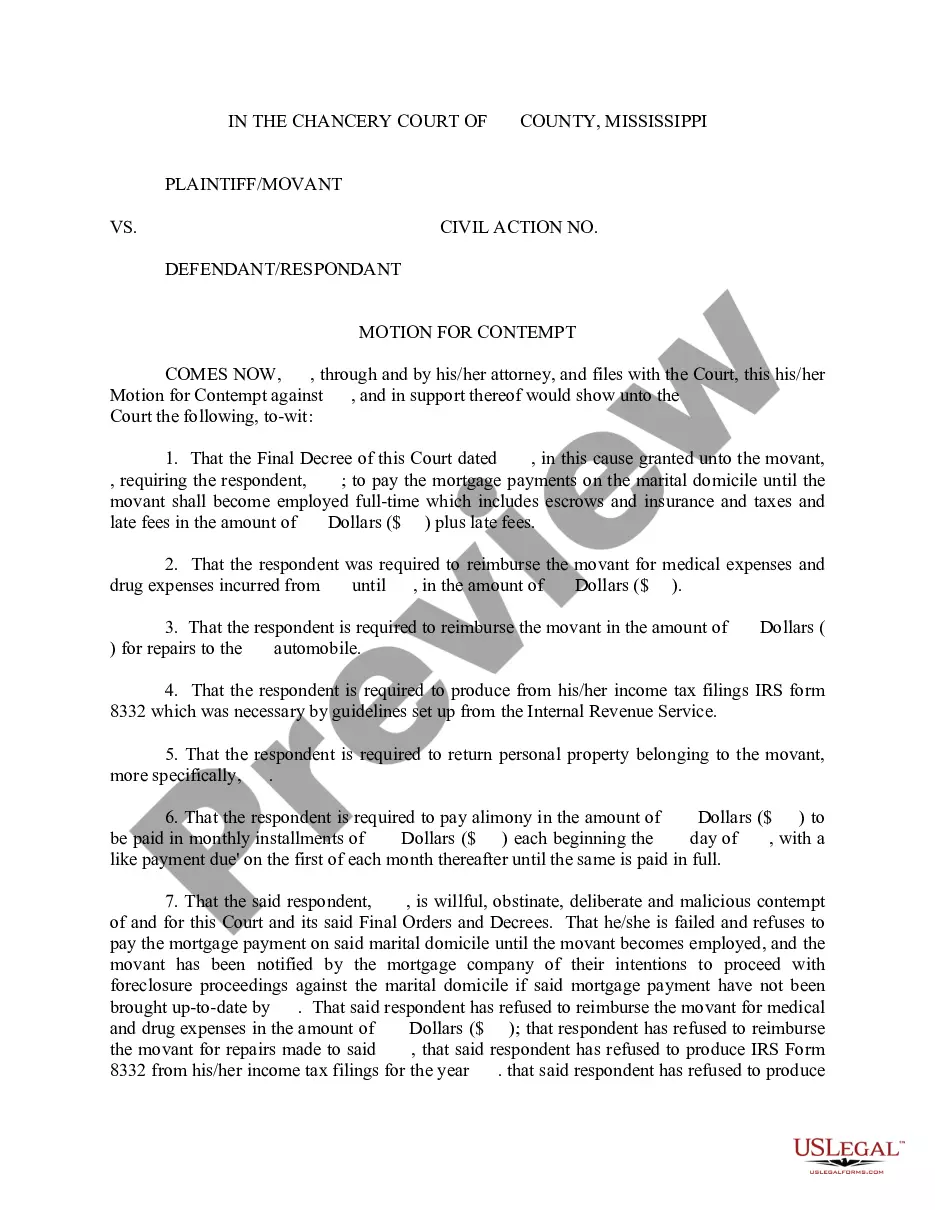



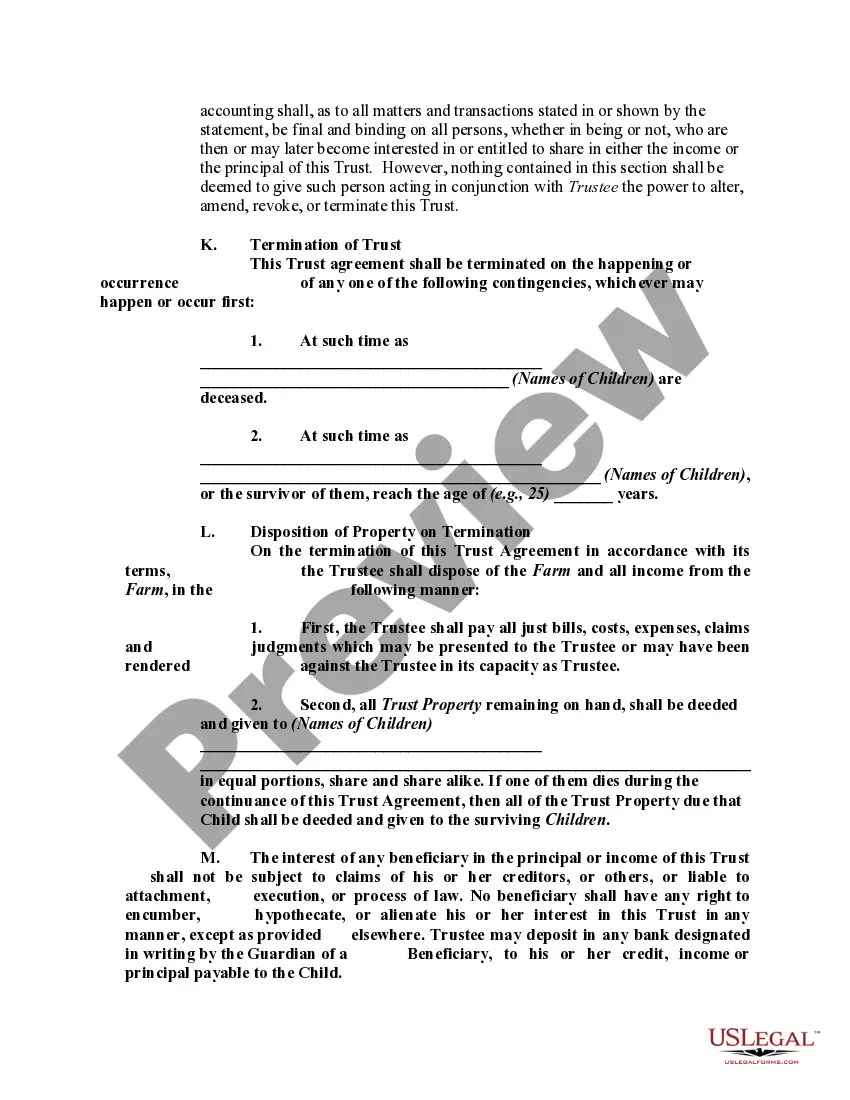
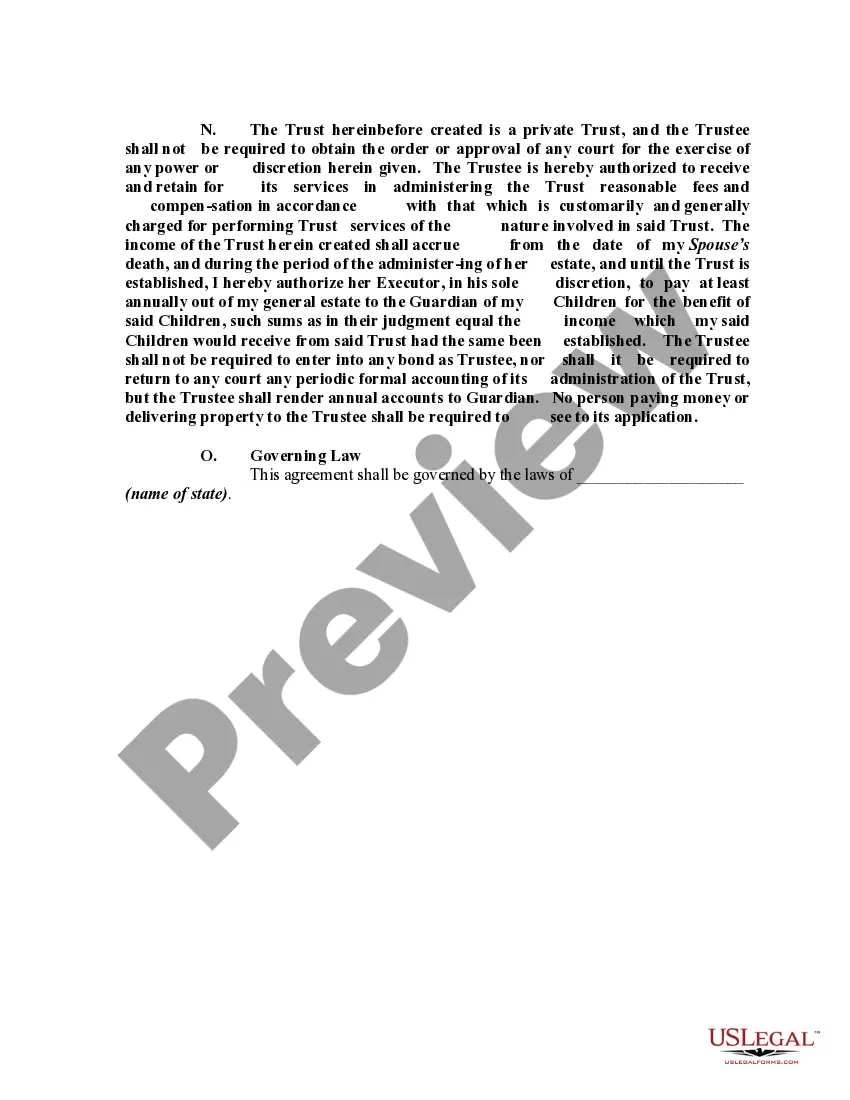
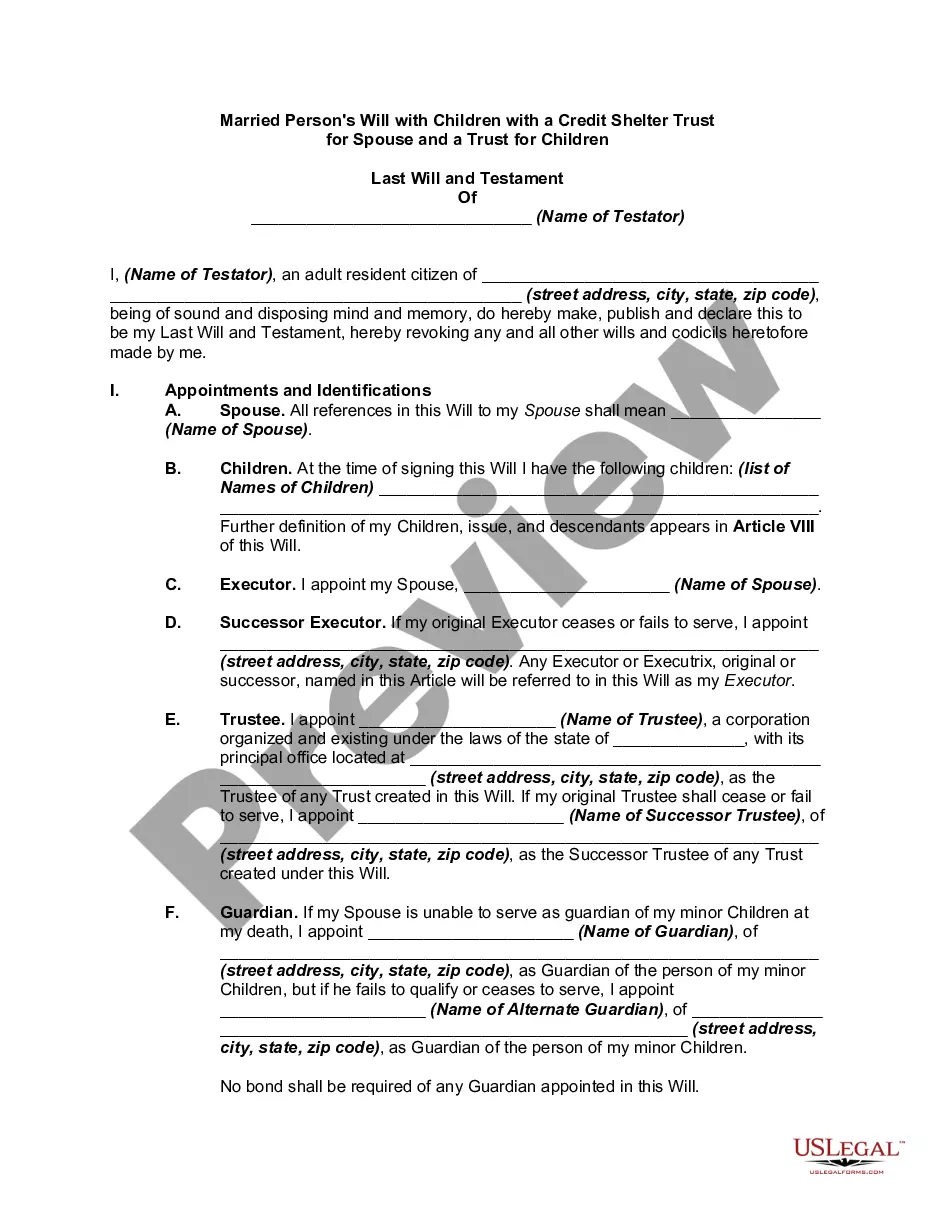
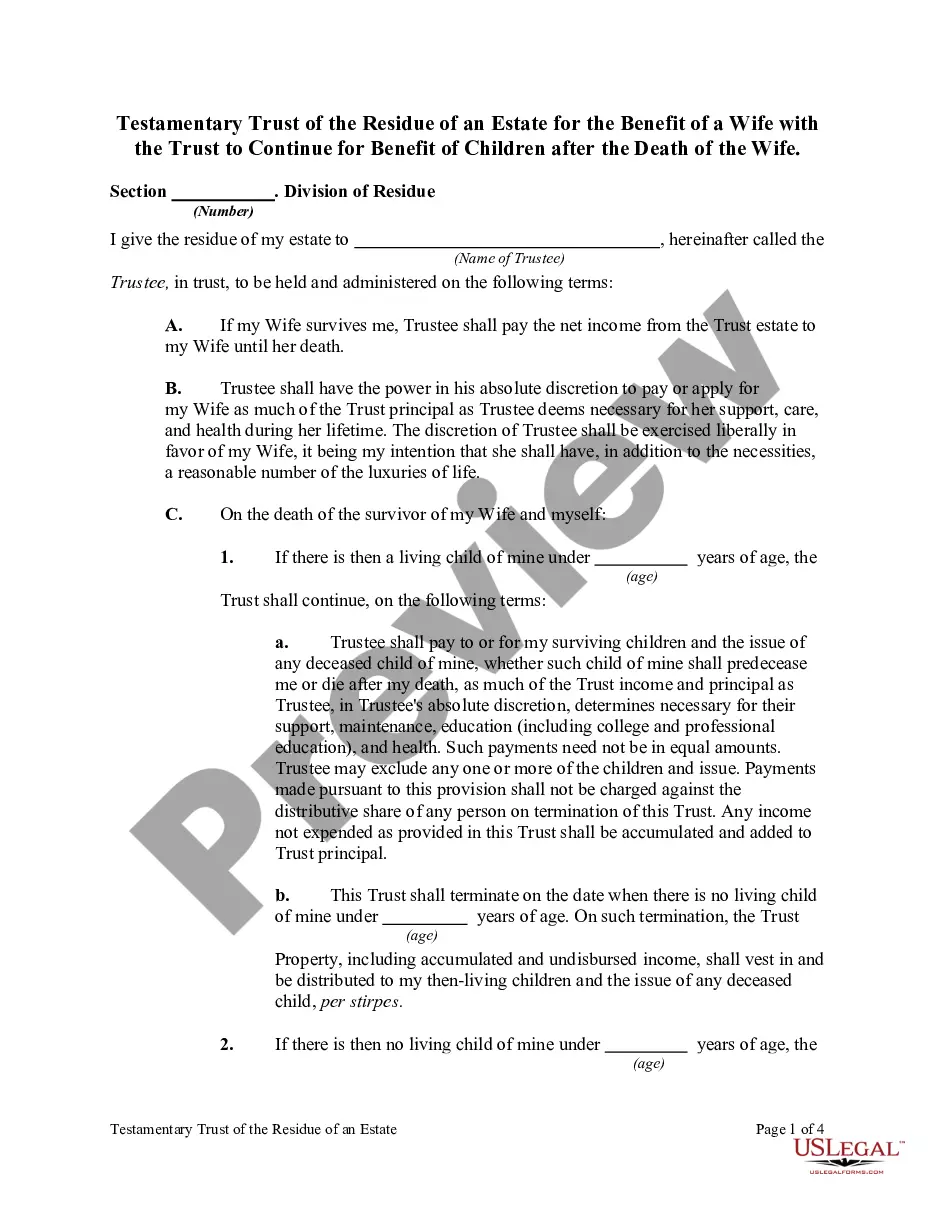
How to fill out Testamentary Trust Provision In Will With Spouse To Receive A Life Estate In Farm Land With Remainder Interest In Land To Pass To Trust For The Benefit Of Children?
- Log in to your account to access saved templates, ensuring your subscription is active; if not, renew it as per your plan.
- Review the preview and description of the required form to confirm it meets your jurisdictional needs.
- If you need to find a different document, use the Search tab to explore alternatives and select the correct one.
- Select your form and click on the Buy Now button to initiate your purchase process; choose an appropriate subscription plan and create an account.
- Enter your payment details: utilize a credit card or a PayPal account to complete your transaction.
- Download the form to your device, allowing for easy access within the My Forms section of your account whenever needed.
Using US Legal Forms ensures that you have access to a vast collection of over 85,000 legal documents tailored to your specific needs. Their expert assistance also guarantees that your final product is accurate and compliant with legal standards.
Start using US Legal Forms today to effortlessly access legal documents, empowering yourself with knowledge and resources. Don't hesitate, explore the library now!
Form popularity
FAQ
When something is described as a testament to a particular quality or achievement, it signifies that it serves as proof or evidence of that attribute. For instance, an individual's success can be a testament to their hard work and dedication. This phrase powerfully emphasizes the underlying principles or efforts that lead to notable results. Utilizing this clarity can bolster your understanding of synonyms related to testament, enhancing effective communication.
Both 'testament to' and 'testament of' are often used interchangeably, but their usage can depend on the context. 'Testament to' typically conveys proof or evidence of something, while 'testament of' indicates that something is a representation or reflection of another. To improve clarity, consider 'testament to' when you want to highlight evidence, especially in formal writing. Understanding these nuances is important, especially when discussing concepts related to synonyms for testament.
The term 'testament' can refer to various concepts depending on the context. Generally, it signifies a declaration or statement of beliefs, intentions, or experiences. Legally, it often pertains to a will or formal document outlining a person's wishes, thus serving as a significant testament to their values and desires as they pass on their legacy.
If something is described as a testament to something, it signifies strong evidence supporting its truth or validity. This expression illustrates how one fact, event, or individual can validate or showcase another. The phrase effectively emphasizes relationships between experiences and the qualities they reveal, reinforcing the notion that our actions speak volumes.
Someone's testament typically refers to their life's work and the impact they leave behind. It embodies the experiences, decisions, and influences that define their character and contributions to the world. In personal and legal contexts, a testament can also refer to a written will, indicating a person’s final wishes and the legacy they intend to pass on.
A common synonym for testament is 'witness' or 'evidence', particularly when referring to proof of qualities or experiences. Other alternatives include 'proof', 'confirmation', or 'confirmation'. When selecting words to convey similar meanings, consider the context in which you wish to use the terms, ensuring clarity and understanding.
The phrase 'testament to' is typically used when you want to show that something proves or affirms another thing. In contrast, 'testimony to' often refers to a formal statement or evidence of a specific experience or event. Both phrases convey strong meaning, but 'testament' usually carries a broader and more impactful connotation, serving as a direct reference to proof and validation.
Your life can be a testament to the values and principles you uphold. It may reflect your commitment to honesty, service, and integrity, serving as an example for others. Ultimately, the legacy you create can inspire future generations to live by similar standards, transforming your experiences into a powerful testament to meaningful living.
To be a testament to something means to provide strong evidence or proof of its existence or quality. It highlights how something or someone demonstrates certain attributes, values, or achievements. For example, a successful project can be a testament to your hard work and dedication, showing what you are capable of accomplishing.
The meaning of testament in one word can be captured as 'witness.' This term beautifully encapsulates the essence of the word by emphasizing a declaration or affirmation of truth. When you reflect on this simplicity, it opens up a deeper understanding of your own convictions and declarations.