Farm House
Description
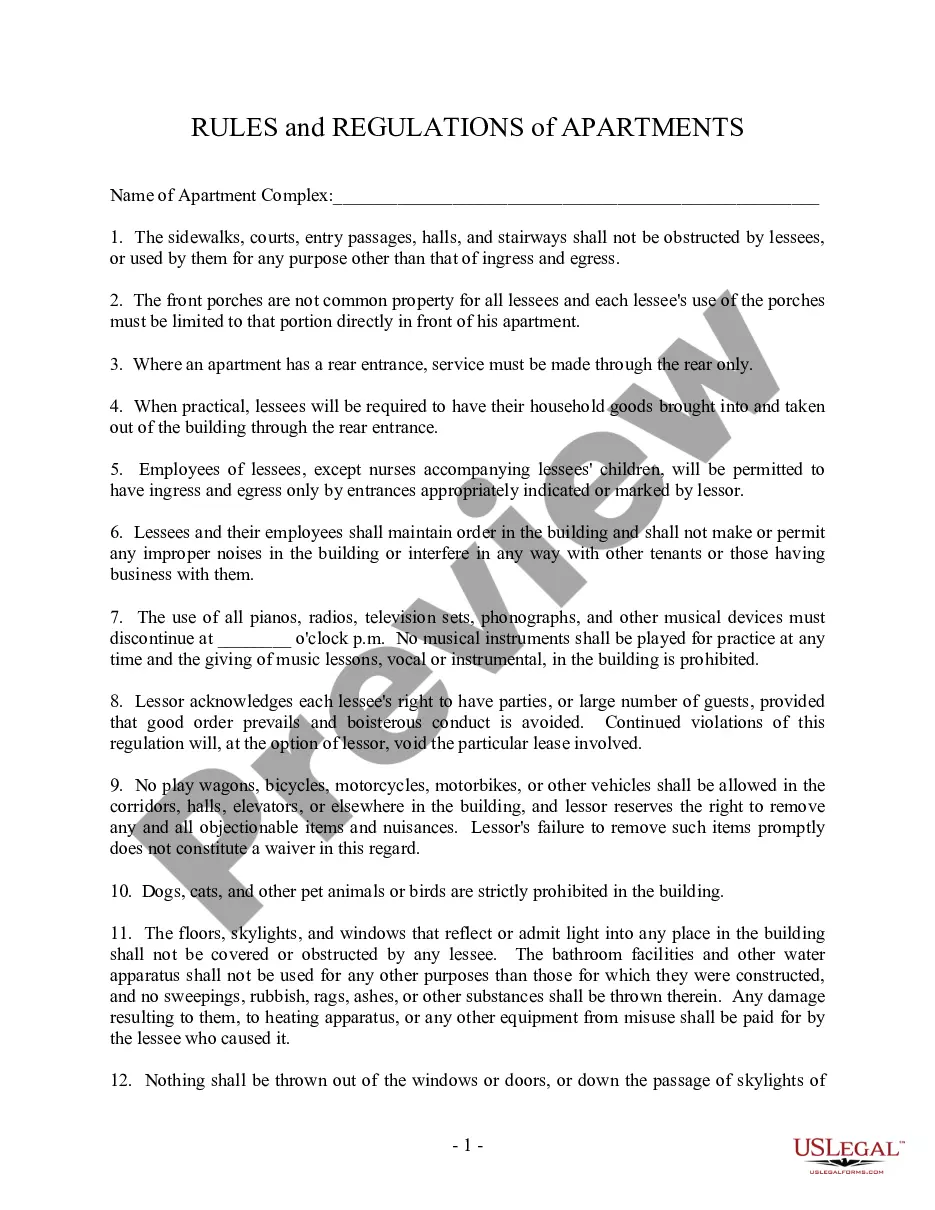
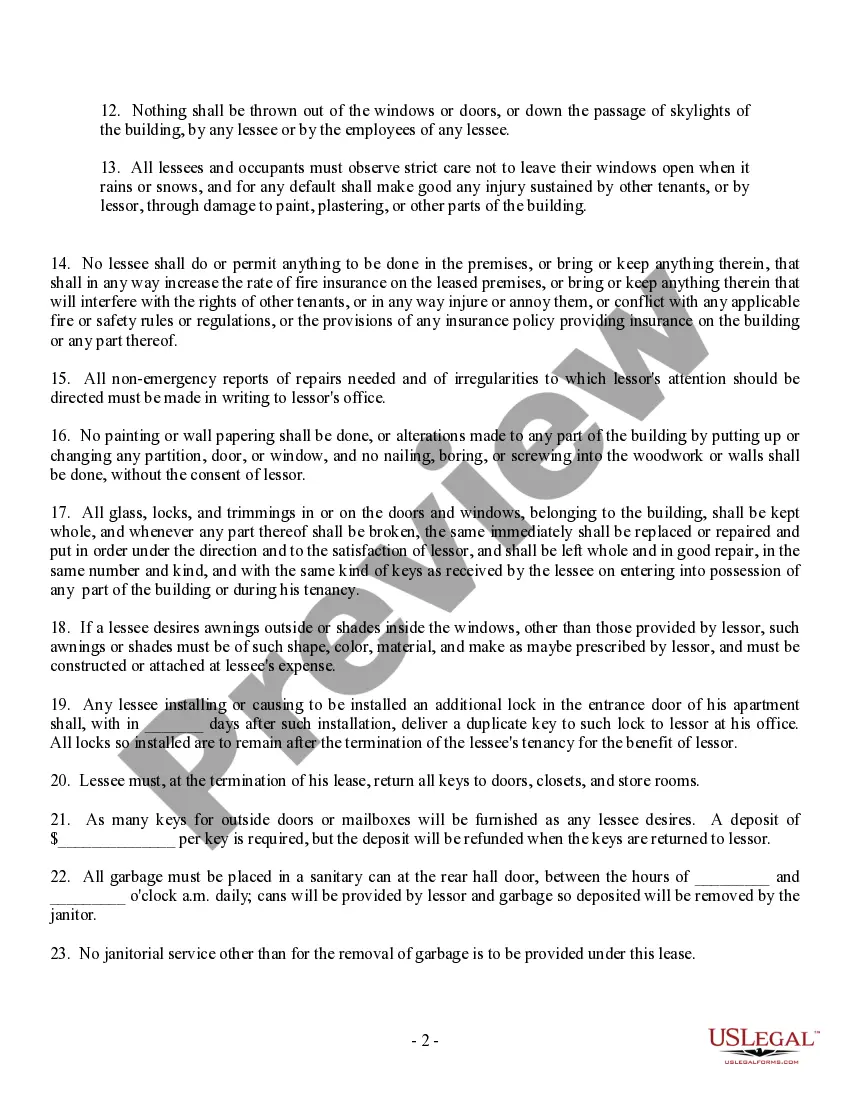
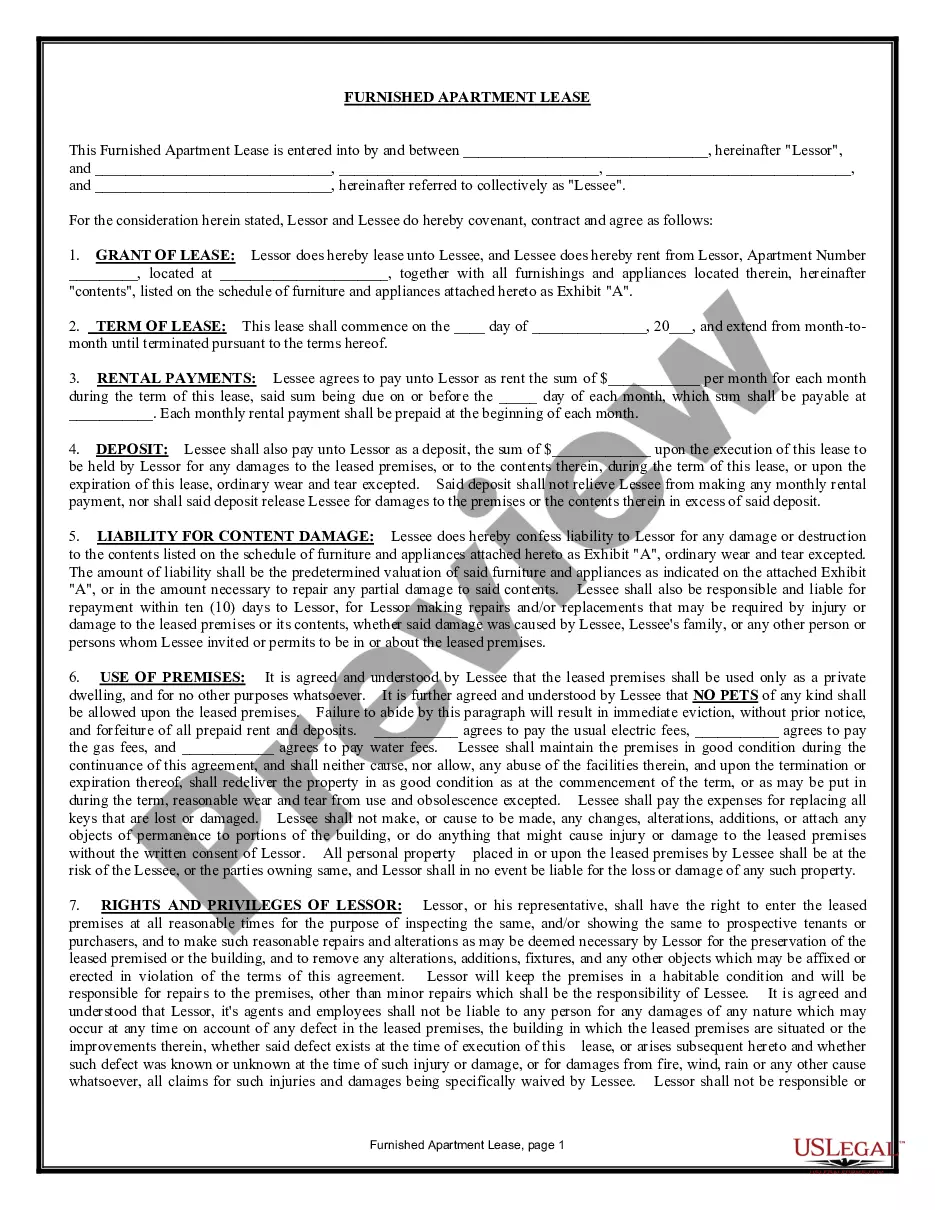
Get your form ready online
Our built-in tools help you complete, sign, share, and store your documents in one place.
Make edits, fill in missing information, and update formatting in US Legal Forms—just like you would in MS Word.
Download a copy, print it, send it by email, or mail it via USPS—whatever works best for your next step.
Sign and collect signatures with our SignNow integration. Send to multiple recipients, set reminders, and more. Go Premium to unlock E-Sign.
If this form requires notarization, complete it online through a secure video call—no need to meet a notary in person or wait for an appointment.
We protect your documents and personal data by following strict security and privacy standards.

Make edits, fill in missing information, and update formatting in US Legal Forms—just like you would in MS Word.

Download a copy, print it, send it by email, or mail it via USPS—whatever works best for your next step.

Sign and collect signatures with our SignNow integration. Send to multiple recipients, set reminders, and more. Go Premium to unlock E-Sign.

If this form requires notarization, complete it online through a secure video call—no need to meet a notary in person or wait for an appointment.

We protect your documents and personal data by following strict security and privacy standards.
Looking for another form?


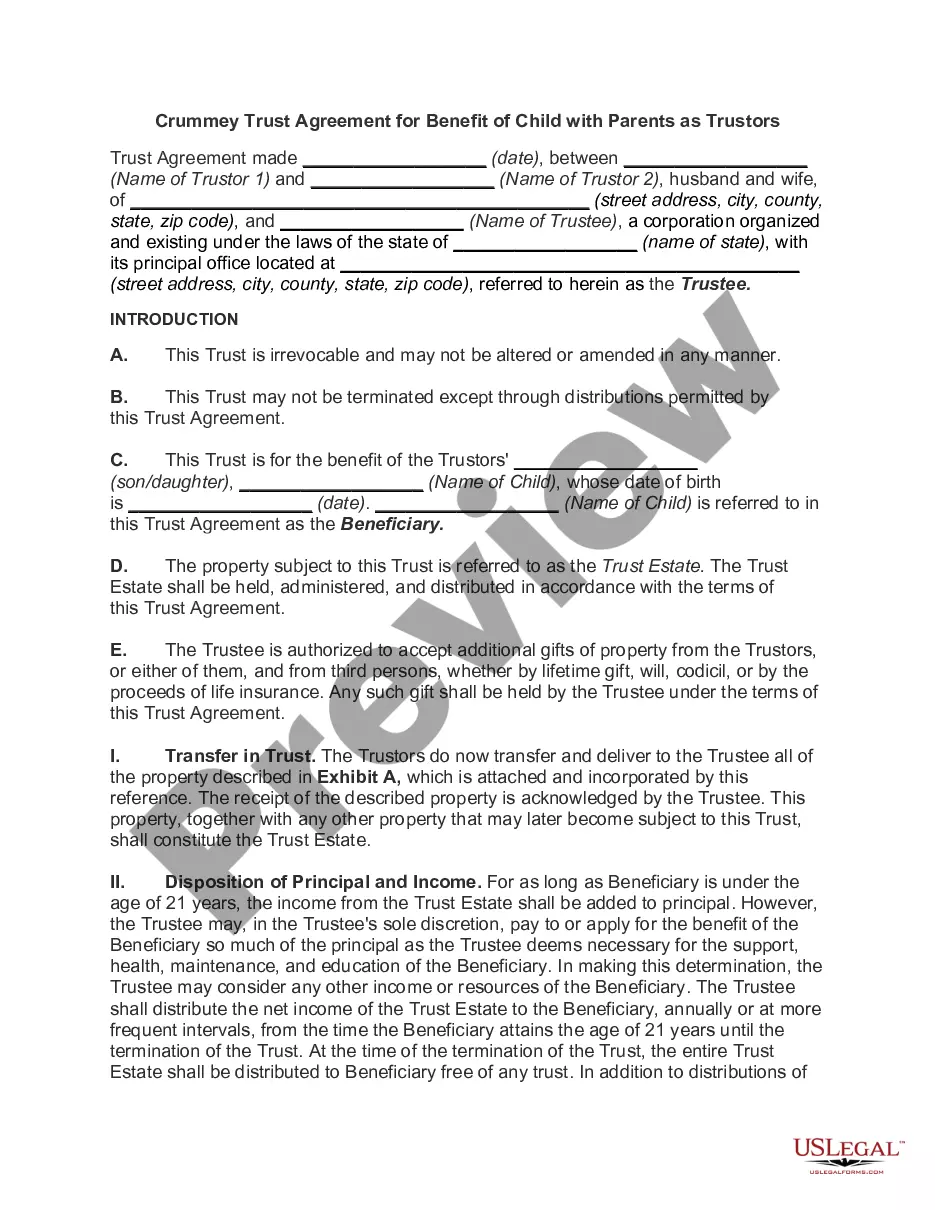






How to fill out Apartment Rules?
The Farm House you observe on this page is a reusable official template prepared by expert attorneys in accordance with federal and local statutes.
For over 25 years, US Legal Forms has offered individuals, companies, and lawyers more than 85,000 validated, state-specific documents for any business and personal occasion. It’s the fastest, easiest, and most reliable method to obtain the paperwork you require, as the service guarantees the utmost level of data protection and anti-virus security.
Subscribe to US Legal Forms to have verified legal templates for all of life’s situations at your fingertips.
- Search for the document you require and review it.
- Explore the sample you found and preview it or examine the form description to confirm it meets your requirements. If it does not, utilize the search tool to find the correct one. Click Buy Now once you have identified the template you need.
- Subscribe and Log In. Choose the pricing plan that best fits you and create an account. Use PayPal or a credit card to make a quick payment. If you already possess an account, Log In and verify your subscription to proceed.
- Obtain the editable template. Select the format you prefer for your Farm House (PDF, Word, RTF) and download the sample onto your device.
- Complete and sign the document. Print the template to fill it out manually. Alternatively, use an online versatile PDF editor to quickly and accurately complete and sign your form with an electronic signature.
- Download your documents once more. Utilize the same document again whenever necessary. Access the My documents tab in your profile to redownload any previously saved forms.
Form popularity
FAQ
A farmhouse typically requires a significant amount of land, ideally located in rural areas. You need to ensure that the property meets local zoning laws, which may dictate the size and purpose of the farmhouse. It's also important to check for access to utilities such as water, electricity, and sewage systems. When planning your dream farmhouse, consider using USLegalForms to find the necessary legal documents and forms that can simplify your purchasing process and compliance.
A farm house typically refers to a dwelling that is located on a farm, designed to accommodate farmers and their families. This type of home often features a blend of rustic charm and practicality, providing essential living space as well as close access to the land being cultivated. While styles may vary, a farm house generally evokes a sense of rural life, often incorporating large porches, open layouts, and ample square footage for comfortable living. Whether you're looking to buy or build a farm house, understanding its unique characteristics can help you find the ideal home for your lifestyle.
Yes, you can claim your property as a farm if it meets the eligibility criteria for agricultural activities. Keep in mind, it should generate income and be operated with farming purposes in mind. Consider seeking guidance from tax and legal professionals to navigate the regulations and make the most of your farm house investment.
To declare your property as a farm, you typically need to operate it as an agricultural business and file the appropriate forms with your local government. This process can include registering your farm house and reporting income from agricultural activities. Utilizing platforms like uslegalforms can simplify the paperwork and ensure you meet all legal requirements.
The IRS does not set a specific number of acres that defines a farm; rather, it evaluates whether the land produces agricultural income. Even a small plot of land dedicated to growing crops or raising animals can qualify. If you are considering your farm house as a business, ensure it meets revenue expectations alongside land size.
For tax purposes, the IRS classifies a farm based on its primary purpose of producing food or other agricultural products. Generally, the land must produce at least some income from farming activities. If your farm house generates income through these activities, you may qualify for significant tax advantages.
To qualify as a farm, the property must be engaged in the production of agricultural products for sale. This includes raising crops or livestock, and also touches on activities such as forestry and aquaculture. If you're considering your own farm house, ensure that you meet these criteria to access specific agricultural benefits.
Yes, owning a farm can allow for various tax write-offs, which can benefit your financial situation. You may deduct expenses related to the operation and maintenance of your farm house, including land, equipment, and supplies. Consulting with a tax professional can help you maximize these deductions while ensuring compliance.
When you report farm income on your taxes, you use Schedule F, Profit or Loss from Farming. This form captures the income you generate from your farm activities, including sales of livestock, crops, or other products. Make sure to include all operational expenses, as these can help reduce your taxable income for your farm house.
designed farmhouse includes essential areas like a kitchen, living room, and bedrooms. Additionally, consider having a functional workspace and storage for farm equipment. Outdoor spaces such as gardens or porches enhance the farmhouse experience. Prioritize features that reflect your lifestyle and farming aspirations.