Summons For Judgement
Description
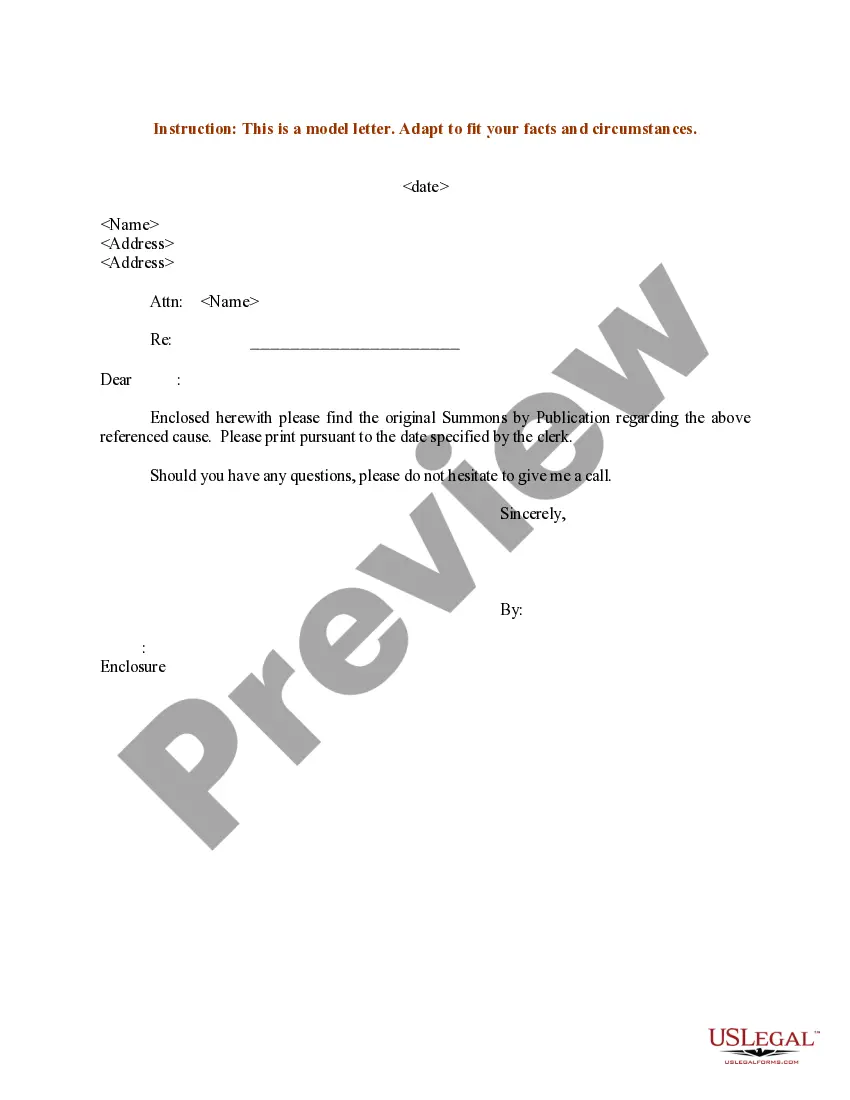
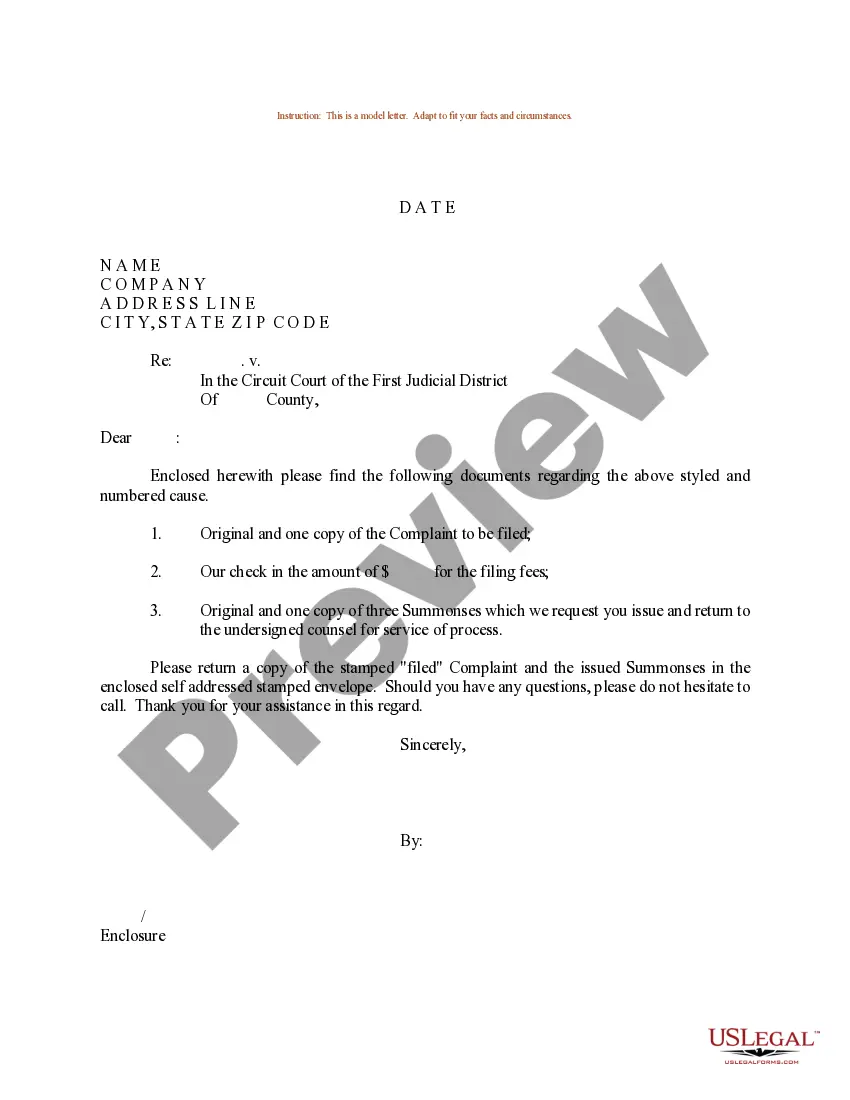
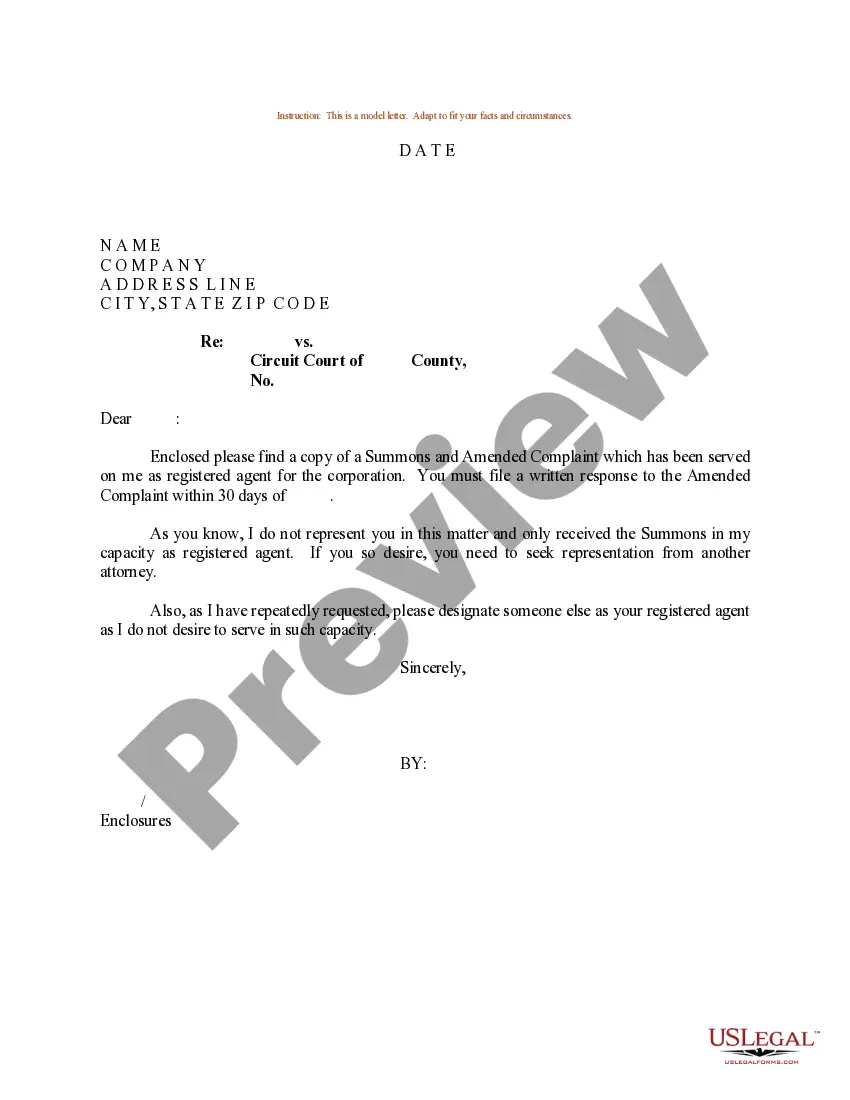
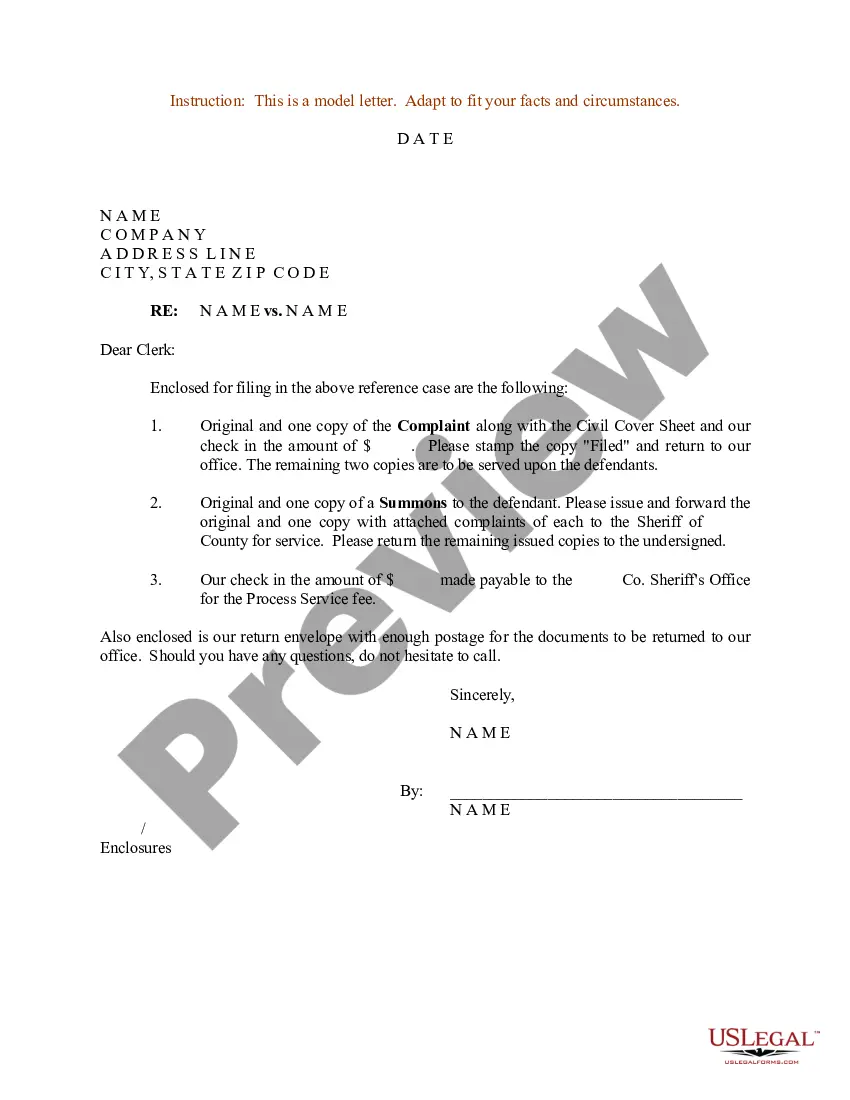
Get your form ready online
Our built-in tools help you complete, sign, share, and store your documents in one place.
Make edits, fill in missing information, and update formatting in US Legal Forms—just like you would in MS Word.
Download a copy, print it, send it by email, or mail it via USPS—whatever works best for your next step.
Sign and collect signatures with our SignNow integration. Send to multiple recipients, set reminders, and more. Go Premium to unlock E-Sign.
If this form requires notarization, complete it online through a secure video call—no need to meet a notary in person or wait for an appointment.
We protect your documents and personal data by following strict security and privacy standards.

Make edits, fill in missing information, and update formatting in US Legal Forms—just like you would in MS Word.

Download a copy, print it, send it by email, or mail it via USPS—whatever works best for your next step.

Sign and collect signatures with our SignNow integration. Send to multiple recipients, set reminders, and more. Go Premium to unlock E-Sign.

If this form requires notarization, complete it online through a secure video call—no need to meet a notary in person or wait for an appointment.

We protect your documents and personal data by following strict security and privacy standards.
Looking for another form?







How to fill out Sample Letter For Summons And Complaint?
- If you're an existing user, log in to your account to download the summons for judgement directly by clicking the Download button. Ensure your subscription is active; renew it if necessary.
- For first-time users, review the Preview mode and description of the summons for judgement form to confirm it meets your requirements and complies with local laws.
- Search for alternative templates if necessary using the Search tab above to find a suitable option.
- Once the appropriate form is selected, click the Buy Now button and choose your preferred subscription plan. Registration is required to access the full library.
- Complete your payment using a credit card or PayPal to finalize your subscription.
- Download the completed form to your device, giving you immediate access and the ability to find it later in the My Forms section.
Obtaining a summons for judgement is a straightforward process, especially with the assistance of US Legal Forms. With their robust collection of forms and expert support, you can ensure that your legal documents are correctly prepared.
Don't delay—get started on your legal needs today with US Legal Forms.
Form popularity
FAQ
Upon receiving a summons for judgement, your first step should be to read it thoroughly and determine the required response. Consider consulting with a legal professional who can provide advice tailored to your situation. Taking timely action, such as responding by the deadline, is vital to avoid further complications. Resources like US Legal Forms can assist in preparing the necessary documents to navigate your next steps smoothly.
After you receive a summons for judgement, you will need to prepare your case for court. This involves gathering evidence, understanding the claims made against you, and possibly hiring legal representation if you feel overwhelmed. The next steps include attending the scheduled court date and presenting your side of the story. It's crucial to take these steps seriously to protect your rights.
When you receive a summons for judgement, you are expected to appear in court and respond to the claims made against you. It’s essential to review the summons carefully, as it includes important dates and details about the case. Ignoring the summons can lead to default judgement, where you lose the case automatically. Engaging with legal resources can help you gather necessary information and prepare your response.
Being summoned means that you must appear in court to respond to a legal matter. This could involve a lawsuit related to debt, and a summons for judgement indicates that the other party seeks legal resolution. Understanding the specifics of your summons can be crucial for your case. Legal platforms like US Legal Forms can provide resources to help you navigate your obligations effectively.
Receiving a summons for judgement does not automatically mean you will go to jail. A summons is a formal notice to appear in court, usually regarding a debt or legal matter. If you fail to respond, you could face additional legal repercussions, which might include a judgement against you. It's important to understand your rights and options, and seeking legal help can guide you through the process.
Generally, a civil summons itself does not result in jail time, as it pertains to disputes between private parties. However, failing to comply with the court's orders related to a summons for judgement could lead to serious consequences, including contempt of court. It is crucial to respond to civil summons correctly and in a timely manner. If you are uncertain, seeking guidance from uslegalforms can help you understand your rights and obligations.
Yes, there are various types of summons, including civil summons, criminal summons, and summons for judgement. Each type serves a specific purpose in legal proceedings, informing parties about their obligations in court. Knowing these differences helps individuals navigate their legal situations more effectively. If you need assistance, platforms like uslegalforms offer resources and forms to address each type appropriately.
When someone receives a summons for judgement, it means they must respond to a legal claim made against them. This document informs the recipient about the court's procedure and deadlines. Ignoring a summons can lead to a default judgment against the person, making it crucial to take this seriously. By understanding the summons thoroughly, individuals can effectively prepare their response.
In Illinois, the rules for serving a summons for judgement require that the document be delivered to the defendant in a specific manner, typically through personal service by a process server or a sheriff. The summons must be served within 30 days of filing the complaint. Additionally, a copy of the complaint must accompany the summons, and proper proof of service needs to be filed with the court. Familiarizing yourself with these rules ensures compliance and can be assisted by platforms like US Legal Forms.
You cannot simply say no to a court summons for judgement. Ignoring a summons can lead to default judgement against you, which will likely result in a loss of the case automatically. It's essential to respond appropriately, articulating your position or objections during the legal process. If you have concerns, consider seeking legal advice to navigate your options effectively.