Publishing Deal For Musicians
Description
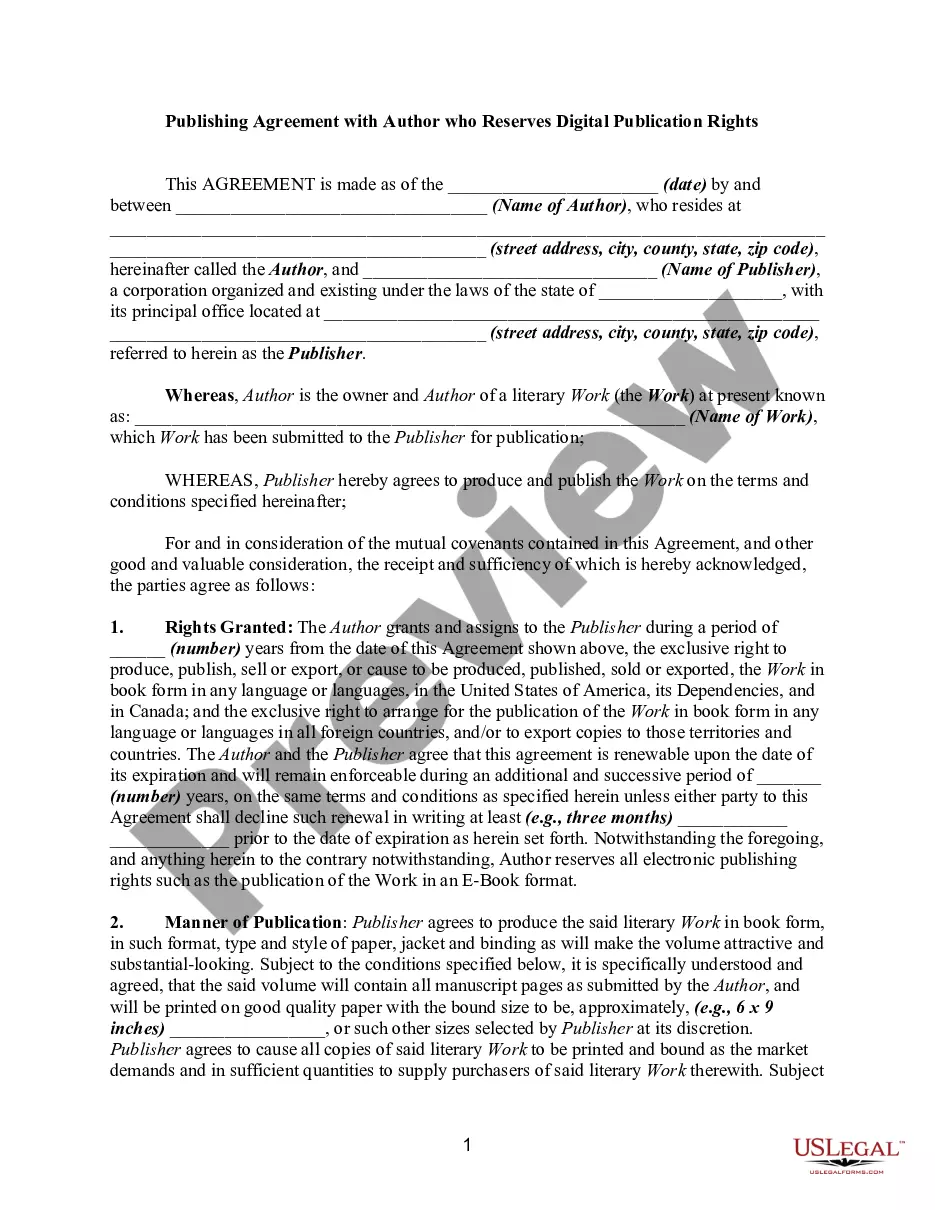
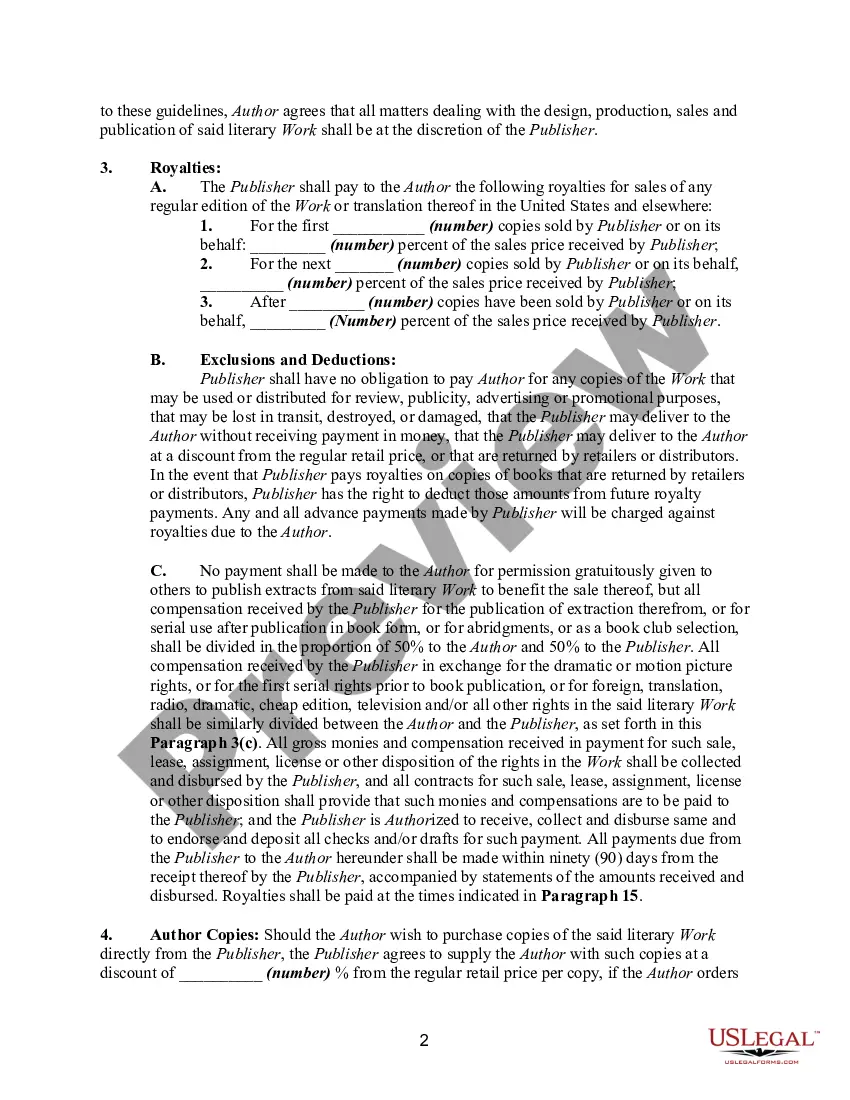
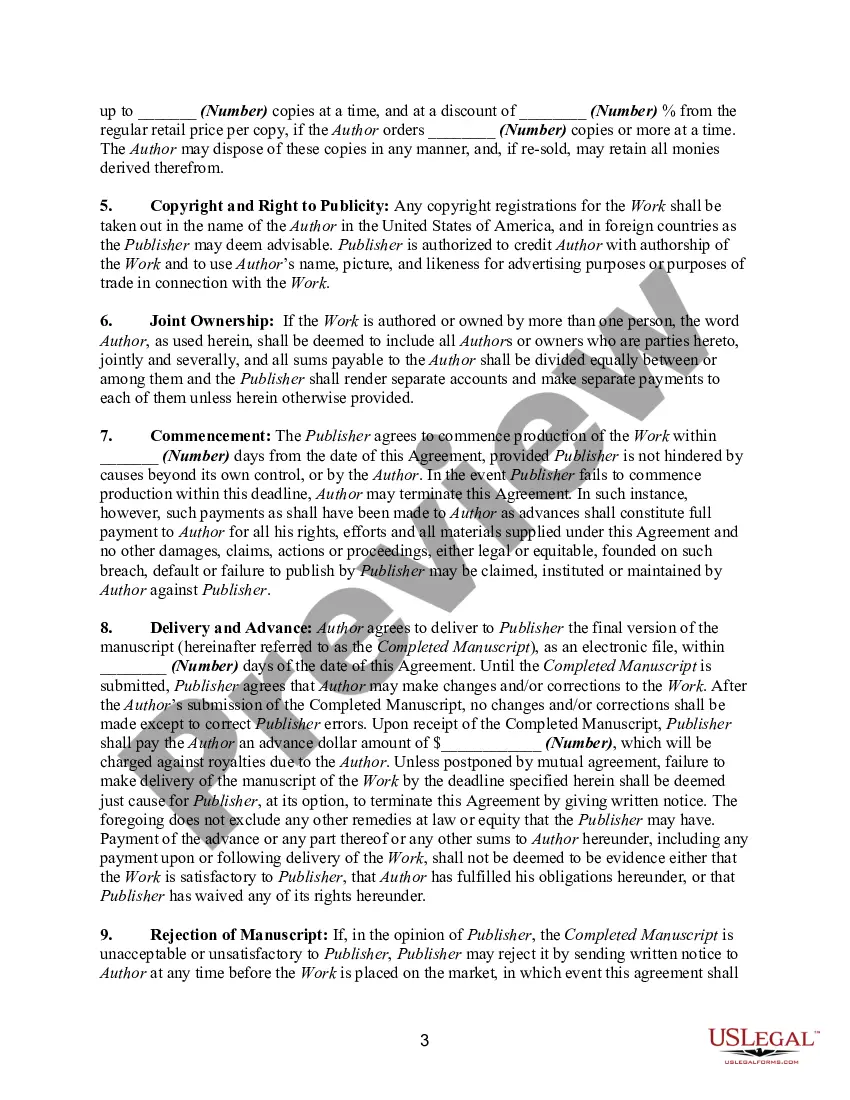
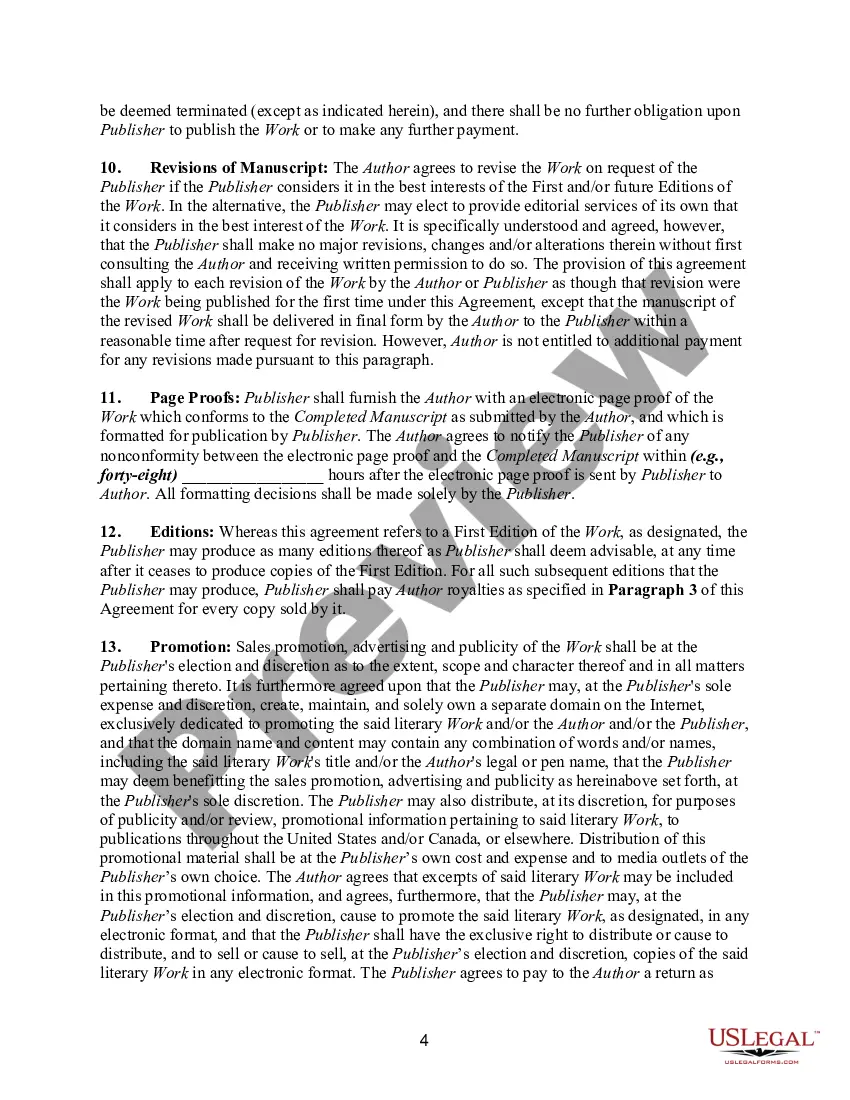
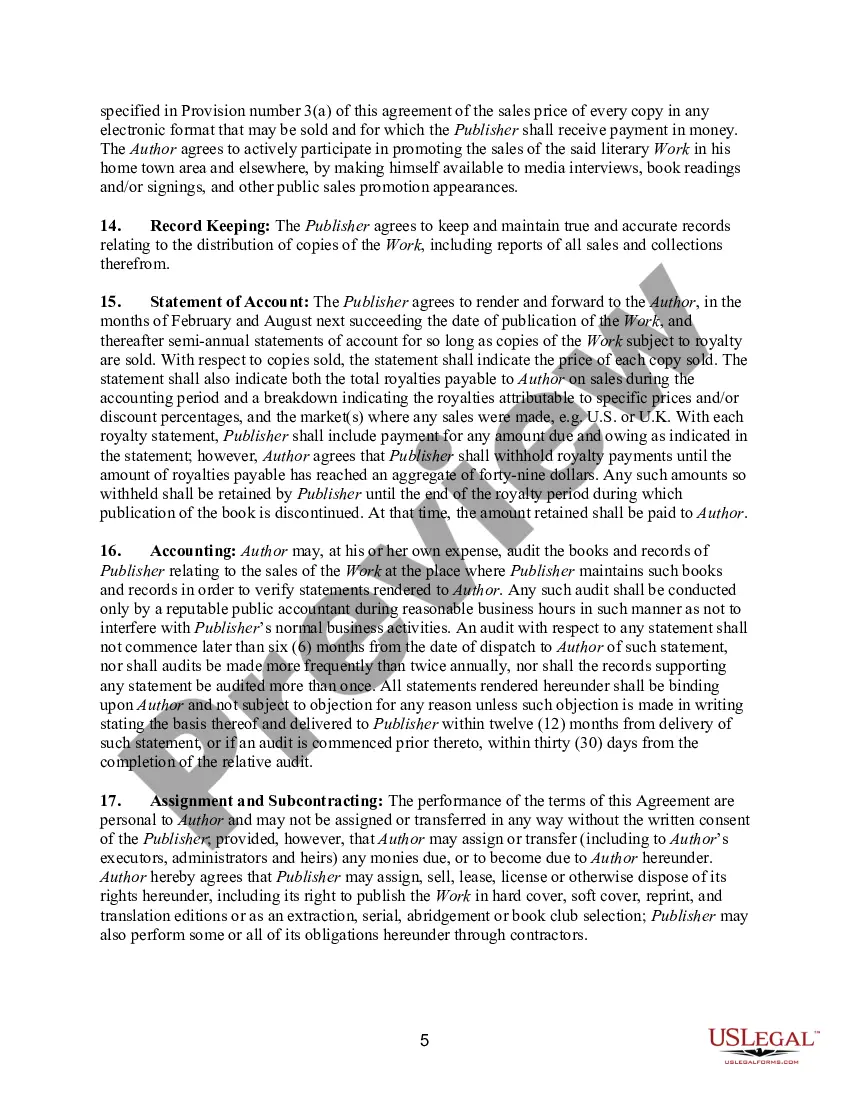
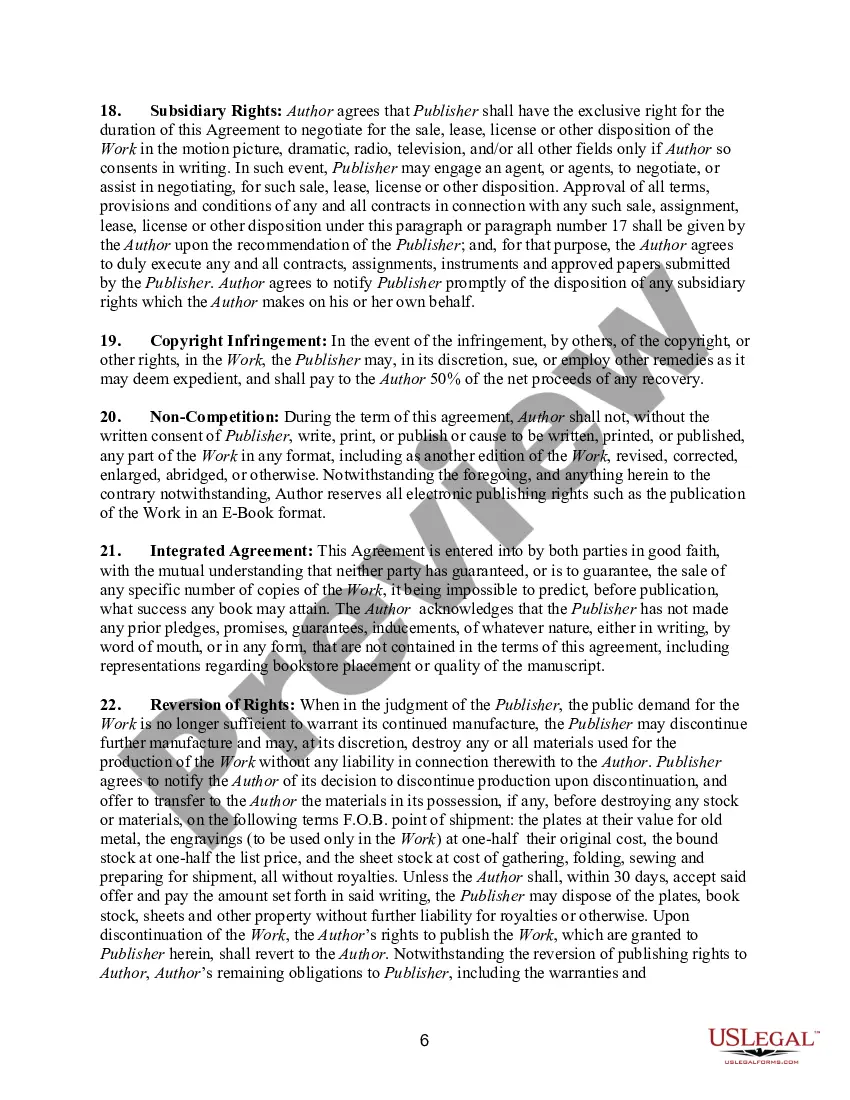
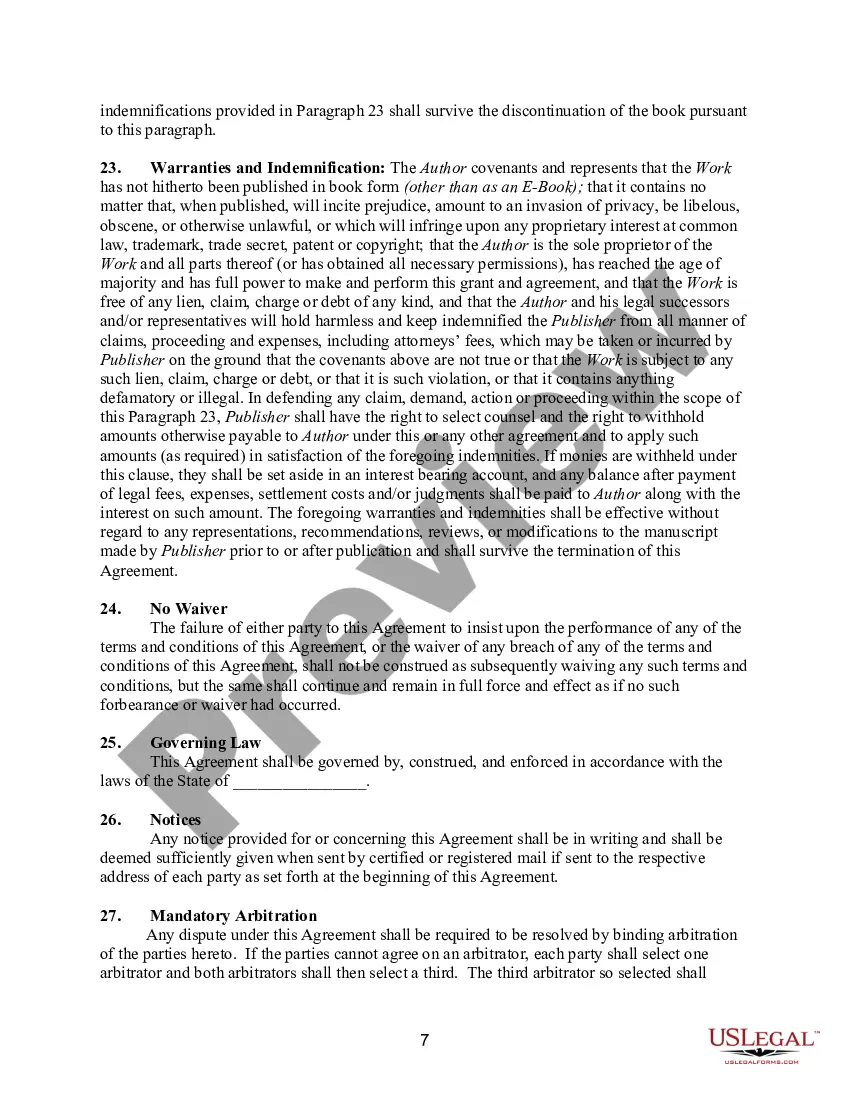
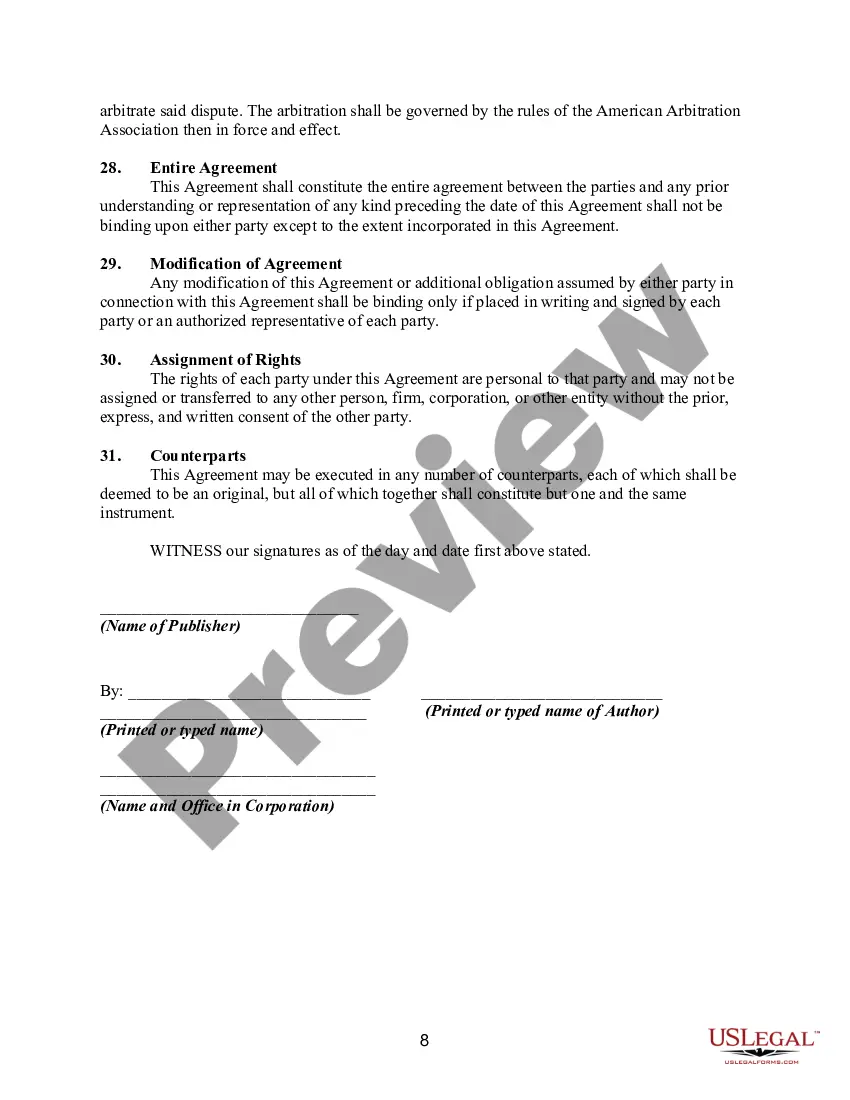
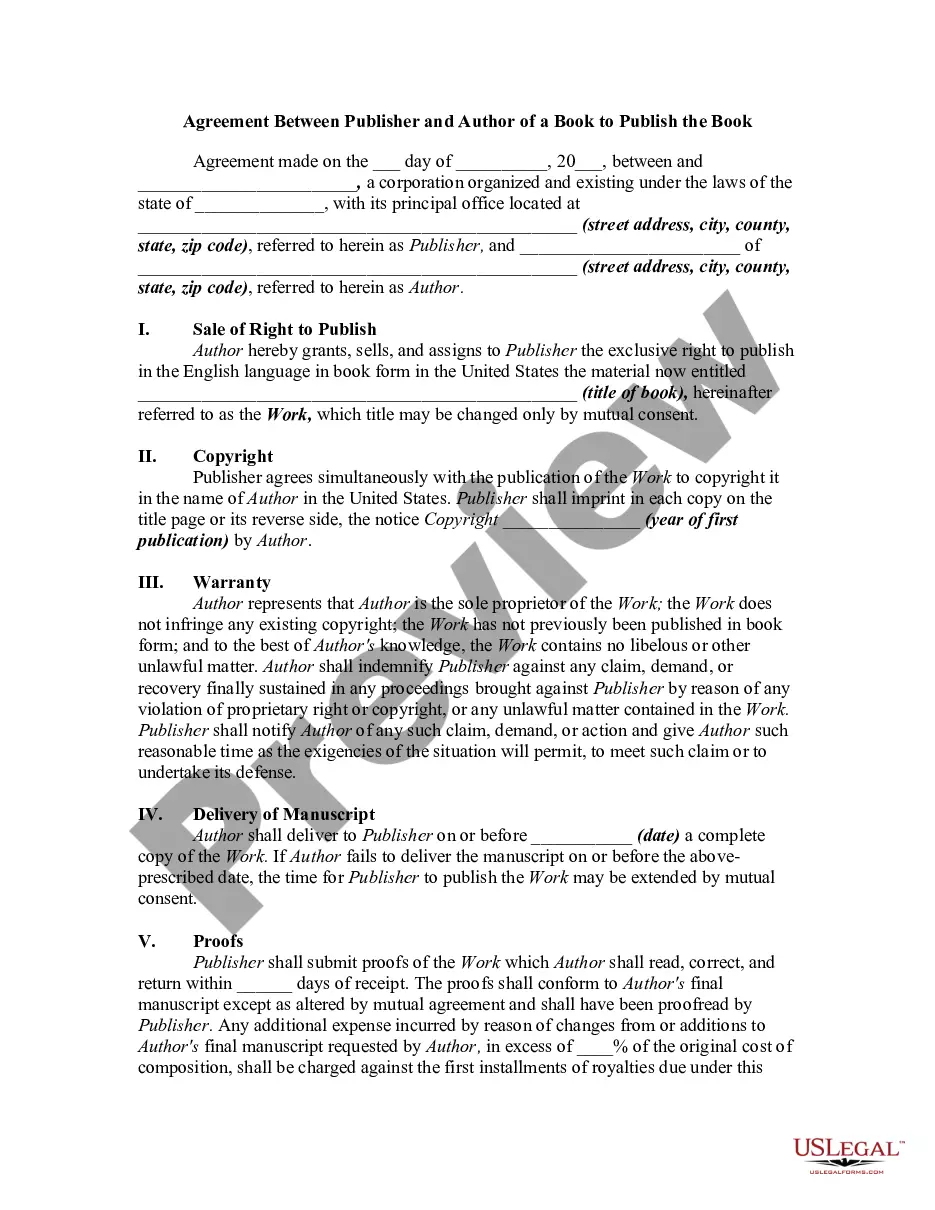
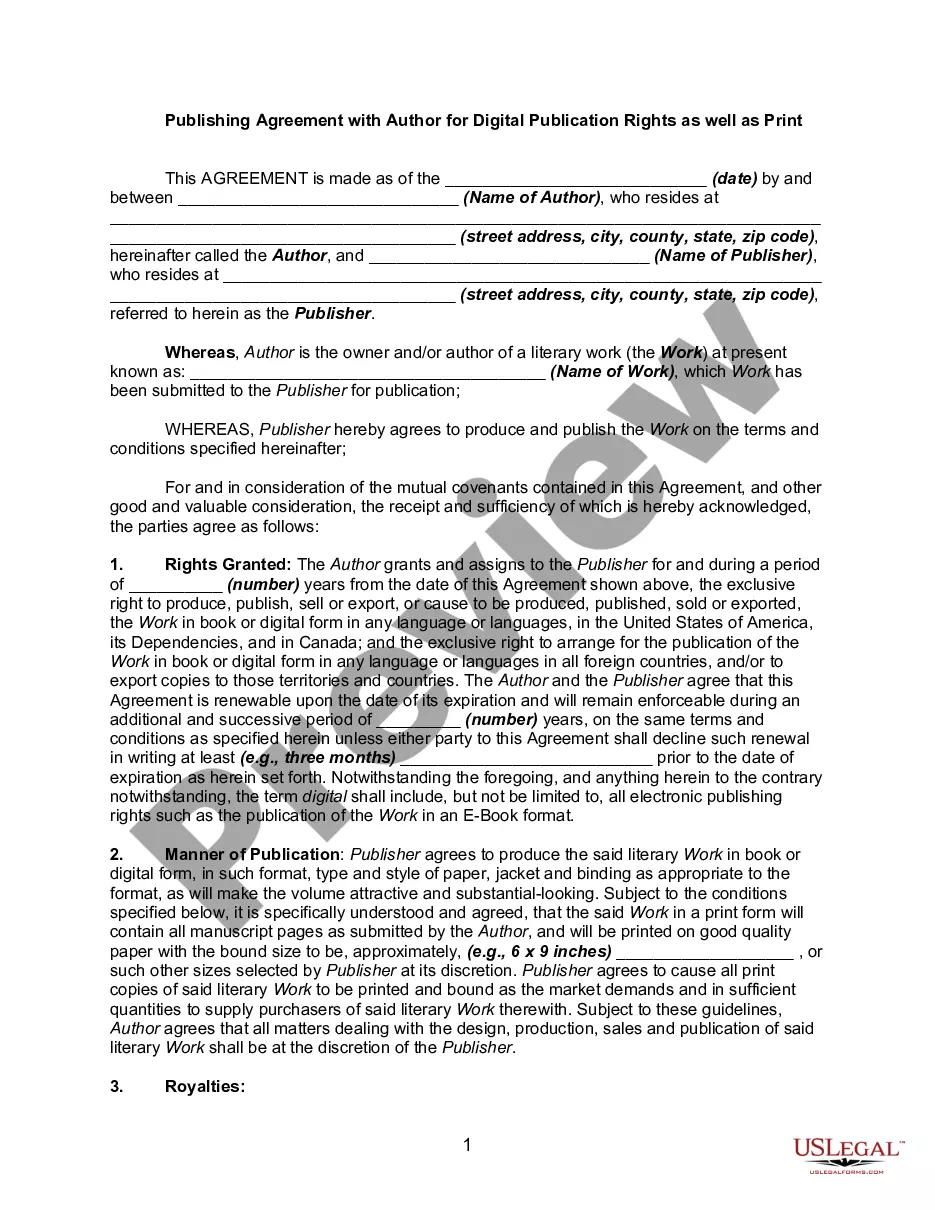



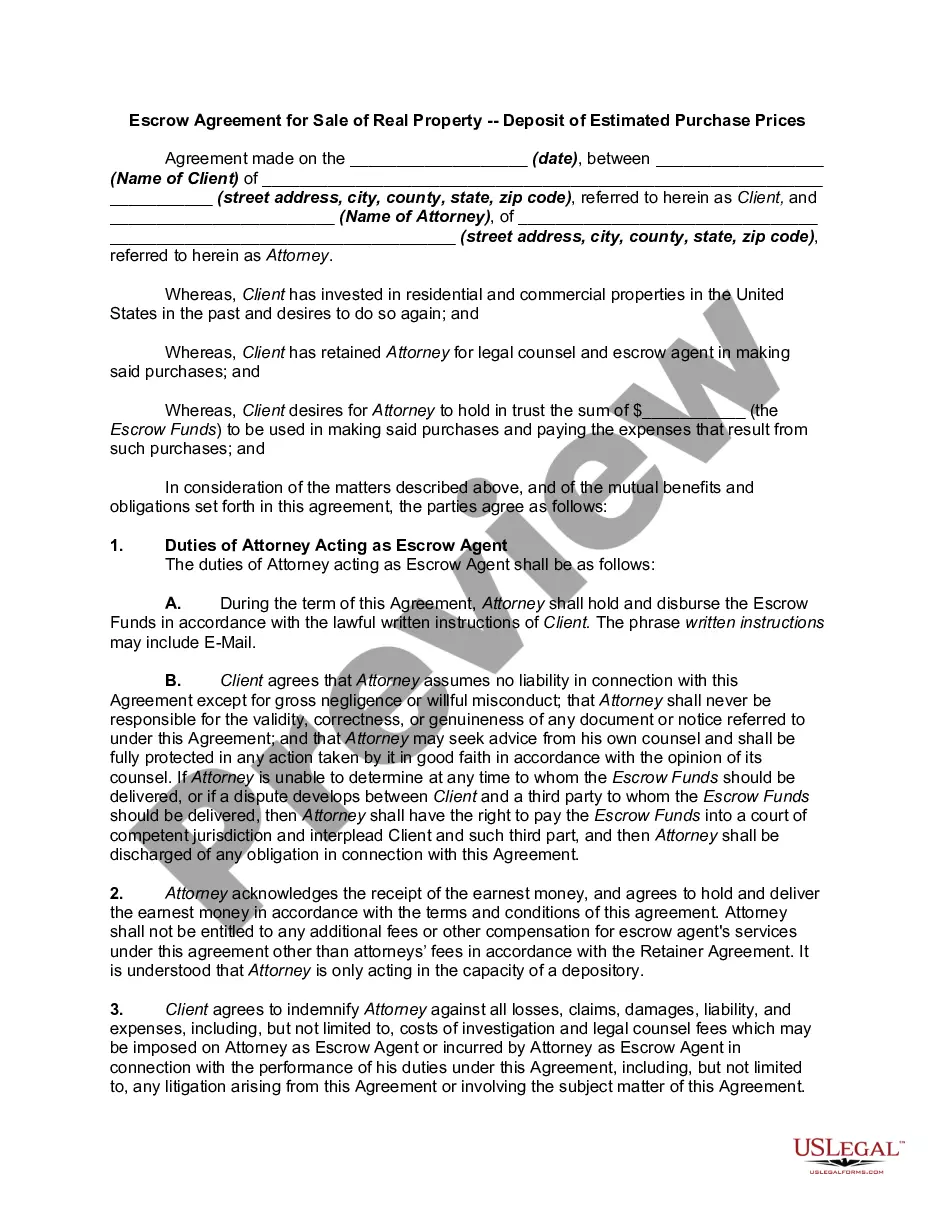

How to fill out Publishing Agreement With Author Who Reserves Digital Publication Rights?
Whether for commercial reasons or personal matters, everyone is bound to manage legal circumstances at some point in their life.
Filling out legal paperwork requires meticulous attention, starting from selecting the correct form template.
Once saved, you can fill in the form using editing software or print it and complete it manually. With a comprehensive US Legal Forms catalog available, you do not have to waste time searching for the suitable sample online. Utilize the library's user-friendly navigation to find the right template for any circumstance.
- Locate the example you require by using the search bar or browsing the catalog.
- Review the form's details to confirm it corresponds with your requirements, state, and county.
- Select the form's preview to examine it.
- If it is the wrong document, return to the search function to find the Publishing Deal For Musicians template you need.
- Obtain the file if it fulfills your criteria.
- If you possess a US Legal Forms account, simply click Log in to access previously saved documents in My documents.
- If you have not registered for an account yet, you may download the form by clicking Buy now.
- Select the appropriate pricing option.
- Complete the account registration form.
- Choose your payment method: you can utilize a bank card or PayPal account.
- Choose the file format you desire and download the Publishing Deal For Musicians.
Form popularity
FAQ
The author gets their 50% writer's share, as well as half of the publisher's share, in a total of 75% of the rights to a song. The other 25% of the publisher's share will go to the publisher they enter into contract with.
In a typical publishing deal, the Music Publisher is usually paid 50% (the ?Publisher's share?) of all mechanical and residual income, which is income from mechanical and synchronization royalties. For your performance income, since those monies are collected by PROs, the Music Publisher usually gets only 25%.
How Songwriters Can Get a Publishing Deal Tip #1: Get to Know Music Publishers. Once you find a publisher that could be a good fit, it's time to get to know them. ... Tip #2: Co-Write with a Signed Songwriter. ... Tip #3: Be More Than a Songwriter. ... Tip # 6: Write Every Day.
4 Key Questions Essential to Getting Signed to a Publishing Deal Connection - Is there an instant connection with this songwriter? Great Songs - Do I LOVE the music? Do the publisher and songwriter align on the vision for your career? Can the publisher help you get there?
Publishing rights refer to the copyright holder's exclusive right to control the use of the song. When we talk about publishing rights, only the composition copyright is concerned, not the master copyright. Generally, the songwriters are the ones who get publishing rights to the song.