Digital Rights In India
Description
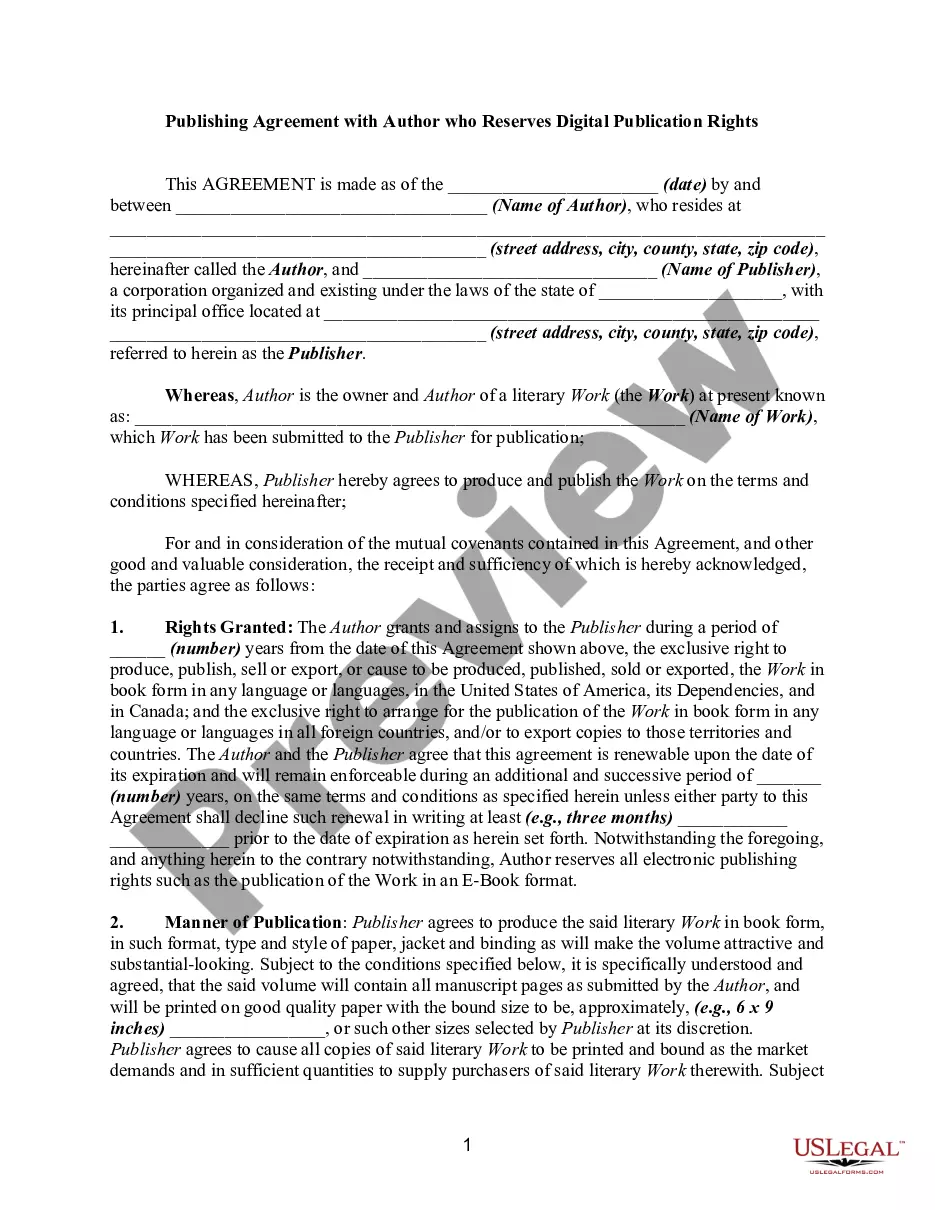
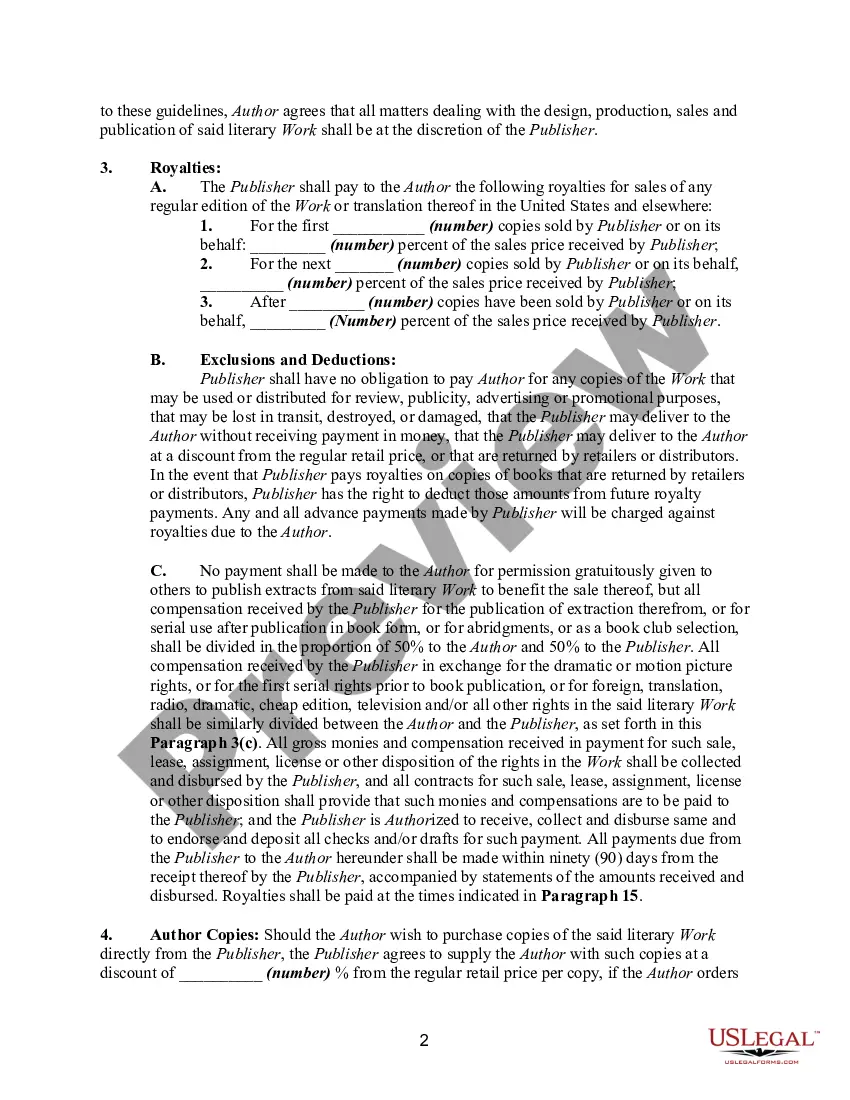
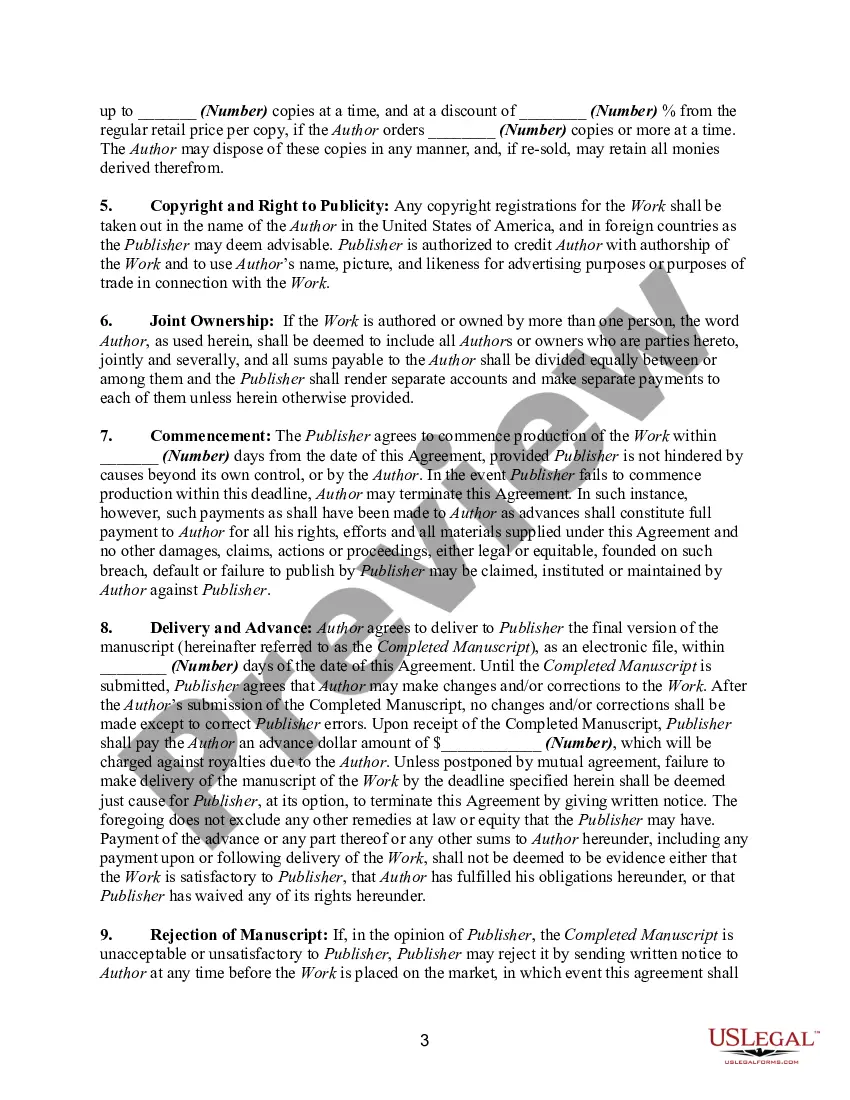
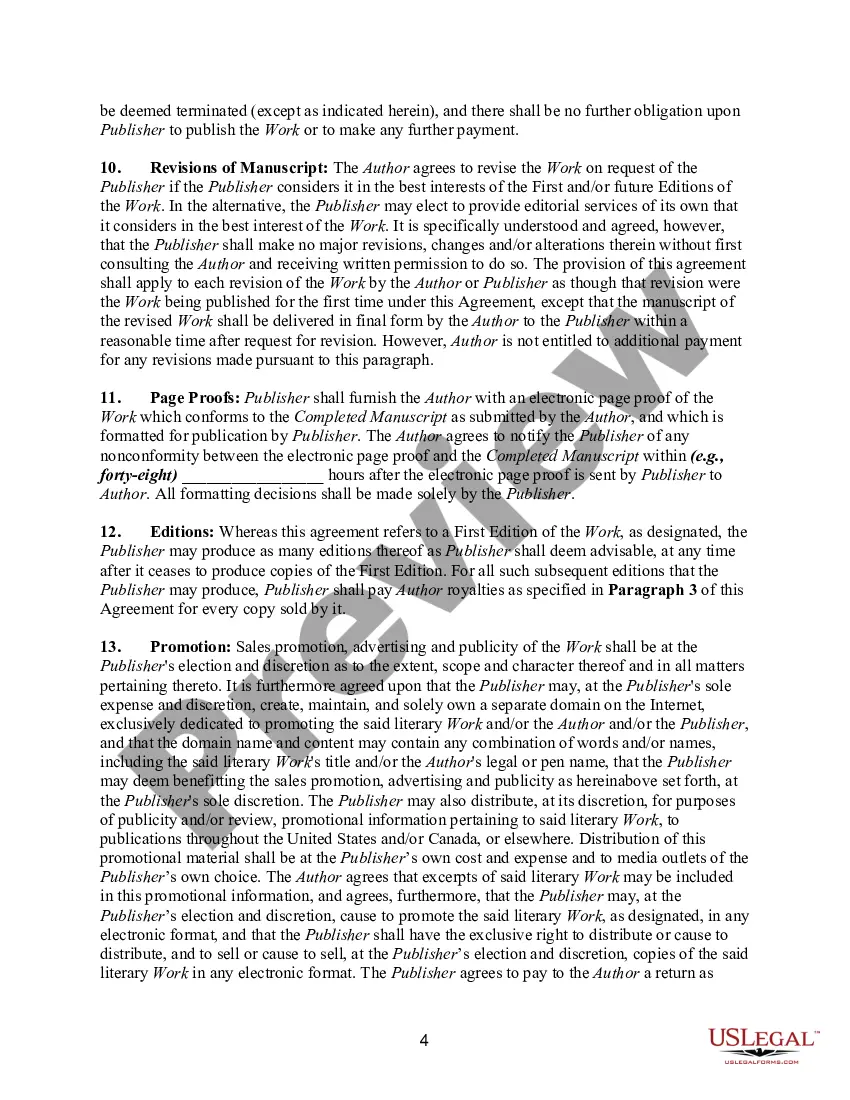
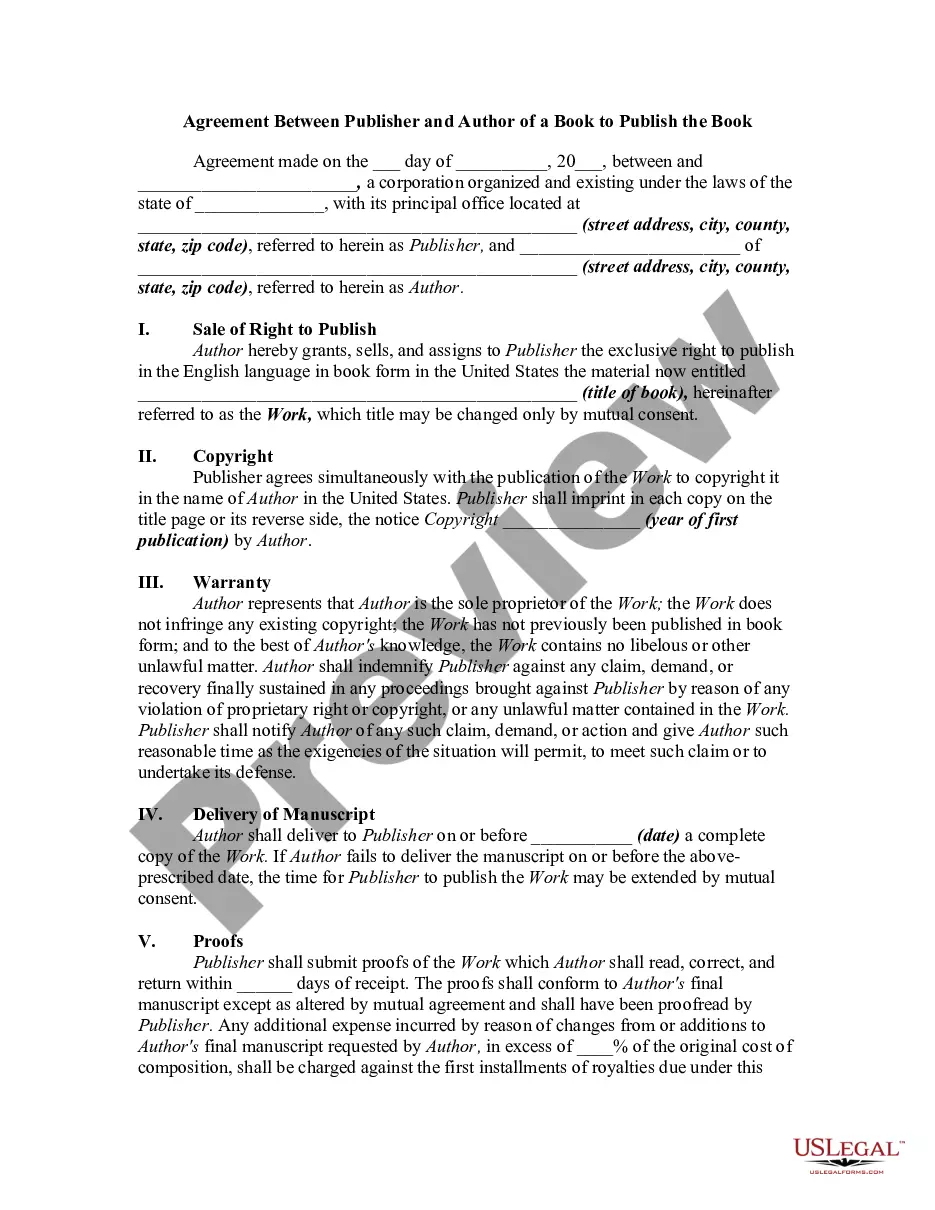
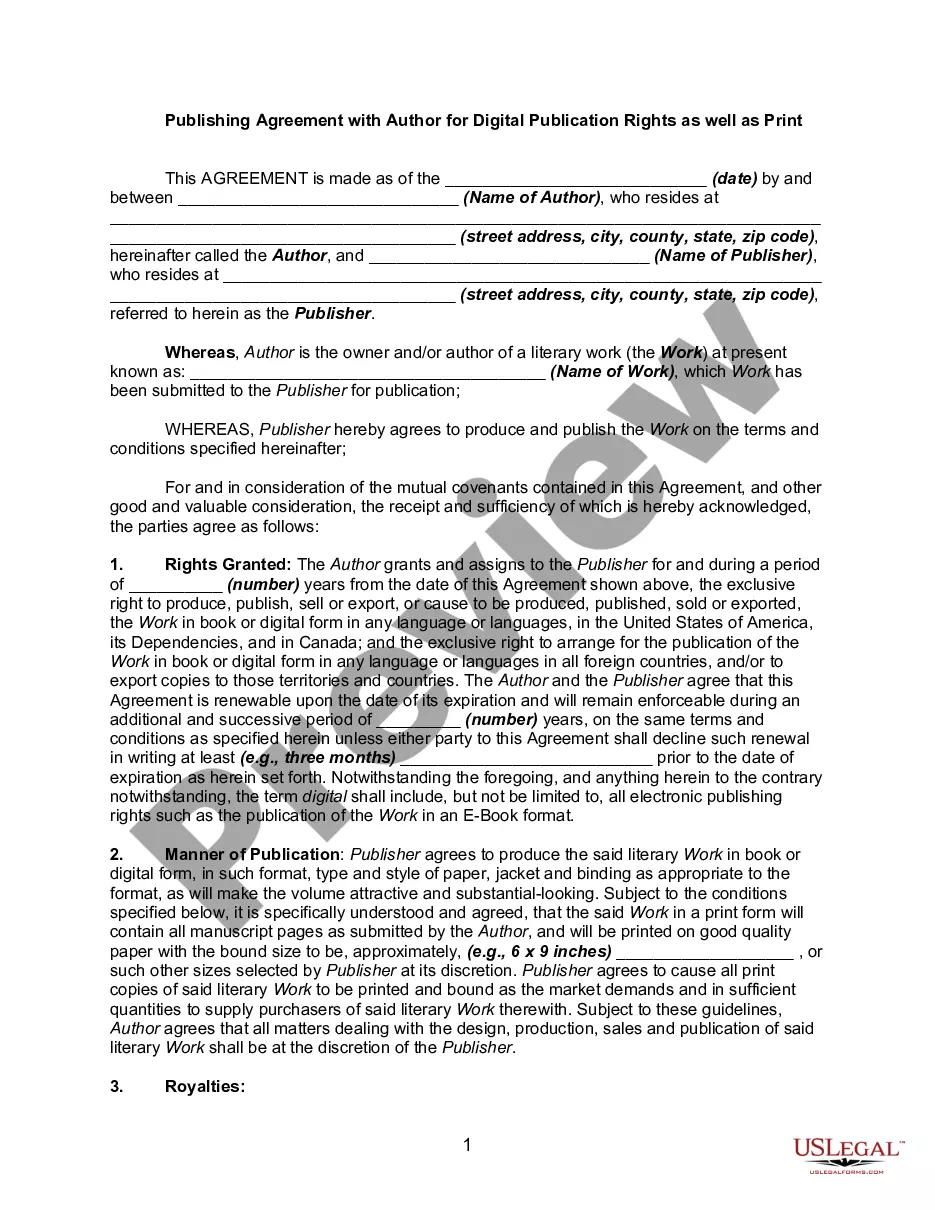



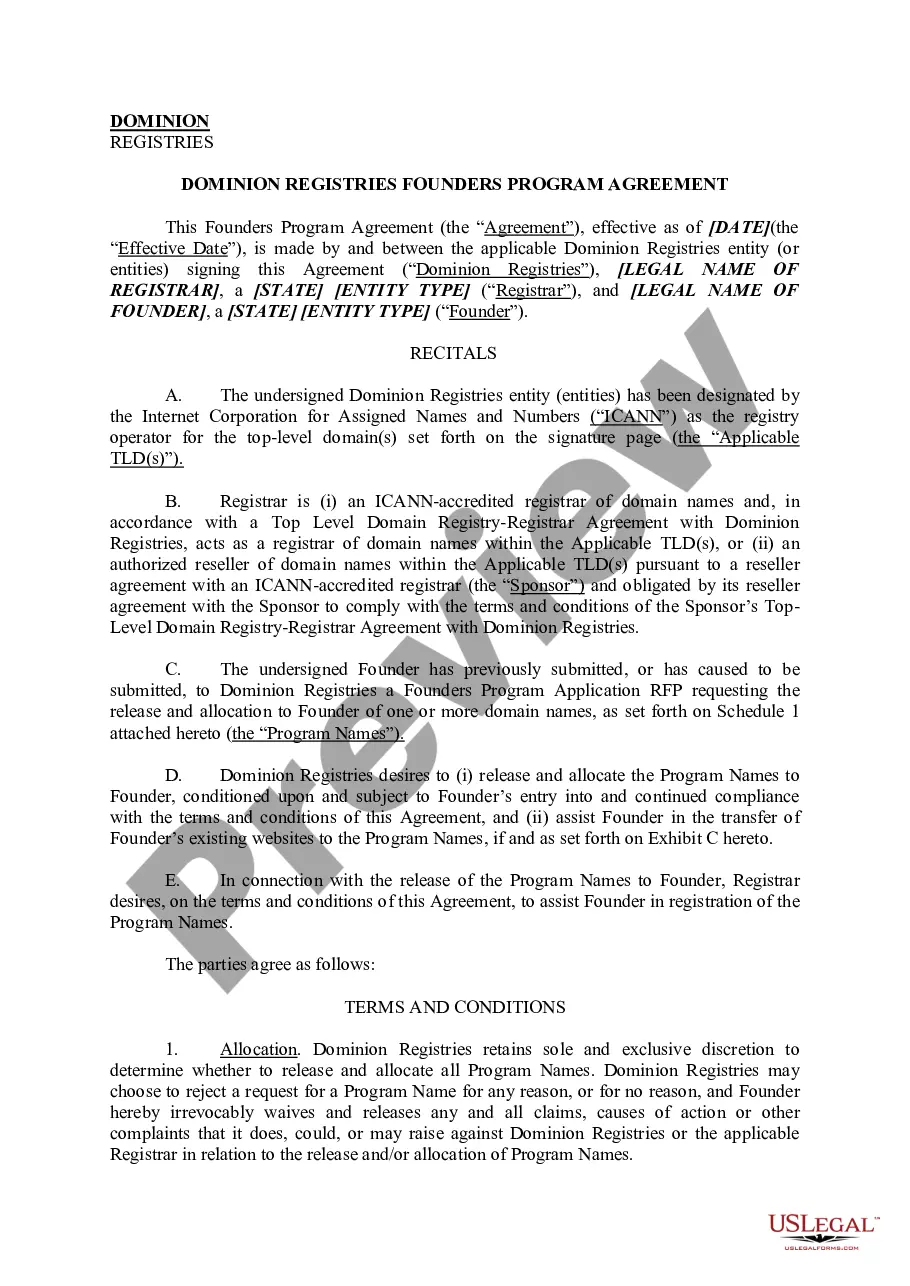
How to fill out Publishing Agreement With Author Who Reserves Digital Publication Rights?
The Digital Rights in India that you observe on this page is a versatile formal template crafted by expert lawyers in compliance with national and local laws.
For over 25 years, US Legal Forms has offered individuals, organizations, and attorneys more than 85,000 validated, state-specific forms for any commercial and personal situation. It’s the fastest, easiest, and most trustworthy way to acquire the documentation you require, with the service assuring bank-level data security and anti-malware defenses.
Download the file in your chosen format for your Digital Rights in India (PDF, Word, RTF) and save the sample on your device. Fill out and sign the document. Print the template to complete it manually. Alternatively, use an online multifunctional PDF editor to quickly and accurately fill out and sign your form with an eSignature. Download your documents again. Reuse the same file whenever necessary. Access the My documents tab in your profile to redownload any previously saved forms. Register for US Legal Forms to have verified legal templates for every situation in life at your fingertips.
- Search for the document you require and evaluate it.
- Browse the sample you searched for and preview it or examine the form summary to confirm it meets your requirements. If it does not, use the search function to discover the appropriate one. Click Buy Now when you have identified the template you seek.
- Subscribe and Log In.
- Choose the pricing plan that works for you and create an account. Use PayPal or a credit card for a quick payment. If you already possess an account, Log In and verify your subscription to proceed.
- Obtain the editable template.
Form popularity
FAQ
The rights of data subjects in India include the right to access personal data, the right to correct inaccuracies, and the right to seek explanation regarding data processing practices. These rights empower individuals to maintain control over their personal information while promoting accountability among organizations. As awareness grows, understanding these rights is vital for strengthening digital rights in India and protecting user interests.
A data fiduciary must delete personal data when the specified purpose for which it was collected has been served unless retention is required to comply with applicable law. Data fiduciaries also must use reasonable security measures to prevent personal data breaches.
About Digital Rights It encompasses many issues within it such as but not limited to: equal access to the internet, freedom of online expression, protection from online abuse/troll/harassment, privacy rights, data protection rights, and many more.
judge bench ruled that the Right to Privacy is a fundamental right for Indian citizens, so no legislation passed by the government can unduly violate it.
India DPDP Act 2023 The Digital Personal Data Protection (DPDP) Act, 2023 applies to the processing of digital personal data within the territory of India collected online or collected offline and later digitized.
The Supreme Court of India held that the right to privacy is a fundamental right under Article 21 of the Constitution, and that the collection of personal data under the Aadhaar Act must meet the test of proportionality and be done through informed consent.