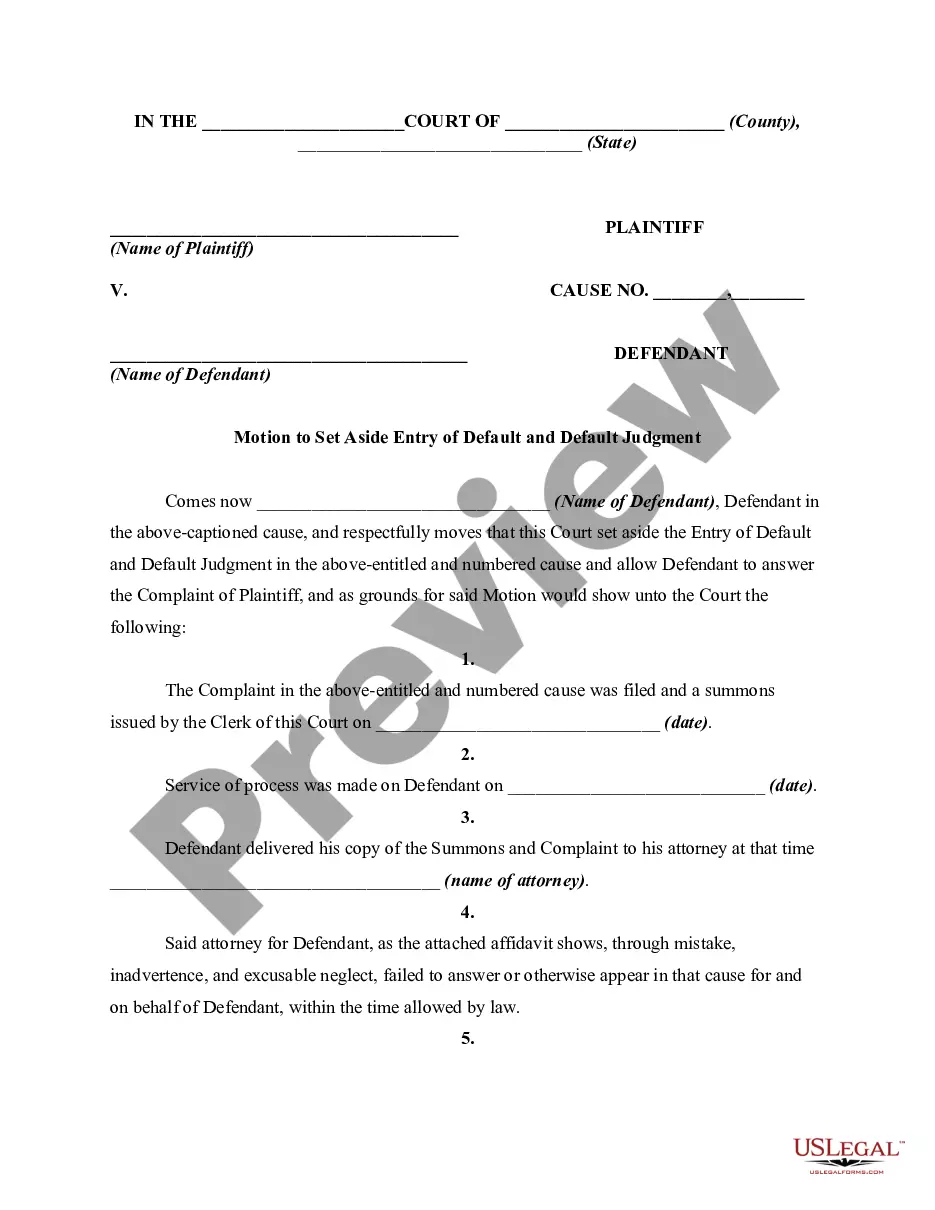
Setting Aside A Default Judgment In Texas
Description
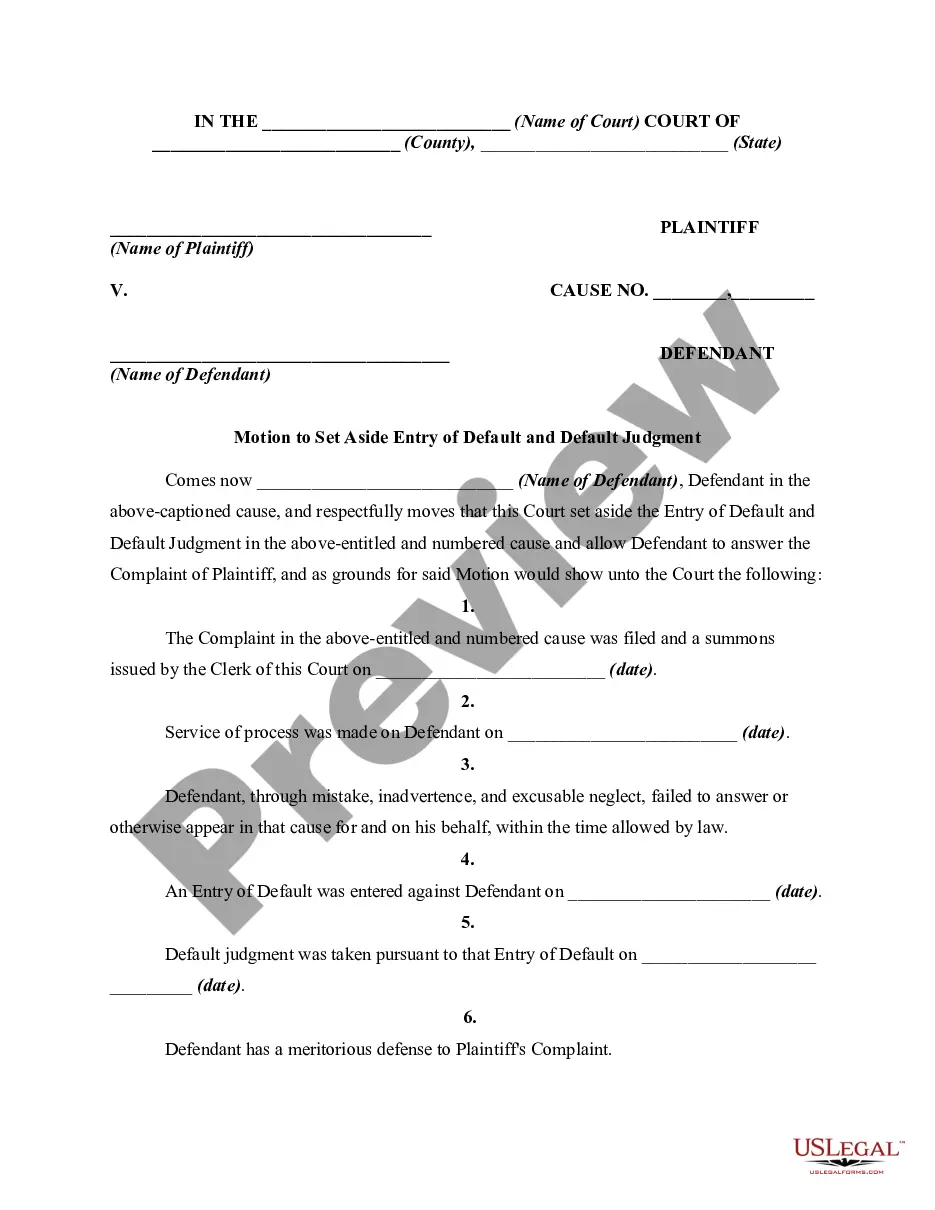
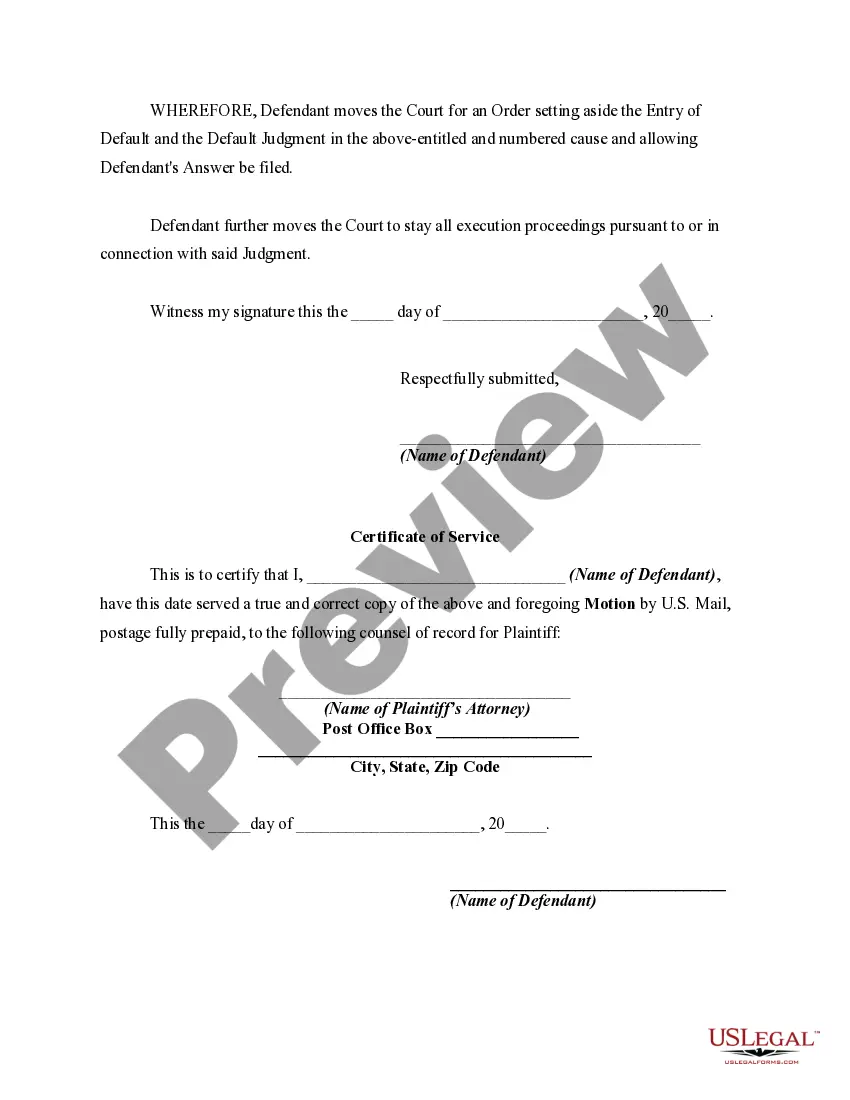
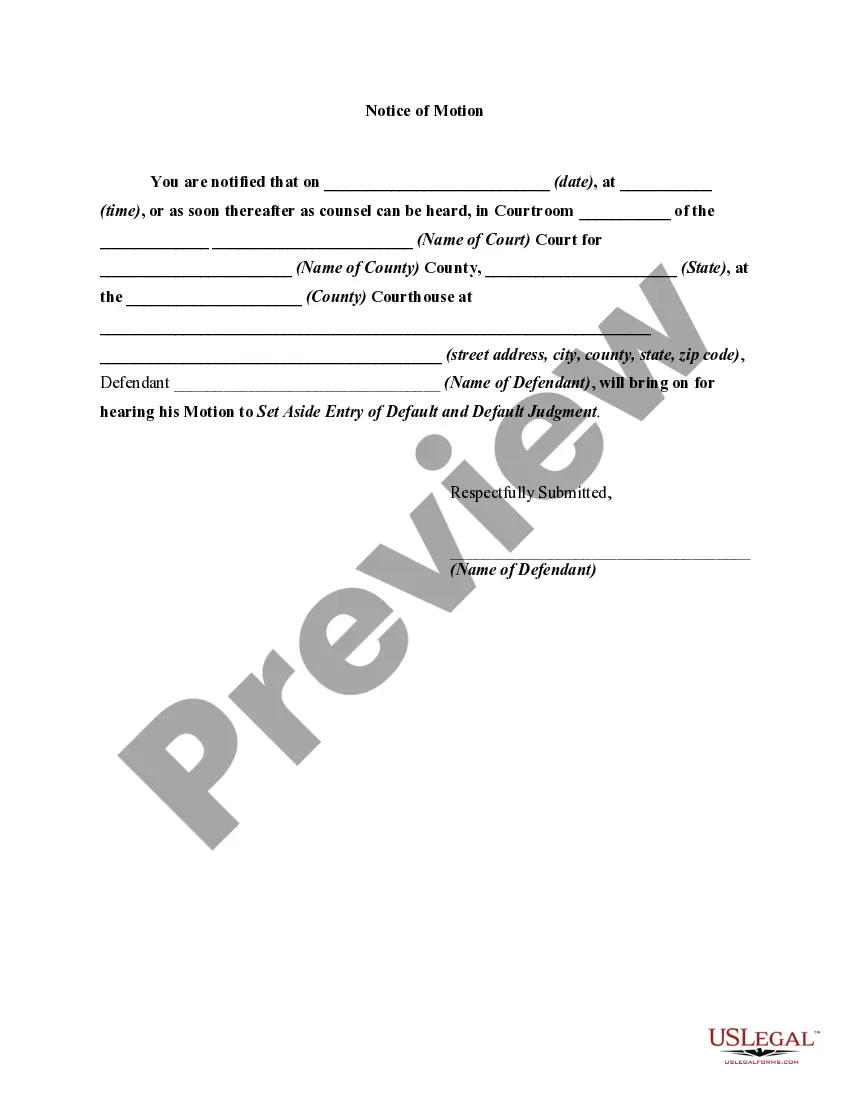
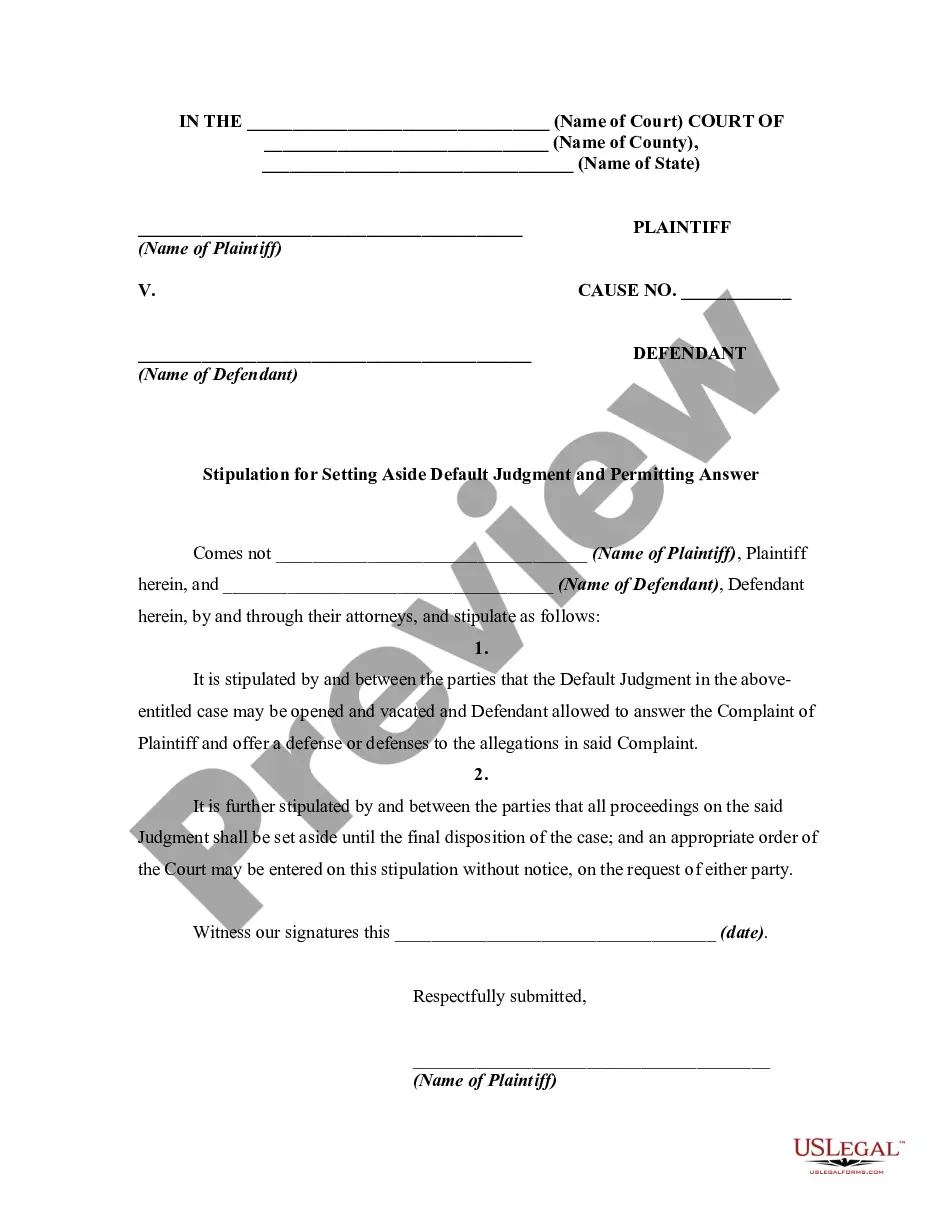
Get your form ready online
Our built-in tools help you complete, sign, share, and store your documents in one place.
Make edits, fill in missing information, and update formatting in US Legal Forms—just like you would in MS Word.
Download a copy, print it, send it by email, or mail it via USPS—whatever works best for your next step.
Sign and collect signatures with our SignNow integration. Send to multiple recipients, set reminders, and more. Go Premium to unlock E-Sign.
If this form requires notarization, complete it online through a secure video call—no need to meet a notary in person or wait for an appointment.
We protect your documents and personal data by following strict security and privacy standards.

Make edits, fill in missing information, and update formatting in US Legal Forms—just like you would in MS Word.

Download a copy, print it, send it by email, or mail it via USPS—whatever works best for your next step.

Sign and collect signatures with our SignNow integration. Send to multiple recipients, set reminders, and more. Go Premium to unlock E-Sign.

If this form requires notarization, complete it online through a secure video call—no need to meet a notary in person or wait for an appointment.

We protect your documents and personal data by following strict security and privacy standards.
Looking for another form?
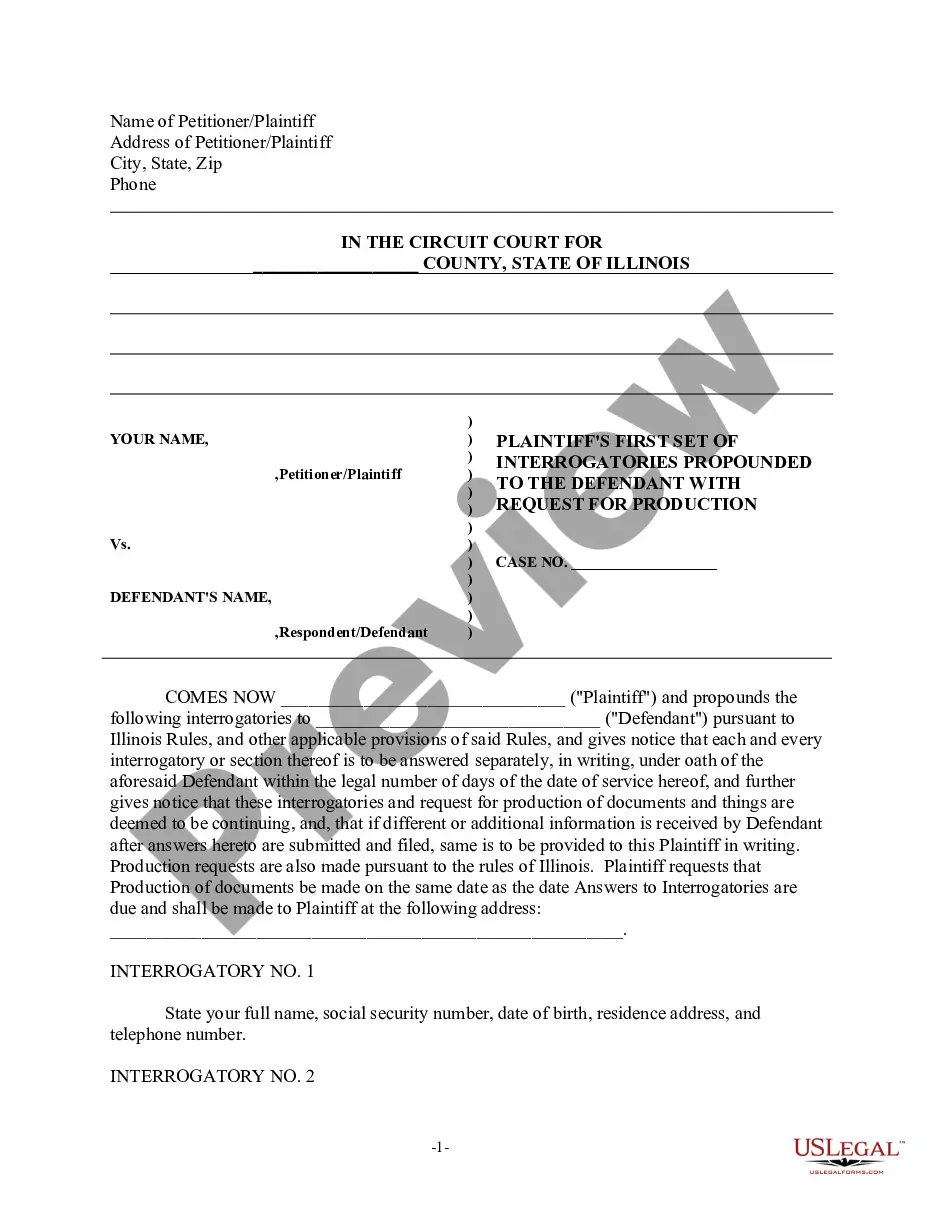

How to fill out Motion To Set Aside Entry Of Default And Default Judgment?
Gaining access to legal templates that adhere to federal and state regulations is essential, and the web provides numerous options to choose from.
However, what is the benefit of spending time searching for the accurately drafted Setting Aside A Default Judgment In Texas example online if the US Legal Forms digital library already contains such templates gathered in one location.
US Legal Forms is the premier online legal repository with over 85,000 fillable templates created by lawyers for any business and personal matter.
Review the template using the Preview feature or through the text description to confirm it meets your requirements.
- They are straightforward to navigate with all documents categorized by state and purpose of use.
- Our experts keep abreast of legislative changes, so you can always trust your documentation is current and compliant when acquiring a Setting Aside A Default Judgment In Texas from our site.
- Acquiring a Setting Aside A Default Judgment In Texas is quick and uncomplicated for both existing and new users.
- If you already possess an account with an active subscription, Log In and retrieve the document sample you require in the correct format.
- If you are new to our platform, follow the instructions below.
Form popularity
FAQ
Yes, you can negotiate after a default judgment in Texas, but the process may be complicated. Once a judgment is entered, the other party may be less willing to negotiate, but it's not impossible. If you successfully set aside the judgment, you can reopen discussions about settling the matter. Utilizing tools and resources from platforms like U.S. Legal Forms can help you navigate these negotiations effectively.
To set aside a default judgment in Texas, you must file a motion with the court that issued the judgment. This motion should clearly outline your reasons for requesting the reversal and include any supporting evidence. After filing, you may need to attend a hearing where you can present your case. It's wise to seek legal advice to ensure you follow the correct procedures and meet all deadlines.
In Texas, the mandatory grounds for setting aside a default judgment include showing that the defendant did not receive proper notice of the suit. Additionally, if a party can demonstrate that the judgment was obtained through fraud or mistake, this can also serve as a basis for setting it aside. Understanding these grounds is crucial, as they form the foundation of your legal argument. Resources like U.S. Legal Forms can provide guidance on this process.
A compelling reason to seek setting aside a default judgment in Texas includes proving that you were not properly informed of the legal proceedings. If you can show that you were unable to attend court due to unforeseen circumstances, such as an emergency, that might also be a valid reason. Each case is unique, so it's critical to assess your situation carefully. Consulting with a legal expert can help clarify your options.
To successfully set aside a default judgment in Texas, you generally need to demonstrate a legitimate reason for your absence from court. This might include illness, lack of notice, or newly discovered evidence that could impact the outcome of the case. Additionally, you must act quickly, as there are time limits for filing a motion to set aside. Familiarizing yourself with these conditions can aid in your legal journey.
Setting aside a default judgment in Texas can occur for various reasons. Commonly, a party may not have received proper notice of the lawsuit, which prevents them from defending themselves. Additionally, if someone can prove they had a valid reason for missing the court date, the court may agree to set aside the judgment. It's essential to understand the specific grounds for your situation.
Grounds to set aside a default judgment may exist if there was mistake, inadvertence, surprise, or excusable neglect.
You must file a Motion to Set Aside Default Judgment and Notice of Hearing within 30 days of the date the default judgment was signed by the judge. See Texas Rule of Civil Procedure 329(b). In Justice Court, the deadline is 14 days.
Do Judgments Expire in Texas? Judgments awarded in Texas to a non-government creditor are generally valid for ten years but they can be renewed for longer. If a judgment is not renewed, it will become dormant.
The plaintiff has to provide an affidavit of the material facts, proof the defendant was served, and proof of damages. The plaintiff also provides a draft order for default judgment for the court to sign. This motion is served upon the defendant, even though they did not respond to the original lawsuit.