Revocable Trust For Married Couple
Description
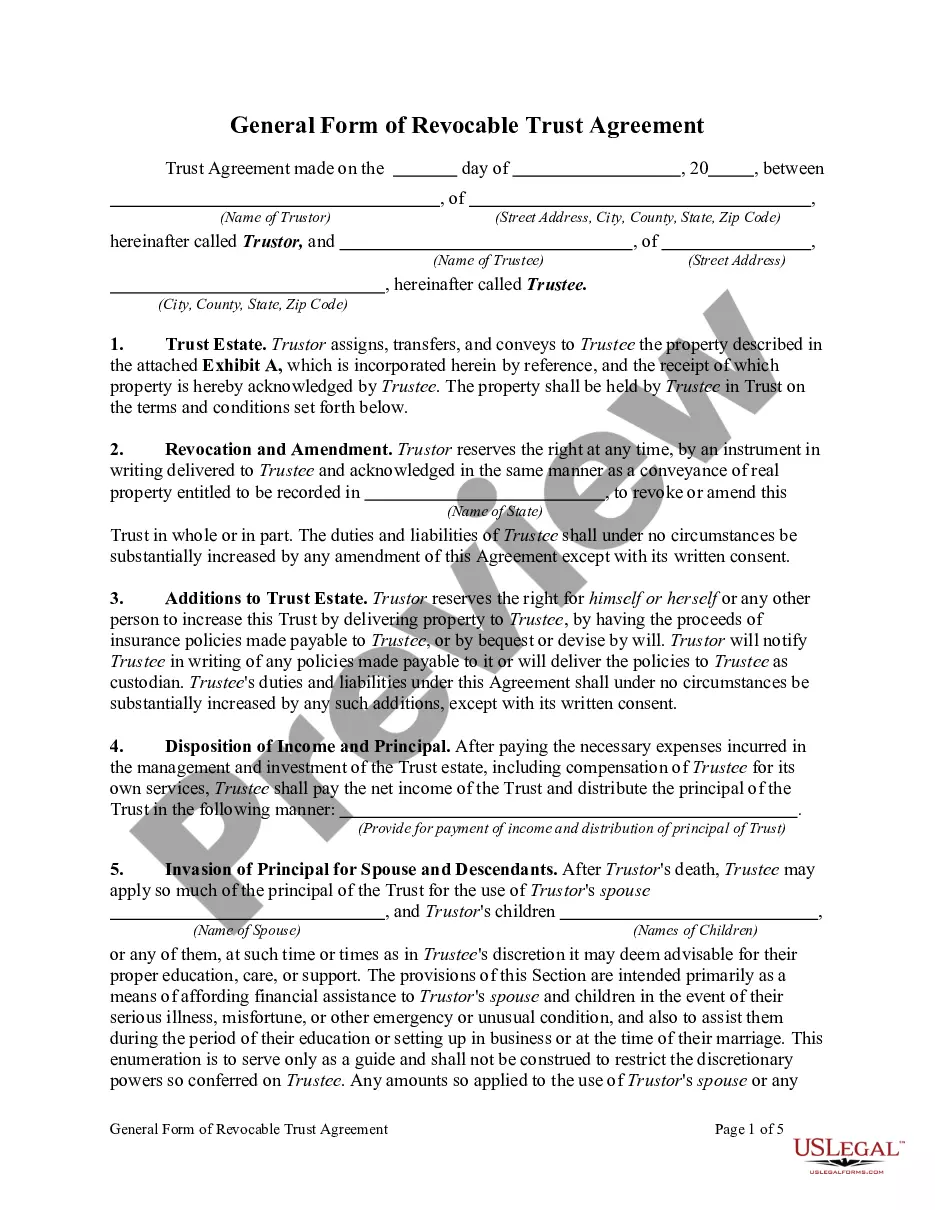
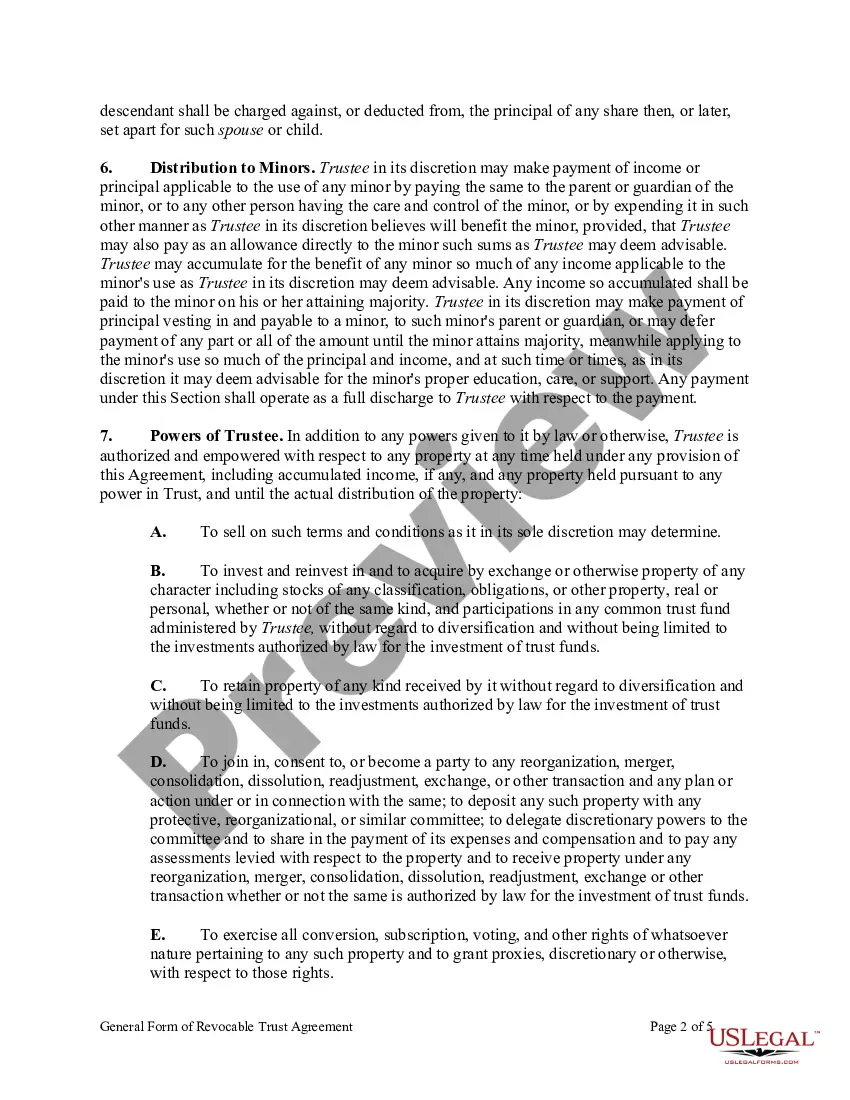
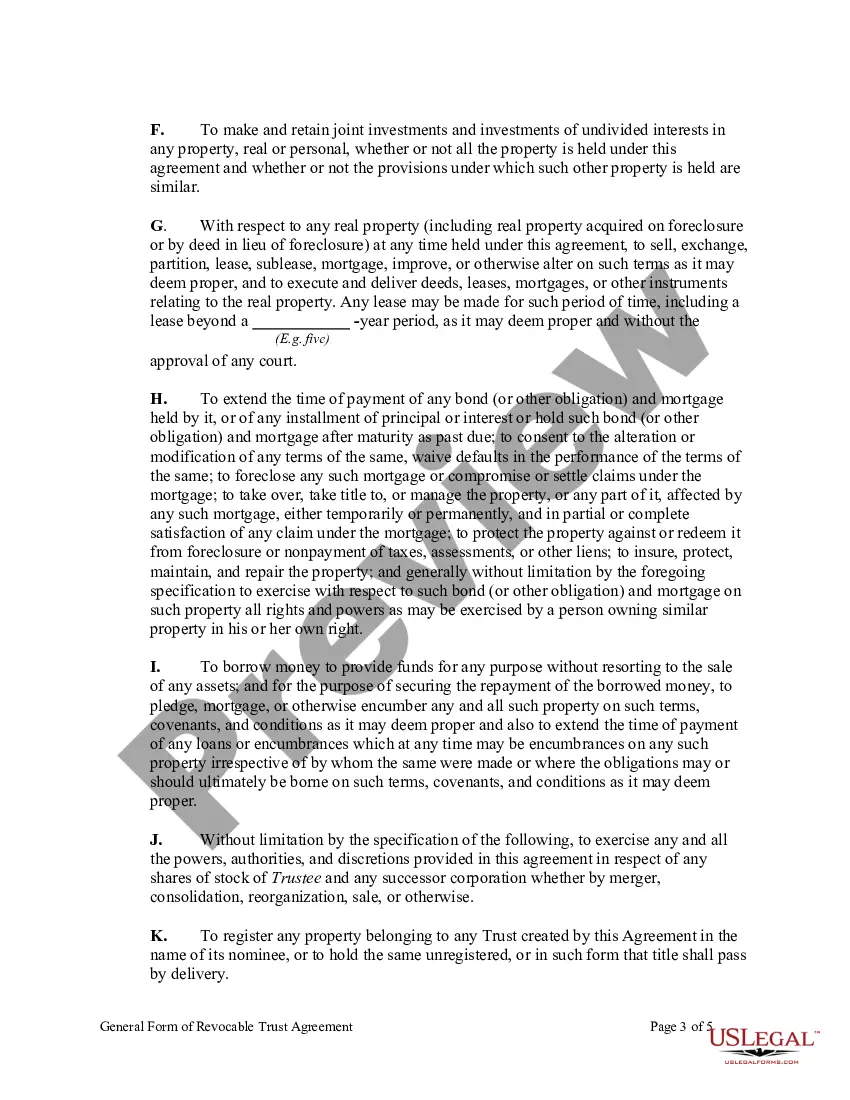
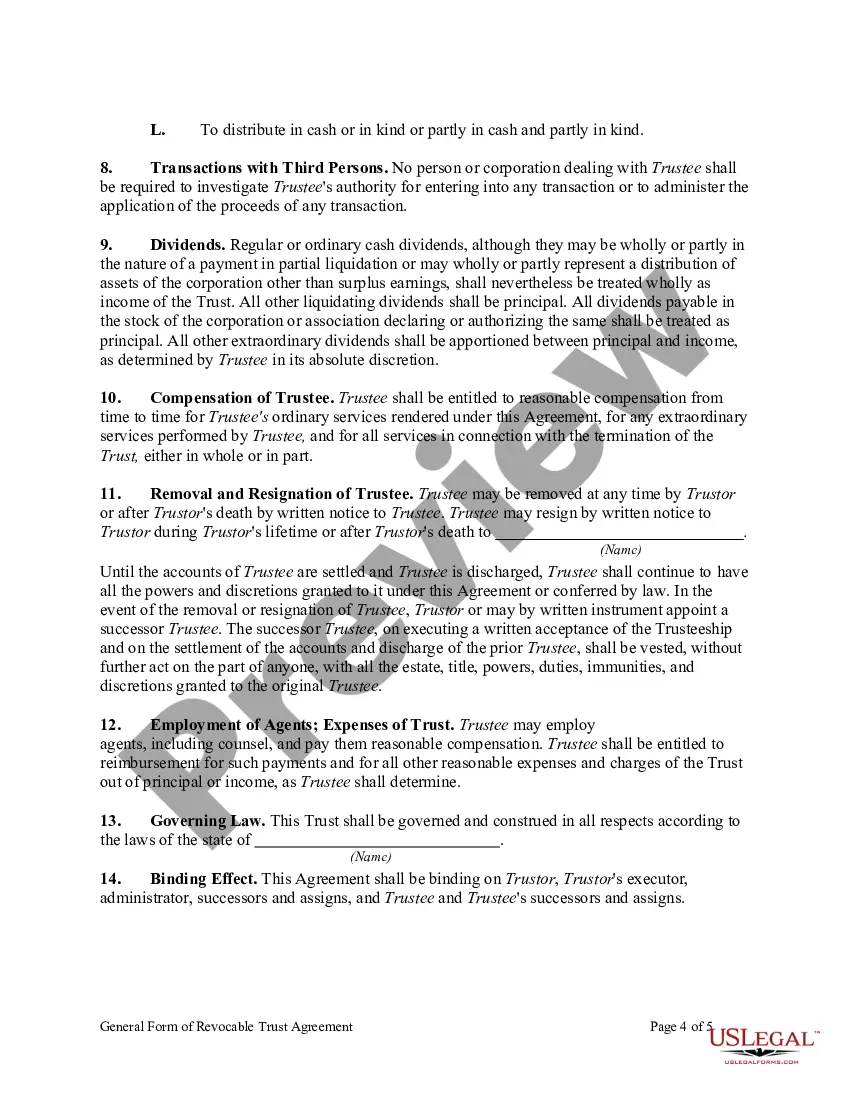
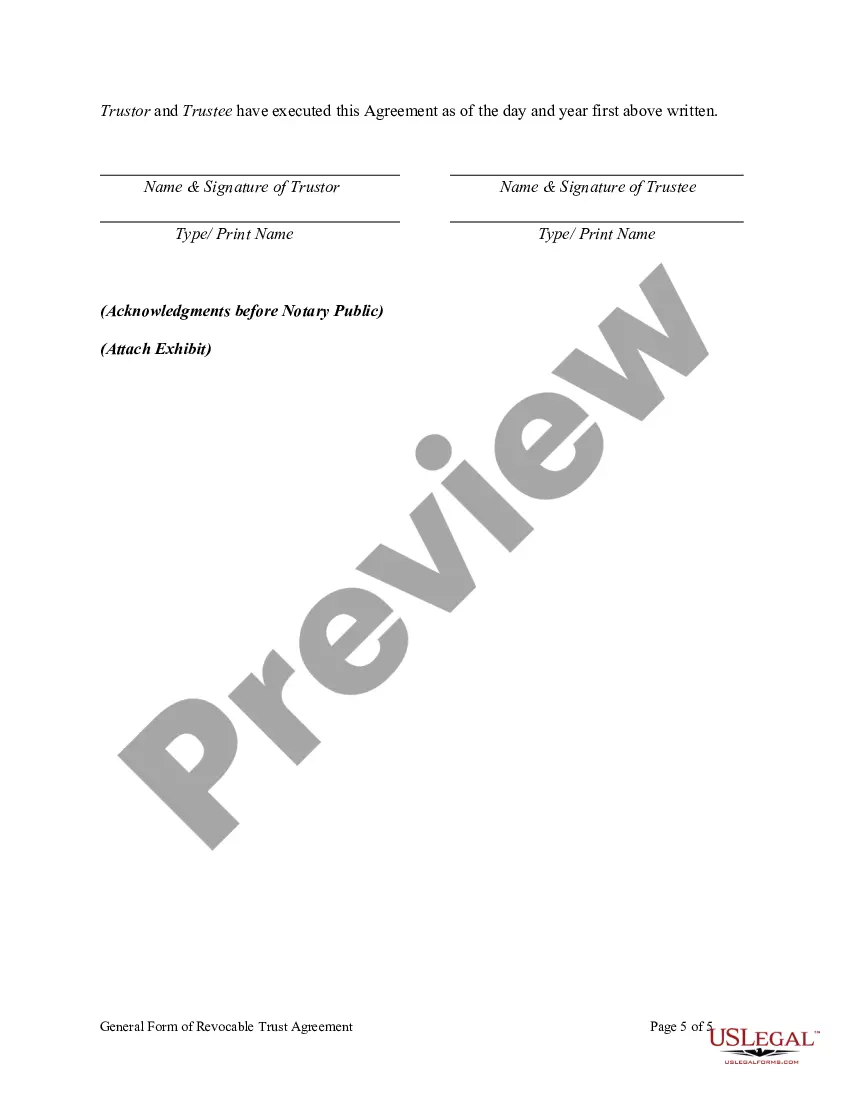
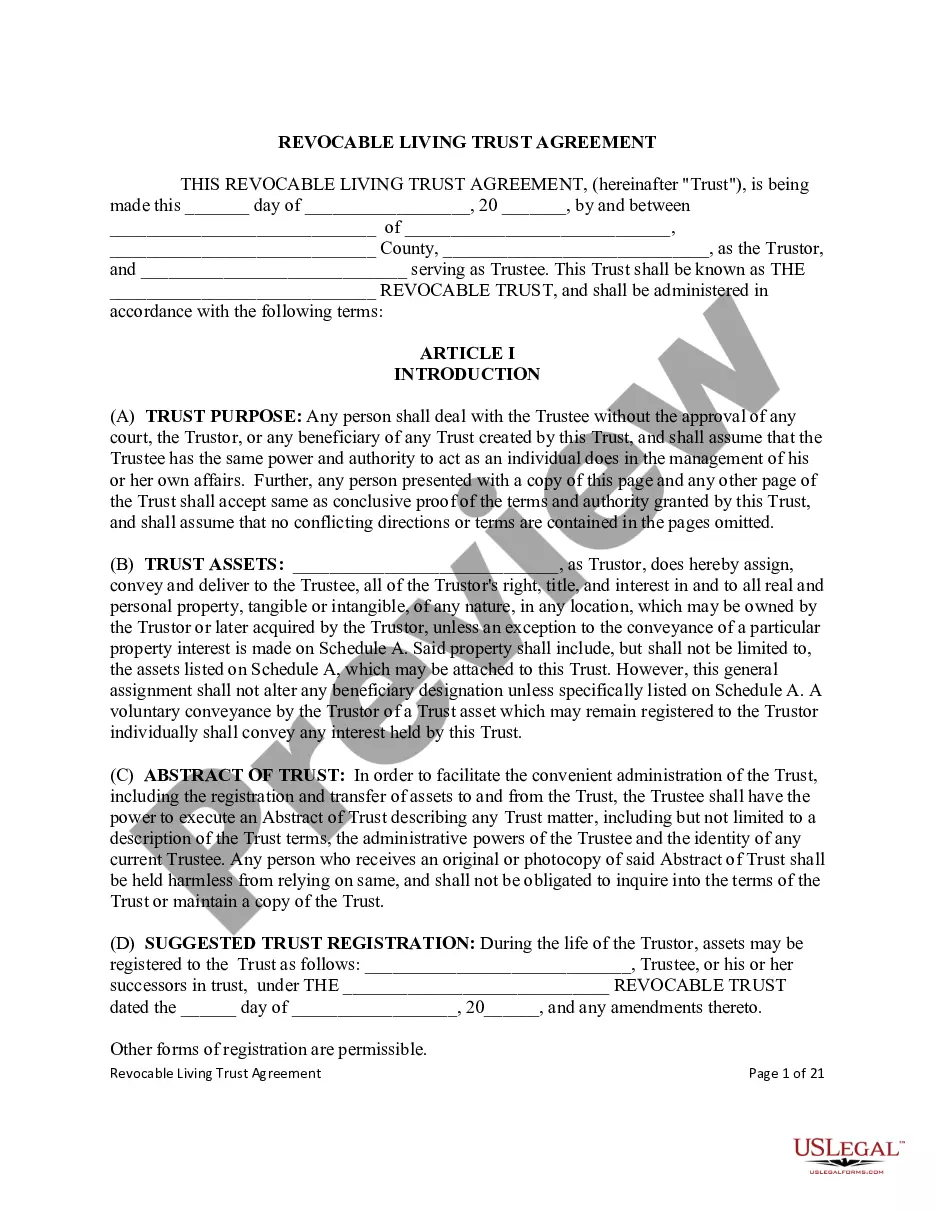
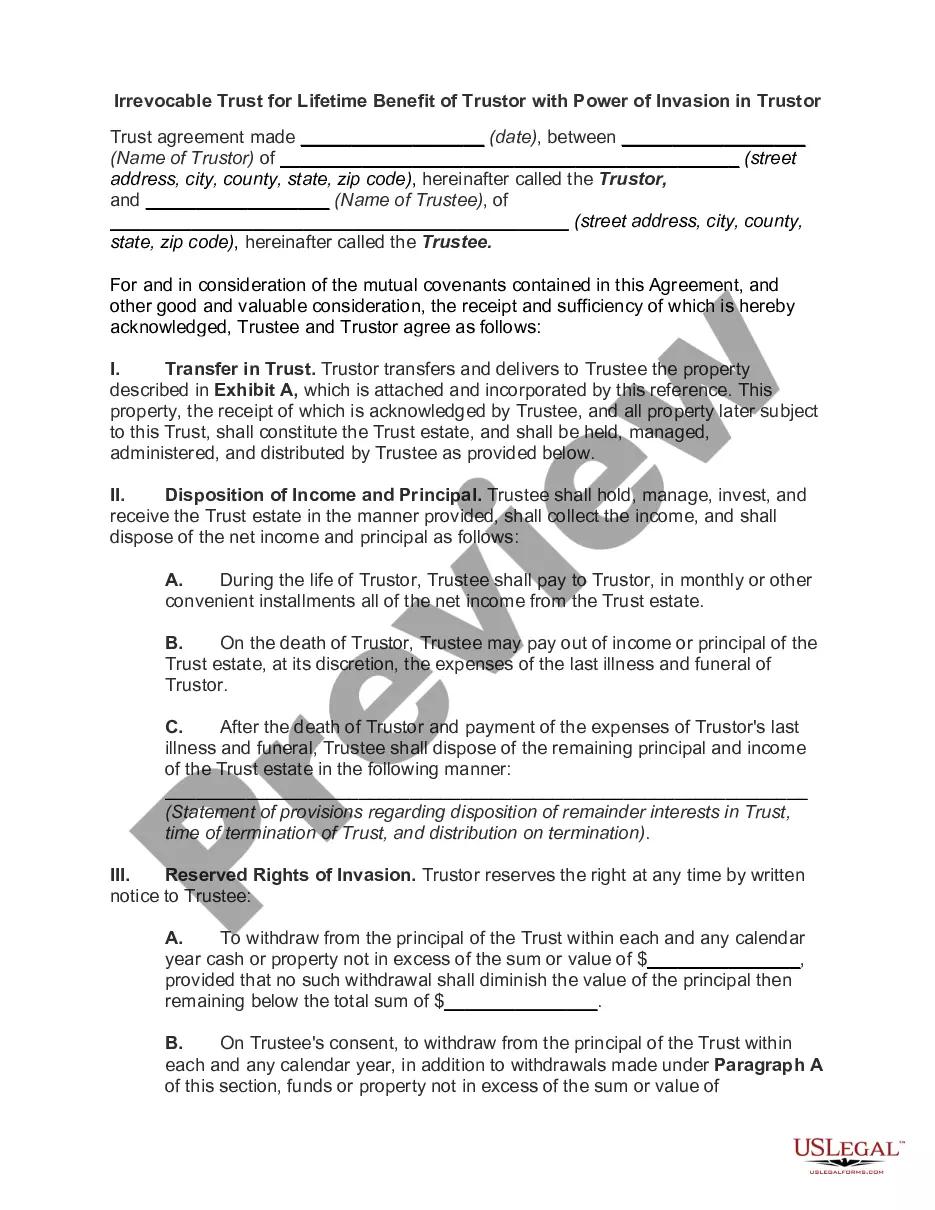
Get your form ready online
Our built-in tools help you complete, sign, share, and store your documents in one place.
Make edits, fill in missing information, and update formatting in US Legal Forms—just like you would in MS Word.
Download a copy, print it, send it by email, or mail it via USPS—whatever works best for your next step.
Sign and collect signatures with our SignNow integration. Send to multiple recipients, set reminders, and more. Go Premium to unlock E-Sign.
If this form requires notarization, complete it online through a secure video call—no need to meet a notary in person or wait for an appointment.
We protect your documents and personal data by following strict security and privacy standards.

Make edits, fill in missing information, and update formatting in US Legal Forms—just like you would in MS Word.

Download a copy, print it, send it by email, or mail it via USPS—whatever works best for your next step.

Sign and collect signatures with our SignNow integration. Send to multiple recipients, set reminders, and more. Go Premium to unlock E-Sign.

If this form requires notarization, complete it online through a secure video call—no need to meet a notary in person or wait for an appointment.

We protect your documents and personal data by following strict security and privacy standards.
Looking for another form?








How to fill out Revocable Trust For Asset Protection?
- Begin by visiting the US Legal Forms website and check if you have an existing account. If so, log in and ensure your subscription is active.
- In case you're new to this service, browse the extensive library for the revocable trust form. Take advantage of the Preview mode and descriptions to select the right document suited for your needs and jurisdiction.
- If the initial form does not meet your requirements, use the Search tab to find alternative templates that match your criteria.
- Once you find the correct form, click on the 'Buy Now' button and select a subscription plan that fits your needs. You'll need to create an account for access.
- Proceed to payment, entering your credit card details or utilizing your PayPal account to purchase the subscription.
- Finally, download your completed form from the platform. You can find it under the My Forms section for easy access whenever required.
In conclusion, securing your estate with a revocable trust for married couples is straightforward with the help of US Legal Forms. Their extensive collection and premium support ensure you can easily create legally sound documents tailored to your needs.
Don’t wait—start planning your future today by visiting US Legal Forms!
Form popularity
FAQ
Some common problems with joint revocable trusts for married couples include potential conflicts in decision-making and unanticipated tax implications. If one spouse passes, the surviving spouse may struggle with trust management, especially if they disagree on its terms. Furthermore, joint trusts can complicate the division of assets in cases of divorce or separation. Engaging with a platform like US Legal Forms can help clarify these challenges and develop an effective planning strategy.
Suze Orman often advocates for revocable trusts as crucial estate planning tools for married couples. She emphasizes their role in avoiding probate, which can be a lengthy and costly process. Orman also highlights the importance of having a trust that reflects your wishes and provides largely for your loved ones. She believes that a well-structured revocable trust is a wise decision for comprehensive estate management.
Certain assets should generally remain outside a revocable trust for married couples, such as retirement accounts and life insurance policies. Including these assets in a trust can complicate tax and beneficiary considerations. Additionally, personal items with sentimental value might be better handled outside the trust, as the designation of these can be highly subjective. Always consult with a legal expert to determine the best approach for your situation.
Having separate revocable trusts can be beneficial for some couples. This arrangement allows each spouse to control their individual assets and simplifies the management of separate estates. In situations involving blended families or varying asset distribution preferences, separate trusts can greatly reduce potential conflicts. Ultimately, the choice depends on your unique situation and estate planning goals.
One disadvantage of a joint revocable trust for married couples is that it may limit flexibility. If one spouse passes away, the other must navigate the trust's terms alone, which can complicate future decisions. Moreover, a joint trust may increase complexities in determining asset distribution, especially if both spouses had previous marriages or children. It is essential to weigh these factors carefully before committing to a joint trust.
For married couples, a joint revocable trust often works best due to its flexibility and simplicity. This type of trust allows both partners to control the assets while providing clear guidelines for distribution after death. Considering tools and resources from platforms like US Legal Forms can simplify the process and ensure you choose the most suitable structure for your needs.
Yes, a married couple can definitely establish a revocable trust for married couples. By setting up this trust, both partners can collaboratively manage their assets and ensure their wishes are fulfilled upon death. This shared ownership can provide peace of mind and clarity on how your estate will be handled.
It’s advisable not to include accounts that have transfer-on-death designations, such as 401(k) retirement accounts or certain bank accounts. These assets typically have their own beneficiary structures in place. This ensures that you maximize your estate planning benefits, making the process smoother for both you and your spouse.
Certain items should not be placed in a revocable trust for married couples, including retirement accounts and life insurance policies, as these often have designated beneficiaries. Additionally, personal loans and certain types of properties, like your primary residence, may require specific considerations. Excluding these from your trust can help you avoid complications during estate planning.
Naming a joint revocable trust for married couples typically involves using both partners' names, such as 'The Smith Family Trust.' You may also choose a name that reflects your family identity, such as 'The Smith-Jones Revocable Trust.' This clear naming convention helps streamline legal processes and makes it easy for family members to identify the trust.