Revocable Trust For Dummies
Description
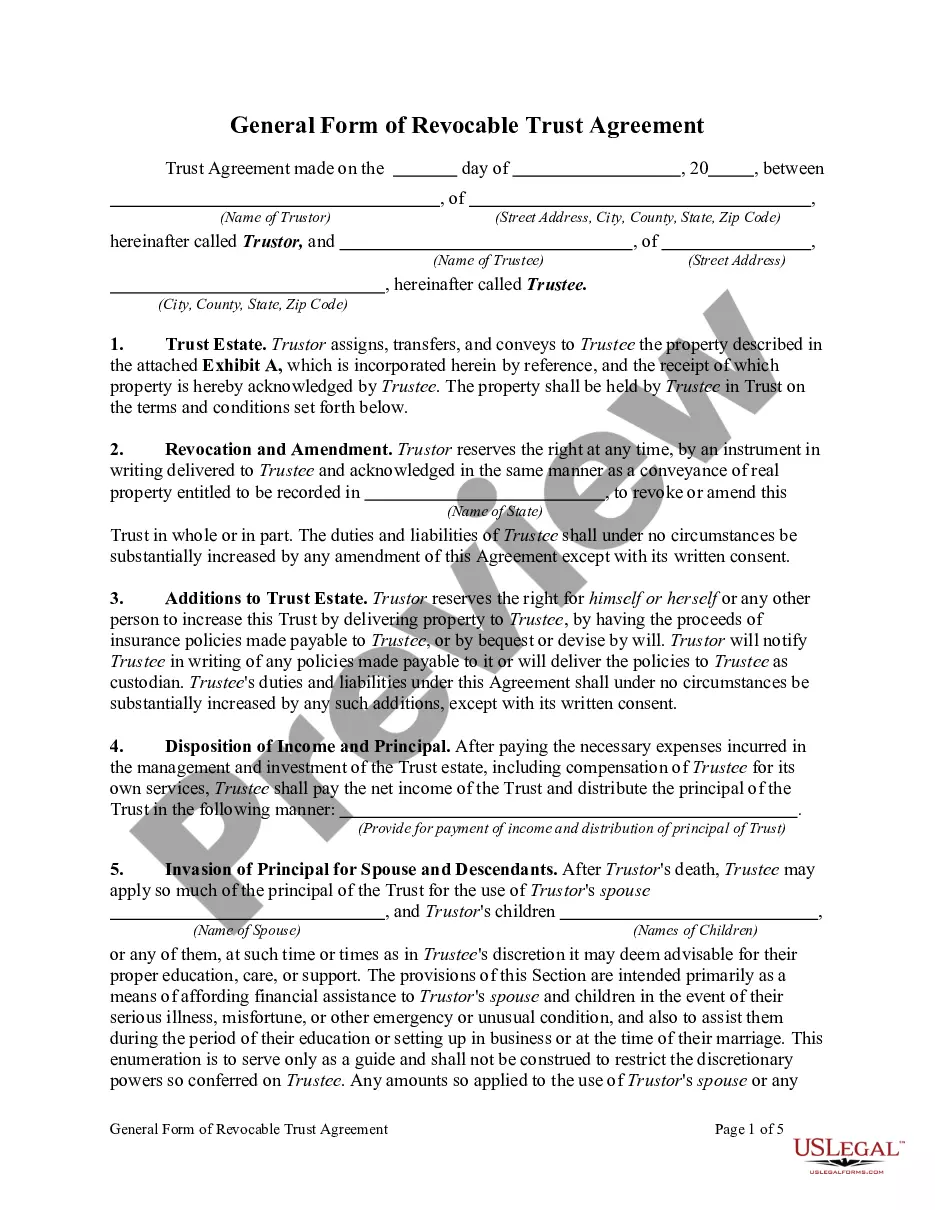
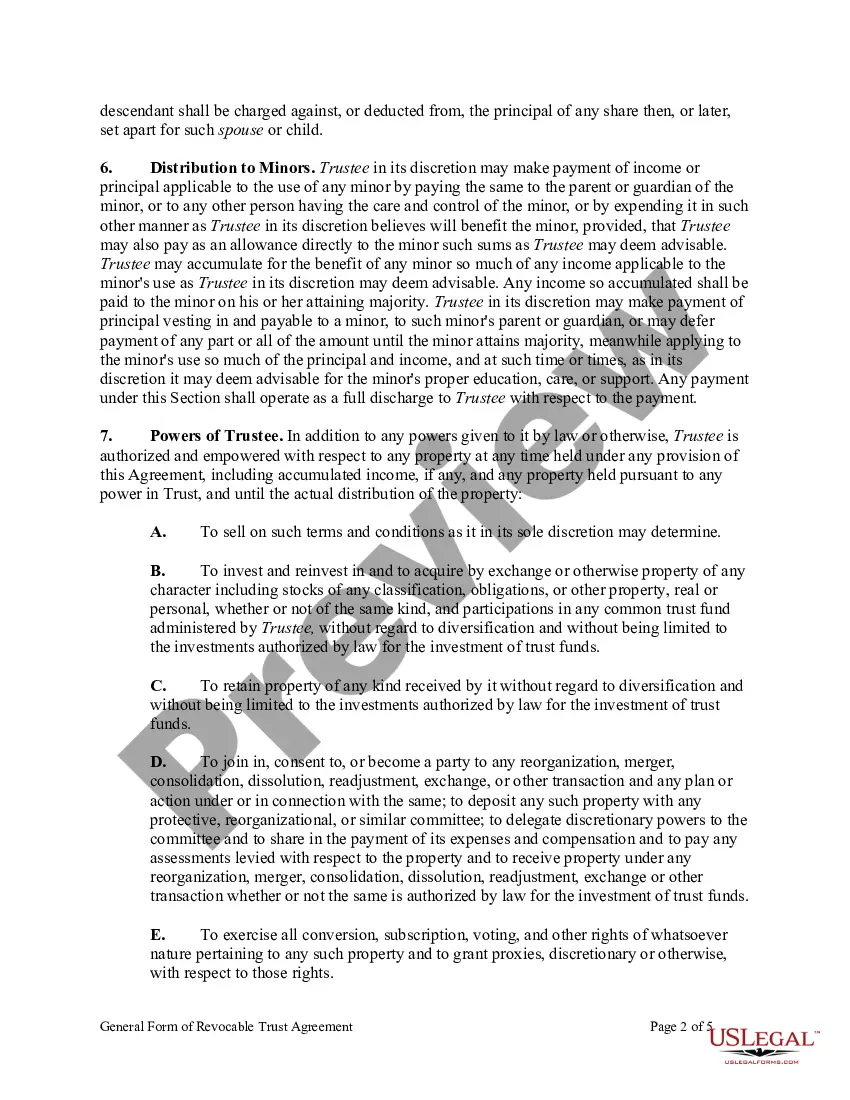
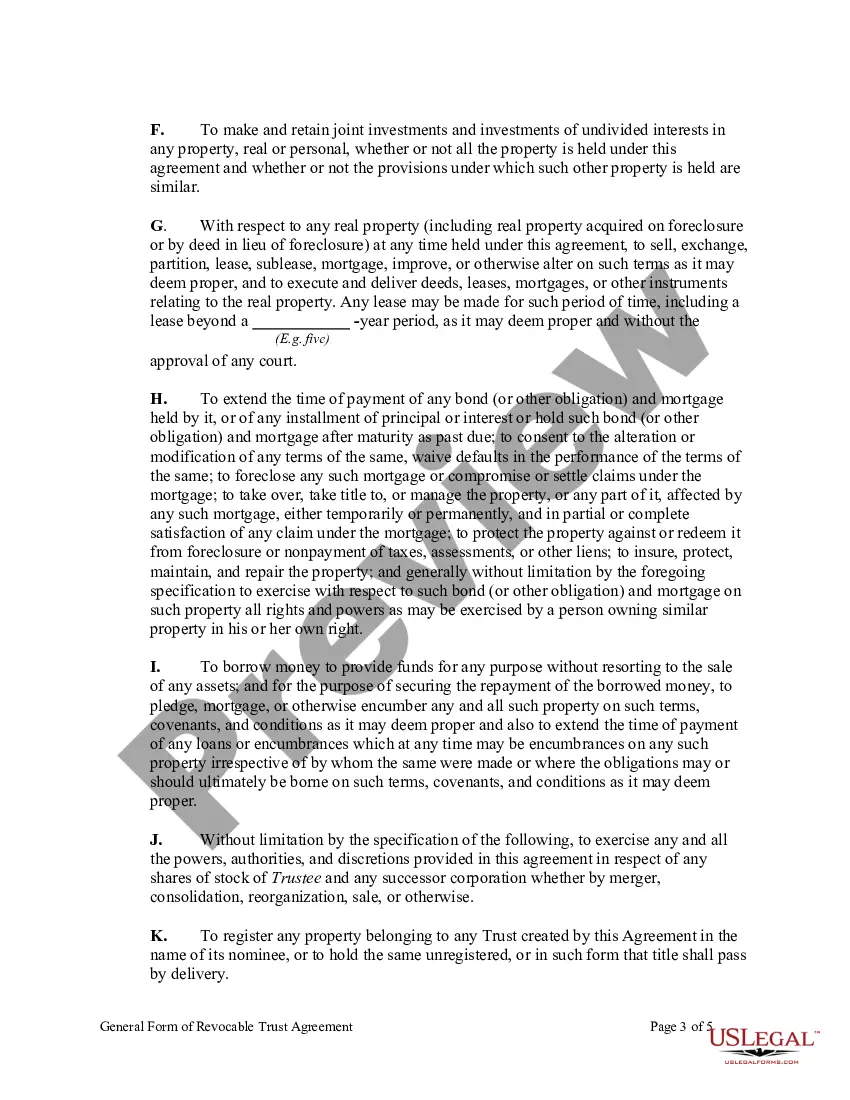
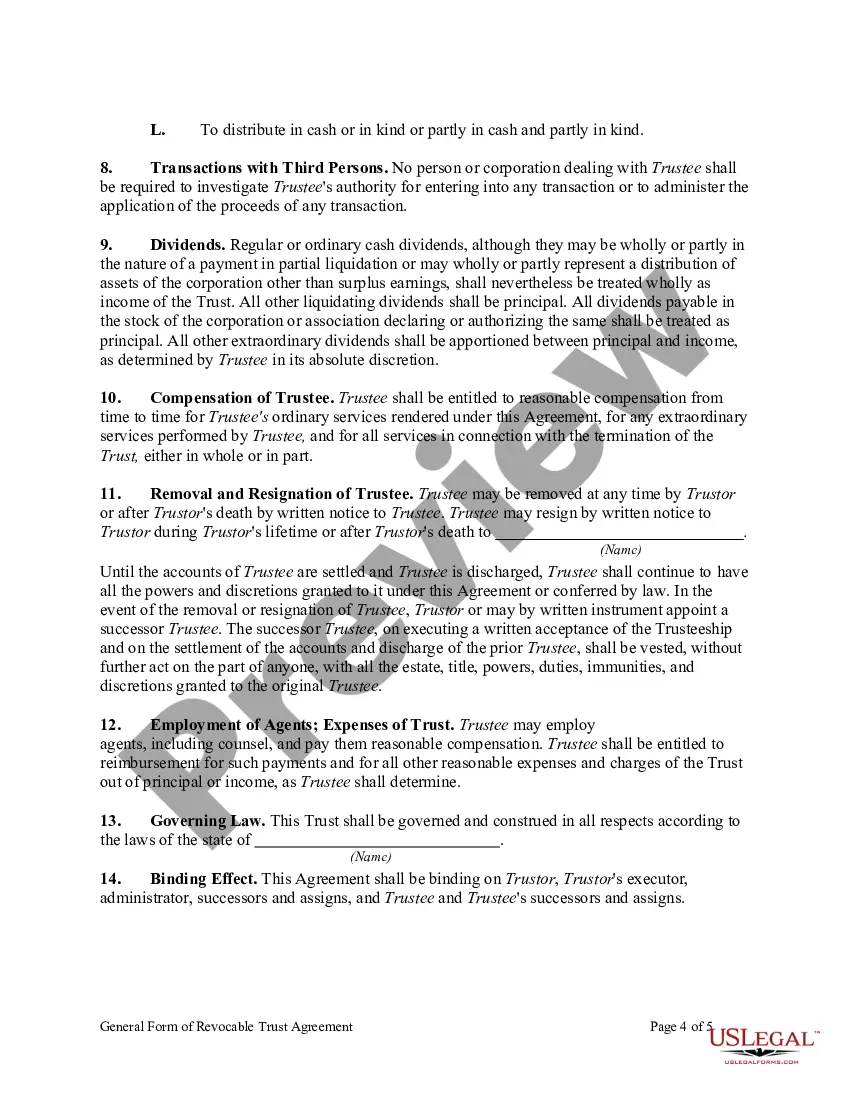
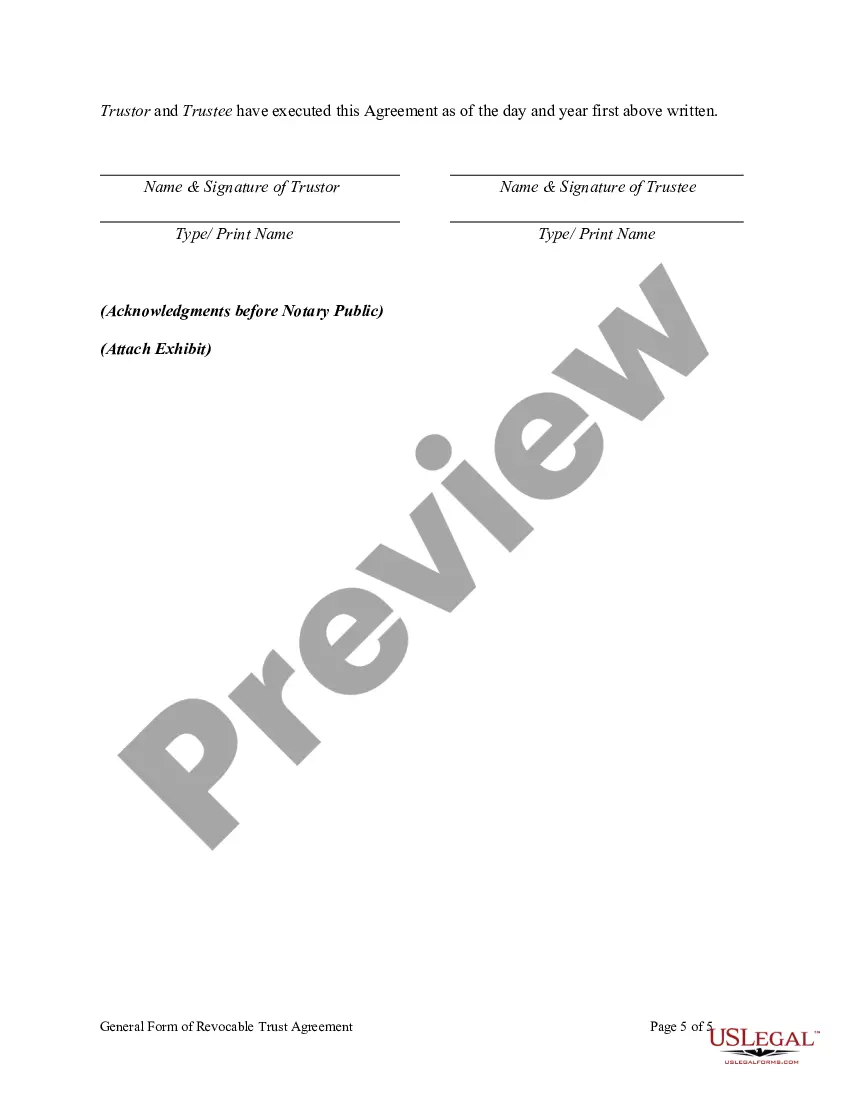
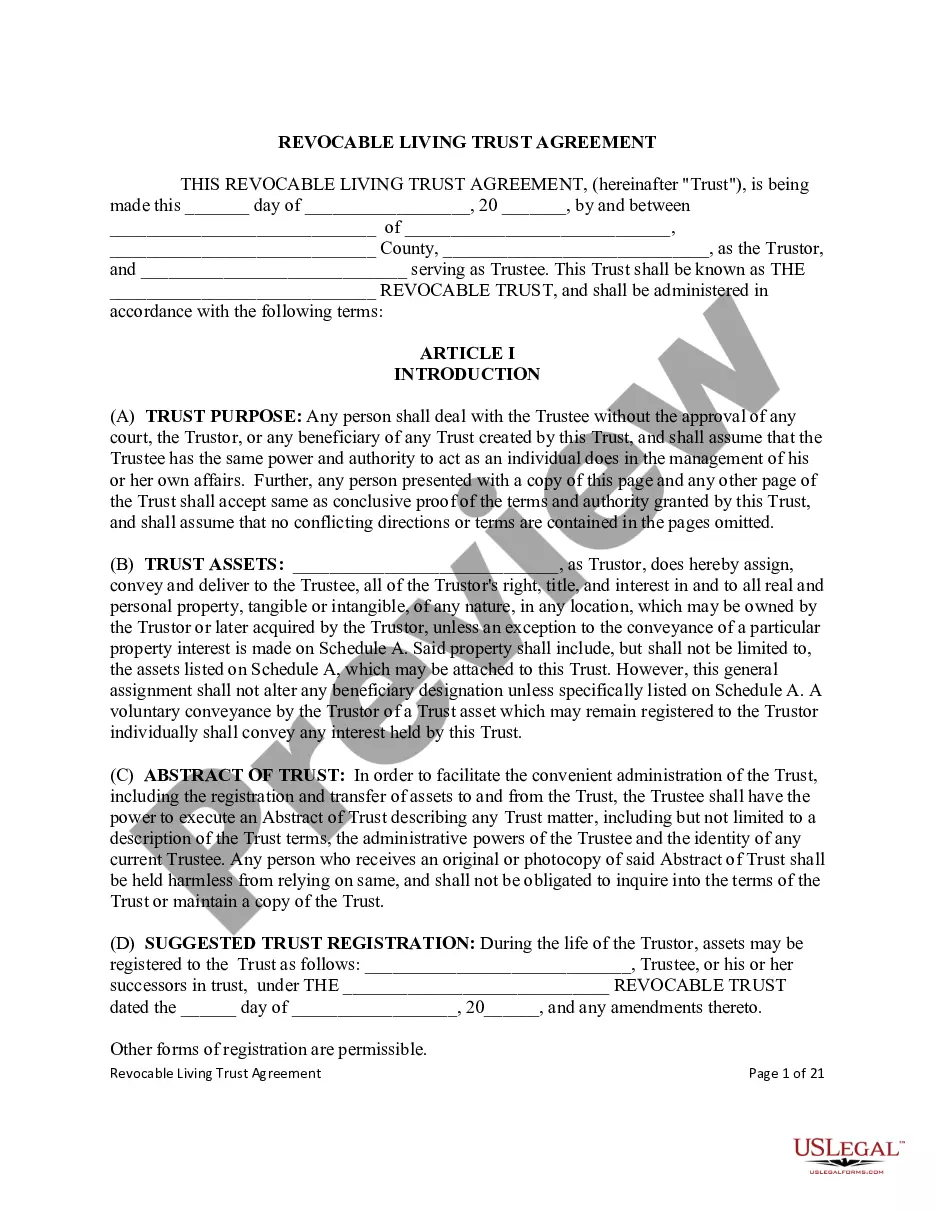
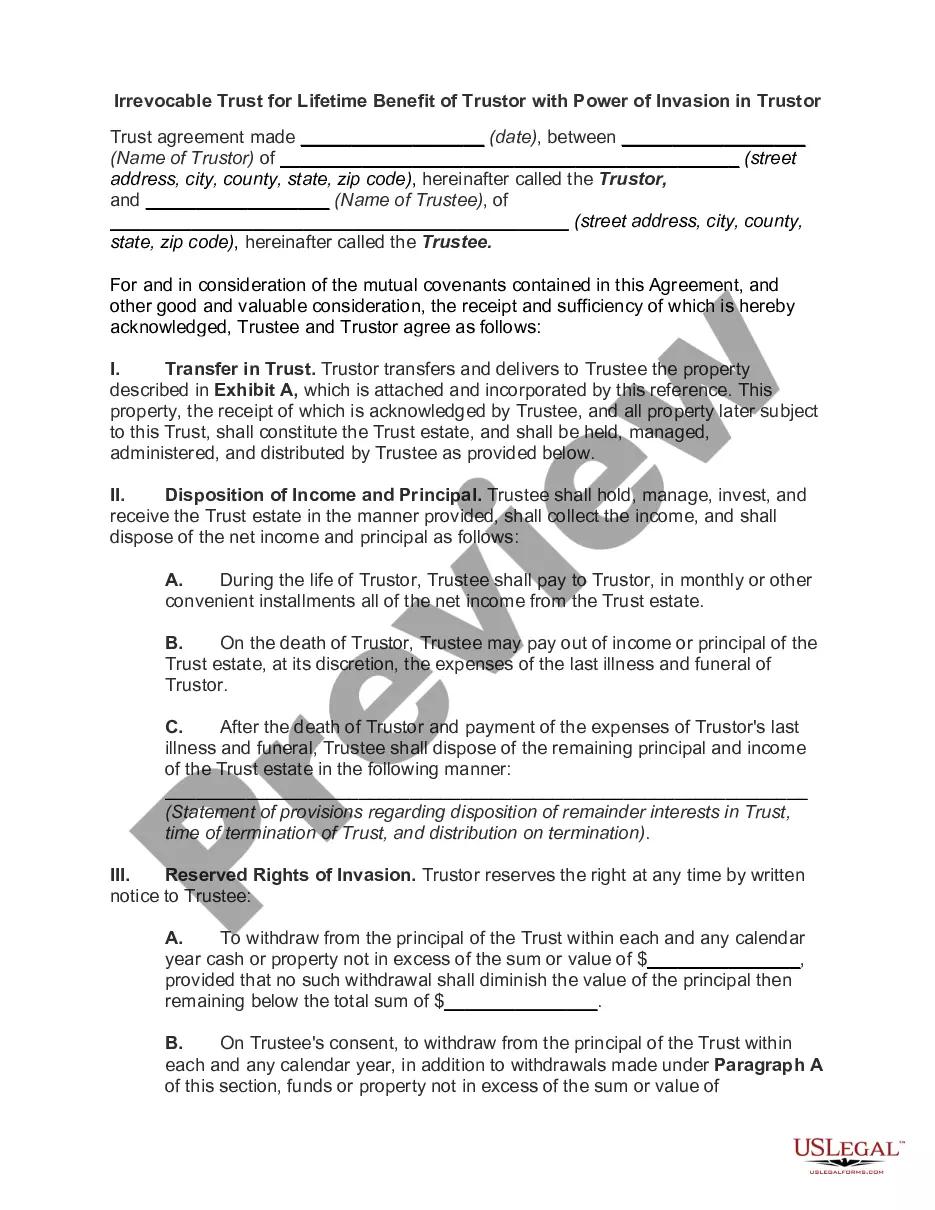
Get your form ready online
Our built-in tools help you complete, sign, share, and store your documents in one place.
Make edits, fill in missing information, and update formatting in US Legal Forms—just like you would in MS Word.
Download a copy, print it, send it by email, or mail it via USPS—whatever works best for your next step.
Sign and collect signatures with our SignNow integration. Send to multiple recipients, set reminders, and more. Go Premium to unlock E-Sign.
If this form requires notarization, complete it online through a secure video call—no need to meet a notary in person or wait for an appointment.
We protect your documents and personal data by following strict security and privacy standards.

Make edits, fill in missing information, and update formatting in US Legal Forms—just like you would in MS Word.

Download a copy, print it, send it by email, or mail it via USPS—whatever works best for your next step.

Sign and collect signatures with our SignNow integration. Send to multiple recipients, set reminders, and more. Go Premium to unlock E-Sign.

If this form requires notarization, complete it online through a secure video call—no need to meet a notary in person or wait for an appointment.

We protect your documents and personal data by following strict security and privacy standards.
Looking for another form?



How to fill out Revocable Trust For Asset Protection?
- Visit the US Legal Forms website and log into your account if you're a returning user. Ensure your subscription is active.
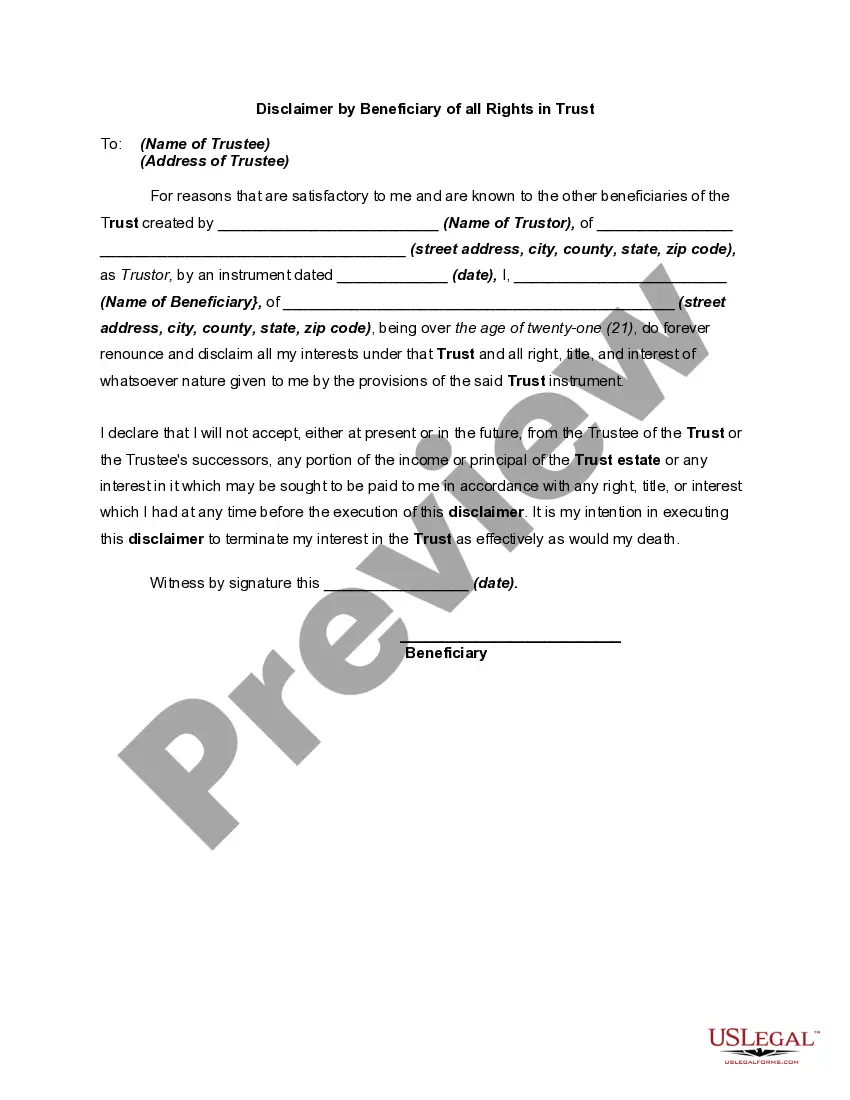
- If you're new, start by exploring the Preview mode and check the form description to confirm that it meets your needs and complies with your local jurisdiction.
- If you need a different template, use the Search tab to find the one that best suits your situation.
- Select the form you need and click the Buy Now button to choose your subscription plan. You'll need to create an account for full library access.
- Complete your purchase using a credit card or PayPal to finalize the subscription.
- Download your revocable trust document and save it to your device, making it accessible at any time from the My Forms section of your profile.
Once you follow these steps, you'll be equipped with a legally sound revocable trust document tailored to your needs. US Legal Forms empowers individuals and attorneys with its robust collection of over 85,000 legal forms, ensuring you have the right tools at your fingertips.
Start your journey toward effective estate planning today by visiting US Legal Forms and exploring their comprehensive library!
Form popularity
FAQ
One downside of a revocable trust is that it does not provide asset protection from creditors. Unlike irrevocable trusts, a revocable trust allows you to maintain control over your assets, which can expose them to claims. Furthermore, establishing a trust may incur upfront costs and ongoing maintenance expenses. Understanding these challenges through revocable trust for dummies will help you make informed financial decisions.
Assets like primary residences, certain retirement accounts, and personal vehicles can often be excluded from a revocable trust. Keeping these outside can simplify your financial situation and avoid unnecessary complications. It’s important to evaluate each asset carefully. Learning the essentials of revocable trust for dummies equips you with the right decision-making tools.
The primary purpose of a revocable trust is to facilitate the efficient transfer of assets upon your death while avoiding probate. This means that your loved ones can access their inheritance without facing delays or legal hurdles. Additionally, a revocable trust allows you to maintain control over your assets during your lifetime. Knowing the core functions can empower you, especially as you navigate revocable trust for dummies.
Typically, you should avoid putting your primary checking and savings accounts in a revocable trust if you require day-to-day access. Keeping these accounts outside the trust provides you with greater flexibility for personal use. However, you might consider including accounts that you plan to leave behind or that hold significant balances. Understanding these distinctions can be easier with insights from revocable trust for dummies.
A revocable trust is ideal for assets you want to avoid probate, like real estate, bank accounts, and valuable personal property. By placing these assets in the trust, you simplify management and ensure a smoother transfer upon your passing. Furthermore, including business interests in a trust can also enhance control over your assets. Learning about revocable trust for dummies can guide you on which assets to include.
Generally, you should avoid putting certain types of assets into a revocable trust, such as retirement accounts like IRAs or 401(k)s. These accounts have specific tax implications that may not mesh well with a trust. You should also consider keeping life insurance policies outside the trust to retain important benefits. Delving into revocable trust for dummies reveals these nuances in asset management.
One of the biggest mistakes parents make is failing to clearly outline their wishes in the trust document. It's essential to specify how and when funds should be distributed to beneficiaries. Additionally, some parents neglect to fund the trust properly, which can render it ineffective. Understanding the basics can simplify this process, making a revocable trust for dummies much easier to manage.
To report trust income, you include it directly on your individual tax return, specifically on Schedule E. You will need information about the income generated from the trust assets to fill out this form correctly. Knowing how to report trust income accurately can empower you, especially if you're looking for a revocable trust for dummies. Resources such as US Legal Forms offer guidance to help you navigate this process.
Filing taxes for a revocable trust is generally straightforward since it is treated as part of your personal finances. You will report the trust's income directly on your Form 1040, alongside your other income. This method keeps it simple for individuals pondering a revocable trust for dummies. To ease the process, consider accessing tools available on platforms like US Legal Forms.
Failing to file a tax return for a revocable trust can lead to penalties and interest from the IRS. In addition, any income earned by the trust must still be reported on your personal tax return. Understanding the implications of not filing can be crucial for anyone exploring the concept of a revocable trust for dummies. Utilizing resources like US Legal Forms can help streamline your understanding and ensure compliance.