Bank Account With Beneficiary
Description

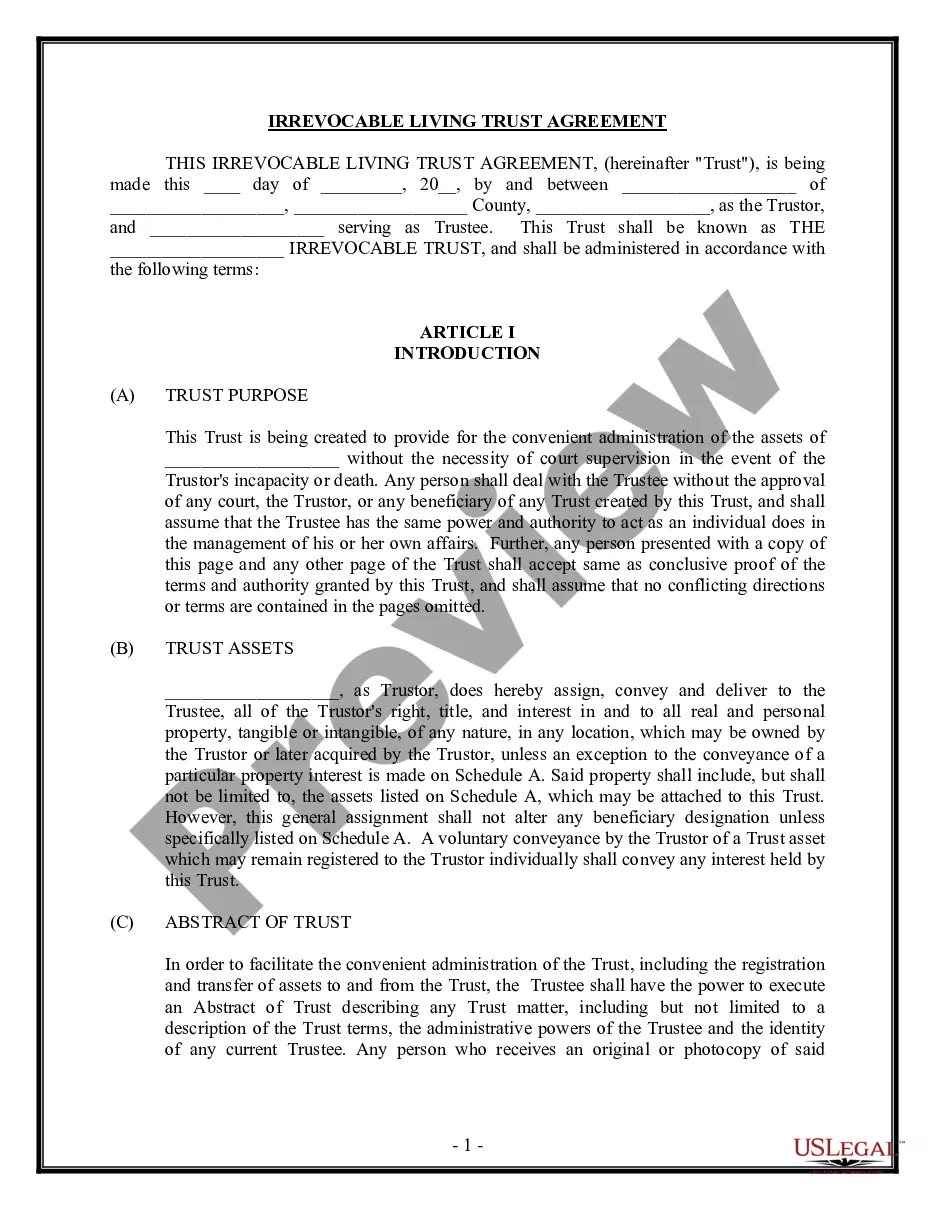

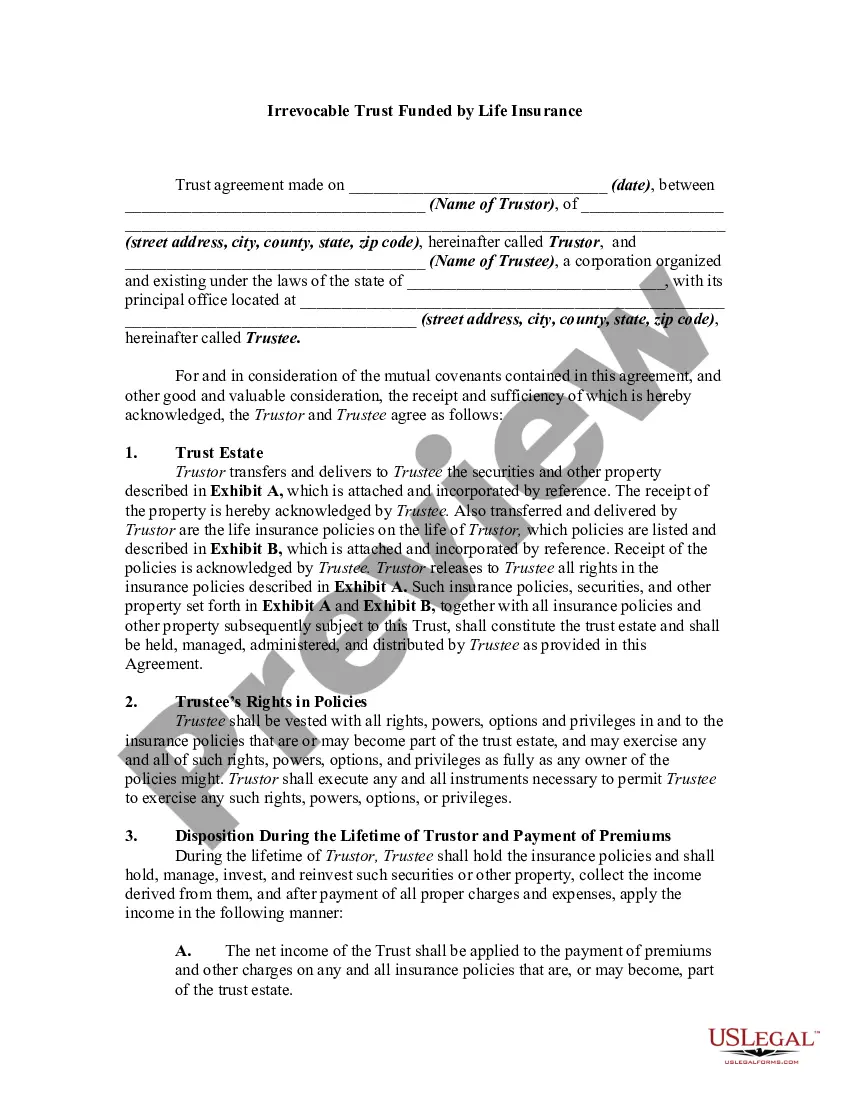
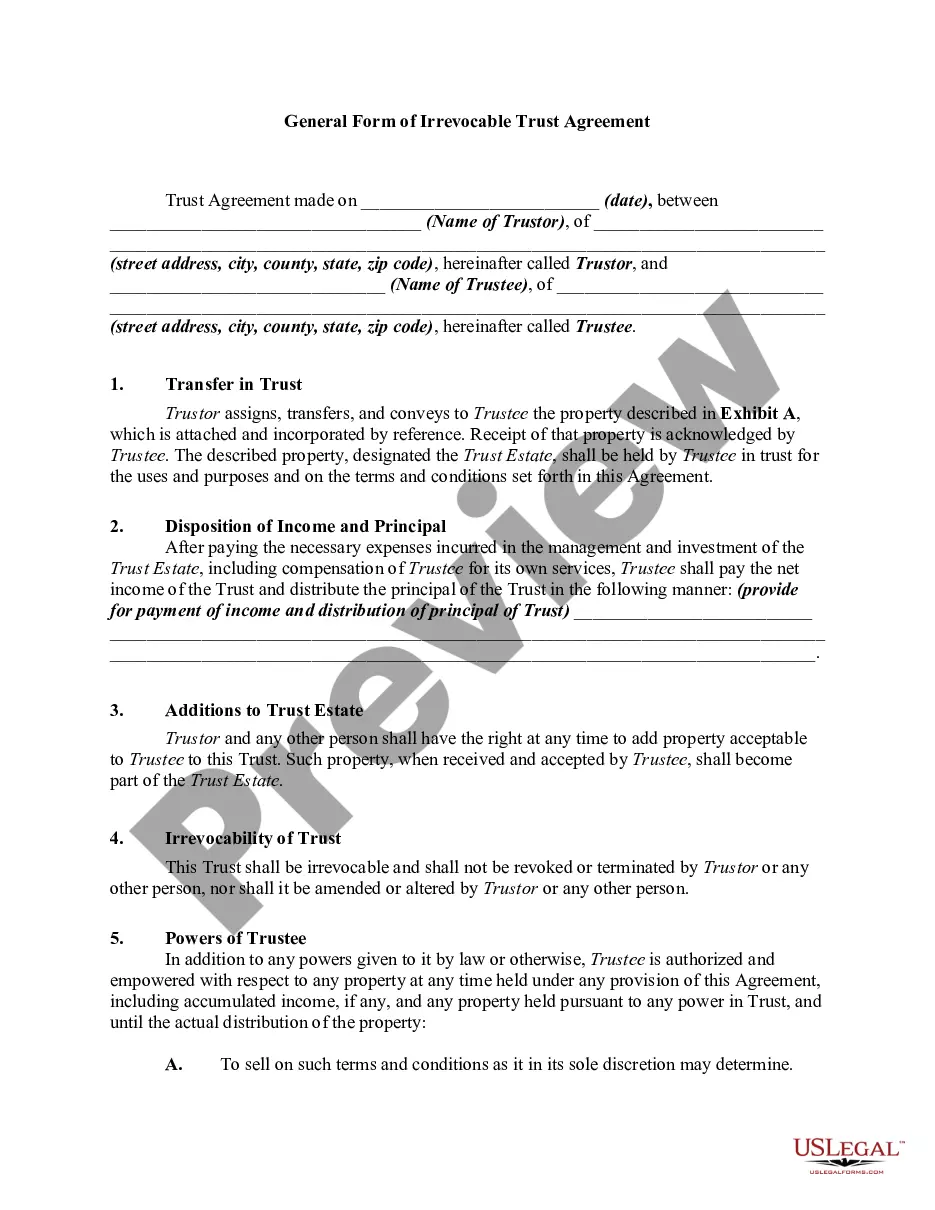
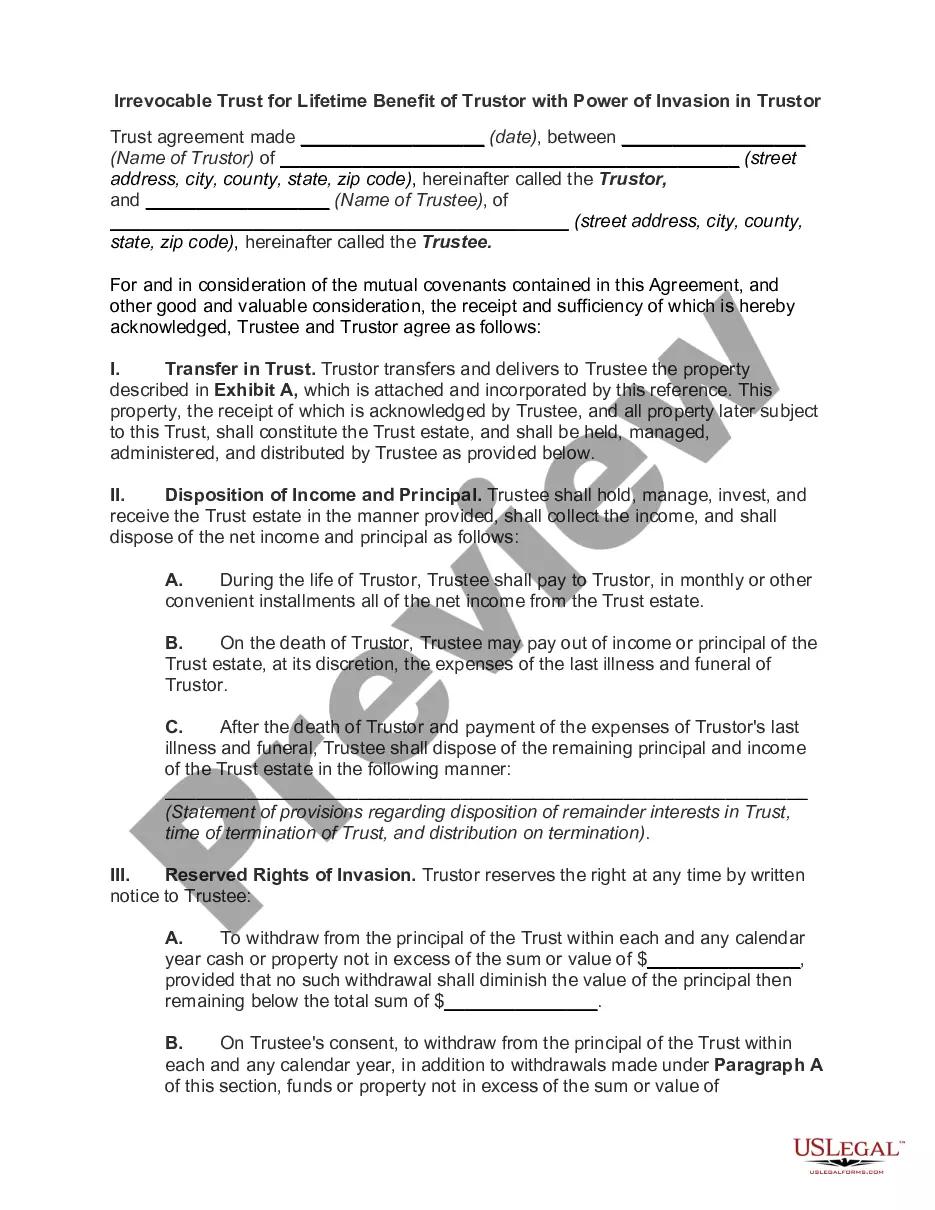
Get your form ready online
Our built-in tools help you complete, sign, share, and store your documents in one place.
Make edits, fill in missing information, and update formatting in US Legal Forms—just like you would in MS Word.
Download a copy, print it, send it by email, or mail it via USPS—whatever works best for your next step.
Sign and collect signatures with our SignNow integration. Send to multiple recipients, set reminders, and more. Go Premium to unlock E-Sign.
If this form requires notarization, complete it online through a secure video call—no need to meet a notary in person or wait for an appointment.
We protect your documents and personal data by following strict security and privacy standards.

Make edits, fill in missing information, and update formatting in US Legal Forms—just like you would in MS Word.

Download a copy, print it, send it by email, or mail it via USPS—whatever works best for your next step.

Sign and collect signatures with our SignNow integration. Send to multiple recipients, set reminders, and more. Go Premium to unlock E-Sign.

If this form requires notarization, complete it online through a secure video call—no need to meet a notary in person or wait for an appointment.

We protect your documents and personal data by following strict security and privacy standards.
Looking for another form?



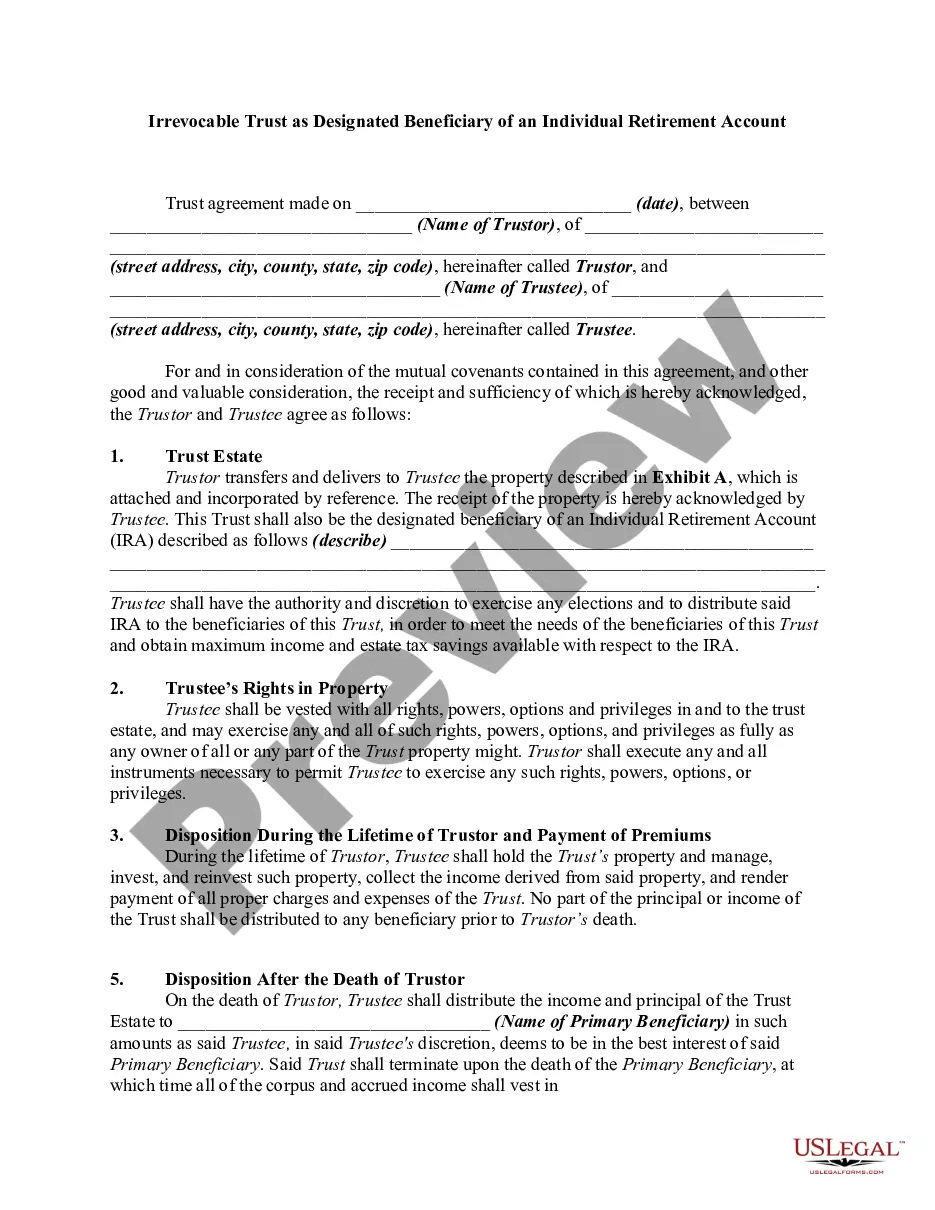
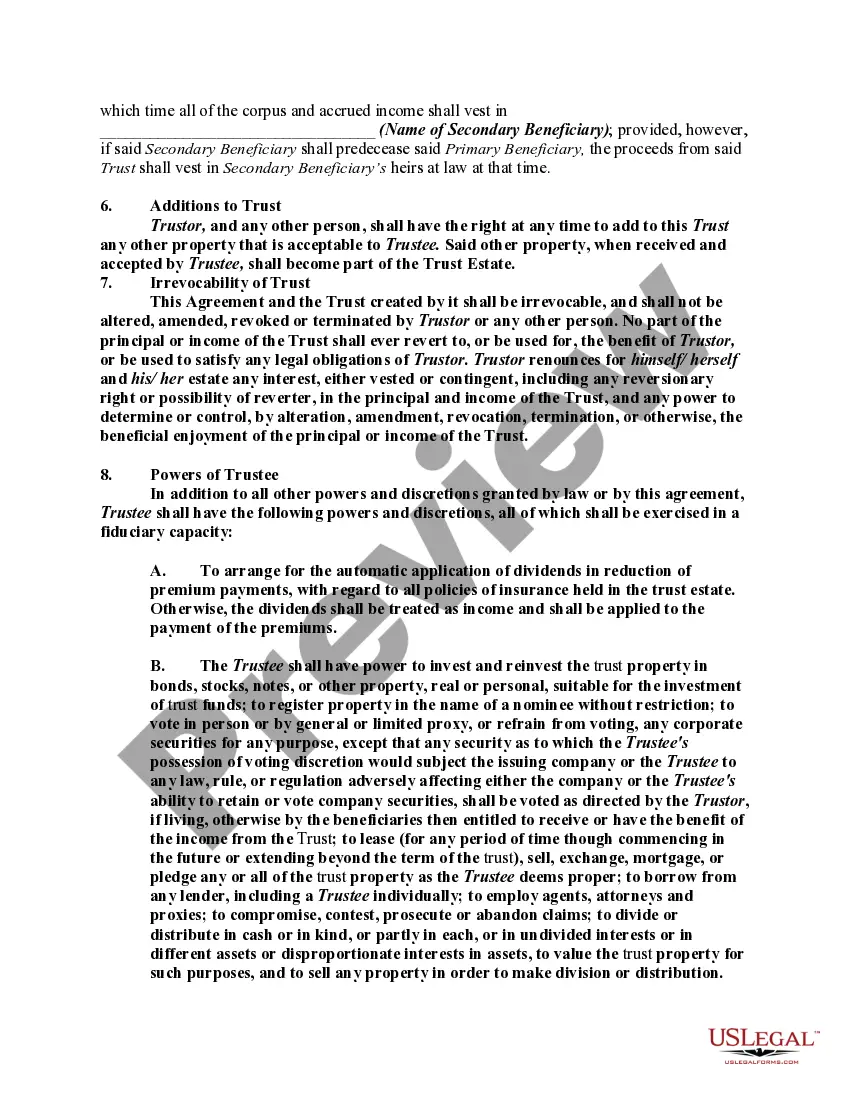
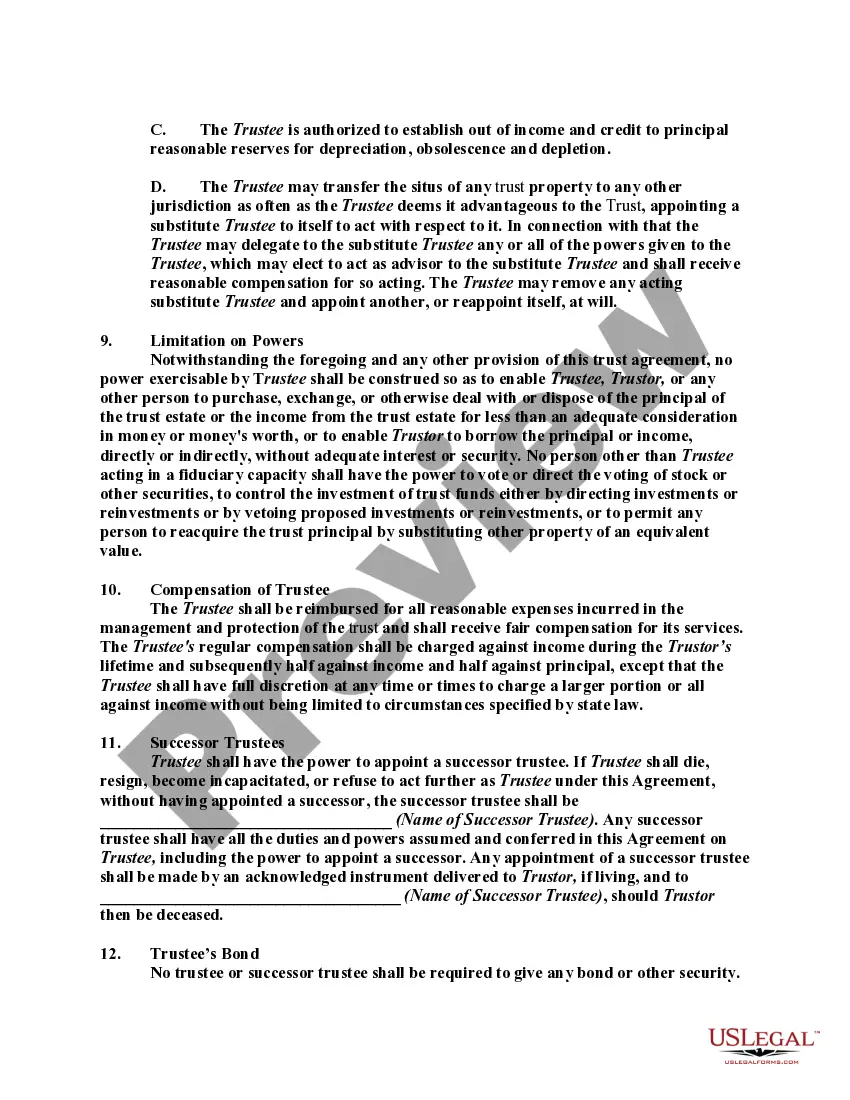
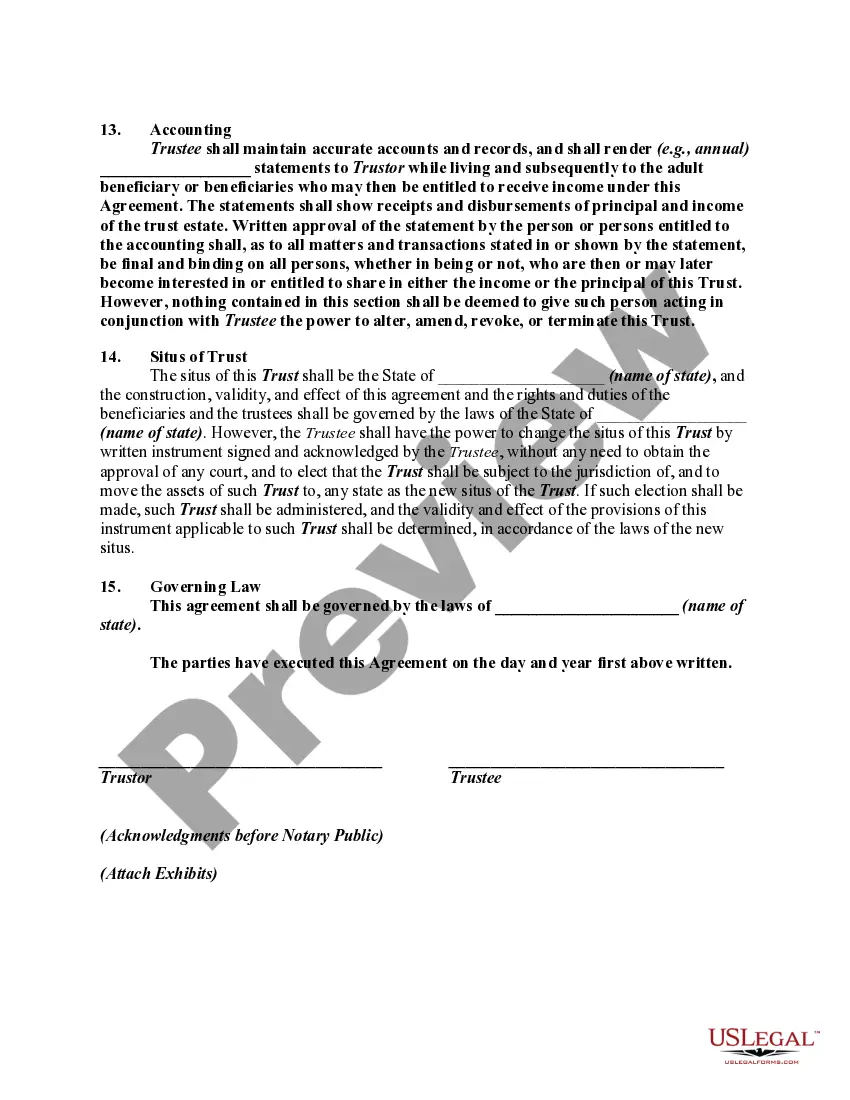
How to fill out Irrevocable Trust As Designated Beneficiary Of An Individual Retirement Account?
Managing legal documents can be daunting, even for experienced experts.
When seeking a Bank Account With Beneficiary and failing to allocate time to locate the accurate and current version, the processes may become stressful.
US Legal Forms addresses all your requirements, whether they pertain to personal or business documents, all in a single location.
Leverage advanced tools to manage and complete your Bank Account With Beneficiary.
Here are the steps to follow after selecting the desired form: Verify it is the correct form by previewing it and reviewing its details.
- Access a valuable collection of articles, guides, and materials pertinent to your situation and requirements.
- Save time and effort searching for the documents you require, utilizing the enhanced search and Review tool to locate and obtain the Bank Account With Beneficiary.
- If you hold a subscription, Log In to your US Legal Forms account, search for the specific form, and obtain it.
- Visit the My documents tab to check the documents you've previously saved and manage your folders as needed.
- If this is your first interaction with US Legal Forms, create an account for unlimited access to all platform features.
- Utilize an effective web form directory to transform the way you handle these matters.
- US Legal Forms stands out as a leading provider of online legal documents, offering more than 85,000 state-specific forms accessible at your convenience.
- You can access forms tailored to your state or county.
Form popularity
FAQ
When a beneficiary needs to claim a bank account, they typically must present specific documents at the bank. This process often involves providing a death certificate of the account holder, along with their identification and any beneficiary forms. The bank will guide the beneficiary through any additional steps needed to secure the funds. Using US Legal Forms can streamline this process, offering templates and guidance that simplify the claims procedure.
To add someone to your bank account, you generally need to provide the bank with several documents. This can include a valid identification card for both you and the person you are adding, along with any necessary forms your bank requires. You may also need to present proof of address for both parties. For a smooth process, consider using US Legal Forms to obtain the proper documentation.
When you wish to add someone as a beneficiary to your bank account, you will need specific information about that person. This includes their full name, Social Security number, and contact information. Additionally, some banks may require the beneficiary's date of birth to ensure accurate record-keeping. You can efficiently gather this information with the help of resources available on the US Legal Forms site.
To add a beneficiary to your bank account, you typically need to provide a few key documents. These include a valid form of identification, such as a driver's license or passport, and the bank's beneficiary form. This form requires essential information about the beneficiary, including their full name and contact details. Utilizing the US Legal Forms platform can help simplify this process by providing necessary templates and guidance.
While a bank account with beneficiary provides clear benefits, such as avoiding probate, some disadvantages exist. For instance, creditors may still be able to claim funds from a POD account if the account holder has outstanding debts at the time of death. Additionally, if the beneficiary is not financially responsible, it could lead to potential misuse of the inherited funds.
When the account holder of a bank account with beneficiary passes away, the designated beneficiary automatically becomes the owner of the account funds. This transfer occurs without the need for probate, making it a straightforward way to distribute assets. This ensures that your intended recipient receives the funds quickly, without unnecessary delays or complications.
Bank accounts that allow you to designate beneficiaries typically include savings accounts, checking accounts, and certain investment accounts. These accounts often feature what's known as a Payable on Death (POD) designation. By setting up a bank account with beneficiary, you ensure that your funds transfer directly to your chosen beneficiary upon your passing, simplifying the inheritance process.
Beneficiaries are listed on a bank account by completing a beneficiary designation form provided by your bank. This form typically requires you to provide the names of your beneficiaries and their pertinent information, such as contact details. Ensuring that your bank account with beneficiary is accurately set up helps facilitate the quick transfer of assets when needed.
To list someone as a beneficiary on your bank account, start by reaching out to your bank to request the necessary forms. You will need to provide the person's name, relationship to you, and sometimes their Social Security number. After completing the forms, submit them to your bank to officially designate your chosen individual as a beneficiary on your bank account with beneficiary.
In a bank account with beneficiary, you typically write the name of the beneficiary and may need to include their Social Security number or other identifying information. The exact requirements may vary by bank, so checking with your financial institution for their guidelines is essential. Recording this information properly helps ensure a smooth transfer of funds to your beneficiaries.