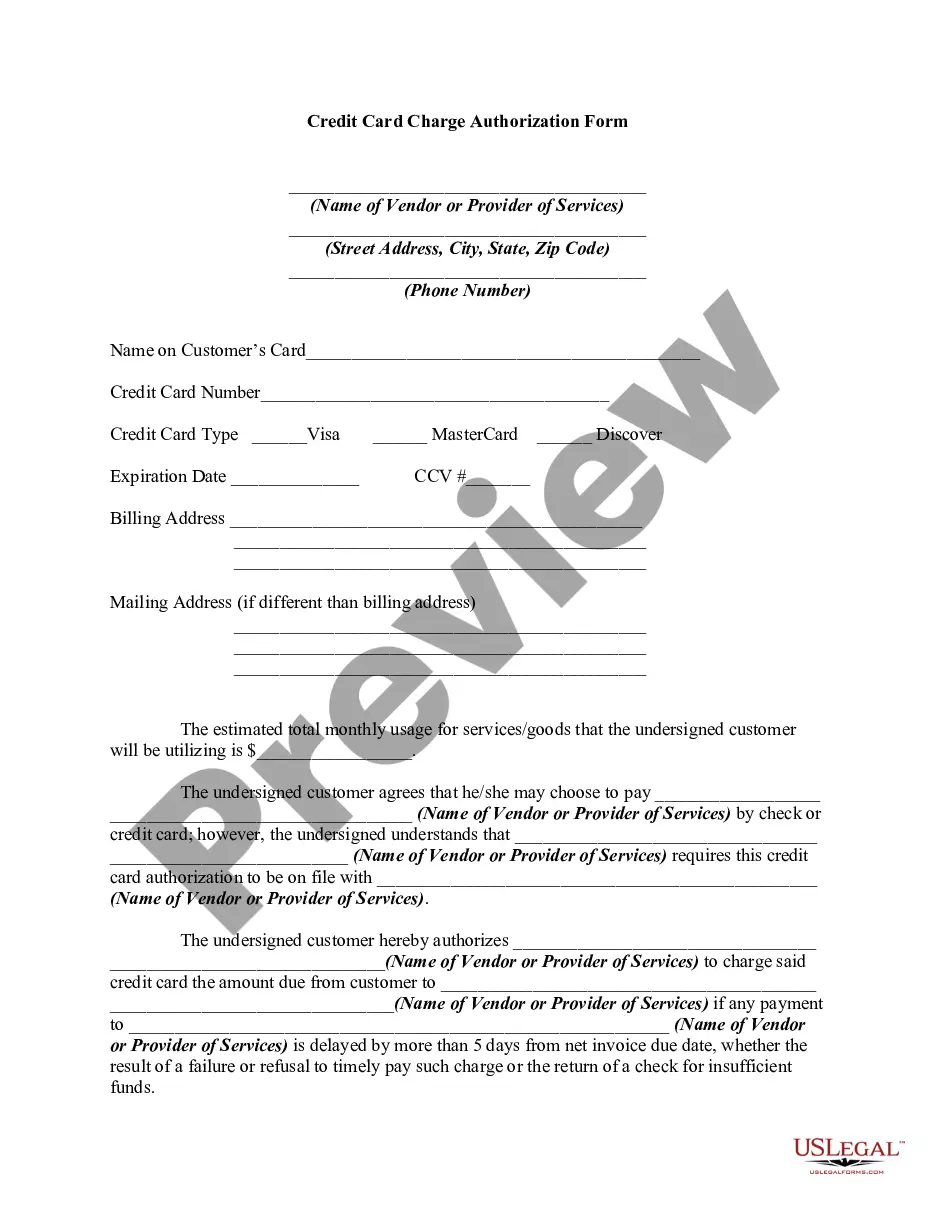
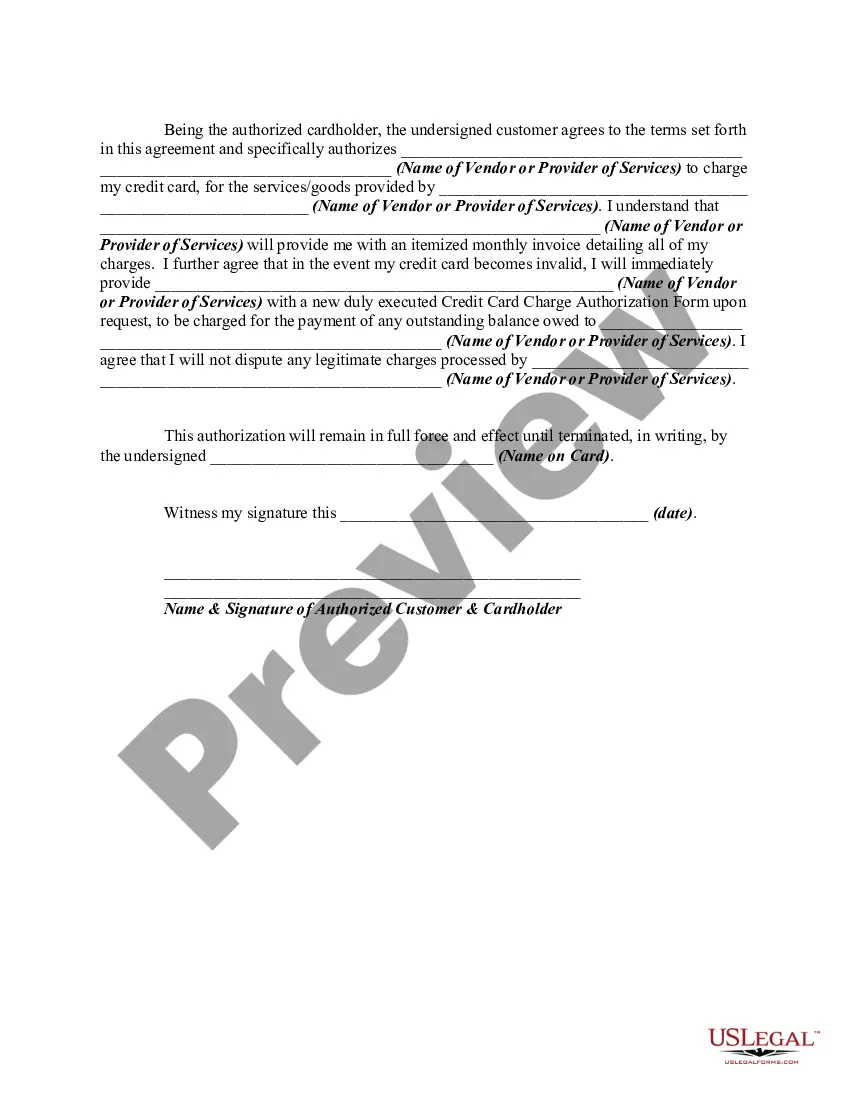
Credit Card Authorization For Hotel With Paypal
Description
Get your form ready online
Our built-in tools help you complete, sign, share, and store your documents in one place.
Make edits, fill in missing information, and update formatting in US Legal Forms—just like you would in MS Word.
Download a copy, print it, send it by email, or mail it via USPS—whatever works best for your next step.
Sign and collect signatures with our SignNow integration. Send to multiple recipients, set reminders, and more. Go Premium to unlock E-Sign.
If this form requires notarization, complete it online through a secure video call—no need to meet a notary in person or wait for an appointment.
We protect your documents and personal data by following strict security and privacy standards.

Make edits, fill in missing information, and update formatting in US Legal Forms—just like you would in MS Word.

Download a copy, print it, send it by email, or mail it via USPS—whatever works best for your next step.

Sign and collect signatures with our SignNow integration. Send to multiple recipients, set reminders, and more. Go Premium to unlock E-Sign.

If this form requires notarization, complete it online through a secure video call—no need to meet a notary in person or wait for an appointment.

We protect your documents and personal data by following strict security and privacy standards.
Looking for another form?
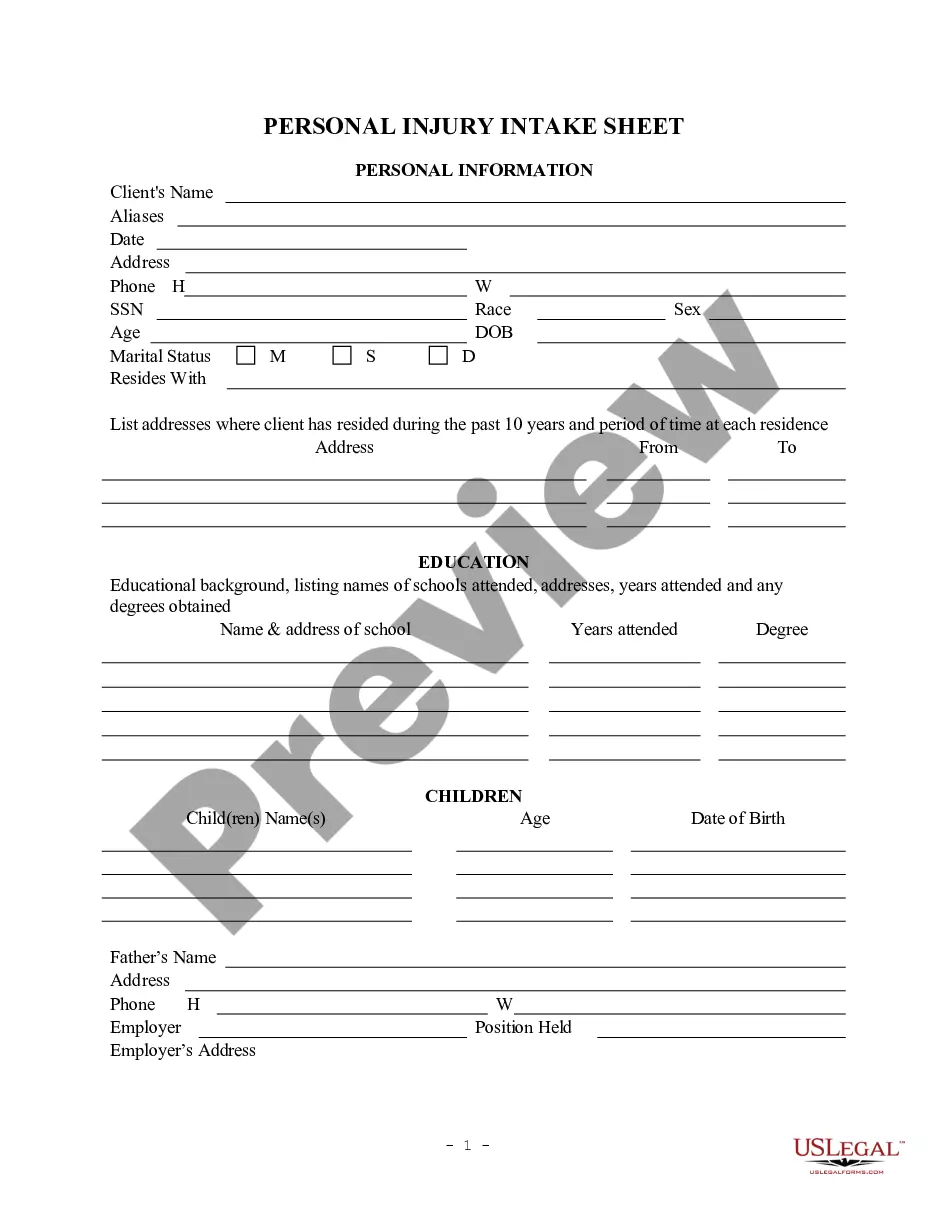
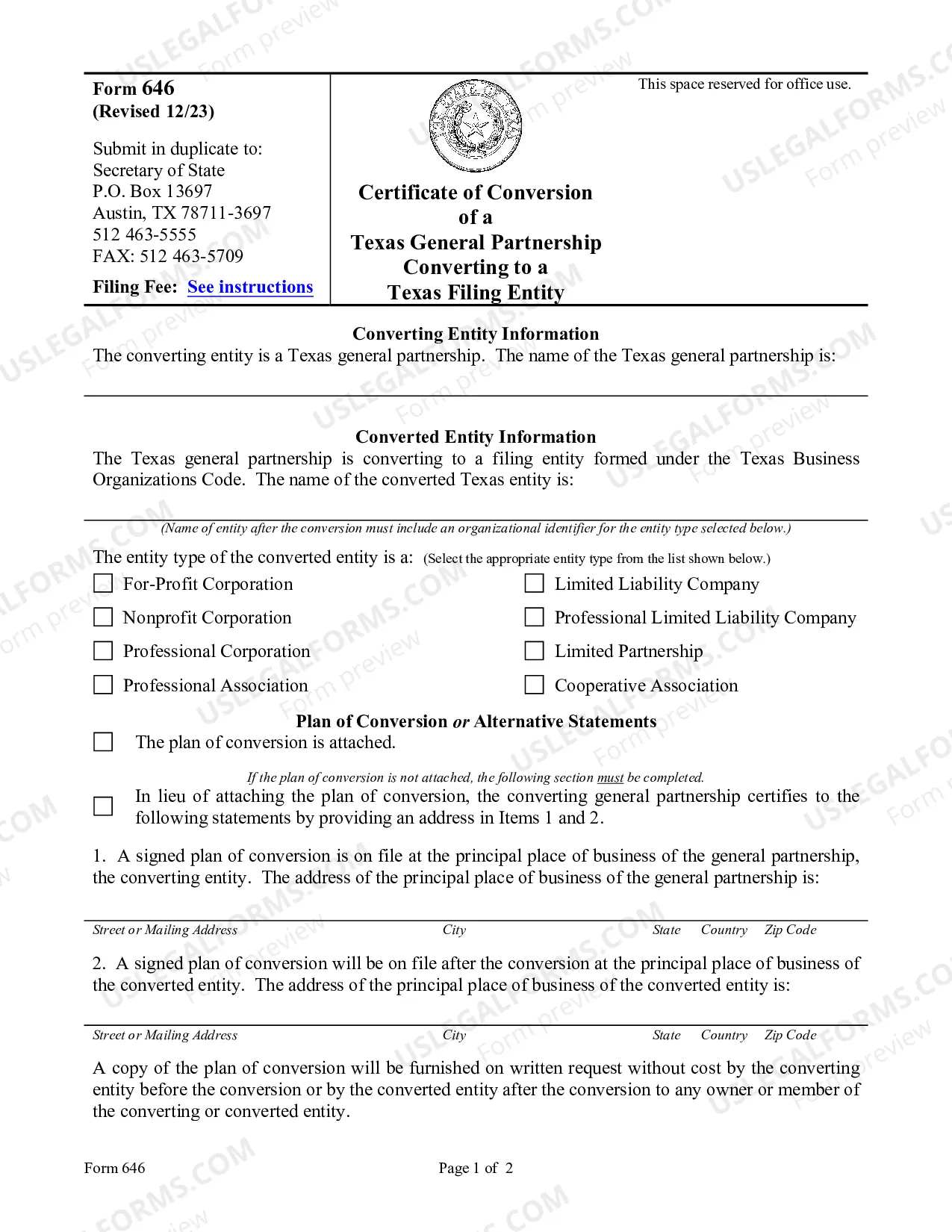
How to fill out Credit Card Charge Authorization Form?
Whether for commercial reasons or for individual issues, everyone must confront legal circumstances at some point in their life.
Filling out legal documents requires meticulous consideration, beginning with selecting the correct form template.
Once saved, you can fill out the form using editing software or print it and complete it manually. With a vast US Legal Forms catalog available, you never have to waste time searching for the right sample online. Make use of the library’s user-friendly navigation to find the suitable form for any occasion.
- For instance, if you select an incorrect version of a Credit Card Authorization For Hotel With Paypal, it will be rejected once you submit it.
- Thus, it is crucial to obtain a trustworthy source of legal documents like US Legal Forms.
- If you wish to acquire a sample of Credit Card Authorization For Hotel With Paypal, follow these simple steps.
- Locate the sample you require by utilizing the search bar or catalog navigation.
- Review the form’s details to ensure it aligns with your circumstance, state, and county.
- Click on the form’s preview to inspect it.
- If it is the wrong document, return to the search option to find the Credit Card Authorization For Hotel With Paypal sample you need.
- Obtain the file if it fits your requirements.
- If you already possess a US Legal Forms account, click Log in to access previously saved documents in My documents.
- If you don’t have an account yet, you can acquire the form by clicking Buy now.
- Select the appropriate payment option.
- Complete the profile registration form.
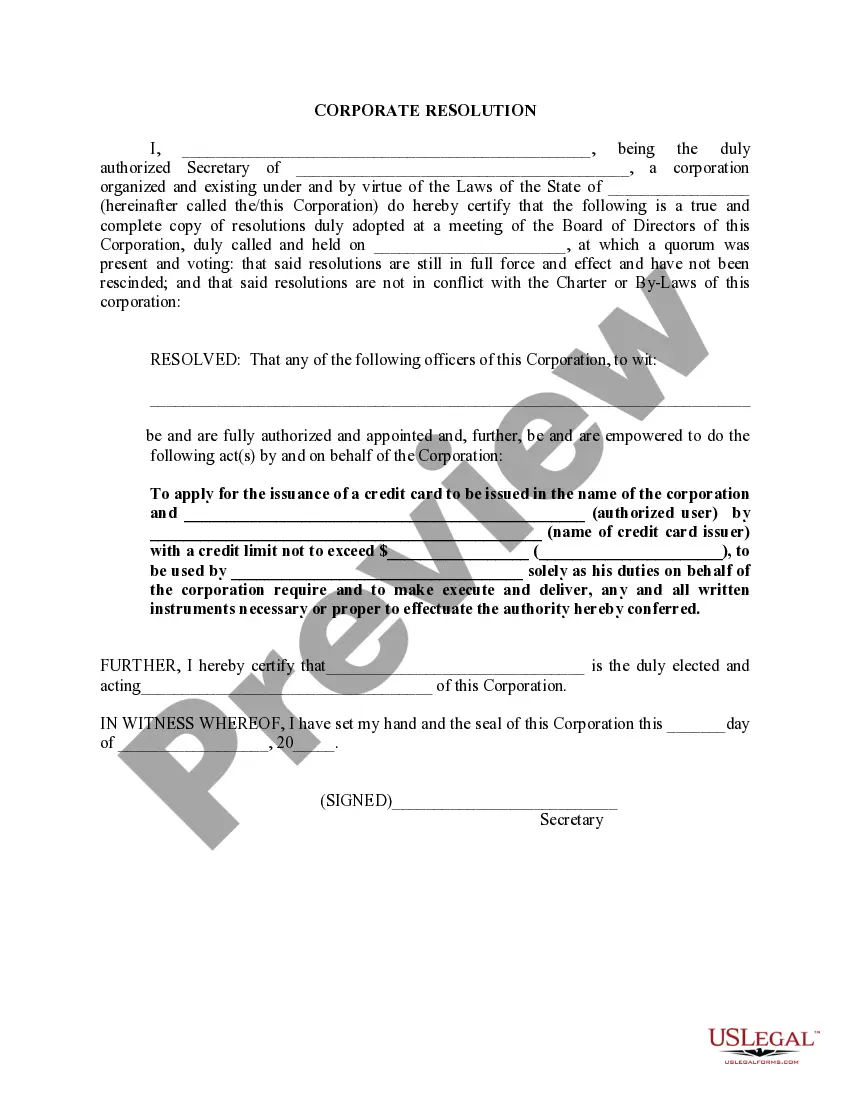
- Choose your payment method: you can use a credit card or PayPal account.
- Select the file format you need and download the Credit Card Authorization For Hotel With Paypal.
Form popularity
FAQ
You should file your case with the district court in the county where the minor (Respondent) lives, or where the minor can be found. To find the correct district court, search Courts by County. If it is Denver, you will need to file your case in the Denver Probate Court.
The duration of a guardianship will depend on several factors, including the age and health of the ward. In general, guardianships for minors come to an end when minors turn 18. For vulnerable or incapacitated adults, guardianships can last until death or until the court terminates the legal relationship.
Determine whether you meet the requirements to replace the guardian. ... Determine what information you need before you file your case. ... Determine where to file your case. ... Fill out the paperwork to start your case. ... Give notice to the Ward and other interested persons. ... Determine what you need after you become the guardian.
But, in general, the main differences between the two are who can take on each role, that person's main responsibilities and the length of the arrangement. As we've covered, custody is granted to parents or to someone with a parent-like relationship to a child; guardianship is appointed to someone other than a parent.
A guardianship is an exclusive power, so it takes away the parent's rights to make decisions for the child and gives that authority to the guardian, within the scope of the guardianship order, until the guardianship is modified or terminated. Guardianship does not terminate the parent's parental rights.
The court will name a guardian for an adult only if the court decides that the adult needs a guardian. The court will need to decide that the adult is not able to care for themselves or make their own decisions without help.
If you are requesting a temporary guardianship or long term guardianship it will likely be about 6 weeks after filing. 3. Service on Ward: You will have to have the ?ward? (the person who is being protected) served with the paperwork.