Process Of Abuse
Description

Get your form ready online
Our built-in tools help you complete, sign, share, and store your documents in one place.
Make edits, fill in missing information, and update formatting in US Legal Forms—just like you would in MS Word.
Download a copy, print it, send it by email, or mail it via USPS—whatever works best for your next step.
Sign and collect signatures with our SignNow integration. Send to multiple recipients, set reminders, and more. Go Premium to unlock E-Sign.
If this form requires notarization, complete it online through a secure video call—no need to meet a notary in person or wait for an appointment.
We protect your documents and personal data by following strict security and privacy standards.

Make edits, fill in missing information, and update formatting in US Legal Forms—just like you would in MS Word.

Download a copy, print it, send it by email, or mail it via USPS—whatever works best for your next step.

Sign and collect signatures with our SignNow integration. Send to multiple recipients, set reminders, and more. Go Premium to unlock E-Sign.

If this form requires notarization, complete it online through a secure video call—no need to meet a notary in person or wait for an appointment.

We protect your documents and personal data by following strict security and privacy standards.
Looking for another form?
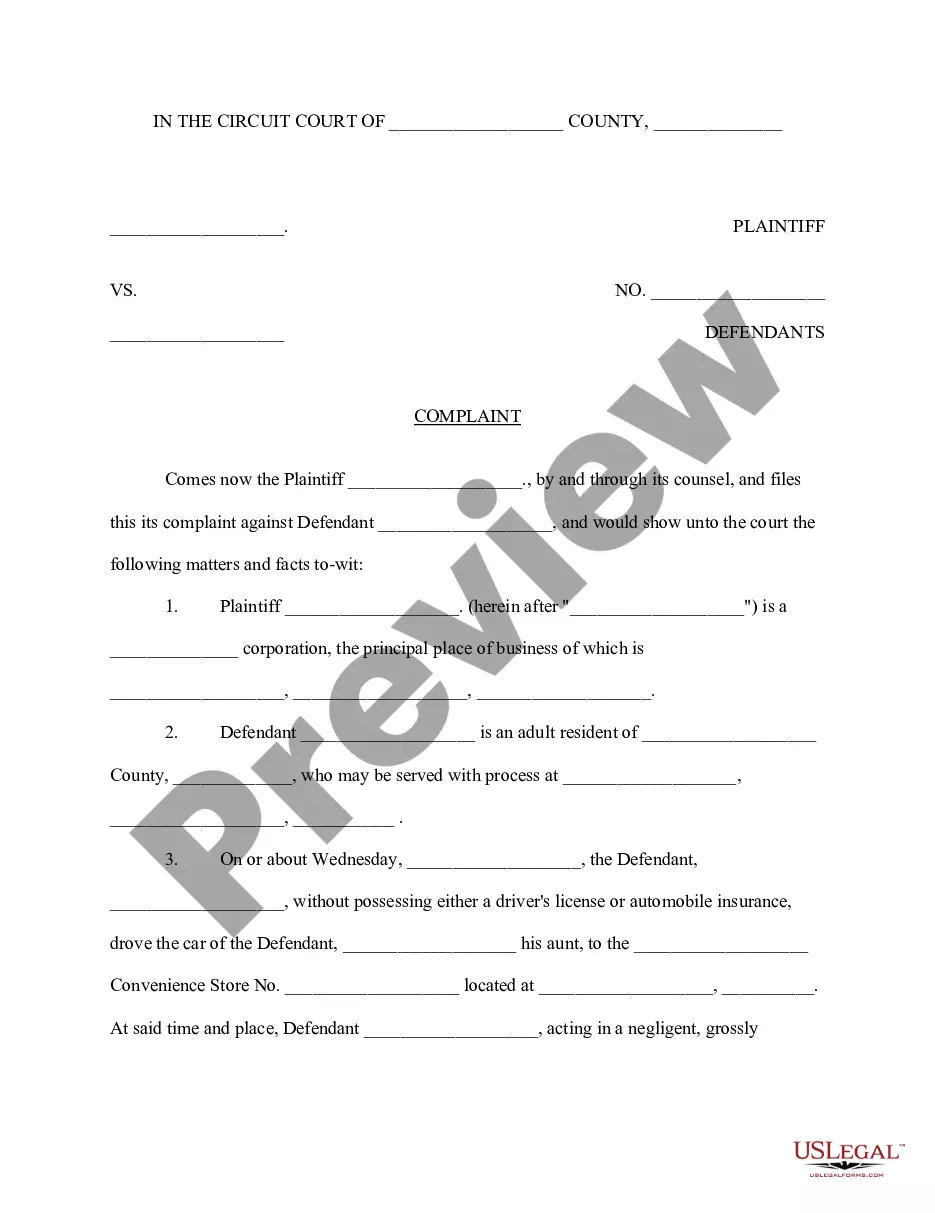
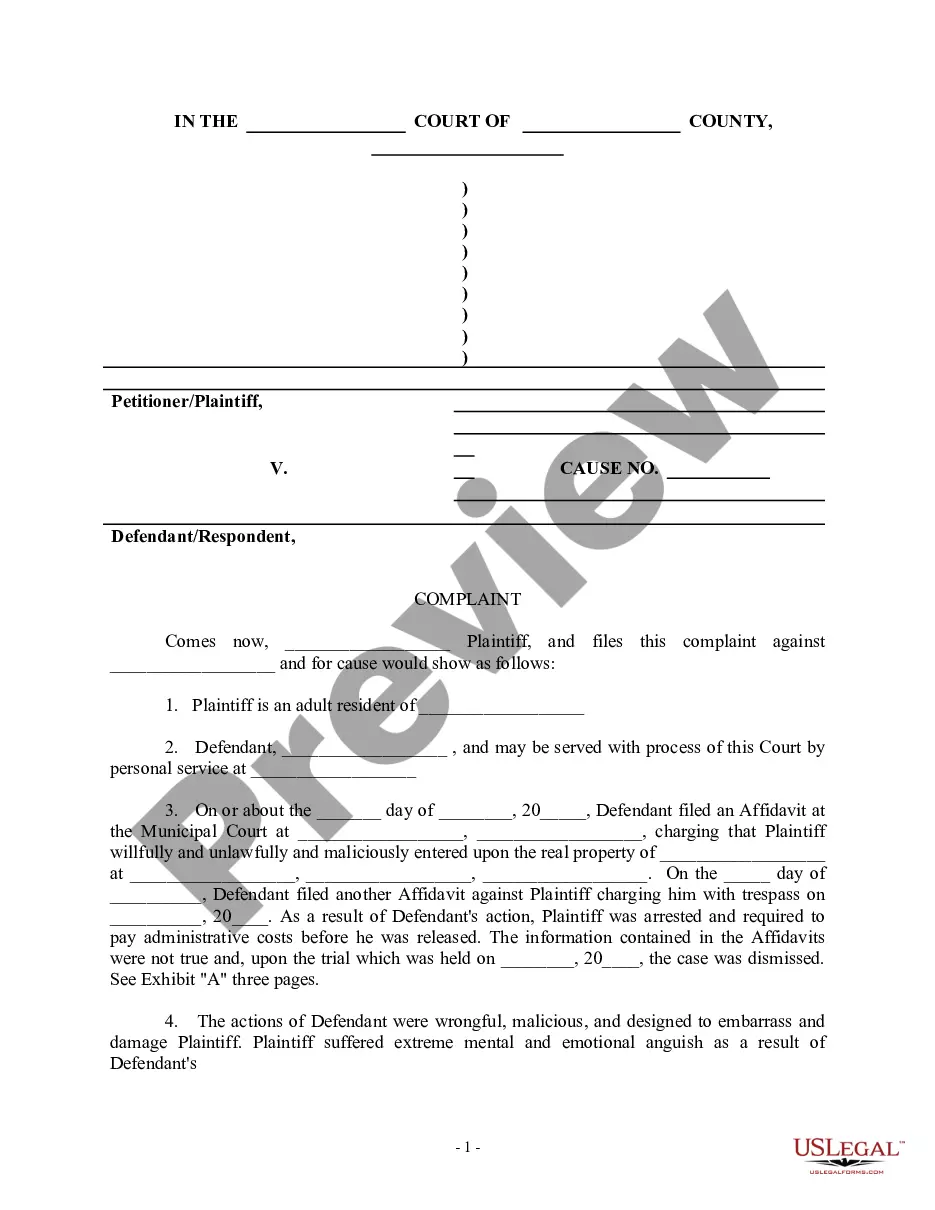
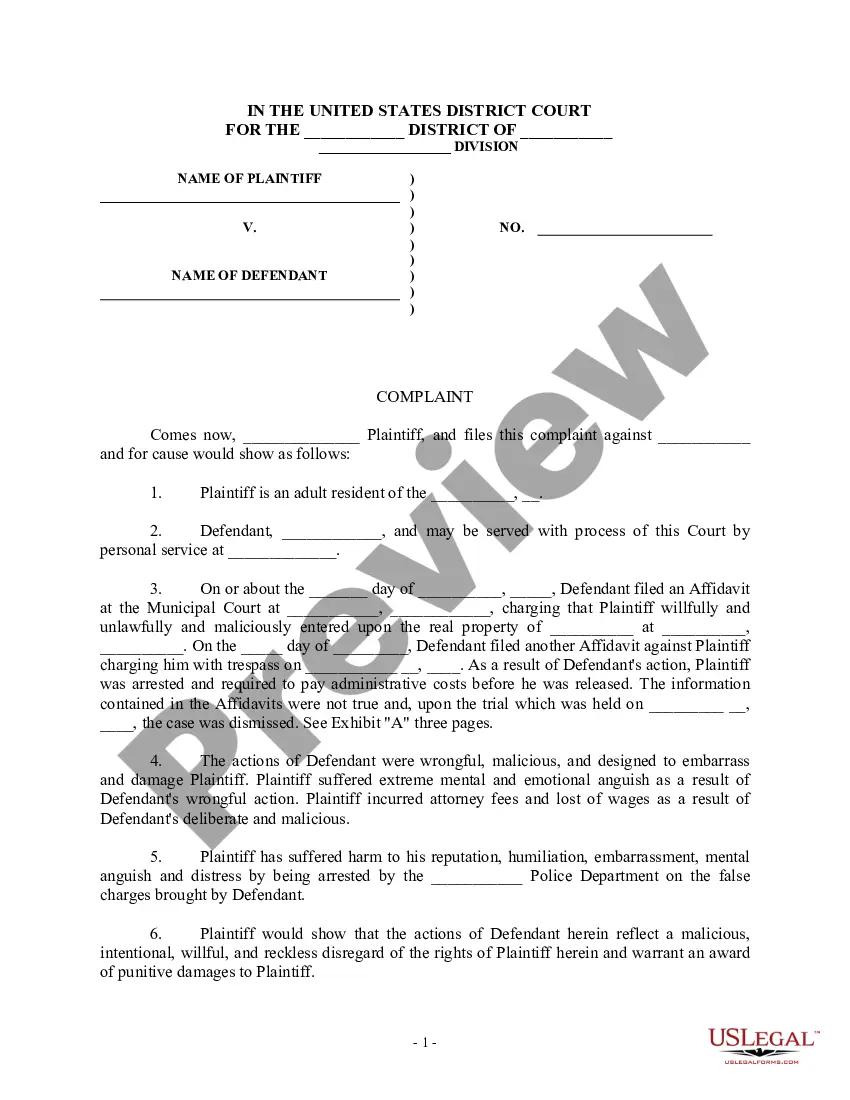
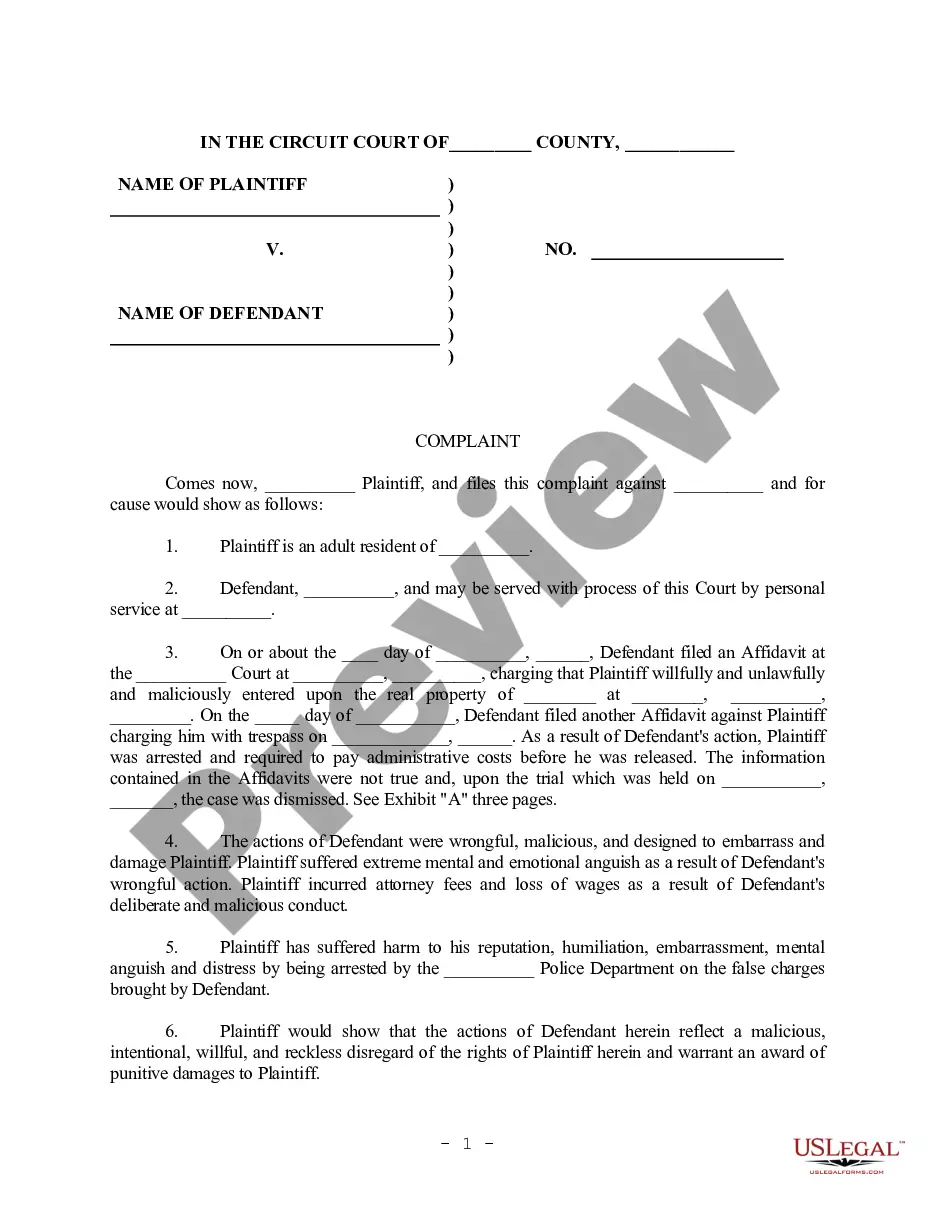
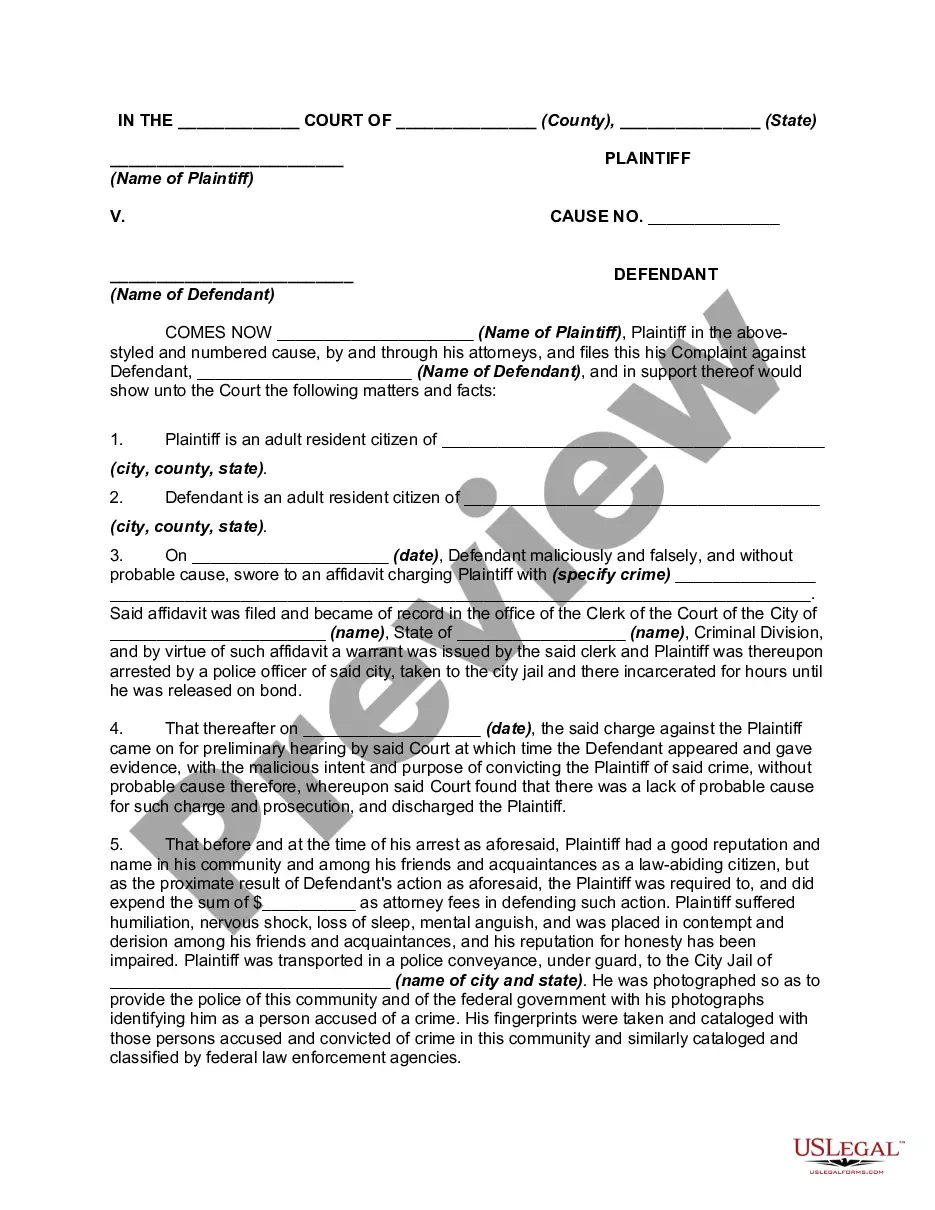
How to fill out Complaint For Malicious Prosecution, False Imprisonment, Abuse Of Process?
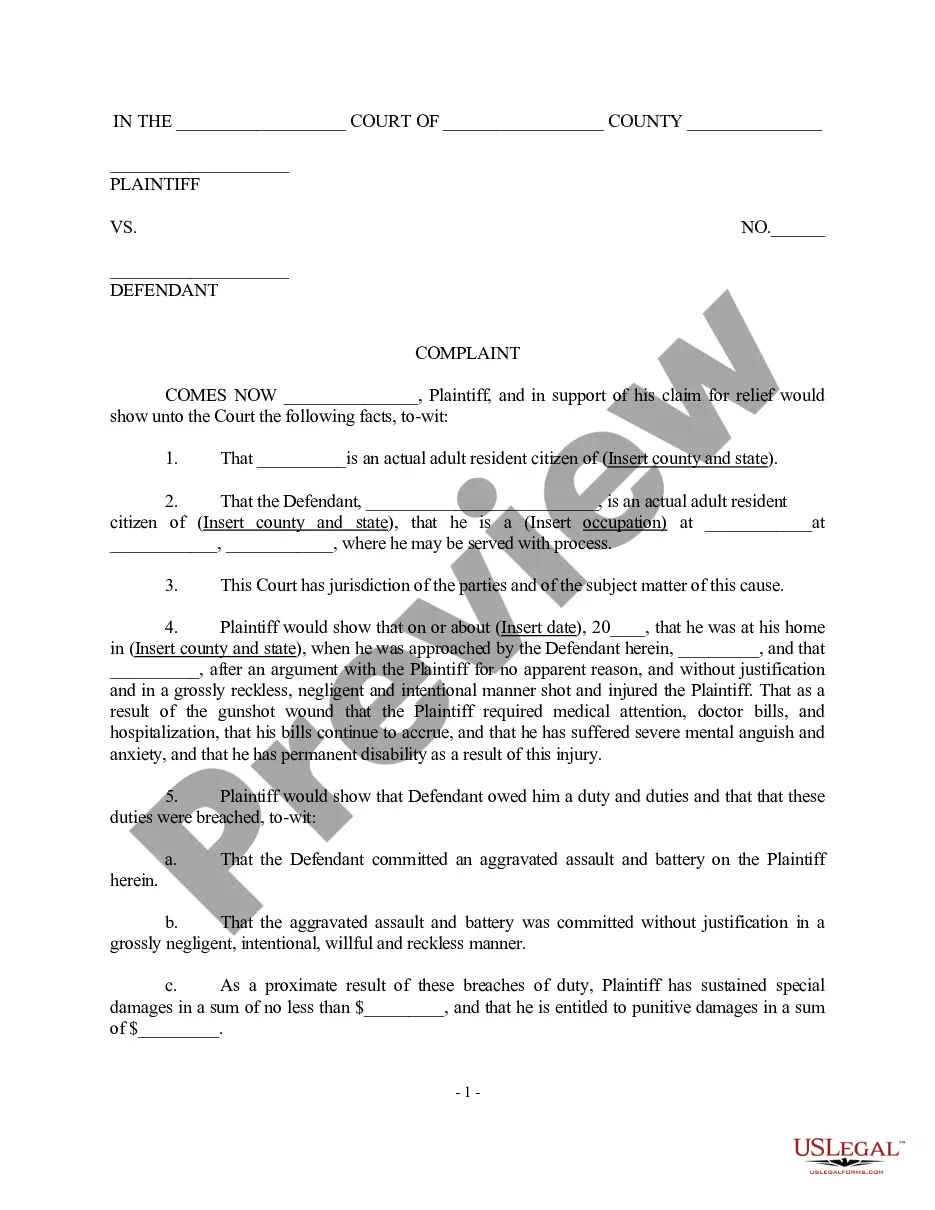
The Procedure of Mistreatment you observe on this page is a versatile formal template crafted by skilled attorneys in accordance with national and local regulations.
For over 25 years, US Legal Forms has supplied individuals, enterprises, and lawyers with over 85,000 authenticated, state-specific documents for any business and personal scenario. It’s the fastest, most uncomplicated, and most reliable method to secure the documents you require, as the service ensures bank-level data protection and anti-malware security.
Select the format you desire for your Procedure of Mistreatment (PDF, Word, RTF) and save the template on your device.
- Search for the document you require and review it.
- Browse through the sample you searched and preview it or examine the form description to verify it meets your needs. If it does not, utilize the search feature to find the appropriate one. Click Buy Now once you have found the template you seek.
- Subscribe and Log In.
- Select the subscription plan that fits you and create an account. Use PayPal or a credit card for swift payment. If you already possess an account, Log In and verify your subscription to proceed.
- Acquire the editable template.
Form popularity
FAQ
Abuse of court process occurs when a party uses the court system inappropriately to achieve a specific outcome, often unrelated to the legal merits of the case. This can include filing frivolous lawsuits or using legal motions to harass others. Such actions undermine the justice system and can lead to penalties for the offending party. If you find yourself facing this issue, seek legal advice to understand your rights and potential remedies.
To prove abuse of process, you must demonstrate that the legal procedure was misused and that you suffered harm as a result. This involves showing that the process was initiated with an improper purpose, rather than for a legitimate legal reason. Gathering evidence, such as documents and witness statements, is vital in building your case. Utilizing platforms like US Legal Forms can help you access the necessary resources and templates for your legal needs.
Abuse of process refers to the misuse of legal procedures for an ulterior motive. This occurs when someone uses the legal system to achieve a goal that is not intended by the law, such as harassment or intimidation. Understanding this concept is crucial, as it highlights the importance of maintaining integrity within legal proceedings. If you suspect abuse of process, consider consulting with a legal expert to explore your options.
The cycle of abuse consists of several key stages that often repeat. First, tension builds as conflicts arise, followed by an incident where the abuse occurs. Afterward, there is a reconciliation phase, where the abuser may apologize or promise to change. Finally, a calm phase ensues, but this often leads back to the tension stage, creating a continuous process of abuse.
Examples of abuse of process include filing a lawsuit solely to intimidate someone rather than to resolve a legitimate legal dispute. Other instances may involve using subpoenas excessively or without merit to harass the other party. Additionally, pursuing legal action against someone for personal gain, rather than justice, can also constitute abuse of process. Understanding these examples can help you identify and address potential abuse in your own legal matters.
The time frame for filing an abuse report varies by state and type of abuse. Generally, it is crucial to act promptly, as many jurisdictions have statutes of limitations that dictate how long you can wait to file. For instance, some instances allow only a few years to file, while others may permit longer periods. Always check your state laws, and consider utilizing resources like US Legal Forms to ensure compliance with reporting timelines.
Filing a case for domestic abuse involves several important steps. First, document any incidents of abuse thoroughly, including dates, times, and descriptions of events. Next, gather evidence and consider seeking legal advice to understand your options. US Legal Forms offers templates and resources to assist you in preparing the necessary paperwork to file your case effectively.
To prove emotional abuse, you should gather evidence that illustrates patterns of behavior causing psychological harm. This can include text messages, emails, or recorded conversations that demonstrate manipulation, intimidation, or verbal attacks. Also, statements from friends, family, or therapists can add weight to your claims. When seeking to document emotional abuse, consider utilizing tools and resources from US Legal Forms to ensure you compile everything effectively.
Proving abuse of process requires clear evidence showing that the legal action was pursued for reasons other than those justified by law. You need to collect documentation, such as court filings or communication from the opposing party, that reflects this misuse. Additionally, witness testimonies may bolster your case by illustrating the intent behind the legal action. Resources available on platforms like US Legal Forms can guide you through the steps needed to compile this evidence effectively.
The legal test for abuse of process typically involves two key elements: the existence of an ulterior motive and the misuse of the legal procedure. You must establish that the process was used in a way that deviated from its intended purpose, coupled with proof that the action was taken with malicious intent. Courts often look for evidence that supports these elements to determine if abuse of process has occurred. Consulting with legal professionals can provide clarity on how to apply this test in your situation.