Malicious Prosecution Abuse Of Process Within The United States
Description
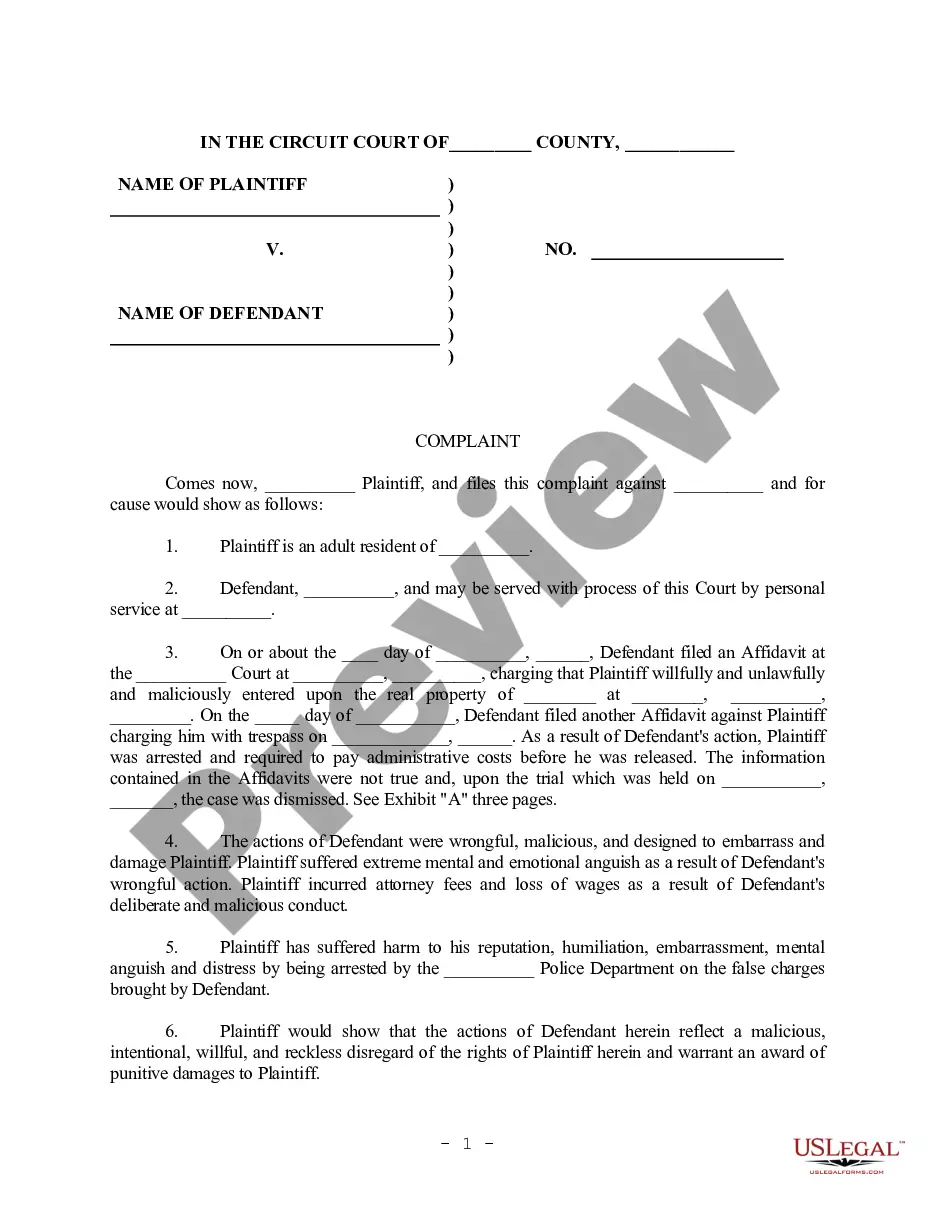
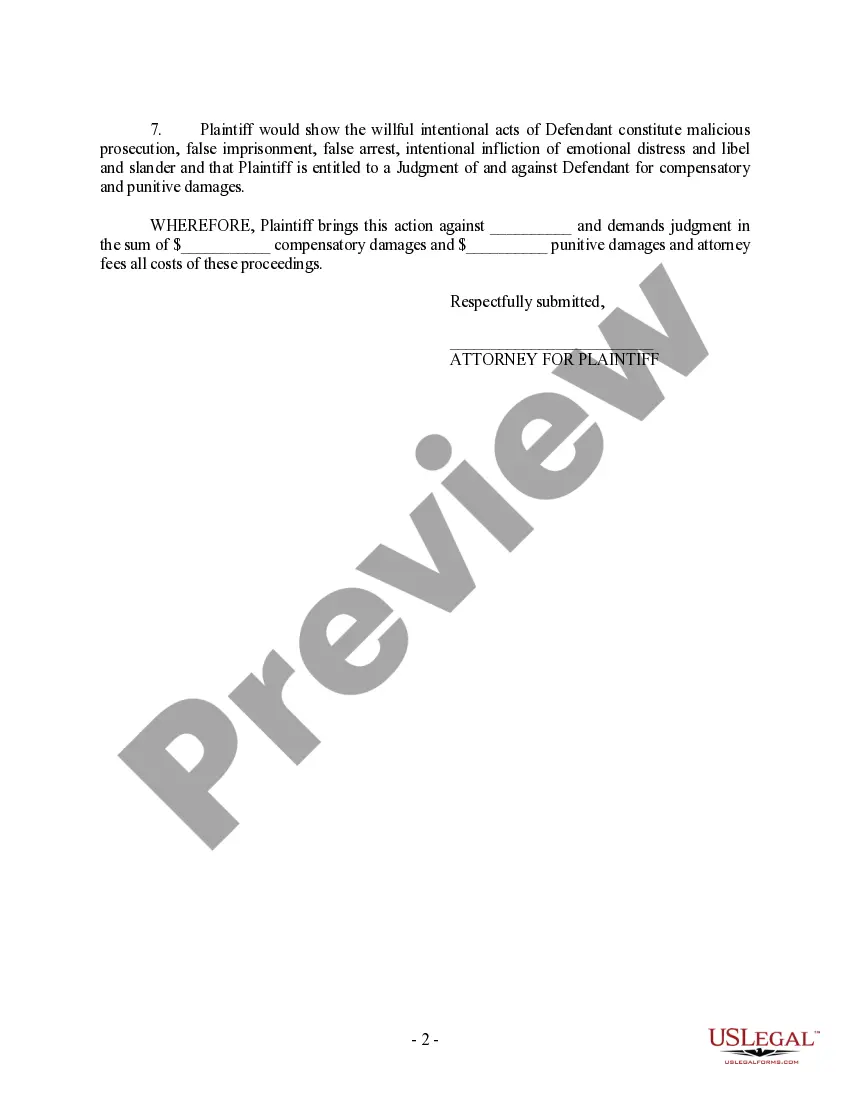
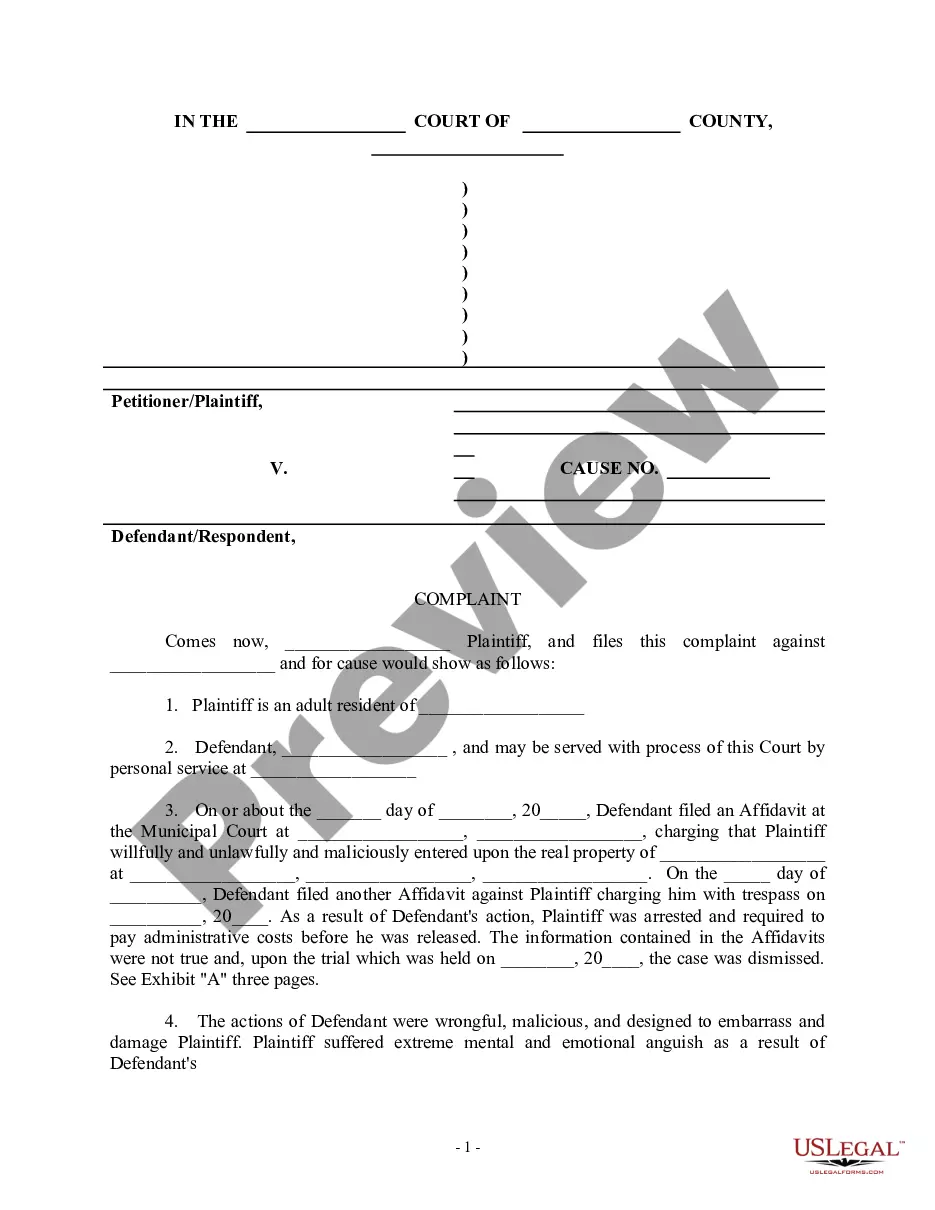
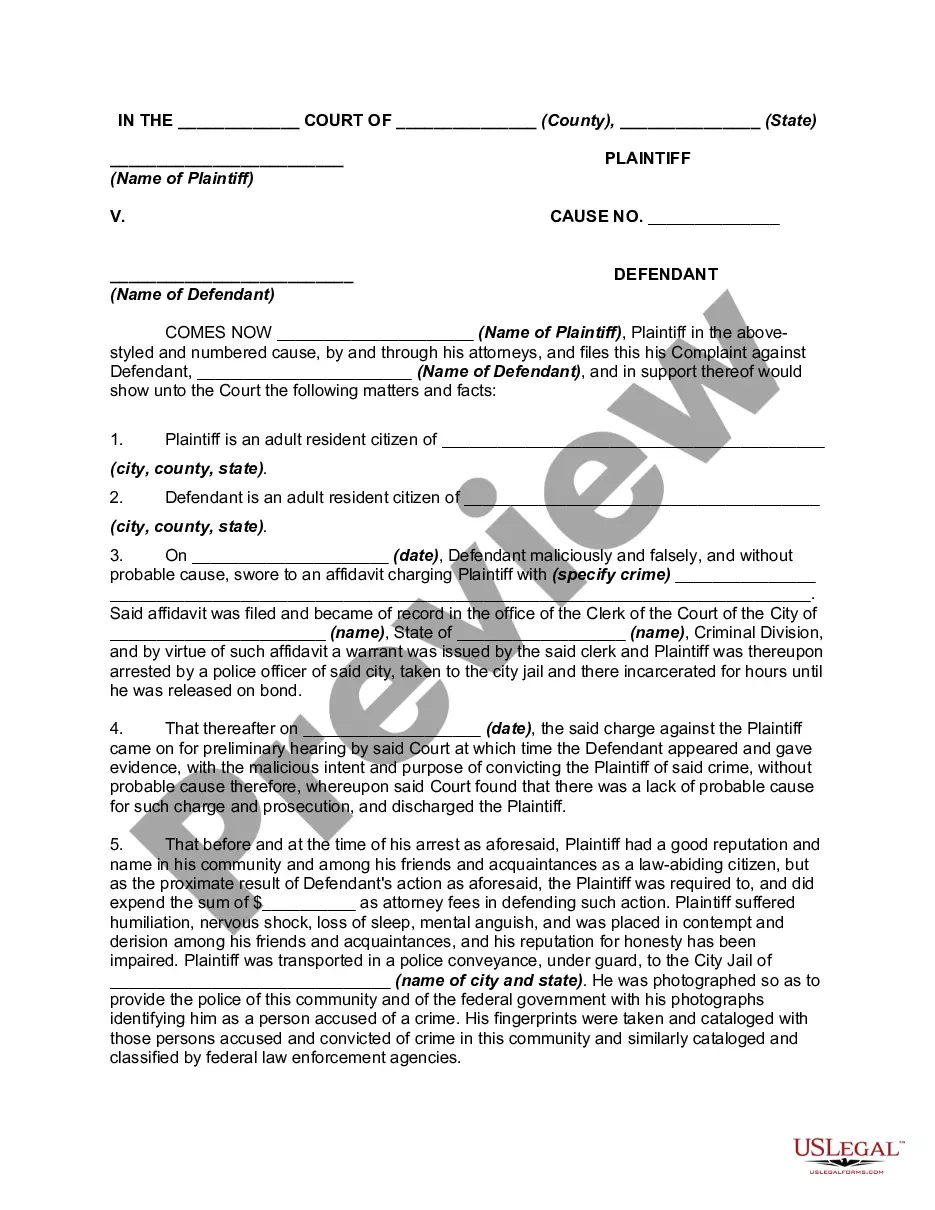
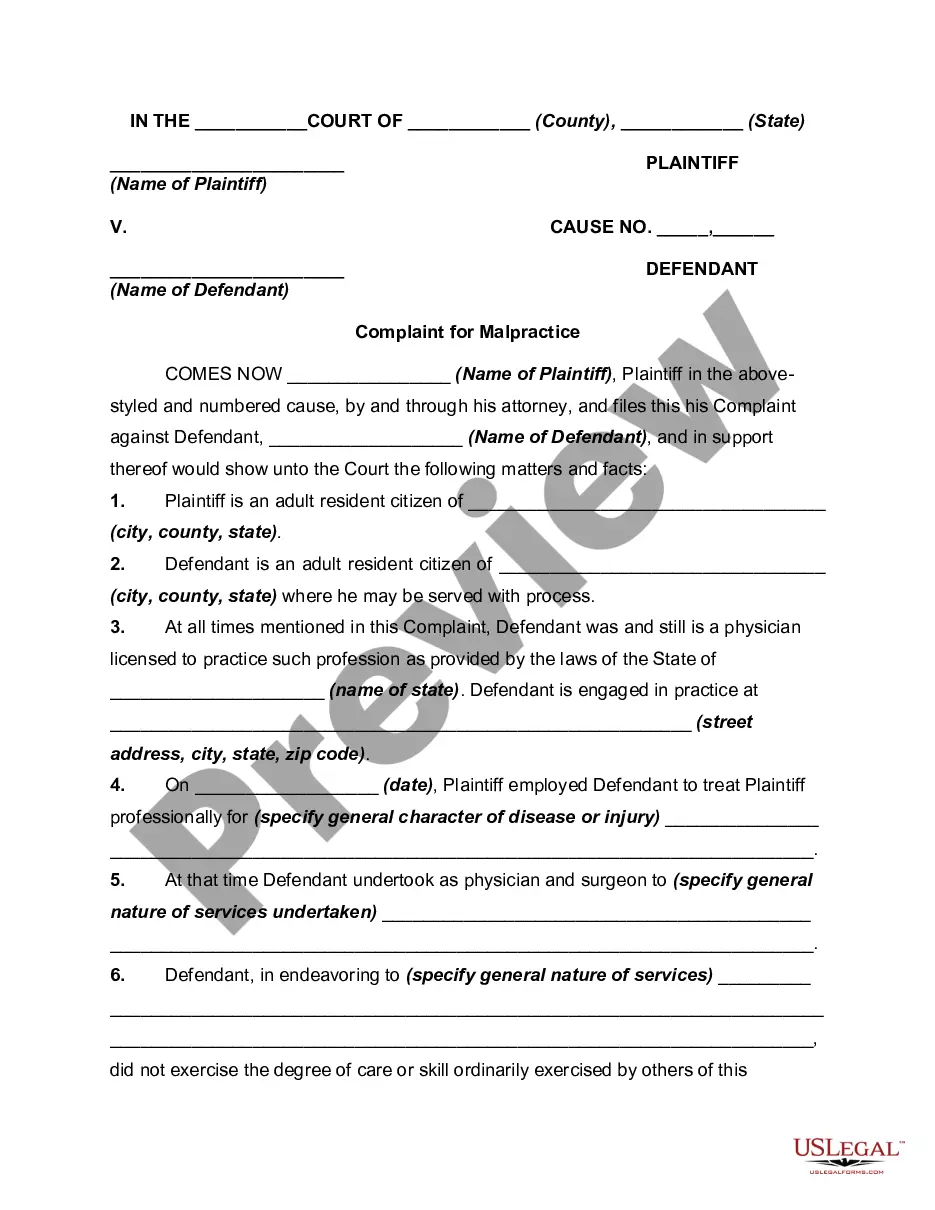
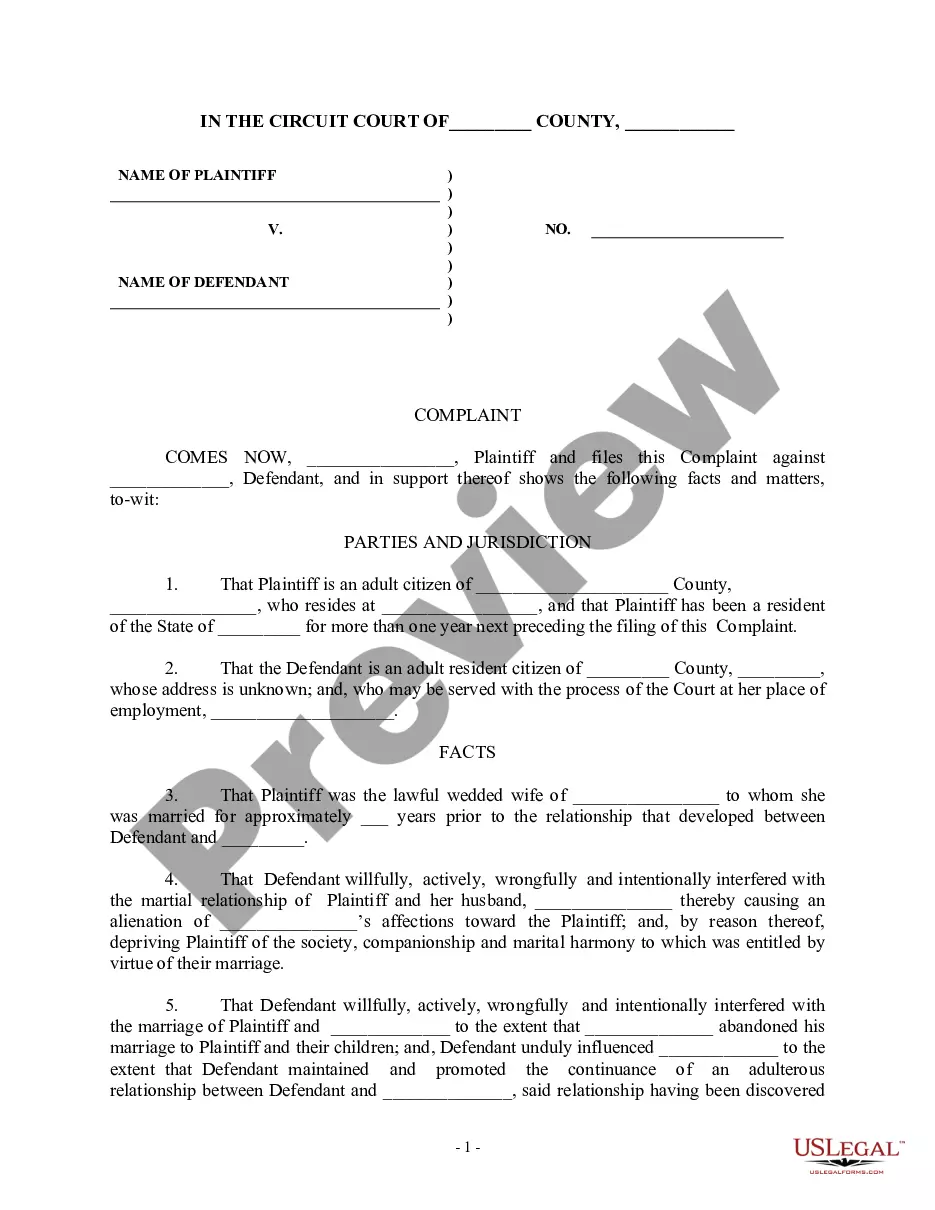
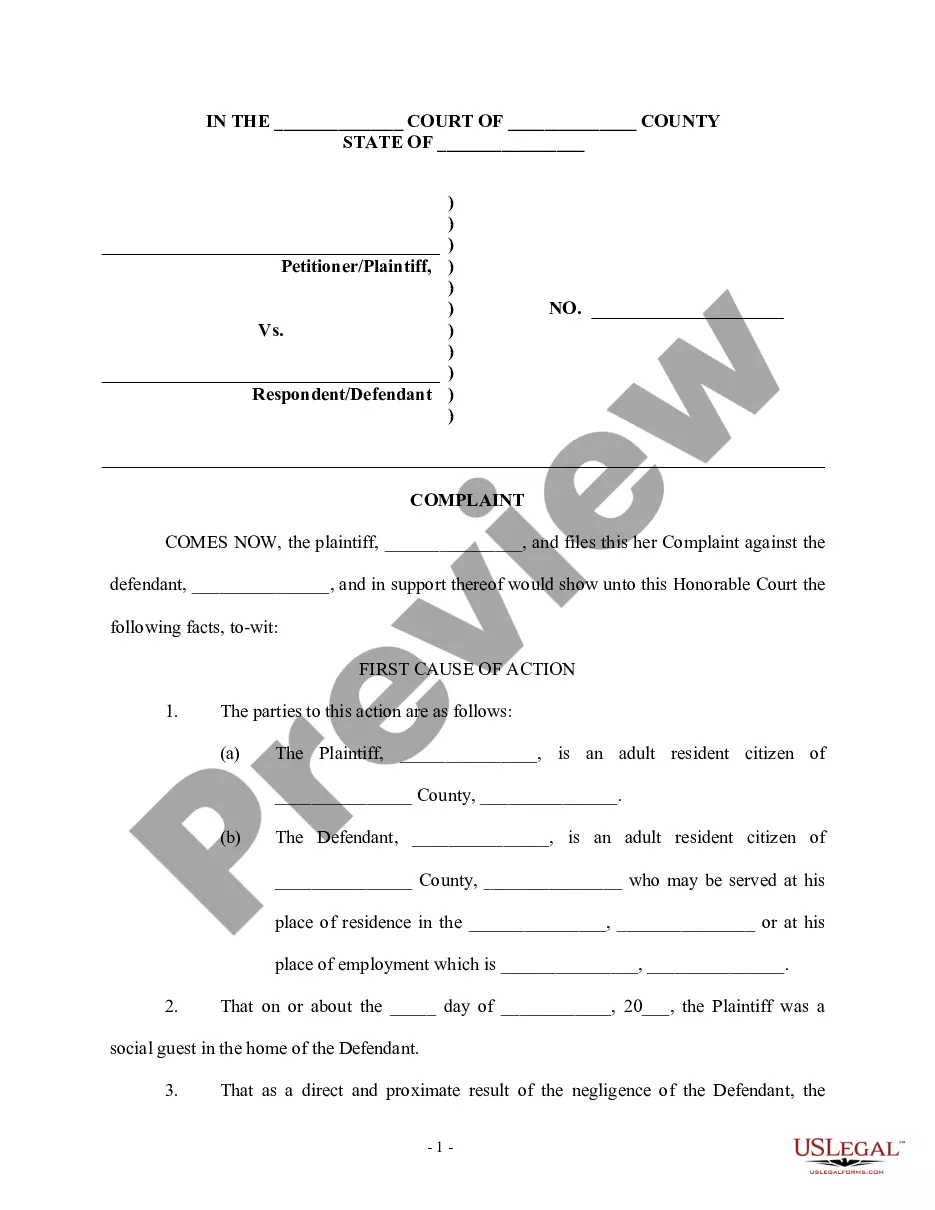
Get your form ready online
Our built-in tools help you complete, sign, share, and store your documents in one place.
Make edits, fill in missing information, and update formatting in US Legal Forms—just like you would in MS Word.
Download a copy, print it, send it by email, or mail it via USPS—whatever works best for your next step.
Sign and collect signatures with our SignNow integration. Send to multiple recipients, set reminders, and more. Go Premium to unlock E-Sign.
If this form requires notarization, complete it online through a secure video call—no need to meet a notary in person or wait for an appointment.
We protect your documents and personal data by following strict security and privacy standards.

Make edits, fill in missing information, and update formatting in US Legal Forms—just like you would in MS Word.

Download a copy, print it, send it by email, or mail it via USPS—whatever works best for your next step.

Sign and collect signatures with our SignNow integration. Send to multiple recipients, set reminders, and more. Go Premium to unlock E-Sign.

If this form requires notarization, complete it online through a secure video call—no need to meet a notary in person or wait for an appointment.

We protect your documents and personal data by following strict security and privacy standards.
Looking for another form?
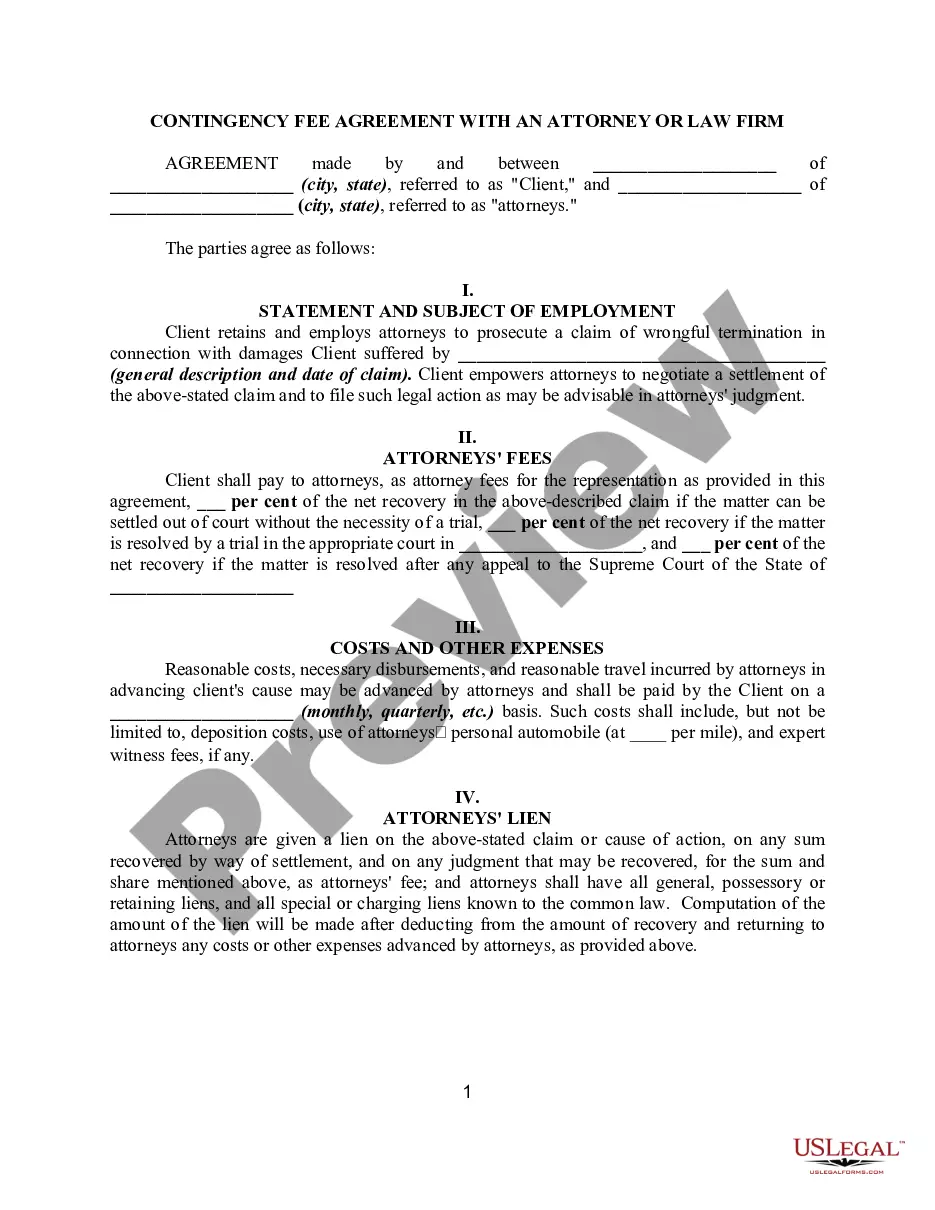
How to fill out Complaint For Malicious Prosecution?
Whether for commercial reasons or for personal matters, everyone must confront legal circumstances at some point in their lives. Completing legal paperwork requires meticulous attention, starting with selecting the appropriate form template. For example, if you choose the incorrect version of a Malicious Prosecution Abuse Of Process Within The United States, it will be rejected once submitted. Hence, it is essential to have a reliable source of legal documents like US Legal Forms.
If you need to obtain a Malicious Prosecution Abuse Of Process Within The United States template, follow these simple steps.
With a comprehensive US Legal Forms catalog available, you do not need to waste time searching for the suitable sample online. Utilize the library’s straightforward navigation to find the correct form for any circumstance.
- Locate the sample you require by using the search bar or browsing the catalog.
- Review the form’s details to ensure it corresponds with your case, state, and area.
- Click on the form’s preview to examine it.
- If it is the wrong form, return to the search feature to find the Malicious Prosecution Abuse Of Process Within The United States template you need.
- Download the template when it fulfills your requirements.
- If you have a US Legal Forms account, click Log in to access previously saved documents in My documents.
- If you do not have an account yet, you can download the form by clicking Buy now.
- Choose the appropriate pricing option.
- Complete the profile registration form.
- Select your payment method: you can use a credit card or PayPal.
- Choose the document format you prefer and download the Malicious Prosecution Abuse Of Process Within The United States.
- After it is downloaded, you can fill out the form using editing software or print it and complete it by hand.
Form popularity
FAQ
Elements of a Malicious Prosecution Claim The Original Lawsuit Was Terminated in the Plaintiff's Favor. The case must have been disposed of or won by the original defendant in a civil suit. ... There Was No Probable Cause. ... The Defendant Pursued the Lawsuit Maliciously. ... The Plaintiff Suffered Damages.
What is required to sue a police officer for malicious prosecution? The officer caused or continued to cause you to be confined (imprisoned) or prosecuted. No probable cause supported the original arrest or continuing prosecution. The criminal case ended and was decided in your favor. The officer acted with malice.
The proceedings must have been initiated by the defendant; The proceedings must have terminated in favour of the plaintiff; The plaintiff must show that the proceedings were instituted without reasonable cause; and. The defendant was actuated by malice.
This requires proof of four main elements. The original plaintiff (now the defendant) had no probable cause or justification to bring the claim. The defendant had malicious intent in bringing the original lawsuit. The defendant lost his or her lawsuit against you when you were the defendant.
A malicious prosecution case can be difficult to prove, but with a few key elements it can be won in court. First, it must be clear that the defendant did not have probable cause to bring the action.