1983 Civil Complaint With Supreme Court
Description
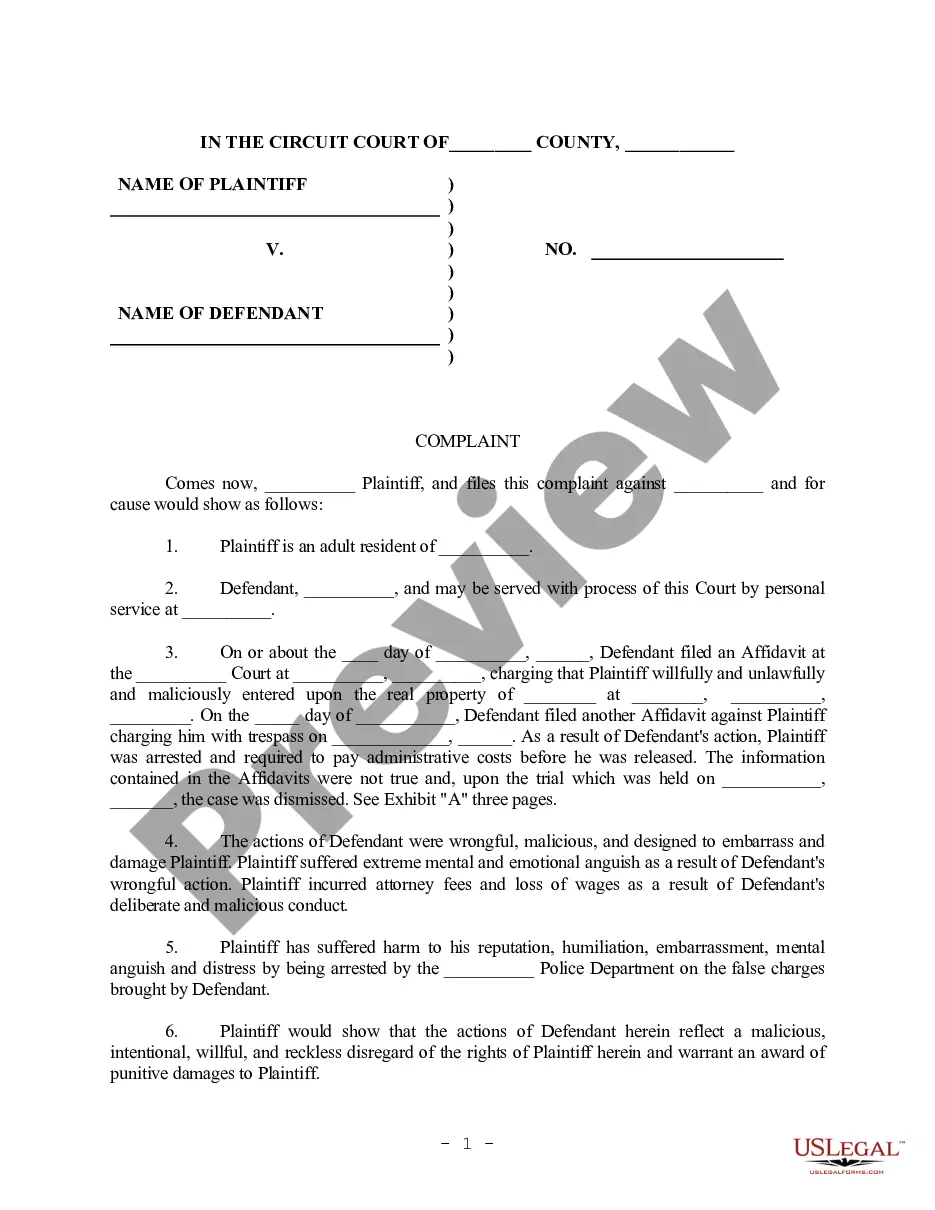
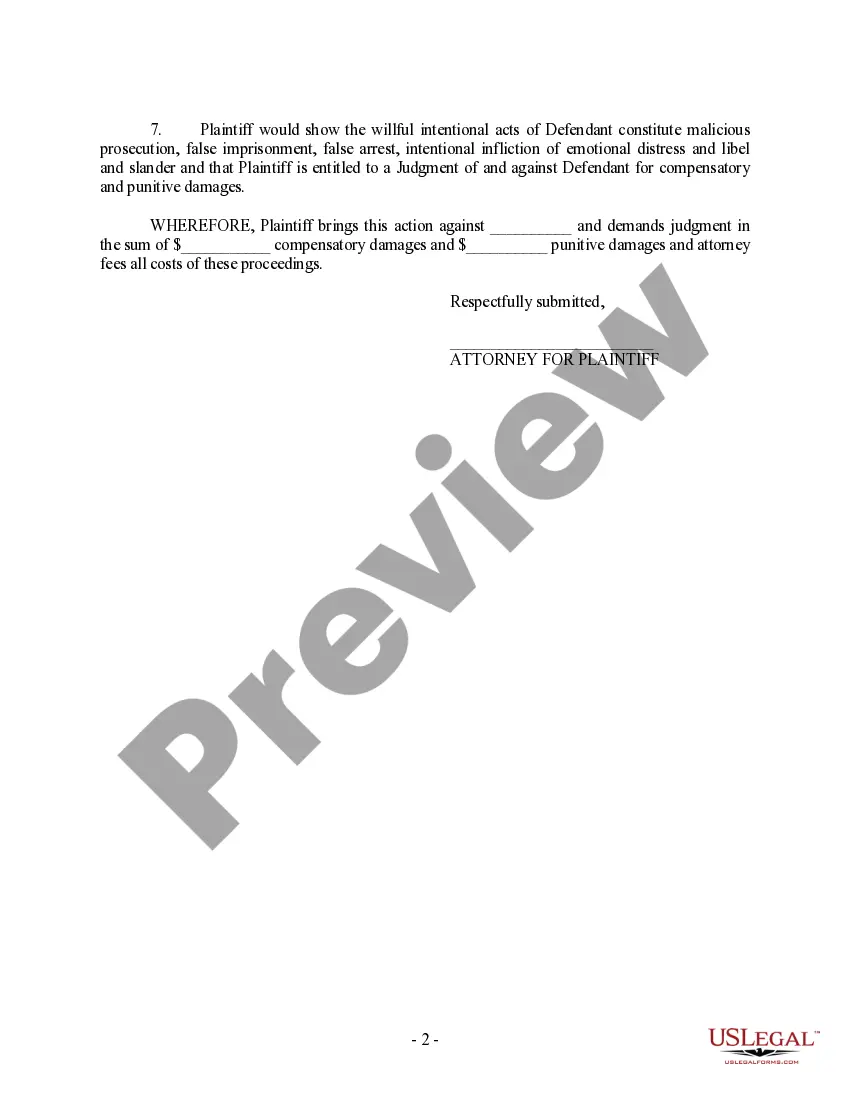

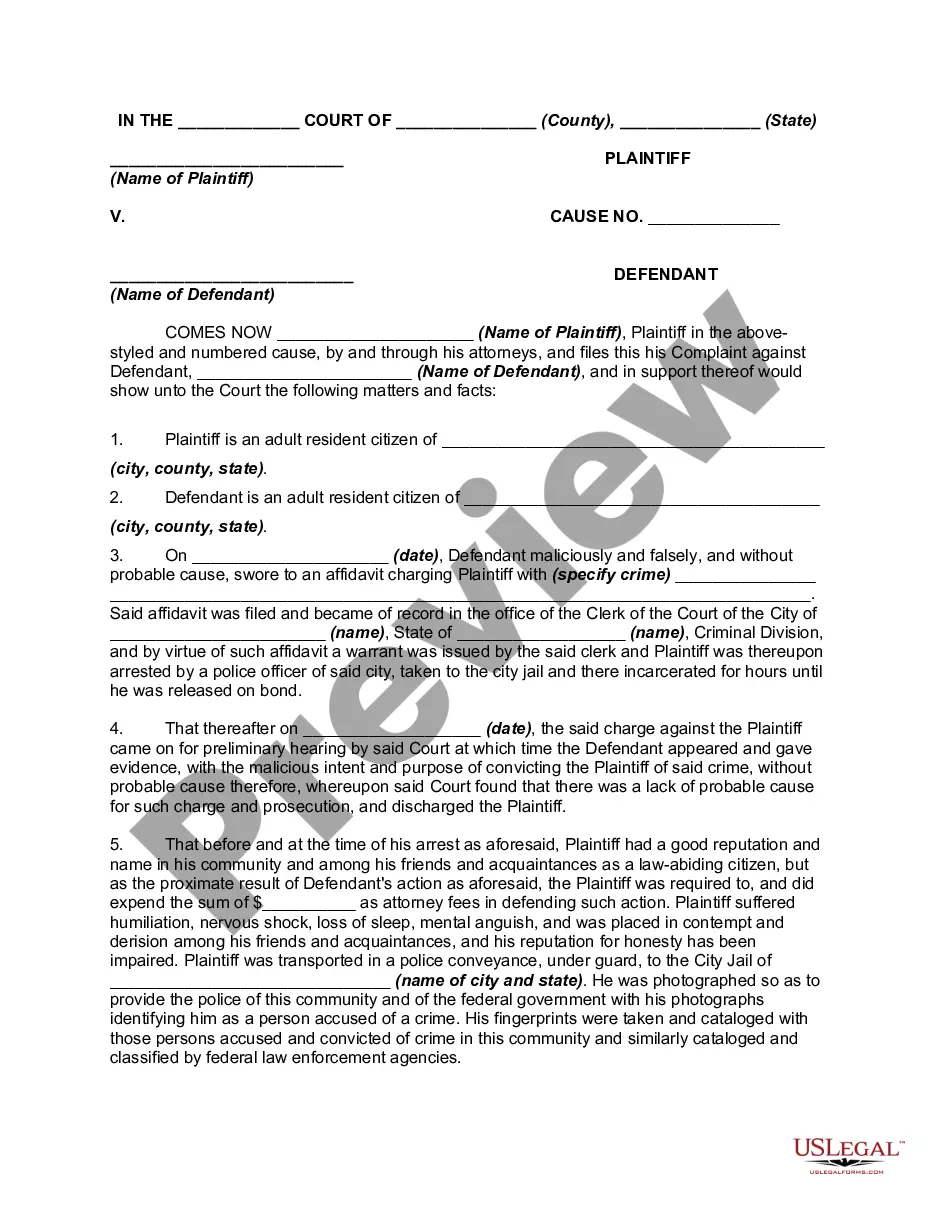
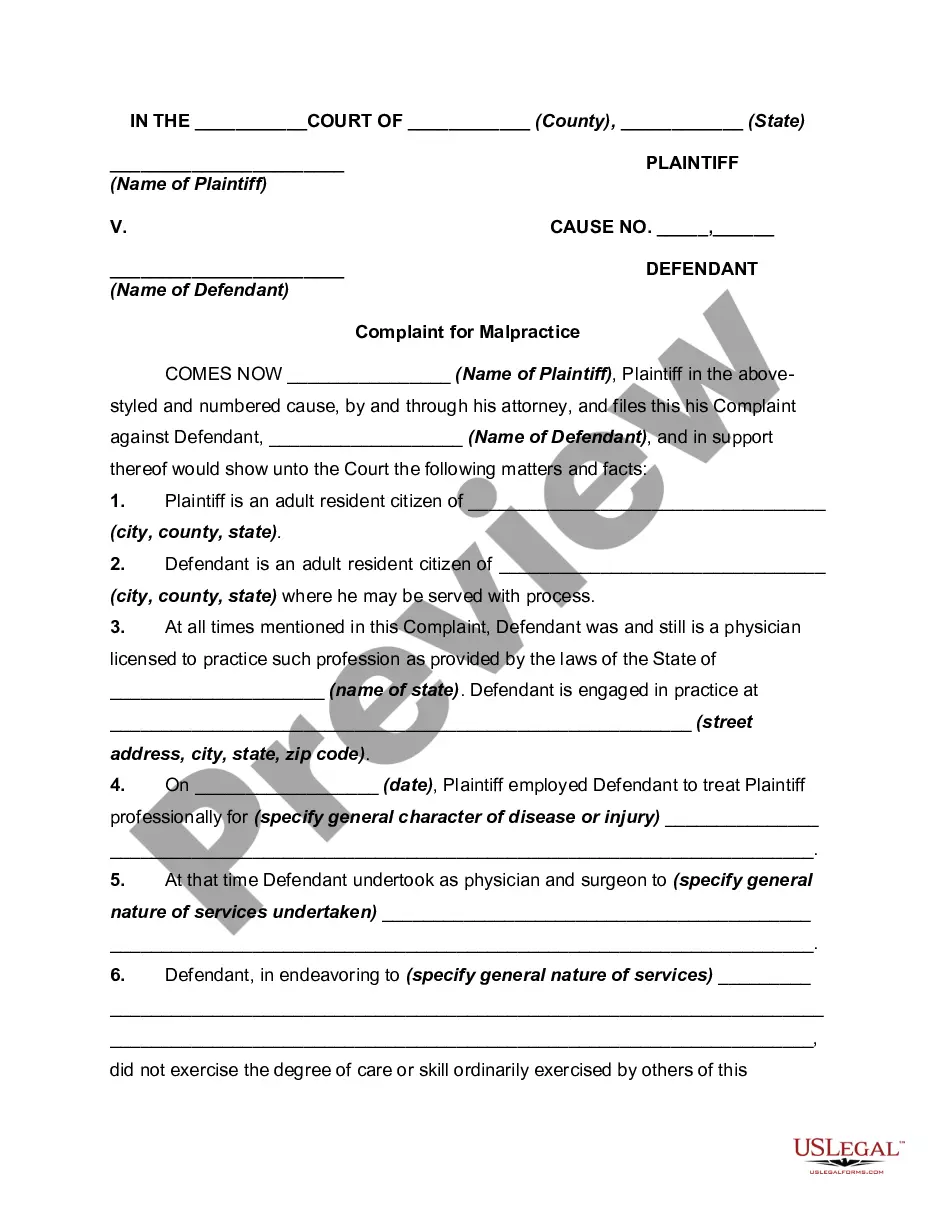
Get your form ready online
Our built-in tools help you complete, sign, share, and store your documents in one place.
Make edits, fill in missing information, and update formatting in US Legal Forms—just like you would in MS Word.
Download a copy, print it, send it by email, or mail it via USPS—whatever works best for your next step.
Sign and collect signatures with our SignNow integration. Send to multiple recipients, set reminders, and more. Go Premium to unlock E-Sign.
If this form requires notarization, complete it online through a secure video call—no need to meet a notary in person or wait for an appointment.
We protect your documents and personal data by following strict security and privacy standards.

Make edits, fill in missing information, and update formatting in US Legal Forms—just like you would in MS Word.

Download a copy, print it, send it by email, or mail it via USPS—whatever works best for your next step.

Sign and collect signatures with our SignNow integration. Send to multiple recipients, set reminders, and more. Go Premium to unlock E-Sign.

If this form requires notarization, complete it online through a secure video call—no need to meet a notary in person or wait for an appointment.

We protect your documents and personal data by following strict security and privacy standards.
Looking for another form?



How to fill out Complaint For Malicious Prosecution?
Whether for business purposes or for individual affairs, everyone has to deal with legal situations at some point in their life. Filling out legal papers demands careful attention, starting with choosing the proper form sample. For example, when you select a wrong version of the 1983 Civil Complaint With Supreme Court, it will be turned down when you submit it. It is therefore essential to have a dependable source of legal papers like US Legal Forms.
If you have to obtain a 1983 Civil Complaint With Supreme Court sample, stick to these easy steps:
- Find the template you need using the search field or catalog navigation.
- Check out the form’s information to ensure it suits your case, state, and county.
- Click on the form’s preview to view it.
- If it is the wrong form, go back to the search function to locate the 1983 Civil Complaint With Supreme Court sample you require.
- Get the template if it matches your needs.
- If you have a US Legal Forms account, simply click Log in to access previously saved files in My Forms.
- If you do not have an account yet, you can download the form by clicking Buy now.
- Choose the appropriate pricing option.
- Complete the account registration form.
- Select your payment method: use a bank card or PayPal account.
- Choose the document format you want and download the 1983 Civil Complaint With Supreme Court.
- When it is saved, you are able to fill out the form with the help of editing applications or print it and finish it manually.
With a vast US Legal Forms catalog at hand, you don’t need to spend time seeking for the appropriate template across the web. Use the library’s straightforward navigation to get the right form for any situation.
Form popularity
FAQ
To state a Section 1983 claim, the plaintiff is required to allege that (1) the conduct complained of was committed by a person acting under the color of state law; and (2) the conduct deprived the plaintiff of a constitutional right.
To establish a claim pursuant to Section 1983, a plaintiff must ?demonstrate a violation of a right secured by the Constitution and the laws of the United States [and] that alleged deprivation was committed by a person acting under the color of state law.? Id.
A § 1983 false arrest claim, under which the "defendant has the burden of raising and proving the affirmative defense of probable cause"). court decisions requiring the plaintiff to prove lack of probable cause as grounds for requiring the same in federal court).
This claim must be filed in federal court, and you will need to show that the violation occurred while the officer was acting under color of law. You will also need to show that the violation resulted in some kind of harm, such as physical injury, emotional distress, or financial damages.
Supreme Court precedent allows the use of Section 1983 to protect federal rights guaranteed through public welfare programs like Medicaid. The family argued that they were entitled to damages following Gorgi's death because of flagrant and negligent violation of his FNHRA rights.