Dispute Letters For Creditors
Description
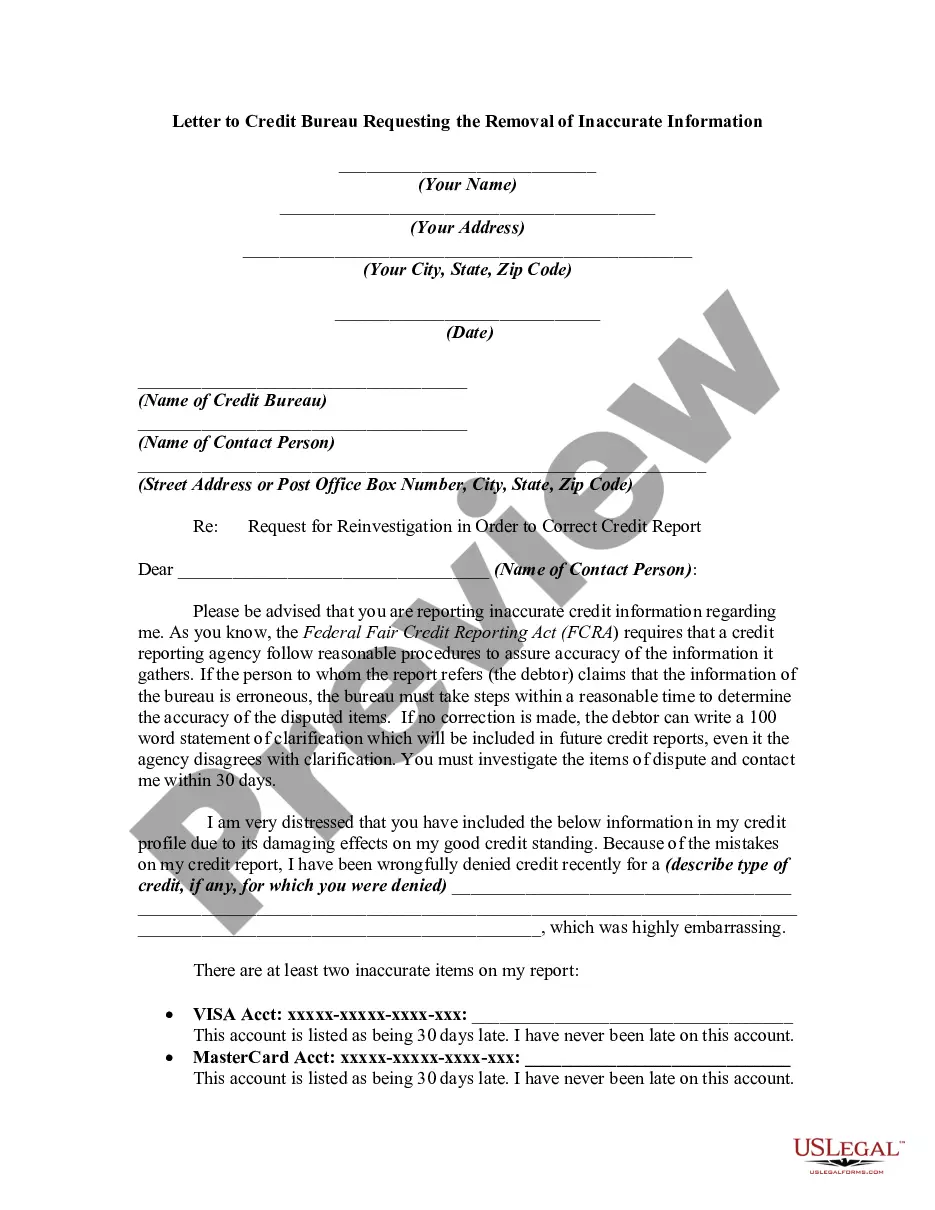
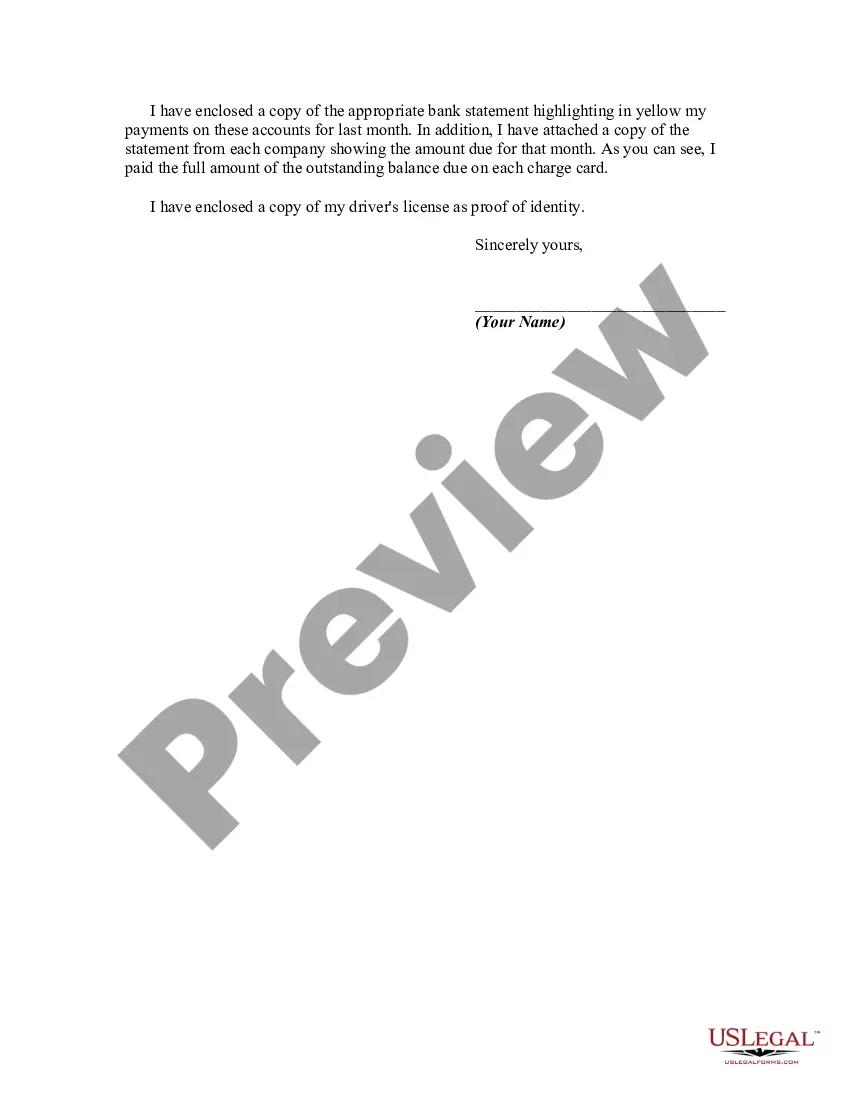
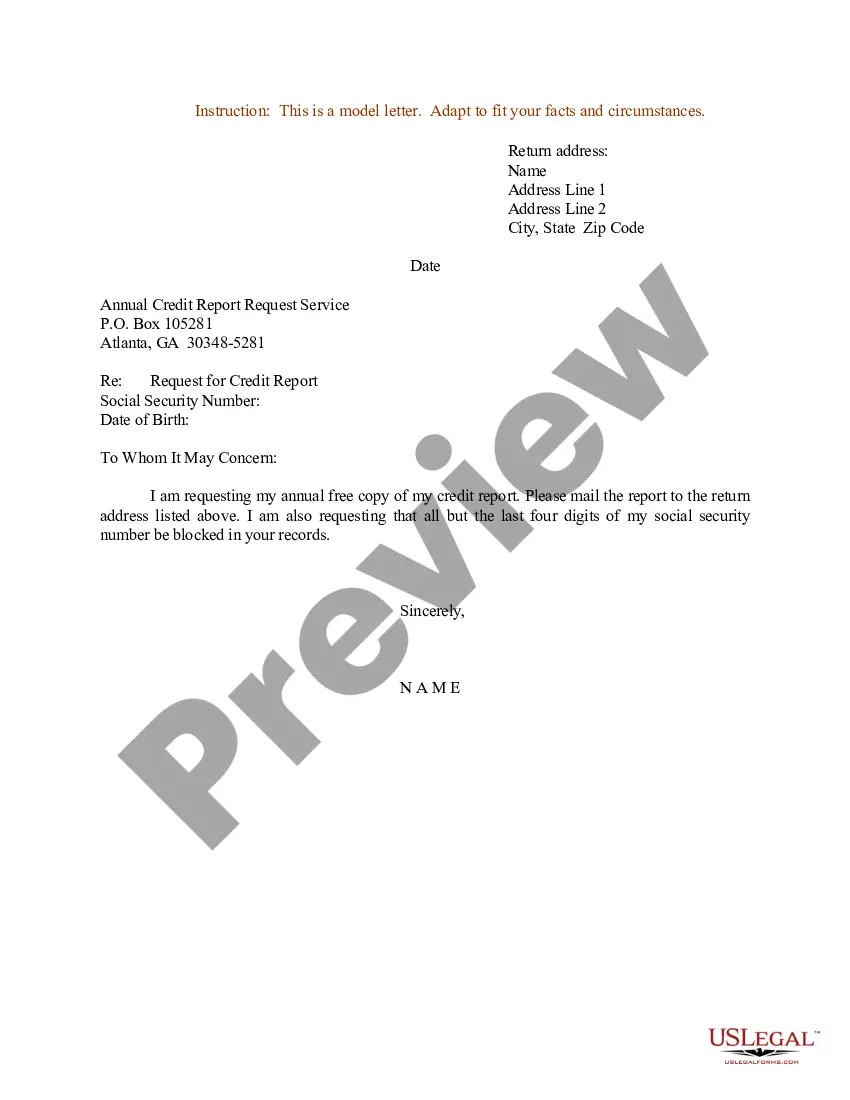
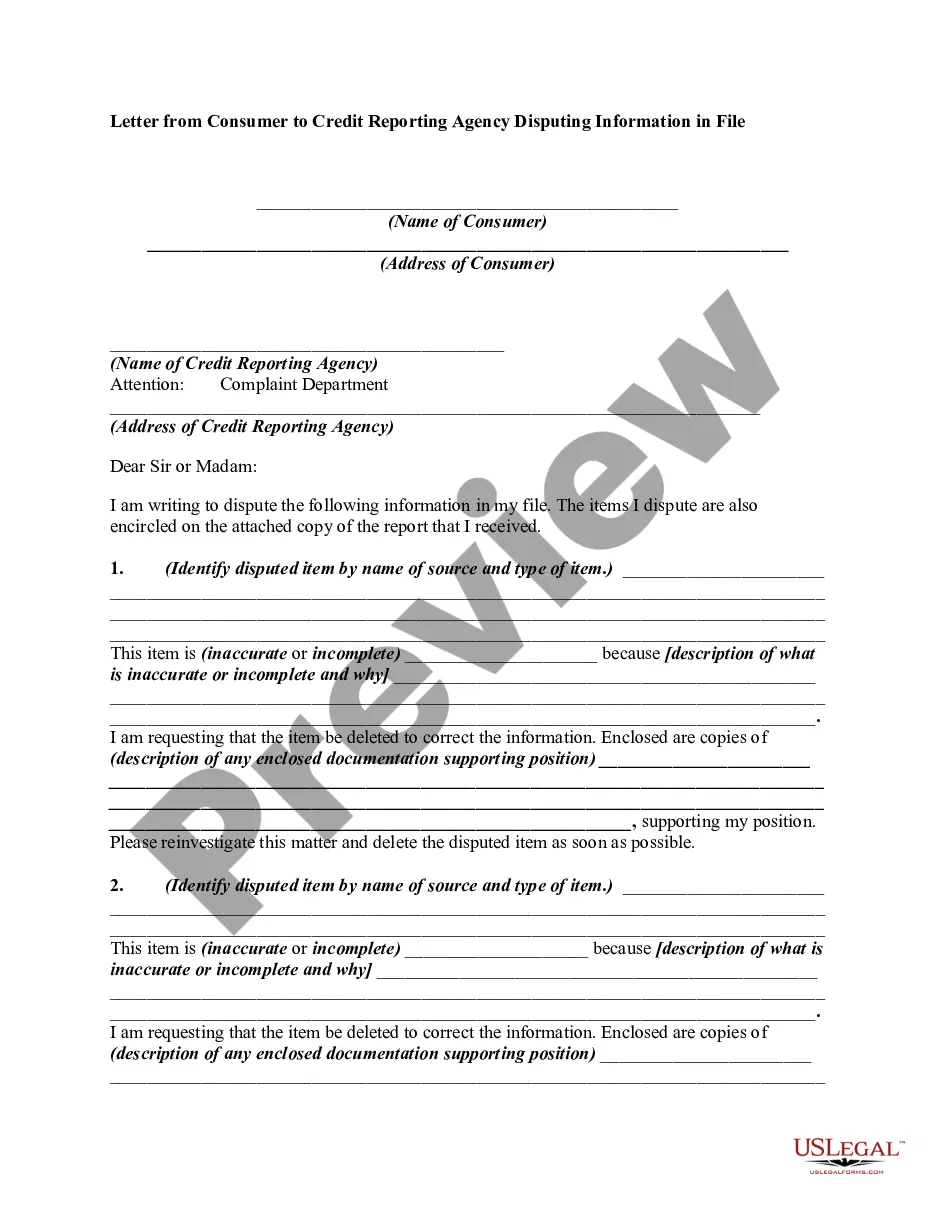
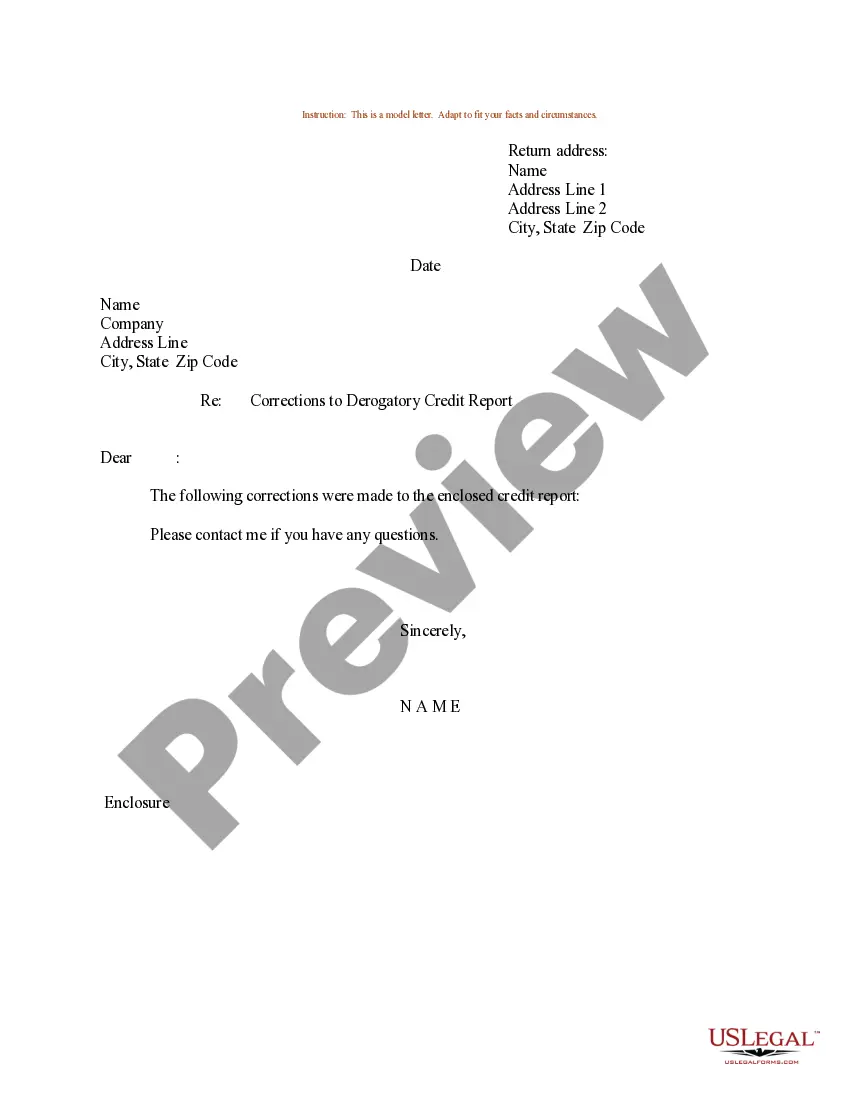
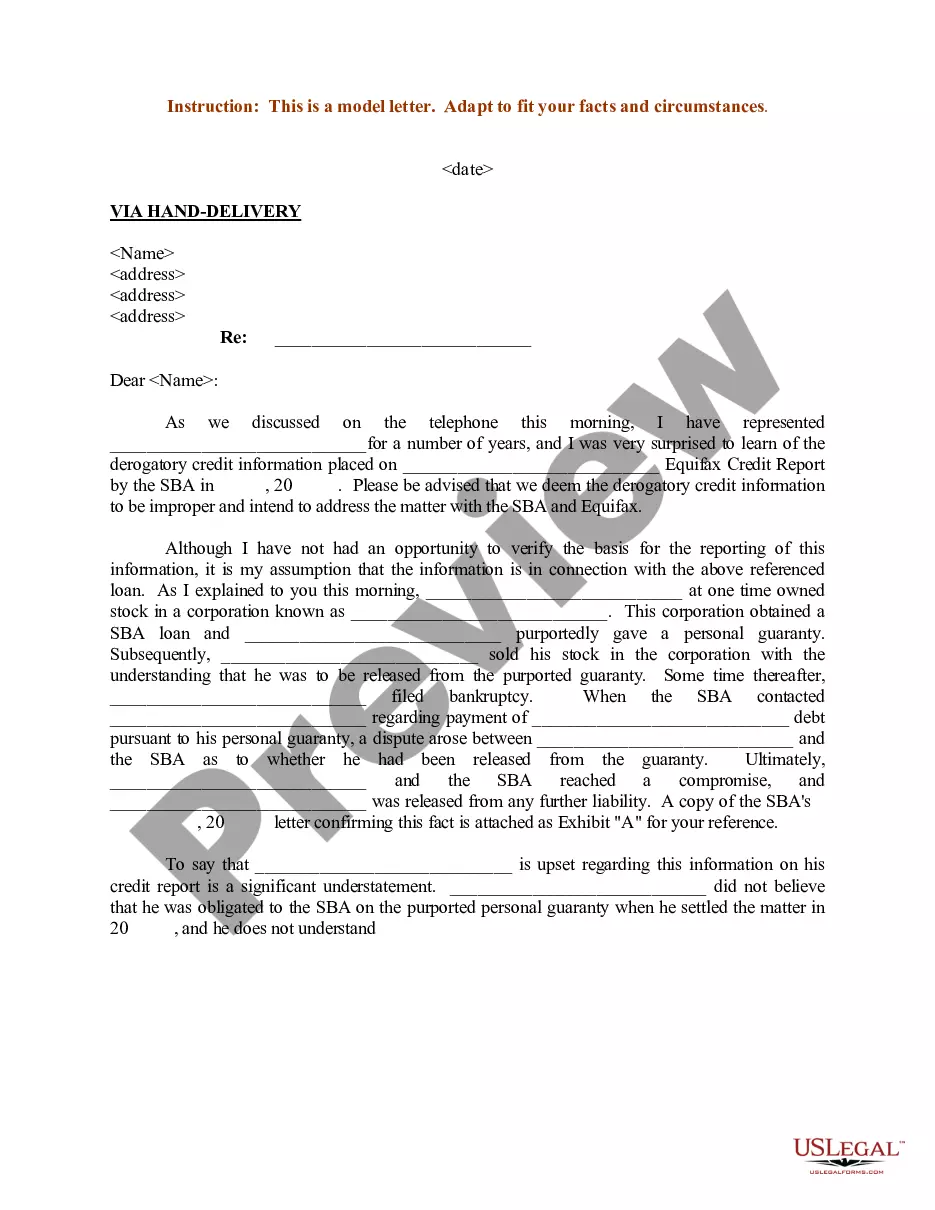

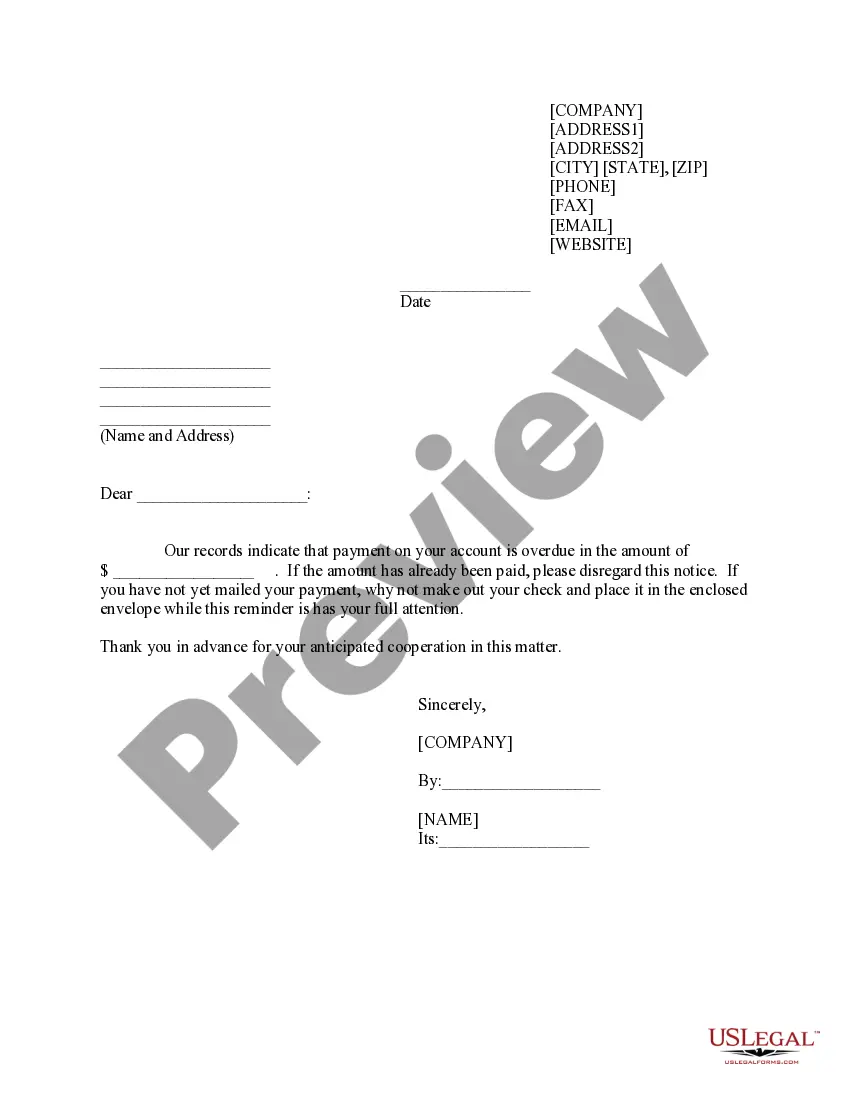
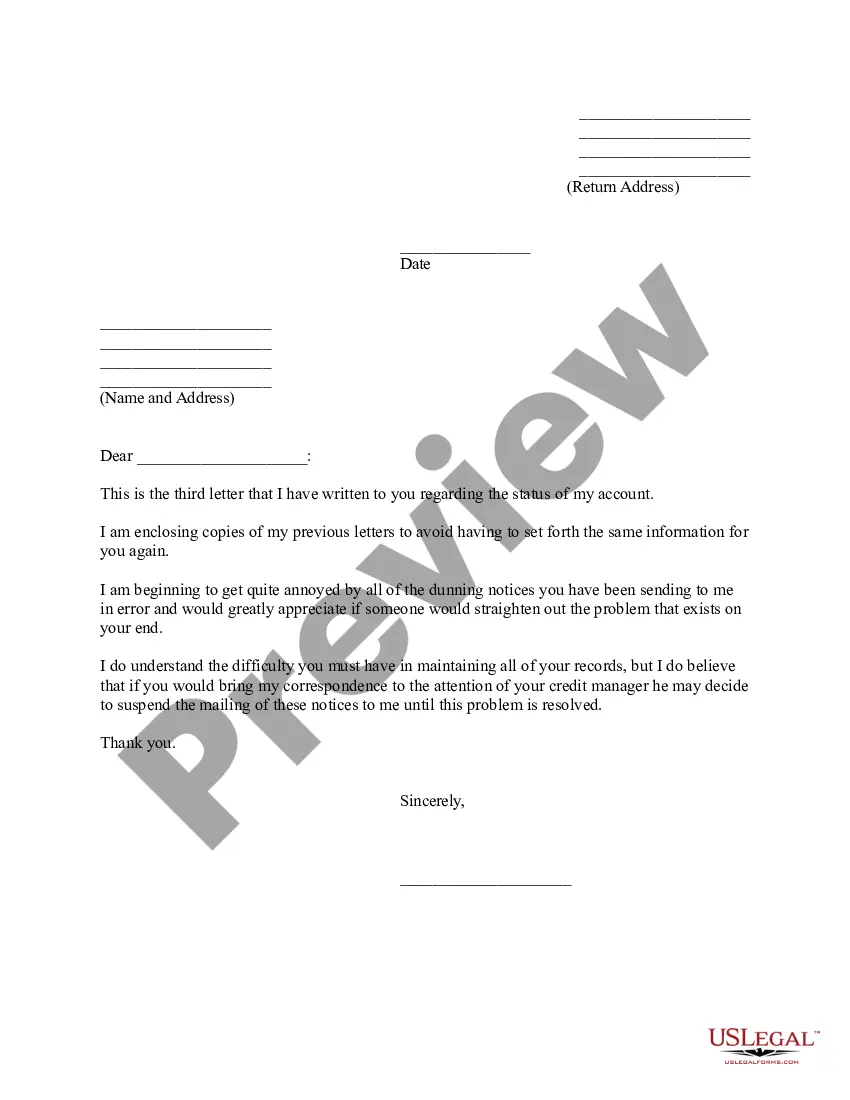
How to fill out Letter To Credit Bureau Requesting The Removal Of Inaccurate Information?
- If you're a returning user, log in to your account and click the Download button for your required form template. Confirm that your subscription remains active; if it's expired, renew it based on your payment plan.
- For first-time users, start by checking the Preview mode and form description. Ensure you select the appropriate form that fits both your needs and jurisdictional requirements.
- If the chosen template isn't suitable, use the Search tab to find an alternative that aligns with your criteria.
- Once you've made a selection, click the Buy Now button, choose your subscription plan, and create an account to gain access to the full library.
- Complete your purchase by entering your payment details using a credit card or PayPal. Then, save your form to your device for future use.
- Access your downloaded template anytime in the My Forms section of your profile.
US Legal Forms empowers both individuals and attorneys with an extensive and easily navigable library of over 85,000 legal forms. This allows for hassle-free execution of legal documents, ensuring accuracy and compliance.
Don't wait to safeguard your financial rights. Start using US Legal Forms today to find the perfect templates for your needs!
Form popularity
FAQ
Writing a dispute letter to a creditor requires you to be clear and direct. Start by stating your personal information and the nature of the dispute, and include any evidence you have. Utilizing templates and resources from uslegalforms can help you create effective dispute letters for creditors, ensuring you cover all essential details comprehensively.
The frequency of creditor responses to disputes varies widely across different institutions. However, studies indicate that creditors often respond within 30 days, especially when they are guided by clear dispute letters for creditors. If a creditor fails to respond within this timeframe, it may benefit you to follow up or escalate the matter.
Creditors are generally expected to respond to disputes in a timely manner, especially when they receive formal dispute letters for creditors. While responses may vary, many creditors take these disputes seriously to maintain compliance with regulations. Ensuring your letters are clear and concise can improve the likelihood of a prompt response.
The 777 rule refers to a common guideline for debt collectors, which encourages them to follow specific protocols before pursuing a debt aggressively. This includes making seven attempts to collect a debt and then ceasing contact for seven days. Understanding this rule can help you craft effective dispute letters for creditors, enabling you to advocate for your rights.
When a creditor doesn’t respond to a dispute, the law often mandates that they must cease reporting the disputed information until they resolve the matter. You can then take further steps, such as filing a complaint with a regulatory agency. Using well-crafted dispute letters for creditors can enhance your chances of receiving a response and rectify the situation.
When disputing items on your credit report, clearly state the inaccuracies and express your reasons for the dispute. You might say something like, 'I am disputing this account as it reflects incorrect information.' Alongside your explanation, include supporting documents that substantiate your claim. Utilizing dispute letters for creditors helps solidify your argument and enhances your chances of a favorable resolution.
Writing a 609 dispute letter involves specifying the inaccuracies you wish to dispute and requesting that the creditor provide proof of their assertion. Ensure your letter includes your identification details, a description of the errors, and a clear request for validation of the debt. This letter functions as a formal request and can be an essential tool in your credit repair strategy. Make use of dispute letters for creditors to effectively assert your rights.
A good credit dispute letter should begin by addressing the credit bureau or creditor directly. Clearly outline the items you dispute and provide supporting evidence, such as payment records or correspondence. Maintain a professional tone and request action within a reasonable timeframe. Overall, using well-crafted dispute letters for creditors ensures your case is taken seriously and increases your chances of rectification.
The best reason to dispute a credit report is often inaccuracies, such as incorrect account statuses or outdated information. Misreported debts can negatively impact your credit score and borrowing ability. Promptly addressing these inaccuracies through dispute letters for creditors is crucial, as it allows for proper correction and can lead to improved creditworthiness.
To write a 609 credit dispute letter, begin with a brief introduction that states your intent to dispute specific inaccuracies. Mention the relevant details of the items in question and request documentation that proves their validity. Keep the letter concise yet clear, ensuring you include your personal information and any necessary account details. By leveraging dispute letters for creditors, you reinforce your right to accurate credit reporting.