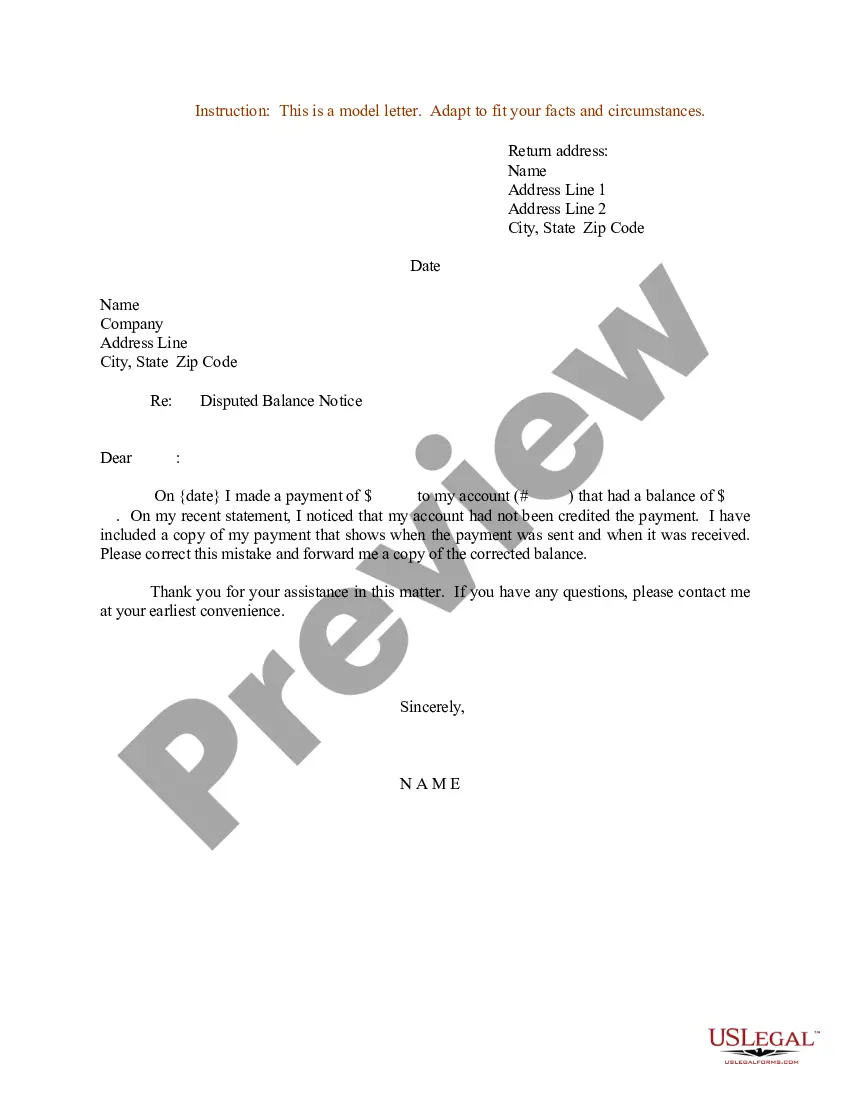
Balance Notice For Debtors
Description
Get your form ready online
Our built-in tools help you complete, sign, share, and store your documents in one place.
Make edits, fill in missing information, and update formatting in US Legal Forms—just like you would in MS Word.
Download a copy, print it, send it by email, or mail it via USPS—whatever works best for your next step.
Sign and collect signatures with our SignNow integration. Send to multiple recipients, set reminders, and more. Go Premium to unlock E-Sign.
If this form requires notarization, complete it online through a secure video call—no need to meet a notary in person or wait for an appointment.
We protect your documents and personal data by following strict security and privacy standards.

Make edits, fill in missing information, and update formatting in US Legal Forms—just like you would in MS Word.

Download a copy, print it, send it by email, or mail it via USPS—whatever works best for your next step.

Sign and collect signatures with our SignNow integration. Send to multiple recipients, set reminders, and more. Go Premium to unlock E-Sign.

If this form requires notarization, complete it online through a secure video call—no need to meet a notary in person or wait for an appointment.

We protect your documents and personal data by following strict security and privacy standards.
Looking for another form?
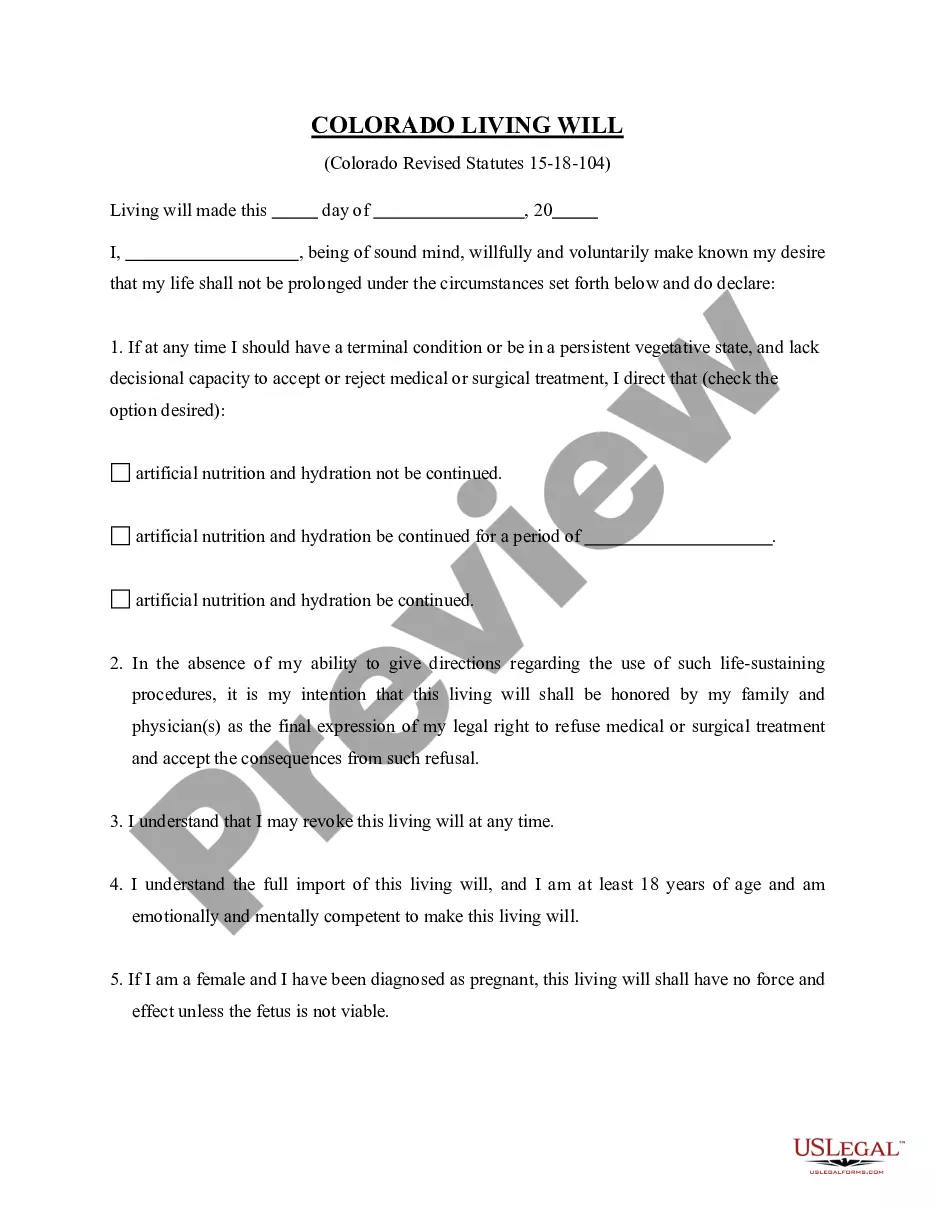
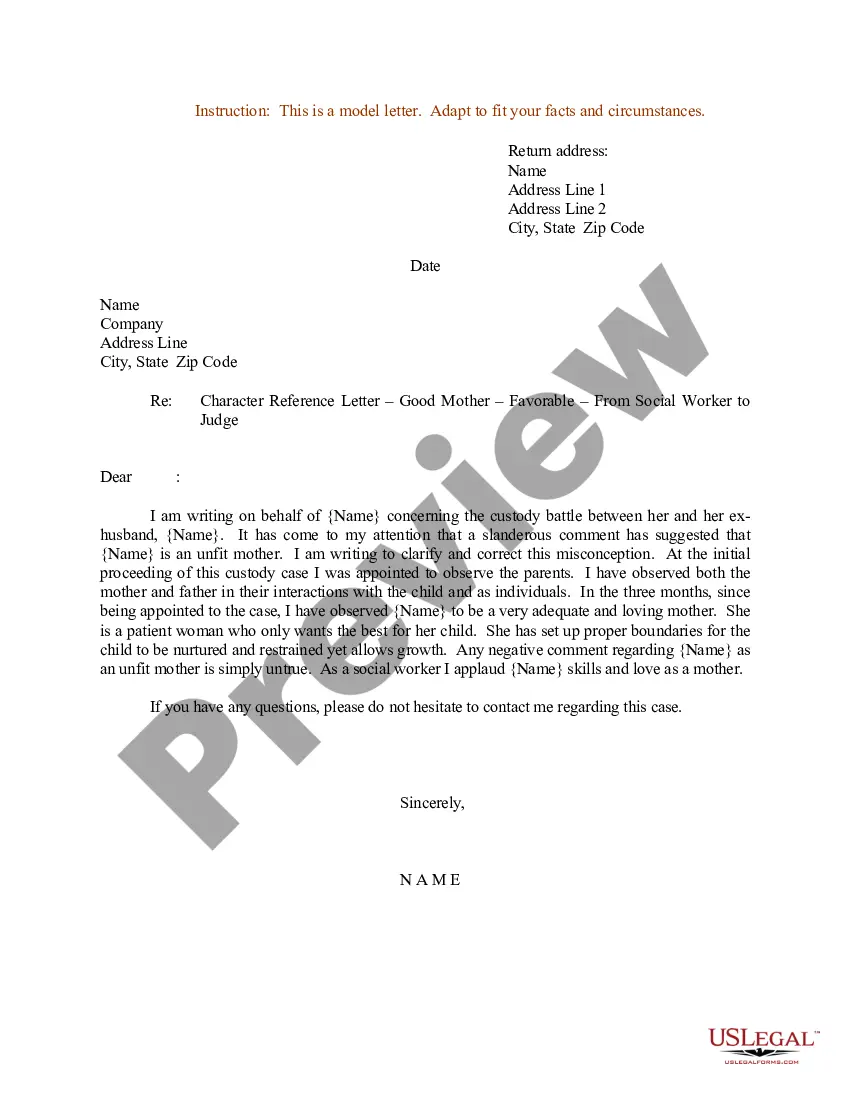
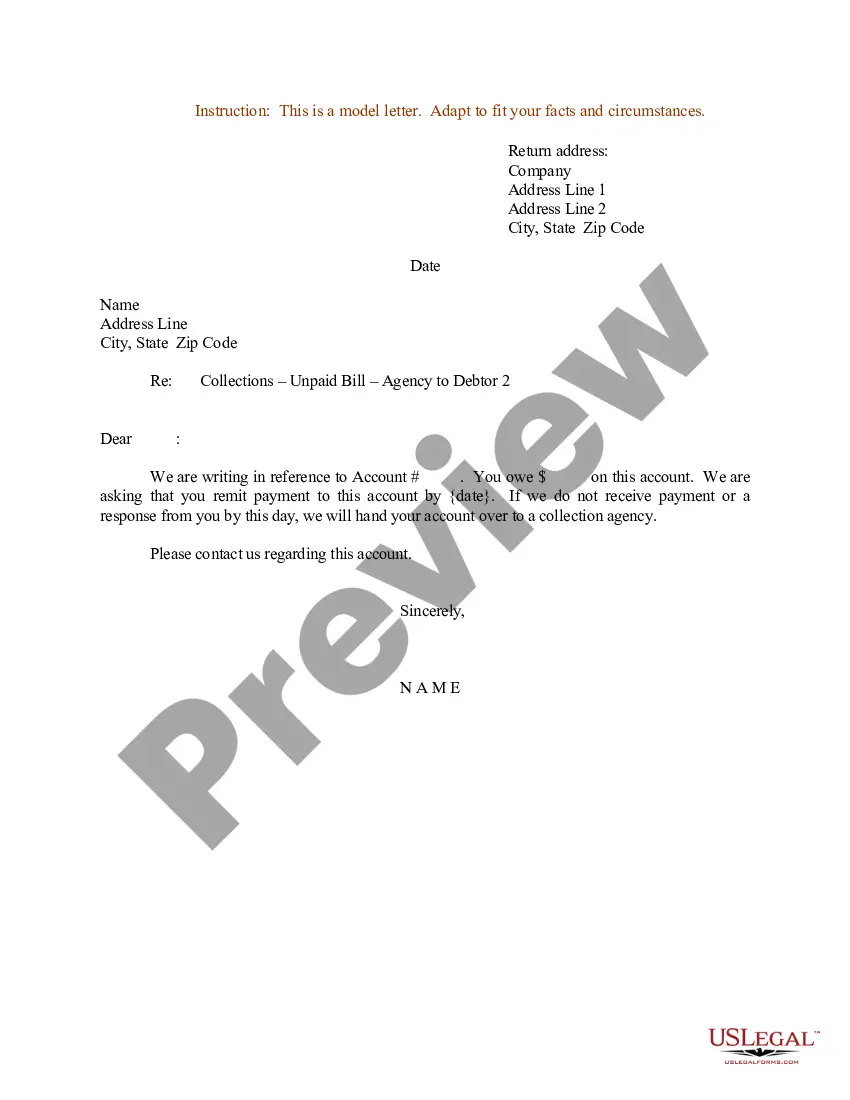
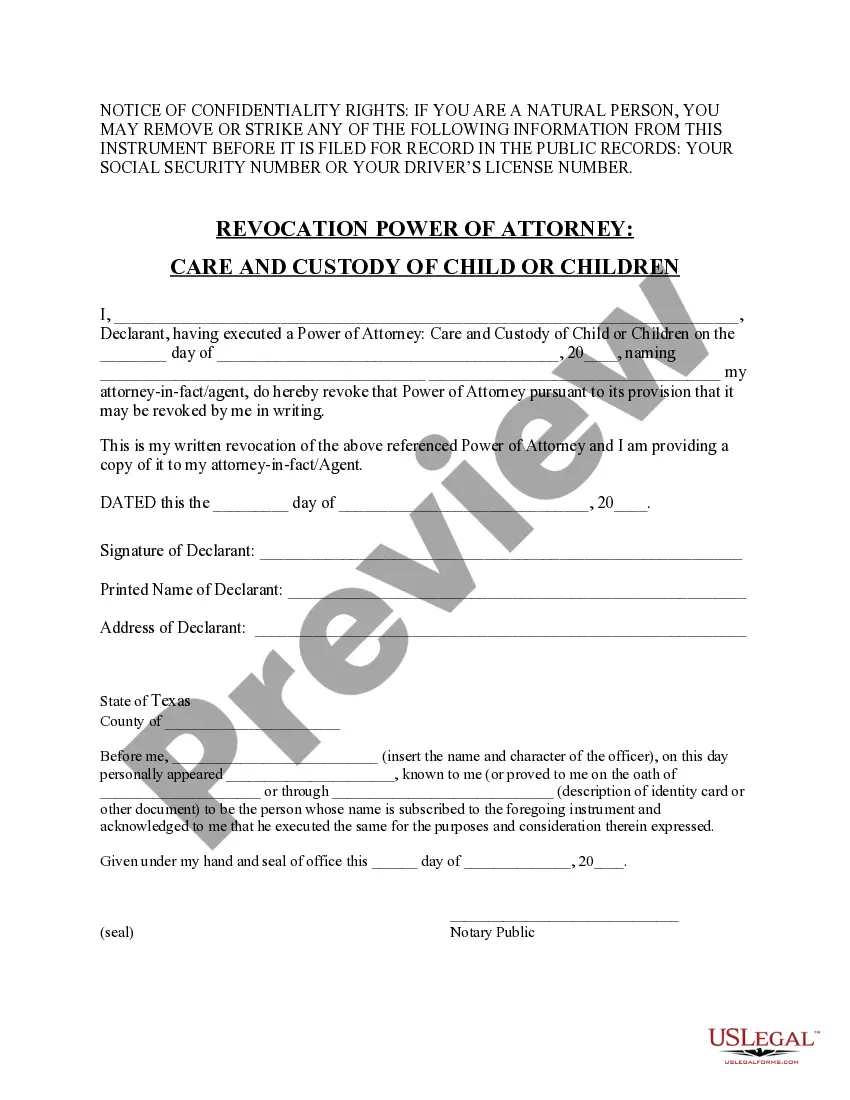

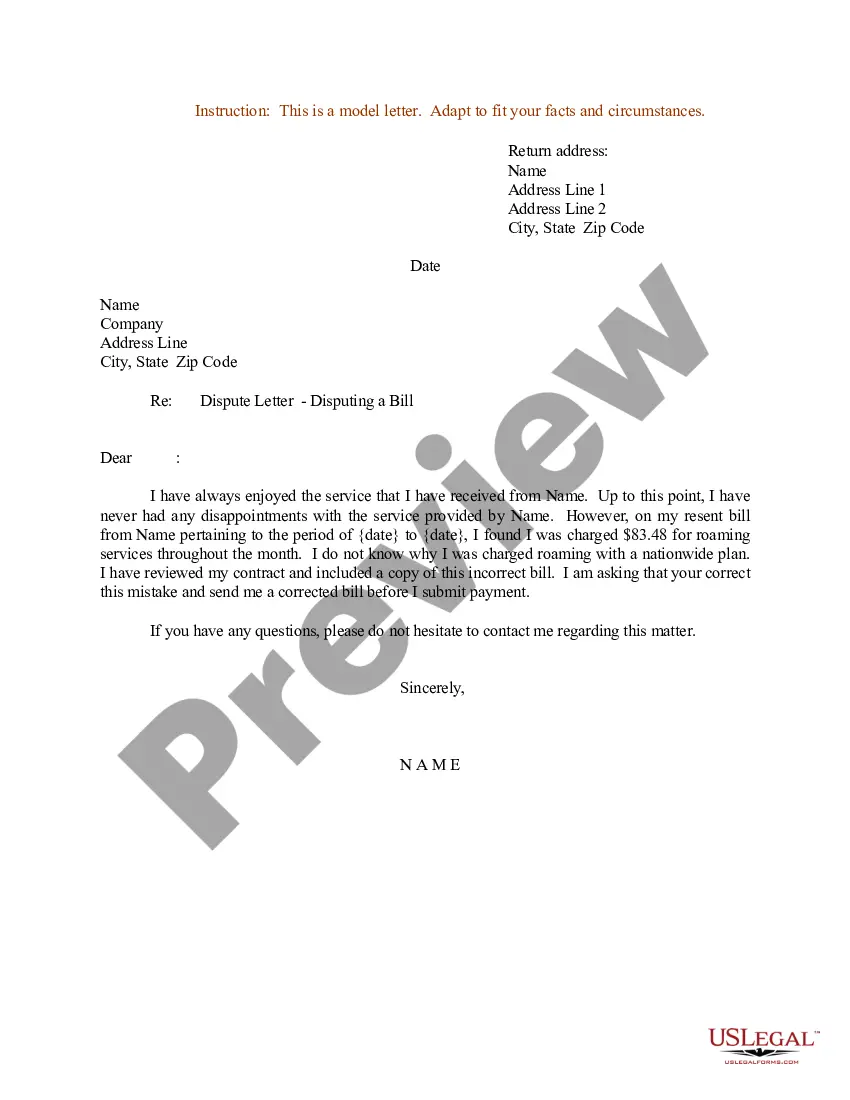
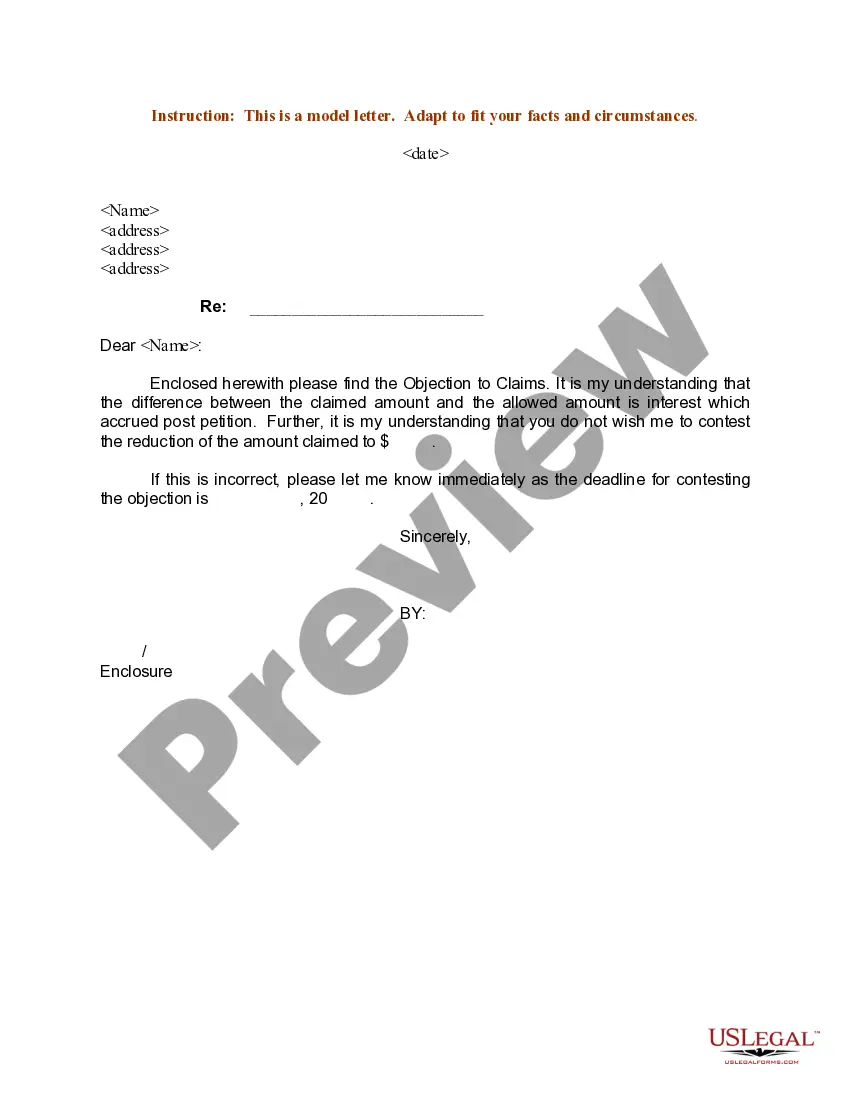
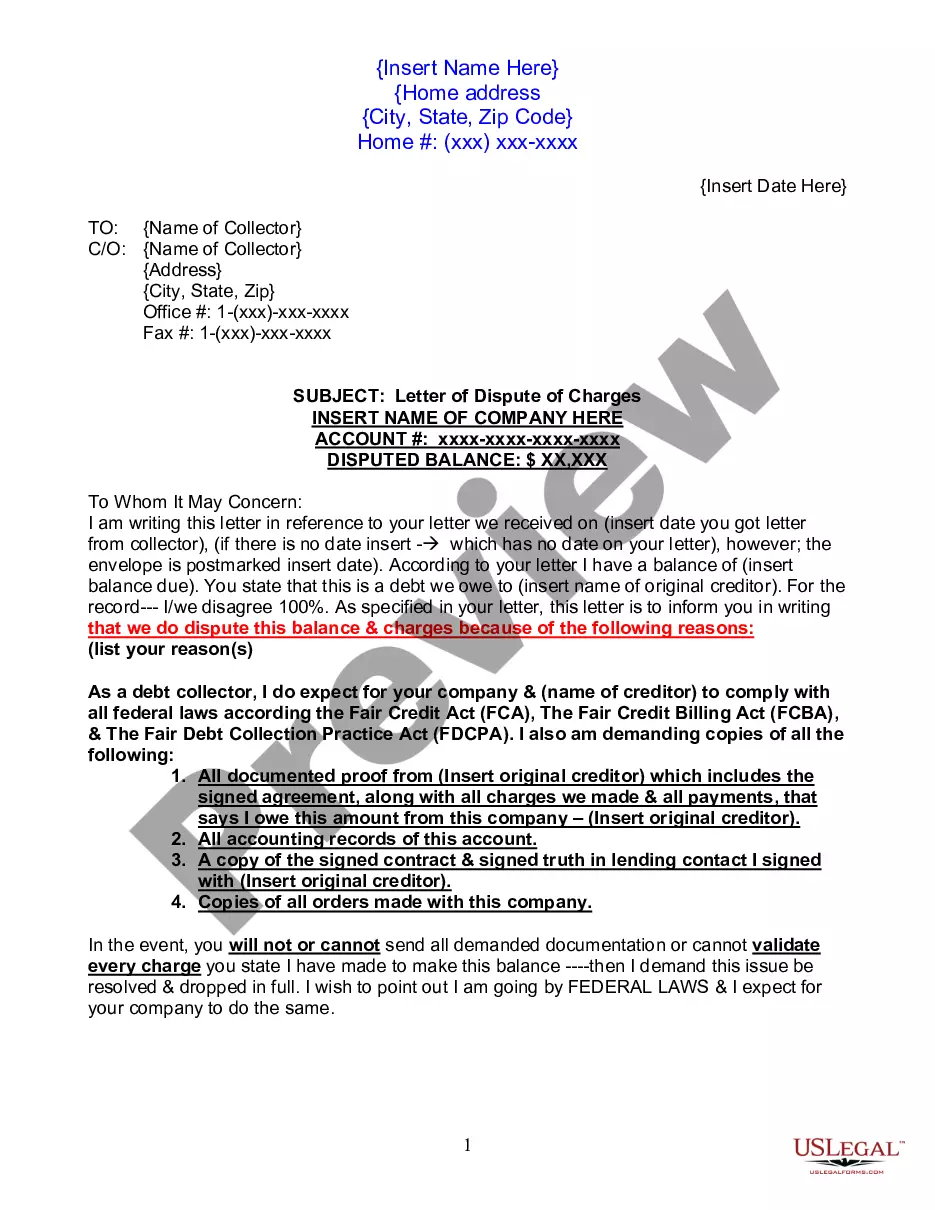
How to fill out Sample Letter For Disputed Balance Notice?
Securing a reliable source for accessing the latest and most suitable legal templates is a significant part of navigating bureaucracy.
Selecting the appropriate legal documents requires precision and careful consideration, which highlights the importance of obtaining samples of Balance Notice For Debtors exclusively from reputable providers, such as US Legal Forms.
Once you have the form saved on your device, you can edit it using the editor or print it out and fill it in by hand. Eliminate the difficulties associated with your legal documentation. Discover the extensive US Legal Forms selection to find legal templates, assess their applicability to your situation, and download them instantly.
- Use the catalog navigation or search tool to find your template.
- Read the form’s description to ensure it aligns with the regulations of your state and locality.
- Check the form preview, if available, to confirm that the template meets your requirements.
- Return to the search feature and look for a suitable template if the Balance Notice For Debtors does not align with your necessities.
- Once you are confident in the form’s pertinence, download it.
- If you are a registered user, click Log in to verify and access your selected forms in My documents.
- If you do not yet have an account, click Buy now to purchase the template.
- Select the pricing plan that fits your needs.
- Proceed with the registration to complete your transaction.
- Finalize your transaction by selecting a payment option (credit card or PayPal).
- Choose the document format for downloading Balance Notice For Debtors.
Form popularity
FAQ
When presenting debtors in a balance sheet, you should list accounts receivable under current assets. Clearly identify each debtor along with the amounts owed. Including a balance notice for debtors can help provide context on what portion of these debts is collectible and enhance the accuracy of your financial reporting.
Creating a living trust in South Carolina involves creating a written trust document and signing it in front of a notary. The trust is not final until you transfer assets into it. A living trust might offer benefits that are valuable for you. Compare it with other estate planning options before deciding.
First, those assets that you have transferred to the trust prior to your death will avoid probate. Upon your death, the successor trustee will do with the assets whatever the trust says. The bottom line is that upon your death, the trust serves as a Will to the extent that it has assets in it.
The main difference between a deed and a deed of trust is that a deed is a transfer of ownership, while a deed of trust is a security interest. A deed of trust is used to secure a loan, while a deed is used to transfer ownership of a property.
An irrevocable trust offers your assets the most protection from creditors and lawsuits. Assets in an irrevocable trust aren't considered personal property. This means they're not included when the IRS values your estate to determine if taxes are owed.
Creating a living trust in South Carolina involves creating a written trust document and signing it in front of a notary. The trust is not final until you transfer assets into it.
Create the trust document. You can get help from an attorney or use Willmaker & Trust (see below). Sign the document in front of a notary public. Change the title of any trust property that has a title document?such as your house or car?to reflect that you now own the property as trustee of the trust.
A South Carolina deed of trust designates a trustee as a property's legal owner until the original owner's (the ?borrower?) debt to a lender is paid. Property conveyed in a deed of trust is returned to the borrower once the loan made via a promissory note is settled.
To transfer real property into your Trust, a new deed reflecting the name of the Trust must be executed, notarized and recorded with the County Recorder in the County where the property is located. Care must be taken that the exact legal description in the existing deed appears on the new deed.