Interrogatories Request With Defendant
Description
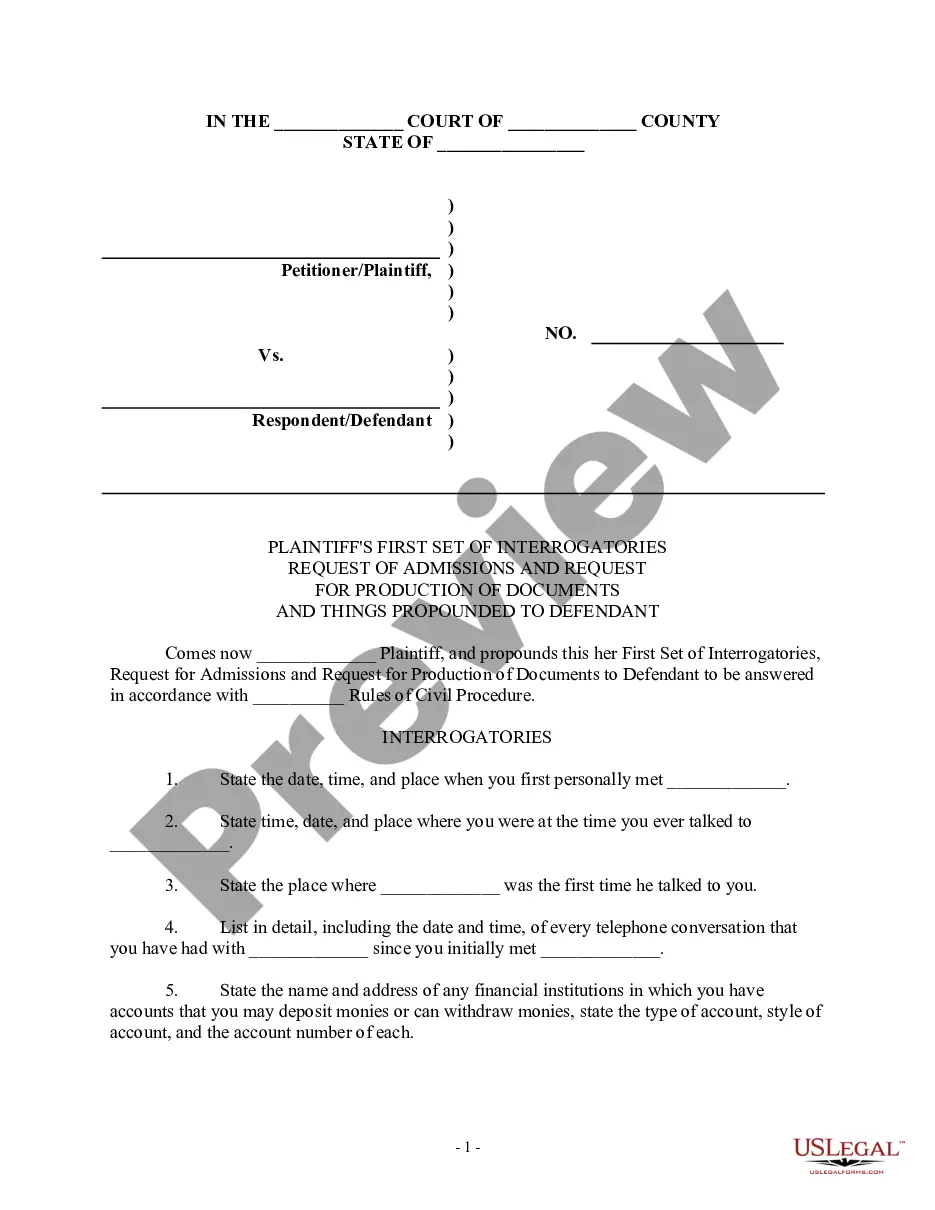
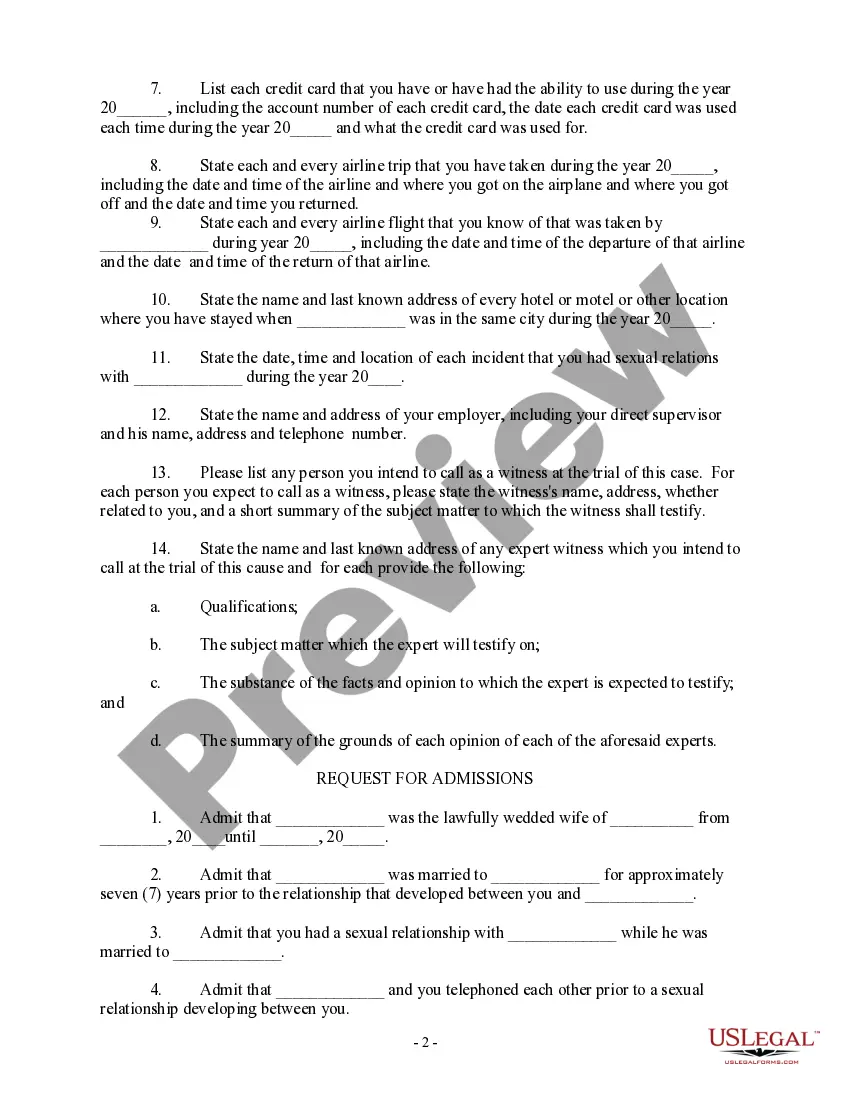
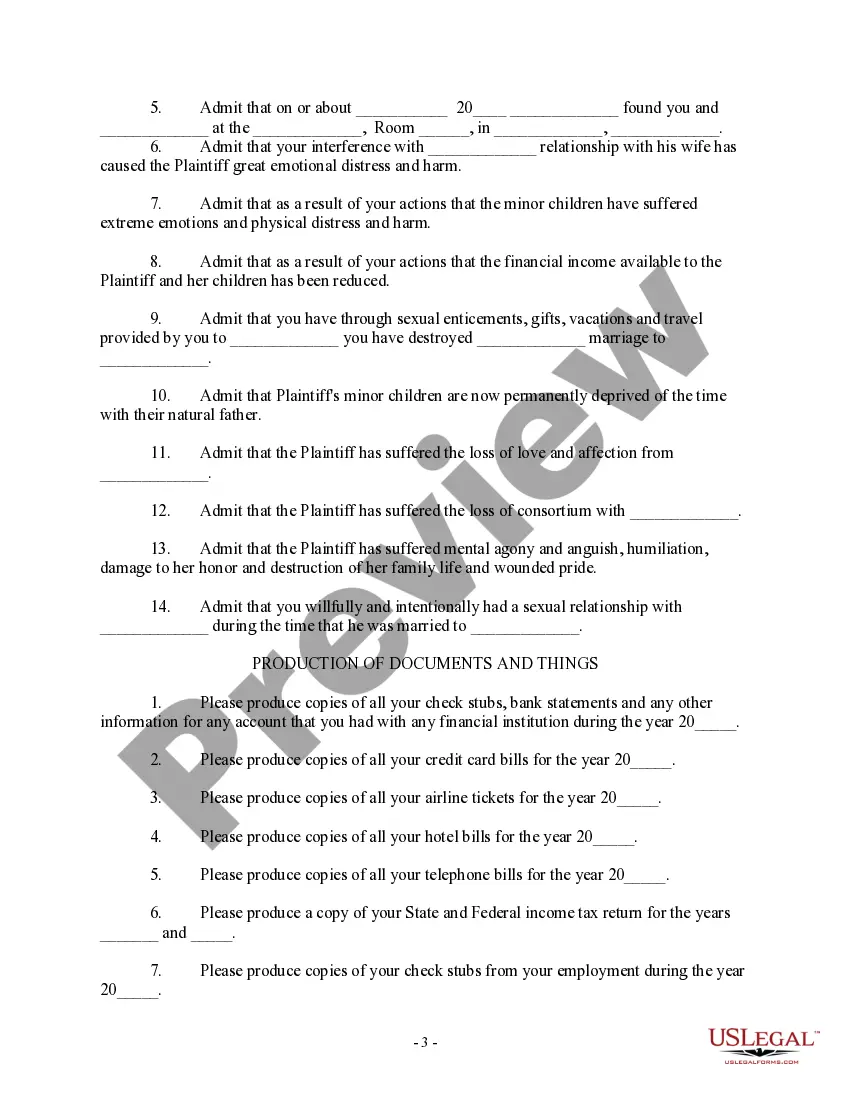
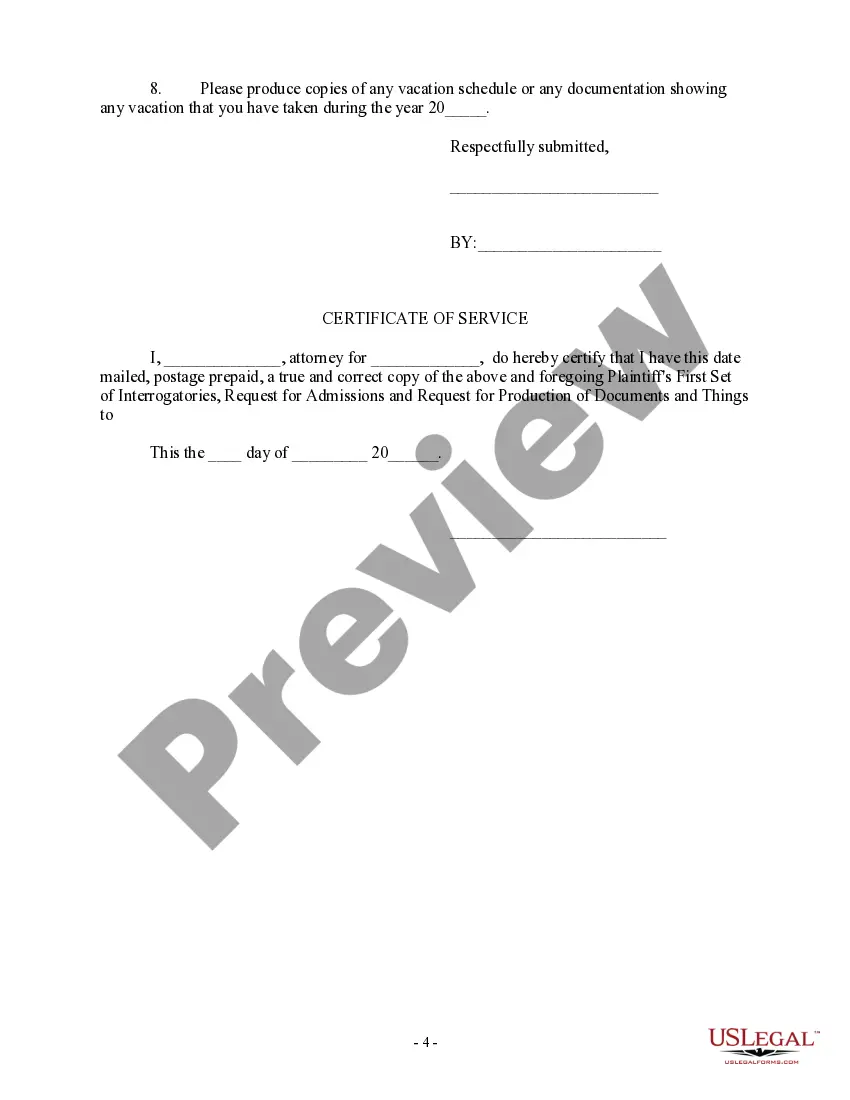
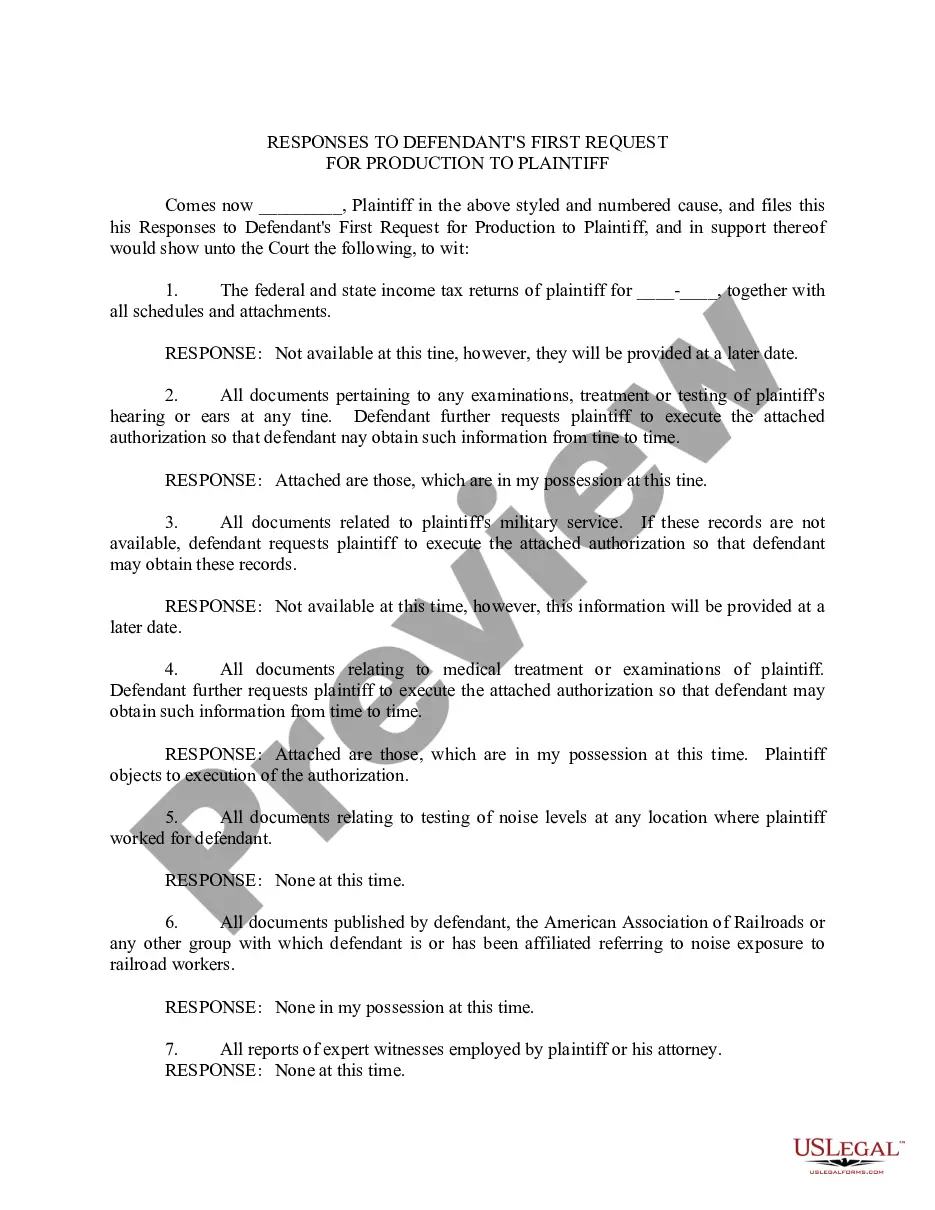
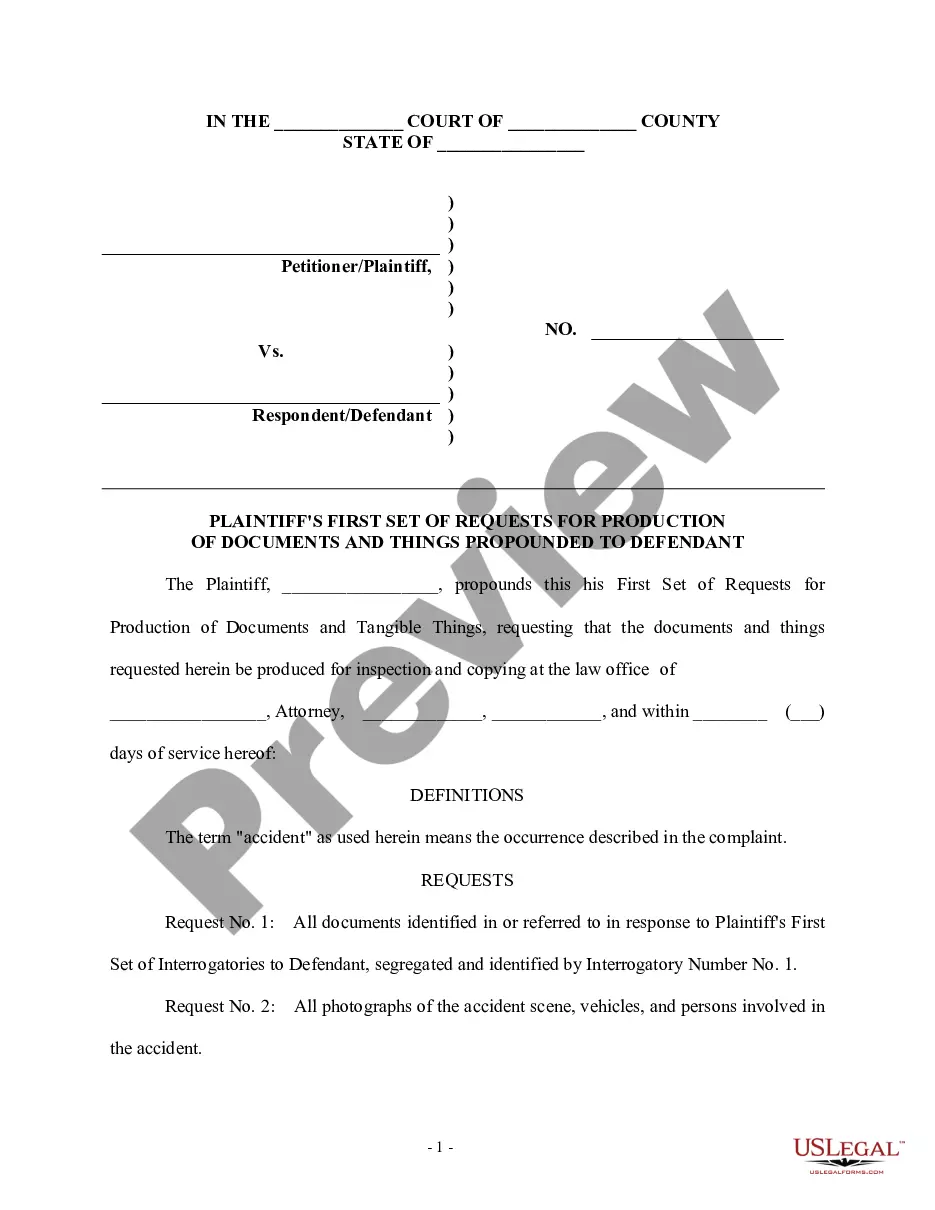
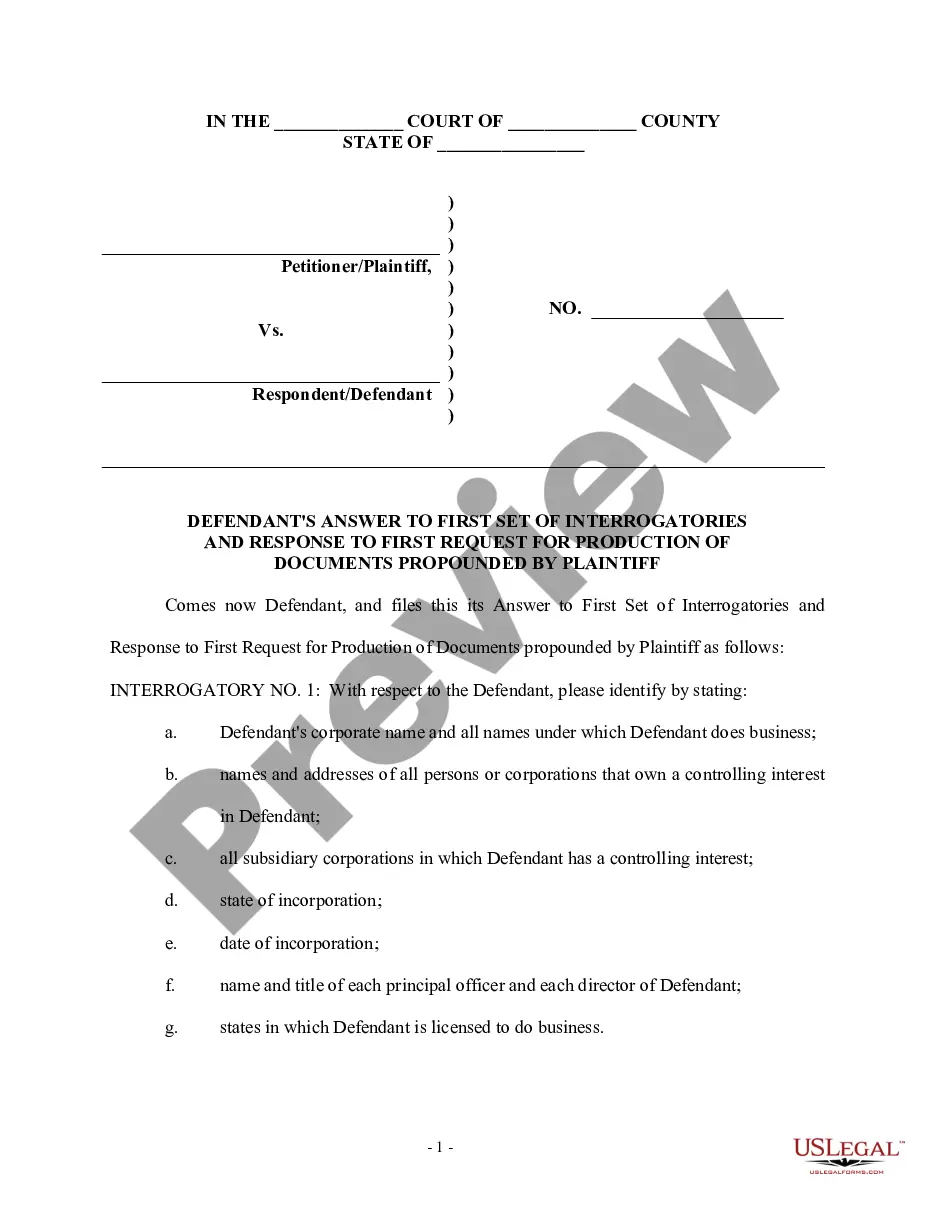
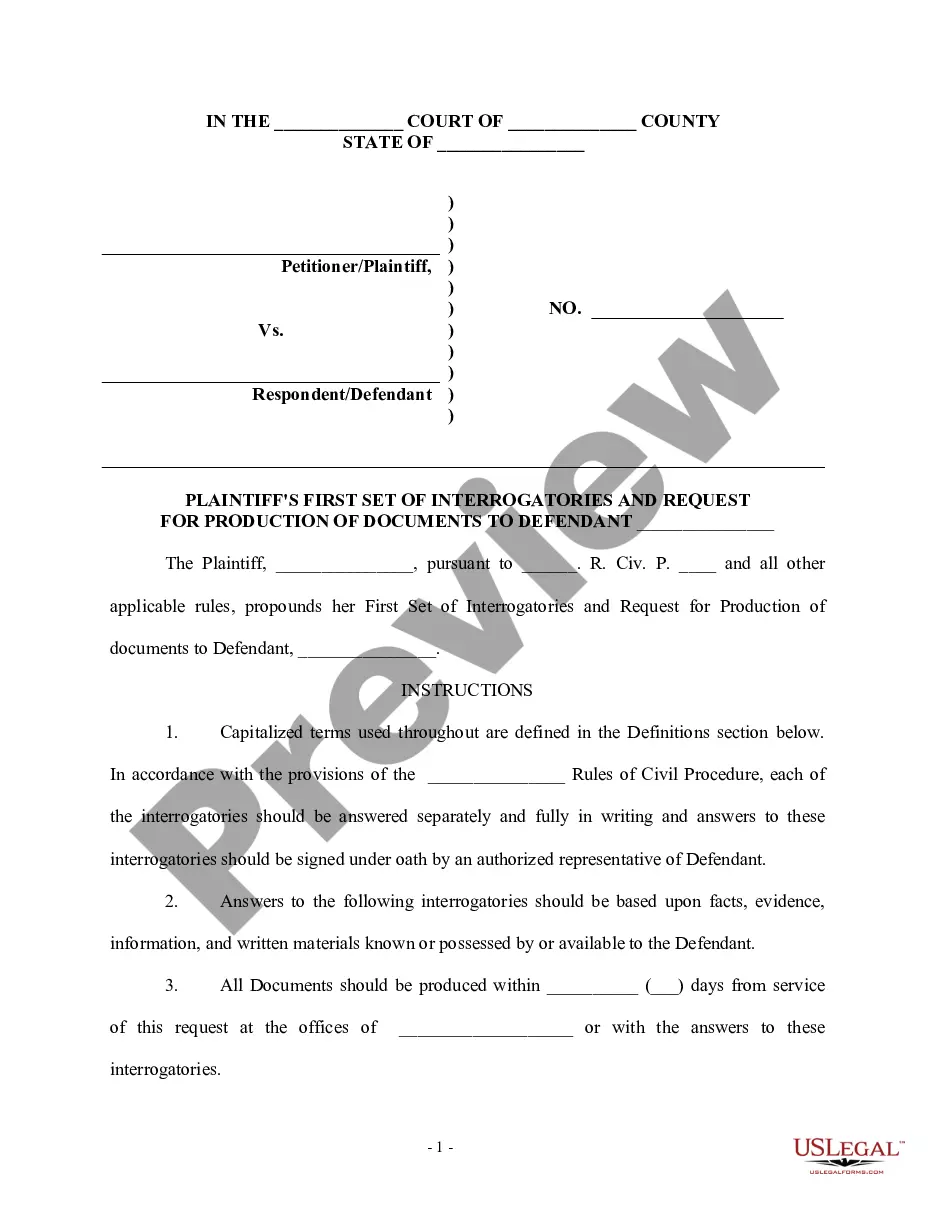
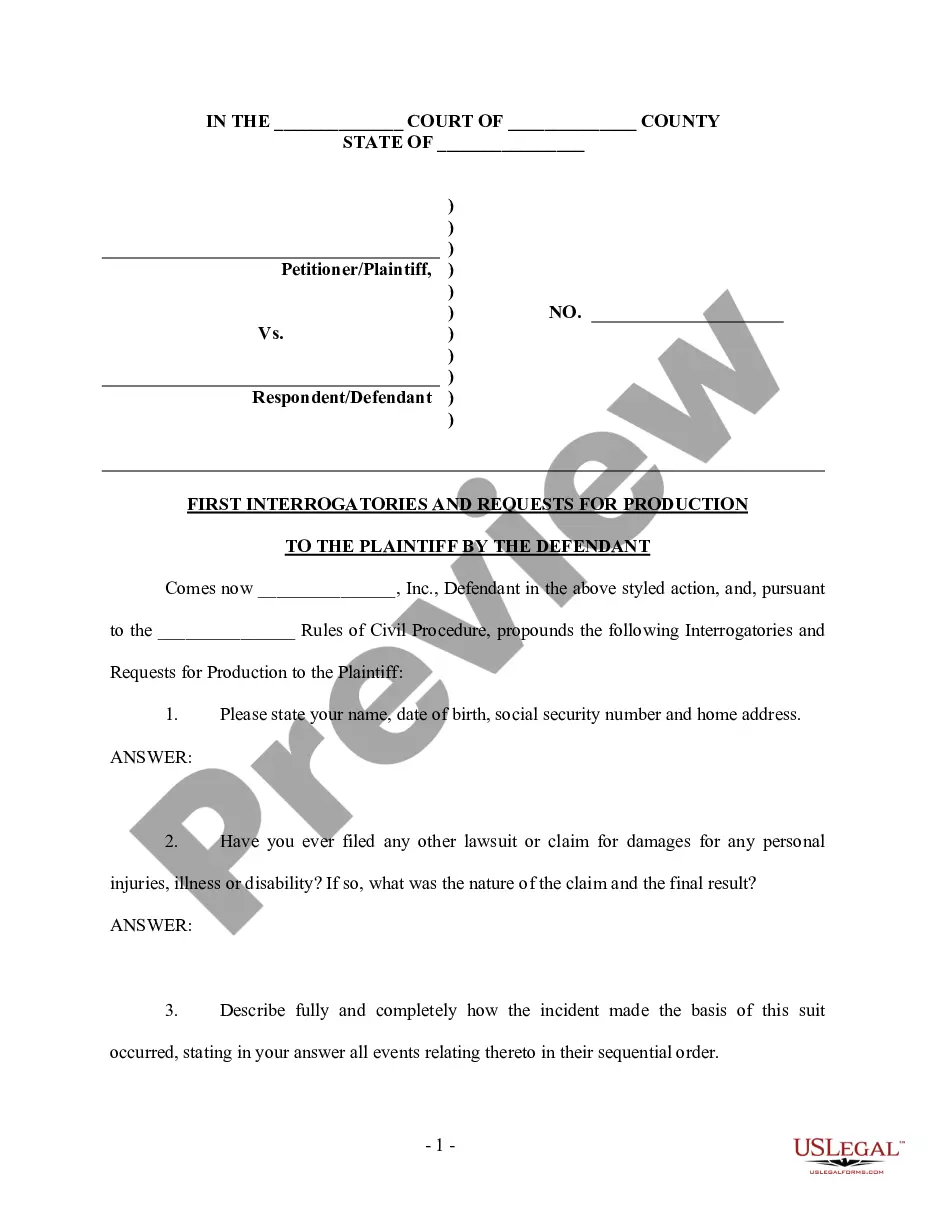





How to fill out Plaintiff's First Set Of Interrogatories And Request For Production Of Documents?
The Interrogatories Request With Defendant available on this site is a reusable legal framework prepared by experienced attorneys in accordance with federal and local regulations and statutes.
For over 25 years, US Legal Forms has offered individuals, businesses, and legal practitioners access to more than 85,000 verified, state-specific documents for various professional and personal situations. It is the quickest, most direct, and most dependable method to obtain the necessary paperwork, as the service guarantees the utmost levels of data protection and anti-malware safeguards.
Select the format you prefer for your Interrogatories Request With Defendant (PDF, DOCX, RTF) and save the document to your device. Print the template to fill it out manually. Alternatively, utilize an online multi-functional PDF editor to swiftly and accurately complete and sign your form with a legally-binding electronic signature. Access the same document again whenever necessary. Navigate to the 'My documents' tab in your profile to re-download any previously saved forms. Subscribe to US Legal Forms to have verified legal templates for all of life’s situations readily available.
- Search for the document you require and evaluate it.
- Examine the file you queried and either preview it or assess the form description to confirm it meets your requirements. If it doesn't, utilize the search bar to find the appropriate one. Click 'Buy Now' once you have found the template you need.
- Register and sign in.
- Choose the pricing option that fits you and create an account. Use PayPal or a credit card for a swift payment. If you already possess an account, Log In and verify your subscription to proceed.
- Acquire the editable template.
Form popularity
FAQ
Answer only the question that is asked, and avoid the temptation to over-explain your answer. If the question contains several parts, you may break your answer into parts as well. It is also possible that you might object to the question.
How to fill out Form Interrogatories Fill in basic information at the top of the form. Provide basic information about your case. ... Select the questions. On Page 2, check the box next to each question you want to ask your spouse to answer. ... Make copies. Make 1 copy of the completed Form Interrogatories ? Family Law.
Generally, interrogatories are objectionable if they seek information that is not within the scope of discovery as defined in Maryland Rule 402 or Federal Rule 26(b). These are typically requests that are not relevant, unduly burdensome, broad, vague, privileged. or protected by the work product doctrine.
If you are unable to answer a specific question because you don't know or don't have access to the appropriate information, you must indicate the reasons. You may refer to a previous response when responding to an interrogatory providing the previous response sufficiently answers the later interrogatory.
You can use interrogatories to find out facts about a case but they cannot be used for questions that draw a legal conclusion.