Bail Enforcement Agent
Description
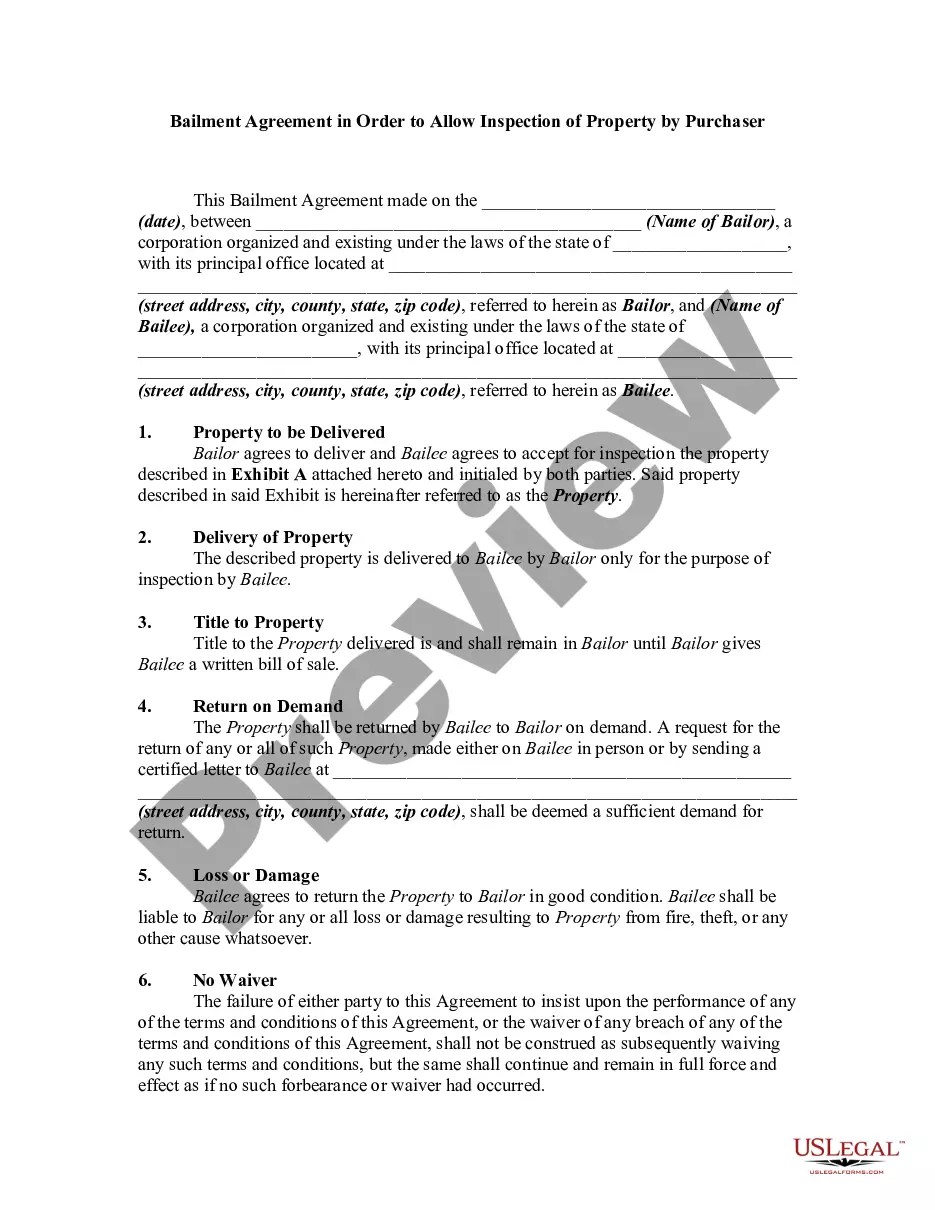
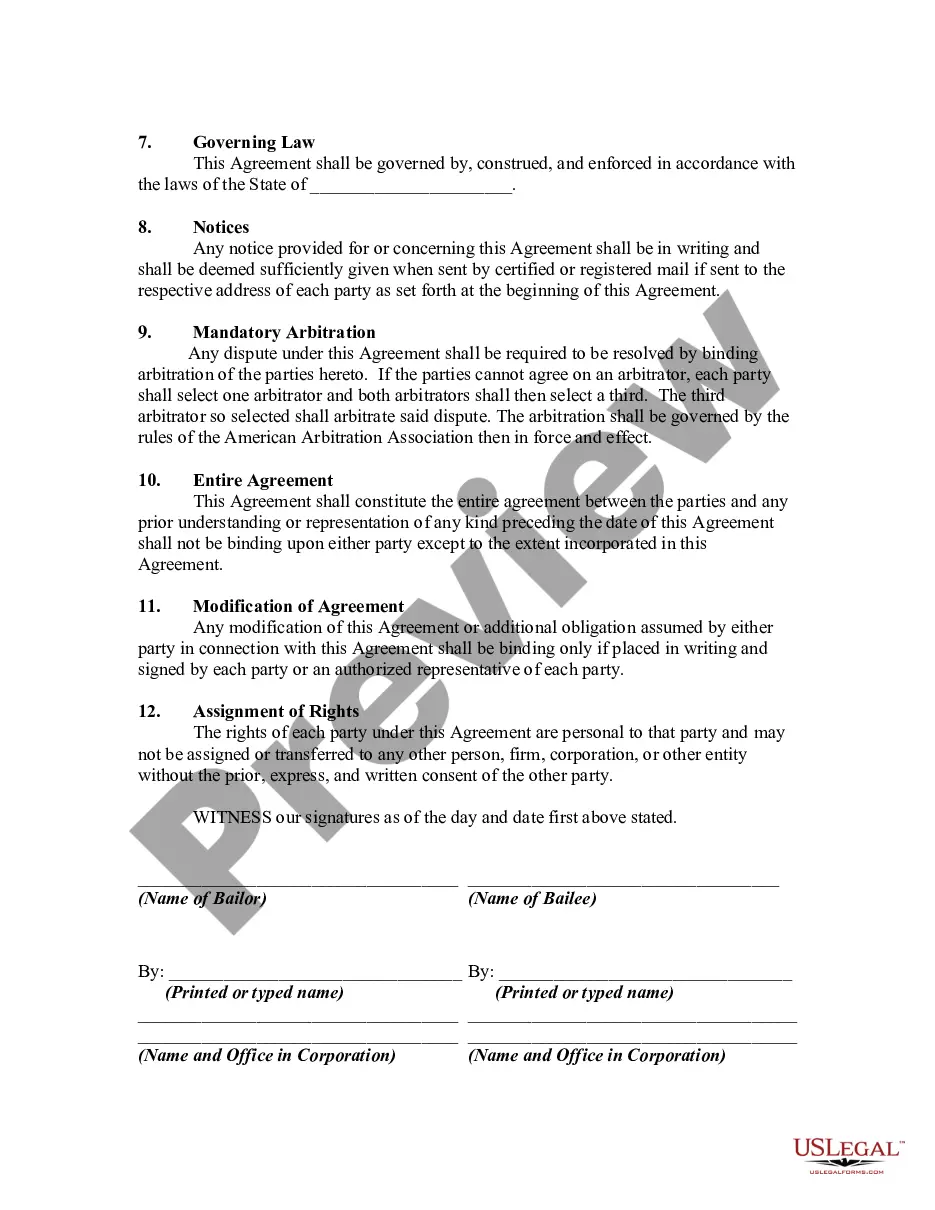

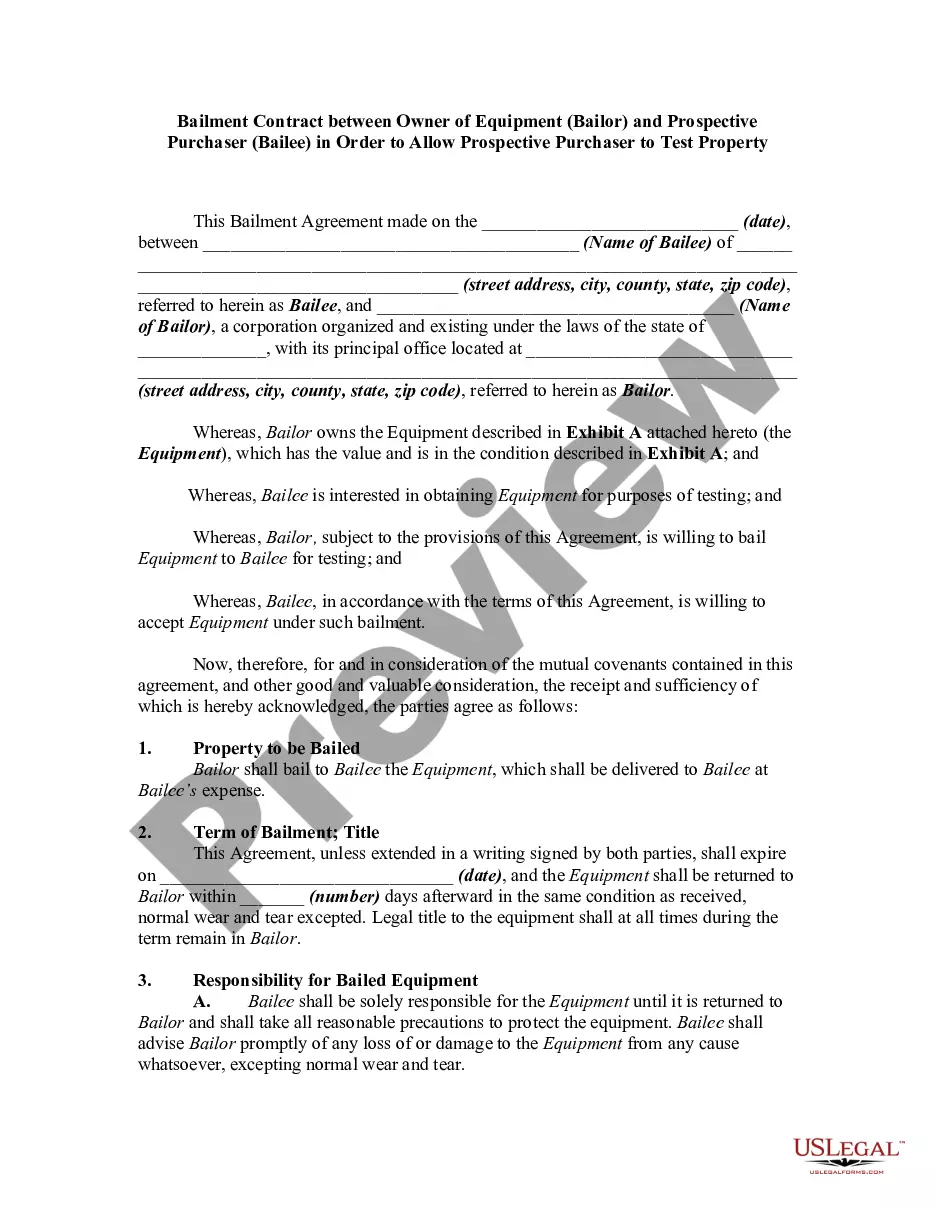
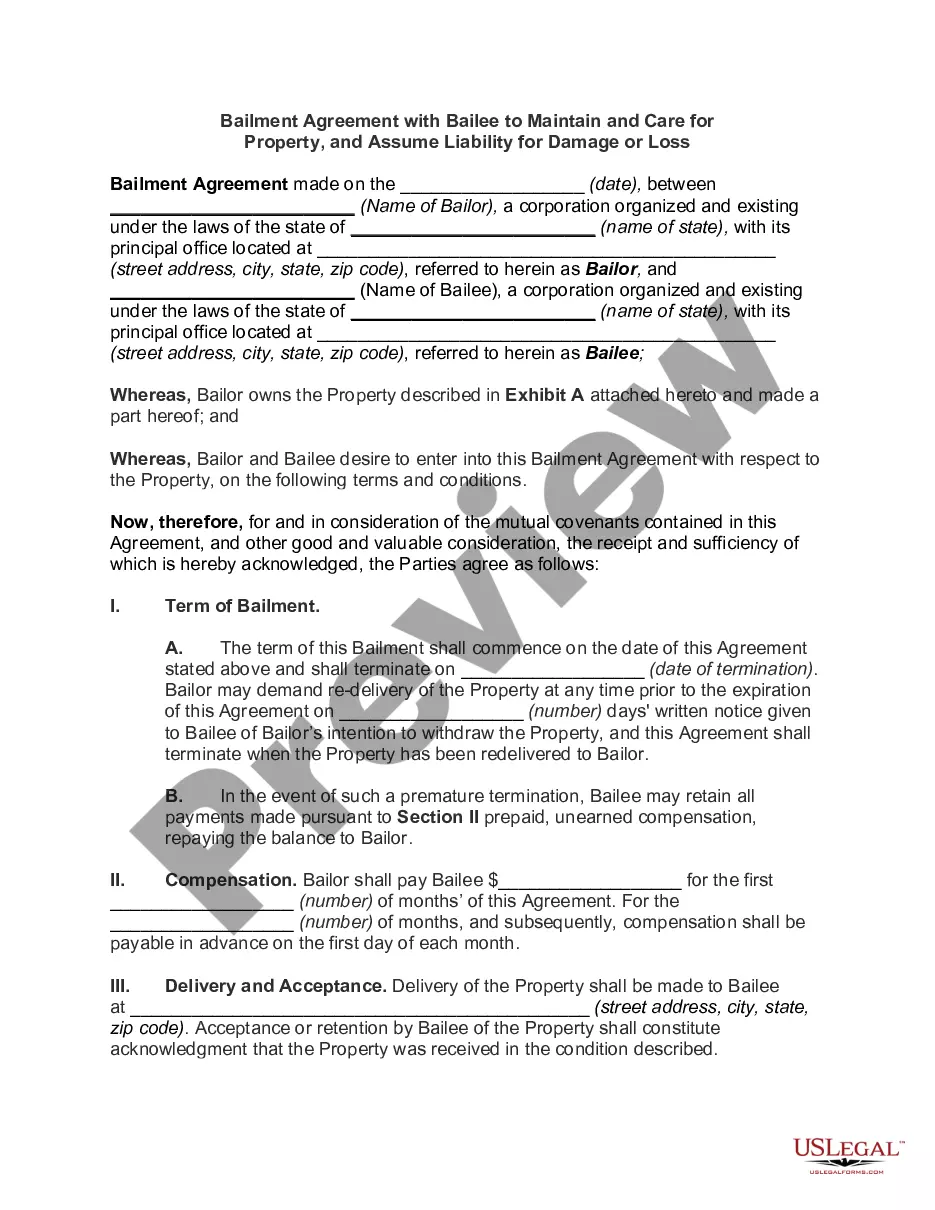
Get your form ready online
Our built-in tools help you complete, sign, share, and store your documents in one place.
Make edits, fill in missing information, and update formatting in US Legal Forms—just like you would in MS Word.
Download a copy, print it, send it by email, or mail it via USPS—whatever works best for your next step.
Sign and collect signatures with our SignNow integration. Send to multiple recipients, set reminders, and more. Go Premium to unlock E-Sign.
If this form requires notarization, complete it online through a secure video call—no need to meet a notary in person or wait for an appointment.
We protect your documents and personal data by following strict security and privacy standards.

Make edits, fill in missing information, and update formatting in US Legal Forms—just like you would in MS Word.

Download a copy, print it, send it by email, or mail it via USPS—whatever works best for your next step.

Sign and collect signatures with our SignNow integration. Send to multiple recipients, set reminders, and more. Go Premium to unlock E-Sign.

If this form requires notarization, complete it online through a secure video call—no need to meet a notary in person or wait for an appointment.

We protect your documents and personal data by following strict security and privacy standards.
Looking for another form?





How to fill out Bailment Agreement In Order To Allow Inspection Of Property By Purchaser?
- Log into your existing US Legal Forms account. If you're a new user, create an account to access our extensive library.
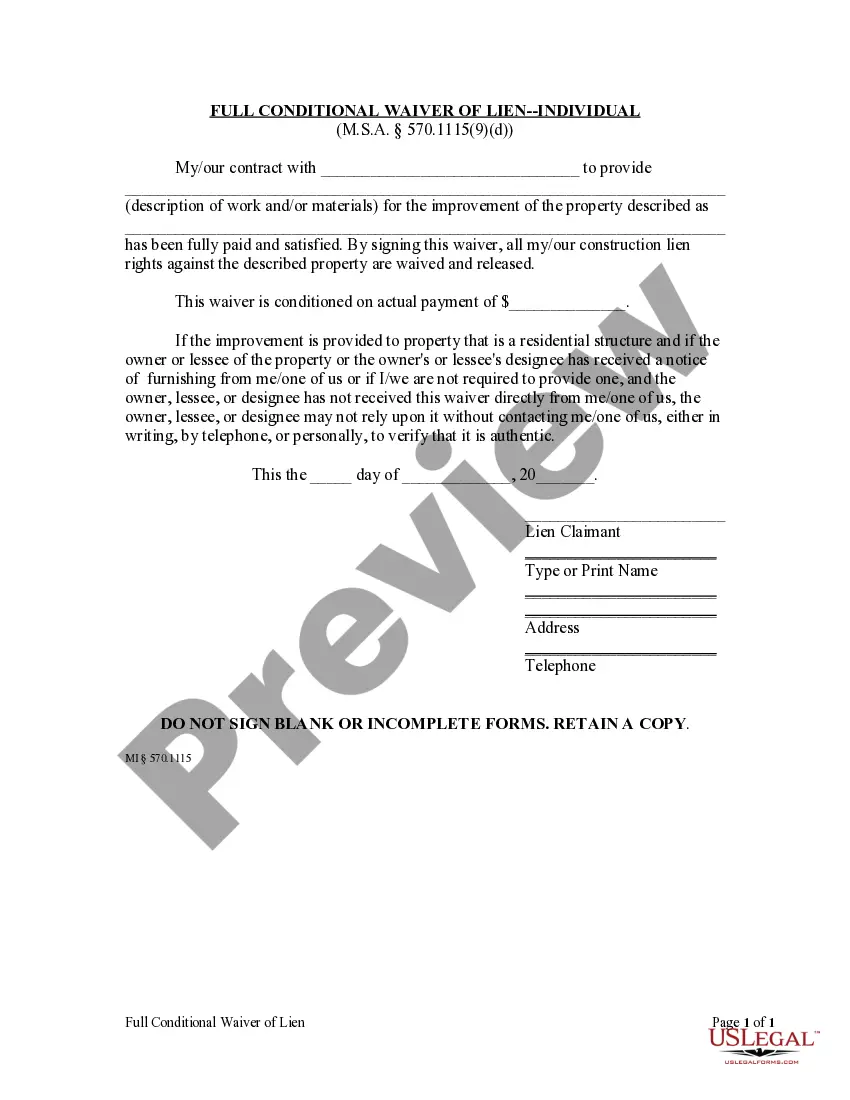
- Search for the bail enforcement agent form you require. Utilize the Preview mode and read the form description to ensure it meets your local jurisdiction's needs.
- If needed, browse additional templates using the Search tab to find the perfect form for your situation.
- Select your preferred subscription plan by clicking the Buy Now button. This will allow you to unlock a broader range of documents.
- Complete your purchase by entering your payment method, whether it be credit card or PayPal, to activate your subscription.
- After your transaction is successful, download your form. You can revisit the My Forms section in your profile to access it anytime.
By following these steps, you can take full advantage of the robust form collection and premium support services provided by US Legal Forms, ensuring the highest degree of accuracy in your legal documents.
Don't wait! Start your journey with US Legal Forms today and take the stress out of legal documentation.
Form popularity
FAQ
Bail enforcement agents hold the authority to enforce bail agreements, which includes apprehending individuals who fail to appear in court. They usually operate under the contractual agreement between them and the bail bondsman, which grants them specific rights during the apprehension process. Understanding the extent of this authority is vital for both agents and those they pursue. To gain a clearer perspective on this authority, consider exploring the helpful materials provided by US Legal Forms.
A bail enforcement agent possesses certain powers that empower them to fulfill their roles effectively. They can arrest fugitives without a warrant and may carry weapons if legally permitted by their state. Their power is limited by the laws of the jurisdiction in which they operate, meaning they must always act within legal boundaries. For those looking to navigate these legal aspects, US Legal Forms offers valuable resources on the authority of a bail enforcement agent.
A bail enforcement agent can use reasonable force when necessary to apprehend a fugitive. However, the definition of 'reasonable' can vary by state, and excessive force is not permitted. It’s crucial for bail enforcement agents to understand the rules governing their actions to avoid legal complications. If you're interested in learning more about the responsibilities and boundaries of a bail enforcement agent, US Legal Forms provides detailed information.
Bail enforcement agents, often referred to as bounty hunters, work to locate and apprehend individuals who have skipped bail. They have the authority to enter private property to make arrests, provided they have probable cause. Additionally, these professionals can operate in different jurisdictions, allowing them to pursue fugitives across state lines. For those needing help understanding this process, US Legal Forms offers resources that clarify the role of a bail enforcement agent.
Yes, you can refuse to cooperate with a bounty hunter, but this may have legal repercussions. While a bail enforcement agent has specific authority to apprehend fugitives, they cannot force entry without following the law. Knowing your rights is vital, and seeking legal advice can help clarify your position. USLegalForms provides resources that can equip you with the necessary knowledge regarding interactions with bail enforcement agents.
Bail bond agents have specific rights under the law that empower them to carry out their responsibilities effectively. They can conduct searches for a fugitive and maintain communication with law enforcement. However, these rights come with strict guidelines, ensuring that bail enforcement agents act within the boundaries of the law. It's essential for clients to be informed of these rights when engaging with the bail system.
Bail bondsmen and their hired bail enforcement agents typically require permission to enter a private residence. While a bail enforcement agent can operate within certain legal boundaries, entering a home without consent can lead to legal complications. It’s important for both parties to understand these regulations to avoid misunderstandings. Using a reputable service like USLegalForms can provide clarity on these rights.
A bail enforcement agent specializes in locating and apprehending individuals who fail to appear in court. They can legally enter certain properties and utilize various investigative techniques to fulfill their duties. Additionally, these agents often work closely with bail bondsmen to ensure that bonds are upheld. Their role is crucial in maintaining the integrity of the bail system.
A bounty hunter, often referred to as a bail enforcement agent, has specific rights and responsibilities. They can apprehend fugitives who have skipped bail by using reasonable force. However, they are not allowed to trespass onto private property without permission or engage in illegal activities to capture a fugitive. Understanding these limitations is essential for both bounty hunters and those they pursue.
Bounty hunters can apprehend fugitives and, if necessary, use reasonable force to do so. They may enter private property while following specific legal guidelines but cannot commit illegal activities, such as trespassing or excessive force. It's essential for bail enforcement agents to stay informed about the laws in their jurisdiction to ensure their actions are lawful.