Distribution For Trust
Description
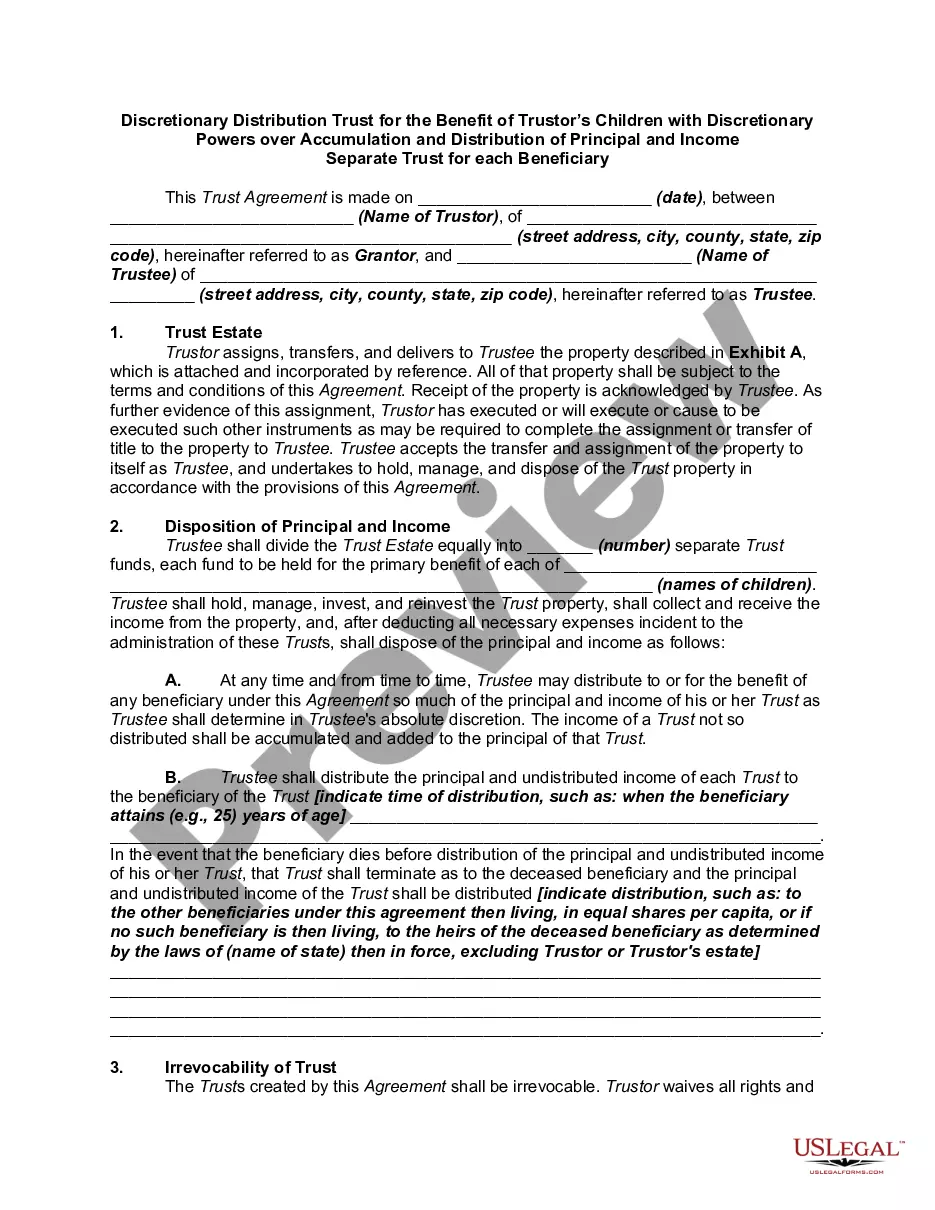
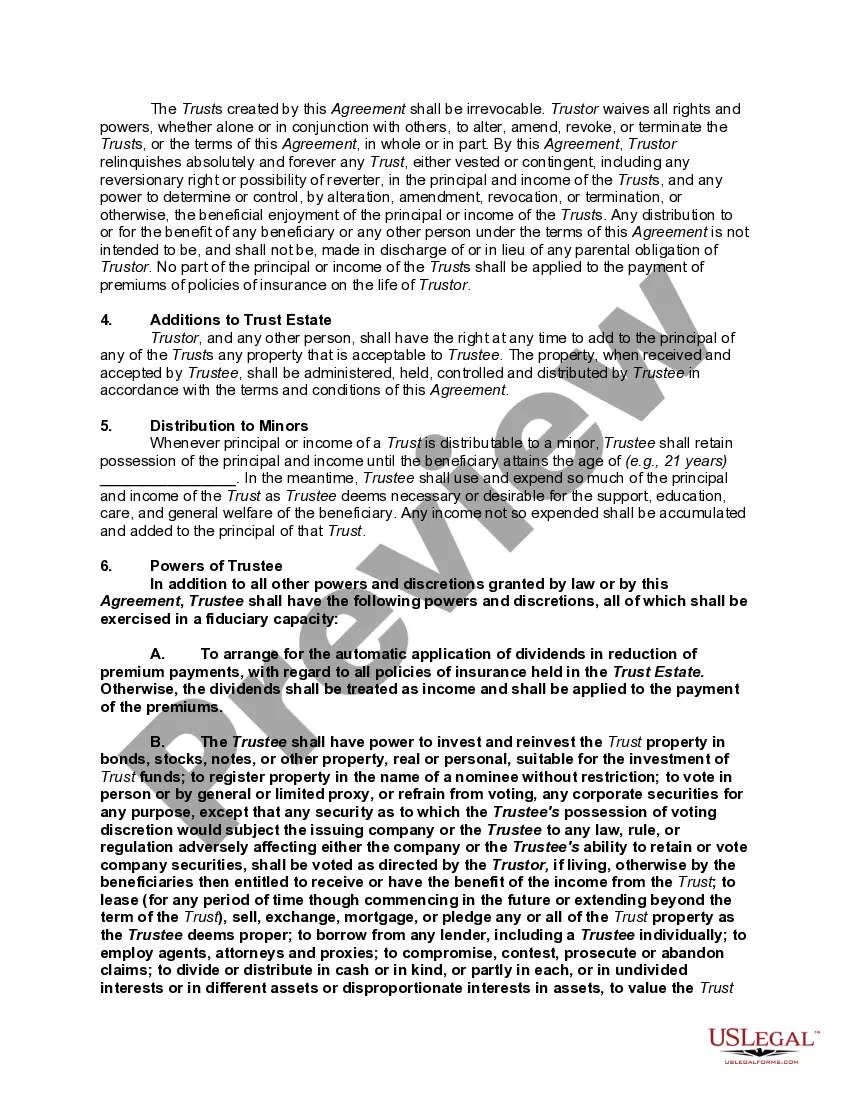
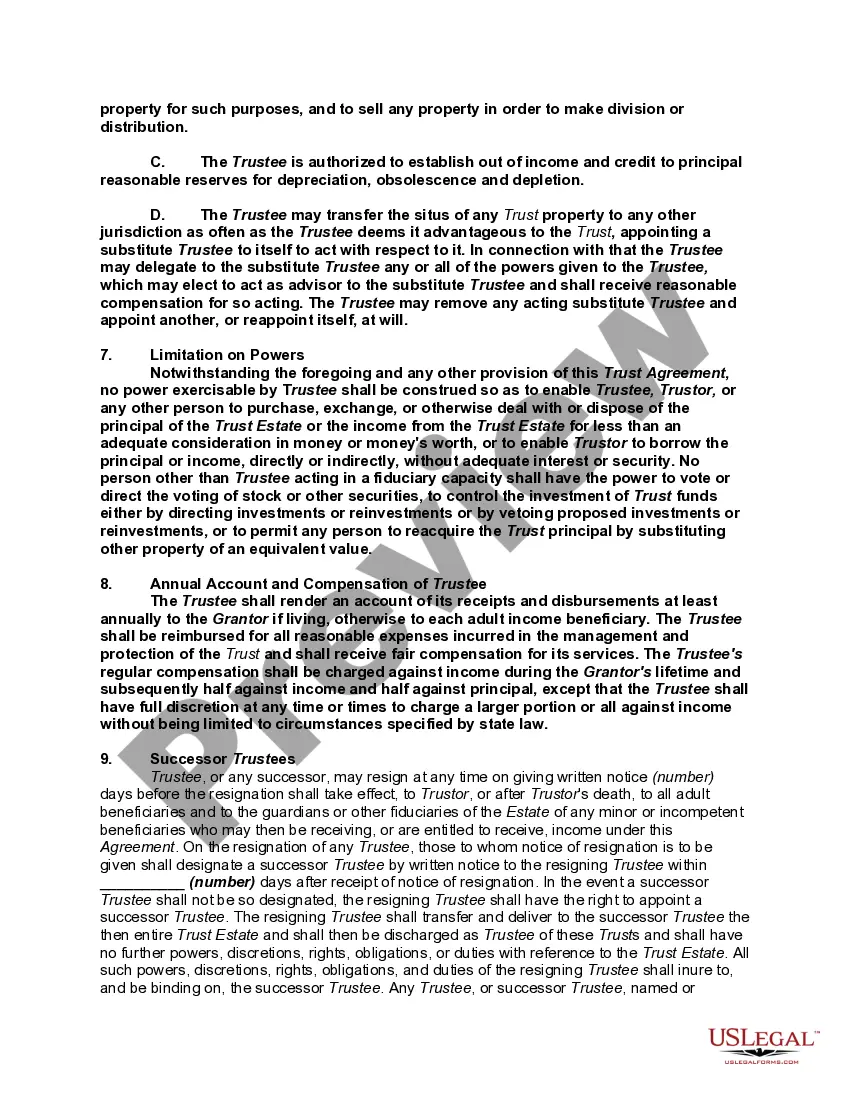
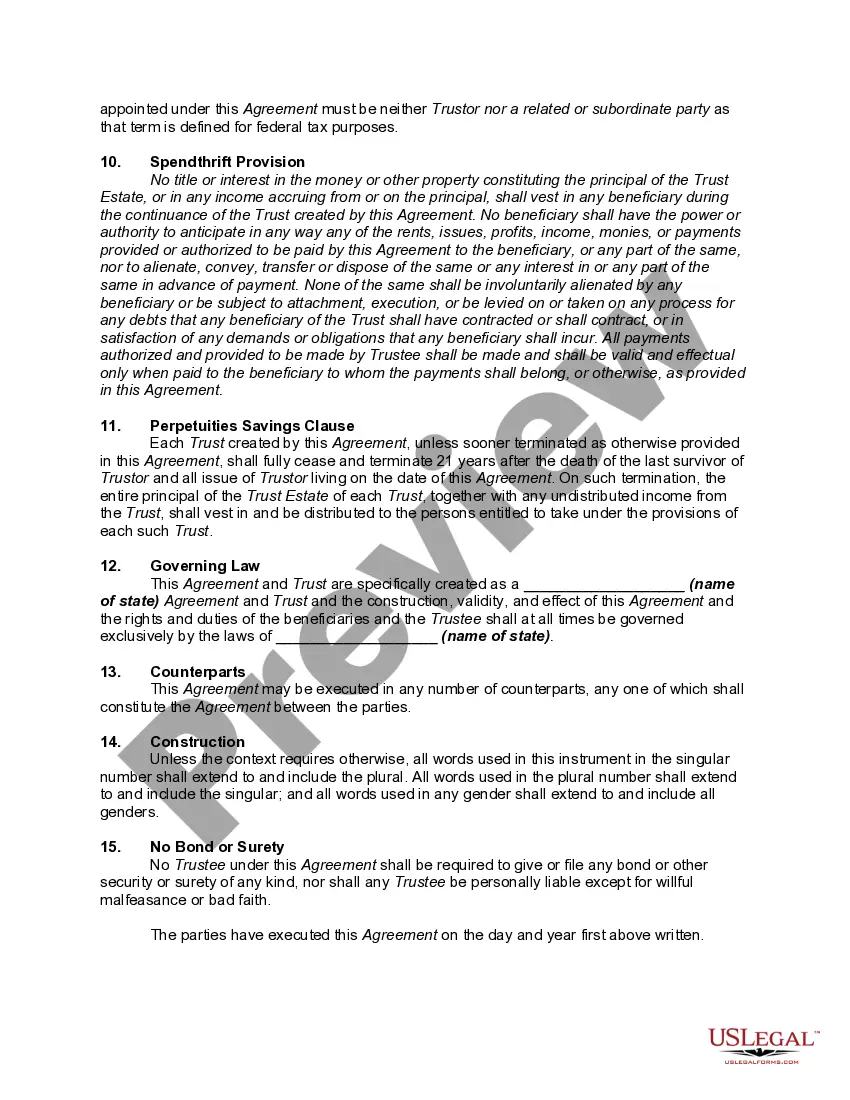


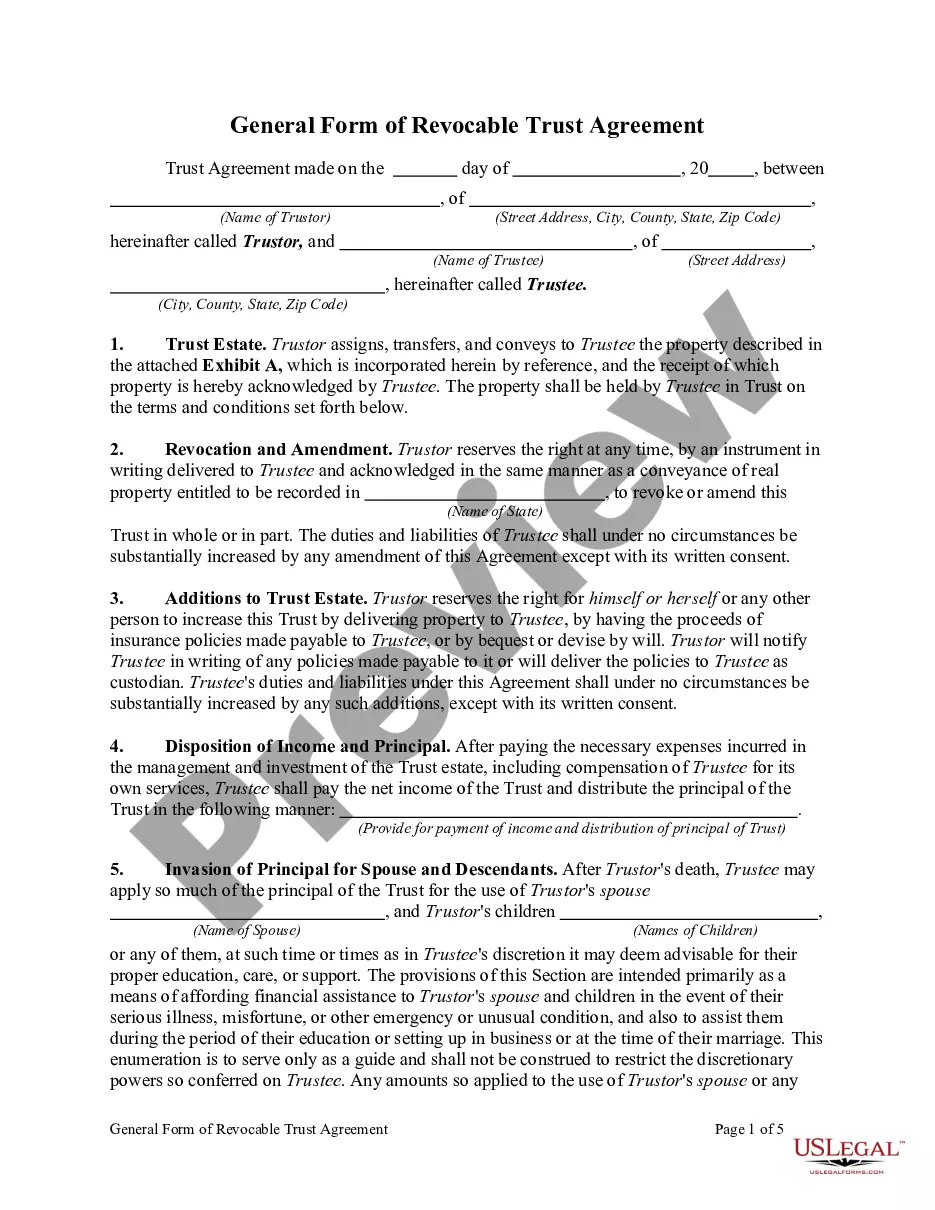
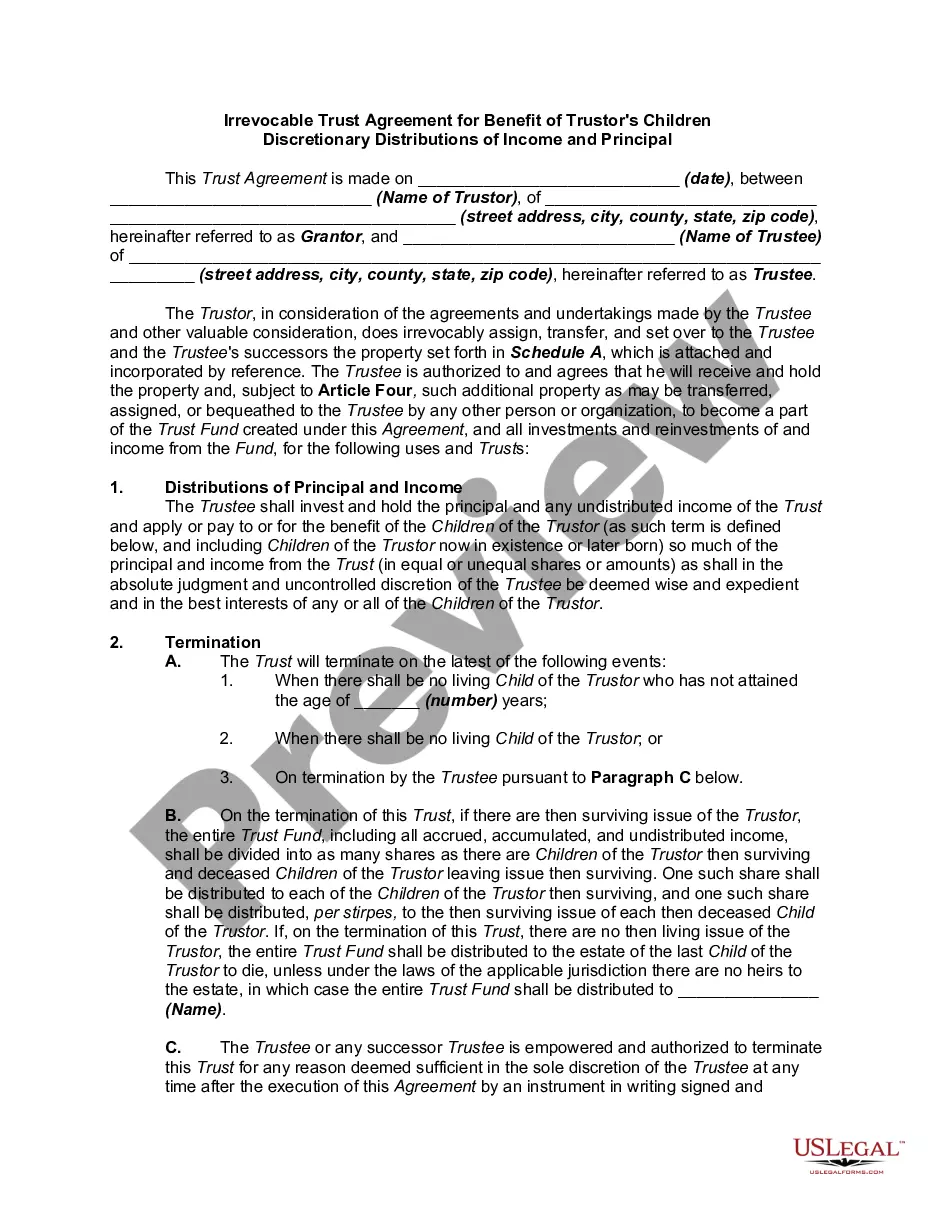
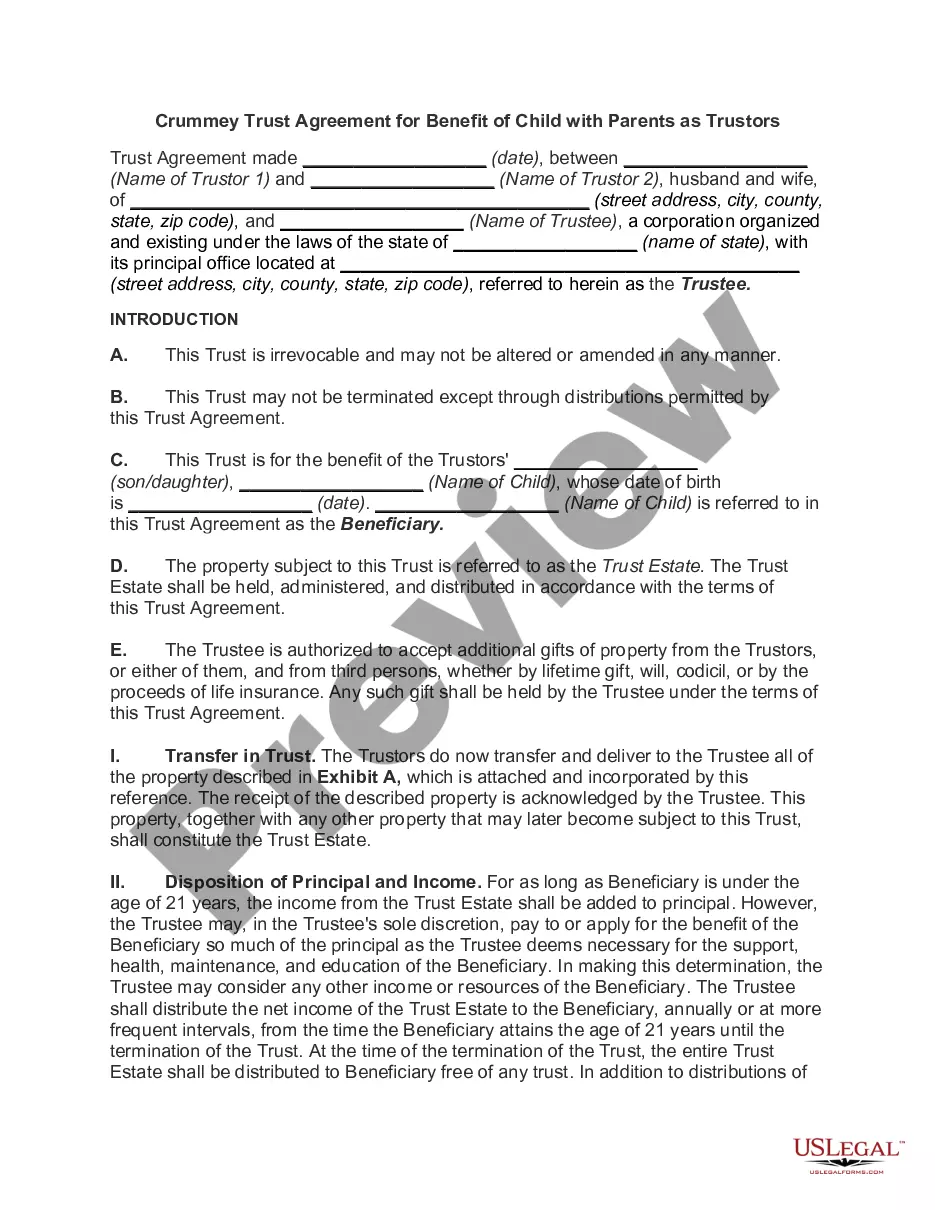

Get your form ready online
Our built-in tools help you complete, sign, share, and store your documents in one place.
Make edits, fill in missing information, and update formatting in US Legal Forms—just like you would in MS Word.
Download a copy, print it, send it by email, or mail it via USPS—whatever works best for your next step.
Sign and collect signatures with our SignNow integration. Send to multiple recipients, set reminders, and more. Go Premium to unlock E-Sign.
If this form requires notarization, complete it online through a secure video call—no need to meet a notary in person or wait for an appointment.
We protect your documents and personal data by following strict security and privacy standards.

Make edits, fill in missing information, and update formatting in US Legal Forms—just like you would in MS Word.

Download a copy, print it, send it by email, or mail it via USPS—whatever works best for your next step.

Sign and collect signatures with our SignNow integration. Send to multiple recipients, set reminders, and more. Go Premium to unlock E-Sign.

If this form requires notarization, complete it online through a secure video call—no need to meet a notary in person or wait for an appointment.

We protect your documents and personal data by following strict security and privacy standards.
Looking for another form?










Form popularity
FAQ
Determining whether your parents should place their assets in a trust depends on their financial and estate planning goals. A trust can offer benefits such as avoiding probate and providing clear instructions for asset distribution for trust beneficiaries. Ultimately, discussing specific needs with legal experts, like those at uslegalforms, can provide clarity and ensure that their wishes are respected.
Trust funds, though generally secure, do carry some risks. A trust could be mismanaged by the appointed trustee, leading to potential financial loss. Moreover, if the trust is not set up properly, the intended distribution for trust assets might not take place as expected. To mitigate these risks, consider using a platform like uslegalforms to create a well-structured trust.
Trust income is usually reported on a Schedule K-1 rather than a 1099 form. The Schedule K-1 provides detailed information about the income beneficiaries need to report on their tax returns. Familiarizing yourself with this process is crucial for accurate reporting and compliance regarding the distribution for trust.
As mentioned earlier, trust distributions are not reported on the traditional 1099 form. Instead, they are typically documented using Schedule K-1. Awareness of these details helps ensure you correctly handle your tax reporting associated with the distribution for trust.
The primary IRS form used for trust distribution is Schedule K-1. This form details the amounts that beneficiaries receive from the trust and is crucial for reporting income during tax season. Knowing how to utilize the Schedule K-1 effectively is essential for properly managing your distribution for trust.
You should report trust distributions on your tax return, specifically using the information detailed in the Schedule K-1 received from the trust. This form will guide you on how to enter the distribution on your tax forms, ensuring you fulfill your reporting requirements for the distribution for trust.
Generally, distributions from a trust are not reported on a standard 1099 form. Instead, these distributions are reported through different forms such as Schedule K-1, depending on the context. It is essential to understand these distinctions when dealing with the distribution for trust.
To report distributions from a trust, beneficiaries should first receive a Schedule K-1 from the trust. This form identifies the amount distributed, which needs to be included on the beneficiary's tax return. Understanding how to accurately report these distributions is vital, as it ensures compliance with tax obligations related to the distribution for trust.
Yes, trust distributions are reported to the IRS. When a trust distributes income to its beneficiaries, it typically issues a Schedule K-1 form that reflects the amounts distributed. Beneficiaries must report these distributions as income on their personal tax returns, emphasizing the importance of the distribution for trust.
Typically, a trust should be distributed according to the terms set forth in the trust document. There is no standard timeline, but it is advisable to complete distributions within a reasonable time frame, often within a year after death. Prompt distribution ensures that the trust administration process is smooth and beneficiaries receive their intended benefits in a timely manner. Understanding the guidelines of distribution for trust can help streamline this process.
