Trusts Irrevocable
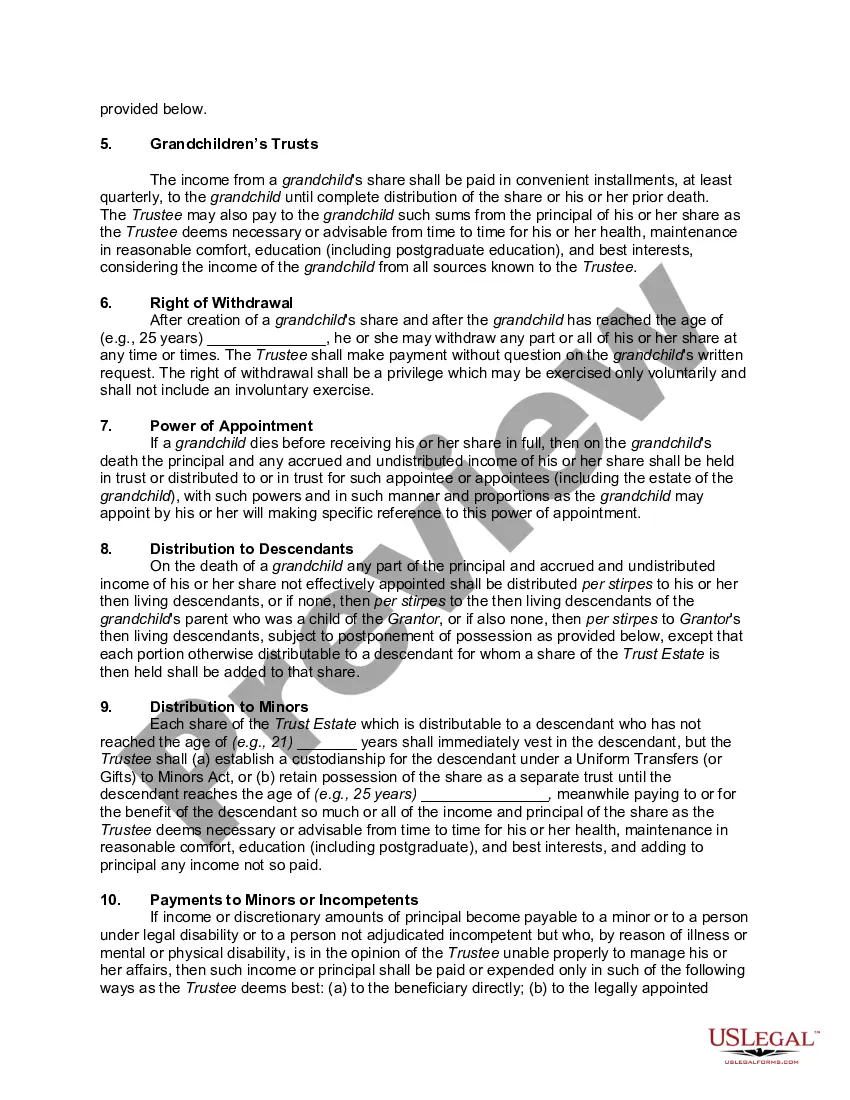
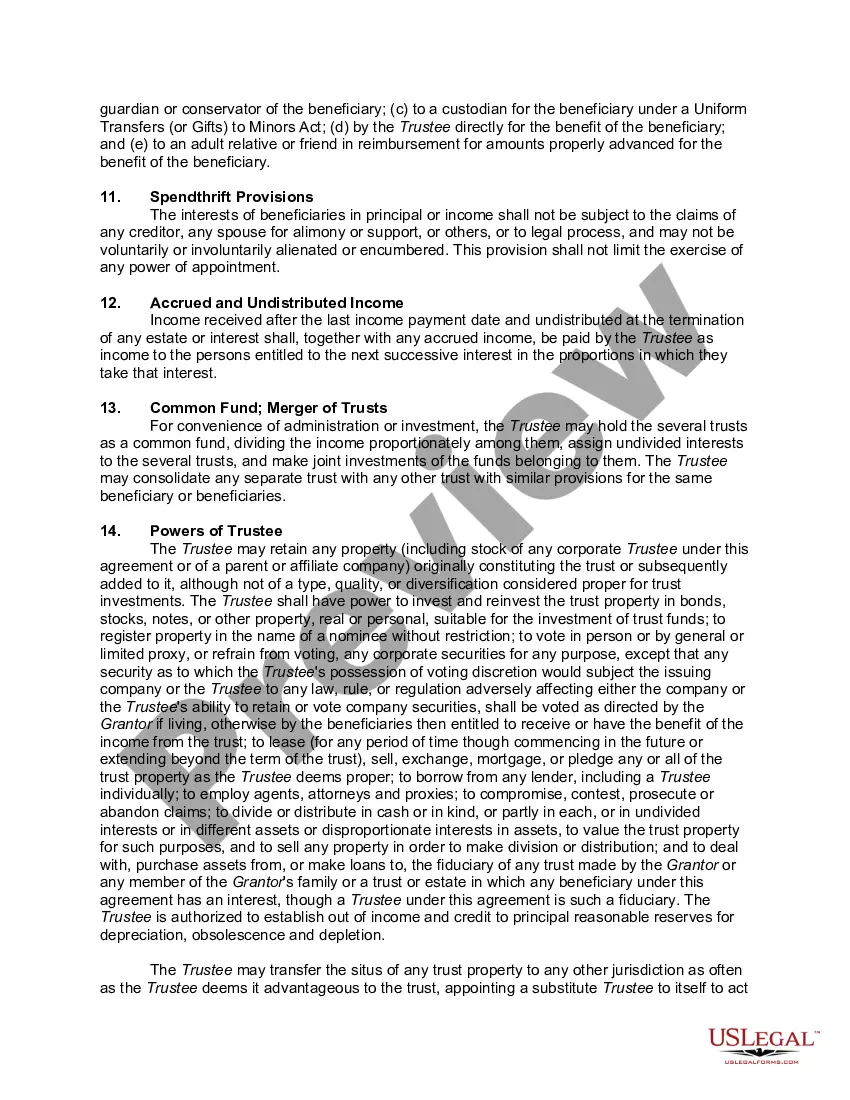
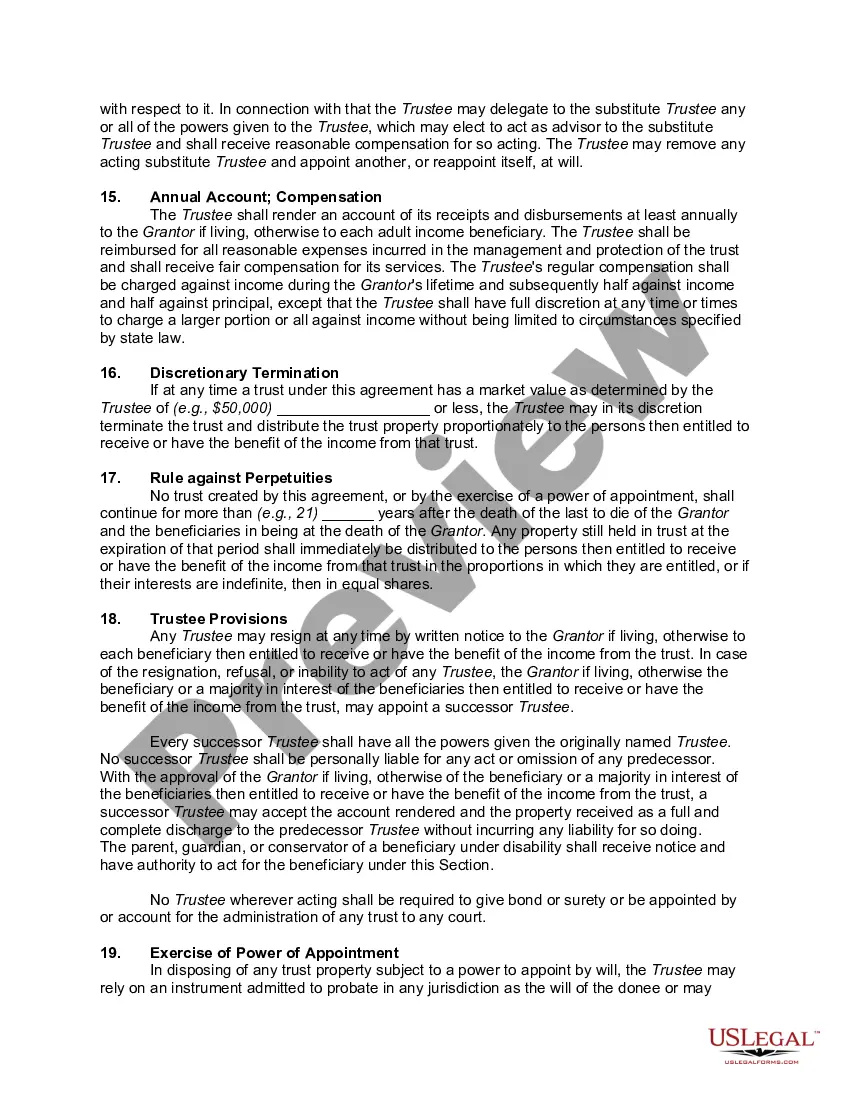
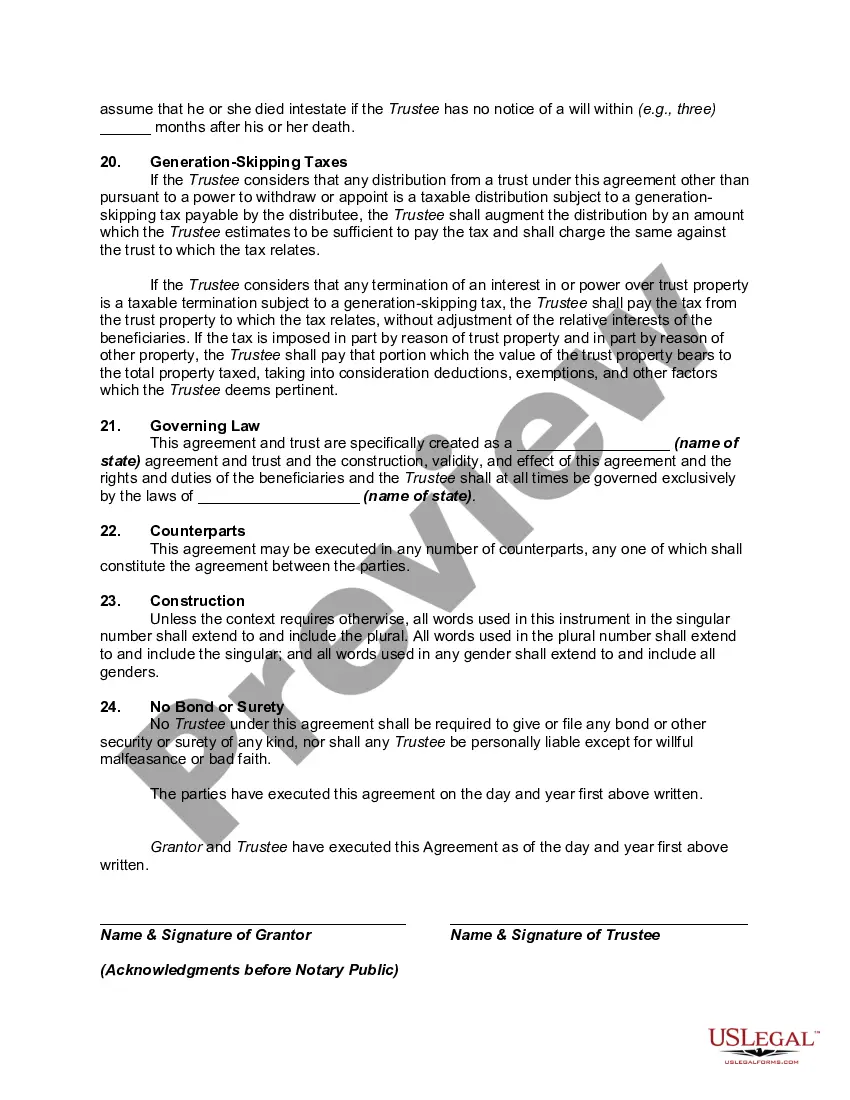
Description


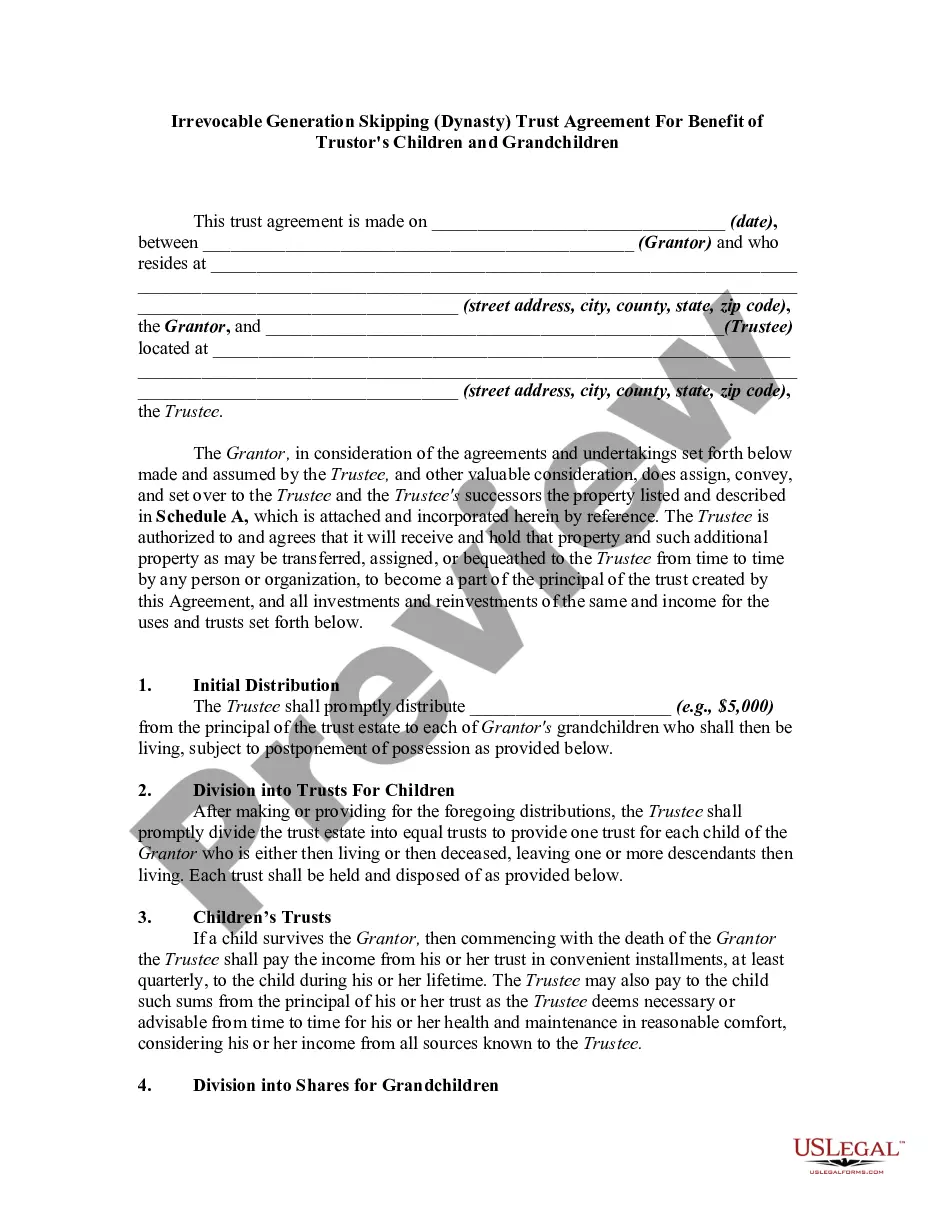
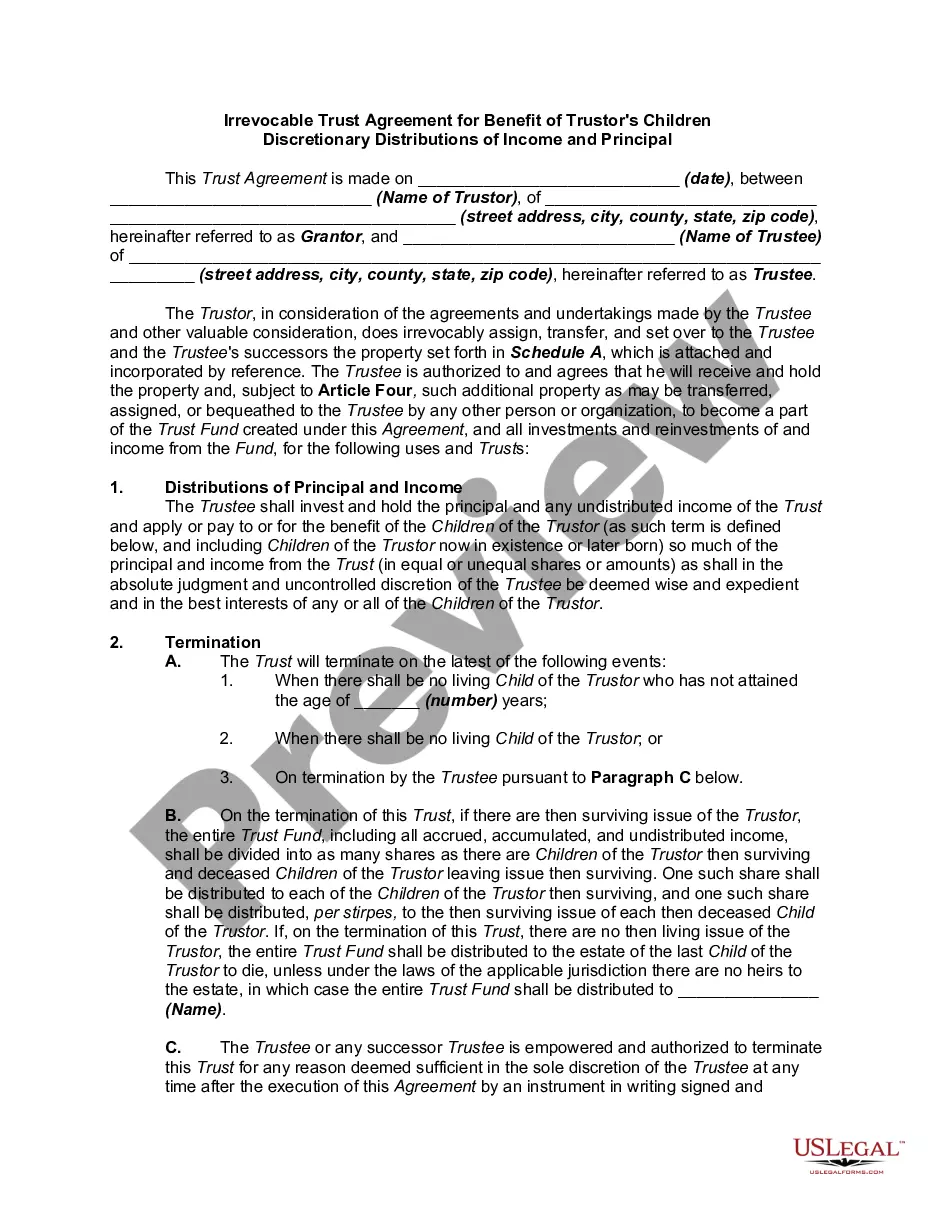


Get your form ready online
Our built-in tools help you complete, sign, share, and store your documents in one place.
Make edits, fill in missing information, and update formatting in US Legal Forms—just like you would in MS Word.
Download a copy, print it, send it by email, or mail it via USPS—whatever works best for your next step.
Sign and collect signatures with our SignNow integration. Send to multiple recipients, set reminders, and more. Go Premium to unlock E-Sign.
If this form requires notarization, complete it online through a secure video call—no need to meet a notary in person or wait for an appointment.
We protect your documents and personal data by following strict security and privacy standards.

Make edits, fill in missing information, and update formatting in US Legal Forms—just like you would in MS Word.

Download a copy, print it, send it by email, or mail it via USPS—whatever works best for your next step.

Sign and collect signatures with our SignNow integration. Send to multiple recipients, set reminders, and more. Go Premium to unlock E-Sign.

If this form requires notarization, complete it online through a secure video call—no need to meet a notary in person or wait for an appointment.

We protect your documents and personal data by following strict security and privacy standards.
Looking for another form?



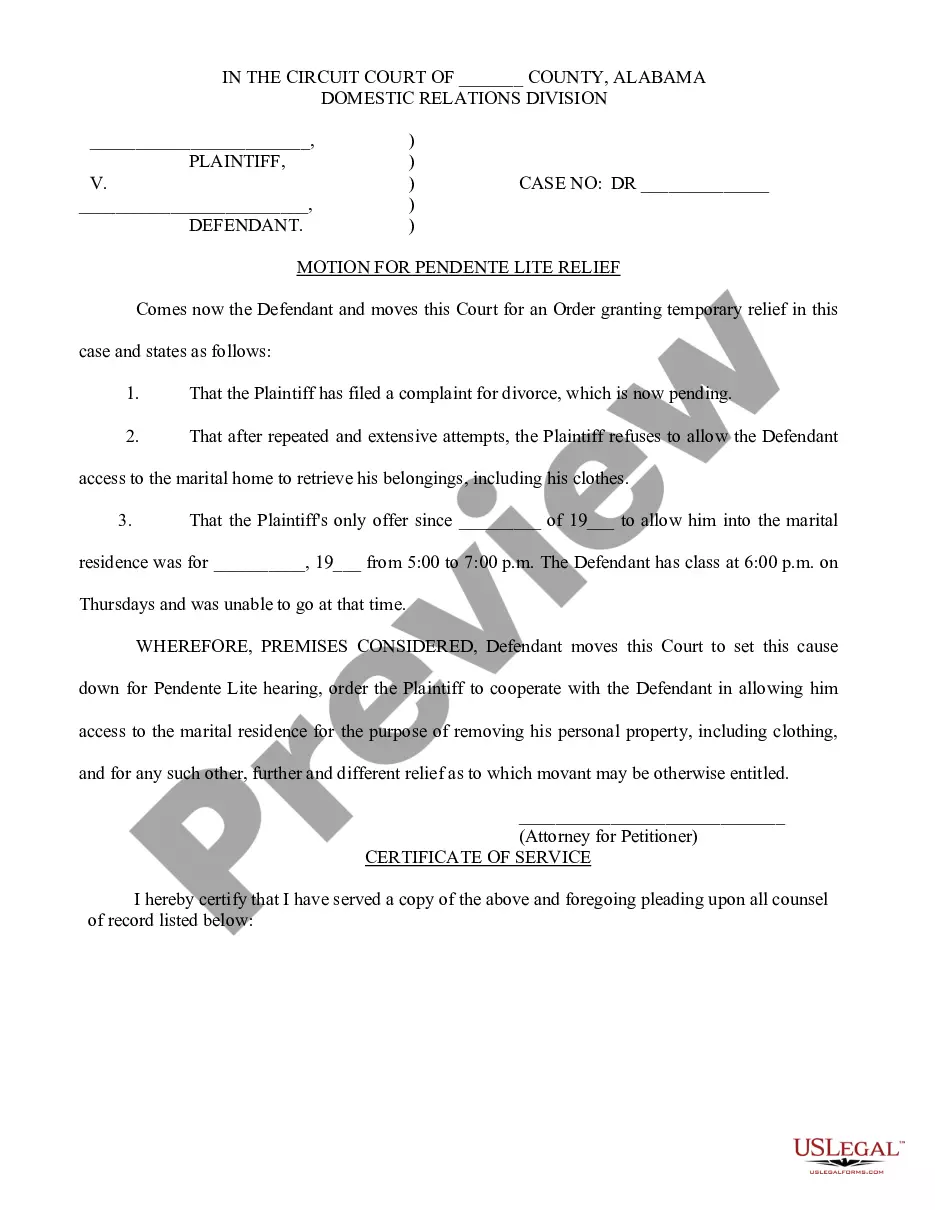



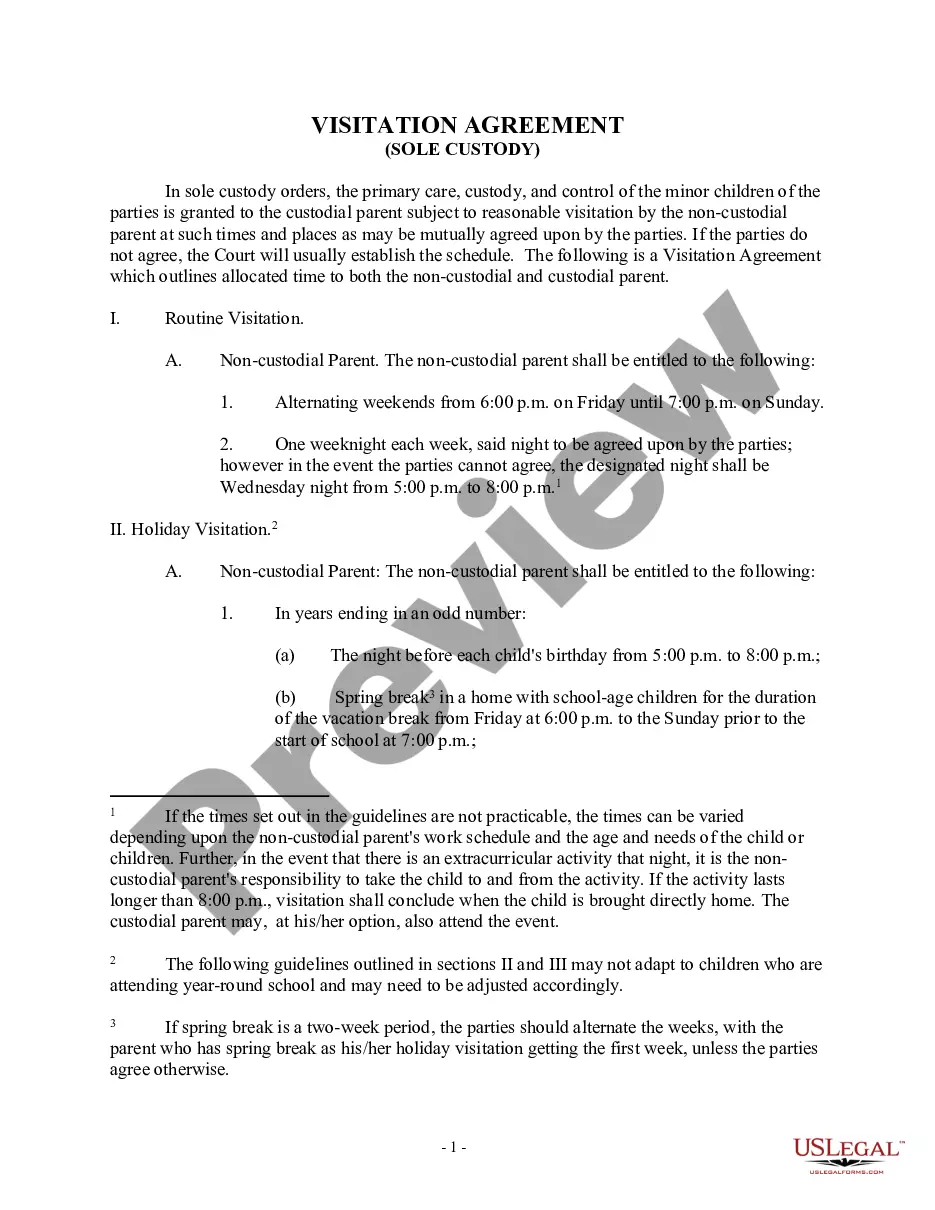

How to fill out Irrevocable Trust Agreement For Benefit Of Trustor's Children And Grandchildren?
- Begin by visiting the US Legal Forms website and log in to your account if you're a returning user. Ensure your subscription is active to access the necessary forms.
- If you are new to the platform, browse through the available forms. Check the Preview mode and read the form description to select the one that suits your requirements and complies with your local jurisdiction.
- Search for alternative templates by using the search bar if you encounter discrepancies or need a different document.
- Once you've found the right form, click the 'Buy Now' button to proceed. Select a subscription plan that suits your needs, and register for an account if you haven't already done so.
- Complete your purchase using a credit card or PayPal for your subscription to gain full access to the library.
- After your payment is processed, download the selected template to your device and access it anytime from the 'My Forms' section of your profile.
US Legal Forms simplifies the preparation of legal documents, ensuring users can quickly access the most extensive library of over 85,000 forms.
Taking advantage of these resources means you can navigate the legal landscape with confidence. Explore US Legal Forms today to streamline your legal documentation process!
Form popularity
FAQ
The primary purpose of trusts irrevocable is to provide a structured way to manage and distribute assets according to your wishes. They serve to minimize estate taxes and protect assets from creditors. Furthermore, irrevocable trusts can help ensure that your loved ones receive their inheritance as intended, avoiding probate and potential disputes. With the right tools, such as USLegalForms, you can easily navigate this complex process.
One significant downside of trusts irrevocable is the lack of flexibility. Once assets are placed in the trust, you cannot change your mind or reclaim them, which may limit your control over financial decisions. Additionally, setting up these trusts may involve complex legal processes. For many, this can lead to uncertainty without proper guidance.
The primary reason for establishing trusts irrevocable is asset protection. By transferring assets into an irrevocable trust, you effectively remove ownership, shielding them from creditors. This also helps in estate tax planning, as the assets are no longer considered part of your taxable estate. Ultimately, it provides peace of mind knowing your assets are safeguarded.
In most cases, you do not need to file an irrevocable trust with the court unless it is contested or needs judicial oversight for some reason. This distinction allows for privacy regarding the terms of your trust. It's important to ensure your documentation is complete and accurate, and UsLegalForms offers the tools to create trusts irrevocable while keeping your information confidential.
Typically, you do not file an irrevocable trust with any government entity upon its creation. However, it is advisable to keep the trust document in a secure place and inform involved parties of its existence. When it comes to taxes, you may need to file specific forms related to trusts irrevocable with the IRS. For help navigating these requirements, UsLegalForms can provide the necessary documentation.
Yes, you can create an irrevocable trust yourself, but it is crucial to understand the legal requirements involved. If not done properly, your trust may not achieve its intended purposes. Utilizing a service like UsLegalForms can simplify this process, guiding you to create legally sound trusts irrevocable that meet your needs.
The IRS treats irrevocable trusts as separate entities for tax purposes, meaning they require their own tax identification number. This rule affects how income generated by the trust is taxed. By understanding the IRS rules on trusts irrevocable, you can effectively manage your estate planning. For additional information, UsLegalForms offers tools and guides that can assist.
Generally, the IRS cannot take a house held in an irrevocable trust, as the property is no longer considered part of your estate. However, specific circumstances, such as unpaid taxes related to the property, may lead to different outcomes. It's wise to explore the intricacies of trusts irrevocable with a qualified expert to ensure your assets are protected. You can also find reliable resources on UsLegalForms.
The new IRS ruling clarifies how irrevocable trusts are treated for tax purposes. It emphasizes that funds placed in these trusts may not be accessible to you, which can have significant tax implications. Understanding these rules can help you maximize the benefits of trusts irrevocable. For personalized guidance, consider using platforms like UsLegalForms.
No, an irrevocable trust does not dissolve after death; it continues to exist. The trust will remain in effect until the terms outlined in the trust document are fulfilled. The assets will be managed by the appointed trustee, offering a smooth transition of wealth to your beneficiaries. This permanence can provide stability and assurance in your estate planning.