Trust Agreement Form With A Client
Description

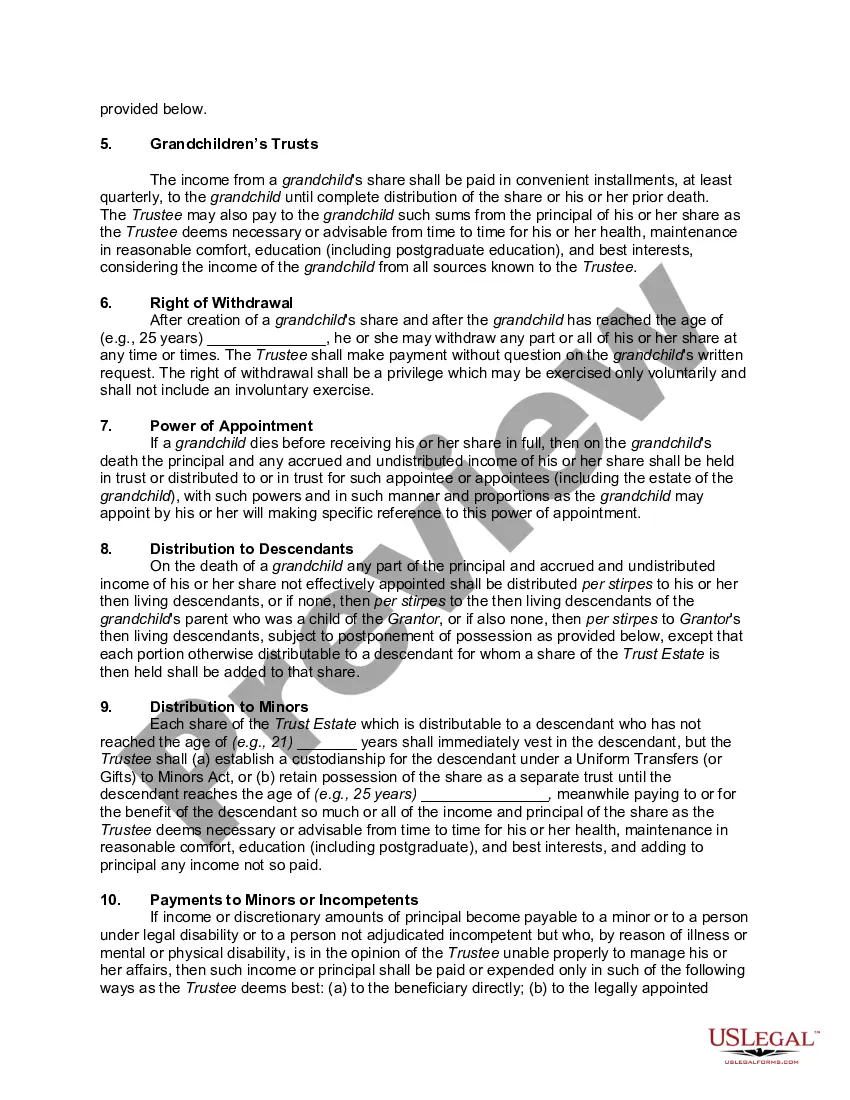
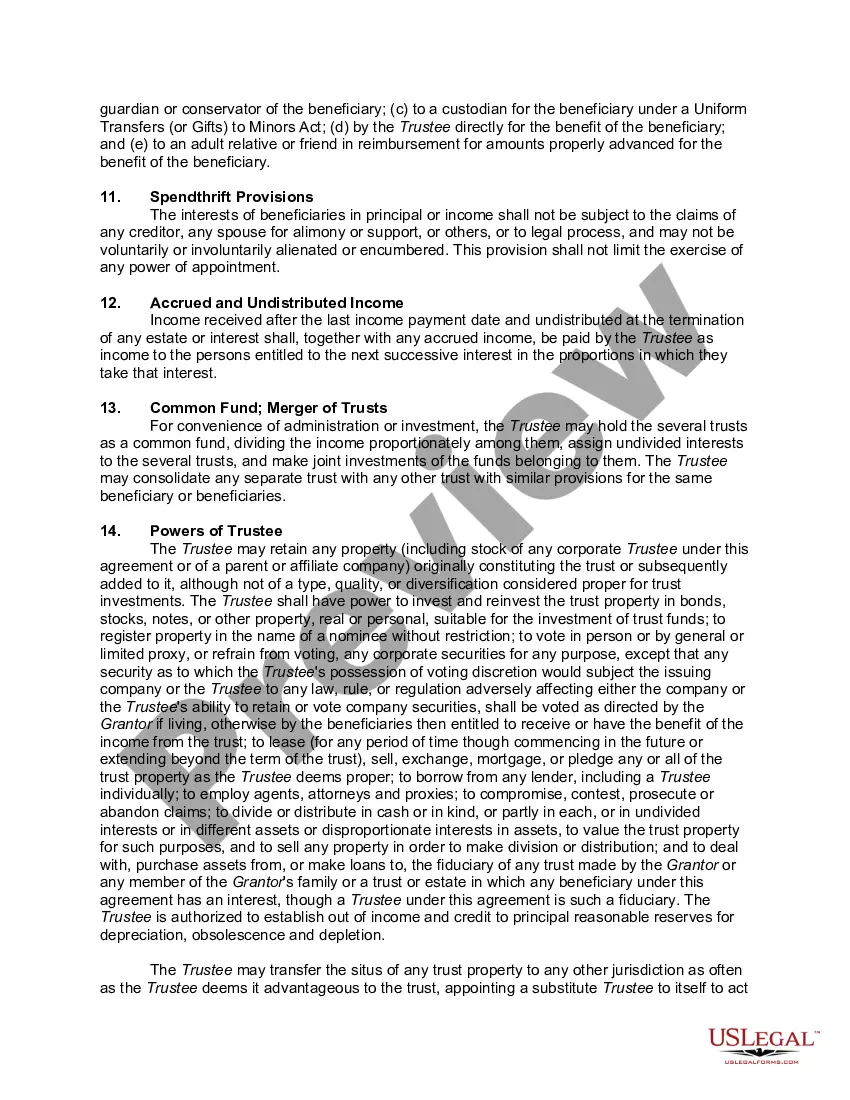
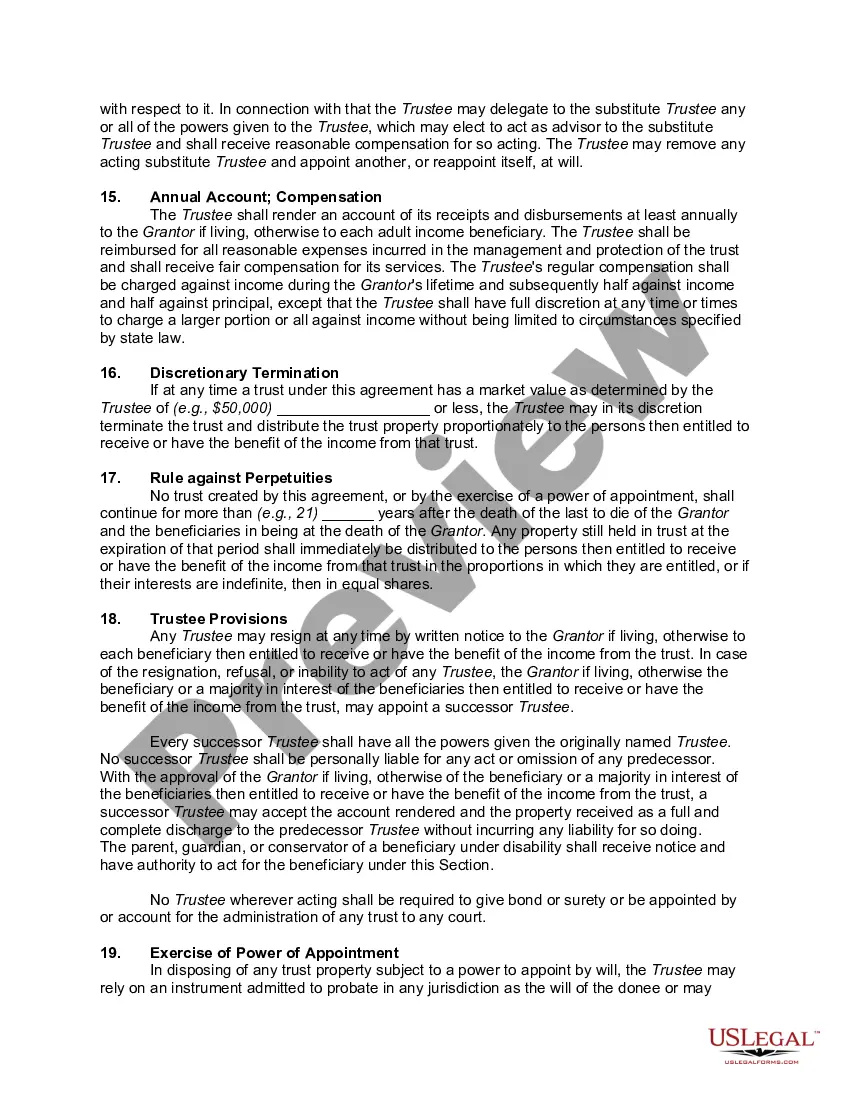
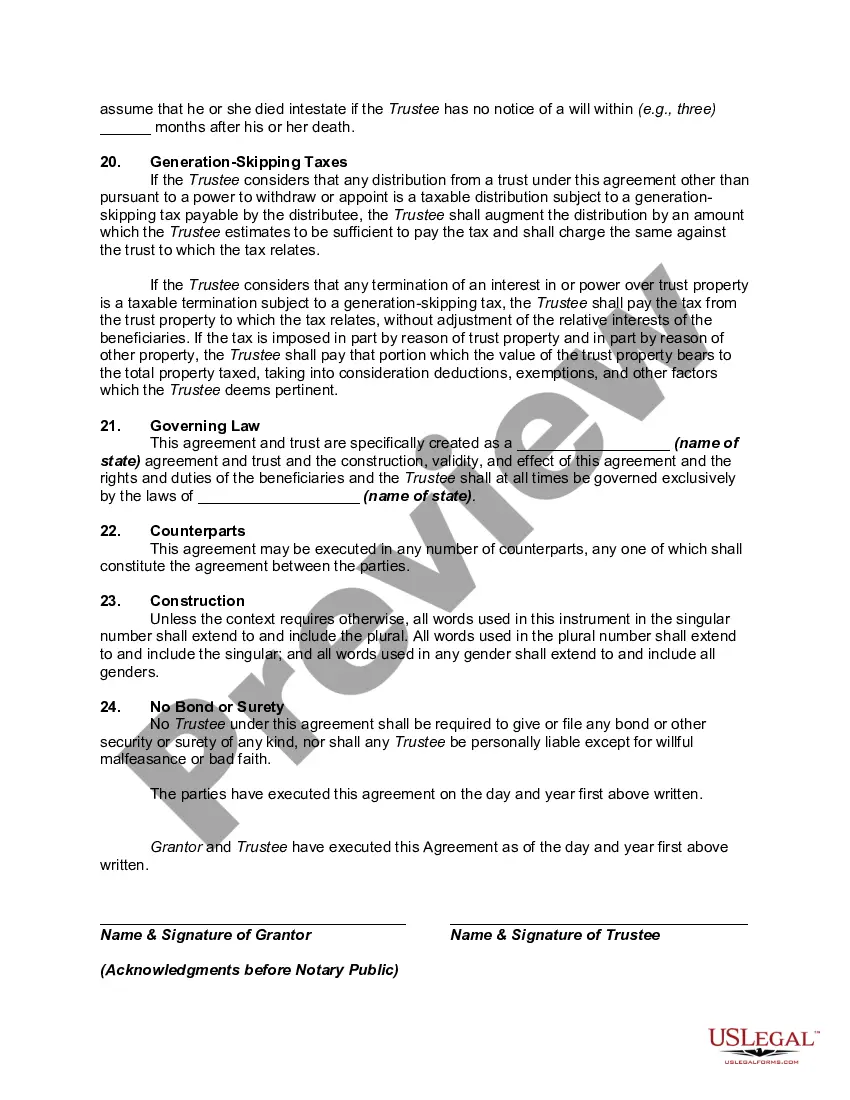

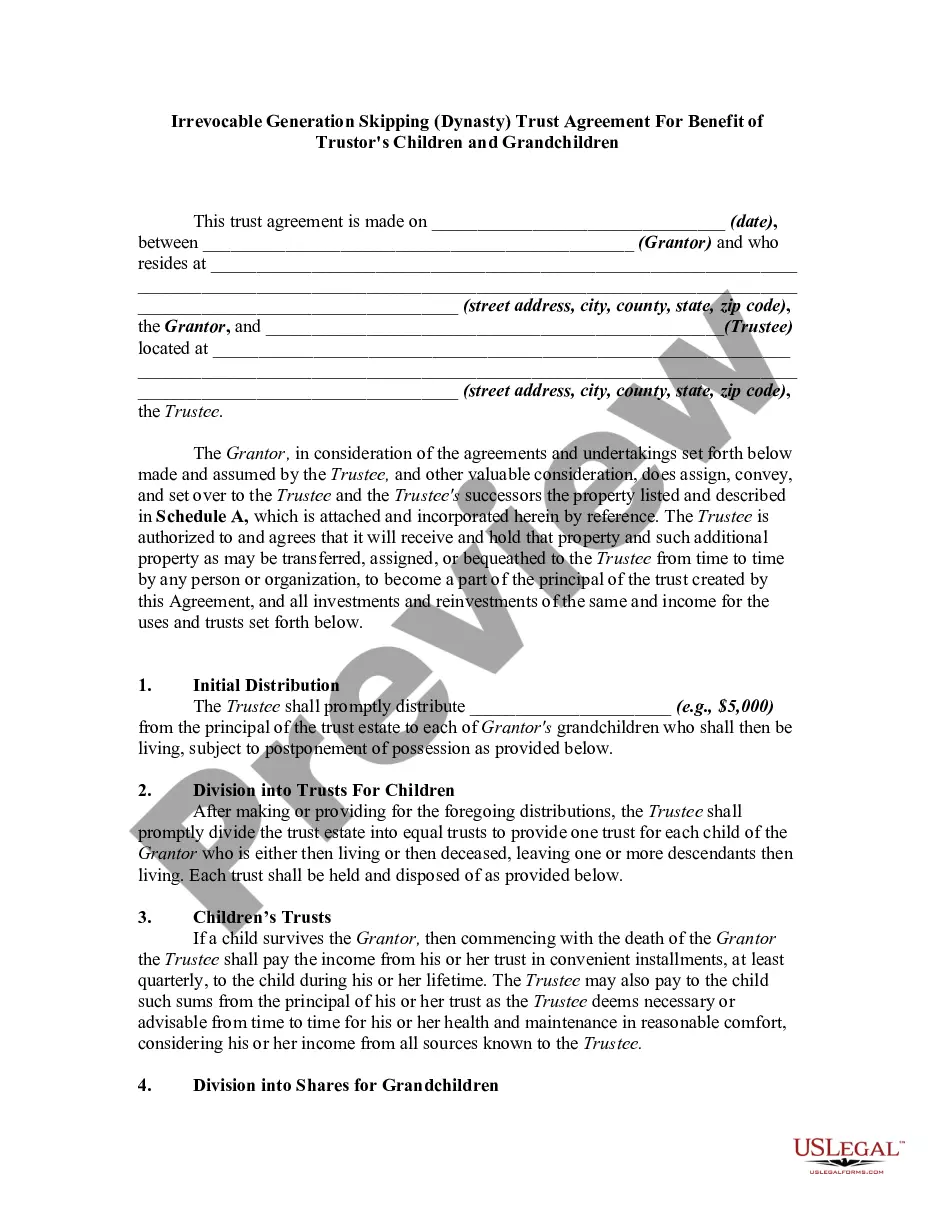
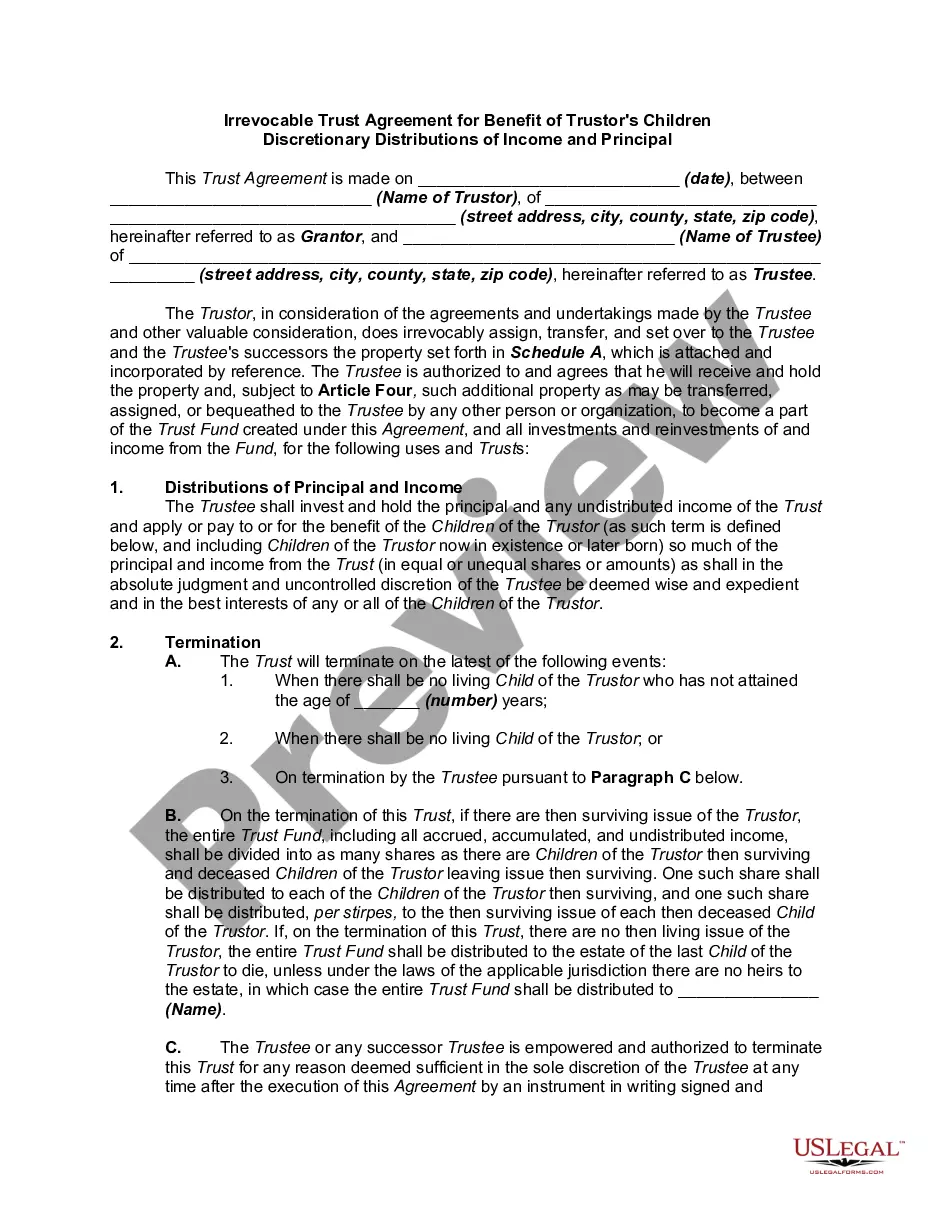


Get your form ready online
Our built-in tools help you complete, sign, share, and store your documents in one place.
Make edits, fill in missing information, and update formatting in US Legal Forms—just like you would in MS Word.
Download a copy, print it, send it by email, or mail it via USPS—whatever works best for your next step.
Sign and collect signatures with our SignNow integration. Send to multiple recipients, set reminders, and more. Go Premium to unlock E-Sign.
If this form requires notarization, complete it online through a secure video call—no need to meet a notary in person or wait for an appointment.
We protect your documents and personal data by following strict security and privacy standards.

Make edits, fill in missing information, and update formatting in US Legal Forms—just like you would in MS Word.

Download a copy, print it, send it by email, or mail it via USPS—whatever works best for your next step.

Sign and collect signatures with our SignNow integration. Send to multiple recipients, set reminders, and more. Go Premium to unlock E-Sign.

If this form requires notarization, complete it online through a secure video call—no need to meet a notary in person or wait for an appointment.

We protect your documents and personal data by following strict security and privacy standards.
Looking for another form?

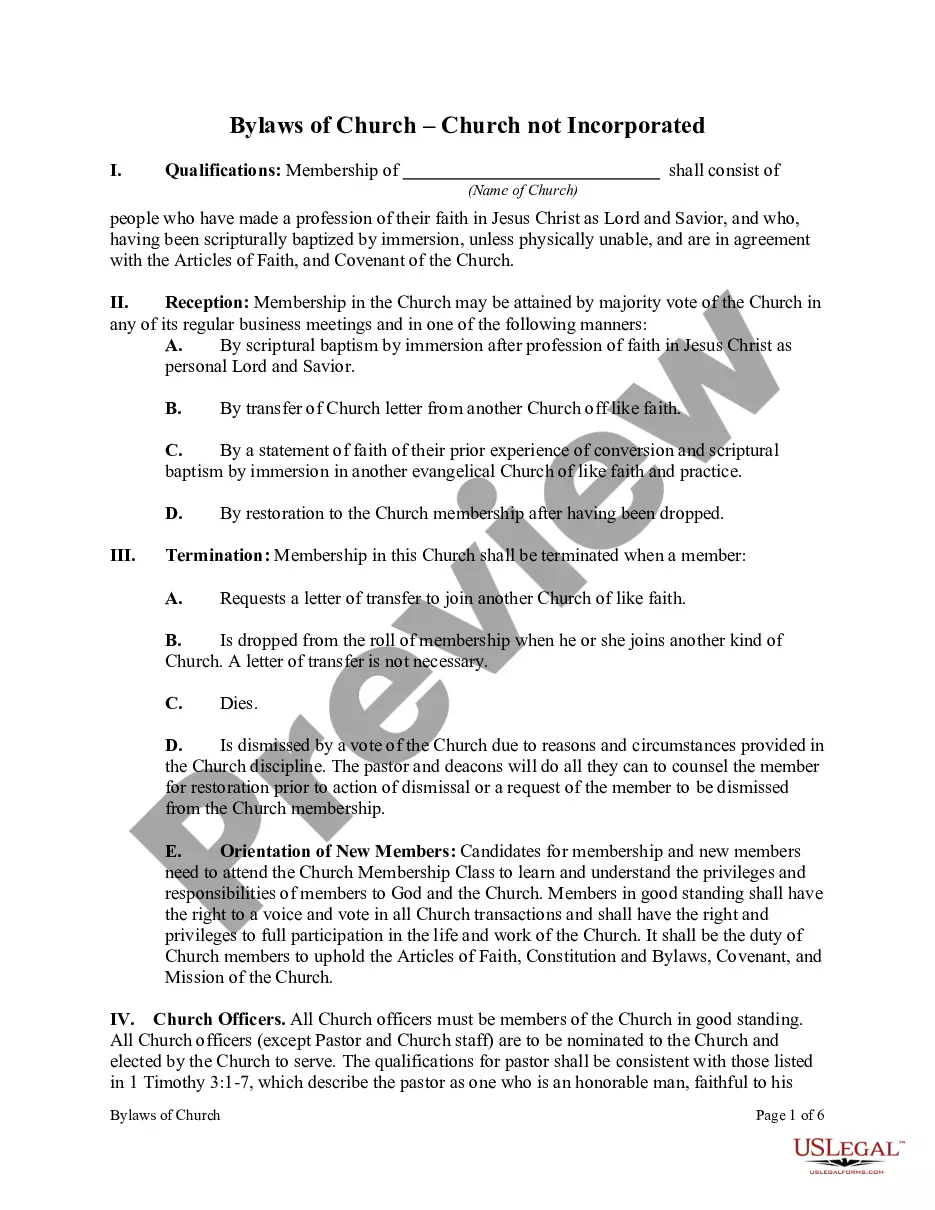
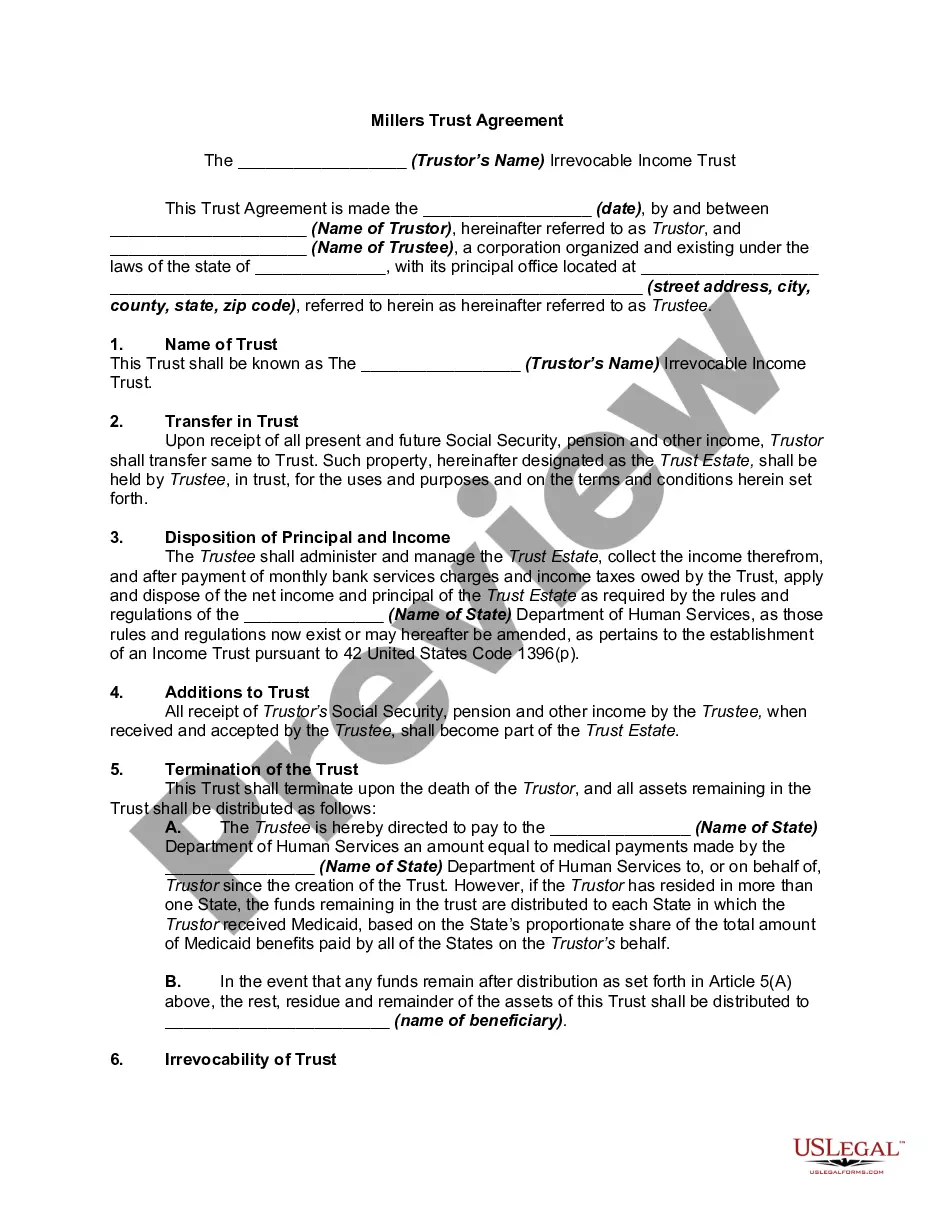
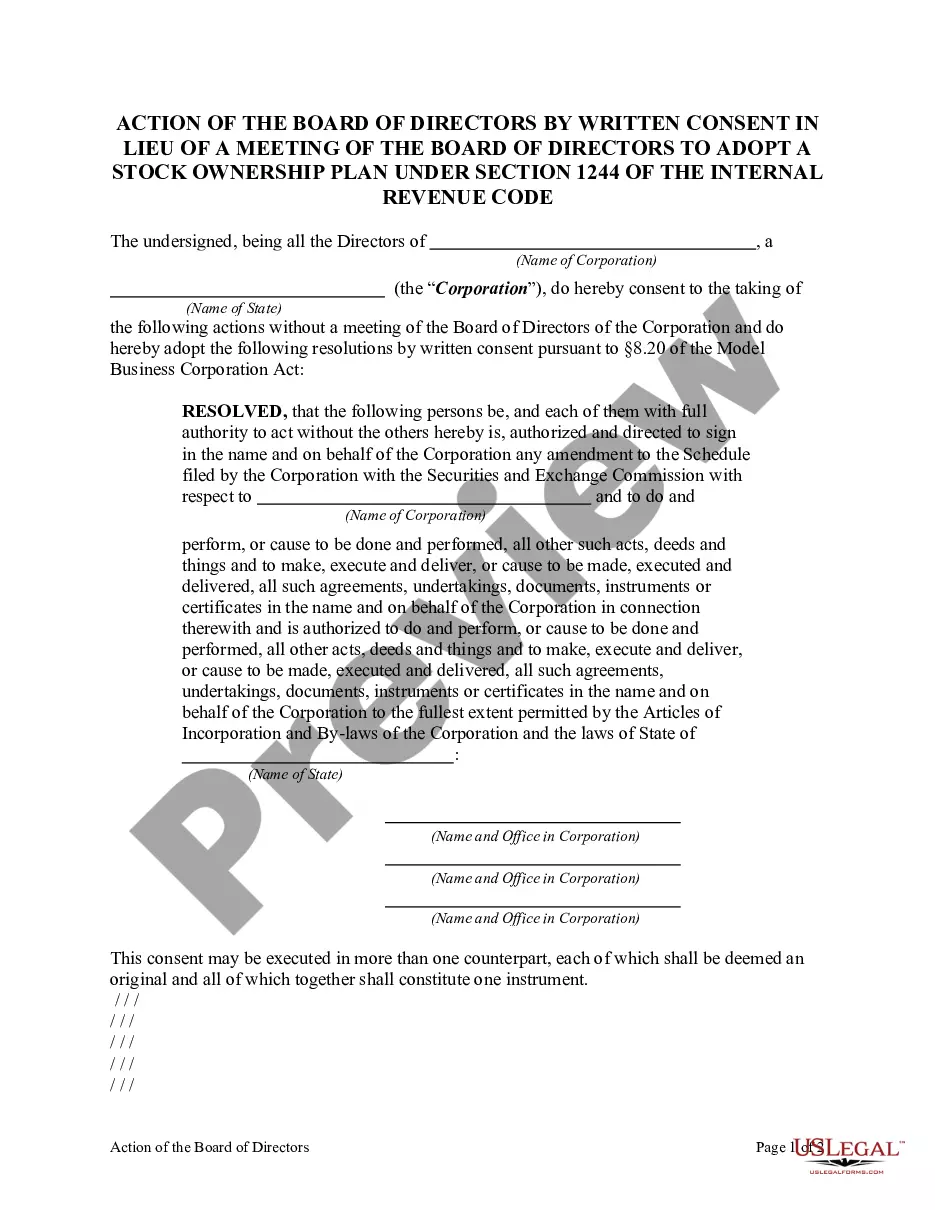

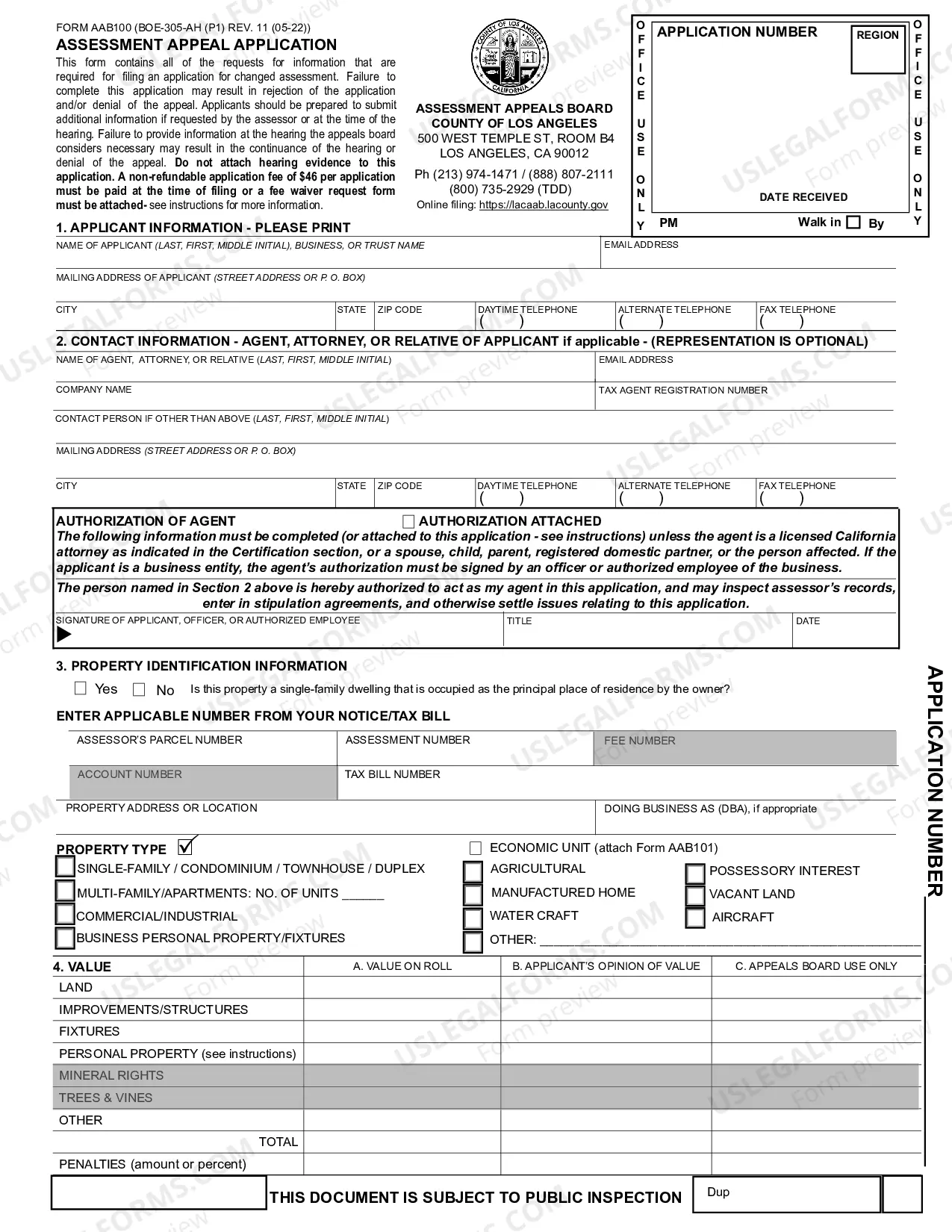




How to fill out Irrevocable Trust Agreement For Benefit Of Trustor's Children And Grandchildren?
- If you are a returning user, log in to your account and select the trust agreement form. Ensure your subscription is active, renewing if necessary.
- If you are new, start by checking the Preview mode and form description. Confirm that the selected template aligns with your requirements and local regulations.
- If you need a different template, utilize the Search feature at the top of the page to find the appropriate document.
- Once you find the right form, click on the Buy Now button and choose your preferred subscription plan. You'll need to create an account to access the extensive resources available.
- Complete your purchase by providing your payment details via credit card or PayPal.
- Download your trust agreement form and save it on your device. You can also access it anytime from the My Forms section of your profile.
In conclusion, US Legal Forms offers a robust platform for not only obtaining but also accurately completing legal documents like trust agreements. With over 85,000 forms and premium assistance available, users can easily navigate their legal needs with confidence.
Start your journey with US Legal Forms today to experience the convenience of on-demand legal document generation!
Form popularity
FAQ
To create a valid trust, you need to have a clear intent to establish the trust, identifiable trust property, a properly appointed trustee, designated beneficiaries, and a lawful purpose. By using a trust agreement form with a client, you can ensure these requirements are met, providing peace of mind and legal certainty.
The 5 5 trust rule refers to the provision that allows beneficiaries to withdraw up to $5,000 or 5% of the trust's value each year, whichever is greater. This rule can provide flexibility for beneficiaries, and it's essential to outline this clearly in a trust agreement form with a client to prevent confusion.
The trust agreement is usually prepared by an attorney, especially one who specializes in estate planning. However, with platforms like US Legal Forms, clients can efficiently create their own trust agreement form with a client, ensuring all legal requirements are covered without needing extensive legal fees.
The five essential elements to form a trust include a clear intent to create the trust, a designated trustee, identifiable trust property, an intended beneficiary, and legal purpose. When filling out a trust agreement form with a client, it’s important to address each one of these elements comprehensively to ensure validity.
The biggest mistake parents often make is failing to communicate clearly about the trust's purpose and terms. This can lead to misunderstandings among heirs. A trust agreement form with a client ensures that all intentions are documented and easily understood, avoiding potential conflicts.
To determine if a trust is valid, you need to ensure it meets state laws. Typically, a valid trust requires a clear intention, identifiable property, and a competent trustee. When using a trust agreement form with a client, make sure all elements are present and legally binding.
To draft a trust document, start by outlining the grantor's intentions clearly, detailing how assets will be managed and distributed. It's also essential to include information about the trustee and the beneficiaries in the trust agreement form with a client. Consider seeking legal assistance to ensure that the document adheres to state laws and reflects the grantor's wishes accurately.
Determining whether your parents should put their assets in a trust depends on their financial and estate planning goals. A trust can provide control and flexibility over asset distribution, which is beneficial if they want to avoid probate. Discussing a trust agreement form with a client will clarify their needs and help them make an informed decision about their situation.
One disadvantage of a family trust is the complexity it can introduce into family dynamics, particularly if family members disagree about management decisions. This often requires clear communication and careful drafting of the trust agreement form with a client to ensure their wishes are respected. Moreover, family trusts can incur significant ongoing expenses, especially when professional management is needed.
A significant downfall of having a trust is the potential for ongoing management and administrative responsibilities. Trusts require regular updates and reviews, which can be time-consuming. When creating a trust agreement form with a client, ensure they are aware that these ongoing commitments might involve additional costs or time to maintain.