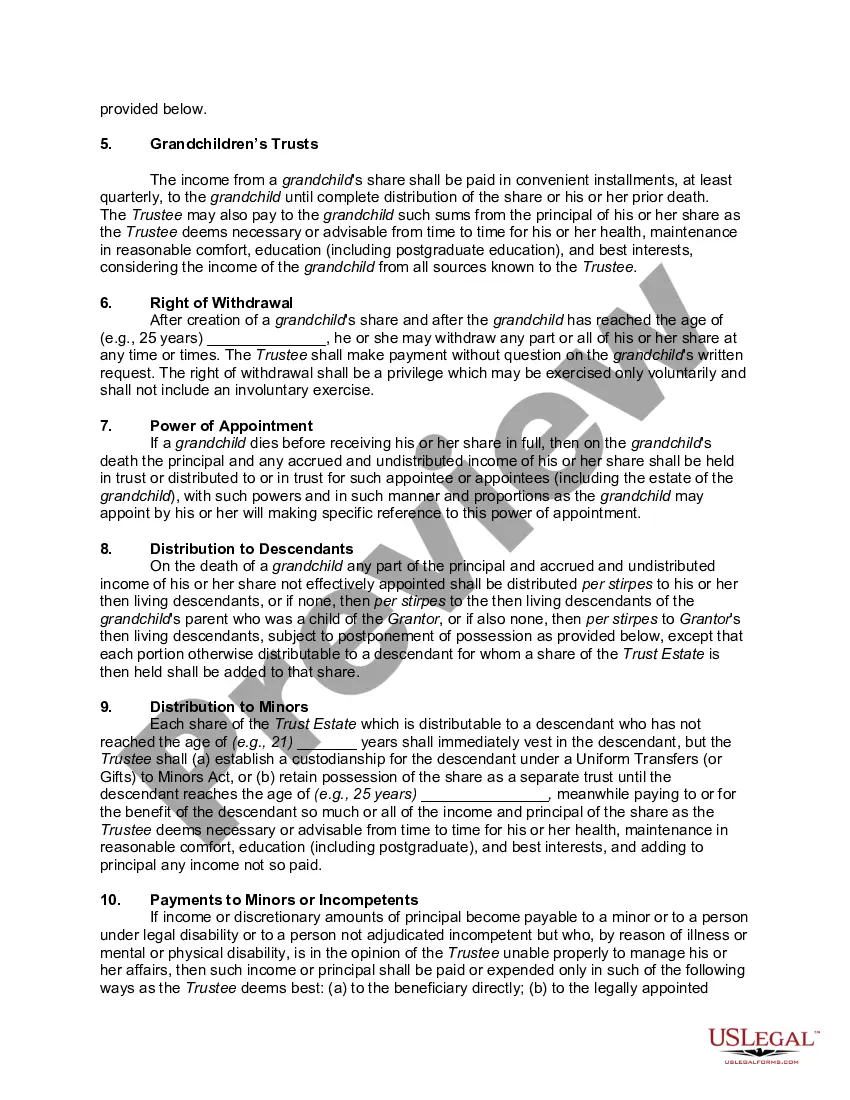
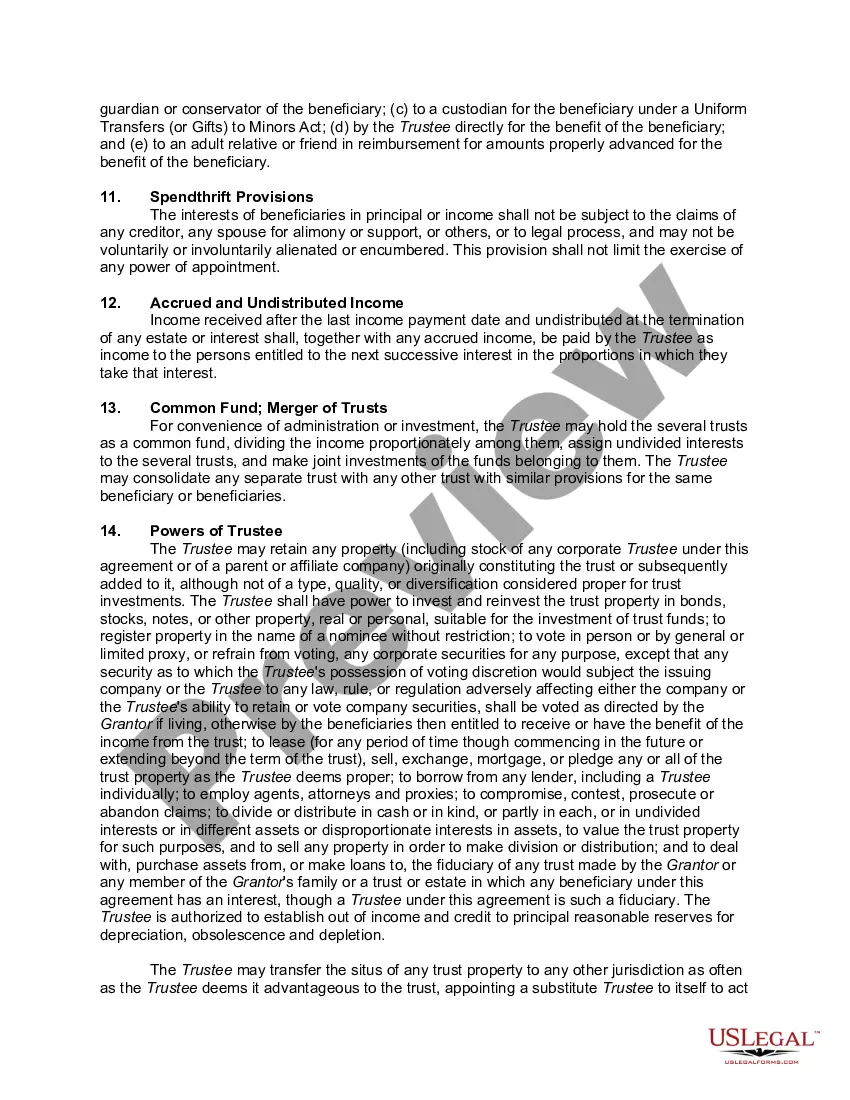
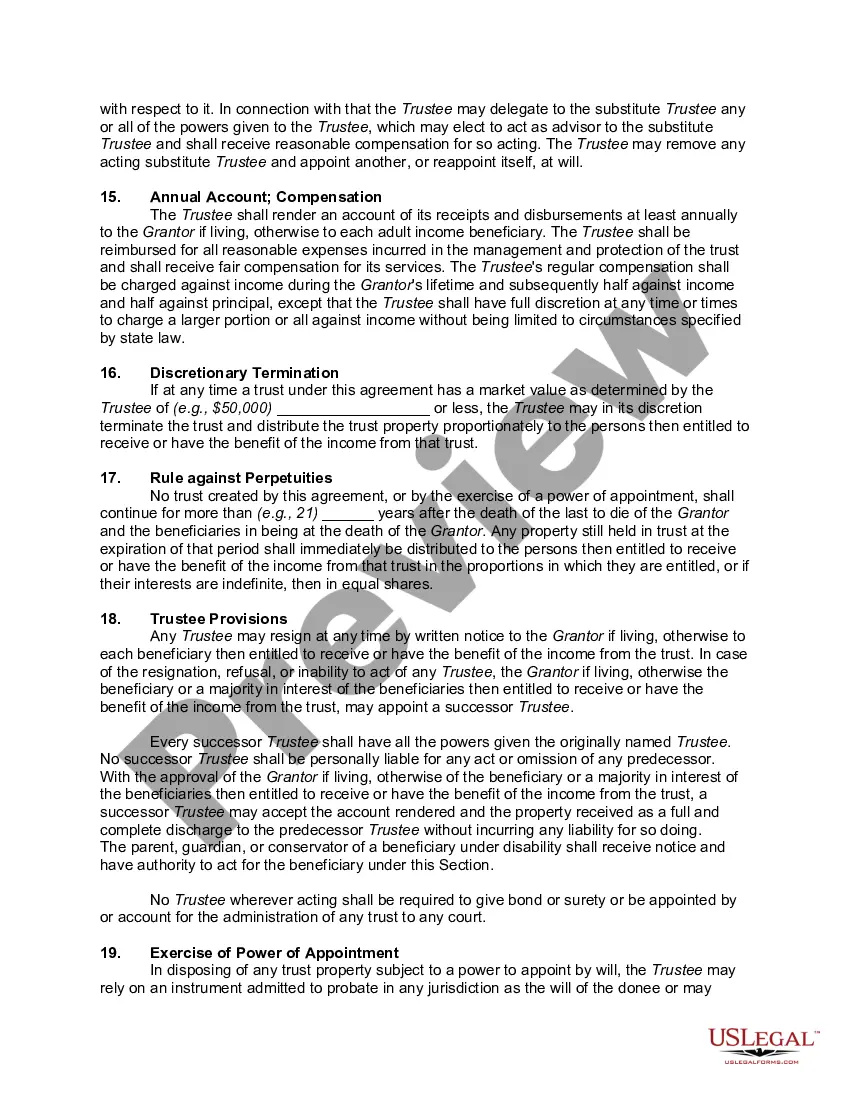
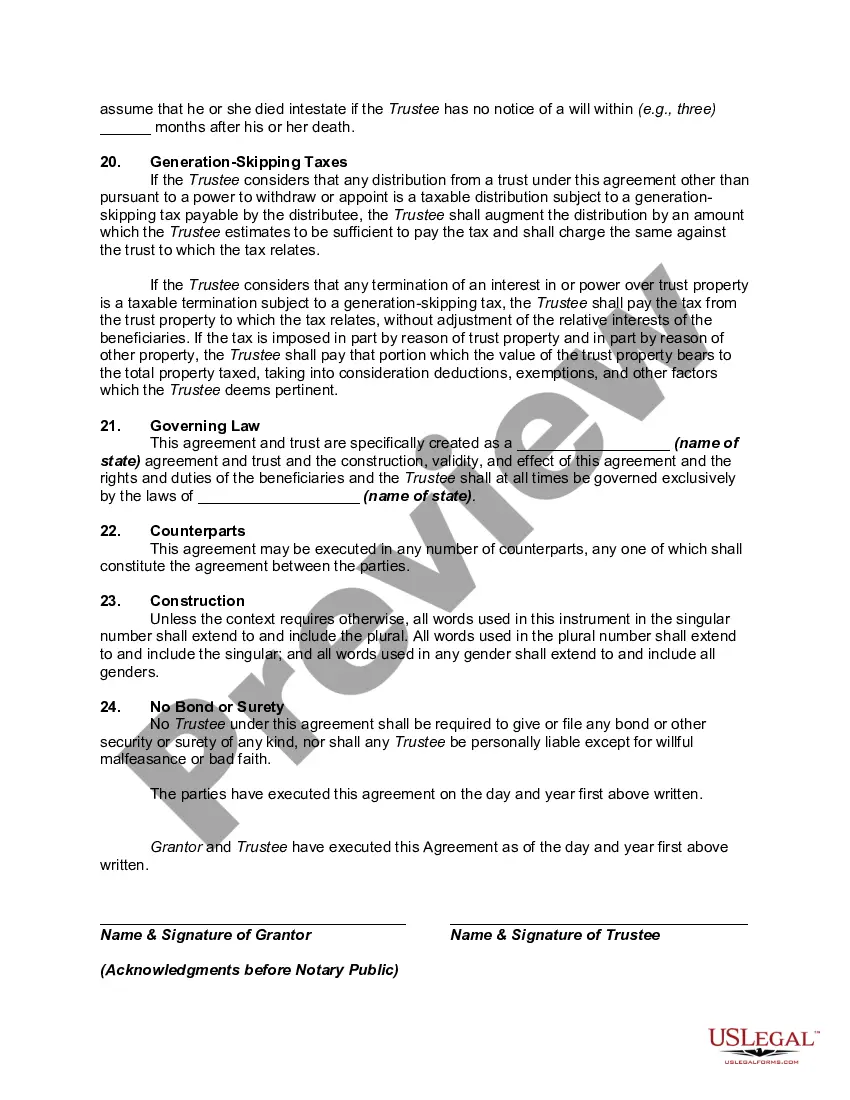
Shall Grantor Her For Granted
Description


Get your form ready online
Our built-in tools help you complete, sign, share, and store your documents in one place.
Make edits, fill in missing information, and update formatting in US Legal Forms—just like you would in MS Word.
Download a copy, print it, send it by email, or mail it via USPS—whatever works best for your next step.
Sign and collect signatures with our SignNow integration. Send to multiple recipients, set reminders, and more. Go Premium to unlock E-Sign.
If this form requires notarization, complete it online through a secure video call—no need to meet a notary in person or wait for an appointment.
We protect your documents and personal data by following strict security and privacy standards.

Make edits, fill in missing information, and update formatting in US Legal Forms—just like you would in MS Word.

Download a copy, print it, send it by email, or mail it via USPS—whatever works best for your next step.

Sign and collect signatures with our SignNow integration. Send to multiple recipients, set reminders, and more. Go Premium to unlock E-Sign.

If this form requires notarization, complete it online through a secure video call—no need to meet a notary in person or wait for an appointment.

We protect your documents and personal data by following strict security and privacy standards.
Looking for another form?




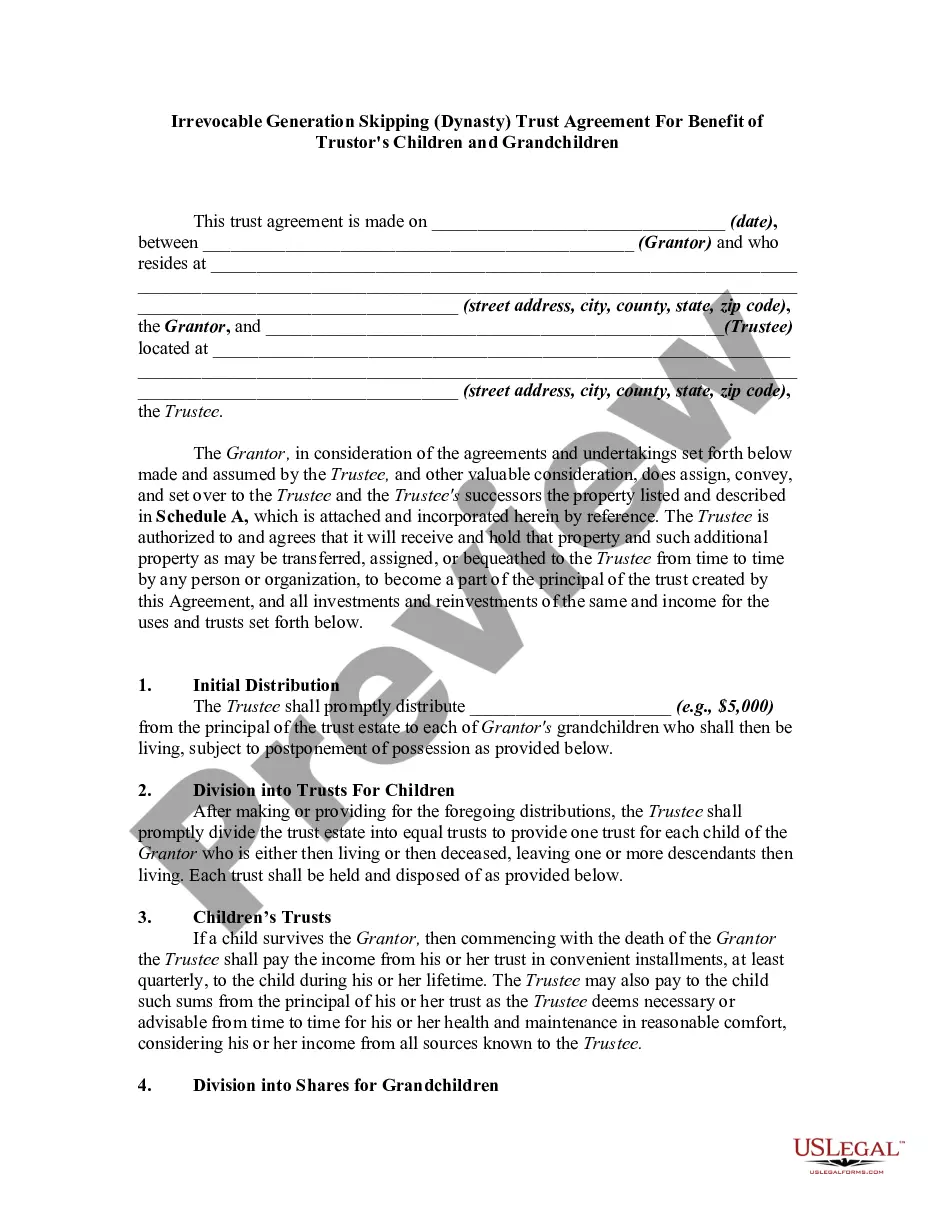
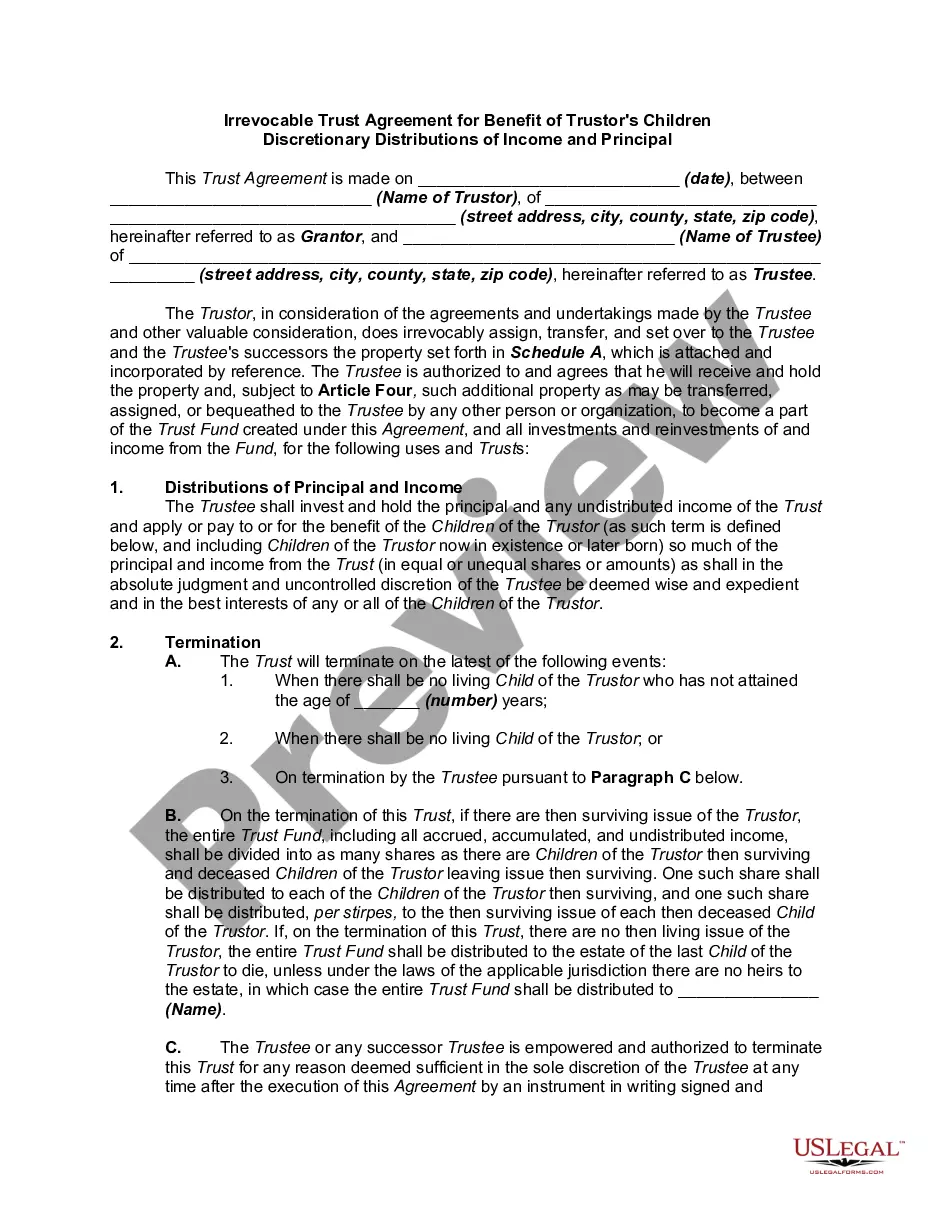
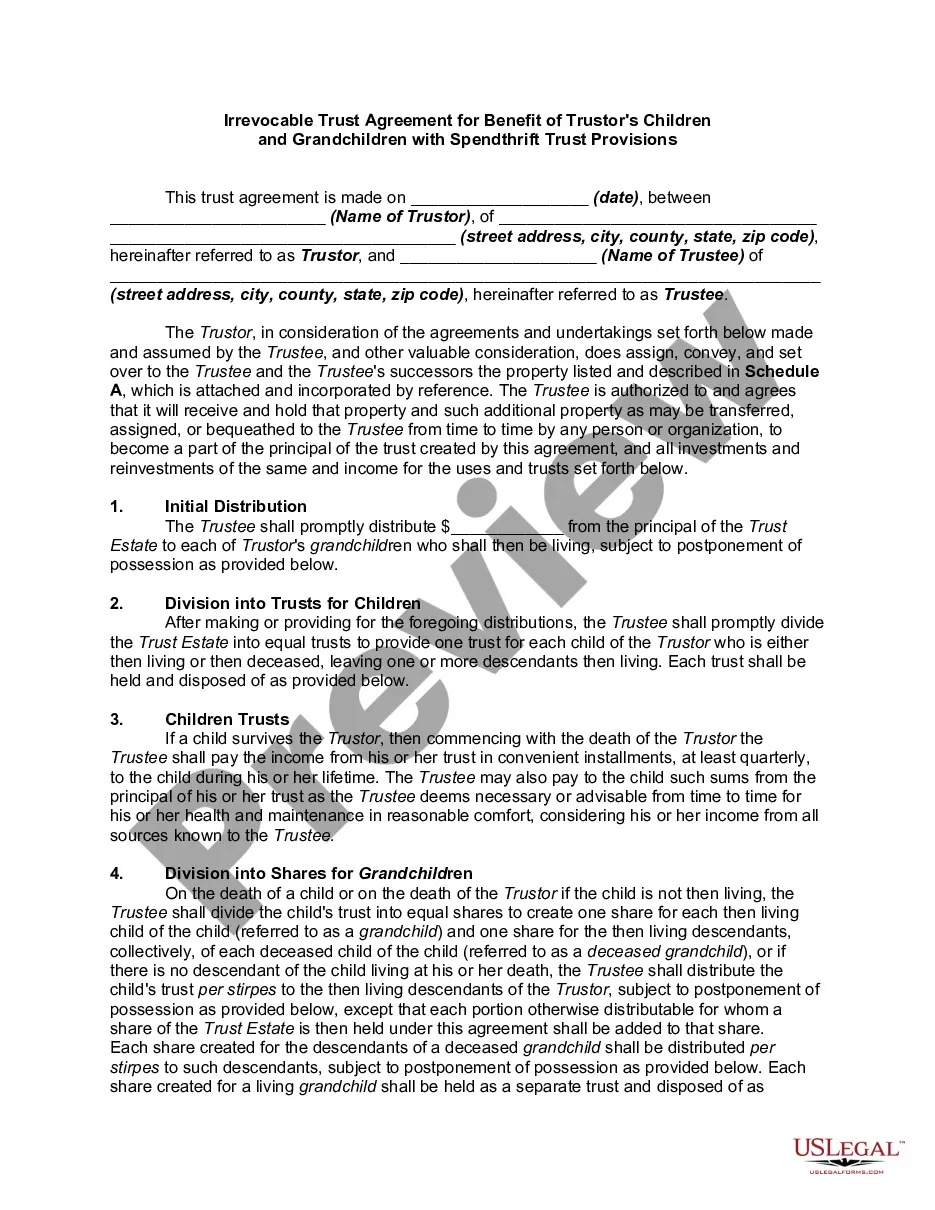
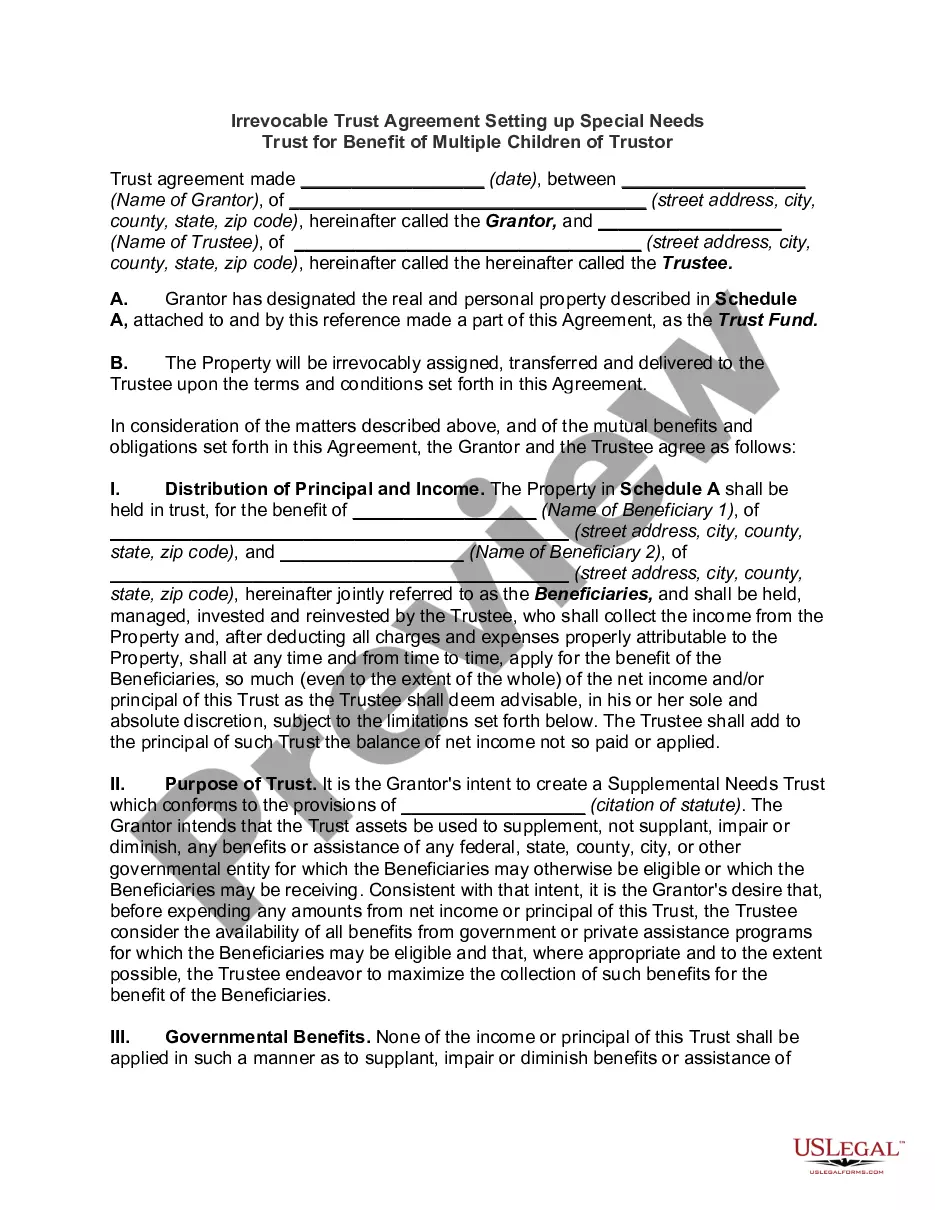
How to fill out Irrevocable Trust Agreement For Benefit Of Trustor's Children And Grandchildren?
- If you're a returning user, log in to your account and check your subscription status before downloading your required document.
- For first-time users, begin by reviewing the form descriptions and Preview mode to ensure you've selected the right document that aligns with your local jurisdiction.
- If the form doesn't suit your needs, utilize the Search tab above to locate an alternative template.
- Once you've found the correct document, click on the Buy Now button to select a suitable subscription plan. You'll need to create an account for resource access.
- Proceed with your purchase by entering your payment details, using your credit card or PayPal.
- Finally, download the form to your device, and remember, you can always access it later from the My Forms section of your profile.
With US Legal Forms, you have a robust collection of legal documents at your fingertips, ensuring your needs are met swiftly and efficiently.
Don't hesitate—start securing your legal documents today with US Legal Forms!
Form popularity
FAQ
Determining whether you are the grantor or grantee depends on your role in the property transfer. If you are the individual transferring the ownership, you are the grantor. Conversely, if you are receiving the property or asset, you are the grantee. This distinction is crucial for understanding your rights and obligations during the transaction process. To find clarity about your role, refer to US Legal Forms for detailed guidance.
The grantor is the person who transfers ownership of an asset to another party, known as the grantee. This role is vital in legal documents, as the grantor's intent must be clear for the transfer to be valid. Understanding who the grantor is helps clarify the responsibilities tied to the property or asset. For additional insights on this topic, US Legal Forms offers informative resources that are beneficial for navigating these transactions.
Upon receiving a grantor letter, you should review it thoroughly to understand the intentions behind the property transfer. Following this, file the letter with other important documents related to the asset. This step is important for maintaining accurate records and ensuring that your legal standing is protected. If you need further assistance, resources available on US Legal Forms can guide you through managing grantor letters effectively.
To enter information from a grantor letter, you should carefully read the document and identify the key details such as the grantor's name, property description, and any specific conditions. Input this information accurately into the appropriate forms or agreements. Taking your time with this process will help prevent mistakes and ensure all pertinent information is recorded correctly. Consider using platforms like US Legal Forms for user-friendly templates tailored for these tasks.
No, a grantor letter is not the same as a K1 form. A K1 form is used in partnerships and S-Corporations to report income, while a grantor letter focuses on the intent of the grantor in an asset transfer. Thus, these documents serve very different purposes in the financial and legal worlds. If you're uncertain about these forms, exploring resources on US Legal Forms can help clarify their uses.
A grantor letter describes the intentions and terms set by the grantor when transferring an asset, while a 1099 form is used by the IRS to report income. In essence, a grantor letter facilitates the transfer of ownership, whereas a 1099 serves tax reporting purposes. Understanding this difference is crucial for properly managing financial obligations and ensuring compliance with tax laws. For accurate form preparation, consider utilizing US Legal Forms for guidance.
A grantor letter is a document that outlines the intentions of the grantor regarding a property or asset. This letter provides important information about the grantor's wishes and the conditions under which the grant is to be executed. Understanding this document is essential, as it may affect the future of the asset. Therefore, it is recommended to refer to tools provided by US Legal Forms when drafting or reviewing a grantor letter.
Yes, the grantor and grantee can be the same individual. This situation often occurs in estate planning, where one person chooses to transfer property to themselves for various legal reasons. By doing this, the individual can ensure that the property is managed according to their wishes. It's important to understand the implications of such transactions, and you may find it helpful to use resources like US Legal Forms.
The main difference between a grantor and an owner lies in their roles during a property transfer. An owner possesses the property rights, while a grantor actively engages in the transfer of those rights to another party. Understanding these distinctions, along with the phrase 'shall grantor her for granted,' helps navigate legal documents and agreements effectively, which can be facilitated by platforms like uslegalforms.
Having a grantor means that there is a recognized party responsible for transferring rights or property to another individual or entity. This relationship creates a legal framework for the transfer and ensures that all parties understand their obligations. In many scenarios, such as estate planning, knowing the phrase 'shall grantor her for granted' helps establish clarity for both grantors and grantees.