Irrevocable Trust Trustors With No Title
Description

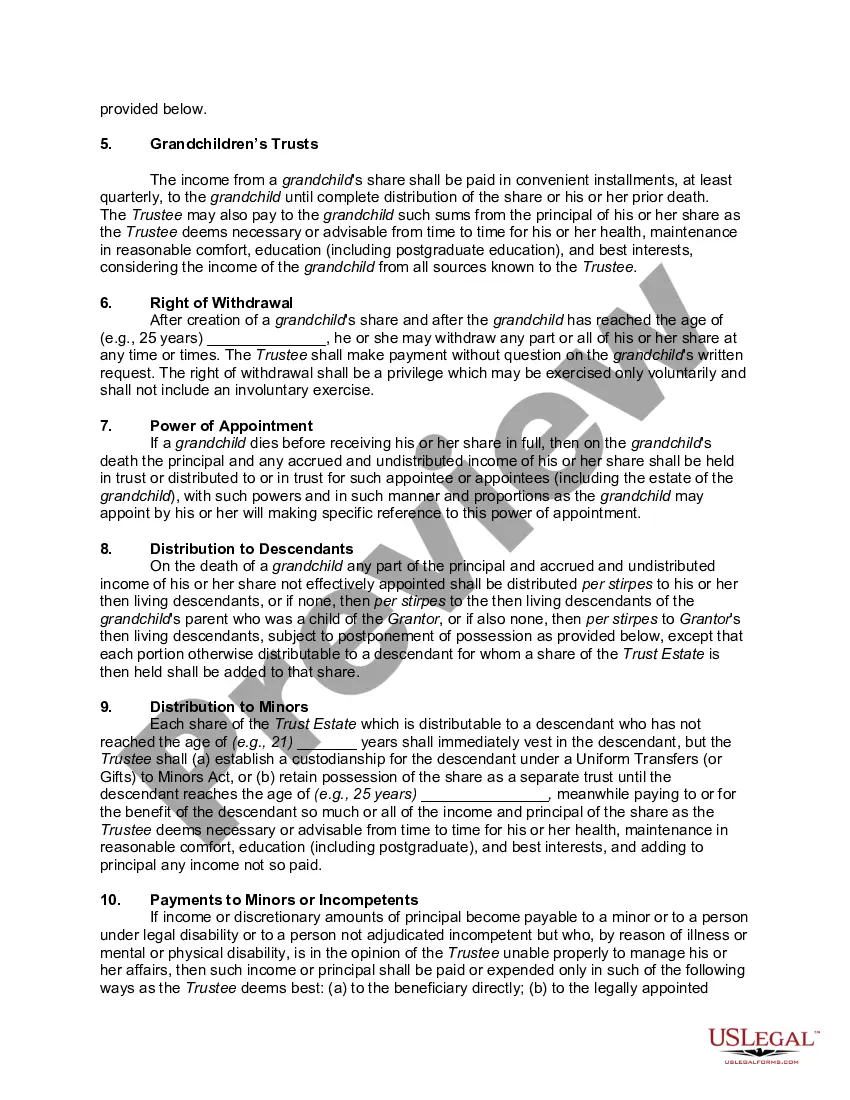
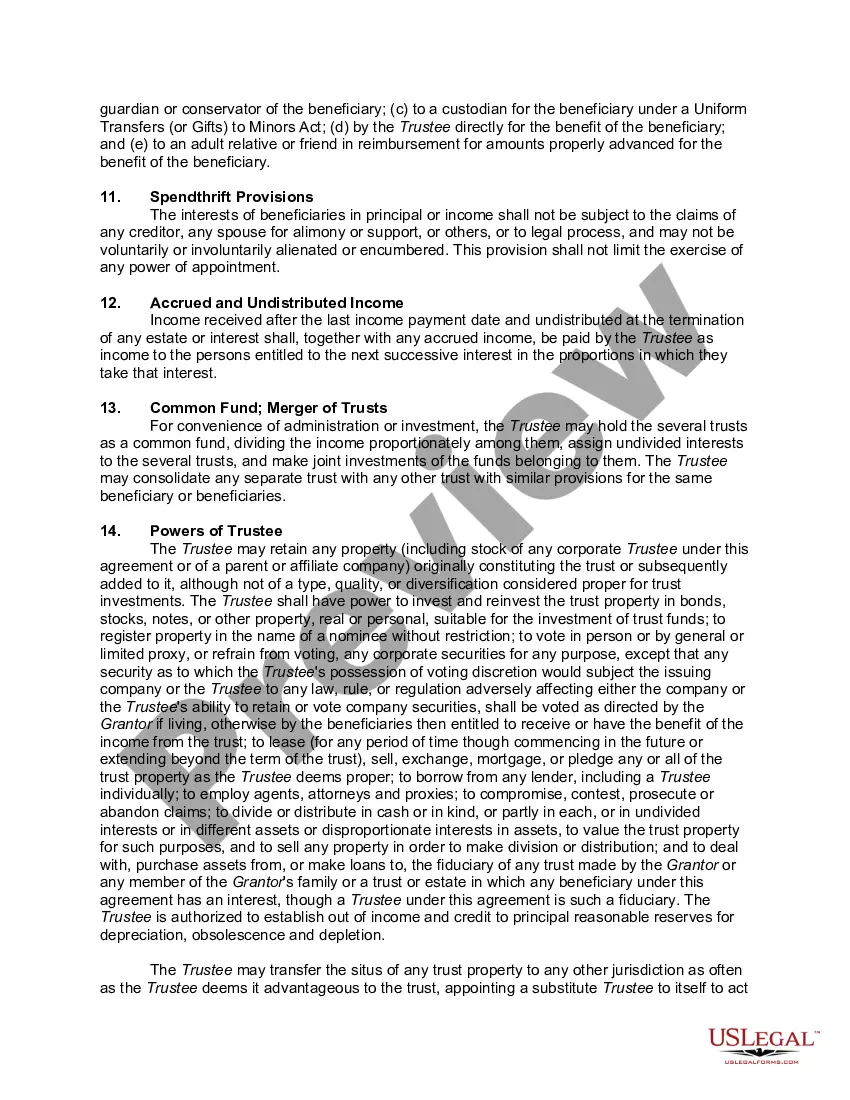
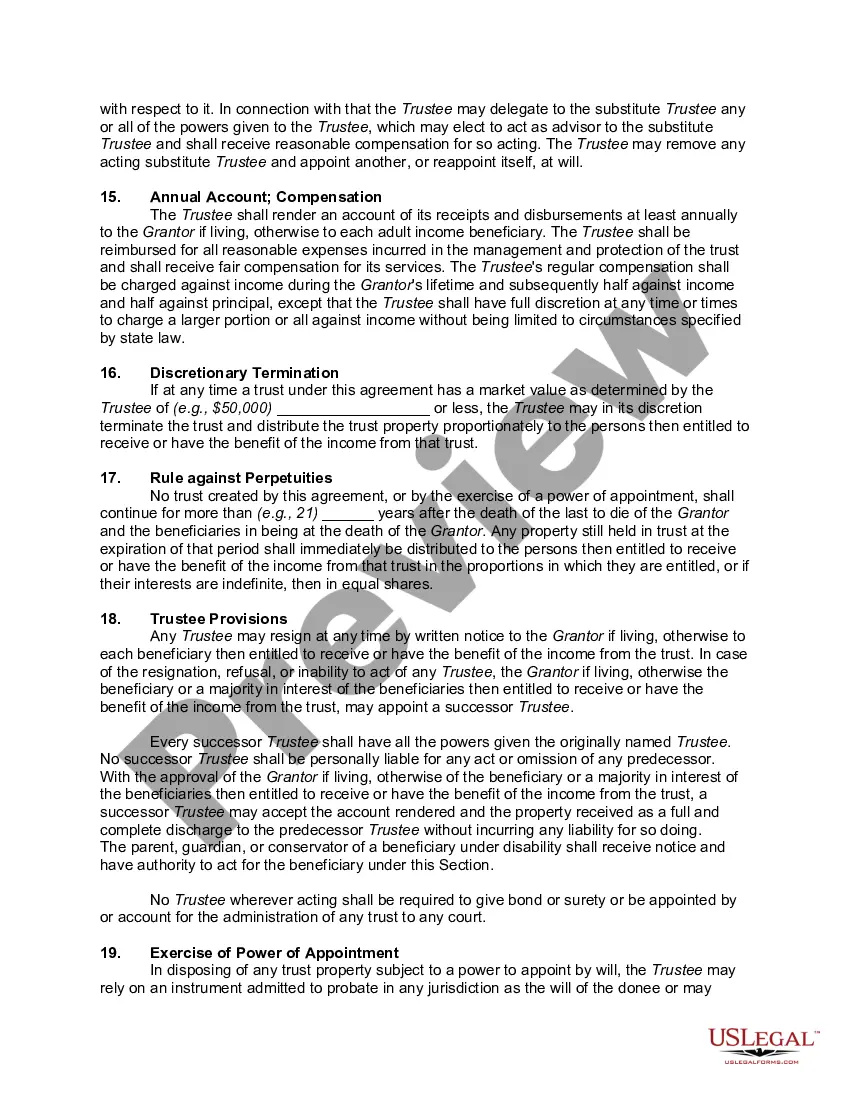
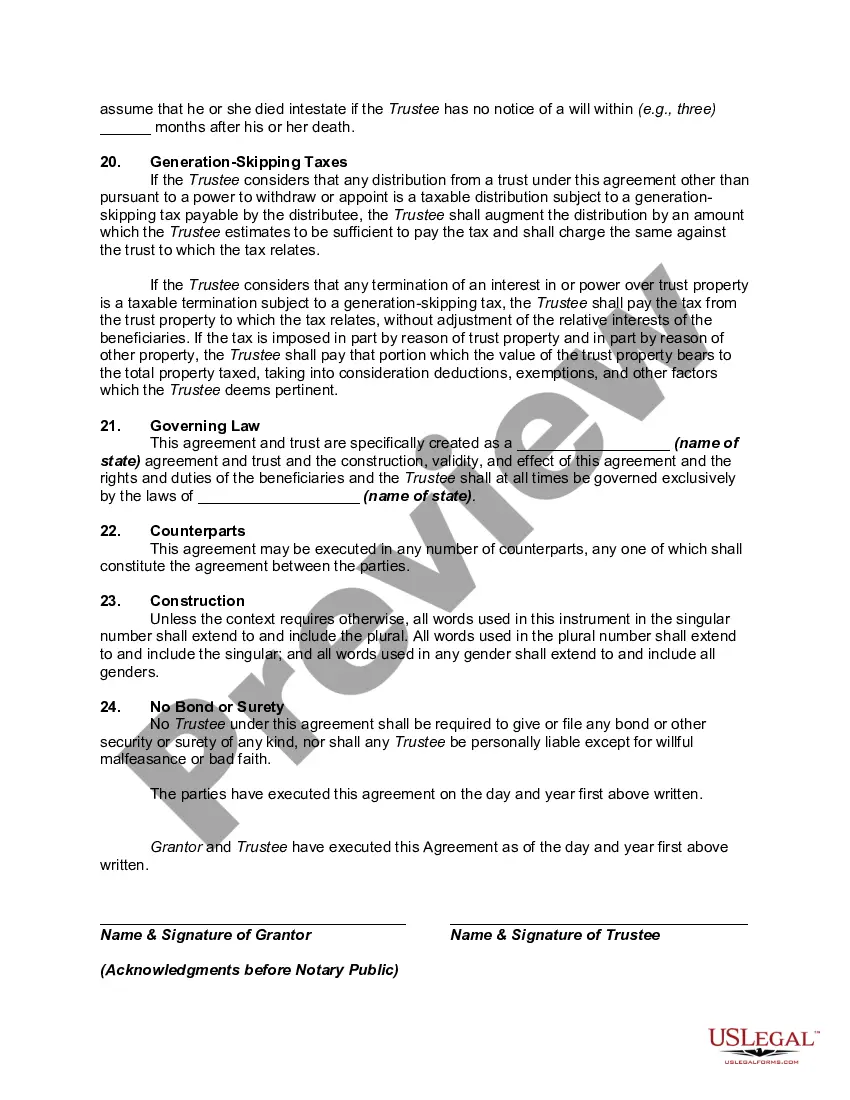

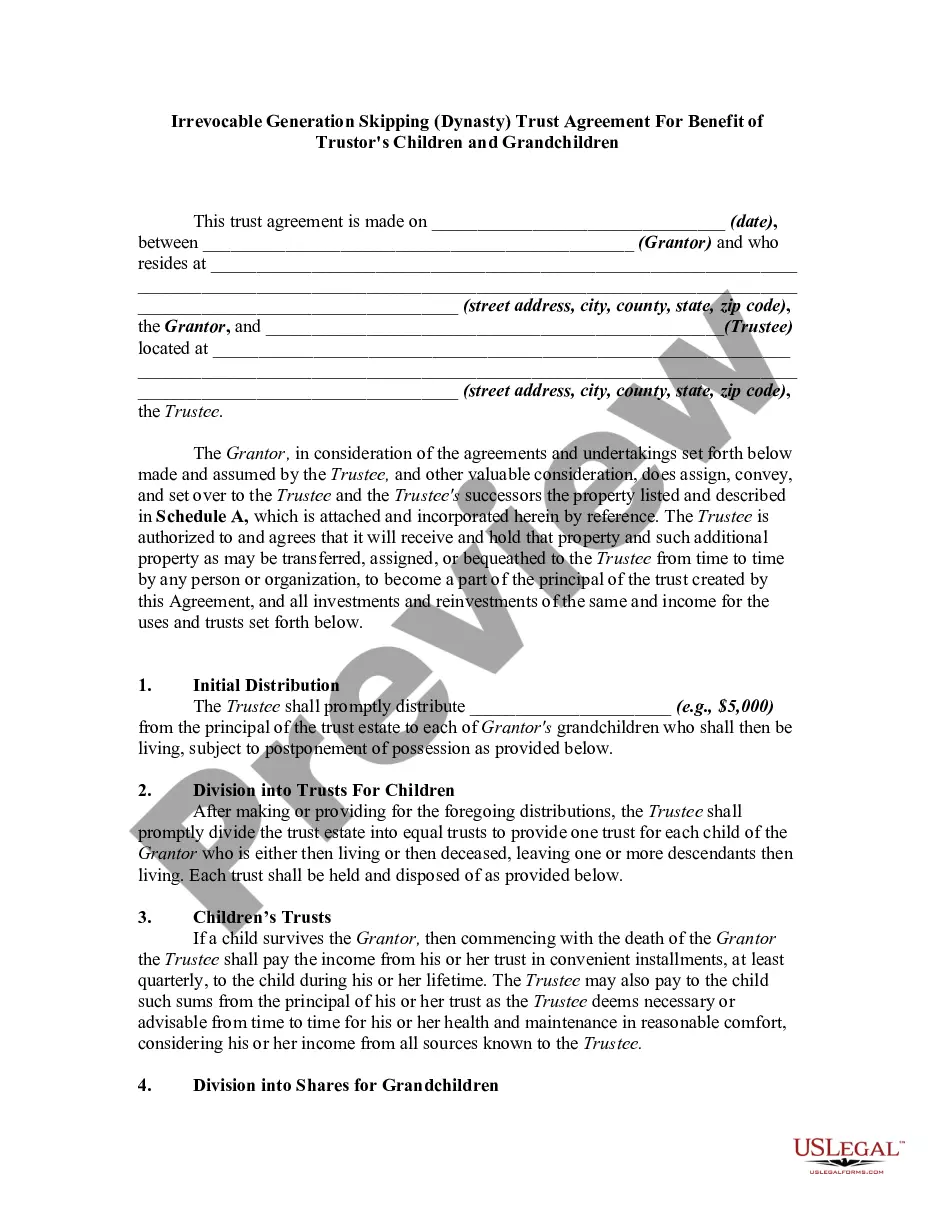


Get your form ready online
Our built-in tools help you complete, sign, share, and store your documents in one place.
Make edits, fill in missing information, and update formatting in US Legal Forms—just like you would in MS Word.
Download a copy, print it, send it by email, or mail it via USPS—whatever works best for your next step.
Sign and collect signatures with our SignNow integration. Send to multiple recipients, set reminders, and more. Go Premium to unlock E-Sign.
If this form requires notarization, complete it online through a secure video call—no need to meet a notary in person or wait for an appointment.
We protect your documents and personal data by following strict security and privacy standards.

Make edits, fill in missing information, and update formatting in US Legal Forms—just like you would in MS Word.

Download a copy, print it, send it by email, or mail it via USPS—whatever works best for your next step.

Sign and collect signatures with our SignNow integration. Send to multiple recipients, set reminders, and more. Go Premium to unlock E-Sign.

If this form requires notarization, complete it online through a secure video call—no need to meet a notary in person or wait for an appointment.

We protect your documents and personal data by following strict security and privacy standards.
Looking for another form?
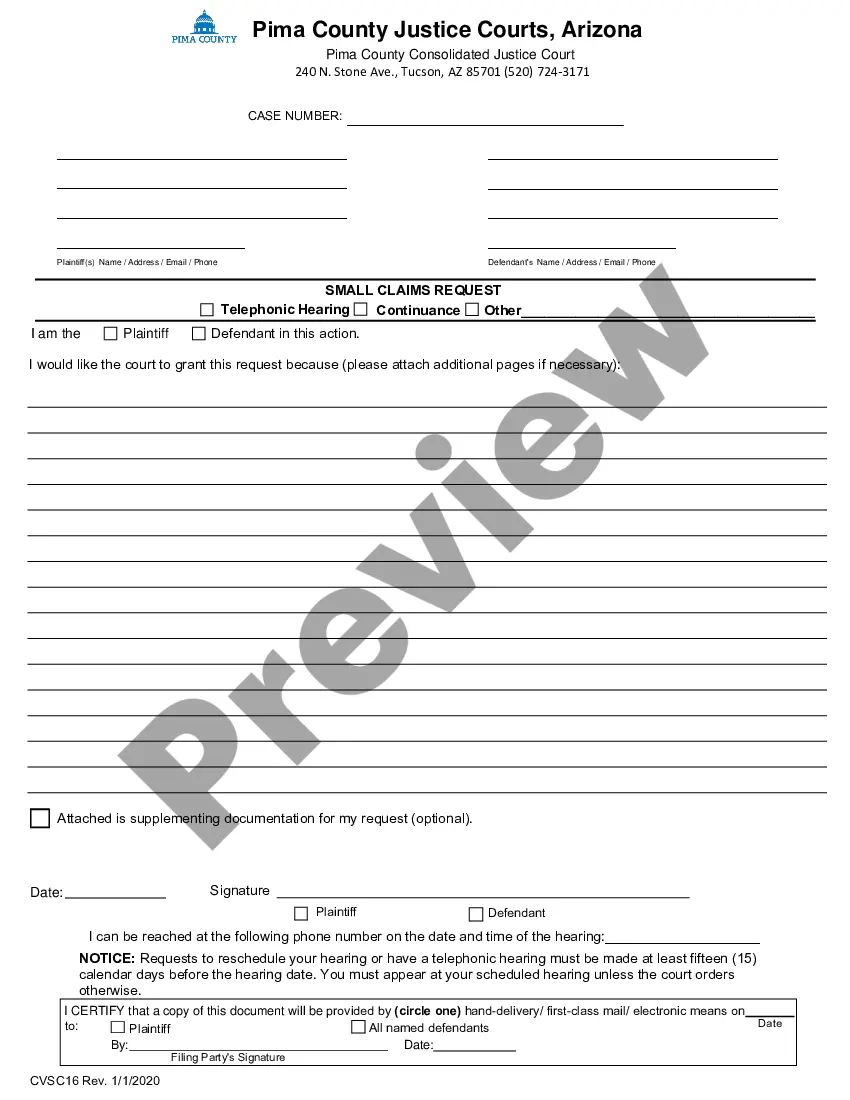







How to fill out Irrevocable Trust Agreement For Benefit Of Trustor's Children And Grandchildren?
- If you are an existing user, log in to download your required form. Ensure your subscription is active, and renew it if necessary.
- In the case of a new user, start by reviewing the Preview mode and form details to confirm the document meets your needs and complies with local regulations.
- Should you need alternative templates, utilize the Search tab to locate appropriate forms.
- Once you find the suitable document, click on the Buy Now button to select your preferred subscription plan and create an account to access the library.
- Complete your purchase by entering your payment details, either via credit card or PayPal.
- Finally, download your form and store it on your device to access it anytime through the My Forms section of your account.
In conclusion, US Legal Forms streamlines the process of acquiring legal documents, ensuring you have the correct forms at your fingertips. With more than 85,000 editable templates and professional support, you can confidently create your irrevocable trust.
Start your legal journey today and explore the extensive resources offered by US Legal Forms!
Form popularity
FAQ
Yes, creditors may place a lien on assets in an irrevocable trust under certain conditions. Typically, this occurs if the trustor has outstanding debts that are legally enforceable. Irrevocable trust trustors with no title should be proactive in understanding potential credit risks. Engaging with a legal service like US Legal Forms can provide valuable insights on protecting trust assets.
The 5-year rule typically relates to Medicaid eligibility and how irrevocable trusts are treated during asset assessments. Generally, assets placed in an irrevocable trust are evaluated over a five-year period for Medicaid qualification. Irrevocable trust trustors with no title must understand how this rule impacts their planning. Working with a legal professional can provide clarity on these critical issues.
Trustees of irrevocable trusts generally have the authority to manage trust assets, including selling, buying, or investing. Their primary obligation is to act in the best interests of the beneficiaries. Irrevocable trust trustors with no title should ensure that the trust document delineates the trustee's powers clearly. This helps prevent misunderstandings and ensures compliance with the trust's intentions.
Yes, the trustee of an irrevocable trust can sell a house, but they must follow the terms set in the trust document. This typically involves working for the benefit of the beneficiaries. Irrevocable trust trustors with no title should be aware that selling property can impact the trust's assets and distributions. Consulting with a legal expert can guide the trustee in making informed decisions.
The trustee does not own the property in the traditional sense. Instead, they manage the property on behalf of the beneficiaries as outlined in the trust. For irrevocable trust trustors with no title, this distinction is crucial. The trustee's role is to administer the trust according to its specific instructions.
In general, a trustee cannot sell property without the approval of all beneficiaries unless the trust document specifically allows it. This is particularly relevant for irrevocable trust trustors with no title. When the trust provides clear guidance, a trustee can act effectively. Understanding your trust's terms can help clarify what actions a trustee can take.
To avoid capital gains tax in an irrevocable trust, it is crucial to understand how income from the trust is taxed. Strategic asset management within the trust can help minimize tax liabilities. Irrevocable trust trustors with no title can benefit from consulting experts or using platforms like US Legal Forms to navigate tax efficiency.
Not all assets are suitable for inclusion in an irrevocable trust. Assets that are subject to high maintenance costs, or that may require personal use, usually do not belong in an irrevocable trust. As an irrevocable trust trustor with no title, consider keeping personal residences or assets that you may need access to outside the trust.
Yes, you can file your own irrevocable trust, but it requires a thorough understanding of legal requirements. As an irrevocable trust trustor with no title, you must ensure that your trust documents are properly drafted and comply with state laws. Utilizing professional services, like US Legal Forms, can simplify the process and provide peace of mind.
One of the biggest mistakes parents make when setting up a trust fund is failing to clearly communicate their intentions and the terms of the trust to their beneficiaries. When irrevocable trust trustors with no title overlook this aspect, it can lead to confusion and disputes among family members. Open communication can ensure that everyone understands how the trust is supposed to function.