Irrevocable Trust Benefit Paper For The Future
Description


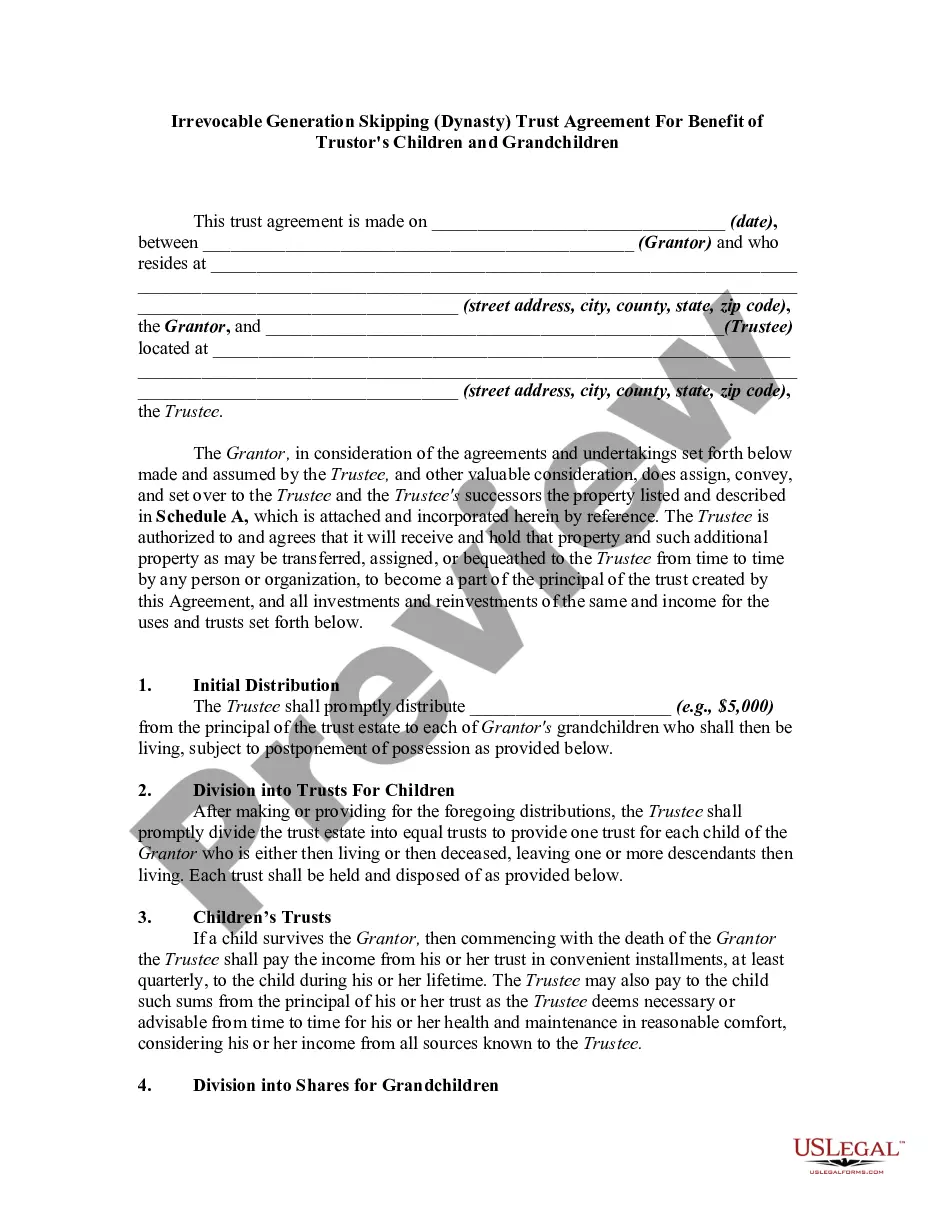
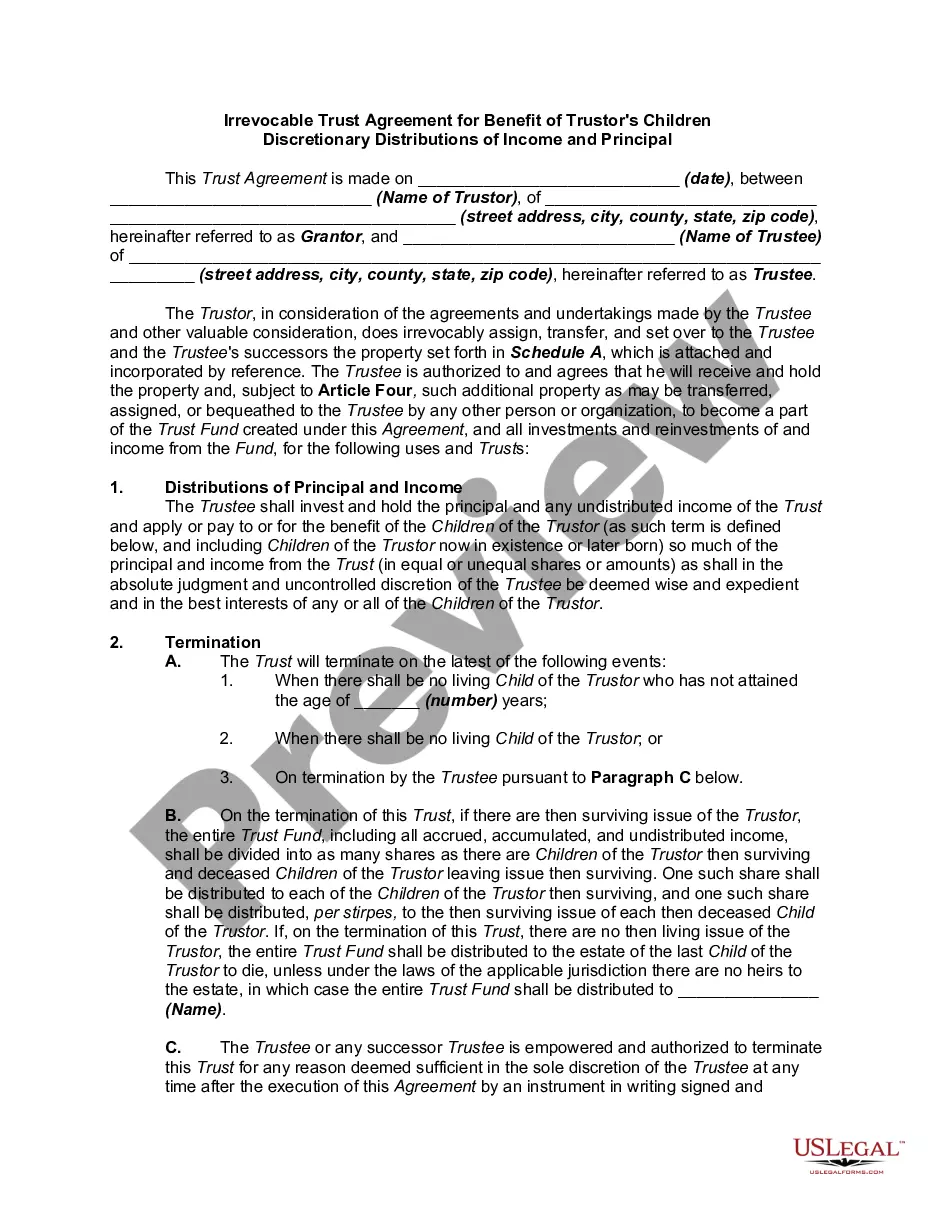


Get your form ready online
Our built-in tools help you complete, sign, share, and store your documents in one place.
Make edits, fill in missing information, and update formatting in US Legal Forms—just like you would in MS Word.
Download a copy, print it, send it by email, or mail it via USPS—whatever works best for your next step.
Sign and collect signatures with our SignNow integration. Send to multiple recipients, set reminders, and more. Go Premium to unlock E-Sign.
If this form requires notarization, complete it online through a secure video call—no need to meet a notary in person or wait for an appointment.
We protect your documents and personal data by following strict security and privacy standards.

Make edits, fill in missing information, and update formatting in US Legal Forms—just like you would in MS Word.

Download a copy, print it, send it by email, or mail it via USPS—whatever works best for your next step.

Sign and collect signatures with our SignNow integration. Send to multiple recipients, set reminders, and more. Go Premium to unlock E-Sign.

If this form requires notarization, complete it online through a secure video call—no need to meet a notary in person or wait for an appointment.

We protect your documents and personal data by following strict security and privacy standards.
Looking for another form?

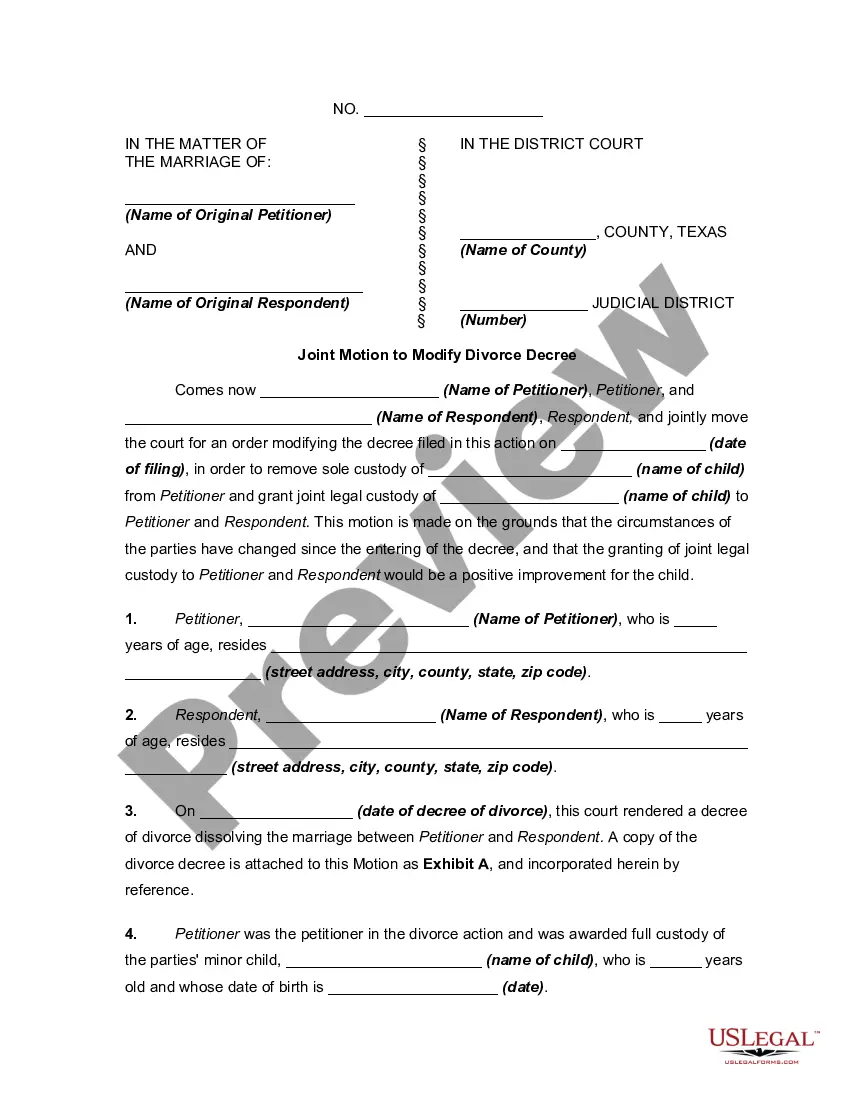




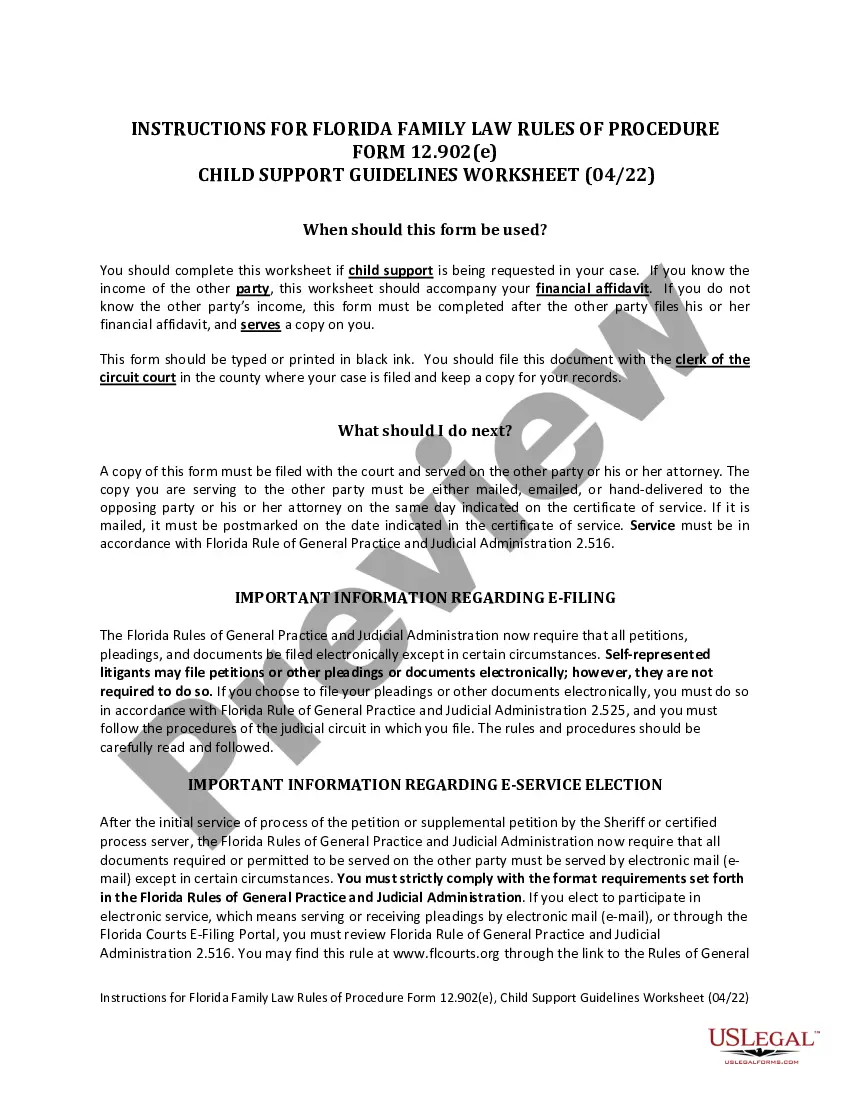
How to fill out Irrevocable Trust Agreement For Benefit Of Trustor's Children And Grandchildren?
- Log in to your US Legal Forms account to access your previously saved documents. Ensure that your subscription is active; if not, renew your plan.
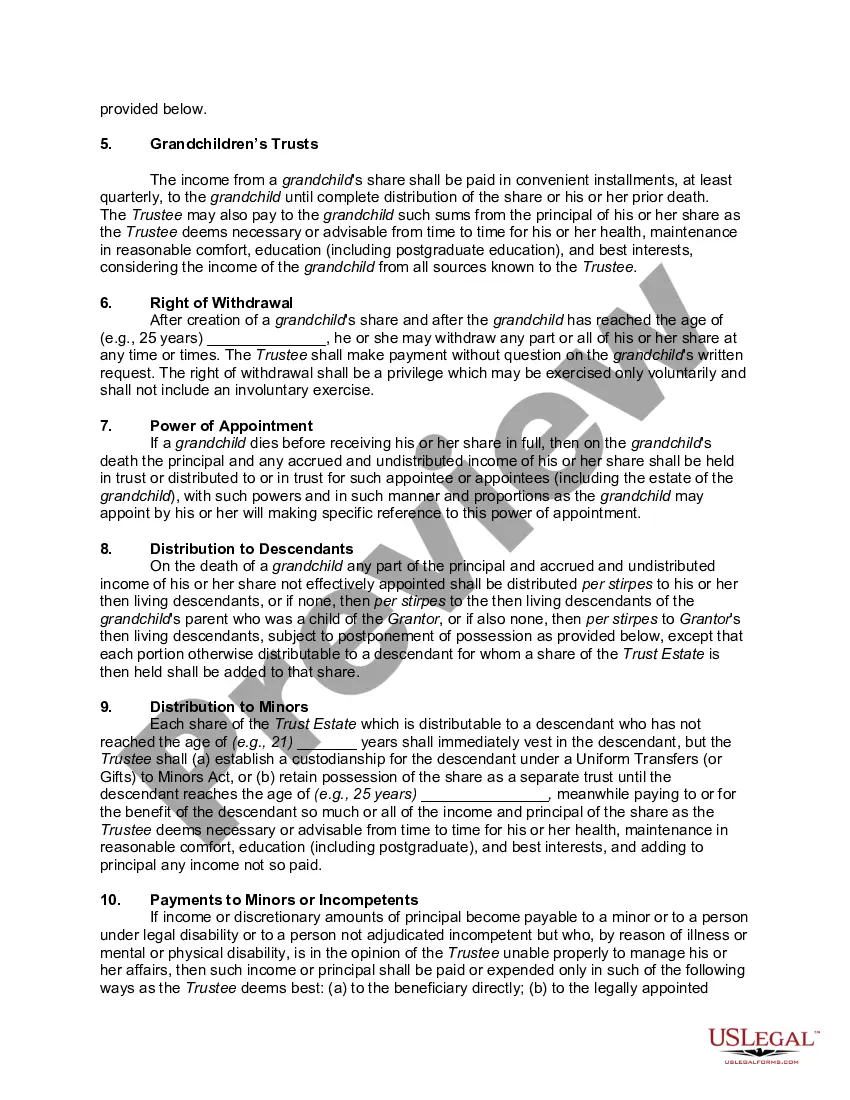
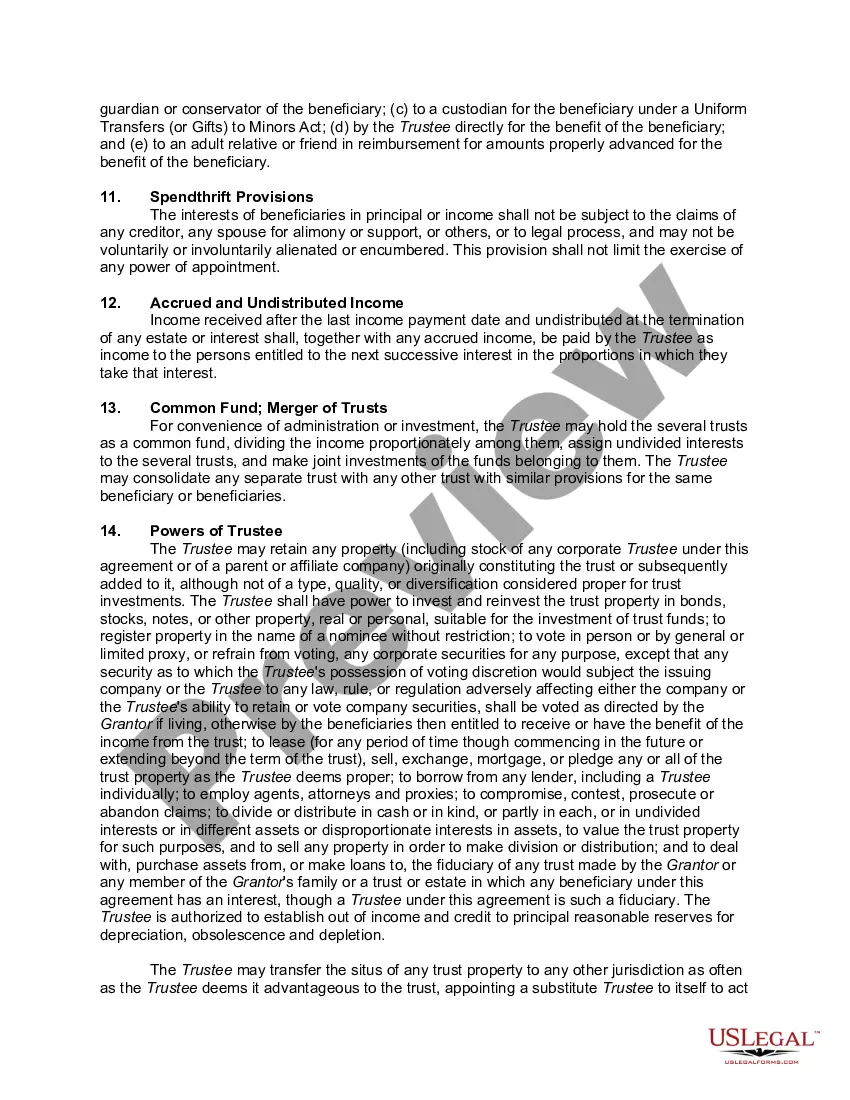
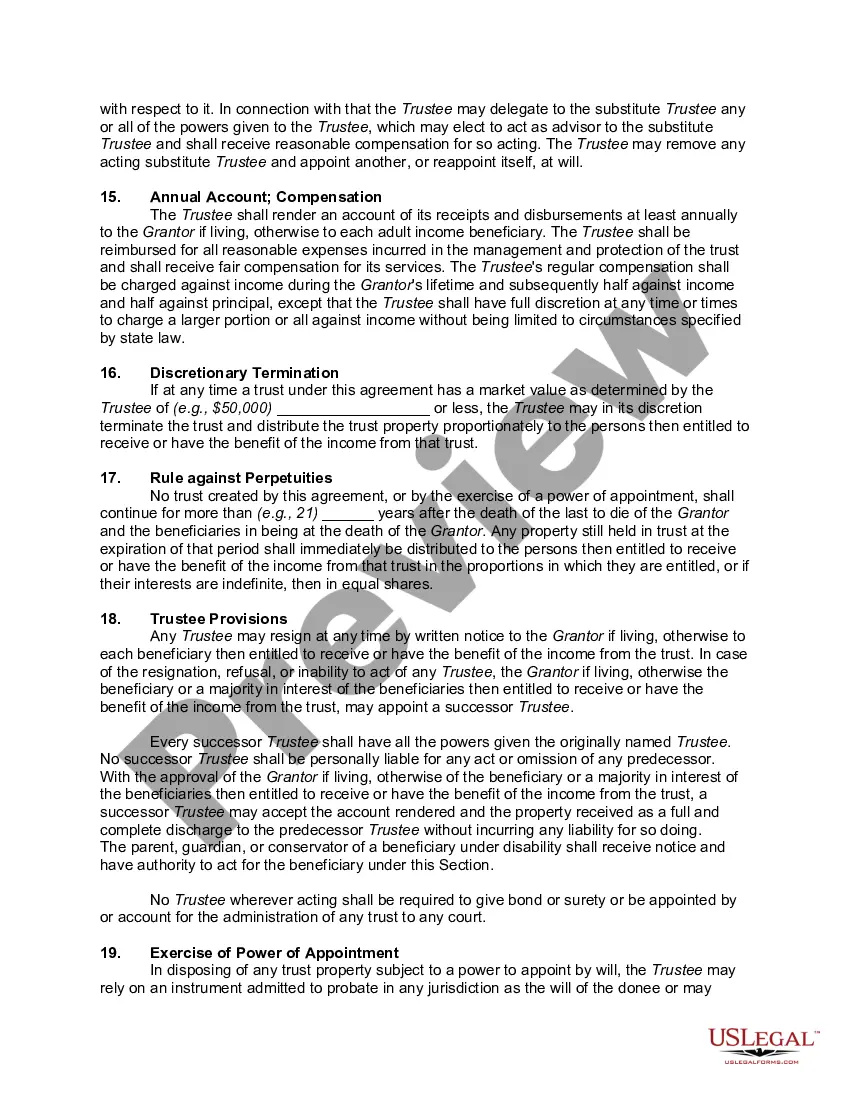
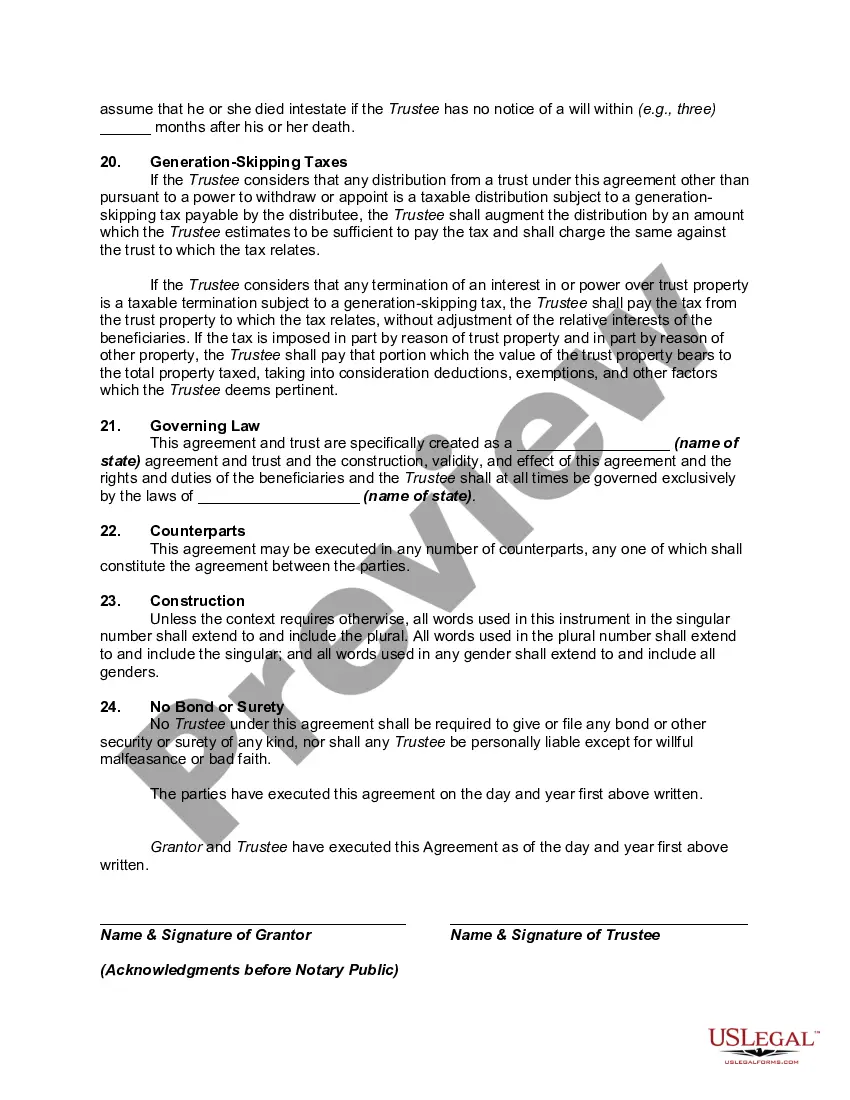
- If you are new, start by checking the available templates. Use the Preview mode to confirm that the form meets your requirements and complies with local laws.
- Should you need a different template, utilize the Search feature to find the appropriate form that aligns with your needs.
- Once you have located the correct document, proceed to purchase it by clicking the Buy Now button and selecting a subscription option. You’ll need to create an account for full access.
- Complete your payment by entering your credit card or PayPal details.
- Finally, download the selected form to your device and access it anytime from the My Forms section in your account.
In conclusion, US Legal Forms provides a user-friendly experience with an extensive selection of legal documents. By following these steps, you'll be well on your way to securing your irrevocable trust benefit paper efficiently.
Start your journey toward a secure future today by visiting US Legal Forms and gaining access to the resources you need!
Form popularity
FAQ
To avoid capital gains tax in an irrevocable trust, you can utilize certain strategies such as stepped-up basis rules and asset management techniques. It's essential to develop a comprehensive strategy that considers how assets are held and managed. By exploring our Irrevocable trust benefit paper for the future, you can uncover effective methods to minimize your tax burden legally.
Certain assets are not ideal for placement in an irrevocable trust, such as retirement accounts and personal residences. These assets can have unique tax implications and may not provide the protection intended by the trust. If you're unsure about asset placement, our Irrevocable trust benefit paper for the future offers guidance on what to include and what to avoid.
The new rule on irrevocable trusts emphasizes an enhanced scrutiny of trust funding and asset management. Recent adjustments aim to streamline how trusts operate, particularly in tax considerations and Medicaid planning. Understanding these new rules will help you leverage the benefits of an irrevocable trust. To explore this further, our Irrevocable trust benefit paper for the future presents essential insights.
One primary downside of an irrevocable trust is the lack of flexibility. Once you establish this type of trust, you cannot modify its terms or reclaim the assets. This permanence can be a concern, but the long-term benefits often outweigh this limitation. For a more profound understanding of the advantages and disadvantages, consider reviewing our Irrevocable trust benefit paper for the future.
Generally, you cannot be the beneficiary of your own irrevocable trust without compromising its intended benefits. An irrevocable trust requires that you relinquish control over the assets within it, which is essential for benefits like asset protection and tax advantages. If you're exploring how an irrevocable trust can work for you, our Irrevocable trust benefit paper for the future can provide valuable clarity.
Recent changes in laws regarding irrevocable trusts focus on asset protection and tax implications. The new regulations clarify how these trusts can be managed, especially in relation to tax benefits. Staying informed about these laws is crucial for anyone considering an irrevocable trust. For detailed guidance, refer to our Irrevocable trust benefit paper for the future.
The 5 year rule for trusts applies to certain irrevocable trusts in the context of Medicaid eligibility. This rule states that if you transfer assets into an irrevocable trust, you must wait five years before applying for Medicaid benefits. Understanding this rule is important as you consider your estate planning and the future benefits of an irrevocable trust. Utilize our Irrevocable trust benefit paper for the future to gain insights on how you can effectively plan your estate.
An irrevocable trust often needs to file a tax return if it generates income that is taxable. It is treated as a separate entity for tax purposes, which adds a layer of complexity. Therefore, understanding this requirement is vital as you craft your irrevocable trust benefit paper for the future.
Filling out an irrevocable trust correctly is essential for its effectiveness. Begin with identifying your assets, then specify beneficiaries and their interests. Utilizing templates or seeking guidance from platforms like uslegalforms can simplify this process significantly while drafting your irrevocable trust benefit paper for the future.
Typically, a grantor irrevocable trust does not file its own tax return if the grantor has retained certain powers. Consequently, income becomes part of the grantor’s taxable income. Tailoring your irrevocable trust benefit paper for the future with this knowledge ensures you remain compliant.