Irrevocable Trust Benefit Paper For Dummies
Description

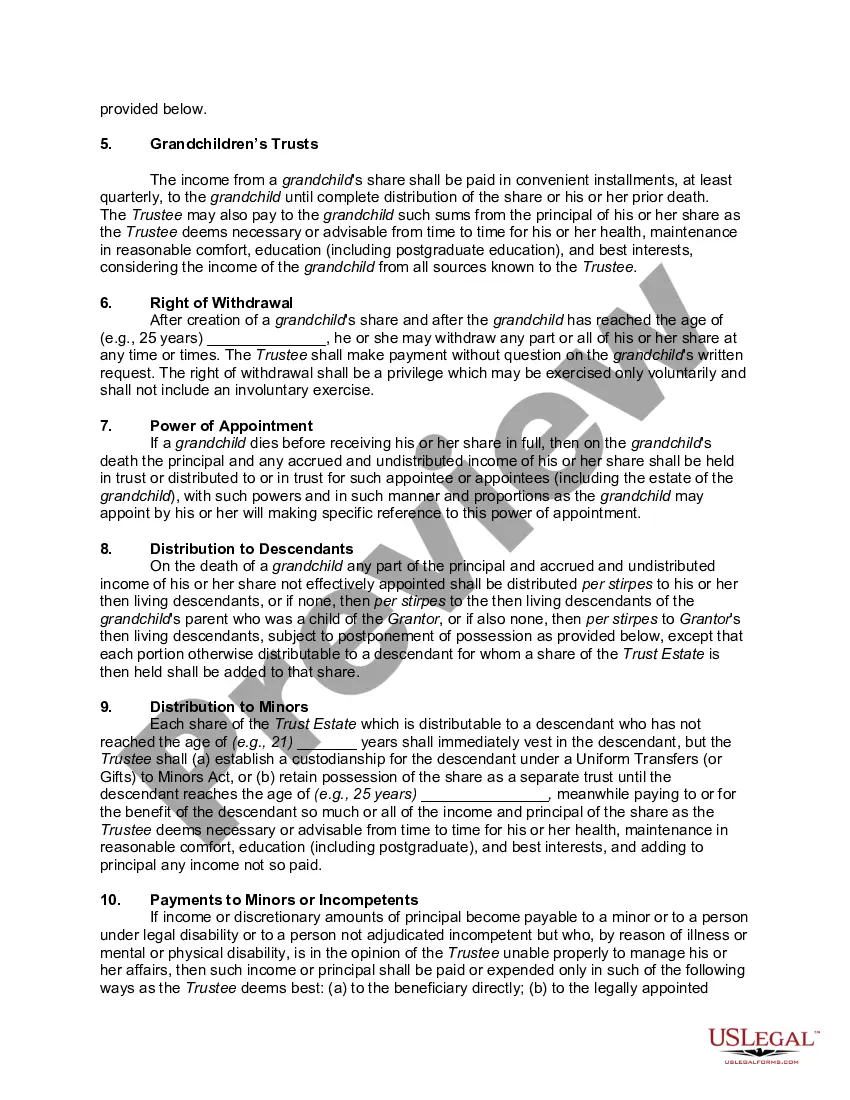
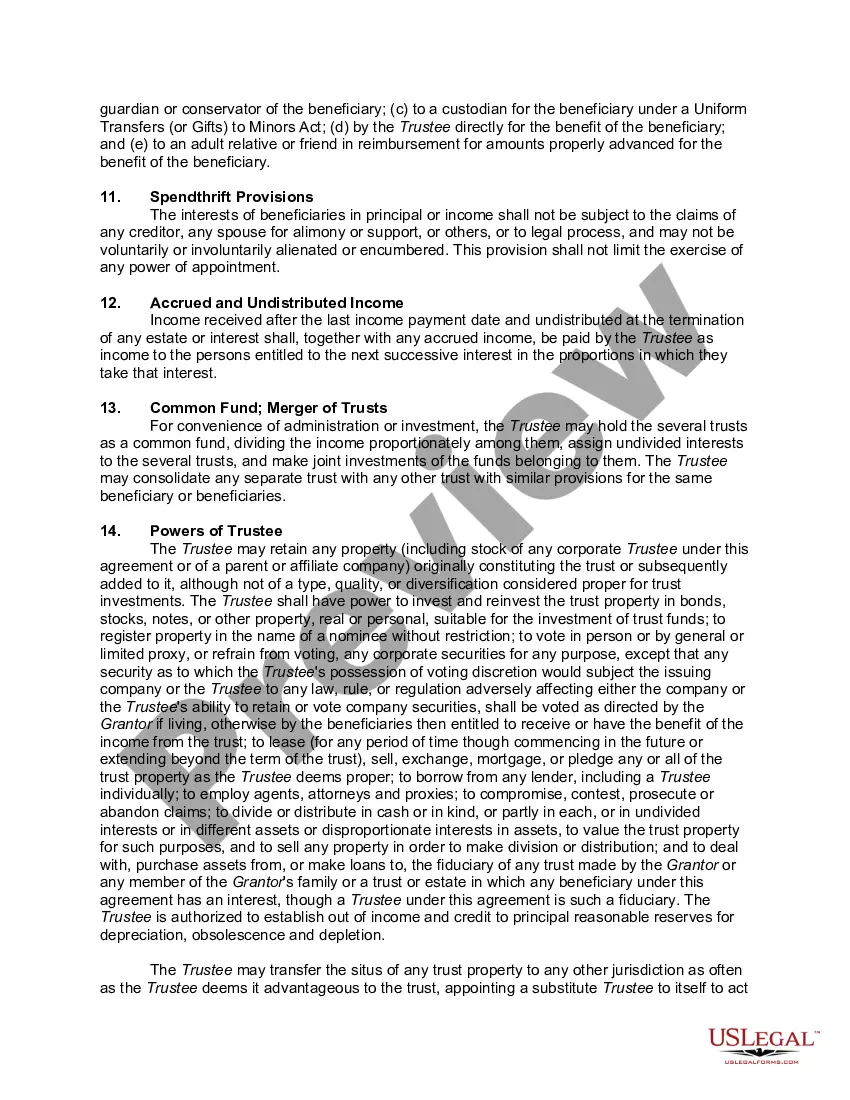
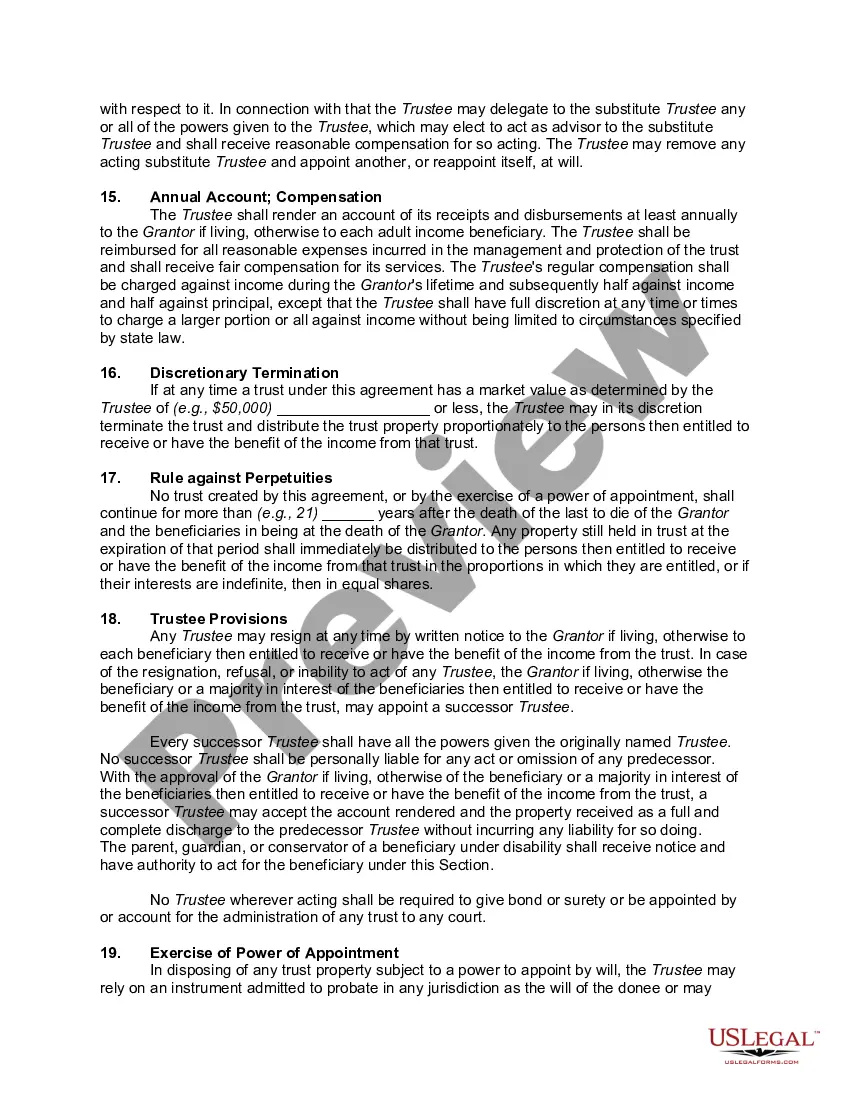
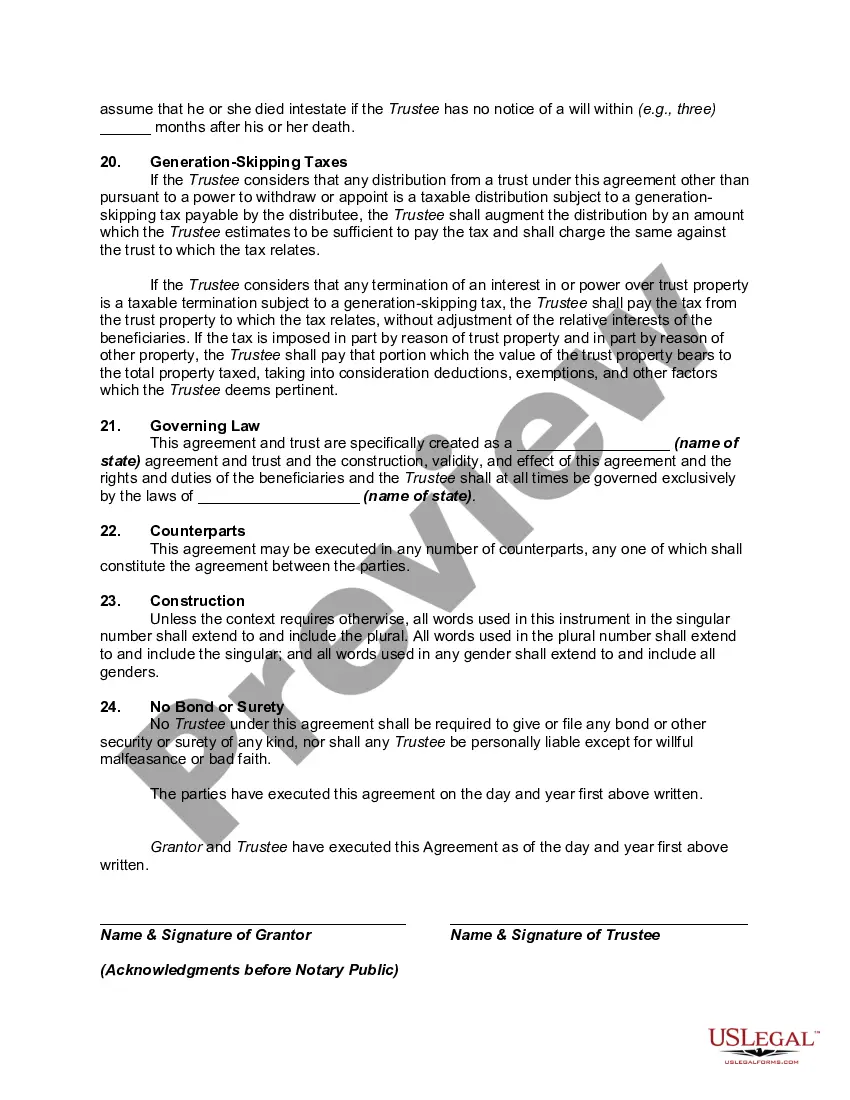

Get your form ready online
Our built-in tools help you complete, sign, share, and store your documents in one place.
Make edits, fill in missing information, and update formatting in US Legal Forms—just like you would in MS Word.
Download a copy, print it, send it by email, or mail it via USPS—whatever works best for your next step.
Sign and collect signatures with our SignNow integration. Send to multiple recipients, set reminders, and more. Go Premium to unlock E-Sign.
If this form requires notarization, complete it online through a secure video call—no need to meet a notary in person or wait for an appointment.
We protect your documents and personal data by following strict security and privacy standards.

Make edits, fill in missing information, and update formatting in US Legal Forms—just like you would in MS Word.

Download a copy, print it, send it by email, or mail it via USPS—whatever works best for your next step.

Sign and collect signatures with our SignNow integration. Send to multiple recipients, set reminders, and more. Go Premium to unlock E-Sign.

If this form requires notarization, complete it online through a secure video call—no need to meet a notary in person or wait for an appointment.

We protect your documents and personal data by following strict security and privacy standards.
Looking for another form?






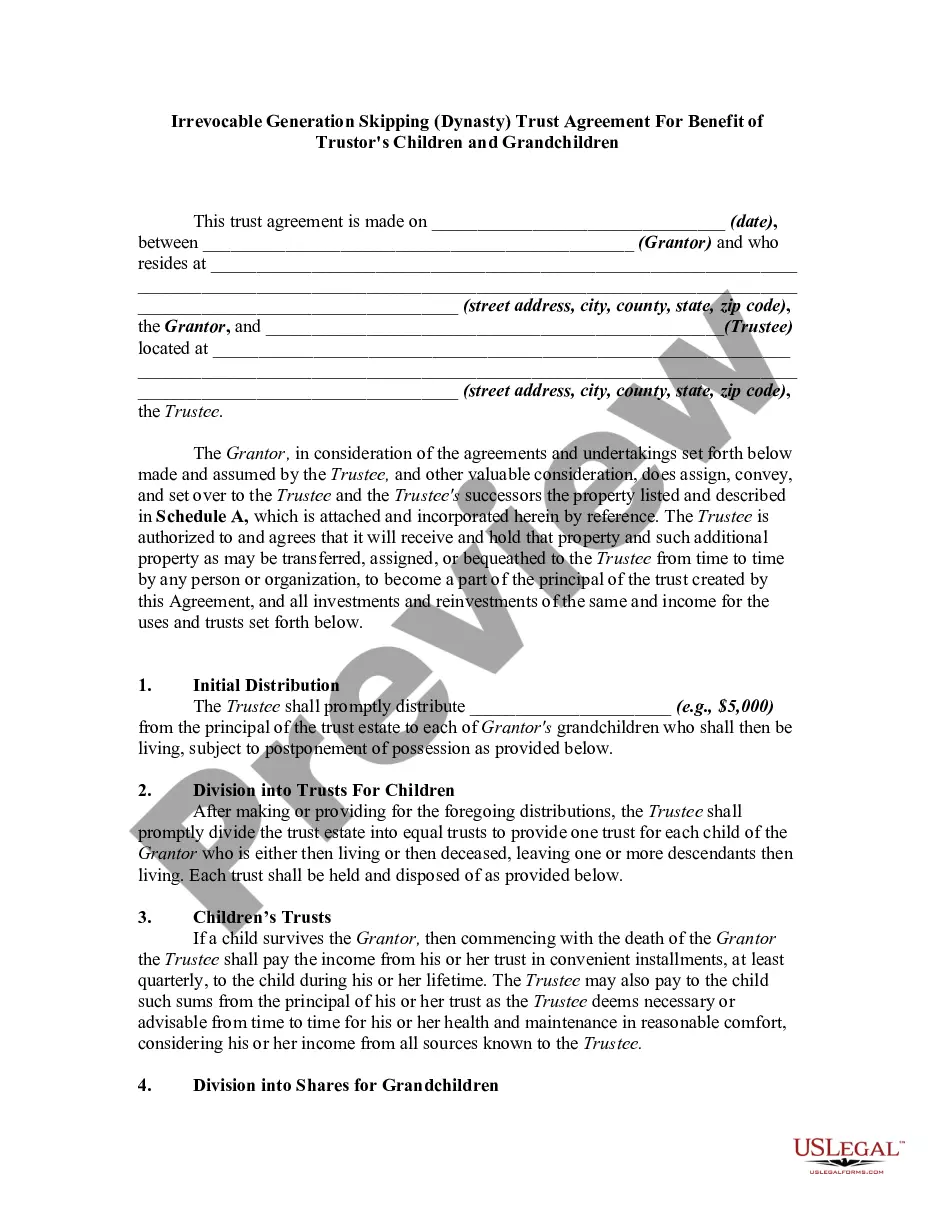
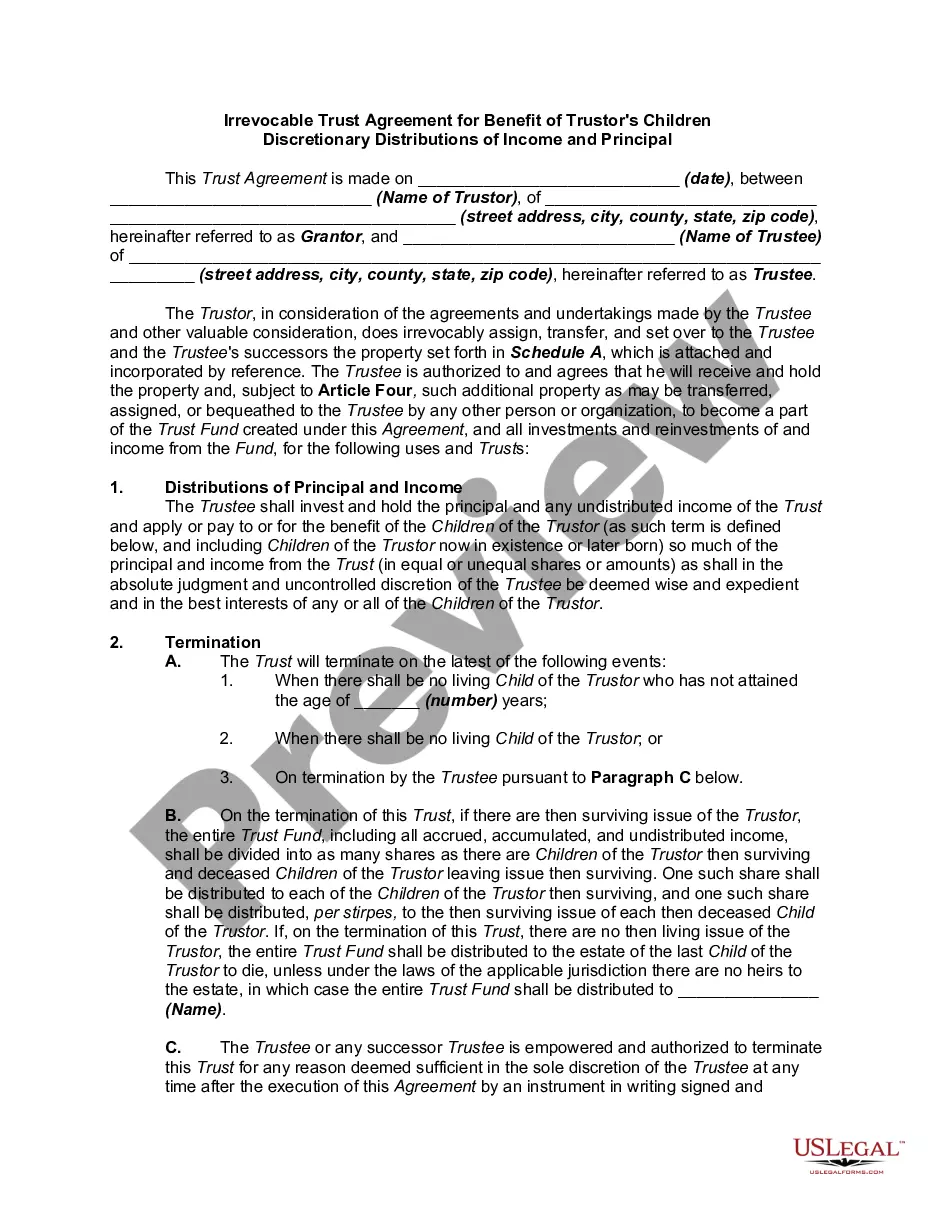
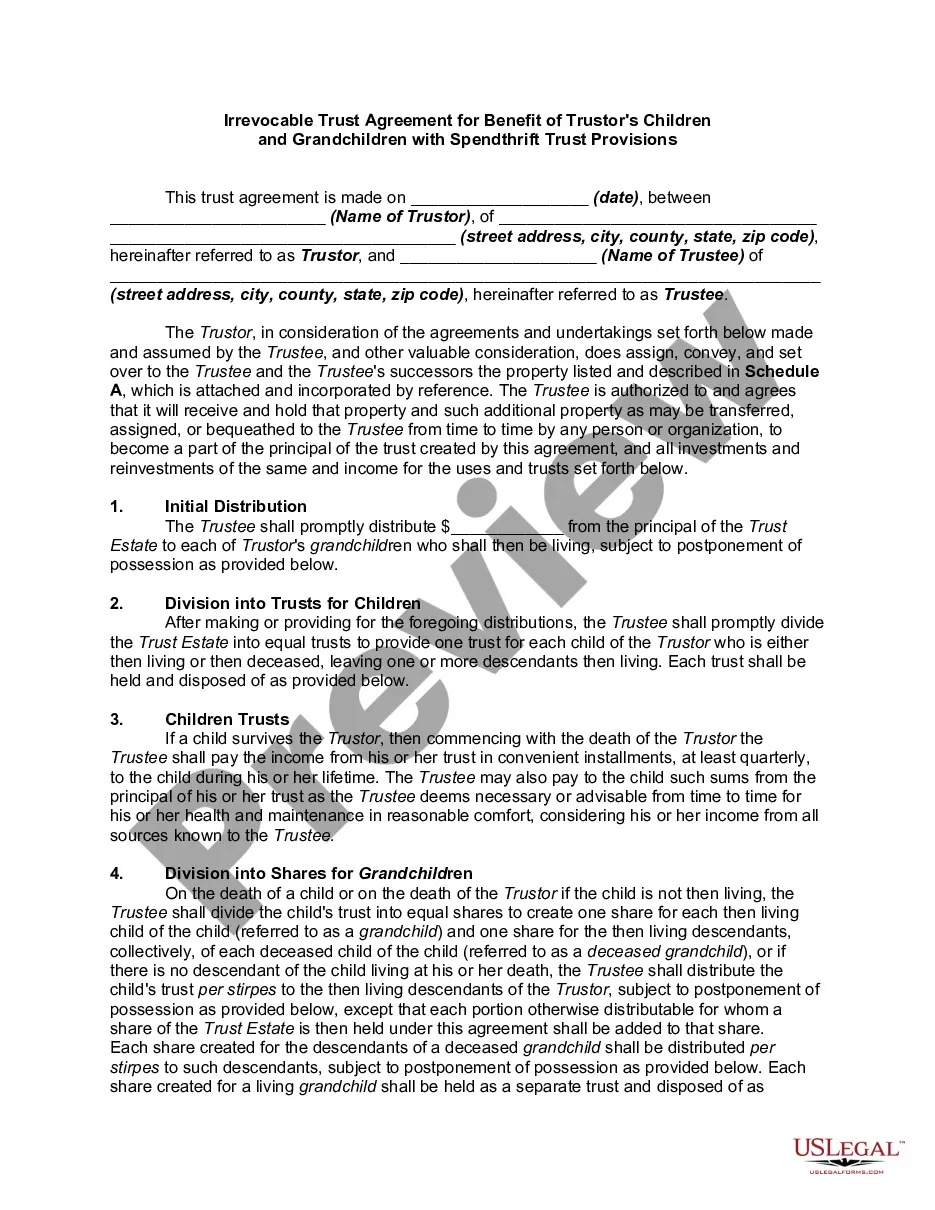
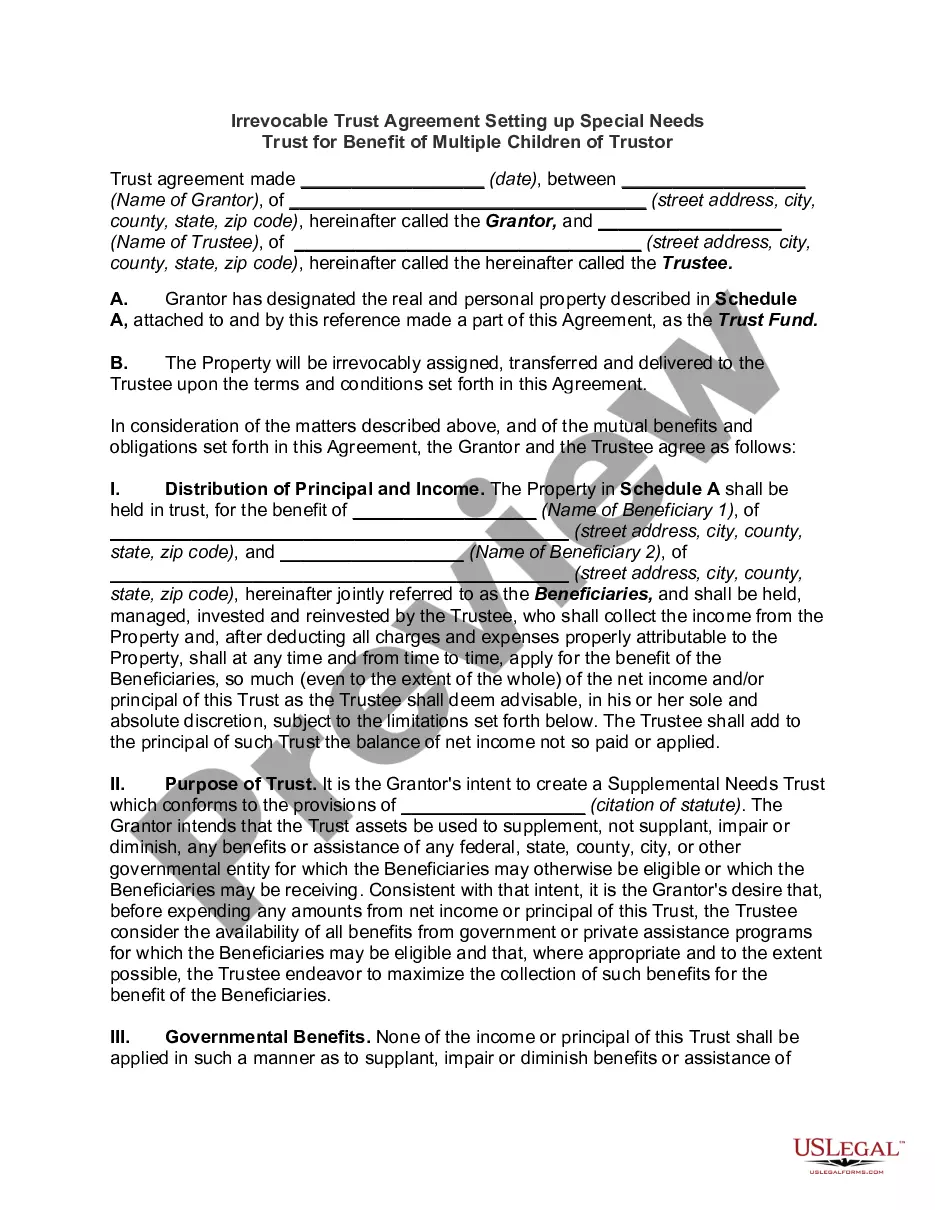
How to fill out Irrevocable Trust Agreement For Benefit Of Trustor's Children And Grandchildren?
- Log in to your US Legal Forms account if you are a returning user. Ensure your subscription is active; if not, refresh it according to your payment plan.
- If you're a new user, start by checking out the Preview mode and form description to ensure it meets your specific requirements.
- Utilize the search feature to find any additional templates if needed, confirming they align with your local jurisdiction.
- Click on the Buy Now button for the document you need and select your preferred subscription plan. Registration is required to access the full library.
- Complete your purchase by entering your credit card details or using PayPal to finalize the subscription.
- Download the completed form for your records and access it anytime via the My Forms menu in your profile.
By using US Legal Forms, you benefit from an extensive library boasting over 85,000 customizable legal documents, all designed to cater to your needs. The service's user-friendly interface and access to premium experts ensure that your forms are accurate and compliant.
Now that you know how to obtain your irrevocable trust benefit paper, take the next step and explore US Legal Forms for your legal documentation needs today!
Form popularity
FAQ
One significant downside to an irrevocable trust is the loss of control over the assets once they are transferred into the trust. This decision can limit your flexibility, especially in changing financial situations. Understanding the irrevocable trust benefit paper for dummies will provide you with a comprehensive perspective on these trade-offs, so you can make an informed decision.
You can include various assets in your irrevocable trust, such as your home, investments, and life insurance policies. It's essential to evaluate what you want to protect for your heirs or beneficiaries. The irrevocable trust benefit paper for dummies highlights how placing certain assets in the trust can ensure they avoid probate and remain secure for your loved ones.
An irrevocable trust is a financial tool that transfers ownership of assets away from you, making it impossible to change or dissolve the trust once it's set up. This setup provides benefits, like estate tax reduction and protection of your assets from creditors. Understanding an irrevocable trust benefit paper for dummies can help clarify its purpose and the long-term impact it has on your estate planning.
The IRS generally cannot seize your house if it is properly placed in an irrevocable trust, as this structure provides asset protection. However, certain exceptions may apply, particularly if there are outstanding tax liabilities. For a deeper understanding of asset protection with trusts, consult the 'Irrevocable trust benefit paper for dummies'. This knowledge can empower you to secure your assets effectively.
To avoid taxes on an irrevocable trust, one can explore strategies like gifting assets or utilizing tax-exempt benefits. Additionally, it's crucial to understand the income generated by the trust and how it may affect tax obligations. The 'Irrevocable trust benefit paper for dummies' provides guidance on these strategies, helping you minimize tax burdens while maximizing benefits.
The new IRS rule on irrevocable trusts aims to increase transparency and compliance for trust beneficiaries and grantors. This includes reporting requirements that can impact tax liabilities and distributions. For detailed insights on these changes, refer to the 'Irrevocable trust benefit paper for dummies'. Knowing these rules helps you manage your trust effectively under federal laws.
In an irrevocable trust, the beneficial owner is typically the individual or entity designated to receive the trust's benefits. Unlike revocable trusts, once the trust is established, the grantor cannot easily change beneficiaries. This structure provides clear advantages in estate planning, as outlined in the 'Irrevocable trust benefit paper for dummies'. Understanding this can help you make informed decisions about your assets.
Whether your parents should put their assets in a trust depends on their financial goals and family dynamics. Trusts can provide security, simplify the distribution process, and protect against potential tax liabilities. Having discussions about these options can bring clarity and ensure that everyone is on the same page. For in-depth guidance, our irrevocable trust benefit paper for dummies is an excellent resource.
An irrevocable trust offers numerous benefits, such as protecting assets from creditors and reducing estate tax liabilities. It also allows for specific asset distribution according to your wishes, providing clarity and control over your legacy. Establishing such a trust is a strategic move for many seeking effective estate planning. You can delve deeper into the advantages in our irrevocable trust benefit paper for dummies.
A notable downside of putting assets in a trust is the potential loss of control over those assets. Once assets are transferred, the original owner may not have the same degree of access or usage rights. This can be challenging for some individuals who change their financial situations or priorities later on. For more detailed explanations, check our irrevocable trust benefit paper for dummies.