Irrevocable Form Trust For House
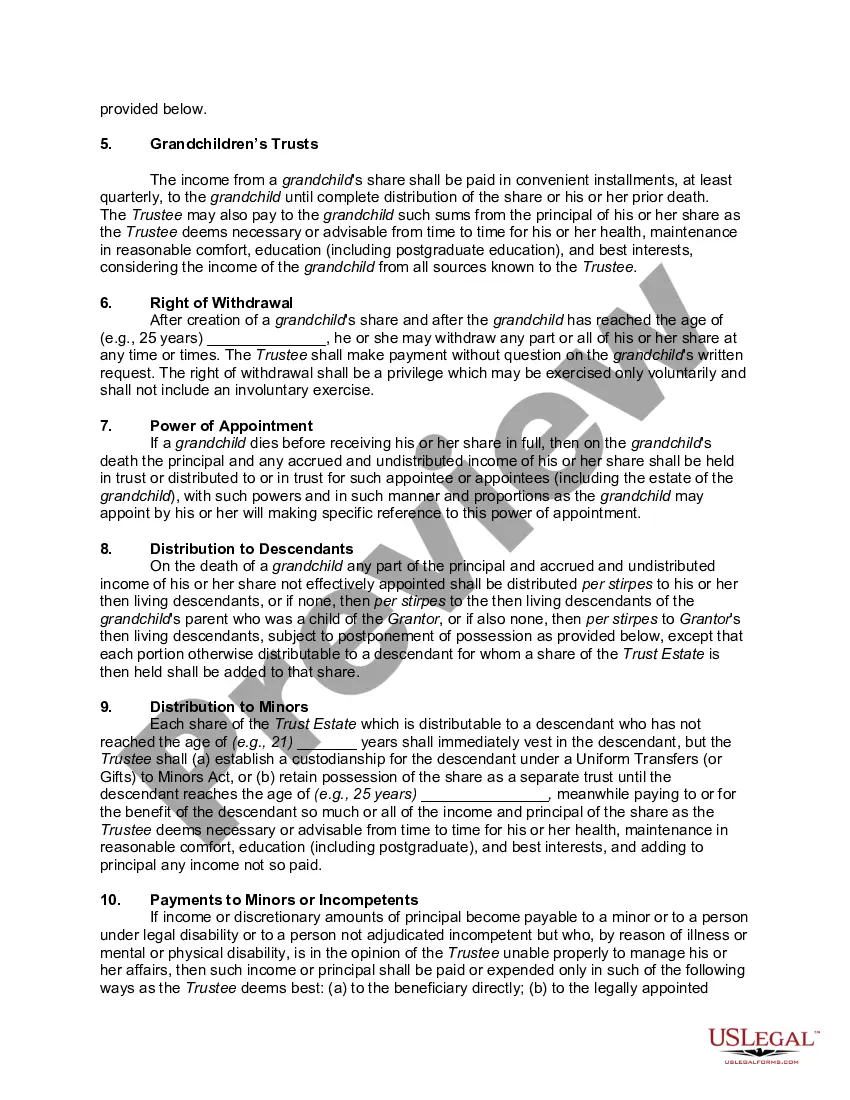
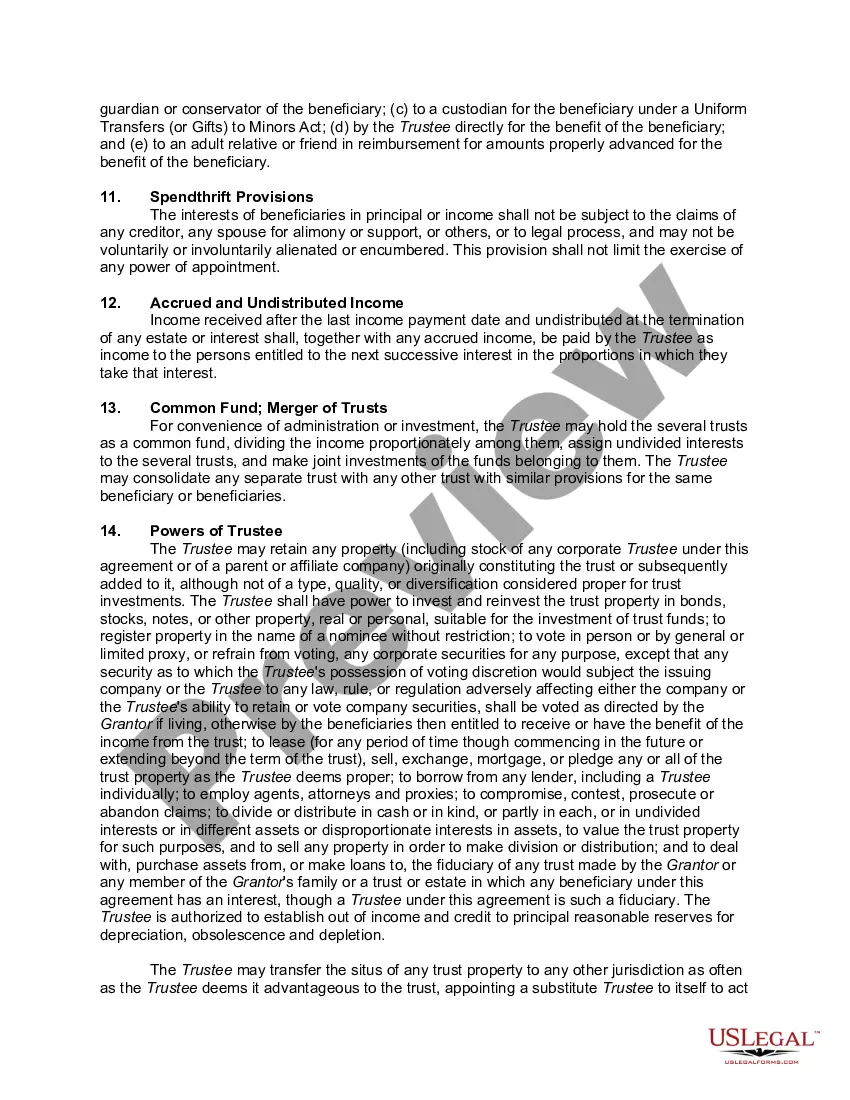
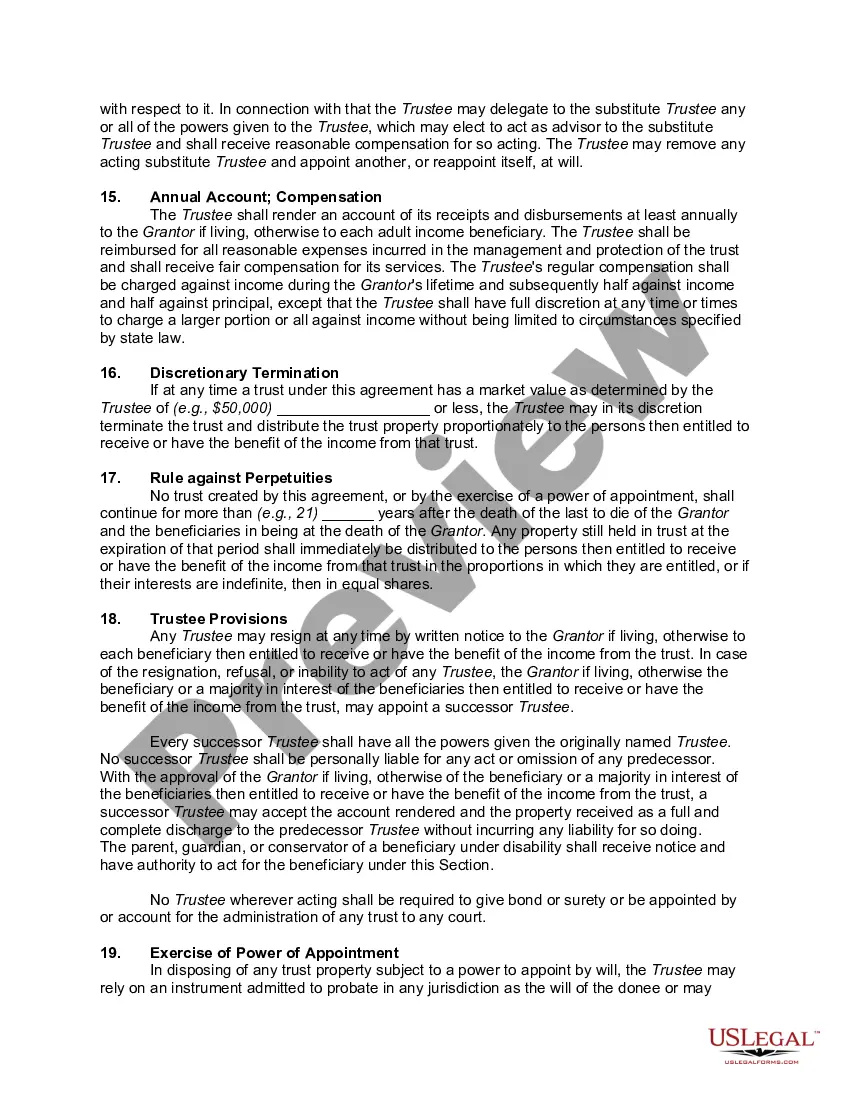
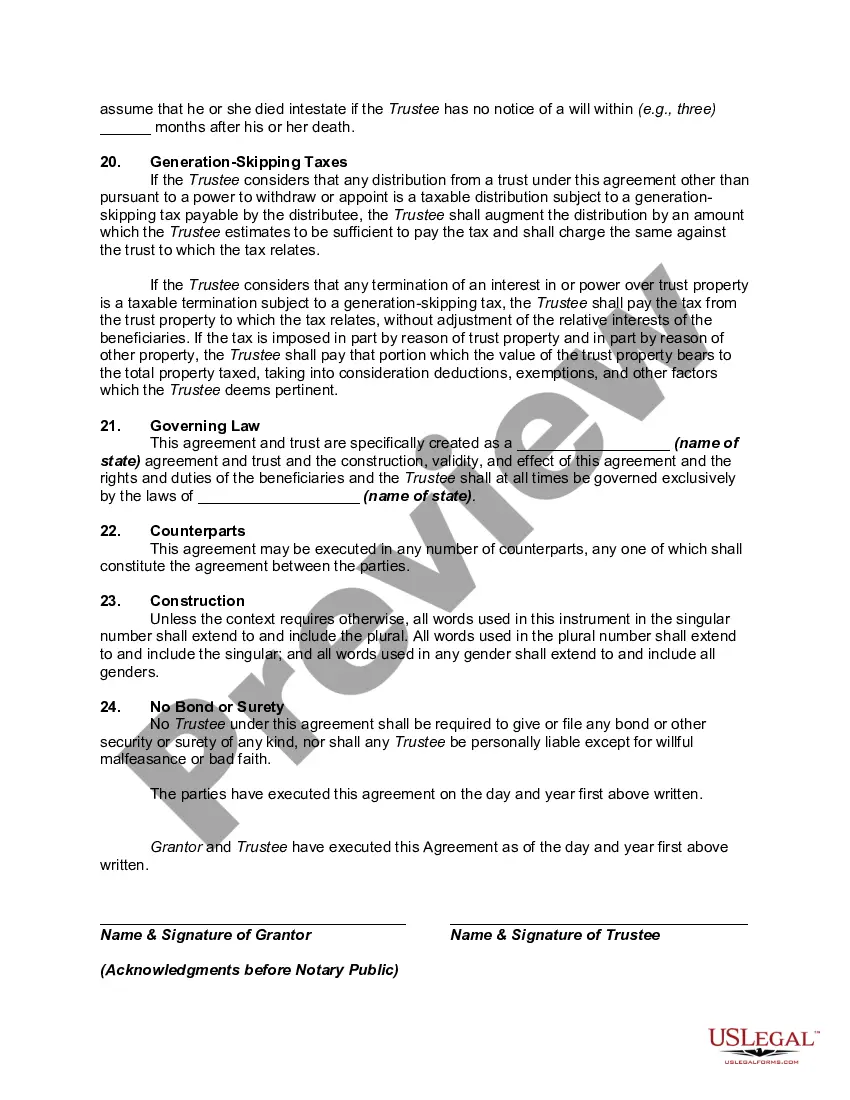
Description


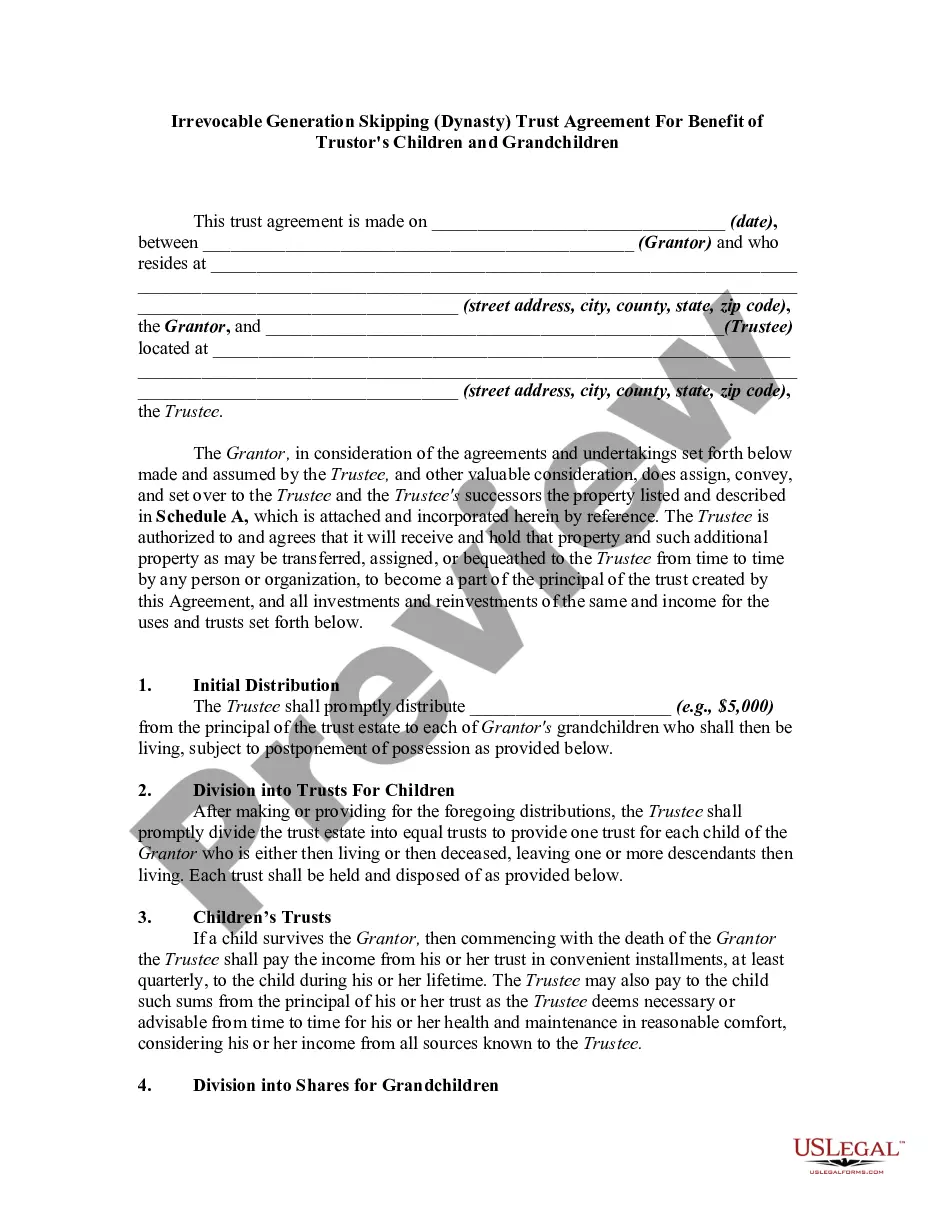
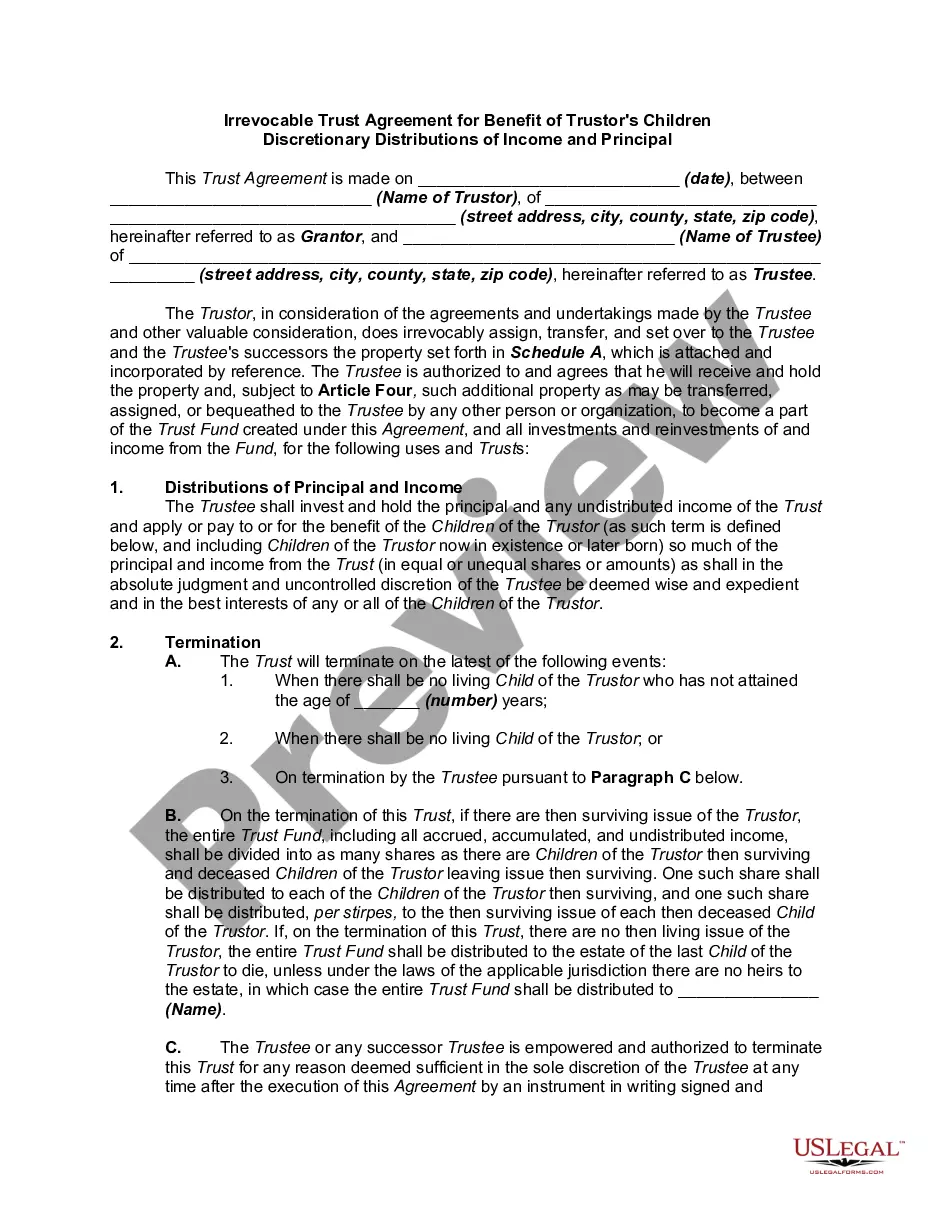
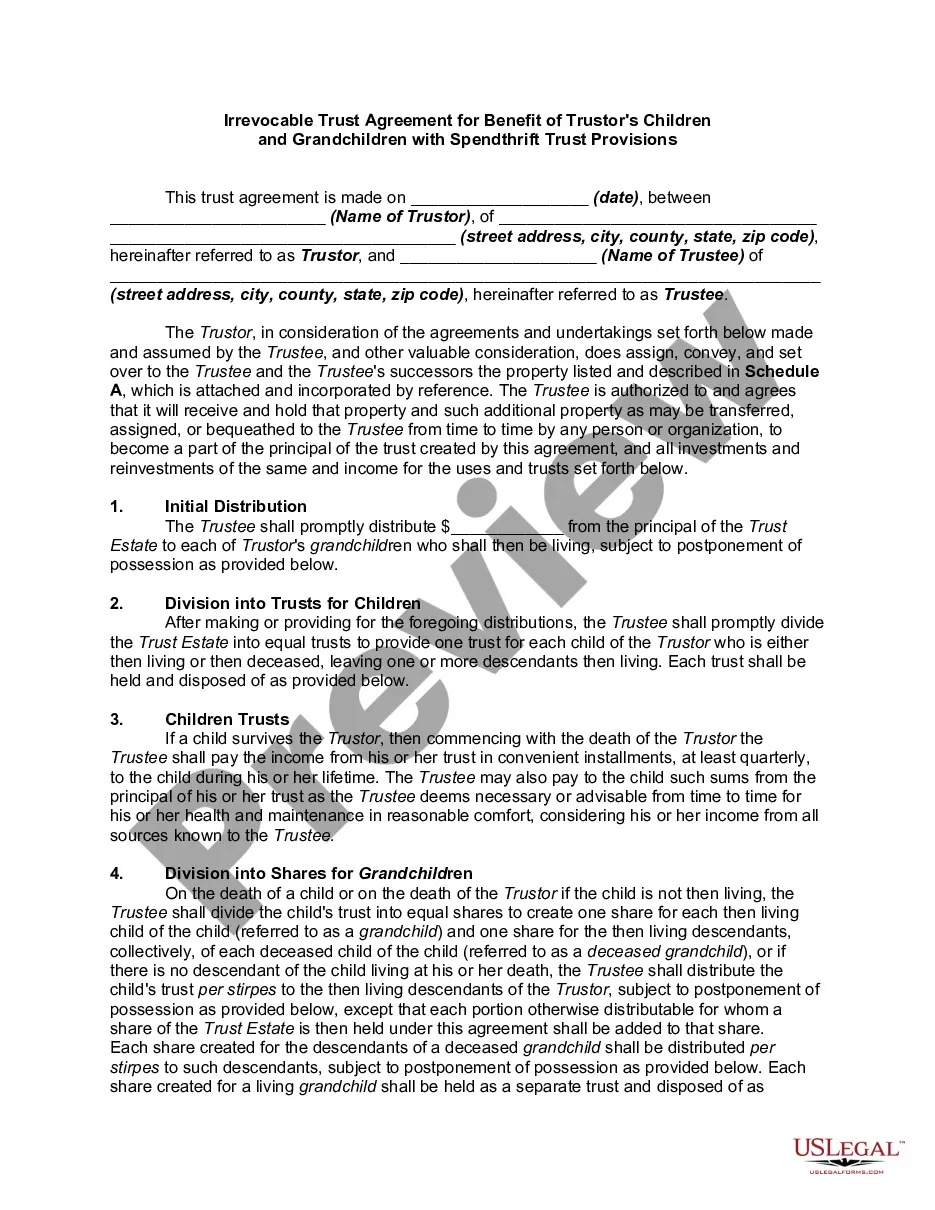

Get your form ready online
Our built-in tools help you complete, sign, share, and store your documents in one place.
Make edits, fill in missing information, and update formatting in US Legal Forms—just like you would in MS Word.
Download a copy, print it, send it by email, or mail it via USPS—whatever works best for your next step.
Sign and collect signatures with our SignNow integration. Send to multiple recipients, set reminders, and more. Go Premium to unlock E-Sign.
If this form requires notarization, complete it online through a secure video call—no need to meet a notary in person or wait for an appointment.
We protect your documents and personal data by following strict security and privacy standards.

Make edits, fill in missing information, and update formatting in US Legal Forms—just like you would in MS Word.

Download a copy, print it, send it by email, or mail it via USPS—whatever works best for your next step.

Sign and collect signatures with our SignNow integration. Send to multiple recipients, set reminders, and more. Go Premium to unlock E-Sign.

If this form requires notarization, complete it online through a secure video call—no need to meet a notary in person or wait for an appointment.

We protect your documents and personal data by following strict security and privacy standards.
Looking for another form?
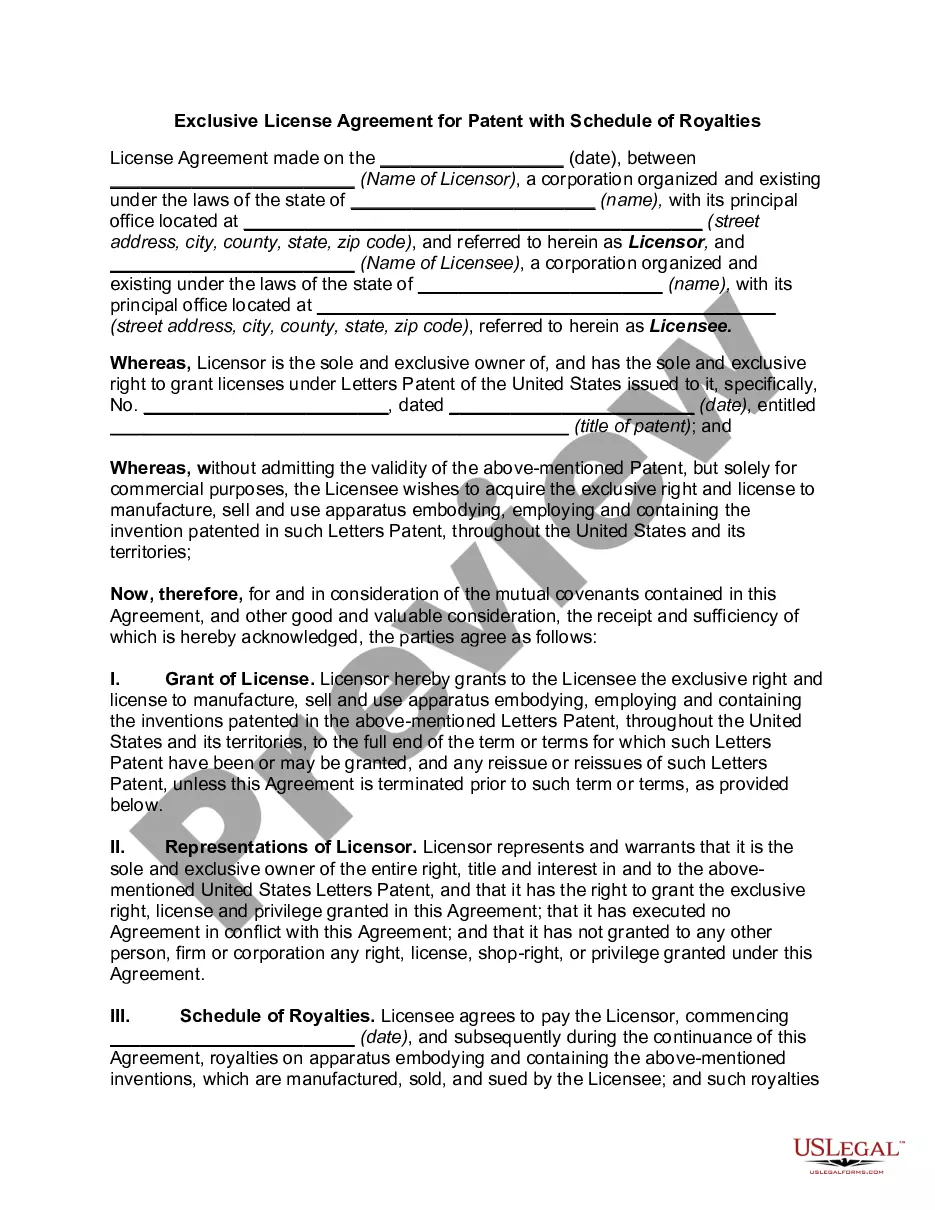


How to fill out Irrevocable Trust Agreement For Benefit Of Trustor's Children And Grandchildren?
Finding a reliable location to obtain the most up-to-date and suitable legal documents is a significant part of managing bureaucracy.
Selecting the correct legal forms requires accuracy and careful consideration, which is why it is essential to obtain samples of Irrevocable Form Trust For House only from trustworthy providers, such as US Legal Forms.
Eliminate the hassle associated with your legal documentation. Explore the vast US Legal Forms collection to find legal templates, assess their relevance to your situation, and download them instantly.
- Utilize the library navigation or search feature to find your template.
- View the form’s description to verify if it meets the specifications of your state and locality.
- Access the form preview, if available, to confirm the document is what you need.
- Continue searching and locate the correct document if the Irrevocable Form Trust For House does not fulfill your criteria.
- If you are confident about the form’s applicability, download it.
- When you are a registered user, click Log in to verify and access your selected templates in My documents.
- If you don’t have an account yet, click Buy now to acquire the form.
- Select the pricing plan that meets your needs.
- Proceed to registration to complete your purchase.
- Finalize your purchase by selecting a payment option (credit card or PayPal).
- Choose the file format for downloading Irrevocable Form Trust For House.
- Once the form is on your device, you may edit it with the editor or print it and complete it by hand.
Form popularity
FAQ
An example of an irrevocable trust is a Medicaid Trust, which helps individuals protect assets while qualifying for government benefits. In this trust, the individual cannot make changes or revoke the trust once established. This type of irrevocable form trust for house typically provides tax benefits and asset protection.
The step-up in basis is equal to the fair market value of the property on the date of death. In our example, if the parents had put their home in this irrevocable income only trust, and the fair market value upon their demise was $300,000, the children would receive the home with a basis equal to this $300,000 value.
Disadvantages of an Irrevocable Trust You will give up much more control over your financial affairs. Additional tax returns may need to be filed for the irrevocable trust, which can add cost and complexity. Irrevocable trusts may be more difficult to create and are nearly impossible to modify.
Irrevocable Trusts The trust assets will carry over the grantor's adjusted basis, rather than get a step-up at death. Assets held in an irrevocable trust that has its own tax identification number (i.e., nongrantor trust status) do not receive a new basis when the grantor dies.
Protection of Assets Assets placed under an irrevocable trust are protected from the reach of a divorcing spouse, creditors, business partners, or any unscrupulous legal intent. Assets like home, jewelry, art collection, and other valuables placed in the trust are guarded against anyone seeking litigation against you.
In an irrevocable trust, the taxpayer cannot make any changes once the trust is established and, therefore, the IRS does not consider assets in an irrevocable trust to be owned by the taxpayer.