Contract Change After Tupe
Description

Get your form ready online
Our built-in tools help you complete, sign, share, and store your documents in one place.
Make edits, fill in missing information, and update formatting in US Legal Forms—just like you would in MS Word.
Download a copy, print it, send it by email, or mail it via USPS—whatever works best for your next step.
Sign and collect signatures with our SignNow integration. Send to multiple recipients, set reminders, and more. Go Premium to unlock E-Sign.
If this form requires notarization, complete it online through a secure video call—no need to meet a notary in person or wait for an appointment.
We protect your documents and personal data by following strict security and privacy standards.

Make edits, fill in missing information, and update formatting in US Legal Forms—just like you would in MS Word.

Download a copy, print it, send it by email, or mail it via USPS—whatever works best for your next step.

Sign and collect signatures with our SignNow integration. Send to multiple recipients, set reminders, and more. Go Premium to unlock E-Sign.

If this form requires notarization, complete it online through a secure video call—no need to meet a notary in person or wait for an appointment.

We protect your documents and personal data by following strict security and privacy standards.
Looking for another form?
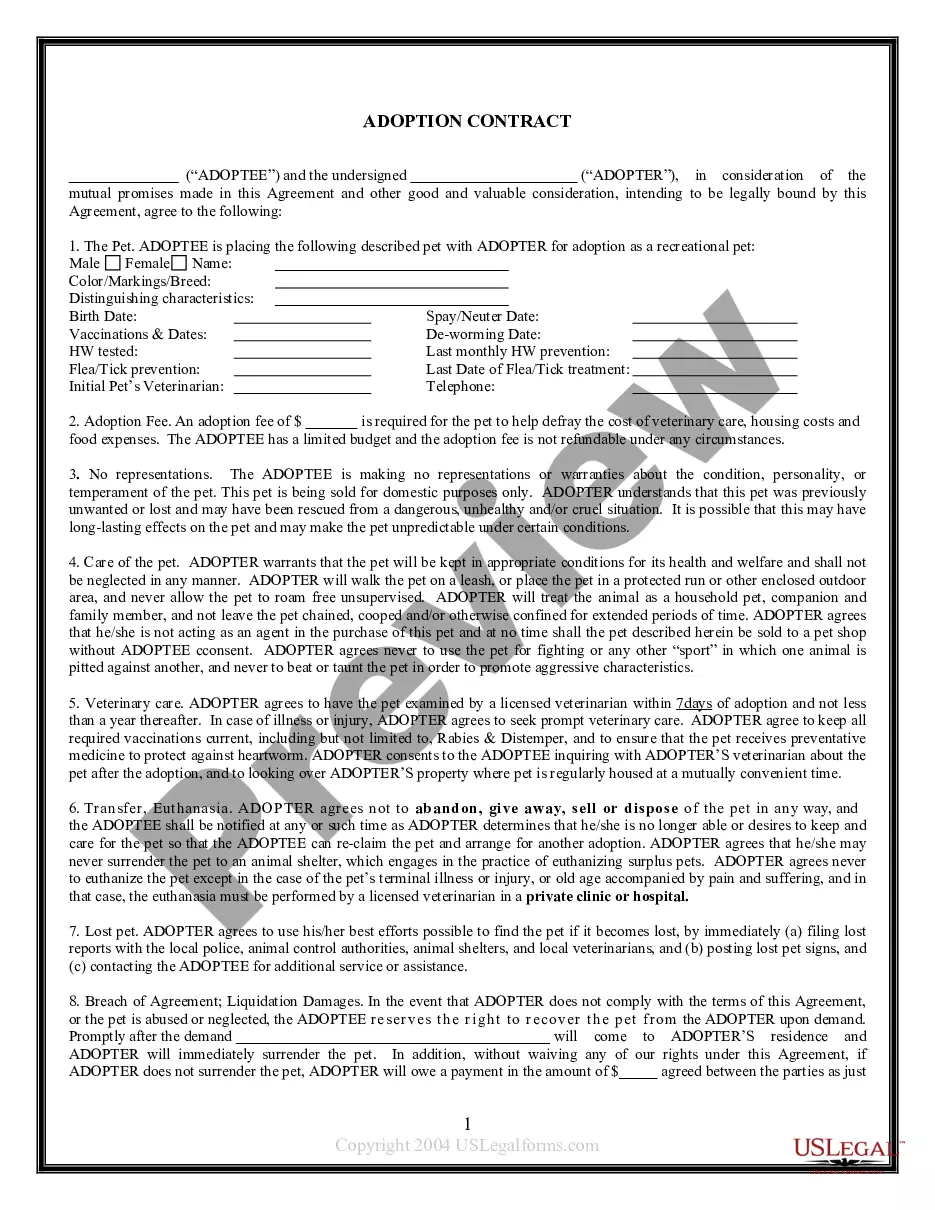







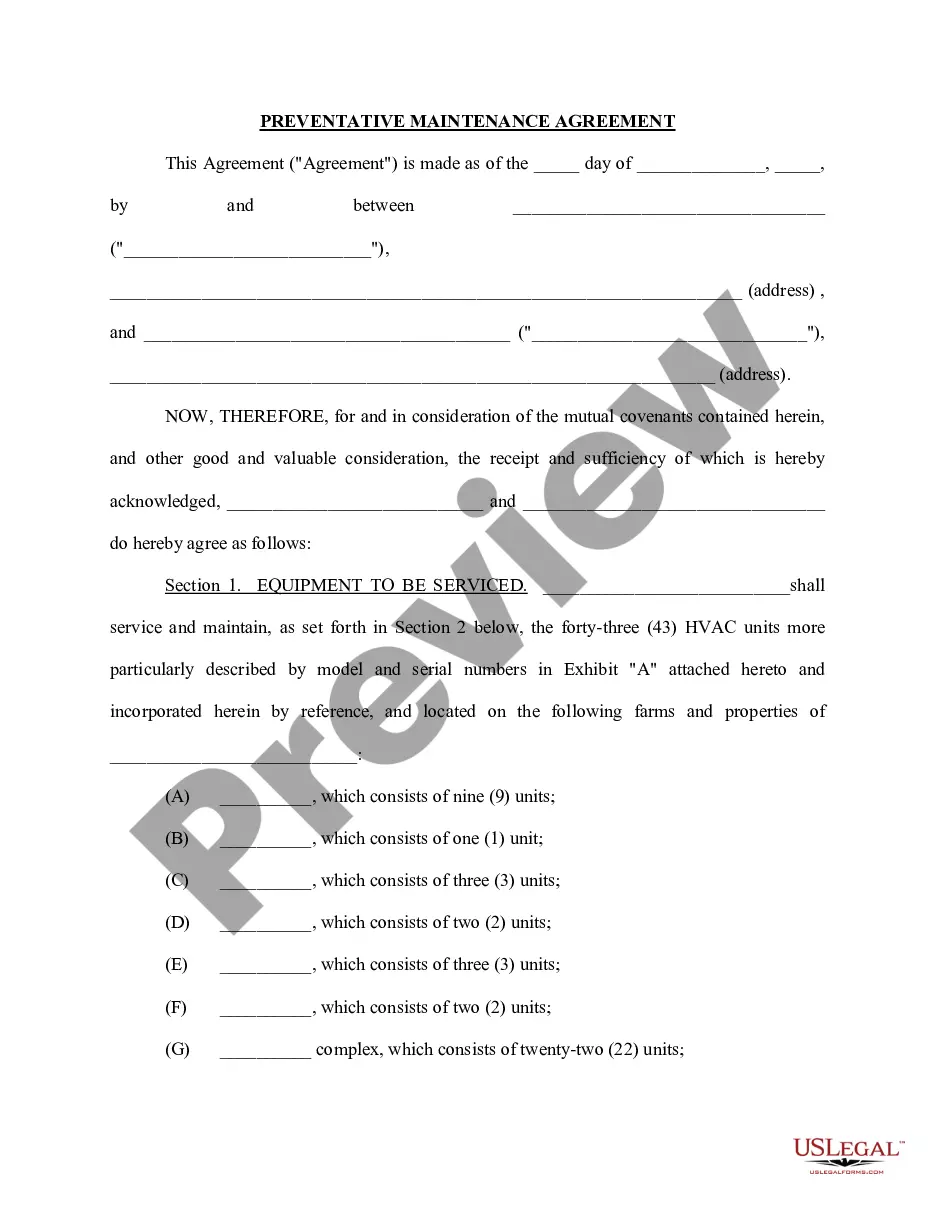
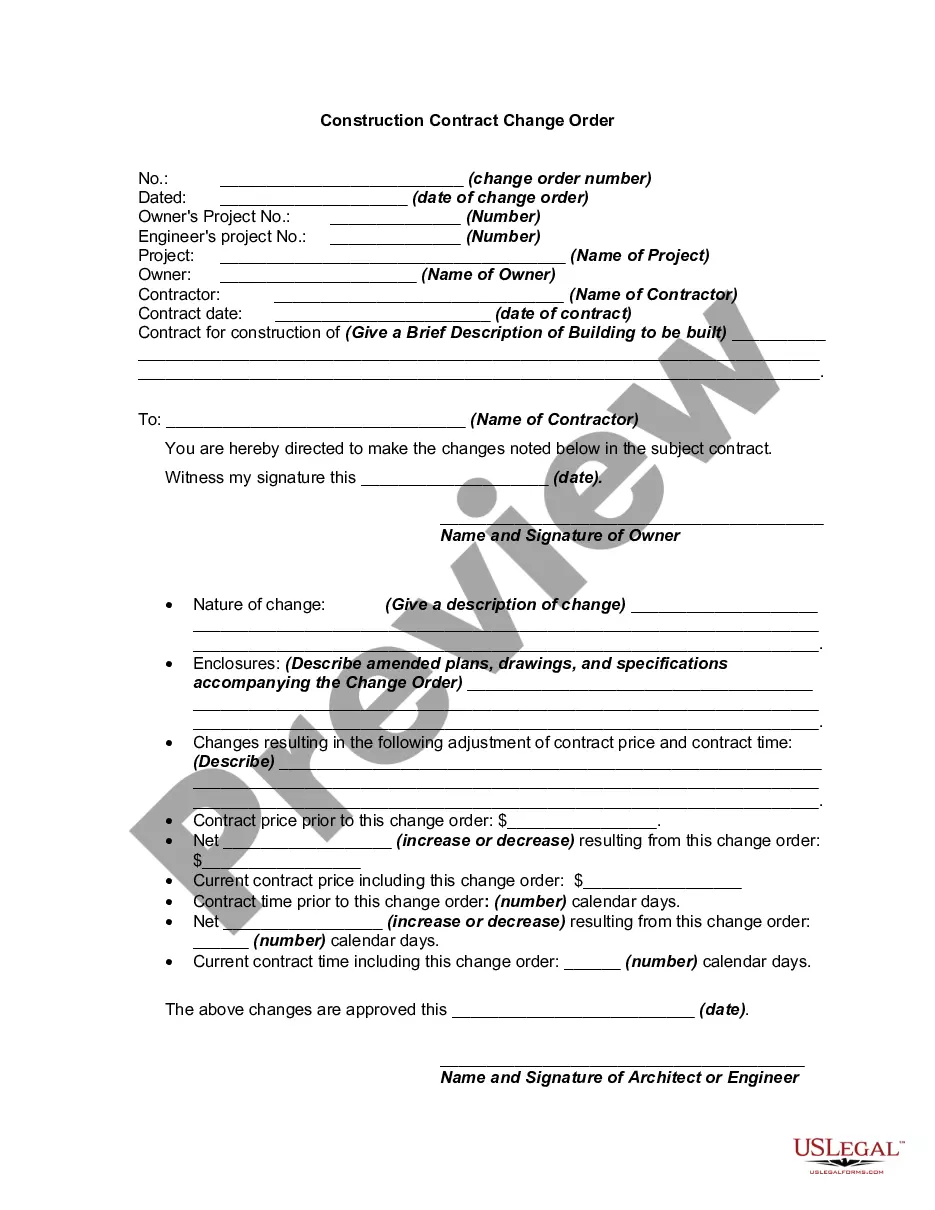
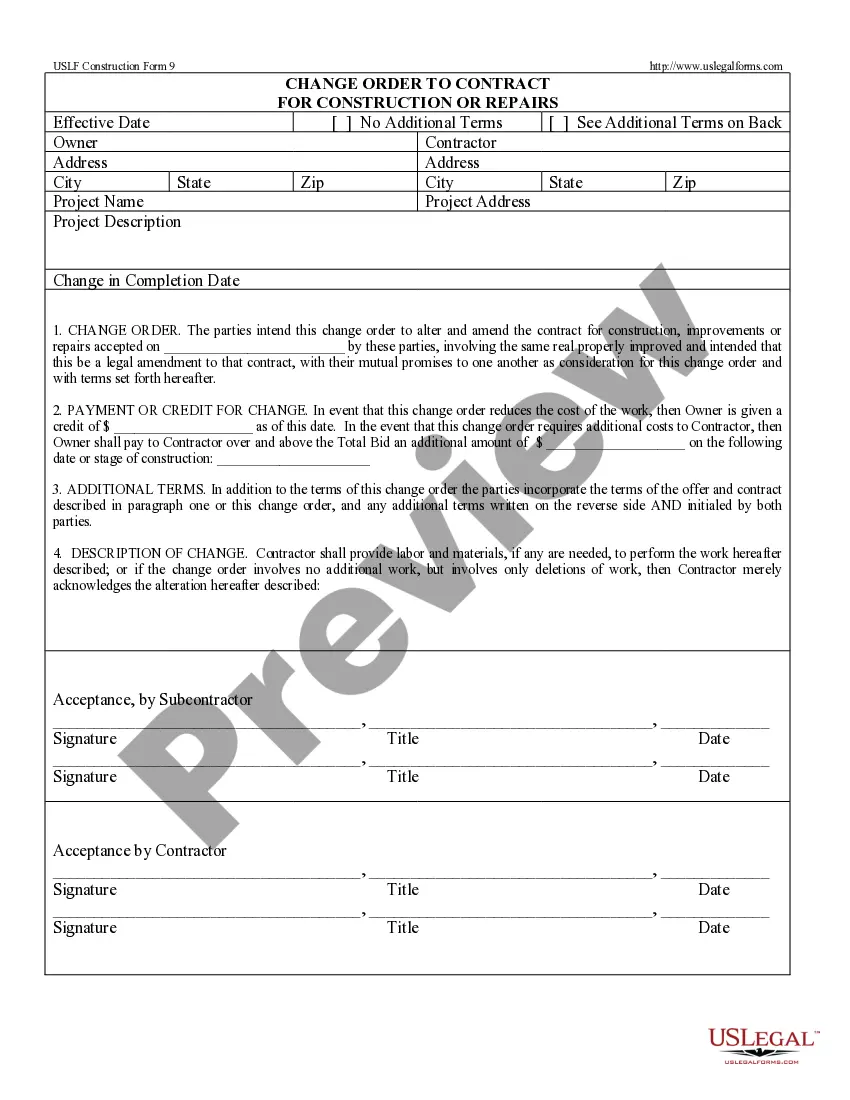
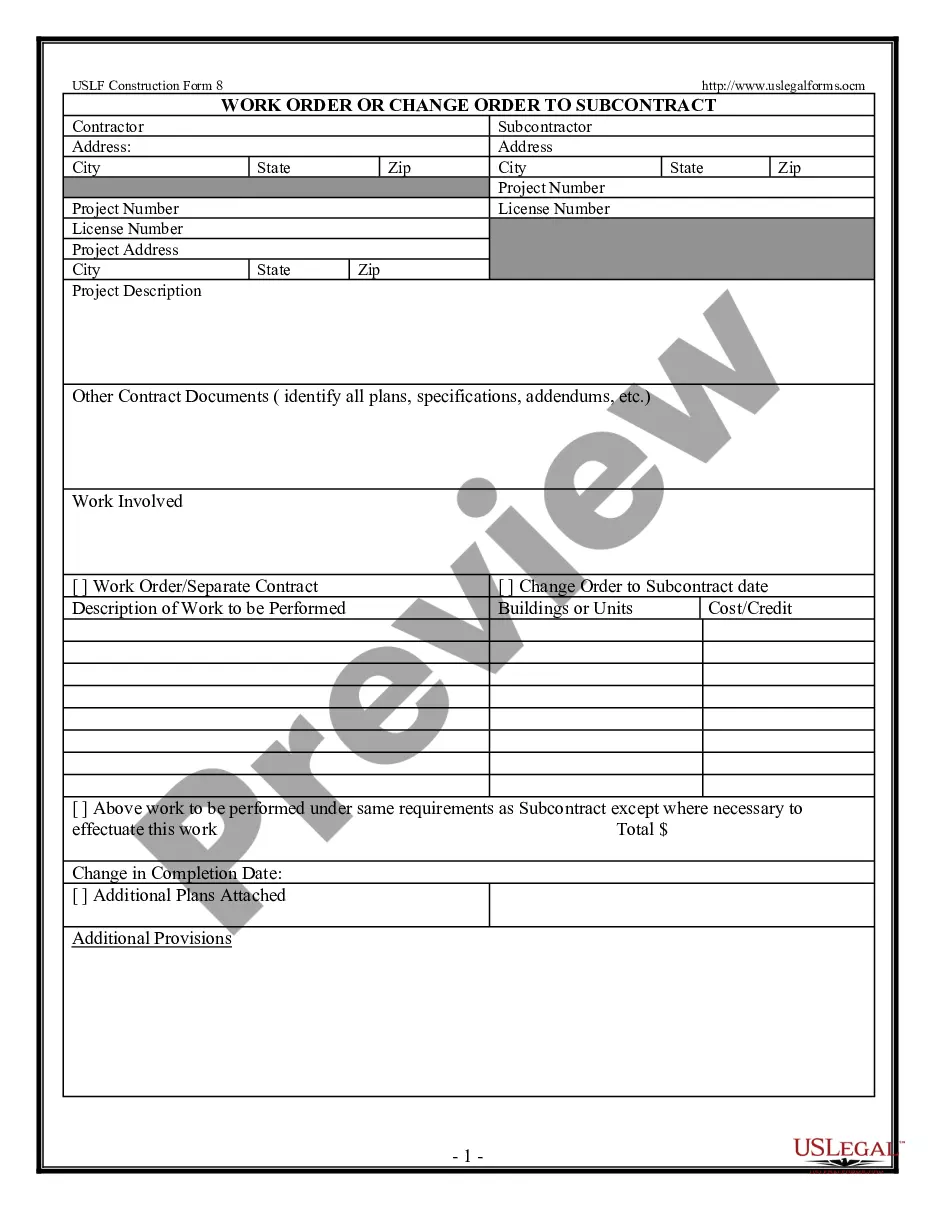
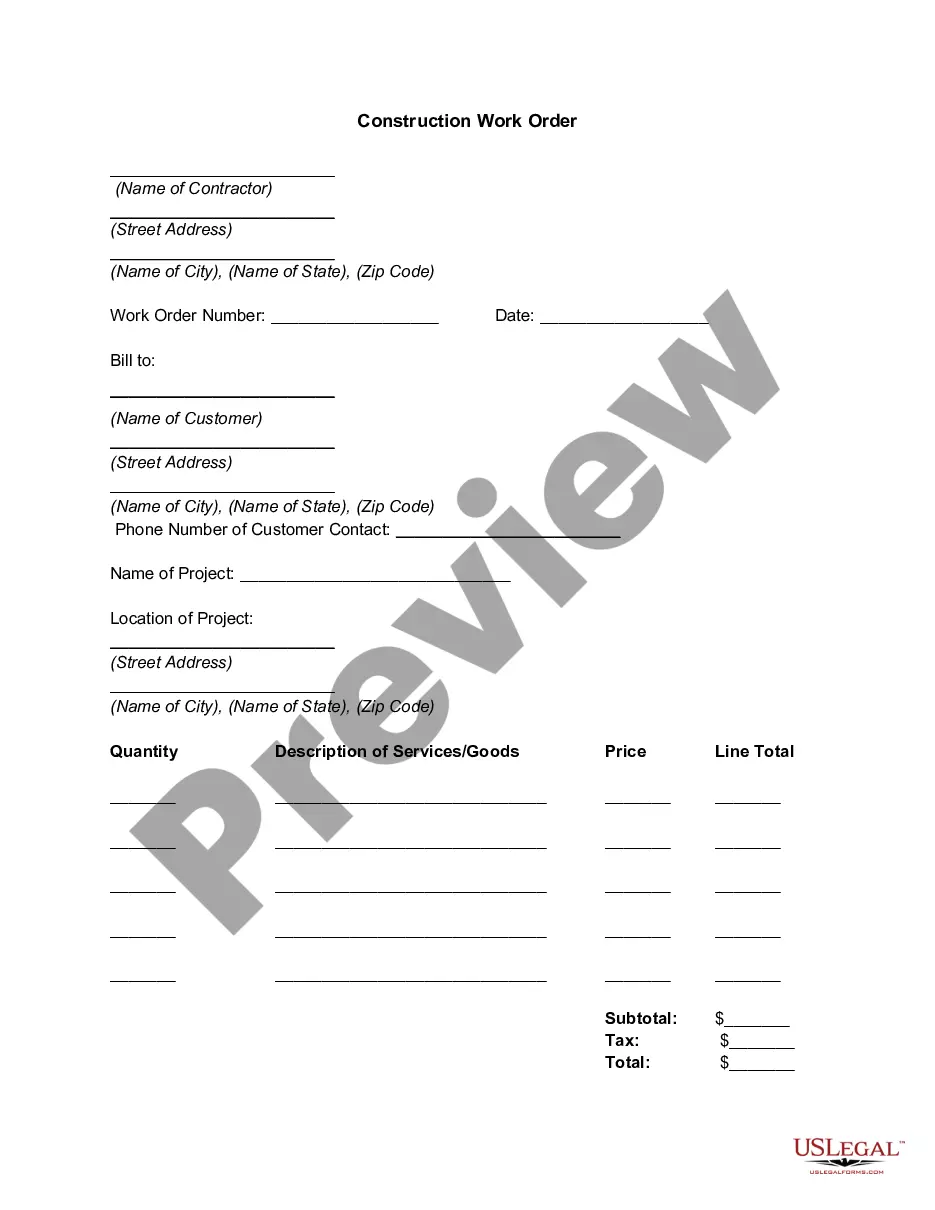
How to fill out Construction Contract Change Order?
Individuals commonly link legal documentation with something intricate that only an expert can handle.
In a certain respect, it's accurate, as preparing a Contract Change After Tupe necessitates considerable knowledge of subject matters, including state and local regulations.
However, with US Legal Forms, things have turned more straightforward: pre-prepared legal documents for any personal and business circumstance tailored to state laws are compiled in a single online repository and are now accessible to everyone.
Print your document or upload it to an online editor for faster completion. All templates in our library are reusable: once purchased, they remain saved in your profile. You can access them whenever necessary via the My documents tab. Discover all the benefits of utilizing the US Legal Forms platform. Subscribe today!
- US Legal Forms provides over 85,000 current forms categorized by state and application area, so finding a Contract Change After Tupe or any other specific template only takes moments.
- Formerly registered users with an active subscription must Log In to their account and click Download to acquire the form.
- New users are required to establish an account and subscribe before they can save any documentation.
- Here is a systematic guide on how to obtain the Contract Change After Tupe.
- Examine the page content meticulously to confirm it satisfies your requirements.
- Review the form description or verify it via the Preview option.
- If the previous sample does not meet your needs, search for another using the Search bar in the header.
- When you locate the suitable Contract Change After Tupe, click Buy Now.
- Select a subscription plan that aligns with your requirements and financial capability.
- Create an account or Log In to move to the payment page.
- Complete your payment through PayPal or with your credit card.
- Choose the format for your document and click Download.
Form popularity
FAQ
Usually, the employer and employee both need to agree to any contract changes. But an employee can insist on a change if they have a legal right to it.
This is regardless of whether the changes have immediate effect. It's good practice to offer to discuss any concerns, which again might help encourage them to agree to the changes. However, in short, an employee can refuse to accept a change or variation in their contract's terms and conditions.
If you want to make a change to your contract, speak to your employer and explain why. You can't insist on making changes unless they're covered by a legal right, for example, opting out of Sunday working or the 48-hour week. You might be able to apply to change your hours under flexible working rights.
The employee simply tells the employer, or the new employer, before the transfer happens. Employment then ends at the time of transfer. If an employee's working conditions are significantly worse because of the transfer, they can object to the transfer, or resign and claim unfair dismissal.
Under TUPE, any attempt to change your contract terms will be void if the only reason or main reason for the change in contract terms is the TUPE transfer. This means it would be unlawful for your new employer to reduce your pay, or make any of your existing contract terms less favourable.
