Loan Maturity Notice Letter Format
Description


Get your form ready online
Our built-in tools help you complete, sign, share, and store your documents in one place.
Make edits, fill in missing information, and update formatting in US Legal Forms—just like you would in MS Word.
Download a copy, print it, send it by email, or mail it via USPS—whatever works best for your next step.
Sign and collect signatures with our SignNow integration. Send to multiple recipients, set reminders, and more. Go Premium to unlock E-Sign.
If this form requires notarization, complete it online through a secure video call—no need to meet a notary in person or wait for an appointment.
We protect your documents and personal data by following strict security and privacy standards.
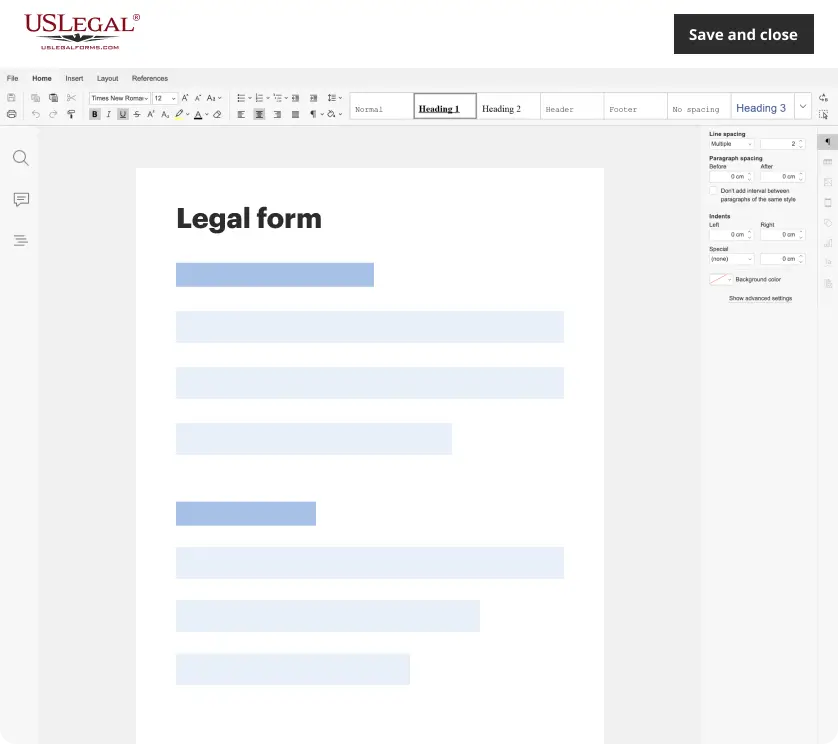
Make edits, fill in missing information, and update formatting in US Legal Forms—just like you would in MS Word.
Download a copy, print it, send it by email, or mail it via USPS—whatever works best for your next step.
Sign and collect signatures with our SignNow integration. Send to multiple recipients, set reminders, and more. Go Premium to unlock E-Sign.

If this form requires notarization, complete it online through a secure video call—no need to meet a notary in person or wait for an appointment.
We protect your documents and personal data by following strict security and privacy standards.
Looking for another form?
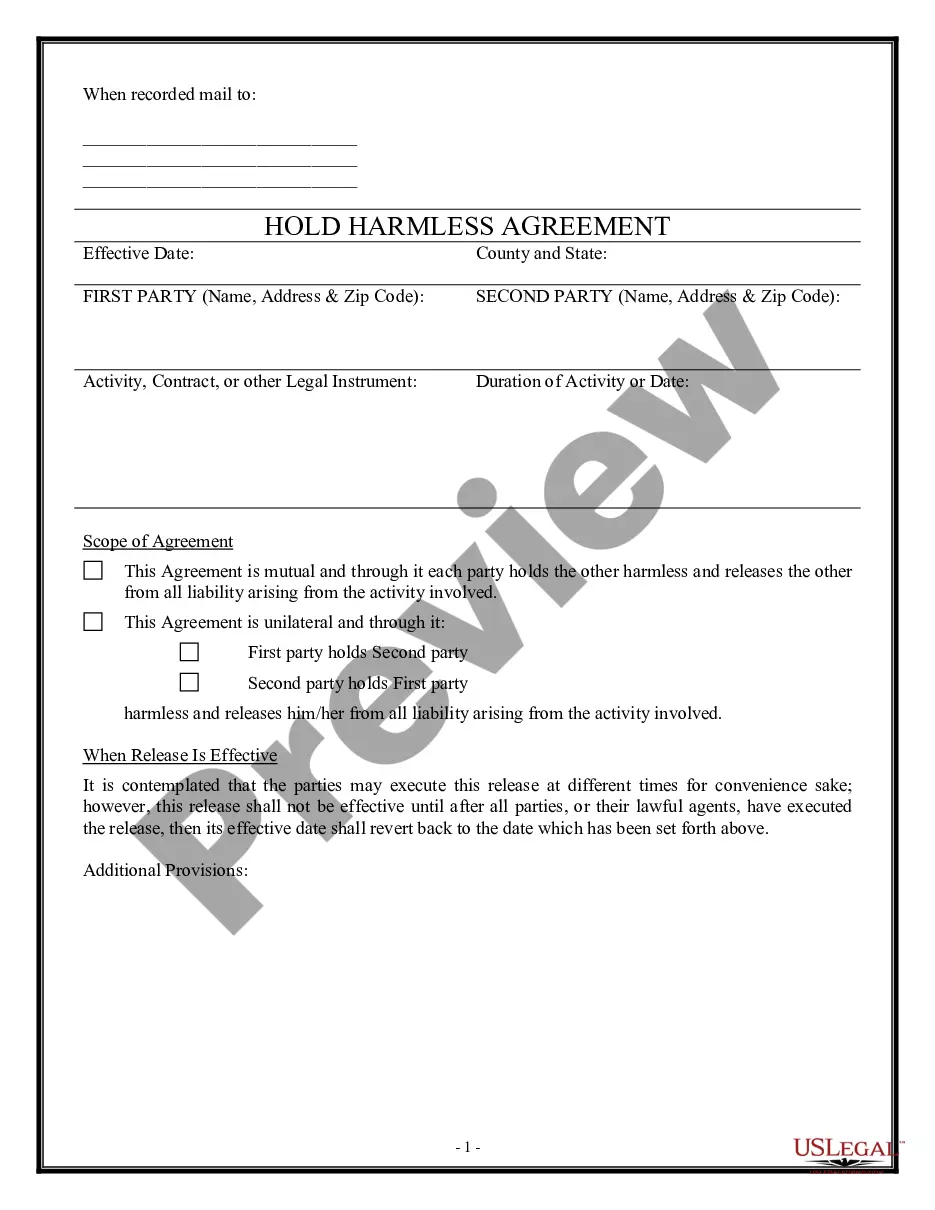
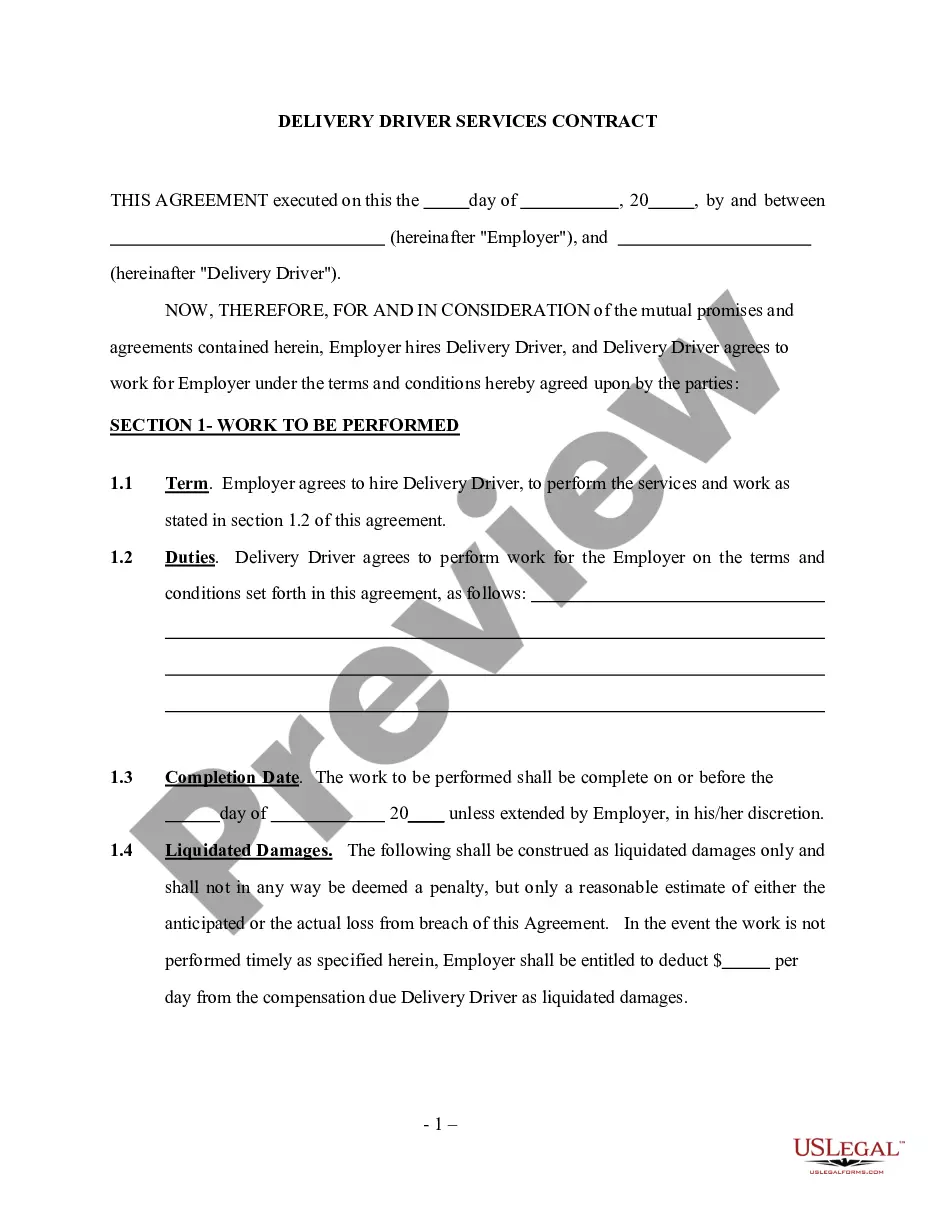
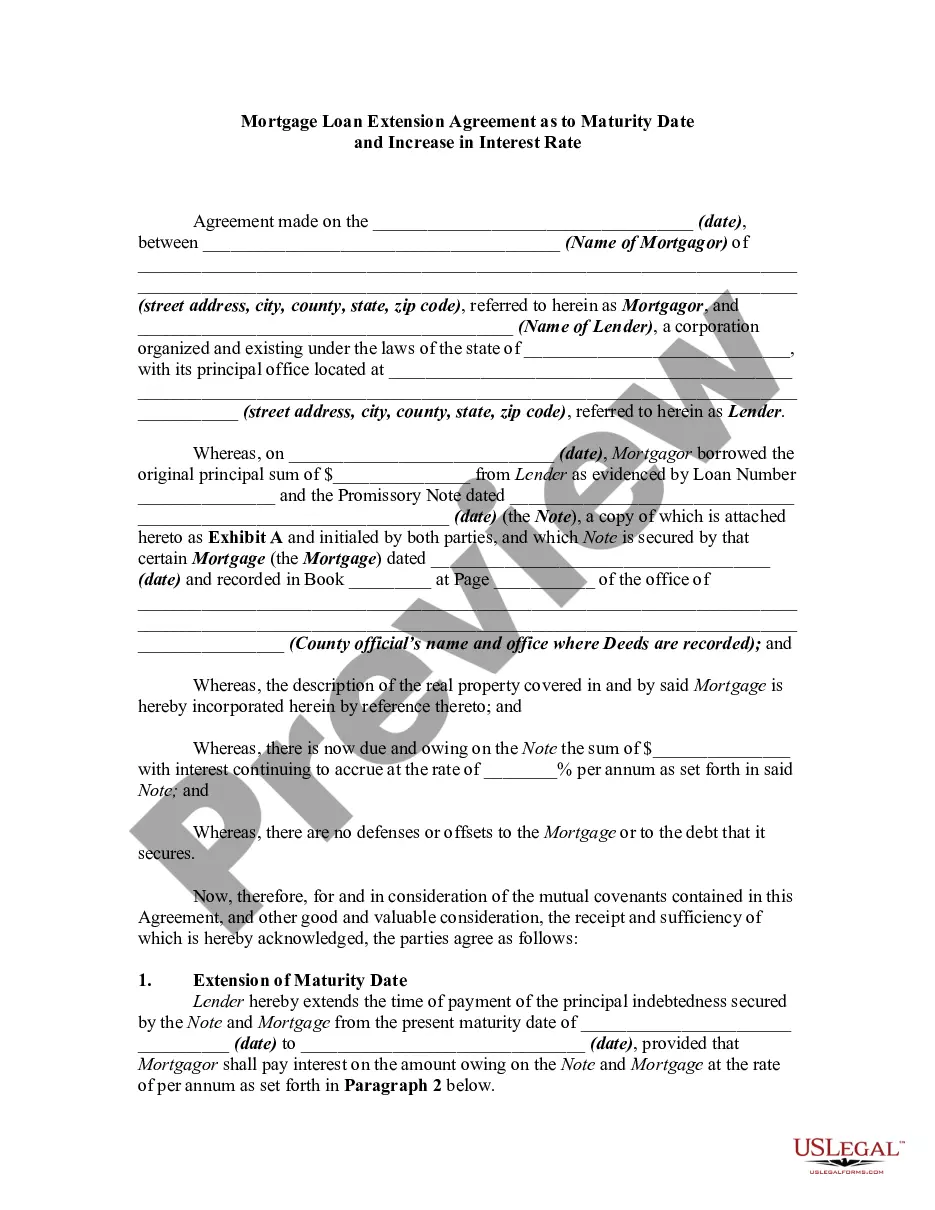
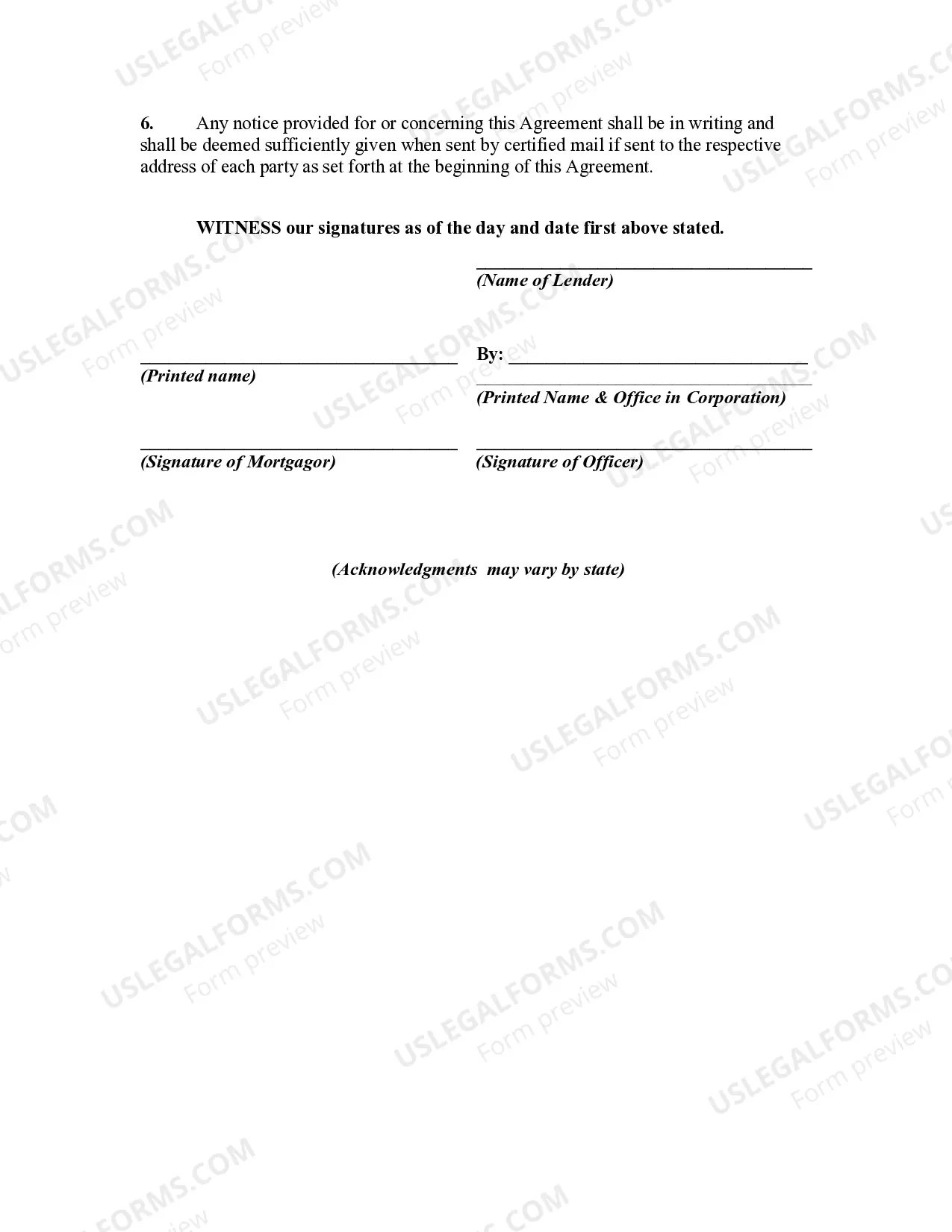
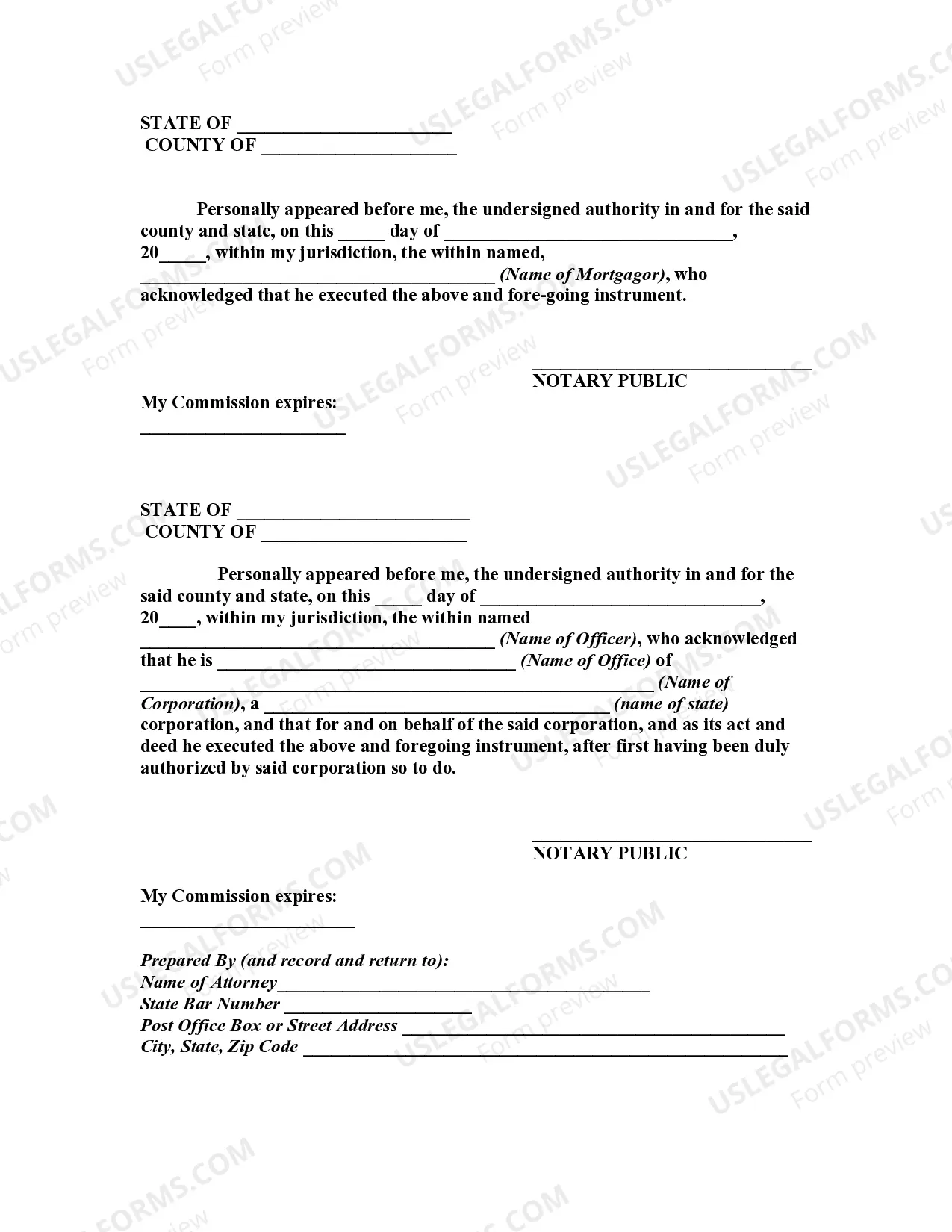
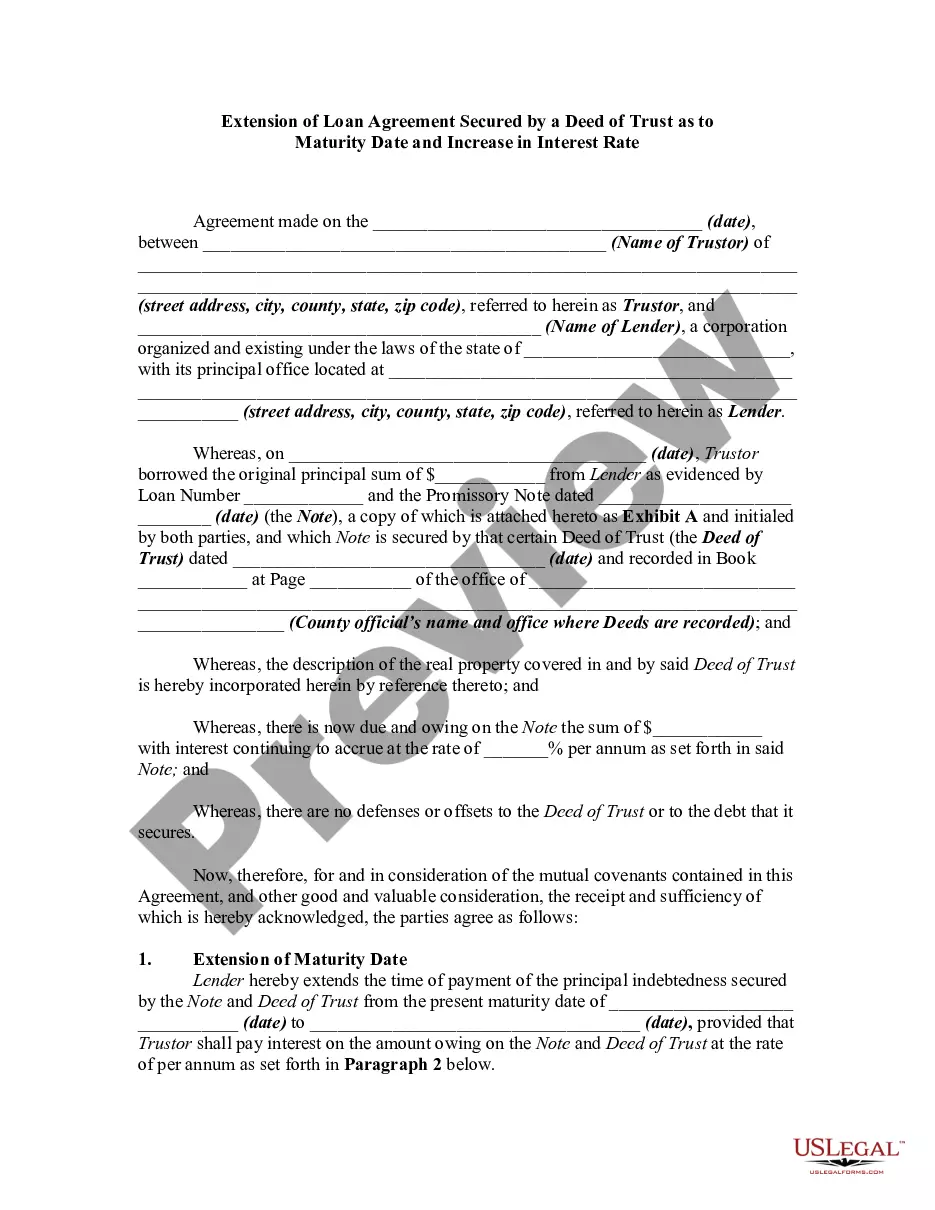
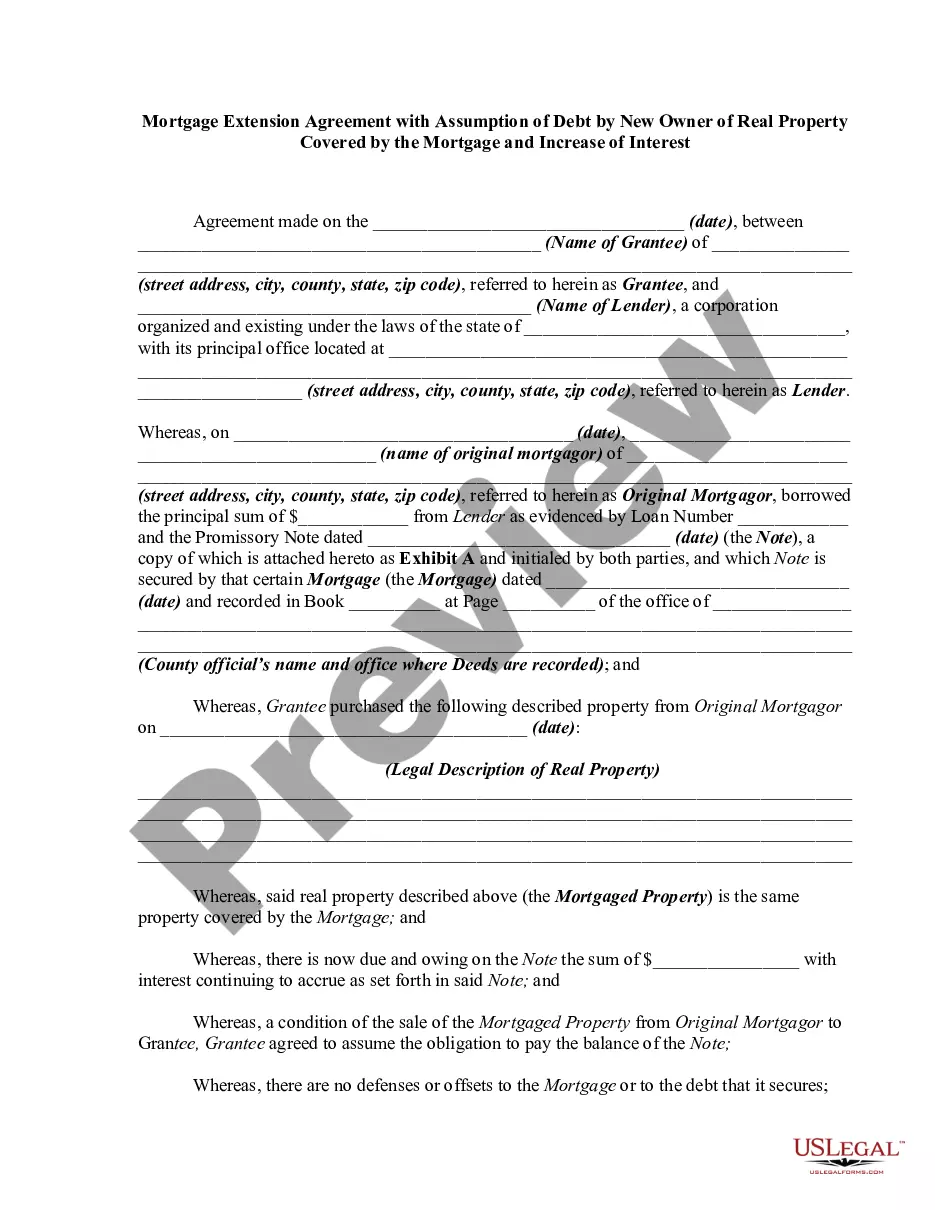
How to fill out Mortgage Loan Extension Agreement As To Maturity Date And Increase In Interest Rate?
Creating legal documents from the ground up can frequently be overwhelming.
Certain situations may require significant research and substantial expenses.
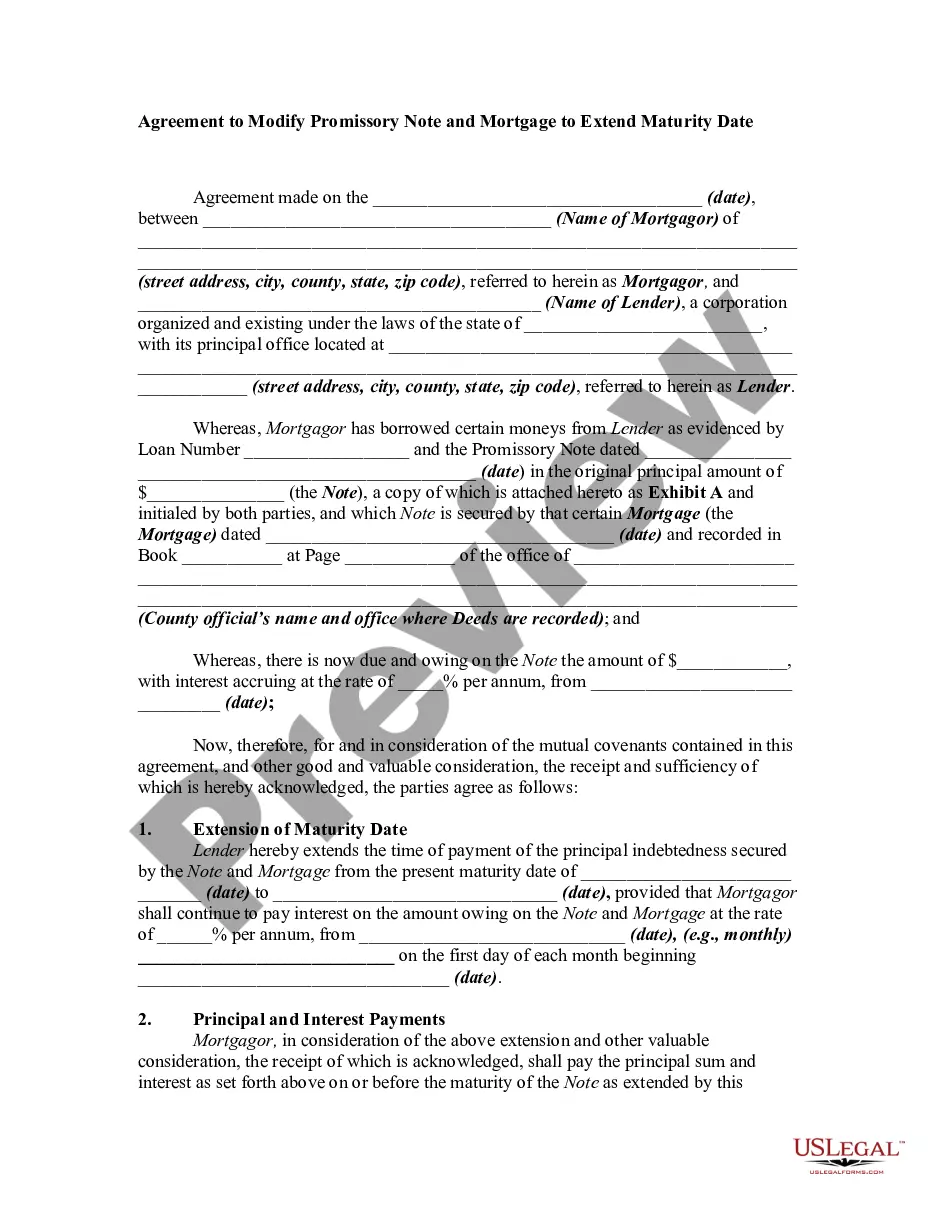
If you’re looking for a simpler and more economical method of producing Loan Maturity Notice Letter Format or various other documents without unnecessary complications, US Legal Forms is readily available.
Our online collection of more than 85,000 current legal templates covers nearly every dimension of your financial, legal, and personal concerns.
However, before diving straight into obtaining the Loan Maturity Notice Letter Format, adhere to these guidelines: Review the document preview and descriptions to ensure you are selecting the correct form. Confirm that the template you select complies with the rules and regulations of your state and locality. Choose the appropriate subscription option to purchase the Loan Maturity Notice Letter Format. Download the document, then complete, authenticate, and print it. US Legal Forms boasts an impeccable track record and over 25 years of expertise. Join us today and make document processing a hassle-free and efficient experience!
- With just a few clicks, you can easily access state- and county-specific forms meticulously arranged for you by our legal professionals.
- Utilize our service anytime you want a dependable and trustworthy resource to swiftly locate and download the Loan Maturity Notice Letter Format.
- If you’re familiar with our offerings and have registered with us previously, simply Log In to your account, choose the template and download it immediately or retrieve it later in the My documents section.
- Not a member yet? No worries. Setting up an account takes only minutes to start exploring the collection.
Form popularity
FAQ
Transferring Indiana real estate usually involves four steps: Locate the prior deed to the property. ... Create the new deed. ... Sign the new deed. ... Record the original deed.
A plat contains a map and other information when the land was subdivided to form residential lots. To locate the plat for your subdivision: It may be helpful to locate your Property Card from the Assessor's Office. This will show the legal description which contains the subdivision where your property is located.
Indiana Recorders In most cases deed documents are recorded in the county where the property is located. Statutory requirements for real estate deeds recorded in the state of Indiana: - To record a conveyance or mortgage at the County Recorder's Office, the instrument must be properly acknowledged.
You can get a copy of your deed or mortgage release/satisfaction from the Recorder's office, and our staff can help you with your search.
Deeds, power of attorneys, and other legal documents that involve legal consequences of actions must be prepared by an attorney.
Search the owner and property through the county recorder's property records to find applicable deeds, open mortgages, mortgage associated documents, as well as any other documents that are relevent to the title. Foreclosure cases, judgments and liens need to be searched separately in civil records.
The County Recorder's Office will provide an official copy of a deed record for $1 per page (most deeds consist of 1 to 2 pages). If you encounter such a mailing, please call the Recorders Office (317-776-9717) or report it to the Indiana Attorney General's Office (1-800-382-5516).
In Indiana, generally ?a party to a deed is bound by the instrument whether or not it is recorded.?